
Stop Comparing Your Marriage: The Path to True Marital Happiness
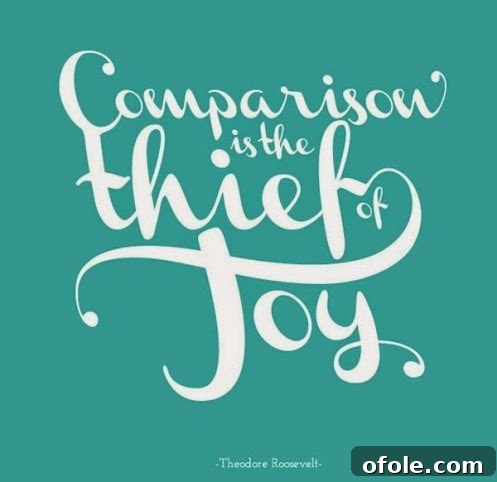
In a world saturated with curated social media feeds, idealized movie plots, and casual conversations about other people’s lives, it’s increasingly difficult to resist the urge to compare. This tendency extends deeply into our personal relationships, especially our marriages. While seemingly harmless, comparing your marriage to others can be a silent assassin, slowly eroding the foundations of love, trust, and contentment within your own unique partnership. This article delves into the profound dangers of marital comparison and offers a comprehensive guide to cultivating a genuinely happy and resilient relationship, free from the shackles of external expectations.
Consider the story of Eposi and Susan, two friends living in the same neighborhood, whose casual chat about their households took a sharp, destructive turn. One sunny afternoon, Eposi decided to pay Susan a visit.
Eposi gently knocked on Susan’s door. From inside, a warm, cheerful voice chimed, “Yes, come in!”
As Eposi stepped into the welcoming living space, her eyes immediately landed on a colorful array of groceries. Susan was meticulously sorting various items from several shopping bags and boxes, humming softly to herself.
“My friend, it certainly looks like you’ve just returned from a significant market run,” Eposi observed, a hint of curiosity in her tone.
Susan beamed, her face lighting up. “Yes, indeed! My husband just gave me a generous sum to stock up on groceries for the entire house. We’re preparing for a lovely week of home-cooked meals!”
Eposi managed a strained smile. “That’s wonderful for you, my friend.” Her initial pleasant demeanor began to falter, giving way to an undercurrent of resentment. “My husband, Peter, well… he only provides me with 3,000 Francs for a whole week’s provisions.” She held up three fingers, emphasizing the meager amount. “I truly wonder what he does with all the money he earns. It’s perplexing.”
Susan, perhaps not fully grasping the depth of Eposi’s underlying frustration, continued with an innocent pride. “My sister, I genuinely thank God for my husband. He provides me with a generous 20,000 Francs every single week specifically for food. We hardly ever find ourselves lacking good, nutritious food in this household.”
Their conversation meandered on, with Eposi increasingly consumed by a growing sense of injustice, her lamentations becoming more pronounced. Susan, conversely, continued to unknowingly boast about her husband’s financial provision and their family’s comfortable living. With each passing minute, Eposi felt a bitter knot tightening in her stomach. By the time she departed from Susan’s house, she was seething with jealousy, her mind fixed on confronting her own ‘good-for-nothing’ husband, Peter.
That evening, the moment Peter walked through the door, Eposi unleashed a torrent of pent-up anger and frustration.
“When are you going to start acting like a real man in this house? When will you provide for us properly?” she shouted, her voice thick with barely contained fury.
Before Peter, a man prone to stammering when under duress, could even collect his thoughts to formulate a reply, Eposi launched another verbal assault, fueled by her afternoon’s revelation:
“Susan’s husband gives her 20,000 Francs every single week for shopping, but all you ever give me is a measly 3,000! Three thousand miserable Francs, Peter! It’s an insult!”
Overwhelmed by her accusations and the public comparison, a flash of rage crossed Peter’s face. He rushed towards her, his hand flying out, landing a stinging slap across her face. What ensued that evening was a brutal and ugly battle of harsh words, accusations, and physical altercations. The marital peace was shattered, leaving behind a trail of emotional wounds.
The Subtle Erosion of Comparison in Relationships
While the physical violence in Eposi and Peter’s story is an extreme and unacceptable outcome, the preceding comparison of one partner to another is a typical example of how such seemingly benign acts can escalate into devastating marital conflict. I unequivocally condemn any form of violence, but the narrative starkly illustrates the profound dangers of likening your marriage or your spouse to others. This scenario, often depicted with women comparing their husbands, is equally prevalent among men. Many men frequently compare their wives to the wives of their friends, colleagues, or even fictional characters, leading to feelings of inadequacy, dissatisfaction, and resentment in their partners.
The fundamental truth is that no two marriages are identical. Just as identical twins, despite their striking similarities, possess distinct personalities and life paths, so too do relationships. Every marriage is a unique ecosystem, shaped by the individual personalities, histories, values, and experiences of the two people involved. Therefore, irrespective of any perceived similarities between your marriage and another, the practice of comparison is inherently flawed and ultimately damaging.
The Illusion of Perfection: Movies, Social Media, and Misconceptions
Another problematic parameter people frequently use for marital comparison comes from idealized portrayals in media, particularly movies and television shows. In a film, you might watch a flawlessly charismatic gentleman who treats his wife like an absolute queen – showering her with elaborate gifts, thoughtful gestures, and unwavering devotion. After witnessing such cinematic perfection, you might inadvertently begin to view your own husband, who has been diligently doing his best for you within the confines of real life, as somehow lacking or even a “beast.” What’s often overlooked, however, is that the ‘perfect’ man you admired on screen is an actor, often with a tumultuous personal life, who might have been divorced five times in real life! The polished narratives of Hollywood are crafted for entertainment, not as blueprints for authentic human relationships.
Similarly, social media platforms present an endless stream of curated realities. Couples share meticulously filtered photos of romantic getaways, extravagant gifts, and seemingly blissful moments. It’s easy to fall into the trap of believing that everyone else’s relationship is a perpetual honeymoon, while your own everyday struggles feel mundane or inferior. What these platforms rarely show are the arguments, the financial stresses, the compromises, or the hard work that goes into sustaining any long-term relationship. The “highlight reel” of others’ lives should never be the measuring stick for your own behind-the-scenes reality.
The Detrimental Impact of Marital Comparison
Comparing your marriage to others will invariably lead to dissatisfaction. This insidious habit can trigger a cascade of negative emotions and consequences, both for individuals and for the relationship itself:
- Erosion of Gratitude: When you constantly look at what others have, you become blind to the blessings and unique strengths within your own marriage. This breeds ingratitude and a perpetual sense of wanting more.
- Cultivation of Resentment and Envy: Like Eposi, you might develop deep-seated resentment towards your partner for not measuring up to an external standard, or envy towards the ‘perfect’ couples you observe.
- Feelings of Inadequacy: Both partners can feel inadequate. The one being compared might feel constantly judged and not good enough, while the one doing the comparing might feel like a failure for not having what others appear to have.
- Increased Conflict: Comparisons often manifest as criticism or accusations, leading to arguments, defensiveness, and a breakdown in communication, as witnessed with Eposi and Peter.
- Diminished Intimacy: When resentment and dissatisfaction grow, emotional and physical intimacy often wane. The bond weakens as partners pull away from each other.
- Unrealistic Expectations: Comparison fuels a cycle of unrealistic expectations. No partner can ever perfectly fulfill an idealized image built from fragments of other people’s relationships.
- Loss of Identity: Constantly striving to be like another couple means you lose sight of what makes your own relationship special and authentic. You miss the opportunity to forge your unique path.
Strategies for Overcoming the Comparison Trap
While admiring positive aspects in other relationships can be healthy, the line is crossed when admiration turns into covetousness or an obsessive desire to replicate another’s life. Stop wishing you were Mr. X or Mrs. Y. Instead, focus your energy on cultivating contentment and actively building your own fulfilling relationship. Here are actionable strategies to help you break free from the comparison trap:
1. Cultivate Gratitude and Appreciation
Make a conscious effort to identify and appreciate the unique qualities of your partner and the strengths of your relationship. Regularly express gratitude for the small, everyday gestures as well as the significant ones. Keep a gratitude journal, or simply take a moment each day to think about what you value in your spouse and your shared life. This shift in focus from what’s lacking to what’s abundant can dramatically transform your perspective.
2. Focus on Your Own Growth and Partnership
Instead of looking outwards, invest your energy inwards. Work on *you* to make *you* a better individual, and then collaboratively work on *your relationship* to make it stronger. Identify areas where you and your partner can grow together. This could involve improving communication, learning new ways to resolve conflict, pursuing shared hobbies, or setting joint goals. A proactive approach to self-improvement and mutual growth will naturally steer your focus away from others.
3. Practice Mindfulness and Self-Awareness
Become aware of when and why you are comparing. Is it triggered by a social media post? A conversation with a friend? A moment of insecurity? Recognizing these triggers is the first step towards changing the pattern. When you catch yourself comparing, consciously bring your attention back to your own relationship and its unique journey.
4. Set Realistic Expectations
Understand that every relationship has its challenges, imperfections, and periods of struggle. No relationship is perfect, regardless of how it appears on the surface. Embrace the reality that your marriage will have its own ebb and flow, its own strengths and weaknesses. Letting go of the pursuit of an unattainable ‘perfect’ ideal will free you to appreciate the authentic reality of your partnership.
5. Improve Communication with Your Partner
Open and honest communication is crucial. If you’re feeling inadequate or envious, talk to your partner about it, but frame it as an internal struggle you’re facing, rather than an accusation against them. Conversely, if you feel your partner is comparing you, express your feelings calmly and discuss the impact it has on you. Work together to understand each other’s needs and perspectives without judgment.
6. Limit Exposure to Comparison Triggers
If certain social media accounts, television shows, or even specific friends consistently trigger feelings of comparison, consider limiting your exposure to them. Curate your environment to support a mindset of contentment and appreciation rather than envy.
7. Embrace Your Unique Journey
Your marriage is a unique story, written by you and your partner, day by day. Celebrate its individuality, its quirks, and its particular strengths. Recognize that the beauty of a long-term relationship lies in its evolution, its shared history, and the deep, personal connection you build together, not in how it measures up to someone else’s.
The Path to Authentic Happiness
It’s an undeniable truth of life that someone will always seem to have a ‘better’ spouse, a ‘better’ house, a ‘better’ career, or a ‘better’ job. This external pursuit of ‘better’ is a never-ending cycle that only leads to chronic discontentment. Learning to be content, irrespective of external circumstances, is a profound wisdom, much like the Biblical Paul’s admonition in Philippians 4:11: “I have learned to be content whatever the circumstances.” This ancient wisdom remains incredibly relevant today, offering a powerful antidote to the comparison culture.
Cultivating contentment is not about settling for less; it’s about finding joy and fulfillment in what you already have, actively working to improve your own situation without fixating on others. It’s about recognizing that happiness isn’t found in mirroring someone else’s life, but in building and cherishing your own unique, imperfect, and beautiful journey with your partner. By letting go of comparison, you open the door to genuine appreciation, deeper connection, and lasting marital happiness.