
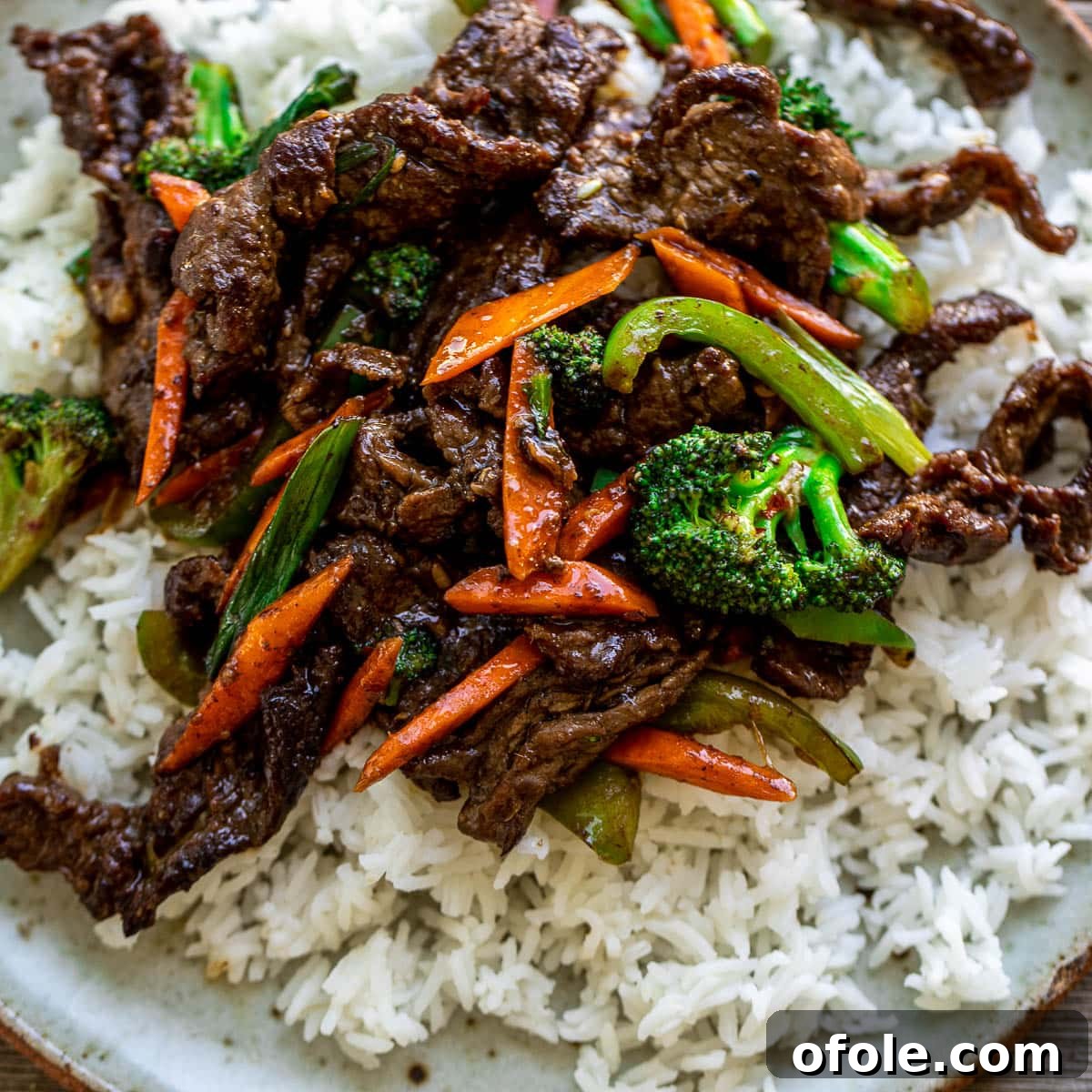
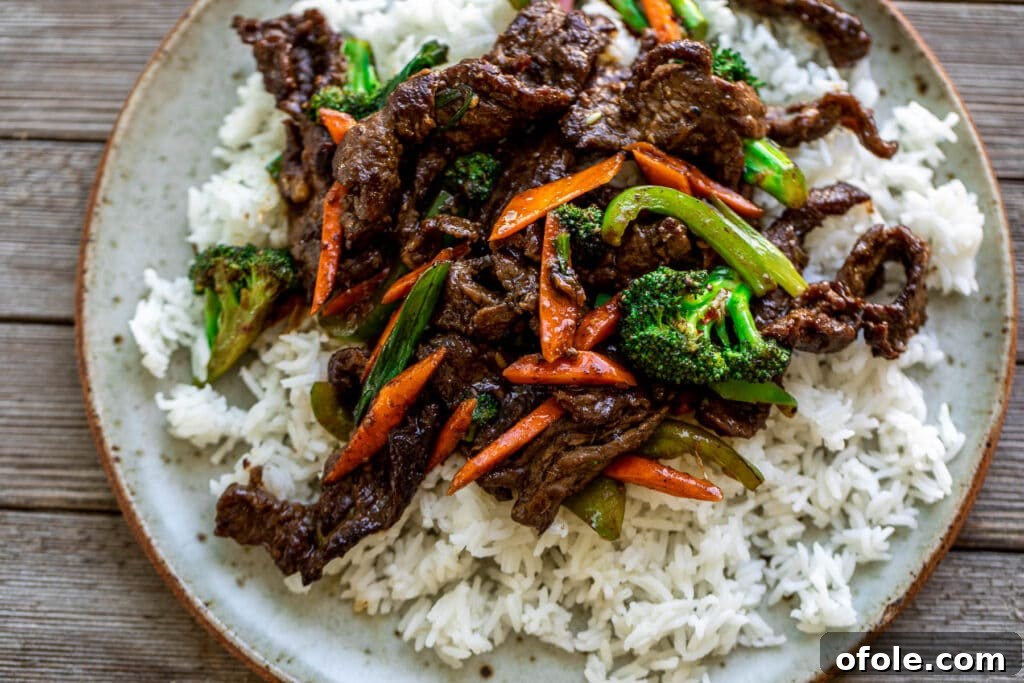
Transform your weeknight dinner routine with this incredibly quick and utterly delicious Beef and Vegetable Stir Fry. Bursting with savory flavors and vibrant textures, this classic dish comes together in just 30 minutes, making it the perfect solution for busy evenings. Whether you prefer it served over steaming white rice or perfectly al dente noodles, this satisfying meal is guaranteed to become a family favorite.
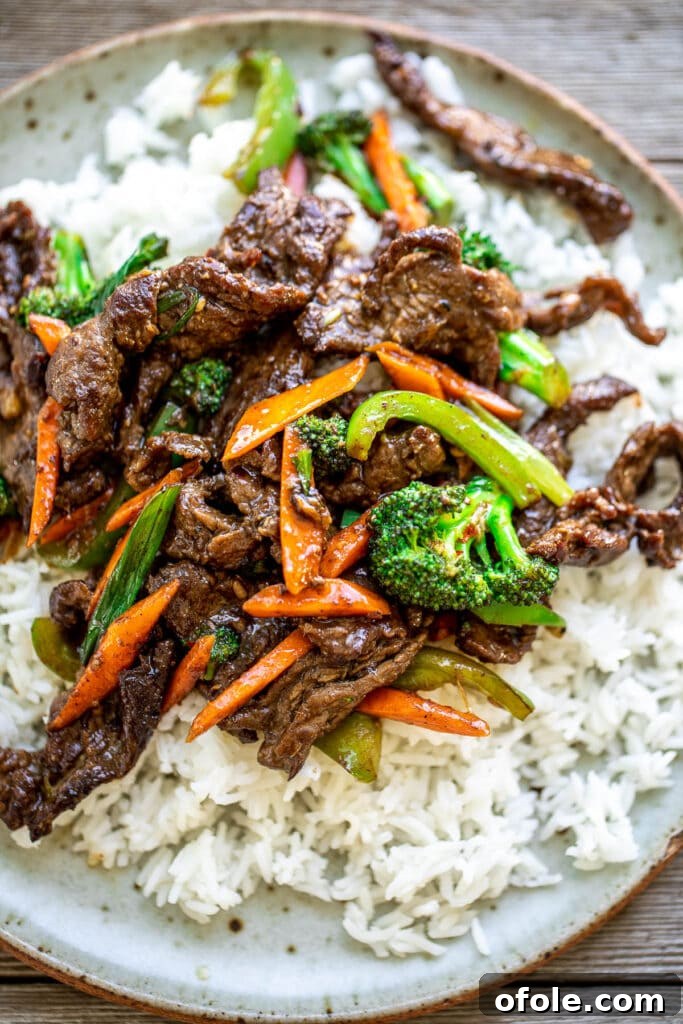
One of the many beauties of a stir fry is its efficiency. This recipe is so fast, you can literally get your rice cooking on one burner while you prepare the stir fry on another. By the time your rice is fluffy and ready, your robust, aromatic stir fry will be perfectly cooked and waiting. It’s a seamless culinary dance that results in a wholesome, homemade meal with minimal effort and maximum taste. This dish isn’t just about speed; it’s about crafting a nutritious, flavor-packed meal that rivals your favorite takeout, right in your own kitchen.
Stir-fries are a personal obsession, and for good reason! Recipes like our Easy Chicken Stir Fry and savory Steak Fried Rice are testaments to the versatility and speed of this cooking method. What makes them truly special is the freedom they offer: simply open your fridge, grab any vegetables you have on hand, and toss them into the wok. It’s an ideal way to use up fresh produce and create a unique meal every time, ensuring nothing goes to waste while still delivering incredible taste.
This Beef and Vegetable Stir Fry isn’t just another dinner; it’s a vibrant, wholesome, and incredibly adaptable easy dinner recipe that you’ll find yourself reaching for again and again. Its balanced flavors and nutritional profile make it a smart choice for families seeking both convenience and deliciousness, ensuring a satisfying meal that everyone will love.
Table of Contents
- The Essential Ingredients for a Perfect Stir Fry
- Mastering the Art of Beef and Vegetable Stir Fry
- Flexible Substitutions for Your Stir Fry
- Exciting Beef Stir Fry Variations to Try
- Recommended Equipment for Stir Frying
- Chef’s Top Tip for Tender Beef
- Watch Our Beef Stir Fry Recipe Video
- Beef and Vegetable Stir Fry Recipe Card
The Essential Ingredients for a Perfect Stir Fry
Crafting an exceptional Beef and Vegetable Stir Fry starts with selecting the right ingredients. Each component plays a vital role in building the layered flavors and appealing textures that make this dish so irresistible. Here’s a closer look at what you’ll need to create this culinary masterpiece, alongside tips for selection and preparation:
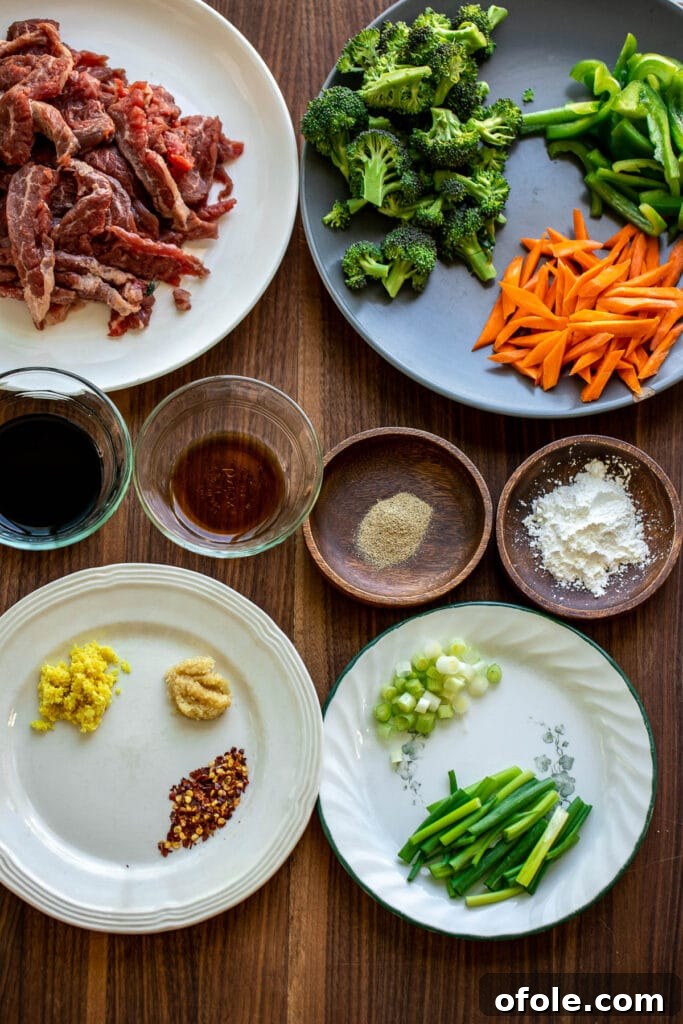
- Beef: The star of our show! For optimal tenderness and flavor, we highly recommend using flank steak or chuck roast. These cuts, when sliced thinly against the grain, become incredibly tender during the rapid cooking process of a stir fry, absorbing the rich flavors of the sauce. You can also opt for pre-cut stir fry beef available at most grocery stores for added convenience and to further reduce your prep time. Don’t hesitate to ask your butcher to thinly slice the beef for you – it saves time and ensures perfectly uniform strips for even cooking.
- Corn Starch: This is a secret weapon in stir frying! A small amount is used to coat the beef, creating a ‘velveting’ effect that results in incredibly tender, succulent meat after stir-frying. This technique is common in Asian cuisine and truly makes a difference in the beef’s texture. It also acts as a crucial thickening agent for our savory stir fry sauce, giving it that perfect glossy consistency that clings beautifully to the beef and vegetables, preventing a watery dish.
- Black Pepper or White Pepper: Essential for seasoning the beef and adding a subtle, pungent warmth to the overall dish. White pepper is traditionally used in many Asian cuisines for its milder flavor and aesthetic (it doesn’t leave black flecks), but black pepper works equally well and can provide a slightly bolder flavor.
- Soy Sauce: The backbone of our stir fry sauce, delivering that essential umami, salty depth. We use it both to marinate the beef, infusing it with flavor from the start, and as a primary component in the finishing sauce. Opt for a good quality soy sauce for the best flavor; low-sodium varieties are also a great option if you’re watching your salt intake.
- Olive Oil: A reliable choice for stir frying due to its relatively high smoke point and neutral flavor, which ensures that the natural tastes of the beef and vegetables shine through. Alternatively, any other high smoke point, neutral-tasting oil such as peanut oil, canola oil, grapeseed oil, or sunflower oil would be an excellent substitute.
- Garlic and Ginger: These aromatic powerhouses are non-negotiable for an authentic and flavorful stir fry. Freshly grated or minced garlic and ginger infuse the dish with a zesty, warm, and deeply aromatic foundation that is characteristic of classic Asian stir-fries. Don’t skimp on these; their fresh potency is key to the dish’s vibrancy.
- Green Onions (Scallions): Used for both flavor and visual appeal. The white parts, which are more pungent, are sautéed early on to release their sweet, oniony essence and build the flavor base. The vibrant green tops are often added at the very end as a fresh, mild garnish, providing a pop of color and a delicate oniony freshness.
- Vegetables: This is where you can truly customize your stir fry! We recommend a colorful and varied mix for crunch, essential nutrients, and visual appeal. Our recipe features crisp broccoli florets, sweet matchstick carrots, and vibrant bell peppers (red, yellow, or orange for sweetness and color). These vegetables hold their texture well and absorb the sauce beautifully, adding both health benefits and a delightful textural contrast to the tender beef.
- Sesame Oil: A finishing touch that adds an unmistakable nutty, aromatic complexity to the stir fry. A drizzle at the very end of cooking elevates the entire dish, imparting a classic, rich Asian flavor profile that ties all the ingredients together beautifully. It’s a small addition with a big impact.
For precise measurements and detailed instructions on how to combine these fantastic ingredients, please refer to the comprehensive recipe card below, ensuring you have everything prepared for a seamless cooking experience.
If you’re a fan of beef-centric dishes with an Asian flair, you might also enjoy our popular Beef Shawarma Recipe for a Middle Eastern twist, or our comforting Beef Fried Rice for another quick and satisfying meal. Each offers a unique and delicious way to enjoy beef!
Mastering the Art of Beef and Vegetable Stir Fry
Creating a restaurant-quality beef and vegetable stir fry at home is simpler than you might think. The key is to work quickly, prepare your ingredients in advance (a culinary concept known as “mise en place” – everything in its place!), and cook in stages to ensure everything is perfectly done. Follow these step-by-step instructions for a mouthwatering meal that comes together in a flash:
Step 1: Prepare the Beef for Maximum Tenderness
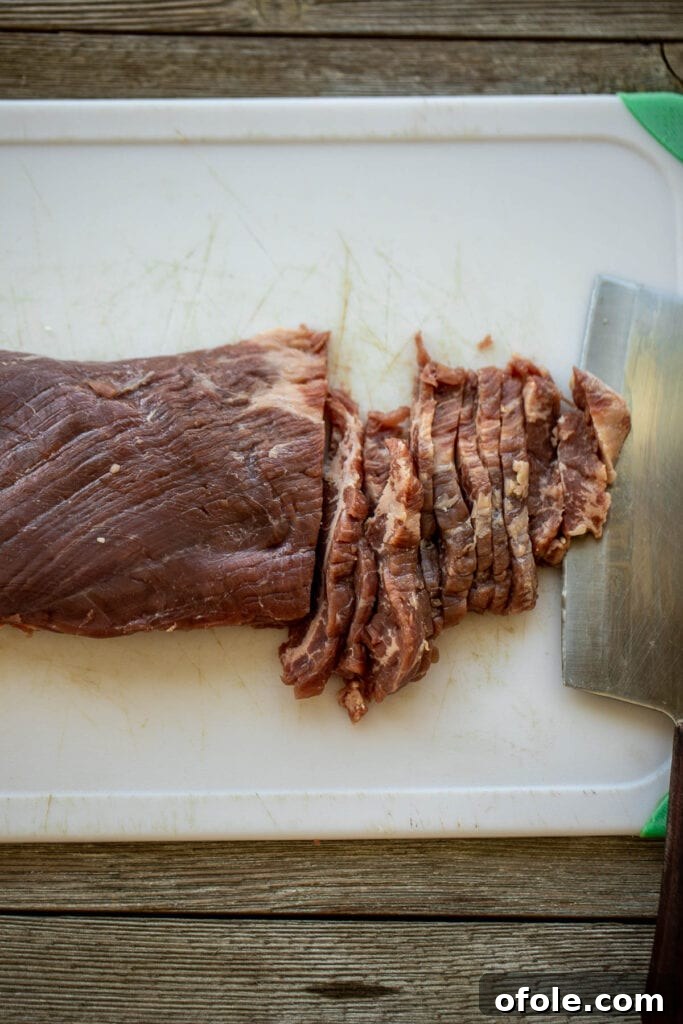
The first and most crucial step for tender beef in your stir fry is proper slicing. Begin by cutting the beef against the grain into thin, uniform strips, approximately ¼-inch thick. This technique is vital because it breaks down the long muscle fibers, preventing the beef from becoming tough and chewy during the rapid cooking process. If you need a visual guide, look closely at the meat for the parallel lines of muscle fiber running across it, then position your knife and slice perpendicular to those lines. For larger or tougher cuts like flank steak, it can be helpful to first cut the meat in half along the grain, then proceed to slice each of those larger pieces thinly against the grain. This ensures consistent tenderness throughout. Once sliced, transfer the beef to a large mixing bowl.
Step 2: Season and Sear the Beef to Perfection
In the mixing bowl with your beef strips, add half a tablespoon of cornstarch, half a tablespoon of soy sauce, and ¼ teaspoon of ground white pepper (or black pepper). Toss gently but thoroughly to ensure each strip is evenly coated. This pre-seasoning not only infuses the beef with initial flavor but the cornstarch also creates that desired ‘velveting’ texture that makes stir-fried beef so appealing. Next, heat a wok or a large, heavy-bottomed skillet over high heat until it’s smoking hot – this intense heat is crucial for searing. Add 1 tablespoon of olive oil (or your chosen neutral oil) and, once shimmering, add the beef. Arrange it in a single layer to ensure proper searing; avoid overcrowding the pan, as this will lower the temperature and cause the beef to steam rather than brown. If necessary, cook the beef in batches. Sear for 1-2 minutes per side until beautifully browned and cooked through. Once done, remove the beef from the pan and set it aside on a clean plate.
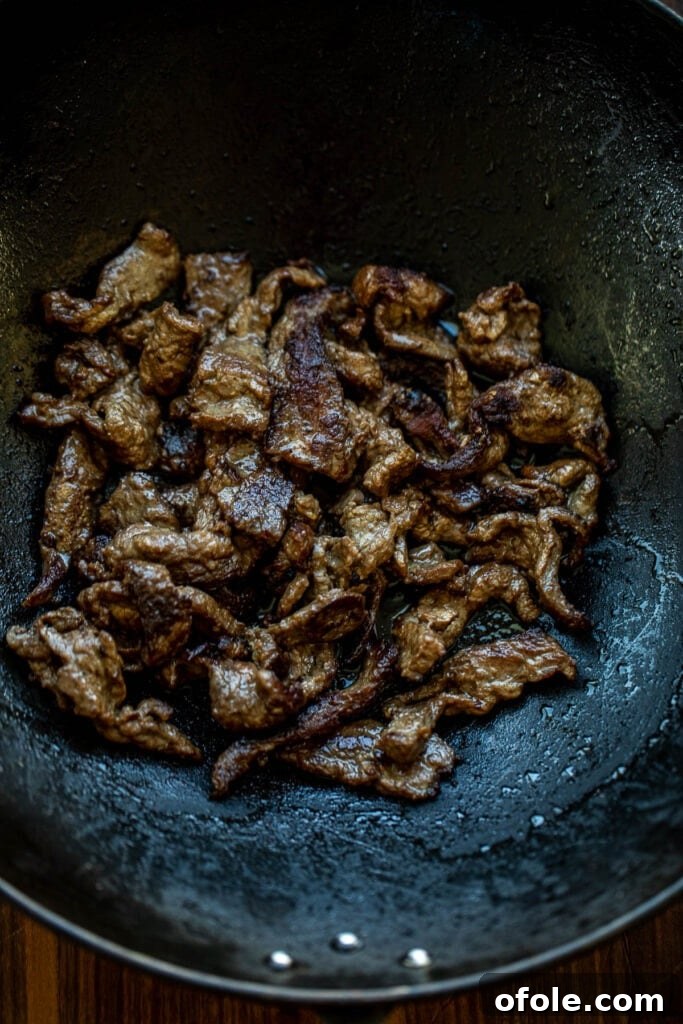
Step 3: Sauté the Aromatics and Vegetables
With the beef removed, add the remaining 1 tablespoon of olive oil to the same pan, allowing it to heat for about one minute over high heat. First, add the white parts of the green onions and sauté for about 1 minute until they become fragrant and slightly softened. Next, stir in the freshly minced garlic and grated ginger, stirring constantly for another minute until their pungent, warm aromas fill your kitchen. Be careful not to burn the garlic and ginger. Now it’s time for the vegetables. Begin by adding the harder vegetables that require a bit more cooking time, such as the matchstick carrots and broccoli florets. Stir-fry these for 2-3 minutes, allowing them to soften slightly while still retaining their desirable crispness. Finally, introduce the softer vegetables like the chopped bell peppers, cooking for just another minute or two until they are tender-crisp and vibrant.
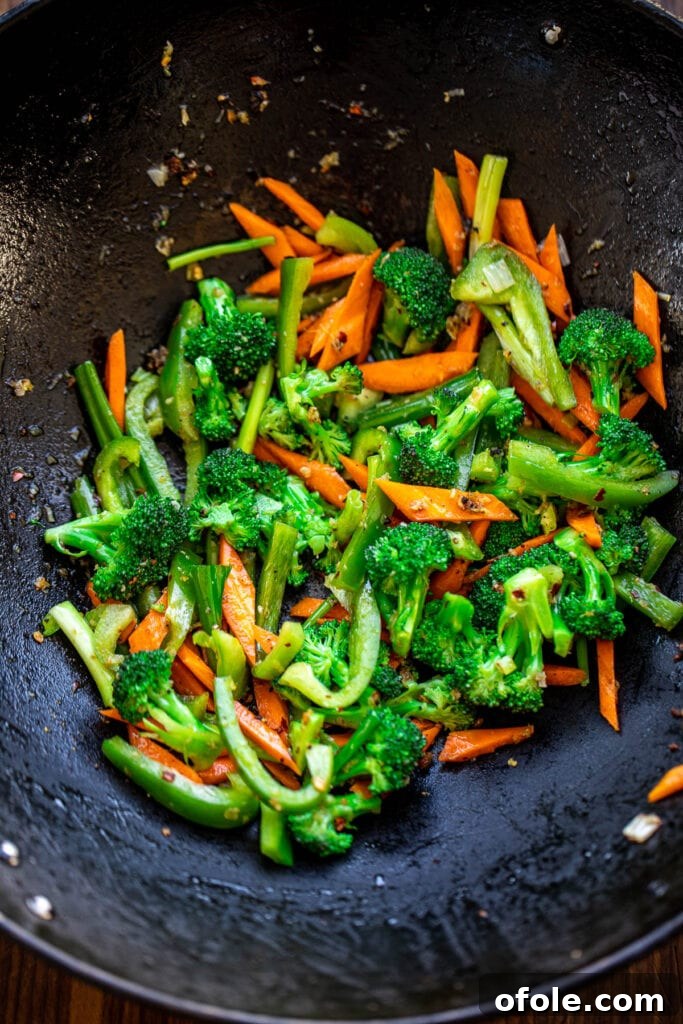
Step 4: Combine, Thicken, and Finish
Once your vegetables are cooked to perfection, return the seared beef to the pan. Add a splash of water (about ¼ cup) to deglaze the pan, scraping up any delicious browned bits from the bottom – these bits are packed with flavor and will enrich your sauce. In a small separate bowl, whisk together the remaining ½ tablespoon of cornstarch with 1 tablespoon of cold water to create a smooth slurry. Pour this cornstarch mixture into the pan and stir vigorously. The sauce will begin to thicken almost immediately, transforming into a glossy coating that clings beautifully to the beef and vegetables. Add the remaining soy sauce and ¼ teaspoon of ground white pepper (or black pepper) to the pan. If you enjoy a touch of heat, now is the time to add a pinch of red pepper flakes. Continue to stir and cook until the sauce reaches your desired consistency, usually about 3 minutes, allowing all the flavors to meld. Finally, turn off the heat and drizzle in the 1 tablespoon of sesame oil, tossing one last time to evenly distribute its rich, nutty aroma throughout the dish. This late addition preserves its delicate flavor.
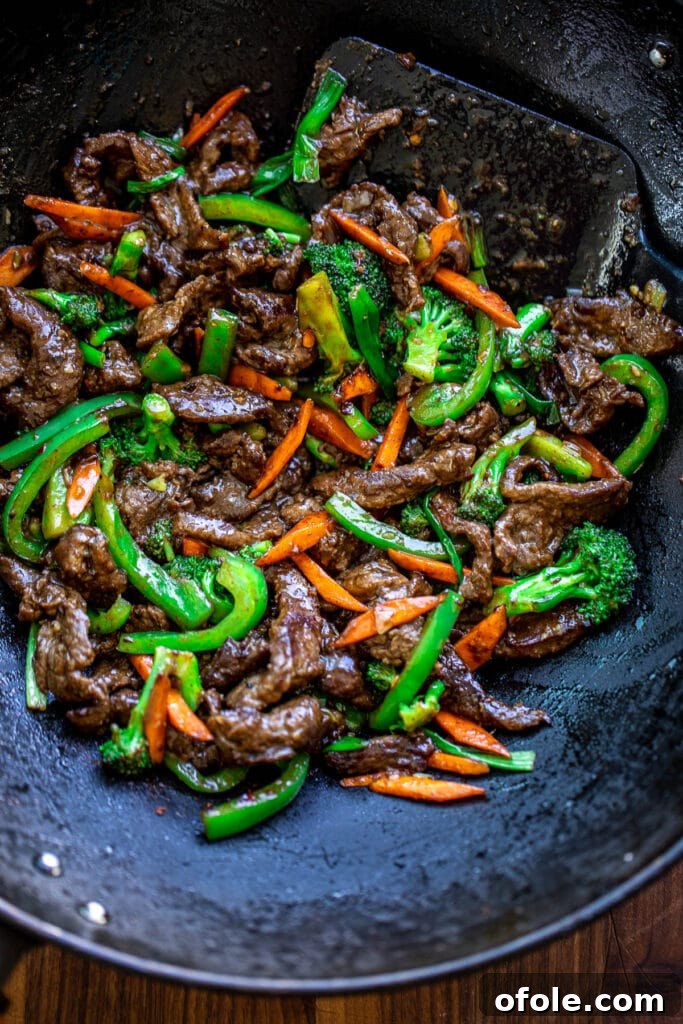
Step 5: Serve and Enjoy
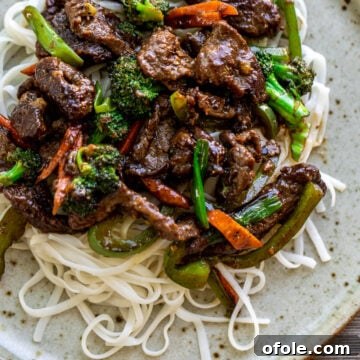
Your magnificent Beef and Vegetable Stir Fry is now complete and ready to be savored! Serve it immediately over a generous bed of hot, fluffy rice or your favorite stir fry noodles. The tender, velvety beef, crisp-tender vegetables, and savory, glossy sauce create a symphony of flavors and textures that are simply irresistible. Garnish with the green parts of the chopped scallions for a final flourish of freshness and color. This dish is consistently a crowd-pleaser; my children, for example, absolutely adore this dish, especially when paired with delicate rice noodles. It’s a meal that brings joy to any table, proving that quick weeknight dinners can also be incredibly delicious and satisfying!
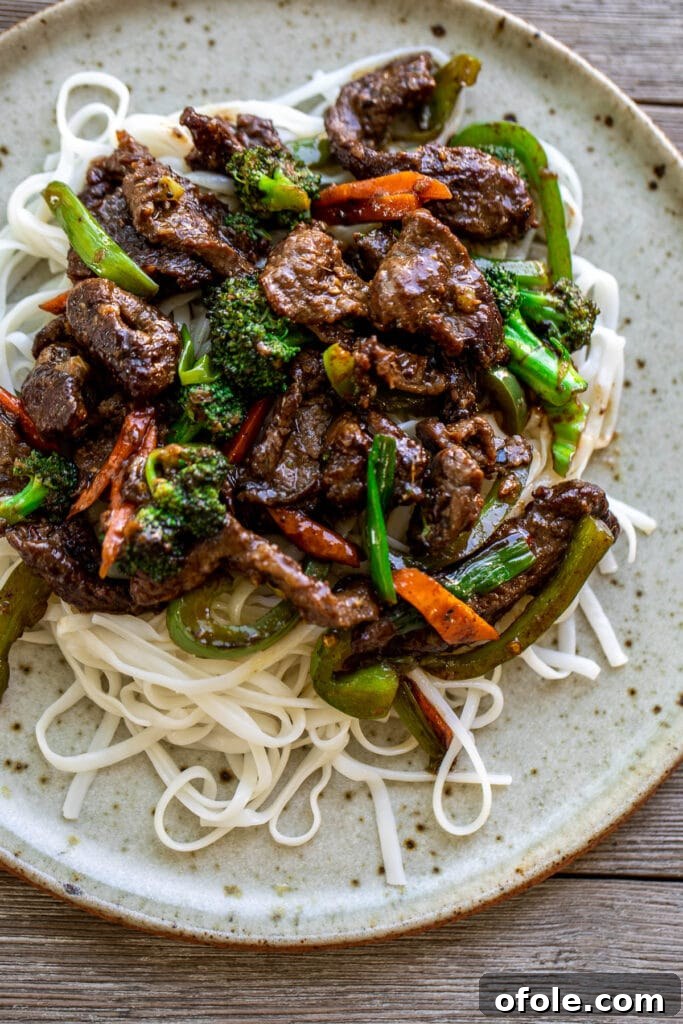
Expert Tip for Slicing Beef: To achieve maximum tenderness in your stir fry, always cut beef against the grain. Locate the parallel lines of muscle fibers running through the meat and slice perpendicular to them. This crucial step shortens the muscle fibers, making the beef much easier to chew. For tougher cuts like flank steak, a helpful technique is to first cut the meat in half along the grain, and then slice each of those larger pieces thinly against the grain. This method significantly shortens the muscle fibers, resulting in a much more tender bite rather than tough and chewy beef.
Flexible Substitutions for Your Stir Fry
One of the greatest aspects of stir-frying is its incredible adaptability, allowing you to tailor the dish to your dietary needs, preferences, or simply what you have available. This recipe is a fantastic template, but don’t hesitate to make it your own! Here are some creative and convenient substitutions you can explore:
- Protein Swaps:
- Chicken Stir Fry: Easily swap the beef for boneless, skinless chicken breast or thighs, cut into thin strips. Chicken cooks quickly and absorbs flavors beautifully, making for a lighter alternative.
- Pork Stir Fry: Thinly sliced pork loin or tenderloin can also be used for a delicious alternative, offering a slightly different texture and flavor profile.
- Shrimp Stir Fry: For a delightful seafood twist, add raw, peeled, and deveined shrimp during the final stages of cooking, just until they turn pink and opaque. Shrimp cooks very fast, so be careful not to overcook them.
- Vegetable Versatility: The sky’s the limit when it comes to vegetables! Use any combination you love or whatever needs to be used from your fridge. The more variety, the more nutrients and appealing your dish will be.
- Leafy Greens: Spinach, kale, bok choy, or Napa cabbage are fantastic additions. Add them towards the very end of cooking, as they wilt quickly.
- Mushrooms: Sliced cremini, shiitake, or oyster mushrooms add an earthy, umami depth that complements beef wonderfully.
- Other Favorites: Snow peas, snap peas, bamboo shoots, water chestnuts, baby corn, green beans, or even asparagus can elevate your stir fry. Consider making a focused stir fry for simplicity, such as a delightful Beef and Bell Pepper Stir Fry, a hearty Beef and Kale Stir Fry, or a classic Beef and Broccoli Stir Fry.
- Vegetarian & Vegan Options: To make this dish entirely meat-free, simply replace the beef with firm or extra-firm tofu (pressed to remove excess water and cubed), tempeh, or a generous portion of various mushrooms. Ensure your soy sauce is vegan-friendly (check for ingredients like lactic acid) and use a suitable vegetable oil.
Exciting Beef Stir Fry Variations to Try
Beyond simple ingredient swaps, you can easily tweak this recipe to create entirely new flavor experiences, keeping your weeknight meals fresh and exciting. Experiment with these variations to tailor your stir fry to everyone’s preferences:
- Amp up the Spice: For those who love a fiery kick, incorporate red pepper flakes directly into the sauce or add a dash of cayenne pepper. For an even more intense heat, consider stirring in a swirl of sriracha or chili garlic sauce at the end of cooking.
- Vegetable Bonanza: Don’t limit yourself to just three types of vegetables! Load your stir fry with a wide variety – think 5 or more different veggies for maximum nutrients and visual appeal. Just remember to add them in stages based on their cooking times, from hardiest to quickest-cooking, to ensure everything is perfectly tender-crisp.
- Kid-Friendly Options: For younger palates or picky eaters, focus on mild vegetables they already enjoy, like sweet bell peppers, carrots, or very small broccoli florets. Alternatively, you can prepare the Beef Stir Fry without any vegetables mixed in and serve steamed veggies on the side, allowing kids to pick and choose what they want. A slightly milder sauce with less pepper is also often appreciated.
- Sweet & Savory Balance: For a delightful sweet and savory combination, a hallmark of many Asian-inspired dishes, add a touch of honey, brown sugar, or even a splash of orange juice to the sauce. This adds a lovely complexity that rounds out the flavors.
- Nutty Crunch: Sprinkle a handful of toasted sesame seeds or chopped peanuts over the finished dish just before serving. This adds an extra layer of texture and a delicious nutty flavor that enhances the overall experience.
- Citrus Freshness: A squeeze of fresh lime or orange juice at the very end can brighten the flavors and add a zesty finish to your stir fry.
If you’re looking for more quick and delicious stir-fry inspiration, check out our other popular recipes: our vibrant Chicken Stir Fry, a unique Spaghetti Stir Fry for a fusion twist, and the always satisfying Steak Fried Rice. Each offers a fresh take on stir-fried goodness and demonstrates the incredible versatility of this cooking method!
Recommended Equipment for Stir Frying
While a stir fry can be made in almost any pan, having the right equipment can significantly enhance your cooking experience and the quality of your dish. Investing in the proper tools ensures better heat distribution, faster cooking, and more authentic results. Here’s what we recommend:
- Wok: The Ideal Choice: A traditional wok is unparalleled for stir frying, and for good reason. Its distinct rounded bottom and high, sloped sides provide a massive surface area for cooking, allowing ingredients to spread out and cook quickly and evenly without overcrowding. This unique shape also makes tossing and stirring incredibly easy, keeping everything in constant motion over high heat – which is the very essence of stir frying. Carbon steel woks are highly recommended for their excellent heat retention and responsiveness. Good quality woks can be found at Asian specialty stores or conveniently online through retailers like Amazon.
- Large Non-Stick Skillet: A Practical Alternative: If you don’t own a wok, or your stovetop isn’t compatible with a round-bottomed wok, a large, heavy-bottomed non-stick skillet or frying pan is a perfectly suitable alternative. Ensure it’s big enough (at least 12-inches) to accommodate all your ingredients without overcrowding, as this is crucial for achieving that desirable seared texture on your beef and vegetables rather than steaming them. A pan with high sides will also help keep ingredients from spilling out during enthusiastic stirring.
- Sharp Knife and Cutting Board: Essential for precise and safe ingredient preparation. Thinly slicing the beef and uniformly chopping vegetables are key steps for consistent cooking and presentation in a stir fry. A sharp knife makes these tasks much easier and safer.
- Spatula or Wok Utensil: A long-handled spatula, ideally one designed for woks, helps with efficient stirring and tossing without scratching your cookware. A metal spatula is perfect for carbon steel woks, while a silicone or wooden one is better for non-stick pans.
- Small Bowls for Mise en Place: Having all your sauces, aromatics, and chopped vegetables ready in separate small bowls before you start cooking is vital for stir-frying, as the cooking process is very fast and you won’t have time to chop as you go.
Chef’s Top Tip for Tender Beef
Here’s a professional trick to make slicing beef for stir-fries a breeze and ensure maximum tenderness: partially freeze your beef before cutting. Place the beef (flank steak, chuck roast, or any other cut you’re using) in the freezer for approximately 20-30 minutes. This chilling time will firm up the meat just enough to make it significantly easier to slice into thin, even strips. A slightly firm piece of beef will yield cleaner, more precise cuts, which is essential for consistent cooking and achieving that delightful, tender texture in your finished stir fry. This simple step can dramatically improve the quality of your beef!
Watch Our Beef Stir Fry Recipe Video
Visual learners, rejoice! Seeing the steps in action can be incredibly helpful for mastering new cooking techniques or simply gaining confidence. You can watch me prepare this exact Beef and Vegetable Stir Fry recipe step-by-step on my YouTube channel. The video provides a dynamic guide to each stage of the cooking process, from slicing the beef to perfecting the sauce, ensuring you master every technique with ease. If you enjoy my culinary demonstrations and want to stay updated with new, delicious, and easy-to-follow recipes, don’t forget to subscribe to my YouTube channel so you never miss an upload!
Beef and Vegetable Stir Fry Recipe
A quick and easy Beef and Vegetable Stir Fry packed with flavor and incredibly simple to prepare! Ideal for a satisfying weeknight dinner, served over rice or noodles. This stir fry cooks rapidly, often in the same amount of time it takes to prepare your side dish, making it a perfect speedy meal.
Ingredients
- 1 pound beef, cut into thin slices against the grain* (flank steak or chuck roast would work, see Note 1)
- 1 ½ cups broccoli florets (from about 1 head of broccoli)
- 1 Tablespoon cornstarch, separated (½ tbsp for velveting beef, ½ tbsp for thickening sauce)
- 3 Tablespoons soy sauce, separated (½ tbsp for beef marinade, 2 ½ tbsp for sauce)
- ½ teaspoon ground white pepper or black pepper, separated (¼ tsp for beef, ¼ tsp for sauce)
- 1 teaspoon grated/minced garlic (heaping teaspoon)
- 1 teaspoon grated ginger (heaping teaspoon)
- 3 scallions (green onions), chopped, whites separated from greens
- ½ cup carrot, cut into matchsticks (from 2 medium or 1 large carrot)
- 1 cup bell pepper, chopped (about half) (red, yellow, orange, or green bell pepper)
- 2 Tablespoons olive oil or other neutral high-heat oil, separated (1 tbsp for beef, 1 tbsp for veggies)
- 1 Tablespoon sesame oil
- Optional: Red pepper flakes for heat
- Optional: splash of water for deglazing
Instructions
- Prepare the Beef: In a large mixing bowl, combine the thinly sliced beef with ½ tablespoon of cornstarch, ½ tablespoon of soy sauce, and ¼ teaspoon of ground white pepper (or black pepper). Toss thoroughly until beef is evenly coated.
- Sear the Beef: Heat 1 tablespoon of olive oil in a non-stick wide-bottomed pan or wok over high heat until smoking hot. Add the seasoned beef in a single layer (cook in batches if necessary to avoid overcrowding). Let it sear on one side until browned, then flip and sear the other side. Continue cooking until all beef strips are cooked through. Remove the beef from the pan and set aside.
- Sauté Aromatics and Vegetables: Add the remaining 1 tablespoon of olive oil to the pan. Heat for about one minute. Add the white parts of the green onions and sauté for 1 minute until fragrant. Stir in the grated garlic and ginger and sauté for another minute.
- Cook Vegetables: Add the carrots, then the broccoli, and finally the bell pepper to the pan. Stir-fry for about 3 minutes, or until the vegetables are tender-crisp.
- Combine and Deglaze: Return the cooked beef to the pan with the vegetables. Add a splash of water (about ¼ cup) to deglaze the pan, scraping up any browned bits from the bottom to incorporate extra flavor into the sauce.
- Thicken the Sauce: In a small bowl, mix the remaining ½ tablespoon of cornstarch with 1 tablespoon of water to create a smooth slurry. Pour this cornstarch slurry into the pan and toss well to combine.
- Finish the Sauce: Add the remaining soy sauce (approximately 2 ½ tablespoons) and ¼ teaspoon of ground white pepper (or black pepper) to the pan. If desired, add a pinch of red pepper flakes for heat. Toss everything together. Continue to cook, stirring occasionally, until the sauce thickens and coats all the ingredients, about 3 minutes.
- Add Sesame Oil: Turn off the heat. Drizzle in the 1 tablespoon of sesame oil and toss one final time to incorporate its aromatic flavor.
- Serve: Serve your delicious Beef and Vegetable Stir Fry immediately over hot, fluffy cooked rice or your favorite noodles. Garnish with the green parts of the scallions.
Notes
- Cutting Beef Against the Grain: To ensure tender beef, always slice against the grain. Look for the visible muscle fibers running down the meat and cut perpendicular to them. For flank steak, it can be easier to cut the meat in half lengthwise along the grain first, then thinly slice each half against the grain. This technique shortens the muscle fibers, resulting in a more tender bite.
- Pre-cut Beef: For even faster prep, you can use pre-sliced “stir fry beef” available in many grocery stores. This saves significant time on slicing, reducing your overall preparation time.
- Mise en Place: Having all your ingredients prepped and ready before you start cooking is crucial for stir-frying, as the cooking process is very fast and requires constant attention.
Nutrition Information (per serving)
Calories: 235kcal | Carbohydrates: 10g | Protein: 27g | Fat: 9g | Saturated Fat: 3g | Polyunsaturated Fat: 2g | Monounsaturated Fat: 4g | Cholesterol: 68mg | Sodium: 840mg | Potassium: 683mg | Fiber: 3g | Sugar: 3g | Vitamin A: 4142IU | Vitamin C: 81mg | Calcium: 59mg | Iron: 3mg
Additional Information
Tried this recipe?
Mention @preciouscore or tag #PreciousCore!