
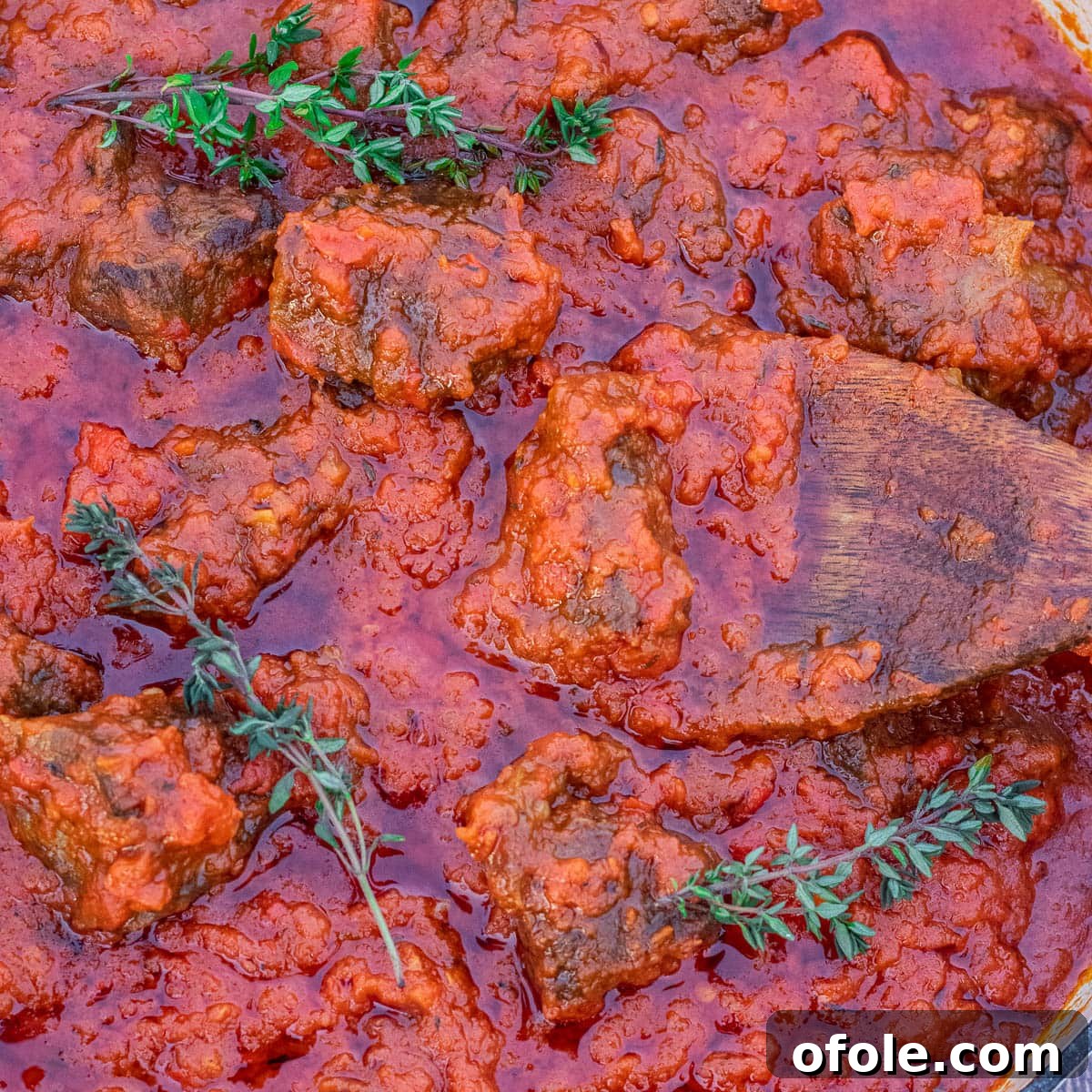
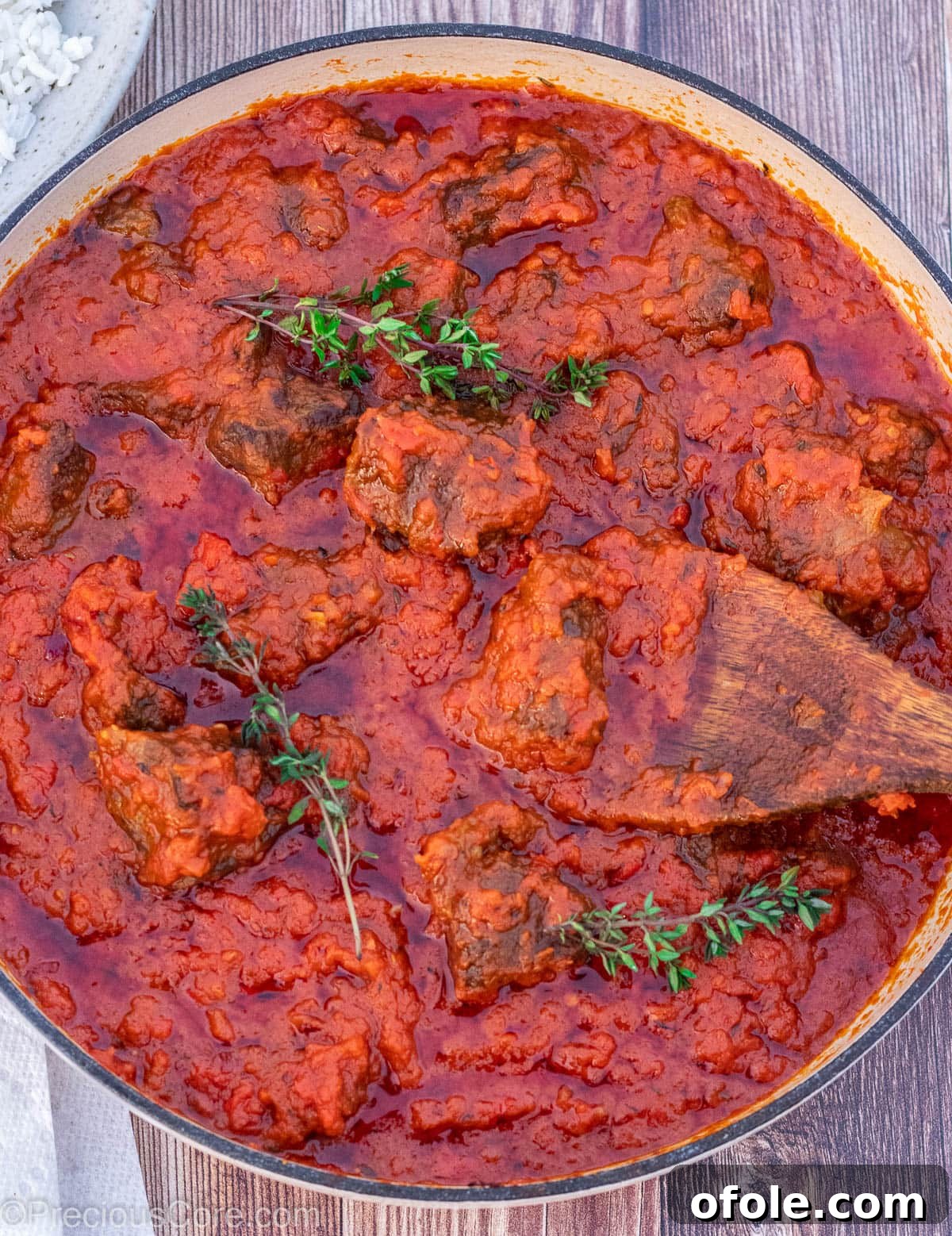
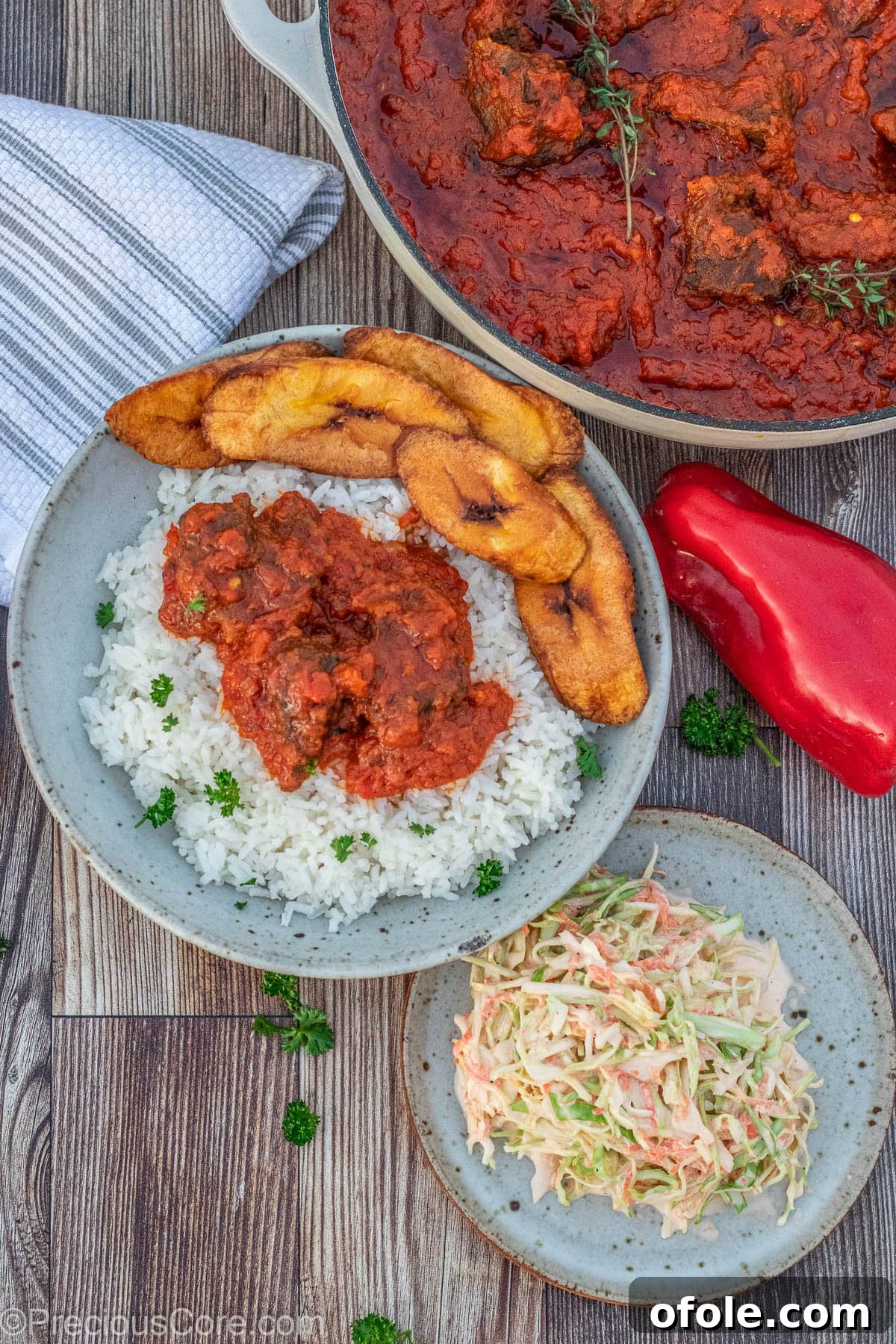
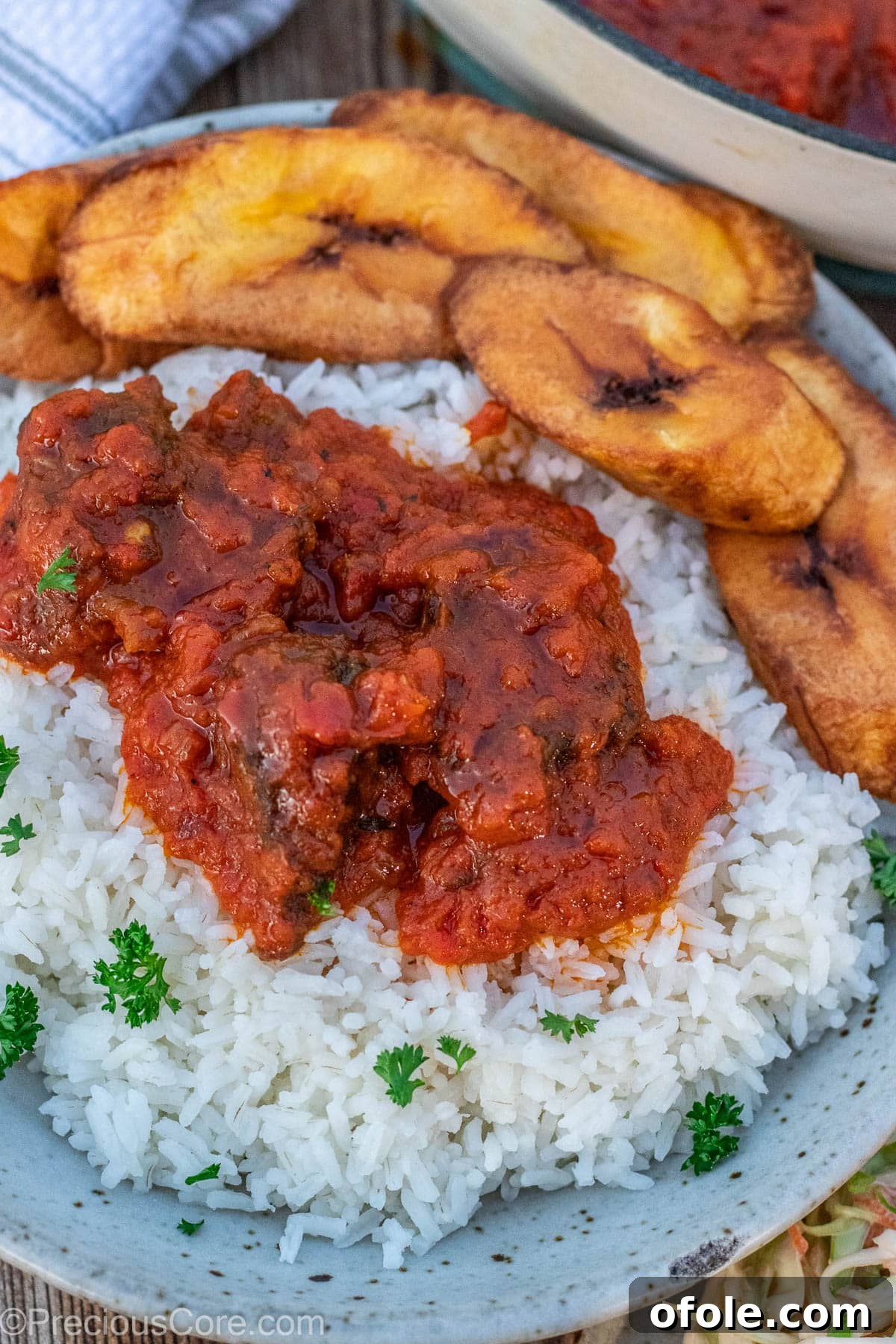
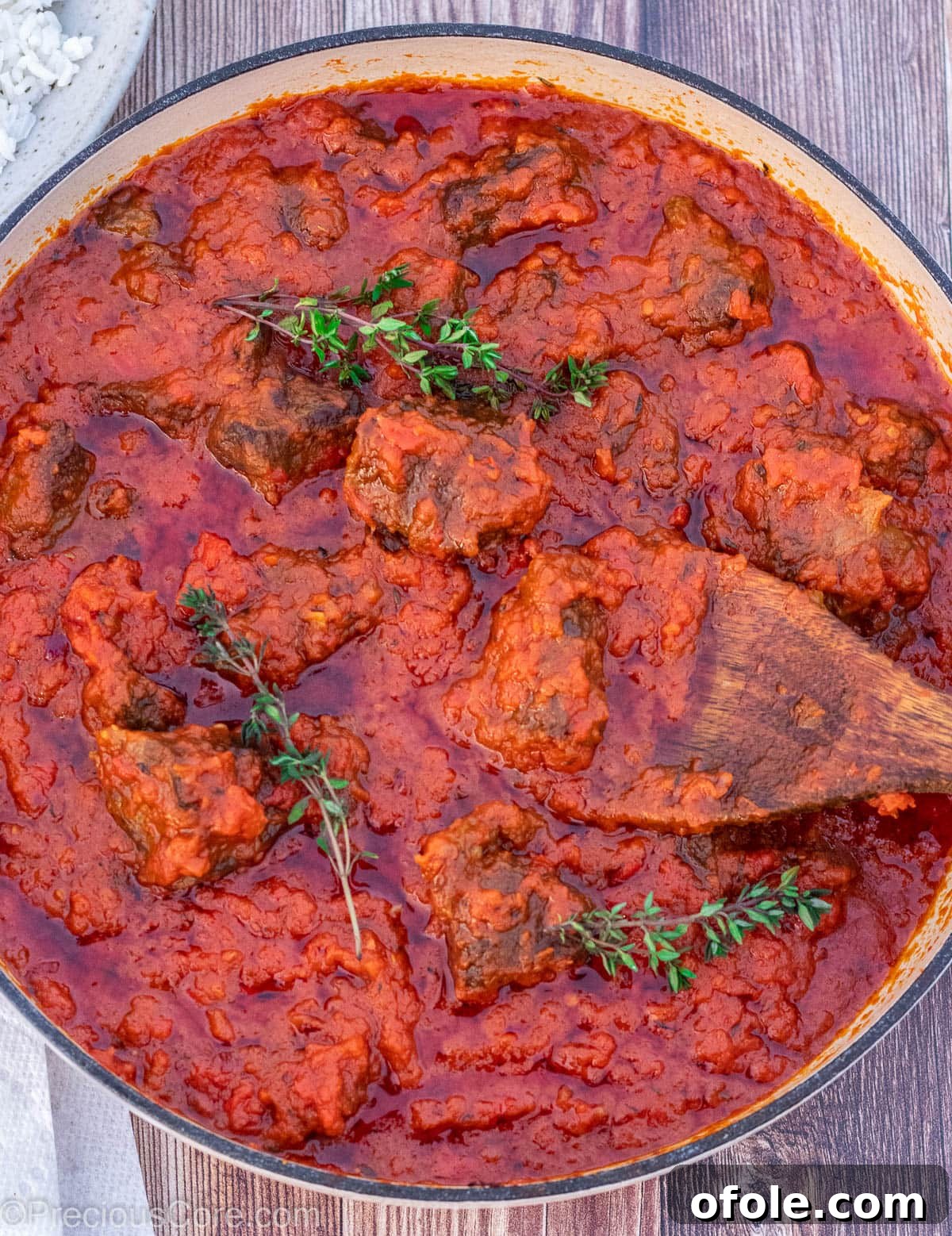
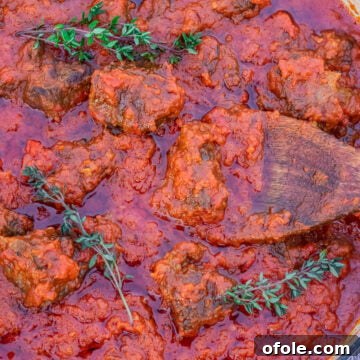
Nigerian Beef Stew is a culinary masterpiece, a vibrant and deeply flavorful tomato-based stew that stands as a cornerstone of West African cuisine. Crafted with tender beef, a medley of bell peppers, ripe tomatoes, and a careful blend of aromatics, this stew offers an unparalleled taste experience. Elevate your dining with this spicy delight, traditionally served alongside fluffy Jollof Rice, crispy sweet fried plantains, and a refreshing coleslaw, embodying a truly authentic Nigerian meal.
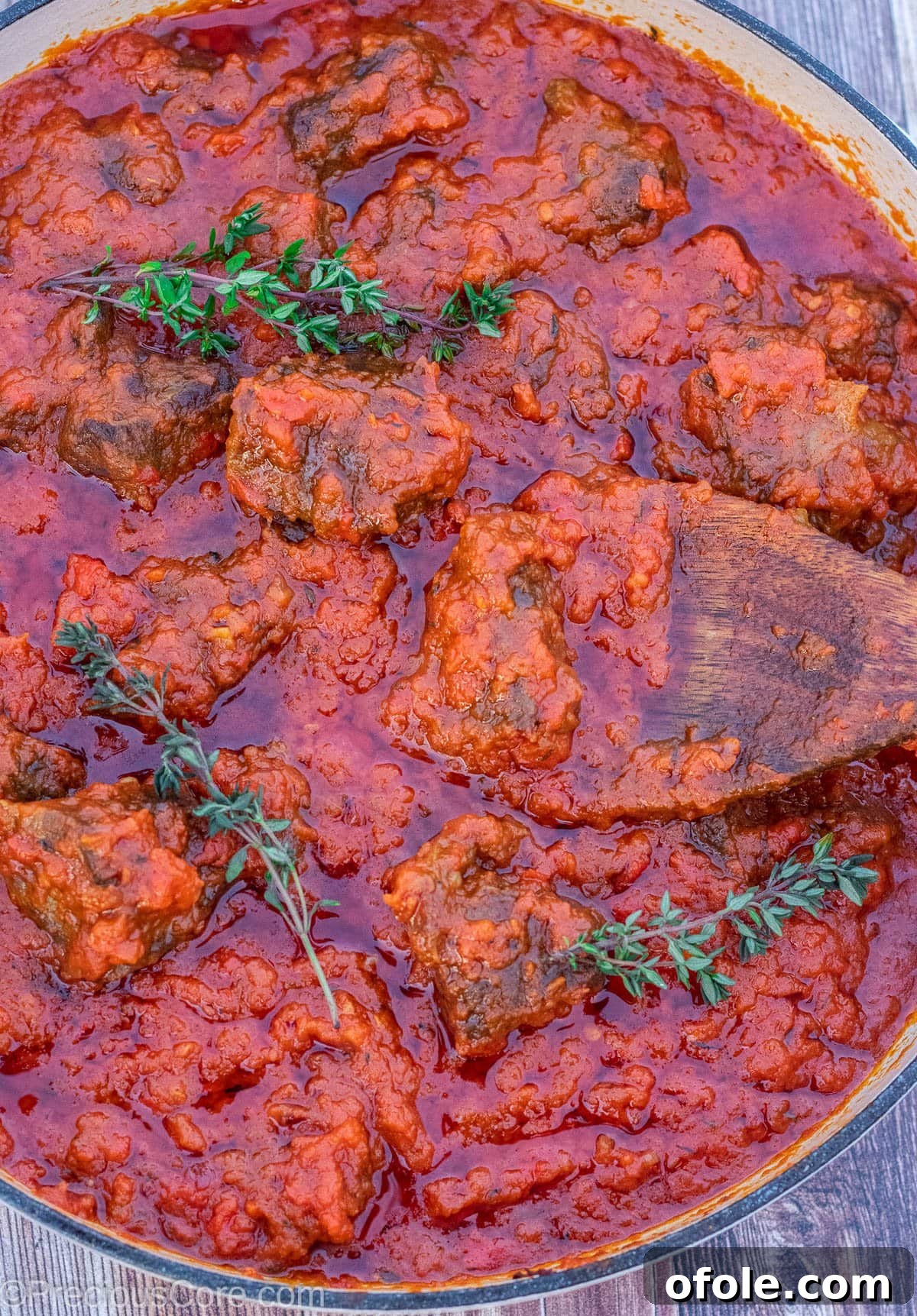
Throughout West and Central Africa, tomato-based stews hold a cherished place in local culinary traditions. In countless Nigerian households, this robust beef tomato stew is a frequent star, particularly gracing tables on Sundays when families gather for hearty meals. Its rich aroma and comforting warmth also make it a staple during festive seasons, notably Christmas Day, where it often accompanies other beloved Nigerian classics such as the iconic Jollof Rice or the aromatic Fried Rice.
This versatile beef stew shares its fundamental principles with our popular African Chicken Stew and the delicate Tomato Fish Stew, showcasing the adaptability of Nigerian culinary techniques. Its savory depth pairs beautifully with a wide array of side dishes, from steamed rice and pasta to hearty African yams. Whether you’re preparing a comforting weeknight dinner or orchestrating a grand feast for a special occasion, this authentic Nigerian beef stew recipe promises to impress and satisfy.
My journey to perfecting this Nigerian Beef Stew began with immersive experiences among friends in Nigeria, observing their unique approaches and time-honored methods. Through these invaluable moments, I uncovered the true secrets to crafting a truly exceptional stew – techniques and insights I am thrilled to share with you in this comprehensive guide.
Table of Contents
- The Essence of Nigerian Beef Stew
- Ingredients for Authentic Nigerian Beef Stew
- Step-by-Step Guide to Cooking Nigerian Beef Stew
- Creative Substitutions and Variations
- Storage and Make-Ahead Tips
- Expert Tips for a Perfect Nigerian Beef Stew
- Frequently Asked Questions About Nigerian Beef Stew
- Complementary Recipes
- Perfect Pairings
- Nigerian Beef Stew Recipe Card
The Essence of Nigerian Beef Stew: A Culinary Tradition
Nigerian Beef Stew is more than just a dish; it’s a celebration of rich flavors, family gatherings, and culinary heritage. At its heart, this stew is a tomato and bell pepper-based delight, simmered to perfection with tender cuts of beef and infused with classic West African spices. The vibrant red hue, deep savory taste, and subtle warmth from the peppers make it instantly recognizable and universally loved. It’s a staple for a reason – adaptable, incredibly satisfying, and always a crowd-pleaser.
Understanding the balance of its core components – the sweetness of bell peppers, the tang of tomatoes, the savory depth of beef, and the aromatic kick of spices – is key to mastering this iconic dish. This recipe focuses on creating a harmonious symphony of these elements, ensuring every spoonful transports you to the heart of Nigerian flavors.
Ingredients for Authentic Nigerian Beef Stew
Crafting a truly authentic Nigerian Beef Stew requires a judicious selection of fresh, high-quality ingredients. While the ingredient list is straightforward, each component plays a vital role in developing the stew’s signature flavor and color. You’ll need a total of 11 core ingredients, all readily available in most grocery stores, making this delicious stew accessible to everyone.
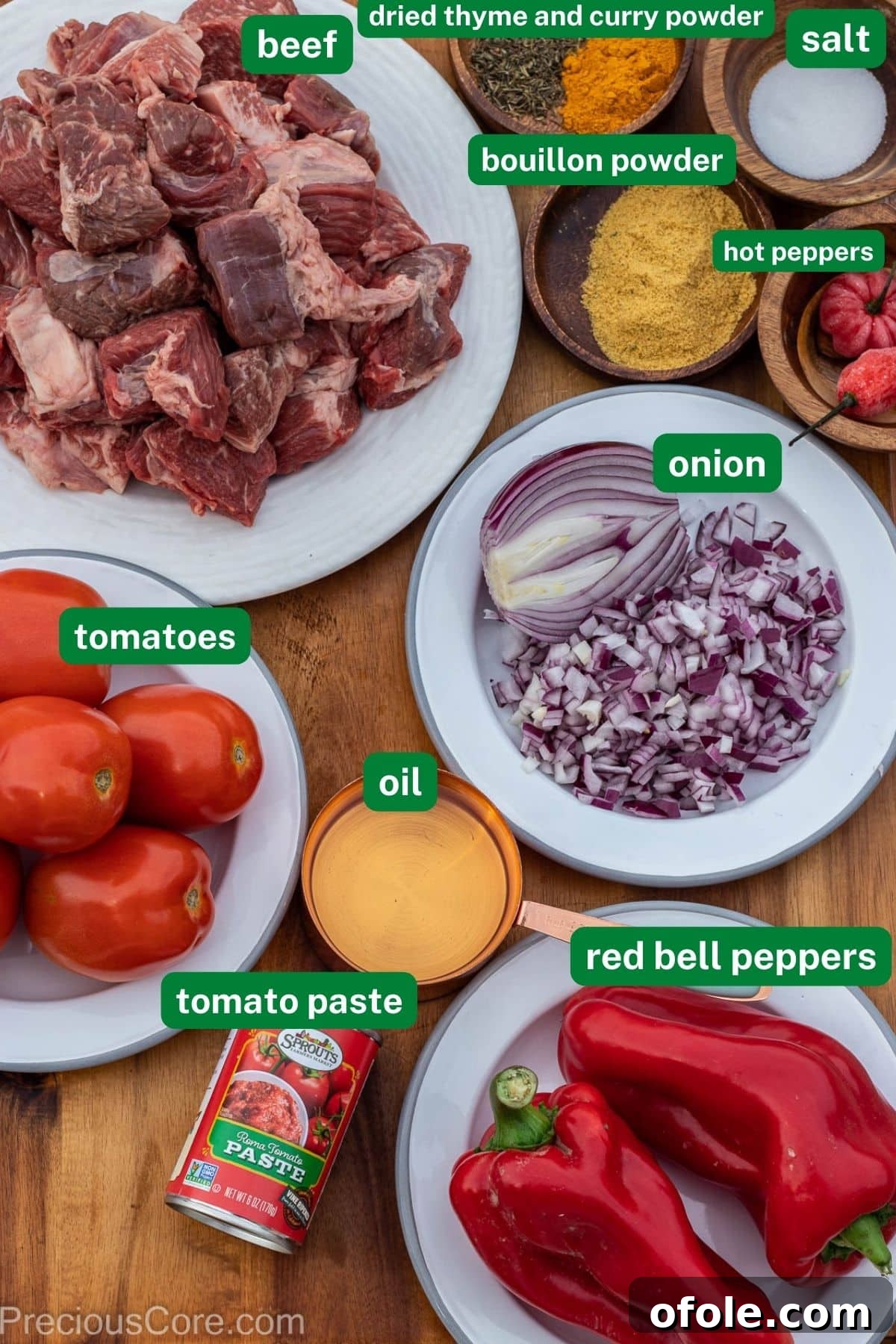
Let’s delve deeper into some of the key ingredients and their importance:
- Red Bell Peppers: These are crucial for both the vibrant red color and a subtle sweetness that balances the tang of the tomatoes. Along with fresh tomatoes, they form the essential base of many Nigerian stews and famous dishes like Nigerian Jollof Rice. Always opt for fresh, firm red bell peppers for the best results.
- Curry Powder and Dried Thyme: These two powerhouse spices are absolute staples in Nigerian cooking, providing a distinctive aromatic profile that sets this stew apart. Their combined fragrance and depth are fundamental to the authentic taste of this West African delicacy. Ensure your spices are fresh for maximum flavor impact.
- Beef: For this stew, chuck roast is highly recommended. Its marbling of fat renders down beautifully during slow cooking, infusing the stew with incredible flavor and making the beef exceptionally tender. Chuck roast is also a more economical choice. If you opt for another cut, choose one with sufficient fat marbling to ensure a rich and flavorful outcome. Cuts like sirloin or flank steak can also work, but may require slightly different cooking times or methods.
- Bouillon Powder or Seasoning Cubes: Widely used in Nigerian recipes, these ingredients are essential for enhancing the umami depth and overall savory profile of the stew. Brands like Knorr Chicken Bouillon powder are popular choices, adding that “secret” layer of flavor that defines West African cuisine.
- Fresh Tomatoes: Roma tomatoes are ideal due to their firm flesh and lower water content, contributing to a rich, concentrated tomato base. While canned crushed tomatoes can be used in a pinch, fresh tomatoes offer superior flavor and texture.
- Onions: Both diced and chunked onions are used; diced for sautéing and building a flavorful foundation, and chunked for blending into the pepper base, adding depth without overpowering.
- Habanero or Scotch Bonnet Peppers: These fiery peppers are responsible for the stew’s characteristic heat. Adjust the quantity according to your spice preference; even half a pepper can add a pleasant warmth that beautifully complements the other flavors.
- Light Olive Oil (or neutral oil): A significant amount of oil is used in this recipe, primarily for frying the beef and, critically, for properly cooking down the tomato and pepper blend until it loses its raw, sour edge and develops a mellow, rich flavor. While it might seem like a lot, the excess can be skimmed off later.
A detailed list of quantities can be found in the recipe card at the bottom of this page.
Step-by-Step Guide to Cooking Nigerian Beef Stew
Preparing Nigerian Beef Stew is a rewarding culinary journey that unfolds in several key stages, each contributing to the stew’s complex and delightful flavor. Follow these detailed steps to achieve a perfectly balanced and incredibly tasty stew. For precise measurements and a full printable recipe, please refer to the recipe card below.
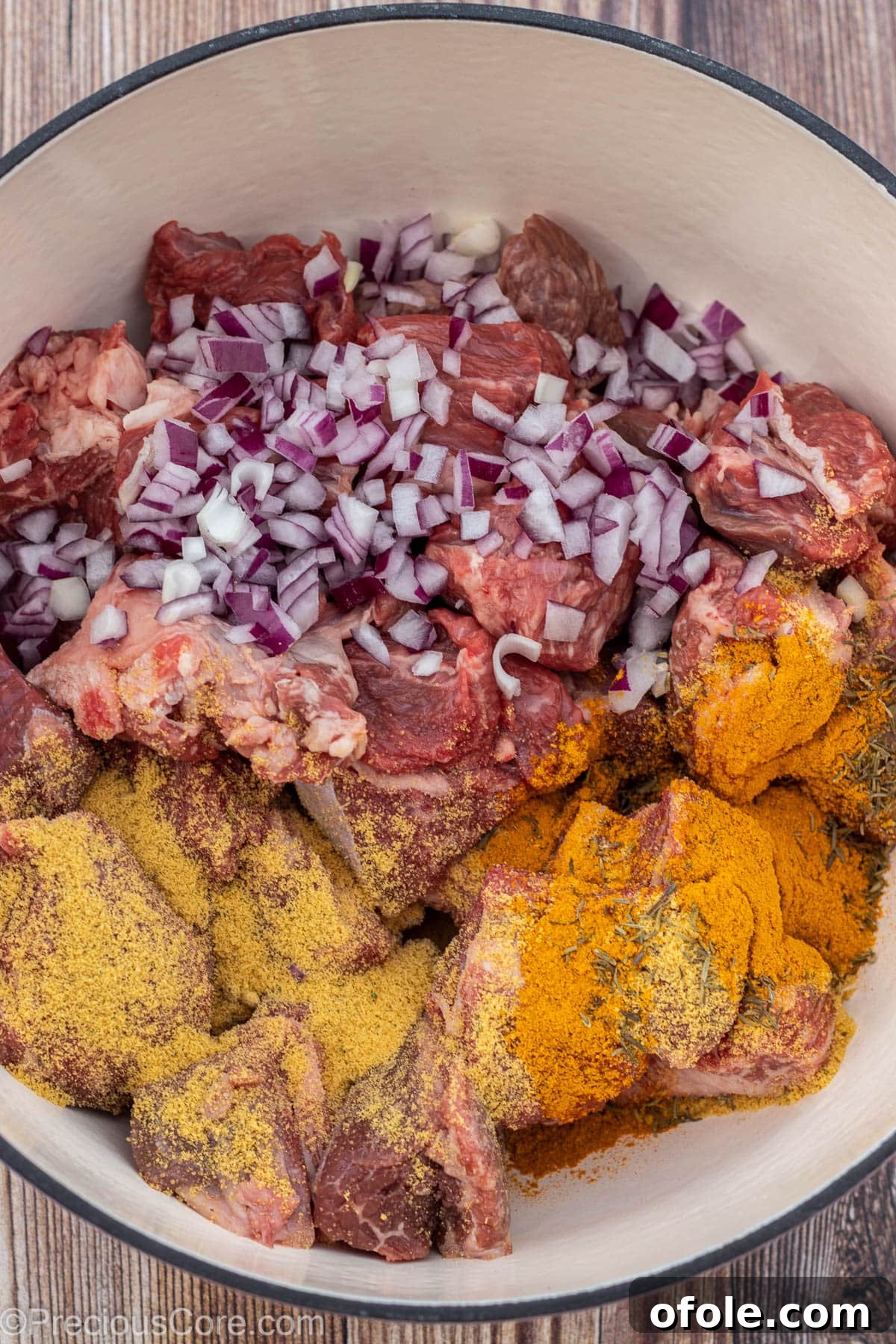
Detailed Steps & Tips:
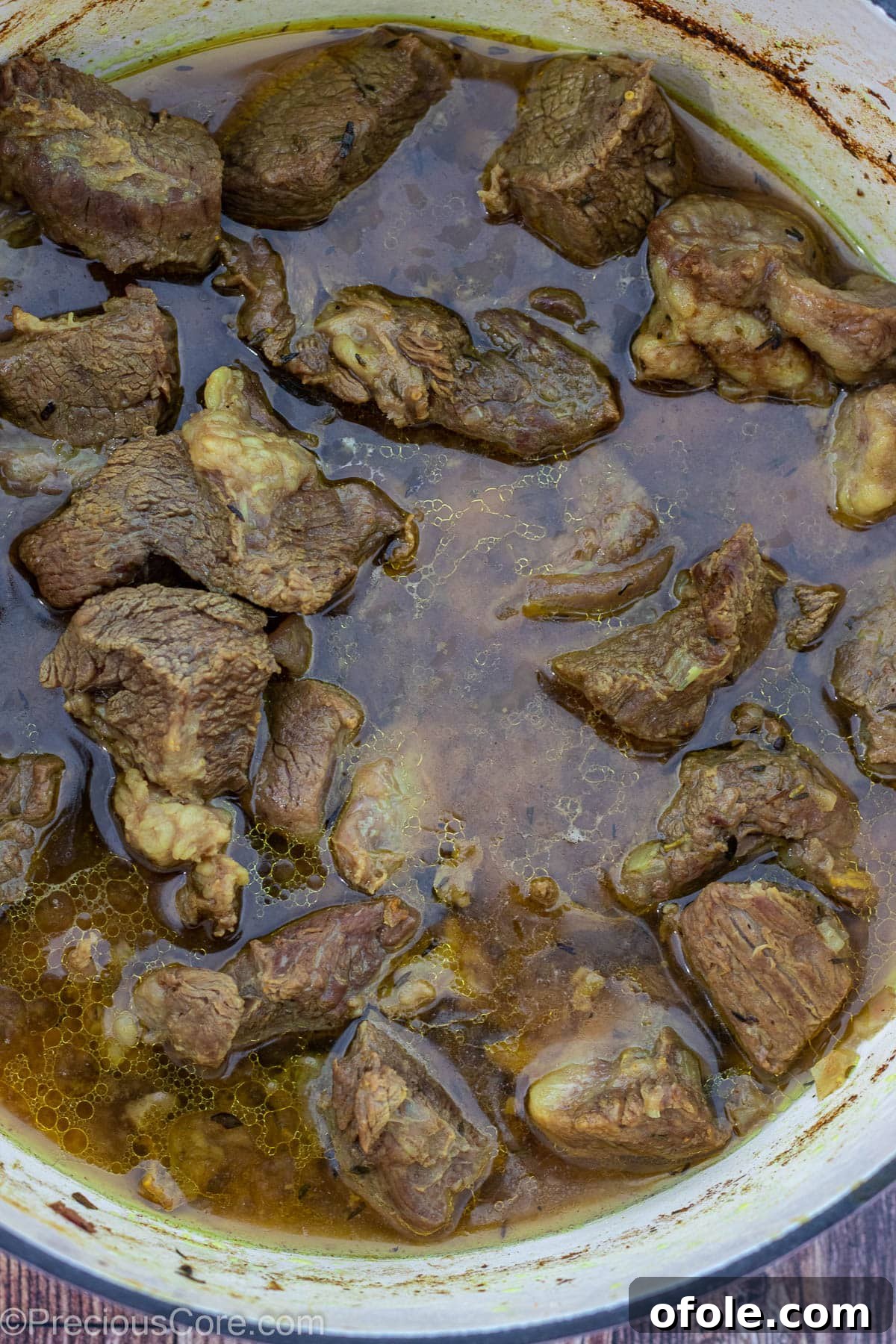
- Boil the Beef to Tenderness: Start by combining your beef chunks with half of the diced onions, salt, half the chicken bouillon powder, half a teaspoon of thyme, and half a teaspoon of curry powder in a medium pot. This initial seasoning is vital for flavoring the beef from within. Stir well, then bring to a simmer over medium heat, allowing the beef to absorb these aromatics for about 5 minutes. Add 2 cups of water, cover, and let it cook until the beef is fork-tender. Cooking time will vary, but typically ranges from 30 minutes to an hour, depending on the cut. Once tender, carefully drain the beef, reserving all the flavorful stock.
- Prepare the Tomato-Pepper Base: Roughly chop the fresh Roma tomatoes, deseed and cut the bell peppers, and add them to a blender along with the remaining onion chunks and habanero peppers. Blend until you achieve either a smooth paste or a slightly chunky sauce. A chunkier blend will give your stew more texture, while a smoother one creates a silkier consistency.
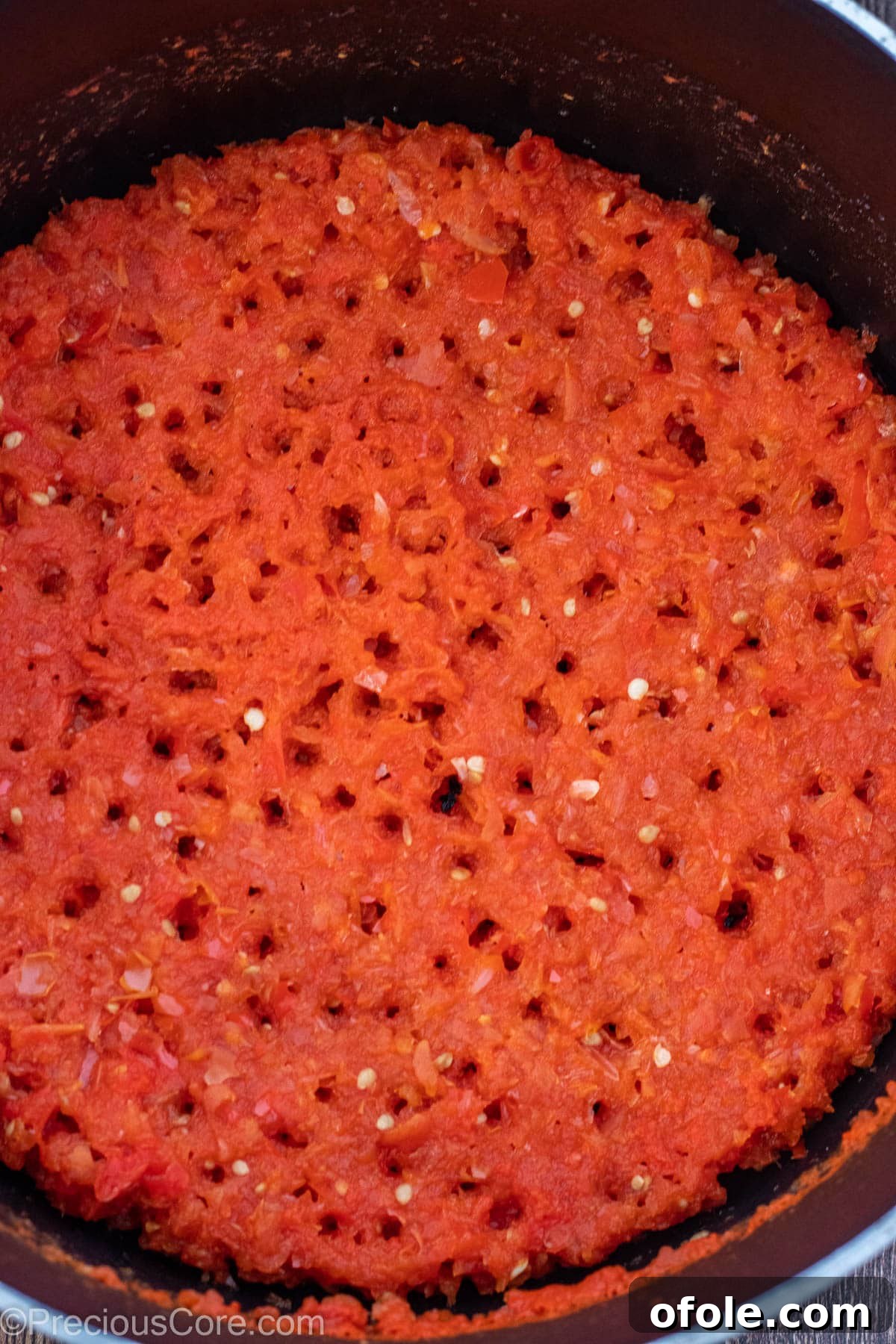
- Reduce the Pepper Mixture: Pour the blended tomato-pepper mixture into a clean medium pot and place it over medium heat. Bring it to a simmer and allow it to cook down, uncovered, until most of the liquid has evaporated, usually about 10-15 minutes. Important: Do not stir this mixture during this stage. This technique prevents splattering and helps the water content to evaporate effectively, concentrating the flavors and removing the raw, sour taste of the fresh tomatoes and peppers.
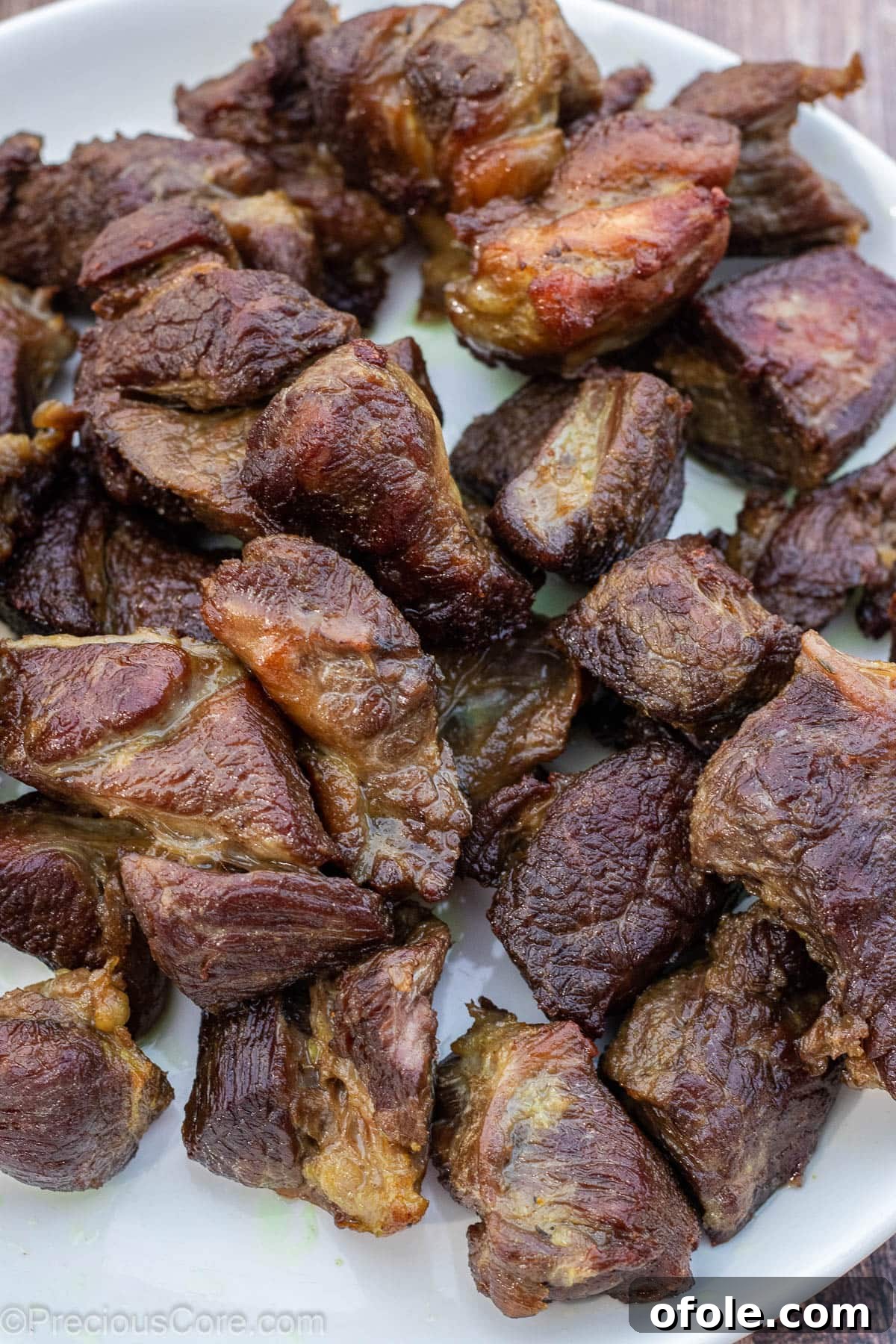
- Fry the Beef for Depth: In a large pot or Dutch oven, heat the designated amount of oil over high heat. Once hot, carefully add about half of the cooked beef. Fry until each piece is beautifully browned and slightly crispy on all sides. Remove the first batch, then repeat with the remaining beef. This frying step adds incredible depth of flavor and a pleasant textural contrast to the tender beef.
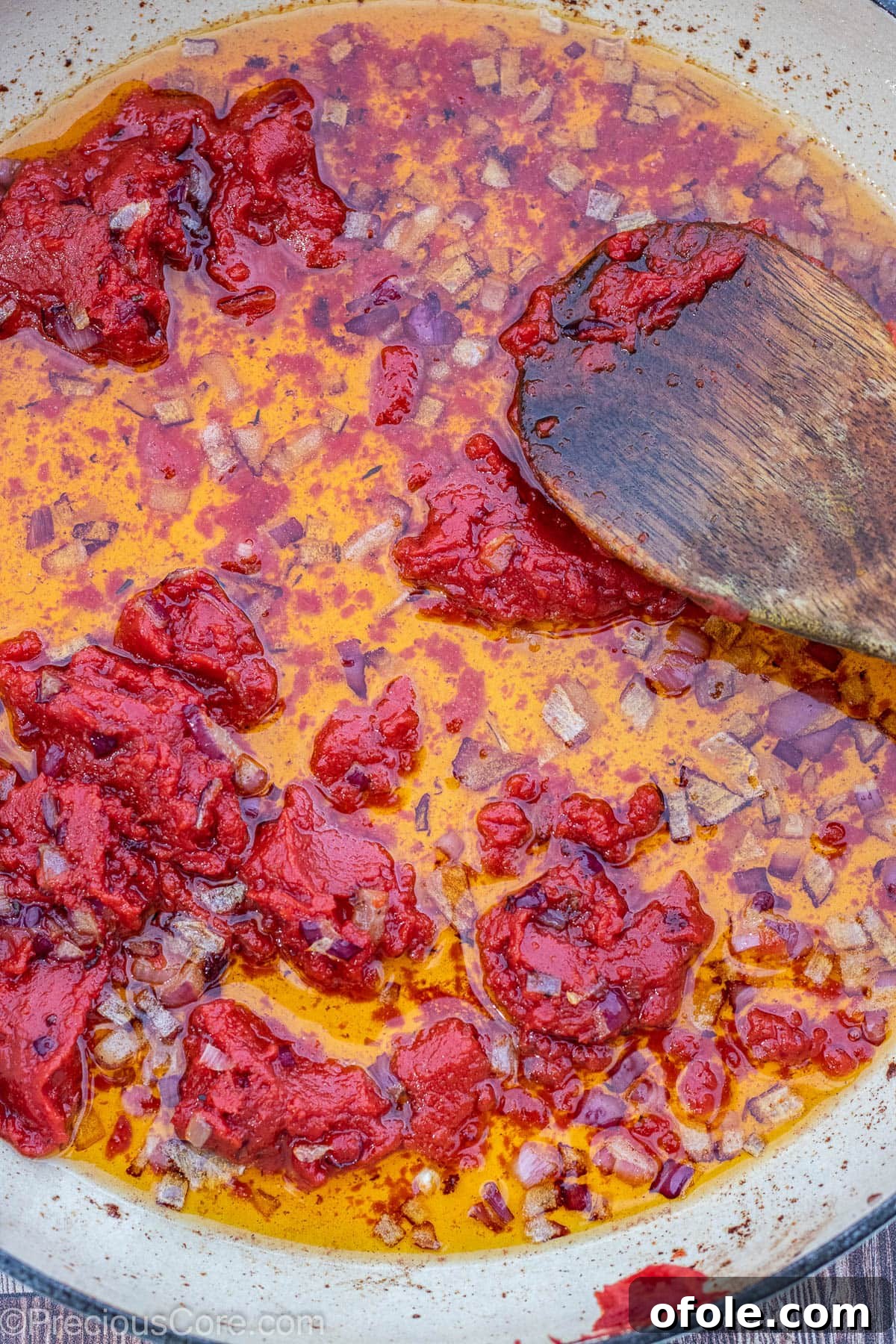
- Build the Stew Base: Reduce the heat to medium. In the same pot with the beef-frying oil (which is now infused with flavor), add the remaining diced onions and sauté until they are translucent and fragrant, about 3-5 minutes. Next, stir in the tomato paste. Cook the tomato paste for at least 5 minutes, stirring continuously, until it darkens in color and loses its raw taste. This step is crucial for developing a rich, deep red color and robust tomato flavor.
- Combine and Simmer: Add the pre-reduced tomato-pepper mixture to the pot with the sautéed onions and tomato paste. Cook this blend for another 15 minutes, stirring occasionally, allowing the flavors to meld and deepen further. Stir in the remaining curry powder, thyme, and bouillon powder. Then, pour in the reserved beef stock and add the fried beef chunks. Stir everything together gently, bring to a simmer, and let it cook for about 5-10 minutes. At this point, the stew might splatter, so cover the pot as needed. Taste and adjust seasoning with salt or bouillon as necessary.
- Serve Warm: Your authentic Nigerian Beef Stew is now ready! Serve it warm with your favorite accompaniments.
Hint regarding Oil: This recipe calls for a generous amount of oil, which is fundamental to properly cooking the tomato base and transforming its flavor from tart to mellow and rich. While it may seem like a lot, don’t be tempted to significantly reduce it during the cooking process. After the stew has finished cooking, you can easily skim off any excess oil floating on top if you prefer. This ensures the stew retains its authentic flavor profile without being overly oily when served. The skimmed oil can be saved and reused for future cooking.
You might also enjoy exploring these other delightful recipes: our flavorful African Pepper Sauce and the irresistible Puff Puff.
Creative Substitutions and Variations
Nigerian Beef Stew is incredibly adaptable, allowing for various substitutions and creative variations to suit dietary preferences, available ingredients, or simply to explore new flavor dimensions. Feel free to customize this recipe while retaining its core essence.
Substitutions
- Protein Alternatives:
- Chicken: Dark meat chicken, such as drumsticks and thighs, works exceptionally well as a substitute for beef. Its fat content keeps the stew moist and flavorful. You can follow similar steps for boiling and frying.
- Goat Meat: For an even more authentic West African flavor, replace beef with goat meat. It offers a distinct, robust taste and becomes incredibly tender when slow-cooked.
- Fish: A variety of firm fish, such as mackerel or tilapia, can be used for a lighter stew. Fry the fish separately and add it towards the end of cooking to prevent it from breaking apart.
- Mixed Meats: A popular Nigerian variation involves using “assorted meats,” which can include beef, tripe, cow foot, and sometimes smoked turkey or chicken. Boil each type of meat separately until tender before combining.
- Tomato Base:
- Tomato Sauce: For a slightly lighter stew, use good quality tomato sauce instead of tomato paste. You might need to cook it down a bit longer to achieve the desired thickness and concentrated flavor.
- Crushed Tomatoes: Canned crushed tomatoes can also be a convenient substitute for fresh tomatoes, especially when fresh ones are out of season or unavailable.
- Vegetarian Option:
- Mushrooms: Sliced mushrooms (like cremini or button) can replace the beef for a savory vegetarian stew. Sauté them until browned before incorporating them into the stew base.
- Plant-Based Protein: Cubed firm tofu or tempeh, properly pressed and fried, can also serve as a hearty plant-based protein.
- Root Vegetables: Adding cubed potatoes or sweet potatoes can boost the heartiness and texture of a vegetarian version.
- Oil: While light olive oil is recommended, any neutral-tasting oil like vegetable oil, canola oil, or sunflower oil can be used.
Variations
- Adjusting Spice Levels:
- Less Spicy: To reduce the heat, simply use fewer habanero or scotch bonnet peppers. You can use just half a pepper or even a small amount of cayenne pepper for a gentle warmth, allowing the sweetness of the bell peppers to shine.
- More Spicy: If you love heat, increase the number of habanero peppers or add a pinch of dried chili flakes.
- Adding Vegetables: Towards the end of the cooking process, introduce vegetables like sliced carrots, green beans, or peas for added crunch, color, and nutrients. Leafy greens like spinach or kale can also be stirred in to wilt just before serving.
- Enhanced Aromatics: Incorporate freshly grated ginger and minced garlic paste into your stew when sautéing the onions and tomato paste. This adds an extra layer of fragrant depth that many enjoy.
- One-Pot Method: For a simplified approach, you can cook the beef directly in the stew base without frying it separately. While this skips a step, frying the beef does contribute significantly to the stew’s overall flavor profile and texture. For an example, check out this delicious African Beef Stew recipe, all cooked in one pot.
- Smoked Fish or Crayfish: For an authentic Nigerian flavor boost, consider adding a small amount of ground smoked fish or crayfish powder to the stew base. This imparts a unique umami and smoky depth.
Storage and Make-Ahead Tips
Nigerian Beef Stew is an excellent candidate for meal prep and freezing, as its flavors often deepen and improve overnight. Properly storing your stew ensures you can enjoy its deliciousness for days or even weeks to come.
- Refrigeration: Store leftover Nigerian Beef Stew in an airtight container in the refrigerator for up to 5 days. Ensure the stew cools completely before transferring it to the container.
- Freezing: For longer storage, freeze the stew in freezer-safe airtight containers or heavy-duty freezer bags for up to 2 months. To prevent freezer burn, ensure there’s minimal air in the container.
- Thawing and Reheating:
- To thaw, transfer the frozen stew from the freezer to the refrigerator overnight.
- To reheat on the stovetop, place the thawed stew in a pot over medium-low heat, stirring occasionally until it reaches a gentle simmer and is heated through. Add a splash of water or broth if it appears too thick.
- To reheat in the microwave, place a portion in a microwave-safe dish, cover loosely, and heat in 1-2 minute intervals, stirring between each, until thoroughly warmed.
- Make-Ahead Advantage: This stew is perfect for batch cooking. You can prepare a large quantity and portion it out for quick and easy meals throughout the week or month. The base (the cooked-down tomato-pepper mixture) can also be made ahead and stored in the fridge or freezer, ready to be turned into stew or even Jollof Rice at a moment’s notice.
Expert Tips for a Perfect Nigerian Beef Stew
Achieving a truly exceptional Nigerian Beef Stew involves a few nuanced techniques and considerations. These expert tips will help you elevate your stew to professional levels, ensuring rich flavor and perfect consistency every time.
- Choose Beef Wisely: Always select a cut of beef that has good marbling (streaks of fat). This fat is not only inexpensive but also renders down during cooking, providing immense flavor and moisture to the stew. Chuck roast is ideal for this reason.
- Layer Your Seasoning: Don’t just season the beef; season the tomato-pepper mixture, the sautéed onions, and finally, adjust the seasoning of the finished stew. Layering flavors at different stages builds complexity and depth.
- Proper Tomato Reduction is Key: The most crucial step for an authentic, non-sour stew is to properly cook down the blended tomato-pepper mixture. Ensure all the water evaporates and the mixture significantly reduces in volume and darkens in color. This process eliminates the raw, acidic taste of fresh tomatoes.
- The No-Stir Trick: When cooking down the tomato-pepper blend before frying, resist the urge to stir constantly. Allowing it to simmer undisturbed helps the liquid evaporate efficiently and prevents excessive splattering. Stirring breaks the surface tension and releases trapped steam too quickly.
- Don’t Skimp on the Oil (Initially): As mentioned, the initial quantity of oil is important for properly “frying” and mellowing the tomato base. It helps cook out the sourness and achieve that characteristic rich flavor. You can always skim excess oil after the stew is done.
- Taste and Adjust: Always taste your stew at various stages of cooking. Seasoning is a personal preference, and adjustments are often needed as flavors concentrate.
- Prep Ahead Advantage: To save time, prepare the blended tomato-pepper mixture in advance and cook it down until reduced. Store it in the fridge for up to 3 days or freeze it for up to a month. This base also works wonderfully for making Jollof Rice!
Frequently Asked Questions About Nigerian Beef Stew
Here are some common questions about Nigerian Beef Stew to help you master this delicious dish:
Nigerian stew typically consists of a rich base made from fresh tomatoes, red bell peppers, and onions, enhanced with aromatic spices like curry powder and dried thyme. The protein commonly includes chicken, beef, or fish, or a flavorful combination of various meats known as “assorted meats.”
The secret to a truly outstanding stew lies in a thoughtful combination of fresh, quality ingredients, a generous use of traditional herbs and spices, and ample cooking time. Allowing the stew to simmer long enough ensures all the flavors meld together harmoniously, deepening its complexity and creating that desired rich, savory taste. Properly cooking down the tomato base to remove its sourness is also paramount.
Three highly popular and iconic foods in Nigeria are Egusi Soup, often served with Pounded Yam, and the universally beloved Jollof Rice. These dishes represent the vibrant and diverse culinary landscape of Nigeria.
Chuck roast is widely considered the best cut of beef for Nigerian stew due to its rich marbling, which imparts excellent flavor and tenderizes beautifully during the simmering process. Other cuts like sirloin steak, flank steak, or pre-cut stew beef can also be used, but ensure they have some fat for optimal taste and texture.
Yes, absolutely! While habanero or Scotch bonnet peppers are traditional for their characteristic heat and aroma, you can reduce the quantity or omit them entirely if you prefer a milder stew. For a touch of warmth without the intense spice, you can add a pinch of cayenne pepper or a very small amount of a less potent chili.
The key to preventing a sour taste is thoroughly cooking down your blended tomato-pepper mixture. Ensure it simmers, uncovered, until most of the water has evaporated and the paste darkens. Additionally, cooking the tomato paste separately for several minutes until it deepens in color is crucial, as this caramelizes the sugars and removes any raw, acidic notes.
Complementary Recipes
Craving more authentic African Dinner recipes that perfectly complement this beef stew? Explore these flavorful options:
- African Chicken Stew
- African Chicken Peanut Stew
- NIGERIAN JOLLOF RICE
- Egusi Soup
Perfect Pairings
Nigerian Beef Stew’s rich, savory, and subtly spicy flavor profile makes it incredibly versatile. Here are some of my favorite side dishes that perfectly complement this hearty stew, creating a well-rounded and satisfying meal:
- Sweet Fried Plantains
- Lettuce Salad
- Red Cabbage Slaw
- Easy Coconut Rice
If you try this authentic Nigerian Beef Stew recipe, please consider leaving a star rating and a comment below. I’d love to hear about your experience! Also, share your culinary creations on Instagram and tag me @preciouscore. Your feedback and shares are incredibly appreciated!
Nigerian Beef Stew
30
1
1 30
12 servings
Print Recipe
Ingredients
- 3 pounds beef, cut into chunks (I used chuck roast)
- 1 large red onion, half diced, half cut into chunks
- 1 teaspoon salt
- 4 teaspoons chicken bouillon powder
- 1½ teaspoons dried thyme
- 1½ teaspoons curry powder
- 6 large Roma tomatoes
- 2 red bell peppers
- 1-2 habanero or scotch bonnet peppers (adjust to taste)
- 1 cup light olive oil or any neutral-tasting oil
- 8 oz tomato paste
Instructions
-
Boil the beef: Place the chunks of beef into a medium pot. Add half of the diced onions, the salt, 2 teaspoons of chicken bouillon powder, half a teaspoon of thyme, and half a teaspoon of curry powder. Stir to combine. Place on medium heat and bring to a simmer. Let the beef cook together with the seasoning for 5 minutes. Add 2 cups of water, cover the pot and let it cook until the beef is tender (about 30-60 minutes). Once the beef is done, drain it from its stock and reserve the stock.
-
Blend the tomato-pepper mixture: Cut the Roma tomatoes into chunks and place them into a blender. Cut and deseed the red bell peppers and add them to the blender. Add the remaining onion chunks and the habanero peppers. Blend into a smooth paste or a slightly chunky sauce, depending on your preferred stew texture.
-
Cook down the tomato-pepper mixture: Pour the blended tomato-pepper mixture into a medium pot (do not add oil yet) and place it on medium heat. Bring to a simmer and let it cook, uncovered, until most of the liquid evaporates and the mixture significantly reduces and thickens. This usually takes about 10-15 minutes. It is important not to stir during this process to prevent splattering and aid in water evaporation.
-
Fry the beef: Place a large pot or Dutch oven on high heat and add the 1 cup of oil. Let the oil heat up then carefully add about half of the cooked beef. Fry until the beef is browned and slightly crispy on one side, then flip to the other side and let it brown. Remove the first batch of beef from the pot and fry the remaining beef. Set the fried beef aside.
-
Cook the stew base: Turn the heat down to medium. Add the remaining diced onions to the pot (using the same flavorful oil) and sauté until they are translucent and fragrant, about 3-5 minutes. Add the tomato paste and cook for five minutes, stirring continuously to prevent burning and to deepen its color and flavor.
-
Combine and simmer: Add the cooked-down tomato-pepper mixture to the pot. Cook while stirring from time to time for about 15 minutes, allowing the flavors to meld. Stir in the remaining curry powder, thyme, and bouillon powder. Then, add the reserved beef stock and the fried beef chunks. Stir to combine and let everything simmer together for about 5-10 minutes. Cover the pot as needed to prevent splattering. Taste and adjust seasoning with salt or more bouillon if necessary.
-
Serve: Serve your delicious Nigerian Beef Stew warm over steamed rice, with fried plantains, or alongside your favorite swallow.
Notes
Beef Parts: Besides chuck roast, sirloin steak, flank steak, or even pre-cut stew beef can be used. Opt for cuts with some fat marbling for best flavor.
Substitute for Frying Beef: If you prefer not to pan-fry, you can broil the boiled beef in the oven on a low broil setting until lightly browned.
Managing Excess Oil: After the stew has finished cooking, if you find the oil quantity too much for your preference, you can easily skim off the excess oil from the top.
Nutrition
Carbohydrates: 7g |
Protein: 23g |
Fat: 31g |
Saturated Fat: 8g |
Polyunsaturated Fat: 3g |
Monounsaturated Fat: 20g |
Trans Fat: 1g |
Cholesterol: 78mg |
Sodium: 597mg |
Potassium: 704mg |
Fiber: 2g |
Sugar: 4g |
Vitamin A: 1190IU |
Vitamin C: 35mg |
Calcium: 38mg |
Iron: 3mg
Additional Info
Tried this recipe?
Mention @preciouscore or tag #PreciousCore!