
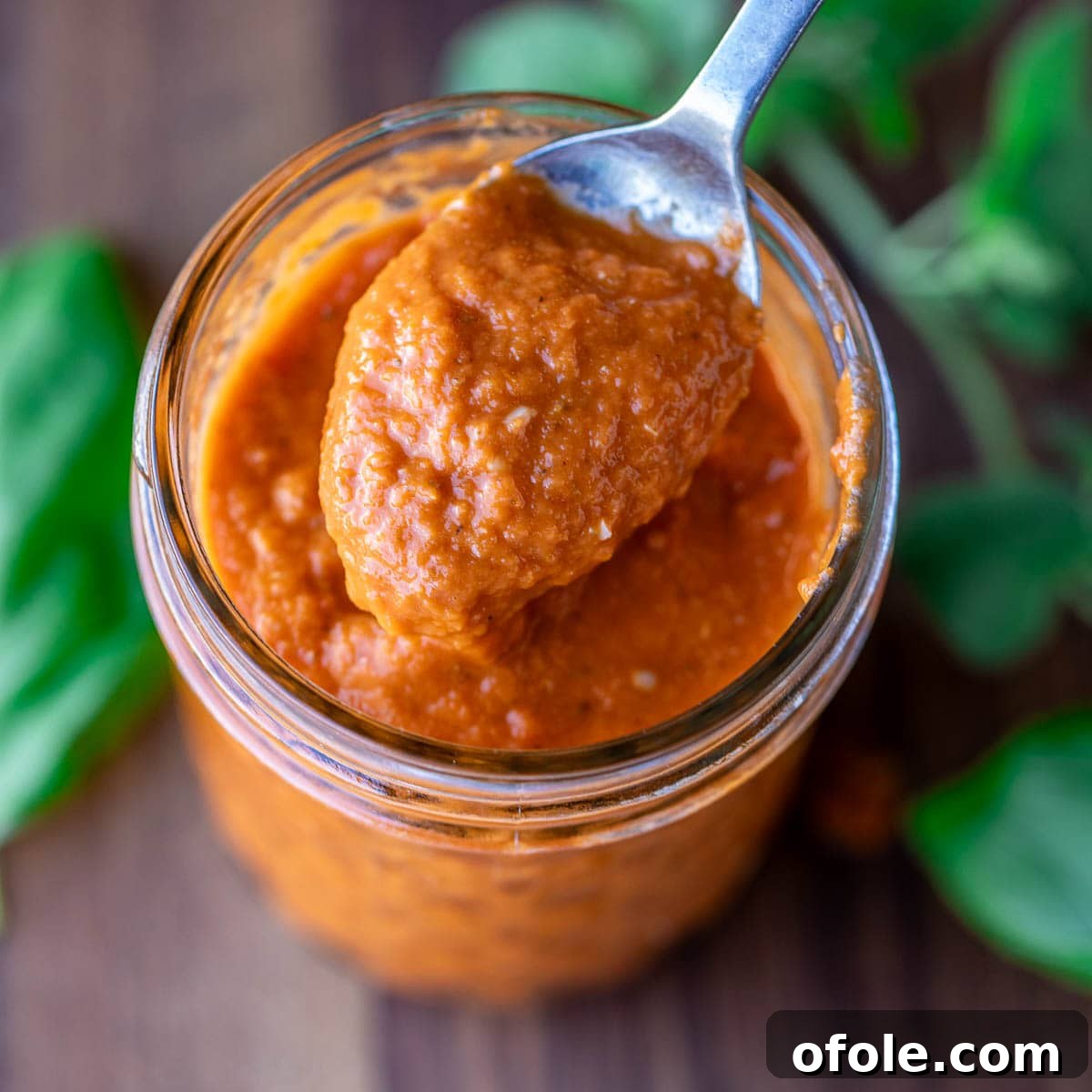
Prepare to transform your homemade pizza experience with this exceptional Roasted Tomato Pizza Sauce. It’s so rich in flavor and wonderfully fresh that even the pickiest eaters will rave about it – my kids literally eat it by the spoonful! Say goodbye to bland, jarred sauces and embrace the vibrant taste of a truly authentic, from-scratch pizza sauce that will elevate any pizza night.
Crafting your own pizza sauce might seem like an extra step, but this easy recipe proves just how simple and rewarding it can be. Using everyday pantry staples and fresh tomatoes, you can create a delicious, healthy, and preservative-free sauce in around 30 minutes of active time. This recipe is designed for both convenience and superior taste, ensuring your pizza reaches its full potential.
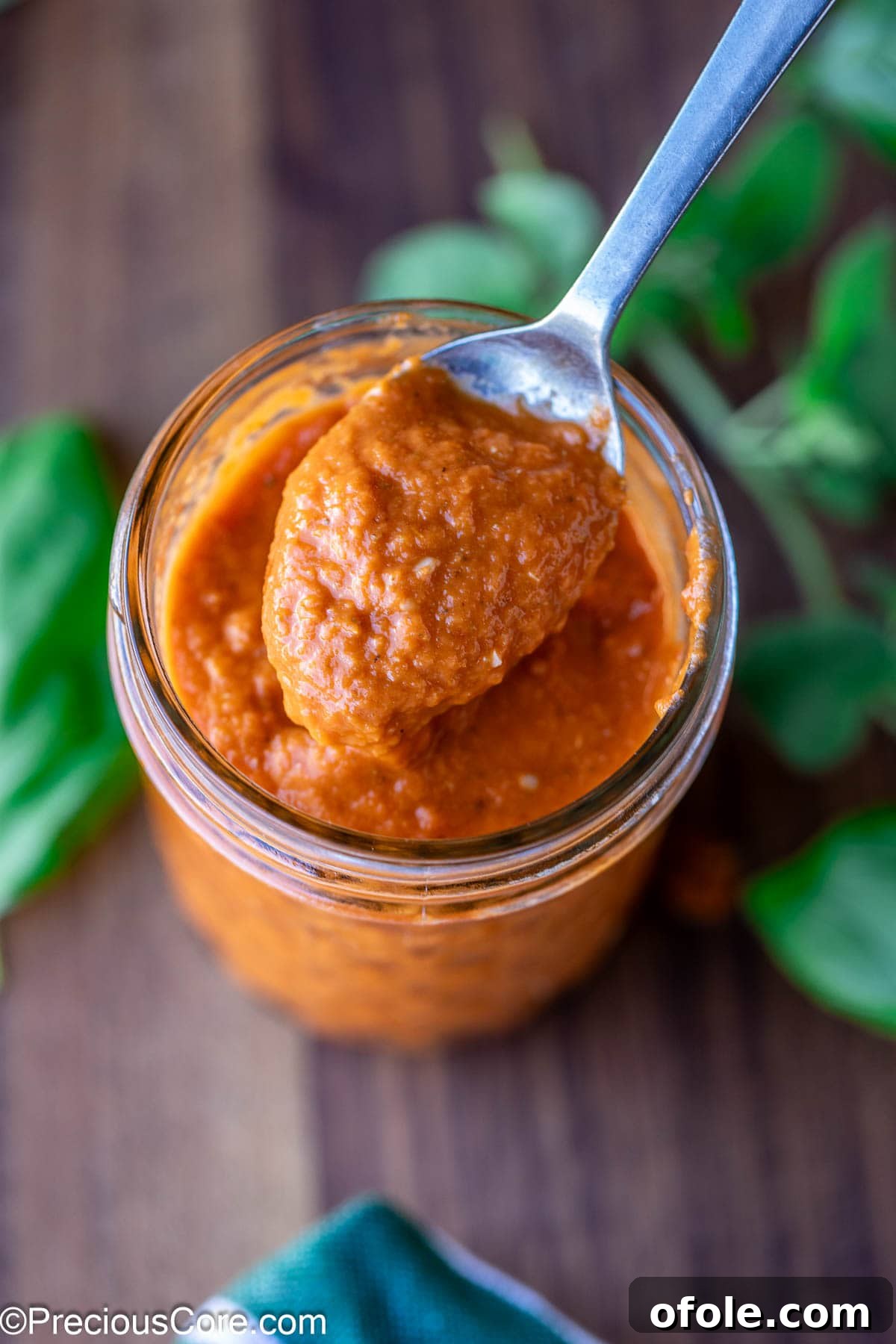
Whether you’re planning an exciting pizza party, a cozy movie night, or simply want to enjoy a healthier meal, this roasted tomato pizza sauce is an absolute game-changer. It’s perfect for making ahead and storing for future use, or whipping up fresh when the craving strikes. Once you taste the difference, you’ll never look back at store-bought options again.
This versatile sauce isn’t just for classic pizza. It’s fantastic for Easy Homemade Pizza, One Hour Homemade Pizza, Pizza Toast, or Sliced Bread Pizza, each offering a unique and satisfying culinary experience. Get creative and use it for calzones, homemade pizza rolls, or even as a flavorful base for other dishes. The possibilities are truly endless!
Table of Contents
- Why You’ll Love This Roasted Tomato Pizza Sauce
- The Magic of Roasting Tomatoes for Pizza Sauce
- Essential Ingredients for the Best Homemade Pizza Sauce
- Step-by-Step: How to Make Roasted Tomato Pizza Sauce
- Substitutions and Creative Variations for Your Sauce
- Expert Tips for Perfect Pizza Sauce Every Time
- Beyond Pizza: Creative Uses for Your Homemade Tomato Sauce
- Recipe Frequently Asked Questions
- More Easy Homemade Recipes
- Full Roasted Tomato Pizza Sauce Recipe Card
Why You’ll Love This Roasted Tomato Pizza Sauce
- Effortlessly Simple: With a mere handful of ingredients – most of which are likely already in your pantry – you can whip up the most delicious pizza sauce for your next pizza night. The key components are fresh tomatoes, olive oil, and basic seasonings, making it an accessible recipe for cooks of all levels. Using garden-fresh or high-quality produce truly makes a difference, turning a simple sauce into something extraordinary.
- Undeniably Healthy: Ditch the worries of preservatives, artificial flavors, and excessive sugar often found in store-bought jars. This recipe uses only fresh, whole ingredients, ensuring a healthier option for you and your family. You’re in complete control of what goes into your sauce, allowing for dietary adjustments and a truly wholesome meal.
- Authentic Pizzeria Flavor: The secret to a truly outstanding pizza begins with its foundation: a great crust and an even better sauce. Making your pizza sauce from scratch, especially by roasting the tomatoes, unlocks a depth of flavor and texture that is simply unbeatable. The smoky, sweet, and slightly tangy notes will remind you of your favorite pizzeria, giving your homemade pizzas that professional touch.
- Ultimate Customization: Unlike pre-made sauces, this recipe offers endless opportunities for customization. Adjust the seasonings to your preference, add a touch of heat, or incorporate other fresh herbs. This flexibility ensures your pizza sauce is perfectly tailored to your taste, making every pizza unique and exciting.
The Magic of Roasting Tomatoes for Pizza Sauce
What sets this pizza sauce apart is the roasting process. Roasting tomatoes before blending them is a game-changer that significantly enhances their natural flavors. As the tomatoes caramelize in the oven, their sweetness intensifies, and their rich, umami notes deepen. This process also helps to reduce the water content, resulting in a thicker, more concentrated sauce that won’t make your pizza crust soggy. The gentle heat of the oven brings out a beautiful smoky depth that complements the other ingredients perfectly, delivering a sauce that is far more complex and satisfying than any raw or stovetop-simmered alternative.
Essential Ingredients for the Best Homemade Pizza Sauce
This recipe boasts a concise ingredient list, focusing on quality over quantity to achieve maximum flavor. Below, you’ll find the core components and notes on how each contributes to the sauce’s irresistible taste. For a complete detailed list, refer to the recipe card further down the page.
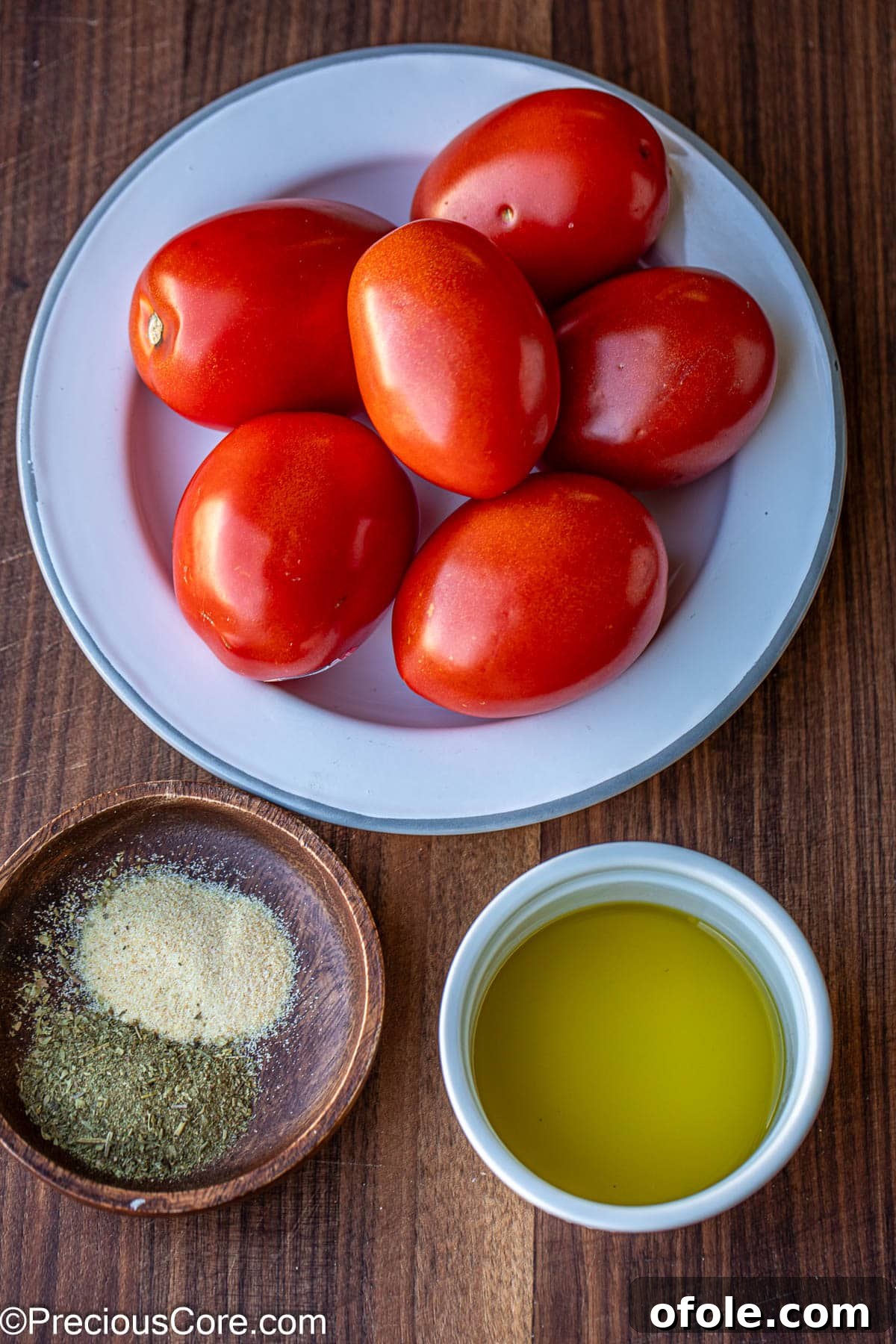
- Roma Tomatoes: Also known as plum tomatoes, these are a superior choice for pizza sauce. Their low water content is crucial for preventing a watery sauce, ensuring a rich, thick consistency. Roma tomatoes also offer a balanced flavor profile, with just the right touch of natural sweetness and acidity. For the best results, opt for ripe, firm Roma tomatoes, ideally from your garden or a local farmers market.
- Italian Seasoning: This aromatic blend is the heart of the pizza sauce’s distinctive herbaceous flavor. Typically comprising dried basil, oregano, rosemary, and thyme, it provides the quintessential Italian taste. If you don’t have a pre-made blend, you can easily create your own by combining equal parts of these dried herbs.
- Olive Oil: A good quality extra virgin olive oil is indispensable. It not only aids in the roasting process by helping the tomatoes caramelize beautifully but also contributes to the sauce’s silky texture and rich mouthfeel. The olive oil also acts as a flavor carrier, helping to extract and meld the flavors of the tomatoes and spices during roasting.
- Garlic Powder: Tomatoes and garlic are a classic culinary pairing, and for good reason! The savory depth of garlic powder perfectly complements the sweet and acidic notes of the tomatoes, creating a harmonious balance. While fresh garlic cloves can also be used, garlic powder offers a quicker, more evenly distributed flavor without the need for additional sautéing.
- Salt: Essential for enhancing all the other flavors. A good pinch of salt brings out the natural sweetness of the tomatoes and balances the overall taste of the sauce.
Step-by-Step: How to Make Roasted Tomato Pizza Sauce
Crafting this incredible pizza sauce is surprisingly straightforward. Follow these simple steps to create a sauce that will impress everyone:
- Preheat Your Oven: Start by preheating your oven to 400°F (200°C). This ensures the tomatoes begin roasting immediately and evenly.
- Prepare Baking Sheet: Line a baking sheet with parchment paper. This prevents sticking and makes cleanup a breeze.
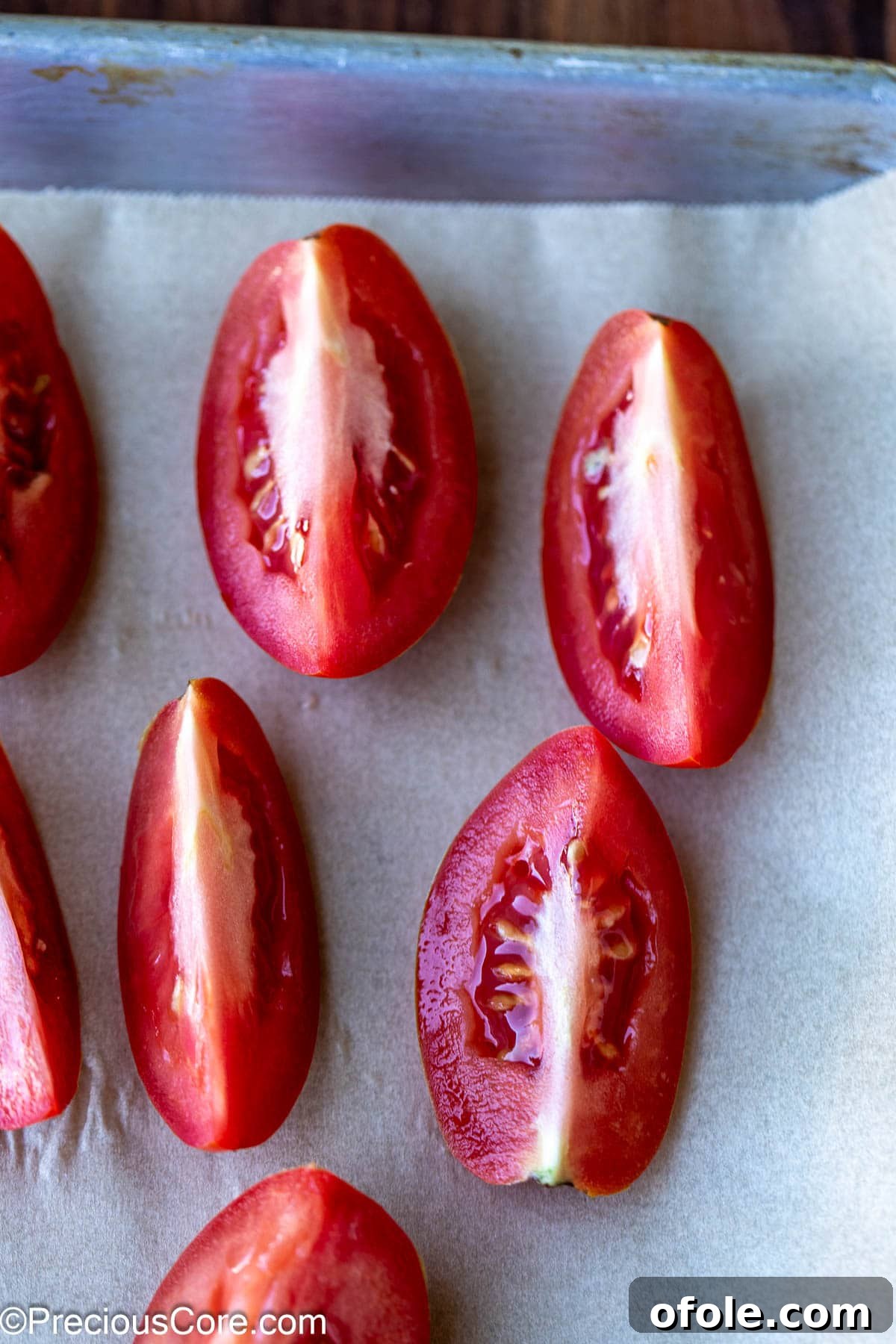
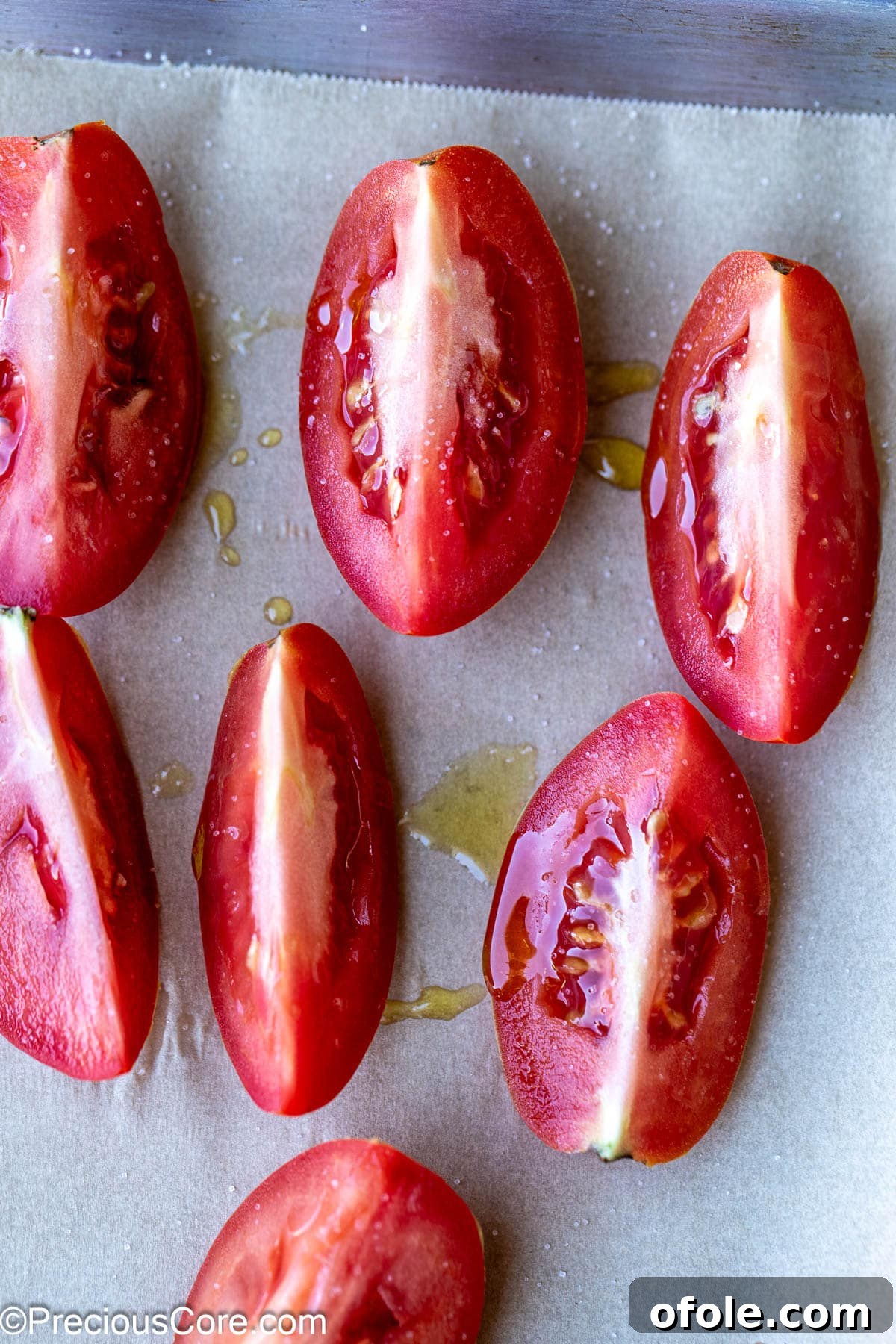
- Clean and Chop Tomatoes: Rinse your Roma tomatoes thoroughly under cool water and pat them completely dry. This step helps the oil adhere better and prevents excess moisture. Cut the tomatoes into quarters or halves, depending on their size.
- Season and Drizzle: Arrange the chopped tomatoes in a single layer on the prepared baking sheet. Sprinkle them evenly with salt and generously drizzle with olive oil. Gently toss to ensure all tomato pieces are coated.
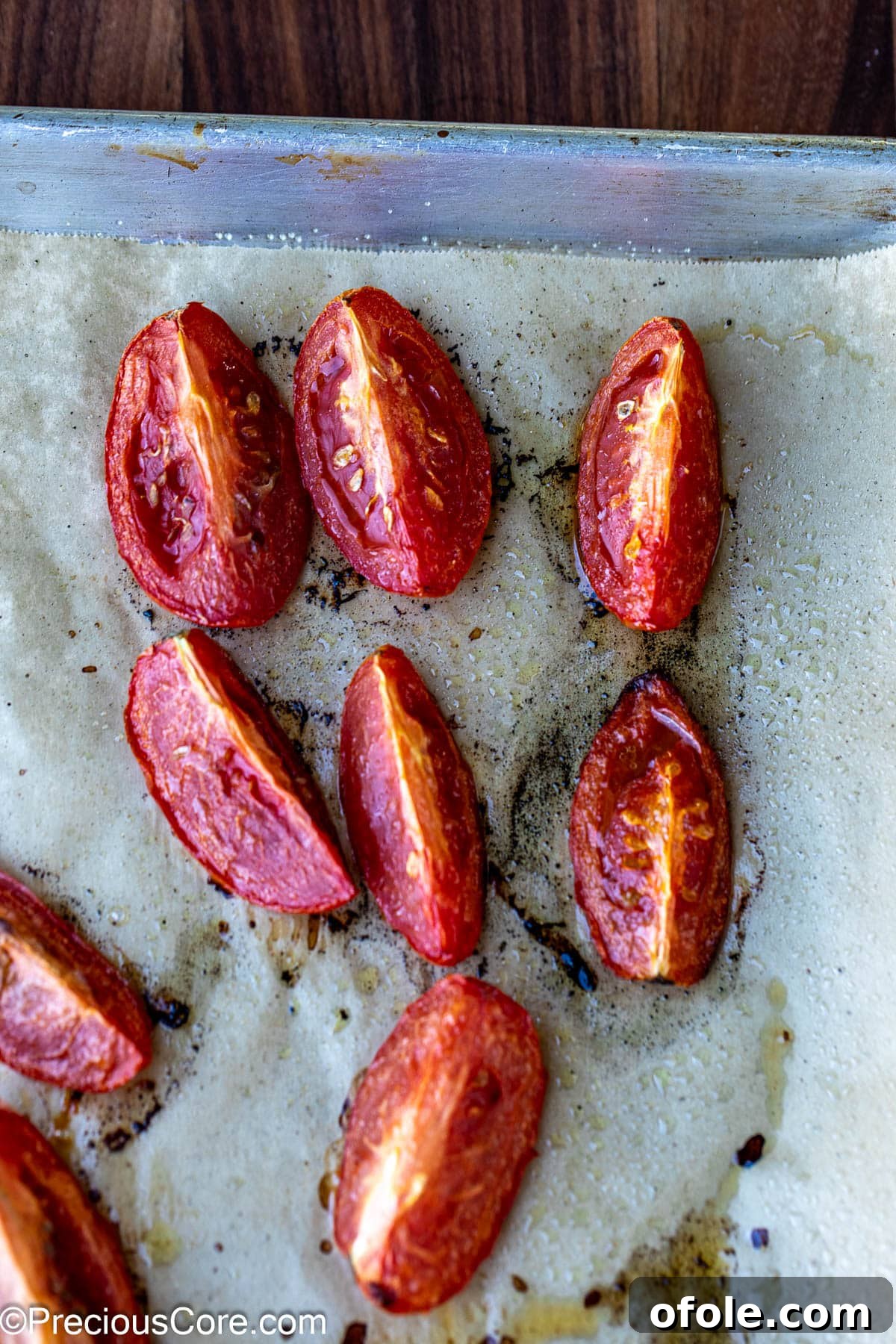
- Roast to Perfection: Place the baking sheet in the preheated oven and roast for approximately 25-30 minutes, or until the tomatoes are tender, slightly shriveled, and caramelized around the edges. The roasting process will bring out their natural sweetness and deepen their flavor significantly.
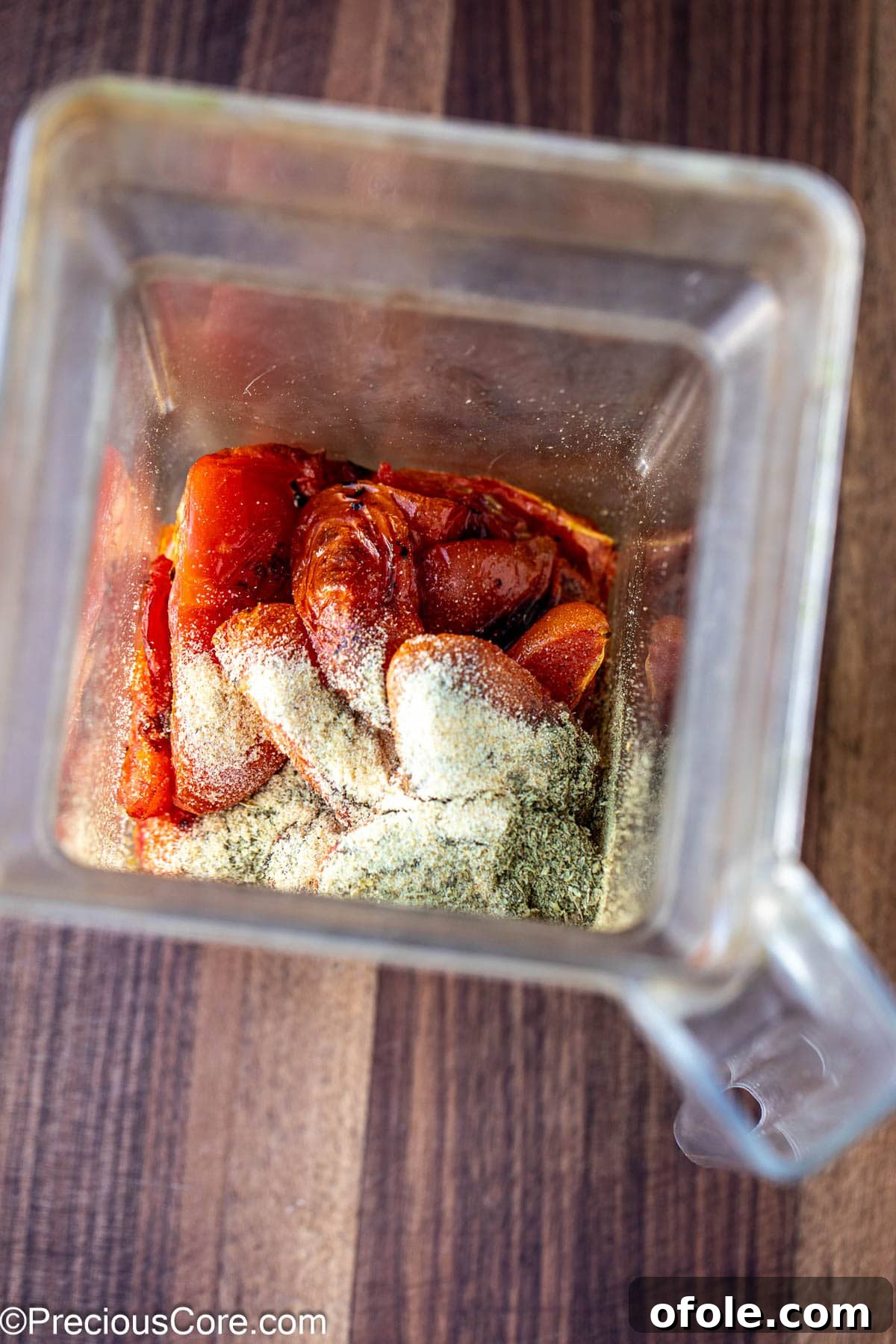
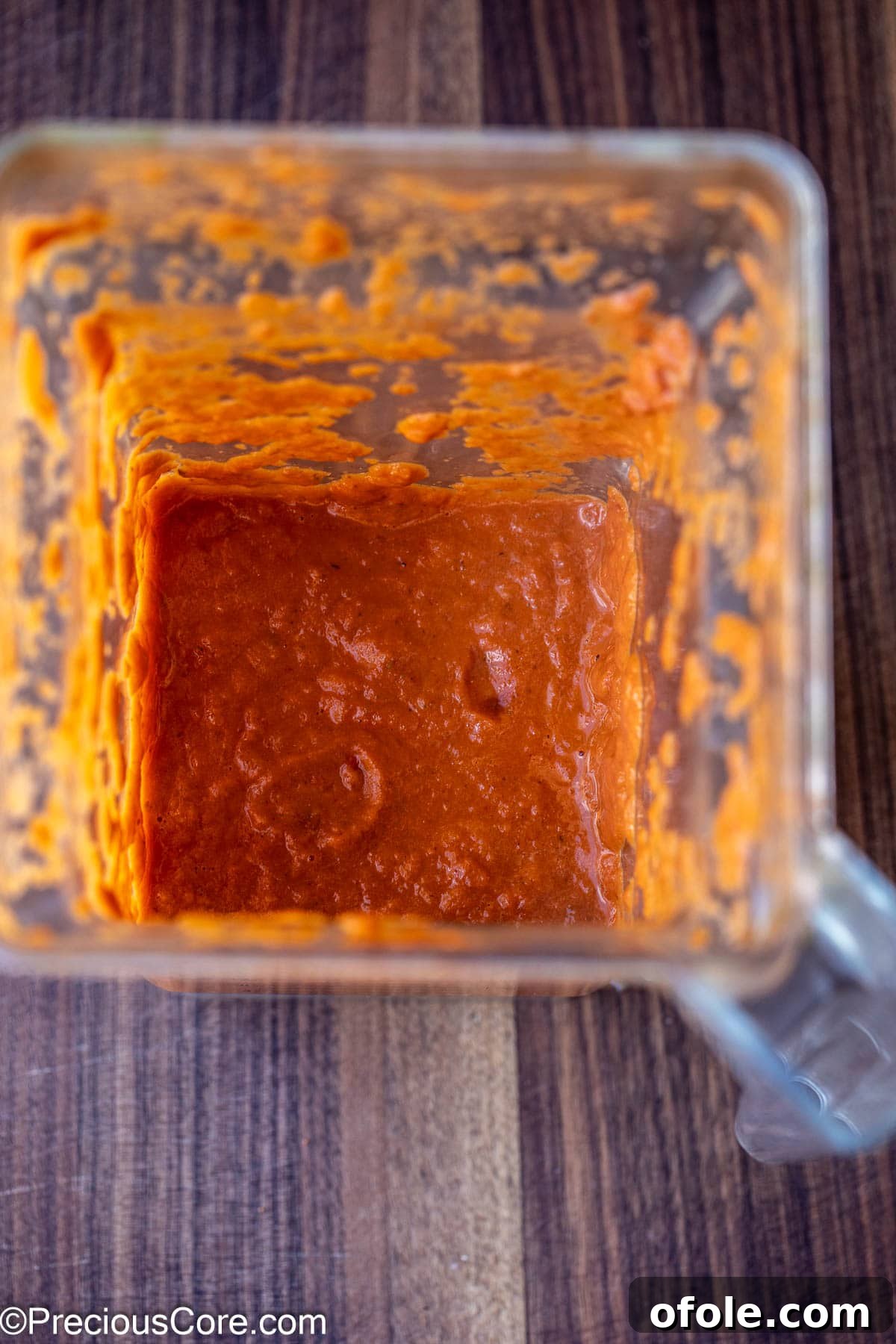
- Blend into a Smooth Sauce: Carefully transfer the roasted tomatoes, including any juices from the baking sheet, to a blender. Add the Italian seasoning and garlic powder. Blend on high speed until you achieve a smooth, uniform paste. If you prefer a chunkier sauce, blend for a shorter duration.
- Serve or Store: Your homemade roasted tomato pizza sauce is now ready! Use it immediately on your favorite pizza creations, or store it for later enjoyment.
Substitutions and Creative Variations for Your Sauce
While this recipe is fantastic as written, it’s also incredibly adaptable. Feel free to experiment with these suggestions to tailor the sauce to your unique preferences or available ingredients:
- Add a Cheesy Twist: For an extra layer of savory flavor, gently fold in some freshly grated Parmesan cheese after blending the sauce (if using immediately). This will make the texture less smooth, but the cheesy notes are a delightful addition, especially for those who love extra Parmesan on their pizza!
- Spice It Up: If you enjoy a little heat, give your pizza sauce a fiery kick! Incorporate red pepper flakes, a pinch of cayenne pepper, or smoked paprika when blending the roasted tomatoes. Be cautious not to add these directly to the tomatoes before roasting, as they can burn. Adding them during the blending phase ensures even distribution and optimal flavor.
- Sweeten with Cherry Tomatoes: For a naturally sweeter sauce, consider using cherry tomatoes instead of Roma. Cherry tomatoes have a higher sugar content and will caramelize beautifully when roasted. Keep in mind they are smaller and will roast much faster, so monitor them closely in the oven to prevent over-browning.
- Fresh Herbs vs. Dried: While Italian seasoning is convenient, fresh basil and oregano can provide a wonderfully vibrant flavor. If substituting, remember that fresh herbs have a milder taste than dried ones, so you’ll need to use a larger quantity (typically three times the amount of fresh for dried). Chop fresh herbs finely before blending, and taste the sauce, adding more as needed.
- Incorporate Other Vegetables: For a richer, more complex flavor profile and added nutrients, try roasting other vegetables alongside your tomatoes. Red bell peppers, finely sliced onions, or even a few carrots can add depth and a subtle sweetness. Roast them with the tomatoes and blend everything together.
- Tangy Balsamic Glaze: A drizzle of good quality balsamic glaze or vinegar added during the blending process can introduce a delightful tang and subtle sweetness, enhancing the overall complexity of the sauce.
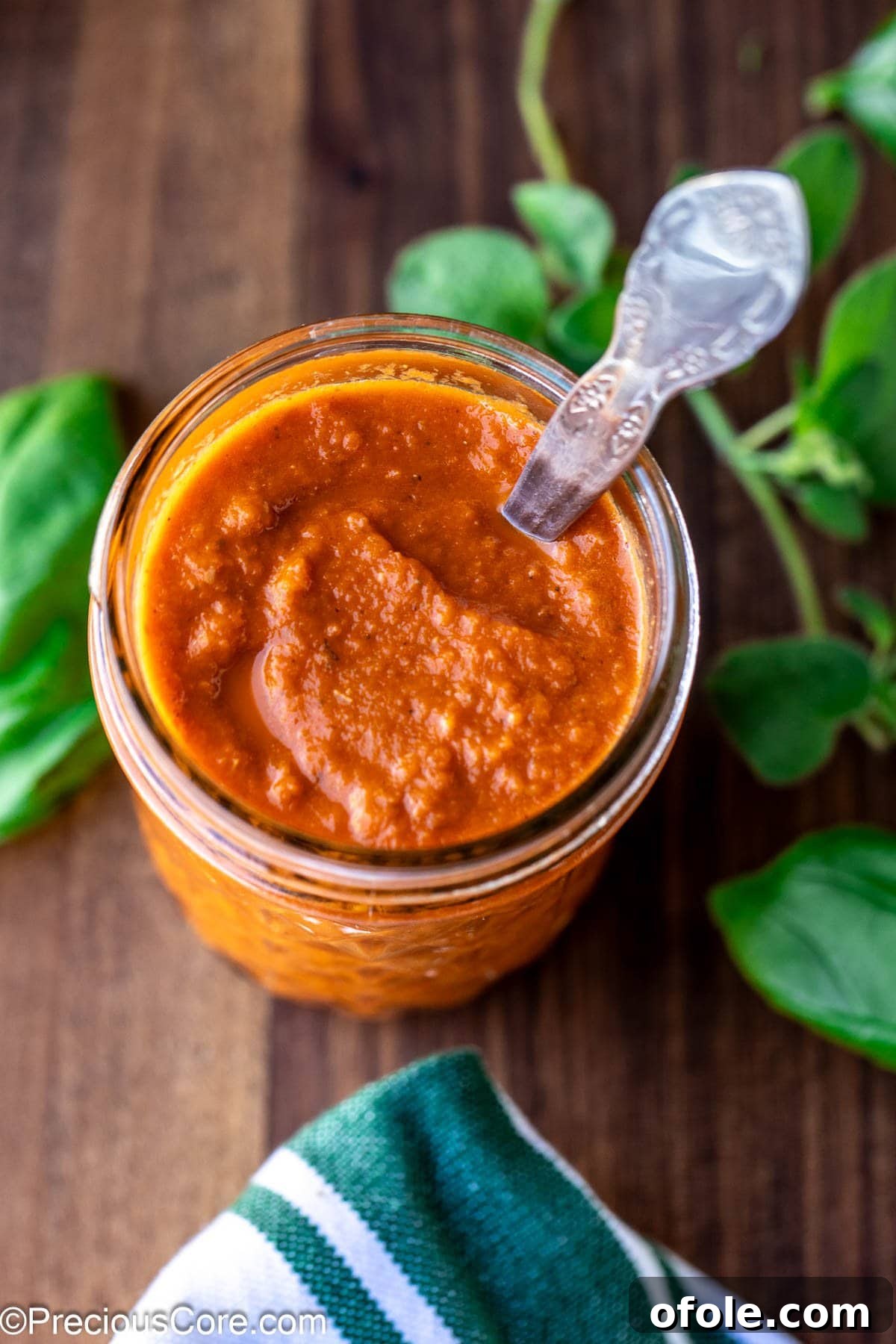
Ready to tackle the base? Learn how to make the perfect pizza dough with my easy homemade pizza recipe.
Expert Tips for Perfect Pizza Sauce Every Time
- Mastering Canning for Extended Shelf Life: If you love to batch cook and preserve, canning is an excellent option for extending the shelf life of your homemade pizza sauce. This dairy-free recipe is suitable for canning, but it’s crucial to follow specific safety guidelines. Tomatoes, being low-acid foods, require the addition of a small amount of lemon juice or citric acid to each jar to ensure a safe acidity level for water bath canning. Always consult reliable canning resources like this guide from Penn State Extension for detailed instructions and safety protocols.
- Achieving Your Desired Texture: The beauty of homemade sauce is complete control over its consistency. For a smooth, restaurant-style sauce, blend thoroughly until no chunks remain. If you prefer a rustic, chunkier texture with more body, simply blend for a shorter period, leaving some small pieces of roasted tomato intact. Ensure all seasonings are well distributed regardless of your preferred consistency.
- Freezing for Future Feasts: This pizza sauce freezes exceptionally well, making it ideal for meal prep. Prepare a double or triple batch and freeze portions for busy weeknights. Store the sauce in airtight containers or freezer-safe bags, leaving a little headspace to allow for expansion. Properly stored, it will maintain its freshness and flavor for up to 3 months, preventing freezer burn and ensuring you always have delicious homemade sauce on hand.
- Source High-Quality Tomatoes: The quality of your tomatoes directly impacts the flavor of your sauce. Whenever possible, choose ripe, seasonal tomatoes from a local market or even your own garden. Organic tomatoes are often a great choice, offering superior taste.
- Don’t Waste the Juices: After roasting, the baking sheet will have flavorful juices and caramelized bits. Make sure to scrape all of these into the blender with the tomatoes, as they contribute significantly to the sauce’s depth.
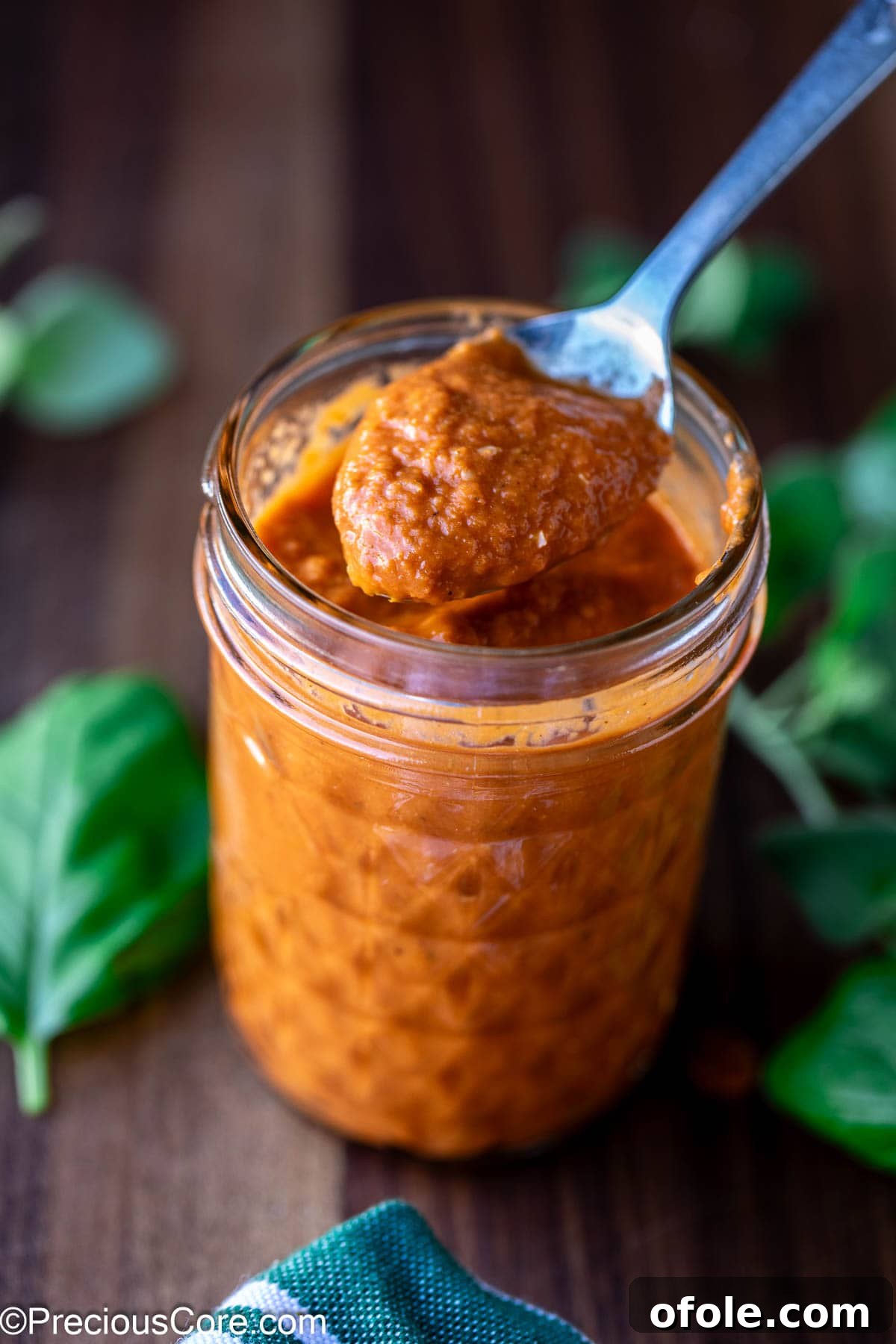
Beyond Pizza: Creative Uses for Your Homemade Tomato Sauce
This roasted tomato sauce is far too delicious to be confined solely to pizza! Its rich, versatile flavor makes it an excellent addition to a variety of dishes. Here are some ideas to inspire your culinary adventures:
- Pasta Sauce Perfection: Toss it with your favorite pasta for a quick and flavorful weeknight meal. Add some sautéed vegetables, a sprinkle of fresh herbs, and a dash of Parmesan for an instant upgrade.
- Calzones and Strombolis: Use it as the base for savory calzones or hearty strombolis. The sauce’s robust flavor stands up well to being baked inside dough.
- Dipping Sauce Extraordinaire: Serve it warm as a dipping sauce for garlic knots, mozzarella sticks, breadsticks, or even crispy chicken tenders. It’s a fantastic alternative to marinara.
- Flavorful Marinade: Thin it out slightly with a little olive oil or broth and use it as a marinade for chicken, fish, or vegetables before grilling or baking.
- Soup and Stew Base: Add a dollop to vegetable soups, minestrone, or stews for an instant boost of rich tomato flavor and a beautiful color.
- Eggs Benedict Reinvented: Try it as a base under poached eggs instead of hollandaise sauce for a healthier, equally delicious brunch option.
Recipe Frequently Asked Questions
The primary difference lies in the cooking method and preparation time. Traditional tomato sauce, often used for pasta, is typically simmered on the stovetop for an extended period, allowing flavors to meld and deepen over time. Pizza sauce, especially this roasted variety, is usually much quicker to prepare. It doesn’t require stovetop cooking beforehand; the tomatoes are roasted and then blended with seasonings. The sauce then cooks further when it’s baked on your pizza, developing its final flavor and texture directly on the crust.
Roma (plum) tomatoes are widely considered one of the best choices for pizza sauce due to their low water content and balanced sweet-acidic flavor. San Marzano tomatoes, a variety of plum tomato, are also highly prized for their rich, sweet flavor and tender flesh. However, cherry tomatoes can produce a wonderfully sweet sauce if that’s your preference. Ultimately, the “best” tomato often comes down to what’s ripe, fresh, and available to you.
When you use ripe, high-quality tomatoes like Roma or San Marzano, there’s usually no need to add sugar to your pizza sauce. These varieties naturally contain enough sweetness to balance their acidity. This recipe doesn’t call for added sugar, keeping it healthier and allowing the natural tomato flavor to shine. If you find your chosen tomatoes are particularly acidic, a small pinch of sugar can be added to balance the flavors, but it’s often unnecessary.
While fresh tomatoes are highly recommended for the best flavor and texture, you can certainly adapt this recipe to use canned tomatoes, especially during off-season months. Opt for high-quality whole peeled San Marzano or diced fire-roasted tomatoes. Instead of roasting them directly, you might drain and lightly sauté them before blending, or simply blend them directly with the seasonings, then gently simmer for a short time to deepen the flavor. The roasting step is what gives this particular recipe its unique depth, so if using canned, you’ll still get a delicious sauce, but with a slightly different character.
Your homemade roasted tomato pizza sauce can be stored in an airtight container in the refrigerator for up to 5-7 days. For longer storage, it freezes beautifully for up to 3 months in freezer-safe containers or bags. If you’re interested in even longer preservation, explore safe canning methods, ensuring you add an acidifier like lemon juice for safety.
More Easy Homemade Recipes
Homemade Mayonnaise Recipe
Homemade Vanilla Ice Cream
Easy Sandwich Bread Recipe
How To Make Shortbread Cookies
If you make this recipe, please consider leaving a star rating or a comment below! Your feedback helps others discover and enjoy this recipe, and I always love hearing from you! Thank you!
Want to save this recipe?
Enter your email below, and we’ll send the recipe straight to your inbox!
Roasted Tomato Pizza Sauce Recipe
This Roasted Tomato Pizza Sauce is so good that my kids eat it by the spoonful. If you want to take your homemade pizza to the next level, toss the jarred stuff for this highly flavorful roasted tomato sauce which is made with pantry staples.
- Prep Time: 5 minutes
- Cook Time: 27 minutes
- Total Time: 32 minutes
- Servings: 8 servings
Rate
Print Recipe
Ingredients
- 2 pounds Roma tomatoes, medium-sized
- ½ teaspoon salt
- 2 Tablespoons olive oil
- 1 teaspoon Italian seasoning
- 1 teaspoon garlic powder
Instructions
- Preheat oven to 400℉ (200°C). Line a baking sheet with parchment paper.
- Rinse the tomatoes and pat dry. Cut them into quarters and place on the prepared baking sheet. Sprinkle on the salt and drizzle on the olive oil. Place in the preheated oven to roast for 25-30 minutes, until tender and slightly caramelized.
- Add the roasted tomatoes (and any juices from the baking sheet) to a blender, then add the Italian seasoning and garlic powder. Blend into a smooth paste.
- Use the sauce immediately on pizza or store it in a jar with a tight-fitting lid for up to 1 week in the refrigerator. Freeze for up to 3 months in an airtight container.
Notes
Tomatoes: For a sauce with a sweeter flavor profile, consider using cherry tomatoes. The quality of the tomatoes used really makes an impact on the flavor of this sauce. I used Roma tomatoes from my garden and I think the tastier garden tomatoes made all the difference. I recommend purchasing organic tomatoes if you can.
Nutrition
Calories: 54kcal | Carbohydrates: 5g | Protein: 1g | Fat: 4g | Saturated Fat: 1g | Polyunsaturated Fat: 0.5g | Monounsaturated Fat: 3g | Sodium: 151mg | Potassium: 280mg | Fiber: 2g | Sugar: 3g | Vitamin A: 949IU | Vitamin C: 16mg | Calcium: 16mg | Iron: 0.5mg
Tried this recipe?
Mention @preciouscore or tag #PreciousCore on Instagram!