
Unveiling the Cameroonian Spirit: What Truly Makes You Cameroonian?

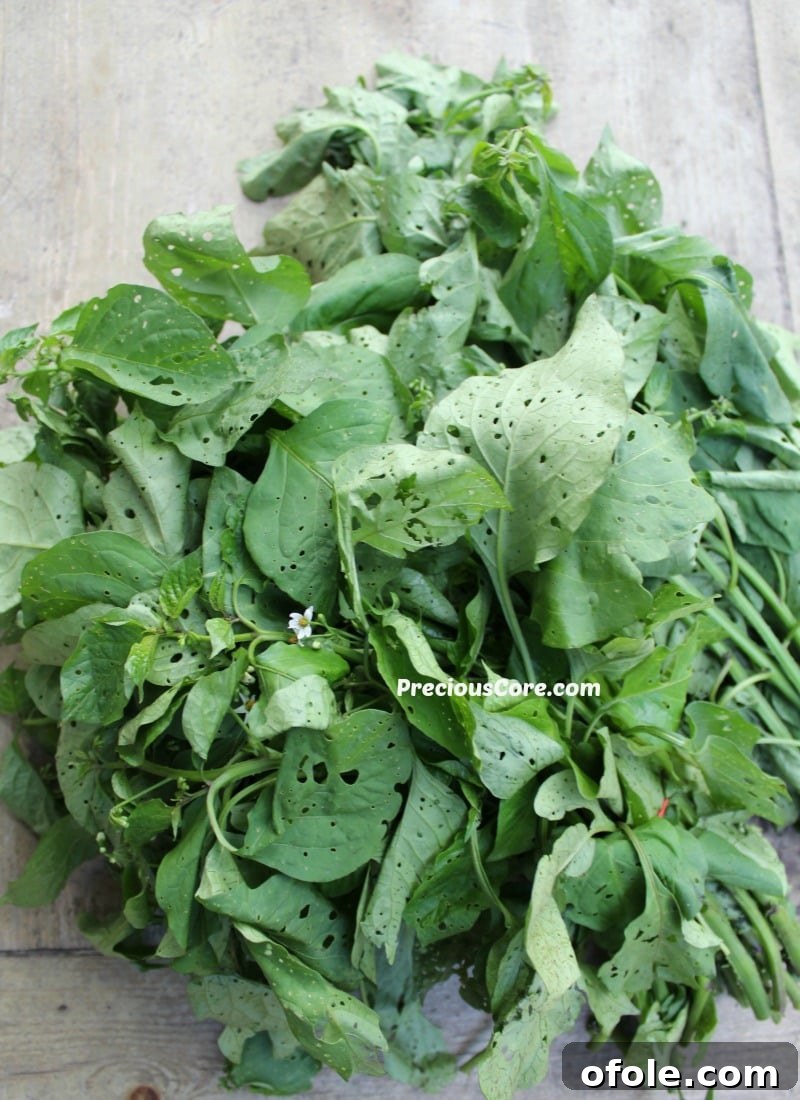
There’s an undeniable allure that surrounds the vibrant culture of Cameroon, a Central African nation brimming with diversity, history, and an infectious spirit. Recently, a casual trip to the farmer’s market sparked a fascinating conversation about the distinctive traits that bind Cameroonians together, no matter where they are in the world. Observing Mr. N return with armfuls of fresh Njama Njama – known in English as garden huckleberry – immediately brought to mind the unique way a Cameroonian’s eyes scan market stalls. It’s an almost instinctive search for these cherished green leaves, as if they hold the very essence of life and tradition. This fervent quest for a taste of home is just one of many indicators that subtly, yet profoundly, declare one’s “Cameroonianess.”
This simple observation led to a deeper reflection on the myriad elements that forge the Cameroonian identity. From the rich tapestry of our culinary traditions and the nuanced cadences of our languages, to the indelible memories of childhood games and shared experiences, these are the threads that weave together the fabric of what it means to be from Cameroon. It’s a collective heritage passed down through generations, shaping perspectives and forging bonds that transcend geographical boundaries. Join us on a journey to explore these fascinating characteristics, a joyful recognition for those who share this heritage, and an insightful glimpse for those eager to learn.
The Culinary Heartbeat: Food, Feast, and Flavor
Cameroonian culture is inextricably linked with its food. Meals are not merely sustenance; they are celebrations, expressions of love, and cornerstones of social gatherings. The preparation and sharing of food often represent the focal point of any communal event, symbolizing hospitality, generosity, and joy.
-
Party time means eat, drink, repeat. Food! Food!! More Food!!! For a Cameroonian, a celebration is synonymous with an abundance of food. Whether it’s a wedding, a birthday, or a simple get-together, the table must groan under the weight of delicious dishes. It’s an unspoken rule that guests should leave feeling utterly satisfied, having indulged in a culinary spread that reflects the host’s generosity and the richness of Cameroonian cuisine.
-
Good food to you is Eru, Ndole and Burning Fish. These are more than just dishes; they are icons of Cameroonian gastronomy. Eru, a savory wild spinach soup, rich with waterleaf and okazi leaves, often served with garri or fufu, is a national treasure. Ndole, the bitterleaf soup with peanuts and fish or meat, is revered for its complex flavors and cultural significance. And “Burning Fish,” or roasted fish, often spiced and charred to perfection, evokes memories of bustling street food scenes and seaside delights. Your relationship with these meals is truly a love-love affair, with each bite bringing moments of pure, unadulterated joy.
-
You call beer “one man”, “shack” or “mimbo”. The local vernacular for beverages, particularly beer, is a tell-tale sign of your roots. These colloquialisms are not just words; they are an integral part of the social lexicon, used to bond and communicate within the community. “Mimbo” is particularly ubiquitous, a term understood across the country, signifying a shared drinking culture and camaraderie.
-
You have eaten puff puff and beans at least once in your life. This classic breakfast or snack combination is a rite of passage for every Cameroonian. The fluffy, golden fried dough balls (puff puff) paired with a rich, savory bean stew is a comfort food staple. It’s a taste that transports many back to their childhood, to schoolyard vendors, or the simple joys of a Saturday morning meal.
-
You have cursed Mami Puff Puff for not selling at her food joint on a day she was sick and you really wanted puff puff. This humorous yet relatable scenario speaks to the deep connection Cameroonians have with their local food vendors. Mami Puff Puff, or any beloved local street food hawker, becomes an indispensable part of daily life. Their absence, even due to illness, can genuinely feel like a personal affront when craving your favorite snack, a testament to the emotional investment in these culinary traditions.
-
Some form of rice must be cooked on Christmas day. While diverse meals are prepared throughout the festive season, rice holds a special place, often as jollof rice or white rice with a rich sauce. It’s a culinary constant amidst the variety, a traditional anchor that signifies the holiday’s importance and the gathering of family around a shared, cherished meal.
-
You look forward to long road trips because of all the food you will buy at stops. Road trips in Cameroon are an adventure for the taste buds. Stopping along the way means indulging in a medley of regional specialties: “Burning planti and plum” (roasted plantains and peanuts), more “Burning Fish,” refreshing Pamplemousse (grapefruit), and delectable Soya (grilled meat skewers). These roadside feasts are as much a part of the journey as the destination itself, creating memorable culinary interludes.
Family, Community, and Shared Experiences
Beyond the plate, the Cameroonian experience is defined by strong familial bonds, a sense of community, and a unique way of raising children that emphasizes respect, ingenuity, and collective responsibility.
-
Your father was always first in school. How can you fail? This common parental anecdote, often told with a twinkle in the eye, is a gentle (or not-so-gentle) reminder of the high expectations placed on children’s academic performance. It’s a cultural nudge towards excellence, reflecting the deep value placed on education and the aspirations parents hold for their offspring.
-
Your mother called you at some point in your childhood to run from wherever you were playing and give her something that was literally inches away from her. This universal Cameroonian parenting trope, often accompanied by a phrase like, “Azahhh!!! Gimme that coco for front dey make ah peel am,” perfectly captures the dynamic of a Cameroonian household. It’s not just about the item; it’s about instant obedience and the subtle, often humorous, assertion of parental authority, teaching children to be responsive and helpful.
-
Your home was never made up of just father, mother and kids. The concept of an extended family is central to Cameroonian life. Homes are vibrant hubs where uncles, aunts, cousins, and other relatives might reside, creating a multi-generational living experience. This communal living fosters strong family ties, mutual support, and a rich environment for cultural transmission. The mention of “Pa and Ma Nchifor” pays homage to these cherished extended family figures.
Passion, Play, and Lingua Franca
From the national obsession with football to the imaginative games of childhood and the country’s unique linguistic tapestry, these elements further define the Cameroonian identity.
-
Football is your life or the life of those around you. Even if you’re not a fan yourself, the roar of the crowd, the passionate debates, and the collective euphoria or despair during a match are inescapable. Football, particularly the national team, the Indomitable Lions, unites the country, transcending ethnic and linguistic divides. It’s more than a sport; it’s a source of national pride and collective identity.
-
You ask for “dash” when you are done shopping. “Dash” is a small gratuity or extra item given by a vendor after a purchase, a common practice reflecting a culture of generosity and good relations between buyers and sellers. It’s a pleasant expectation, a small token that reinforces community bonds and adds a touch of charm to everyday transactions.
-
You speak English and some form of French (whether broken or fixed). Or you speak French and some form of English. Cameroon’s unique bilingual heritage, a legacy of its colonial past, means most Cameroonians navigate between English and French, often with a blend of both in casual conversation. This linguistic flexibility, coupled with Pidgin English and hundreds of indigenous languages, creates a rich and complex communication landscape that is distinctly Cameroonian.
-
You played tabala, cizo, dodging and ehn ehn while growing up. These are not just games; they are vivid memories of a shared childhood. Tabala, a game similar to hopscotch, cizo (marbles), dodging (dodgeball), and “ehn ehn” (a local version of hide-and-seek or tag) speak to a generation’s upbringing filled with outdoor play, creativity, and communal interaction, often inventing games with minimal resources.
-
You sang songs like: Mr Cocoji e bikin di falla goat E nack e food… (Please complete for me). This refers to popular local folk songs or nursery rhymes that resonate deeply within the Cameroonian memory. These songs, often sung in Pidgin or local dialects, are passed down through generations, forming a collective cultural soundtrack of childhood, filled with playful narratives and catchy tunes.
-
You fought pretend war in uncompleted buildings. Unfinished construction sites weren’t just abandoned structures; they were epic battlegrounds for imaginary wars, castles for kings and queens, or secret hideouts. This highlights the resourcefulness and vivid imagination of Cameroonian children, turning everyday spaces into realms of adventure and fantasy.
-
You made cars out of flip-flops and wood. Ingenuity is a hallmark of Cameroonian childhood. Long before store-bought toys were common, children crafted their own, turning discarded flip-flops, pieces of wood, tin cans, and string into elaborate cars, trucks, and other playthings. This tradition of creative fabrication fostered problem-solving skills and an appreciation for making the most of available resources.
-
You cooked mud as food in tomato and sardine cans. Another testament to childhood creativity, playing “kitchen” with mud, leaves, and water, using empty food cans as cooking pots, was a common pastime. This imaginative play mimicked adult roles, teaching children about cooking and domestic life in a fun, sensory way.
-
You call flip-flops, “two-rope sleppas”. This distinctive local term for flip-flops is another example of how Pidgin English and local idioms infuse everyday language, creating a unique linguistic identity that sets Cameroonians apart.
Unique Traits and Social Nuances
The Cameroonian character is a blend of wit, resilience, and unique social customs that shape interactions and expressions of identity.
-
You have been late for everything in your life but you arrived early for your American visa interview. This humorous observation perfectly captures a universal experience of those seeking opportunities abroad. It points to a cultural perception of time that can be flexible, yet, when faced with an immensely important appointment, punctuality becomes paramount, driven by ambition and hope.
-
You call your mother, “reme” and your father, “repe”. These affectionate, unique terms for “mother” and “father” are common in certain Cameroonian linguistic contexts, especially among Pidgin speakers. They signify a unique familial bond and a distinct way of addressing parents, different from standard English or French terms.
-
Your father had almost nothing to do with the kitchen while you were growing up. Traditionally, kitchen duties were often seen as a woman’s domain in many Cameroonian households. The playful anecdote about “Mr N who cooked something looking like Irish Potato Hotpot and called it, Poulet DG” highlights this traditional division of labor, while also celebrating the rare and often comical attempts by fathers to venture into culinary territory.
-
You call your friends, “boh”, “massa” or “o boy”. These informal terms of endearment and address are staple greetings among friends and peers in Cameroon. “Boh,” “massa,” and “o boy” are rich with camaraderie and familiarity, instantly signaling a shared cultural understanding and connection.
-
Everyone may call you ”Precious” but your family members will call you, “Meshi’ or “Ma Meshi” or “Mamire” because that’s the name that matters to them. This distinction between a “waiman” (Western/official) name and a “contri” (country/local/nickname) name is deeply significant. The “contri” name is often more intimate, carrying familial history, nicknames, or local dialect variations. It’s the name that resonates with genuine affection and a sense of belonging within the family and community, embodying the personal history and cultural roots of an individual.
-
A visit to someone’s home is not complete without you being served food and/or drink. Cameroonian hospitality is legendary. To visit a home and not be offered refreshment is almost unheard of. It is a fundamental cultural imperative to share what you have, and refusing an offer can be seen as impolite or even suspicious. The image of the young boy putting his hands on his head in disbelief because of a refused drink offer perfectly illustrates this ingrained expectation of hospitality:

How you go deny mimbo???

Embracing the Cameroonian Identity
The tapestry of Cameroonian identity is rich and complex, woven with threads of shared culinary delights, strong familial ties, vibrant childhood memories, unique linguistic expressions, and a profound sense of community. These characteristics, often subtle and deeply ingrained, paint a vivid picture of a people known for their warmth, resilience, and zest for life.
From the passionate hunt for Njama Njama at the market to the unbreakable bonds forged over plates of Eru and Ndole, and the echoes of childhood games in uncompleted buildings, being Cameroonian is a journey through a shared heritage. It’s a pride in one’s roots, a connection to traditions, and an understanding of the unique social cues that define daily interactions. These are the elements that contribute to the enduring spirit of Cameroon, a spirit that continues to thrive and connect its people across the globe.
Did we capture the essence of what it means to be Cameroonian? We invite you, our readers, to share your own experiences and insights. What characteristics define the people of your country? Your contributions enrich our understanding of the diverse human experience. Please share your thoughts and anecdotes in the comments below!