
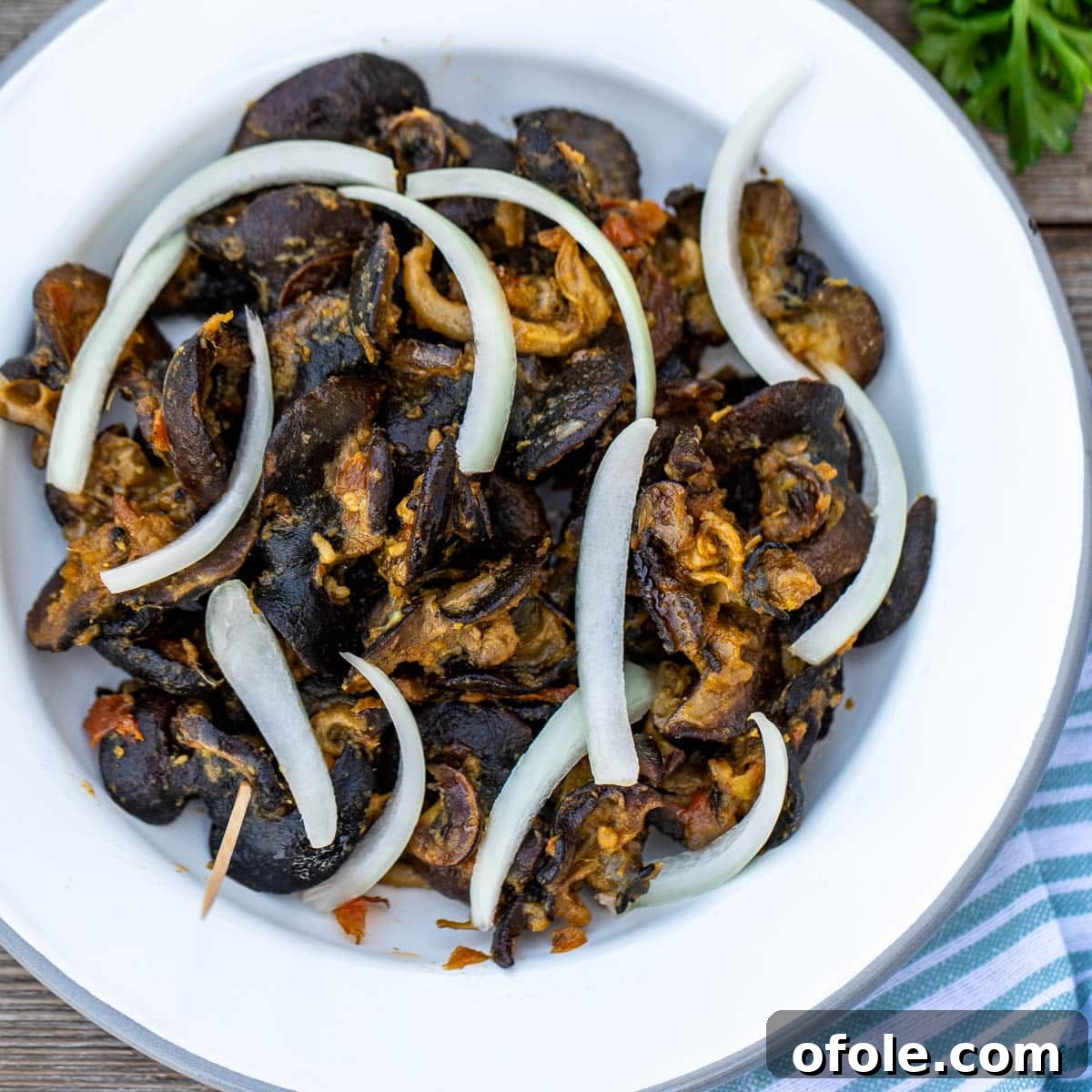
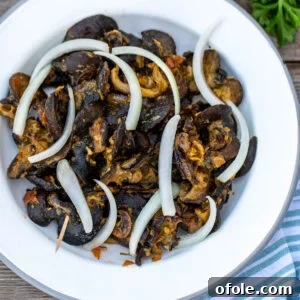
Unlock the secrets to an authentic and utterly delicious **Cameroonian snails recipe** that will quickly become a cherished staple in your culinary repertoire. Far from being merely an acquired taste, these West African snails are a vibrant explosion of flavor, infused with aromatic herbs and spices that transform each bite into a memorable experience. Get ready to savor their uniquely satisfying texture, a perfect harmony of tender chewiness with just a hint of delightful crunch.
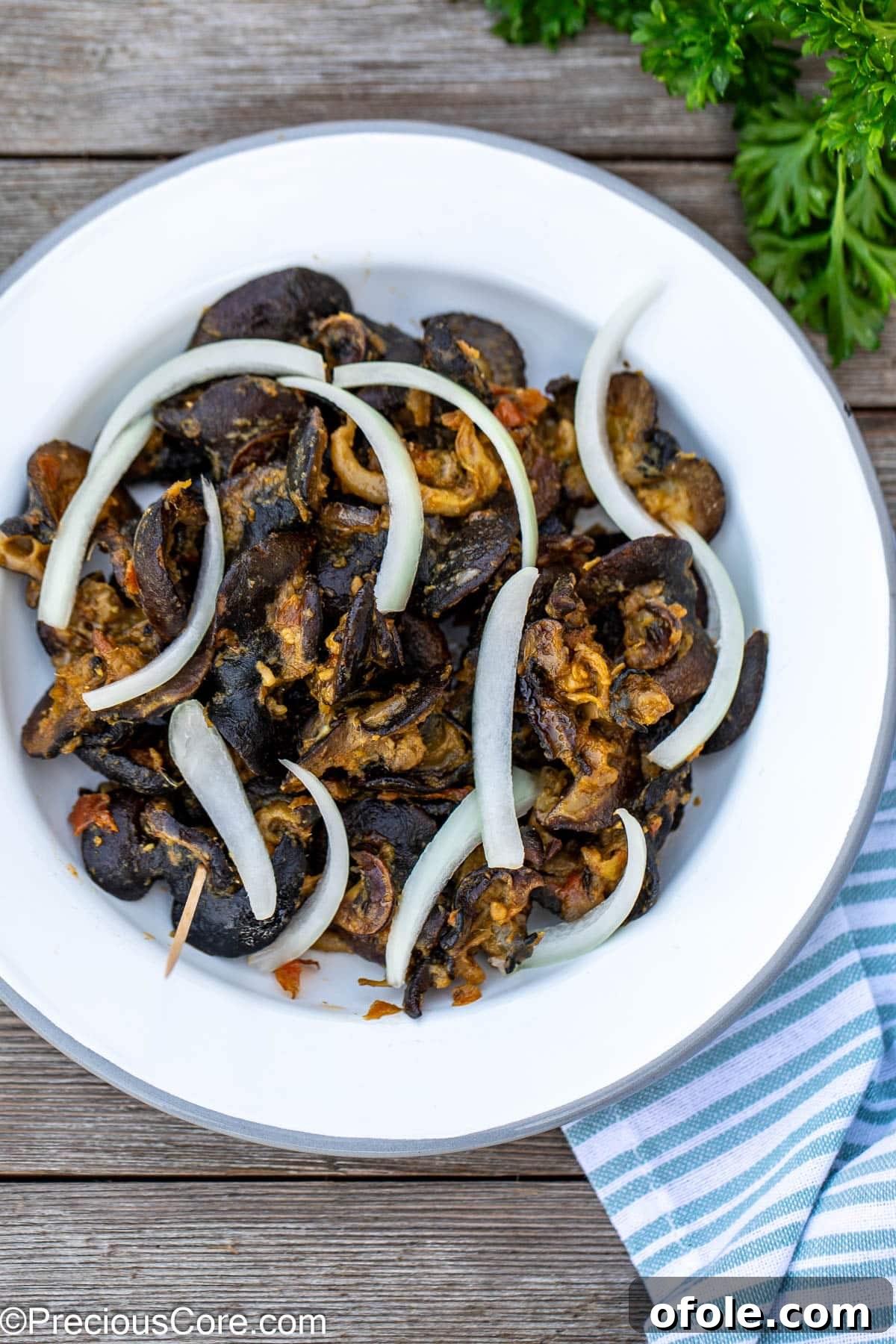
This exquisite snail preparation marks the fourth installment in my popular Cameroonian Street Food Series on YouTube, where I guide you through bringing the vibrant flavors of Cameroon directly to your home kitchen. If you’ve enjoyed my other authentic street food recipes, such as Crispy Fried Pork and Plantains, the comforting Cameroonian Spaghetti Omelette Sandwich, or the refreshing Folere Drink (Cameroonian Hibiscus Drink), then you are in for another treat!
I first shared a version of this cherished recipe back on September 17, 2015, inspired by a thoughtful gift of dried snails from my beloved sister-in-law. Since then, this post has been lovingly updated with a refined recipe, a comprehensive recipe card (conveniently located at the bottom of the page), and an engaging video tutorial. I invite you to delve into the heartfelt story I penned back then, capturing the joy of receiving such a special and unexpected present.😊
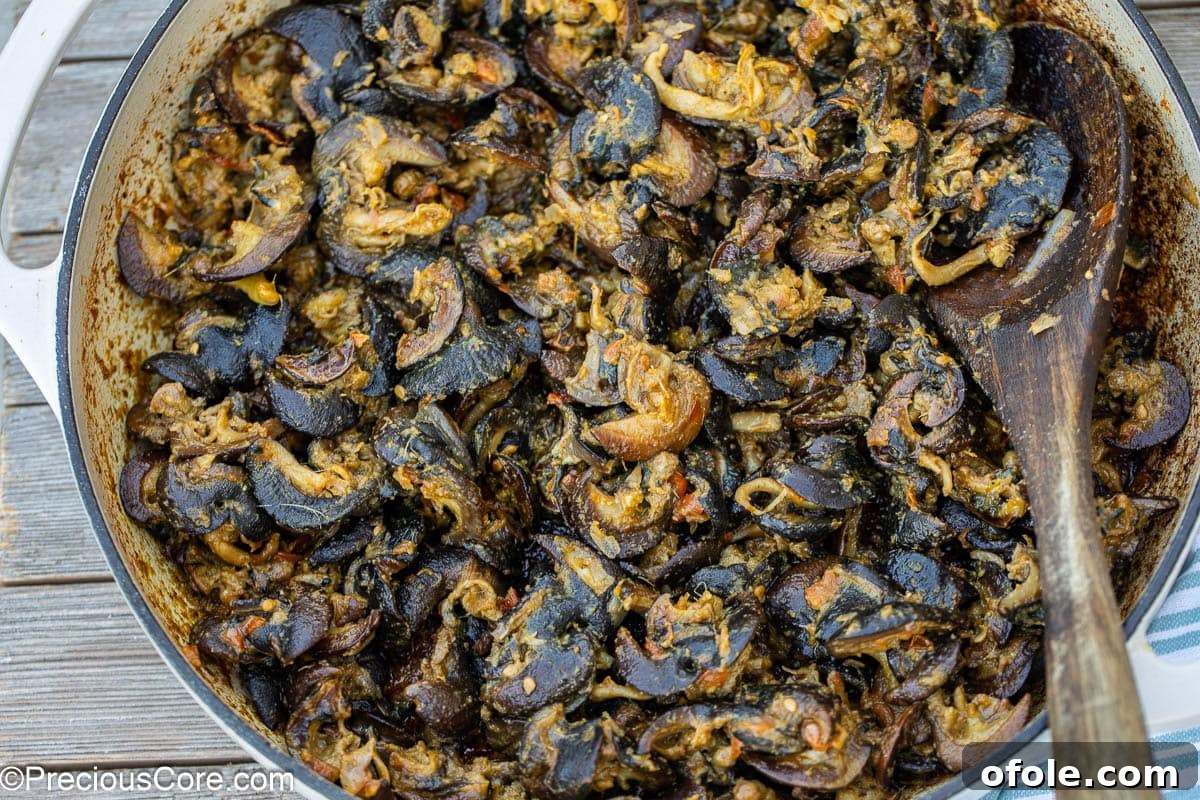
A Treasured Gift: The Joy of Cameroonian Snails
Life occasionally presents us with experiences so unique and heartwarming that they truly stand out – like the unforgettable moment my sister-in-law bestowed upon me a gift of snails! What made this offering even more extraordinary was the journey these precious snails undertook, traveling all the way from the bustling markets of Cameroon, ensuring an authentic taste that simply cannot be replicated. It wasn’t just a gift; it was a piece of home, a culinary link to my roots.
Someone had graciously shared them with her, and she, in turn, thought of me, sharing a portion of this highly sought-after delicacy. My heart swelled with joy and anticipation. I couldn’t stop envisioning the rich, succulent taste as they would emerge from my kitchen – transformed into a dish bursting with the flavors of my homeland. The thought of recreating the authentic taste of Cameroonian street food filled me with immense excitement.
Snails are not just food; they are an integral part of the culinary heritage, particularly revered by the people of the South West region in Cameroon. Yet, their appeal isn’t universal; some tribes, regrettably, hold an aversion to them. In my childhood home, for instance, we would only prepare snails in my Dad’s absence, as he harbored a distinct phobia for these shell-encased creatures. However, my mother, with her culinary wisdom and open mind, lovingly introduced us to them, cultivating in us a profound appreciation. Today, for us, Cameroonian snails remain a cherished delicacy, ready to be enjoyed any day, anytime.
The Nutritional Powerhouse of Snails: A Healthy Delight
Beyond their delightful taste and unique texture, snails, scientifically known as Achatina achatina, are a true nutritional marvel. Often overlooked in Western diets, these humble mollusks are packed with an impressive array of health benefits. They are an excellent source of high-quality protein, essential for muscle building, repair, and overall body function, making them a fantastic alternative to traditional meats. Furthermore, snails boast significant levels of iron, crucial for preventing anemia and ensuring healthy blood oxygen transportation, contributing to sustained energy levels and vitality.
But the benefits don’t stop there. Snails are also celebrated for their potential anti-cancer properties, attributed to various antioxidants and compounds they contain. They are remarkably low in fat and cholesterol, making them a heart-healthy choice. Rich in essential vitamins and minerals such as Vitamin A, Vitamin E, calcium, magnesium, and phosphorus, consuming snails contributes to stronger bones, improved vision, and enhanced immune function. I vividly recall a doctor once passionately extolling the nutritional virtues of snails, and at that moment, I felt an irresistible urge to rush to the market and procure a bounty of them, eager to incorporate such a healthful ingredient into my diet.
In the culinary world, snails are elegantly known as ‘escargot’ in French, a term that often conjures images of sophisticated dining. However, in Cameroon, they are affectionately known by a variety of local names, each reflecting their cultural significance and widespread appeal. Colloquially, they are often called “nyamangoro,” a term that rolls off the tongue with a familiar warmth. Other endearing appellations include “slow boys,” a playful nod to their leisurely pace, and “congo meat,” signifying their popularity as a readily available and satisfying protein source. It’s often said that when something is truly special and deeply loved, it garners many affectionate names – a sentiment that perfectly explains the diverse nomenclature for these edible creatures. Throughout this article, I will use these various names interchangeably, celebrating the rich tapestry of language and culture surrounding this Cameroonian delicacy.
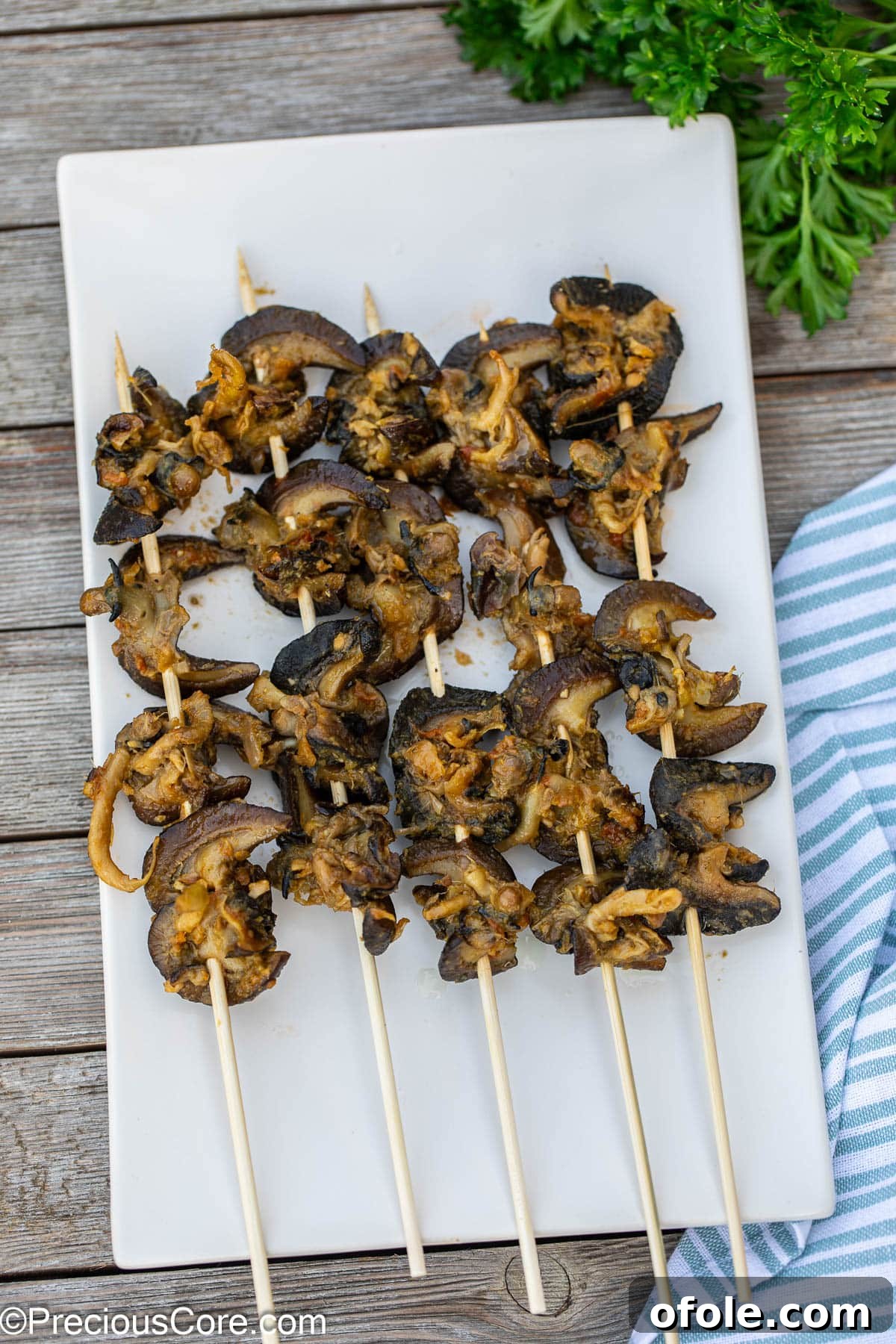
As a beloved Cameroonian street food, “slow boys” are frequently sold threaded on bamboo skewers, ready for a quick, flavorful bite on the go. But their versatility extends far beyond a simple snack. Snails are a fantastic ingredient in many traditional Cameroonian meals, lending their unique flavor and texture to dishes like the iconic Eru, a rich and hearty vegetable soup; a flavorful Tomato Stew; and the warming, spicy embrace of a classic Pepper Soup. Their ability to absorb and complement bold flavors makes them a chef’s delight in West African cuisine.
Essential Tips for Preparing Cameroonian Snails
Whether you’re working with dried or fresh snails, proper preparation is key to achieving the perfect texture and flavor for your Cameroonian snail dish. Follow these vital tips to ensure your culinary success:
Tips For Cooking With Dried Snails:
- Rehydrate Thoroughly: The most crucial step for dried snails is adequate rehydration. Submerge them in water and soak them overnight. This allows them to plump up and regain a tender, succulent texture, akin to fresh snails.
- Pre-Boil with Seasoning: After rehydration and thorough cleaning, boil the snails separately with a pinch of salt and a bouillon cube. This infuses them with initial flavor and ensures they are perfectly tender before being added to your stir-fry sauce.
- Quick Softening Method: If time is of the essence and you can’t soak them overnight, rinse the dried snails rigorously several times. Then, boil them in water with a pinch of baking soda (ensure it’s baking soda, not baking powder). The baking soda helps to tenderize them quickly. Once softened, rinse again and proceed with the recipe.
Tips For Handling Fresh or Frozen Snails:
- Sourcing: Fresh or frozen snails can often be found in African or Asian specialty markets. Always inquire about their origin and freshness.
- Thorough Cleaning: Fresh snails, in particular, require meticulous cleaning to remove any grit, dirt, or slime. Rinse them vigorously multiple times under running water. A solution of water with a generous squeeze of lime or lemon juice is highly recommended. The acidity helps to cut through the slime and impart a fresh aroma, making them pleasant to handle and ensuring a clean taste.
For a detailed list of all ingredients with precise measurements, please refer to the comprehensive recipe card located at the conclusion of this post.
Watch The Magic: How To Make Cameroonian Snails
Visual learners, rejoice! I’ve prepared a step-by-step video guide to help you master this delicious Cameroonian snails recipe. Watch me demonstrate each stage of the cooking process, ensuring you achieve perfect results every time. From cleaning the snails to creating that irresistible rich sauce, this video is your ultimate kitchen companion.
For more authentic African recipes and cooking tutorials, subscribe to my channel!
Subscribe
Serving Suggestions for Cameroonian Snails
The beauty of Cameroonian snails lies in their versatility, but some pairings elevate them to an extraordinary level. Traditionally, these savory snails are an ideal companion for Sweet Fried Plantains. The natural sweetness of the plantains offers a delightful contrast to the rich, spicy flavors of the snails, creating a balanced and incredibly satisfying meal. Another essential pairing is a fiery African Pepper Sauce, which adds an extra kick of heat and depth, perfect for those who enjoy a spicier palate.
Beyond these classic combinations, consider serving your Cameroonian snails with a side of fluffy white rice, which beautifully soaks up the savory sauce. They also make an excellent appetizer or snack on their own, especially when presented on bamboo skewers, reminiscent of their street food origins. For a complete West African feast, try them alongside fufu or yam porridge. Experiment with your favorite sides; the robust flavor profile of these snails makes them adaptable to many accompaniments.
Explore More Authentic Cameroonian Recipes
If you’ve fallen in love with this irresistible Cameroonian snails recipe, you’re in for a treat! Delve deeper into the rich and diverse culinary landscape of Cameroon with these other fantastic recipes from my collection:
Cameroonian Snails Recipe
Folere Drink (Cameroonian Hibiscus Drink)
Cameroonian Spaghetti Omelette Sandwich
Fried Pork And Plantains
Cameroonian Njangsa Sauce
How To Make Chin Chin
Frequently Asked Questions About Cameroonian Snails
What are Cameroonian snails?
Cameroonian snails, often referred to as “Nyamangoro,” “slow boys,” or “Congo meat,” are large edible land snails (biologically, often Achatina achatina) that are a highly prized delicacy and popular street food in Cameroon and across West Africa. They are known for their tender yet slightly crunchy texture and their ability to absorb the rich flavors of spices and herbs.
Are snails healthy to eat?
Absolutely! Snails are a nutritional powerhouse. They are incredibly rich in protein, making them an excellent lean meat source. They also provide significant amounts of iron, essential vitamins, and minerals like calcium, magnesium, and phosphorus. Snails are naturally low in fat and cholesterol and possess beneficial compounds, including antioxidants, that contribute to overall health and wellness.
How do you clean snails for cooking?
Proper cleaning is crucial for both dried and fresh snails. For dried snails, start by soaking them overnight in water to rehydrate until plump. Then, rinse them thoroughly multiple times to remove any debris or grit. For fresh or frozen snails, rinse them vigorously under running water, often using a solution of water and lime or lemon juice. The acidity helps to remove slime and imparts a fresh taste. Repeat rinsing until the water runs clear and the snails are no longer slimy.
What does African snail taste like?
African snails have a distinct, earthy, and savory flavor. Their taste is often compared to a hybrid of mushrooms and shellfish, absorbing the flavors of the spices and sauces they are cooked in beautifully. The texture is firm yet tender, with a pleasant chewiness that is highly satisfying. When prepared with traditional Cameroonian spices, they offer a complex and aromatic profile that is both rich and comforting.
Can I use fresh snails instead of dried in this recipe?
Yes, you can absolutely use fresh or frozen snails as a substitute for dried ones in this recipe. The main difference will be in the initial preparation. Fresh or frozen snails won’t require overnight soaking but will need thorough cleaning as described above (rinsing with lime/lemon water). Ensure they are cleaned properly and then proceed with the boiling and cooking steps as outlined in the recipe.
If you make this irresistible Cameroonian snail recipe, please take a moment to leave a star rating below. Your feedback and rating not only help other food enthusiasts discover this delicious dish but also bring immense joy to me! I truly love hearing from you! Thank you!
Authentic Cameroonian Snails Recipe
Pin Recipe
Rate
Print Recipe
Ingredients
- 8 cups dried snails soaked in water overnight to rehydrate
- 1 teaspoon salt plus more as needed
- 3 Maggi cubes divided, 4g cubes
- 2 tomatoes cut into quarters
- 1 medium onion or a large shallot cut into chunks
- 5 large garlic cloves
- 2 thumb sizes ginger root peeled, chopped
- 3 sprigs parsley
- 3 sprigs basil
- 1 habanero pepper
- ½ teaspoon white pepper whole
- ½ cup vegetable or olive oil
Instructions
-
1. Prepare the Snails: Place the thoroughly cleaned and rehydrated snails into a medium pot set over medium heat. Add one teaspoon of salt, two small Maggi seasoning cubes, and one cup of water. Cover the pot and bring the mixture to a gentle simmer. Allow the snails to cook until they are tender, which usually takes about 15-20 minutes depending on their size and initial tenderness.
-
2. Blend the Tomato and Onion Base: In a blender, combine the quartered tomatoes and the onion chunks. Blend these ingredients into a rough, chunky paste. Avoid over-blending to retain some texture. Transfer this tomato-onion blend to a bowl and set aside.
-
3. Create the Aromatic Spice Paste: Add the garlic cloves, ginger root, fresh parsley, basil, habanero pepper, and whole white peppercorns to the blender. Pour in half a cup of water. Blend until you achieve a smooth, fragrant spice paste. This blend forms the heart of the dish’s flavor.
-
4. Develop the Rich Sauce: Heat the vegetable or olive oil in a wide-bottom pot or deep skillet over medium heat until it shimmers. Carefully add the tomato-onion blend and cook, stirring occasionally, until most of the liquid has evaporated and the mixture has dehydrated slightly (about 7-10 minutes). Next, stir in the blended aromatic spices. Continue to cook for approximately 5 minutes, allowing the flavors to meld beautifully. Add the remaining Maggi seasoning cube and stir well to combine all ingredients.
-
5. Combine and Season: Gently add the pre-cooked, tender snails into the pot with the rich sauce. Toss everything together thoroughly, ensuring the snails are well-coated with the flavorful mixture. Taste the sauce and adjust the seasoning as needed. This is the perfect moment to add a little more salt or an additional pinch of your favorite spice to suit your preference.
-
6. Serve with Flair: Transfer the delicious Cameroonian snails to a serving plate. Garnish generously with fresh sliced onions for an extra layer of flavor and crunch. Offer toothpicks alongside for easy enjoyment of the snails. For a truly authentic street food experience that harks back to Cameroon, thread the snails onto bamboo skewers before serving.
Video
Notes
- Working with Dried Snails: For best results, use dried snails that have been sent from Cameroon (or similar quality). It is crucial to soak them overnight in water to fully rehydrate. This process allows them to plump up and achieve a texture similar to fresh snails. After soaking, rinse them thoroughly, about three times, to remove any residual debris or impurities. A quick squeeze of lemon or lime juice during the final rinse can add a burst of freshness.
- Sourcing Fresh or Frozen Snails: If you prefer to use fresh or frozen snails, you can typically find them at well-stocked African or Asian markets. Ensure you rinse them meticulously in a solution of water and lime or lemon juice before cooking. This helps to clean them effectively and neutralize any potential sliminess.
- Maggi Cubes Substitution: Should Maggi cubes not be readily available, you can easily substitute the small cubes used in this recipe with 3 teaspoons of high-quality chicken bouillon or beef bouillon powder. I personally recommend the Knorr brand of bouillon powder for its consistent flavor.
- Serving Suggestion: These flavorful Cameroonian snails pair exquisitely with sweet fried plantains. The sweet and savory combination is a classic and truly delightful culinary experience.