
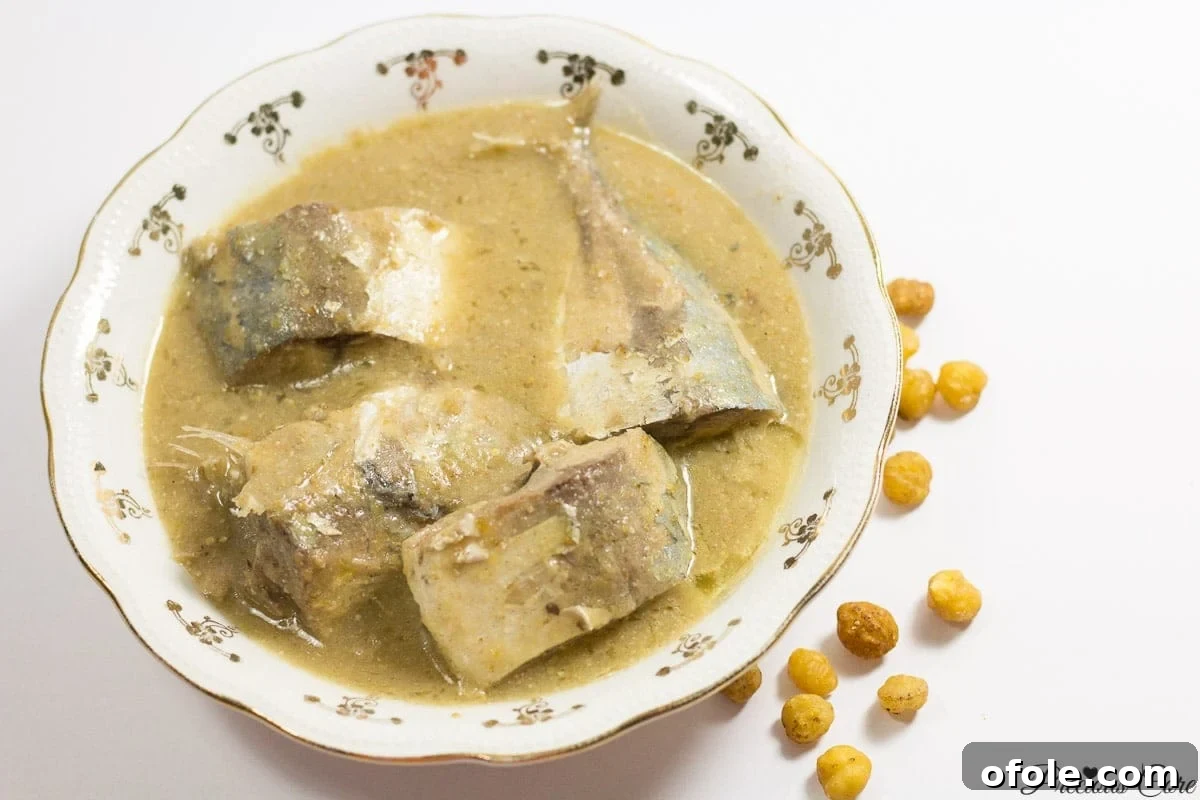
There’s a special kind of magic in recreating cherished childhood recipes, especially when they connect you to your roots and the culinary wisdom of your family. I vividly recall being about eight or nine years old, my hands eager to assist my mother in the kitchen, particularly when it came to preparing a certain absolutely delicious, creamy white sauce. It was a dish that left an indelible mark on my memory, a taste of home that I carried with me. Years later, when a wonderful YouTube viewer requested this very recipe, I knew exactly who to call: Mama.
Mpuh Fish: A Culinary Journey into Authentic Cameroonian White Sauce
My conversation with my mom began simply:
Me: “Mommy, I want to make Mpuh fish. How do I go about it?”
Her immediate response highlighted the heart of the dish: “You need Njangsa! A lot of Njangsa! They normally make it with ground plantains, but…” She paused, assuming I might not have access to fresh ground plantains, a common ingredient in traditional Cameroonian kitchens.
Me: “I’ve already dried some plantains in the oven. I just need to grind them.”
Her relief was palpable. “Good! So you will mix the plantain powder and Njangsa with water and some spices. Bush pepper… then you rub it all over the fish. MAKE SURE IT ENTERS THE HEAD OF THE FISH! Then you place it on the fire to cook. If you like, drizzle some palm or groundnut oil on top. That’s it.” Her instructions, delivered with the confidence of generations of culinary expertise, were clear and precise.
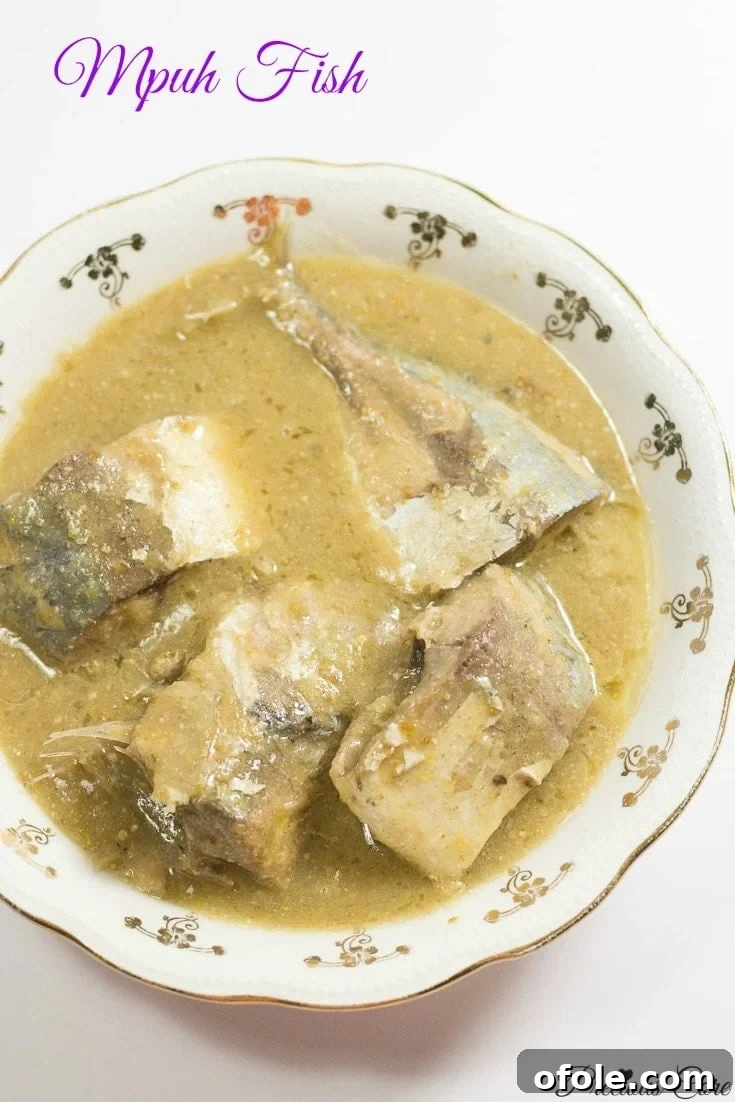
Mpuh fish, also affectionately known as mpu fish or mpouh fish, is more than just a meal; it’s a staple of Cameroonian cuisine, particularly beloved in the South West region. This flavorful white sauce boasts a uniquely creamy texture that is truly captivating. Its earthy, spicy notes are primarily derived from a blend of fresh fish, plantain flour, and a distinctive nutty seed called Njangsa. Traditionally served with boiled plantains or fluffy white rice, Mpuh fish is celebrated for both its rich taste and its surprisingly straightforward preparation – truly a “dump and go” recipe for busy home cooks.
Discovering the Heart of Mpuh Fish
The essence of Mpuh fish lies in its harmonious blend of local ingredients, each contributing to its distinctive profile. The fish, naturally, forms the foundation, providing a succulent base for the rich sauce. But it’s the combination of plantain flour and Njangsa that truly elevates this dish to an iconic status in Cameroonian homes.
Njangsa: The Nutty Secret
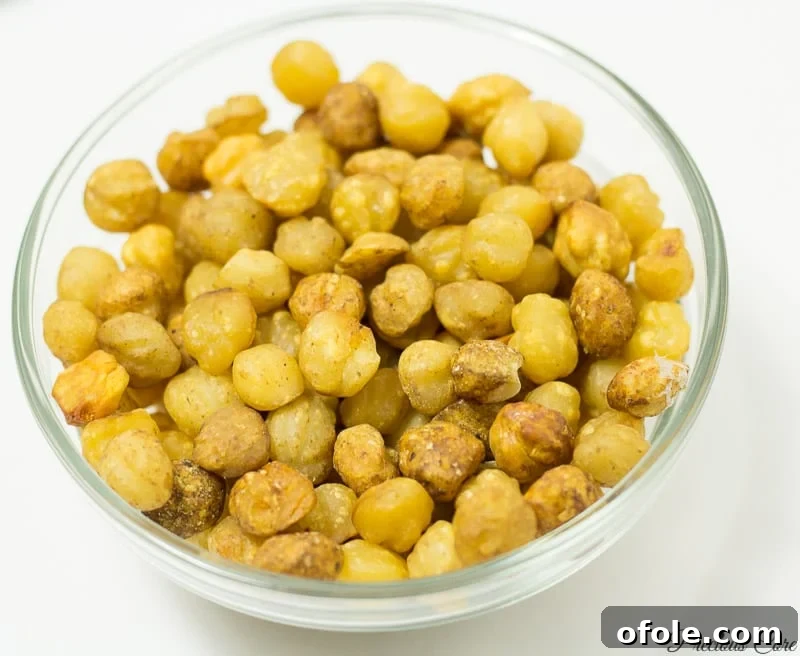
Njangsa, scientifically known as Ricinodendron heudelotii, is a remarkably versatile and aromatic seed found throughout West and Central Africa. In Cameroon, it’s a culinary treasure, famed for its use in dishes like the hearty pepper soup. When ground, Njangsa releases a unique, slightly bitter, and intensely nutty flavor that adds incredible depth and richness to any sauce. It’s this characteristic earthiness that gives Mpuh fish much of its signature appeal, contributing to its creamy texture and complex aroma. For those unfamiliar, think of it as a secret ingredient that imparts an unparalleled authentic African taste, making it irreplaceable in this recipe.
Crafting Your Own Plantain Flour: A Simple Guide
As my mom mentioned, plantain flour is another crucial component. Back in Cameroon, it’s often readily available in markets, or families might dry plantains under the sun to prepare their own. However, you don’t need tropical sunshine or a special trip to an ethnic grocery store to enjoy this authentic ingredient. Making plantain flour at home is incredibly easy and offers a fresh, wholesome alternative to store-bought varieties. Moreover, plantain flour is a healthier, gluten-free substitute for common flours like yam flour or corn flour, making it an excellent choice for those seeking nutritious alternatives. Fellow fufu-eaters, if you haven’t tried plantain fufu, you’re missing out on a delightful culinary experience!
To prepare your own plantain flour:
- Start with unripe plantains. Peel them and slice them into very thin strips. The thinner the strips, the faster they will dry.
- Arrange the plantain strips in a single layer on an oven tray.
- Bake them in an oven on a very low heat setting, typically around 200 degrees F (100 degrees C), until the slices are completely dry and brittle, breaking easily when touched. Depending on your oven’s efficiency, this process can take approximately two hours. You might need to flip the slices halfway through to ensure even drying.
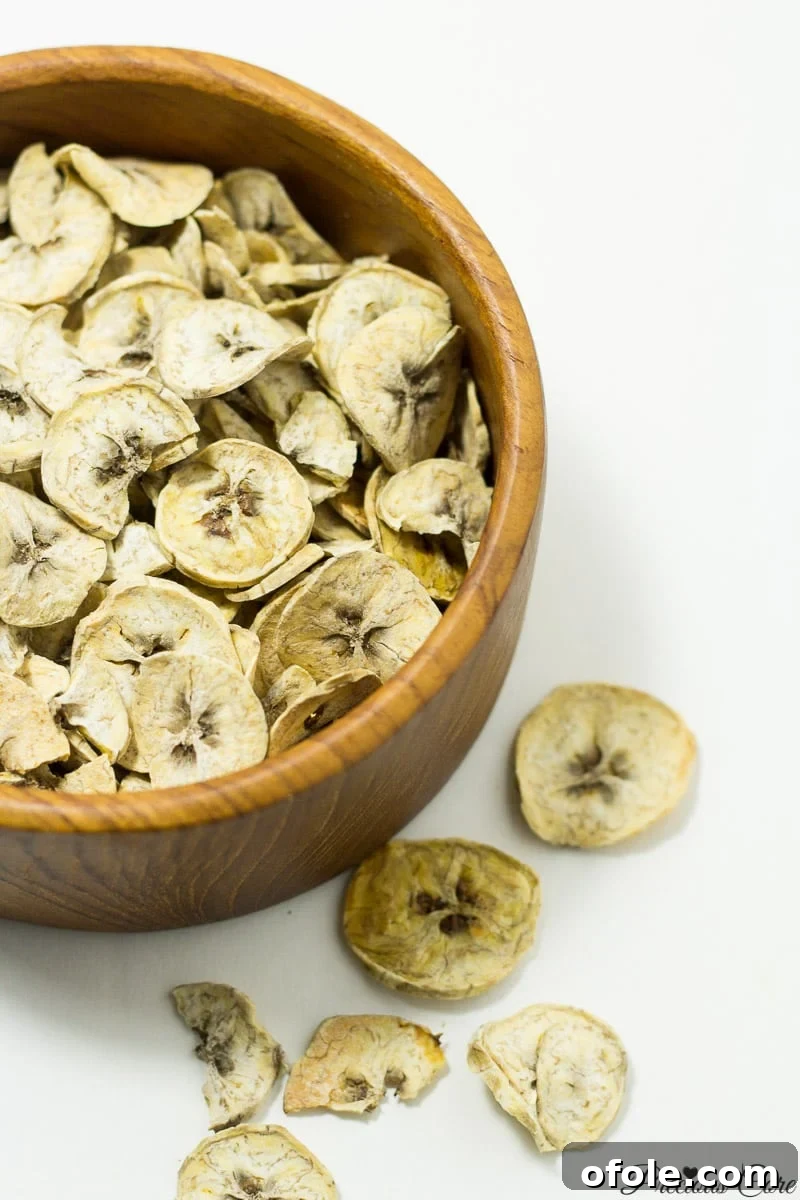
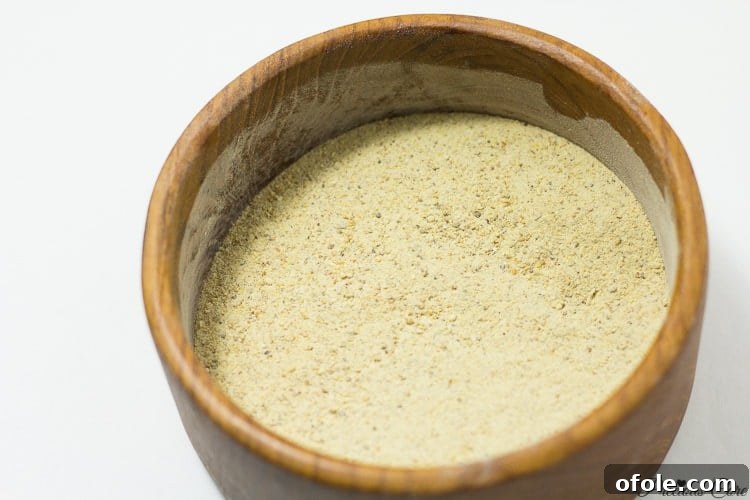
Once the plantain slices are completely dry, allow them to cool down thoroughly. This is important for achieving a fine powder. Then, simply grind them into a fine powder using the small cup attachment of your blender or a dedicated coffee grinder. The result is fresh, homemade plantain flour, ready for your Mpuh fish and other culinary adventures.
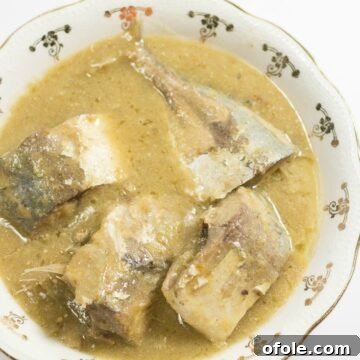
Following Mama’s instructions diligently, I embarked on making this exquisite dish. The only deviation was my use of white pepper instead of “bush pepper” (a twisted black pepper indigenous to the region), which I didn’t have at hand. The result was still absolutely amazing! A quick note from my mom, though: authentic Mpuh fish should be thicker, with more emphasis on the fish itself and less on the sauce. A valuable tip for future preparations!
Mpuh Fish: A Step-by-Step Recipe for a Creamy Delight
This Mpuh fish recipe is not just a dish; it’s a celebration of Cameroonian flavors, brought to life with simple, heartfelt instructions. It’s a testament to the fact that authentic, deeply flavorful food doesn’t have to be complicated. Below, you’ll find a detailed guide to creating this creamy white sauce, complete with a video demonstration to guide you every step of the way.
Watch the Magic Unfold
To give you a visual aid, here’s a video of me preparing this delightful sauce. Watching the process can often clarify steps and inspire confidence in your cooking journey. Feel free to follow along!
Mpuh Fish Recipe
20
20
40
6 servings
Rate
Print Recipe
Ingredients
- 2-3 pounds fish cut into steaks (about 1-1 1/2 kg)
- 2 unripe plantains
- 1 cup njangsa seeds – ground
- 2 cloves garlic
- 1/2 medium onion – chopped
- 3 small seasoning cubes – Maggi
- 1/2 teaspoon ground white pepper (or bush pepper)
- 1 teaspoon salt
- 1/2 cup vegetable/canola/palm oil
Instructions
To make the plantain flour (if not using pre-made)
-
Cut unripe plantains into very thin strips and place them on an oven tray. Bake on very low heat (about 200 degrees F or 100 degrees C) until the plantain slices are dry and break easily when touched. Depending on your oven, you may need to flip the slices halfway through cooking for even drying.
-
Allow the dried plantain slices to cool completely, then grind them into a fine powder using the small cup of your blender or a coffee grinder.
To make the Mpuh Fish Sauce
-
Blend together the onion and garlic until smooth. In a large pot, combine the plantain flour, ground Njangsa, blended onion and garlic, ground white pepper (or bush pepper if available), hot pepper (if using), salt, Maggi seasoning cubes, and three cups of water. Mix everything thoroughly to create a smooth, consistent base.
-
Add the fish steaks into the mixture, ensuring they are fully coated and submerged. Cover the pot and let it cook for approximately twenty minutes. Check halfway through to stir gently and add more water if needed, adjusting for your preferred sauce consistency – whether you like it lighter or thicker. Once cooked, your delicious Mpuh fish is ready to enjoy!
To make the Mpuh Fish Pudding (Steamed Method)
-
Alternatively, for a pudding-style Mpuh fish, place the fish and spice mixture into banana leaves or aluminum foil. Wrap tightly and arrange them in a large pot with water added to about halfway up the wrapped parcels. Steam for approximately an hour, or until the fish is tender and the sauce has thickened.
Nutrition Facts (per serving)
Calories:
449
kcal
|
Carbohydrates:
22
g
|
Protein:
35
g
|
Fat:
26
g
|
Saturated Fat:
5
g
|
Polyunsaturated Fat:
13
g
|
Monounsaturated Fat:
7
g
|
Trans Fat:
0.1
g
|
Cholesterol:
76
mg
|
Sodium:
947
mg
|
Potassium:
857
mg
|
Fiber:
2
g
|
Sugar:
11
g
|
Vitamin A:
674
IU
|
Vitamin C:
12
mg
|
Calcium:
30
mg
|
Iron:
2
mg
Additional Info
Main Course
Cameroonian
449
Serving Suggestions and Regional Variations
The beauty of Mpuh fish lies not only in its taste but also in its versatility. While it is most commonly enjoyed with boiled plantains, offering a comforting and traditional pairing, it also shines when served alongside boiled rice or even other forms of fufu. The creamy, flavorful sauce perfectly complements these starchy accompaniments, creating a fulfilling and balanced meal. The slight variations in how it’s prepared across different households, from the choice of pepper to the exact consistency of the sauce, only add to its charm and rich culinary heritage.
Beyond the classic sauce, my mom also shared a delightful variation: Mpuh fish can be transformed into a savory pudding. Instead of cooking the fish mixture directly in a pot as a sauce, you wrap it neatly in banana leaves or, for a more modern approach, in aluminum foil. These parcels are then steamed, typically for about an hour, resulting in a firm yet tender fish pudding infused with all the same incredible flavors. This method is perfect for a different texture experience and is a fantastic way to present the dish, especially during gatherings or special occasions. It showcases the ingenuity of Cameroonian cooking, maximizing flavor and offering diverse culinary experiences from a single core recipe.
Why Mpuh Fish Deserves a Spot in Your Culinary Repertoire
Mpuh fish is more than just a meal; it’s an experience. It’s a dish that embodies the warmth, flavor, and rich culinary traditions of Cameroon. Its unique combination of fresh fish, the distinctive nutty essence of Njangsa, and the wholesome goodness of plantain flour creates a symphony of flavors that is both comforting and exotic. Whether you’re a seasoned cook looking to explore new cuisines or a beginner eager to try an authentic African dish, Mpuh fish is approachable, rewarding, and undeniably delicious. It’s a testament to simple ingredients coming together to create something truly spectacular.
Tried this recipe?
Mention @preciouscore or tag #PreciousCore!
If you make this deliciousness, please tag me in a photo on Instagram @preciouscore. I’d love to see your culinary creations!