
Pregnancy Across Continents: Navigating Motherhood in Cameroon vs. America
Greetings from my most cherished sanctuary – my bed. Today, my trusty laptop has found its rightful place on my lap, a comforting departure from the usual confines of my office desk. In this relaxed posture, I find myself penning down thoughts that have swirled in my mind, perhaps before I surrender to another round of that delightful, pregnancy-induced slumber.
My journey through motherhood has offered a uniquely insightful perspective, having experienced pregnancy in two vastly different corners of the world: Cameroon and the United States. These societies, each rich with its own traditions and norms, offer stark contrasts in how they embrace and support expectant mothers. The differences are so profound, so embedded in the cultural fabric, that I simply cannot help but reflect on them.
The Unspoken Privilege: Preferential Treatment for Pregnant Women
One of the most striking differences, and perhaps the one I recall with the fondest nostalgia, is the preferential treatment extended to pregnant women in Cameroon. It’s an unspoken rule, a societal courtesy deeply rooted in respect for life and motherhood. In public spaces, an expectant mother is often granted a unique status, a gentle prioritization that makes everyday tasks significantly easier.
Imagine standing in a long queue, perhaps at a bank or a government office, your belly prominently showcasing the miracle within. In Cameroon, it’s not uncommon for someone to politely suggest you move to the front. What’s even more remarkable is the collective agreement from others in line, who readily and graciously yield their spot without a second thought or a murmur of complaint. I vividly recall an instance where I needed to pay a bill, and the lines stretched endlessly. Observing my visibly pregnant state, a kind stranger suggested I go to the front, and everyone else, who had been waiting for much longer, simply nodded in agreement. This gesture of collective understanding and support is a heartwarming testament to the reverence for pregnant women in Cameroonian society.
Conversely, my experiences in the United States paint a very different picture. While American society is undoubtedly courteous, the concept of preferential treatment for pregnant women in public queues is largely absent. Whether at the grocery store, the post office, or any establishment requiring a line, expectant mothers are expected to wait their turn just like everyone else. There’s an emphasis on individual equality and efficiency, which, while pragmatic, can sometimes feel isolating, especially when carrying the extra weight and fatigue of pregnancy. The communal embrace I felt in Cameroon, where my condition was a shared responsibility rather than a personal burden, is a stark contrast to the more individualistic approach often encountered here.
Navigating Healthcare: Antenatal Clinics vs. Private Consultations
The approach to prenatal care also diverges significantly between these two nations, offering distinct experiences for expectant mothers. In the United States, prenatal care is typically a highly personalized affair. My doctor’s visits here are private consultations between myself, my physician, and often a supporting nurse. Appointments are scheduled individually, focusing on one-on-one discussions, detailed examinations, and a tailored care plan. The emphasis is on individualized attention, allowing for in-depth conversations about health, concerns, and birthing preferences.
Cameroon, on the other hand, often employs a more communal model of prenatal care, famously known as the “ante-natal clinic.” These are dedicated days at hospitals or health centers specifically set aside for pregnant women. On such days, hospitals transform into bustling hubs of expectant mothers. Women gather, often in large groups, undergoing various tests collectively, participating in group educational sessions led by nurses, and sometimes even sharing songs and experiences. This collective environment fosters a sense of camaraderie and shared journey among mothers-to-be. It’s a place where women can connect, share advice, and draw strength from each other, creating a supportive community network that extends beyond the clinic walls.
While the ante-natal clinic model is prevalent, individual consultations with a gynecologist in Cameroon are generally reserved for high-risk pregnancies or specific medical complications. This approach highlights a difference in healthcare philosophy: the communal model prioritizes broad access and peer support, often managed by skilled nurses, while specialist care is typically reserved for cases requiring advanced medical intervention. Both systems have their merits; the American model offers intense individual focus, while the Cameroonian model builds community and shared understanding, often making prenatal care more accessible and less intimidating for a larger population.
The Post-Delivery Feast: A Tale of Two Tummy Experiences
Perhaps one of the most culturally telling distinctions, and certainly one that tugs at my heartstrings, revolves around post-delivery care, particularly regarding food. In America, after giving birth, hospitals typically provide meals for the mother. These are often standard hospital fares, functional and nourishing, but generally lacking the personal touch of a home-cooked meal. New mothers are often encouraged to bring their own pre-prepared food or rely on the hospital’s offerings during their relatively short stay.
The Cameroonian post-delivery experience is an entirely different culinary and communal spectacle. There is no hospital-provided food; instead, the responsibility for nourishing the new mother falls lovingly upon her family and friends. And what a responsibility they embrace! The period after childbirth is viewed as a time for the mother to be pampered and cared for, almost like a queen. Family members and close friends pour into the hospital or home, laden with an array of delicious, home-cooked meals. These aren’t just any meals; they are often traditional dishes, prepared with love and tailored to the new mother’s preferences and dietary needs.
I distinctly remember the incredible variety of dishes I enjoyed after giving birth in Cameroon. From hearty stews to flavorful soups and comforting porridges, my plate was never empty, and my palate was always delighted. The question, “You wan chop na weti when you born?” which translates to, “What will you like to eat when you give birth?” was a common and cherished query. It wasn’t just an offer; it was a promise. Friends and family would go to extraordinary lengths to fulfill these cravings, ensuring the mother felt cherished, nourished, and truly supported during her recovery.
Honestly, I deeply miss that treatment. I miss the communal care, the outpouring of love expressed through food, and the sense of being held and supported by an entire community. Here in America, preparing for post-delivery meals involves planning and cooking in advance, stocking the fridge with ready-to-eat options, or relying on my partner or takeout. It’s practical, yes, but it lacks the soul and warmth of the Cameroonian tradition. For this current pregnancy, my heart (and stomach!) yearns for Ekwang—a sublime Cameroonian delicacy. It’s made by meticulously grating cocoyams, delicately wrapping small portions in tender leaves, and then slow-cooking them in rich red palm oil with an assortment of savory ingredients. It’s a finger-licking, soul-satisfying dish that embodies comfort and tradition. Any generous souls out there willing to offer an Ekwang-wrapping hand?
Cultural Tapestry of Motherhood: Reflection and Appreciation
These comparisons are not meant to elevate one system over the other but rather to highlight the beautiful and diverse ways societies embrace the journey of motherhood. Cameroon’s emphasis on communal support, respect for pregnant women, and traditional post-delivery care reflects a culture that deeply values family and community bonds. The experience is deeply communal, where the individual’s journey is supported by the collective.
The United States, on the other hand, prioritizes individual autonomy, advanced medical care, and efficiency within its healthcare system. While perhaps less outwardly demonstrative in public, it offers a different kind of support through structured medical care and resources, allowing for personal choices in childbirth and recovery. The focus often leans towards the nuclear family unit and individual responsibility.
Having navigated pregnancy in both these vibrant cultures, I carry with me a profound appreciation for both. Each offered unique lessons and moments of joy, challenge, and immense learning. While I sometimes yearn for the specific comforts and traditions of my homeland, I also recognize the strengths and benefits of the American approach. Ultimately, motherhood, in its universal essence, is a transformative journey, beautifully shaped and colored by the cultural tapestry of the world in which it unfolds.
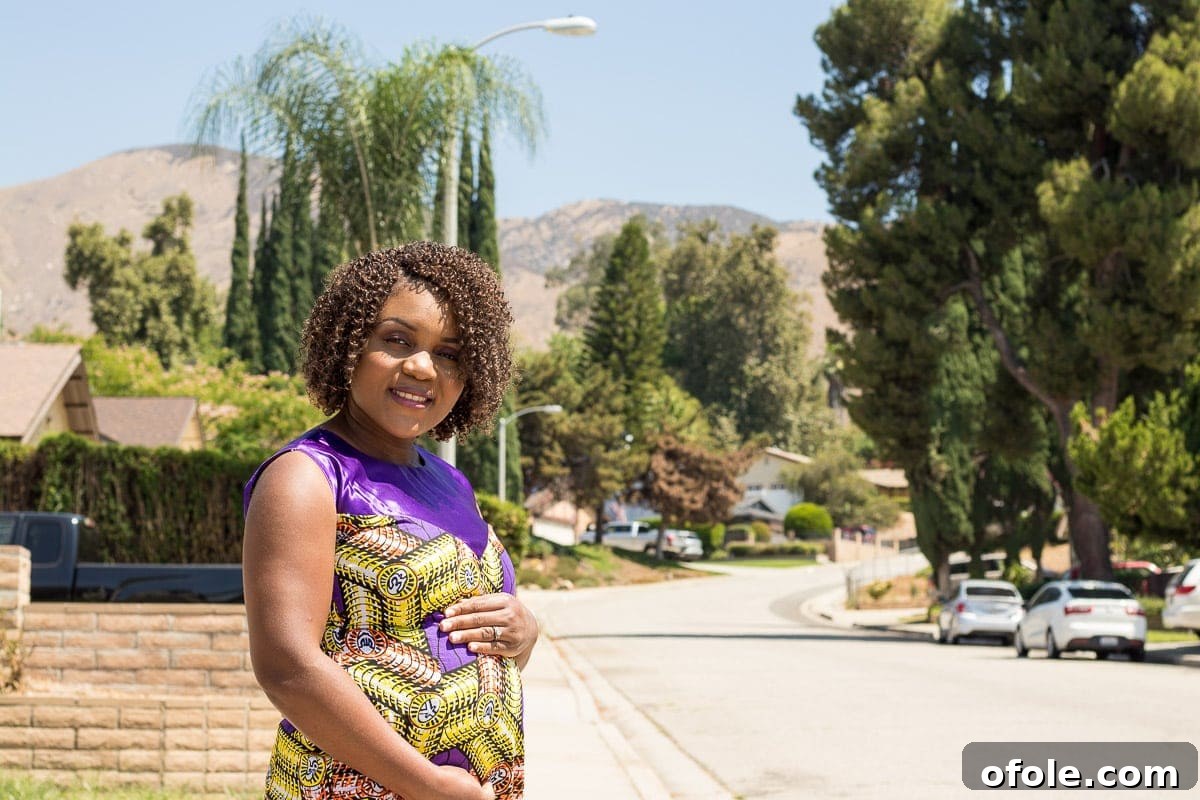
(Please note: The image used for this post is a throwback from months ago, as I haven’t captured recent pregnancy photos.)