
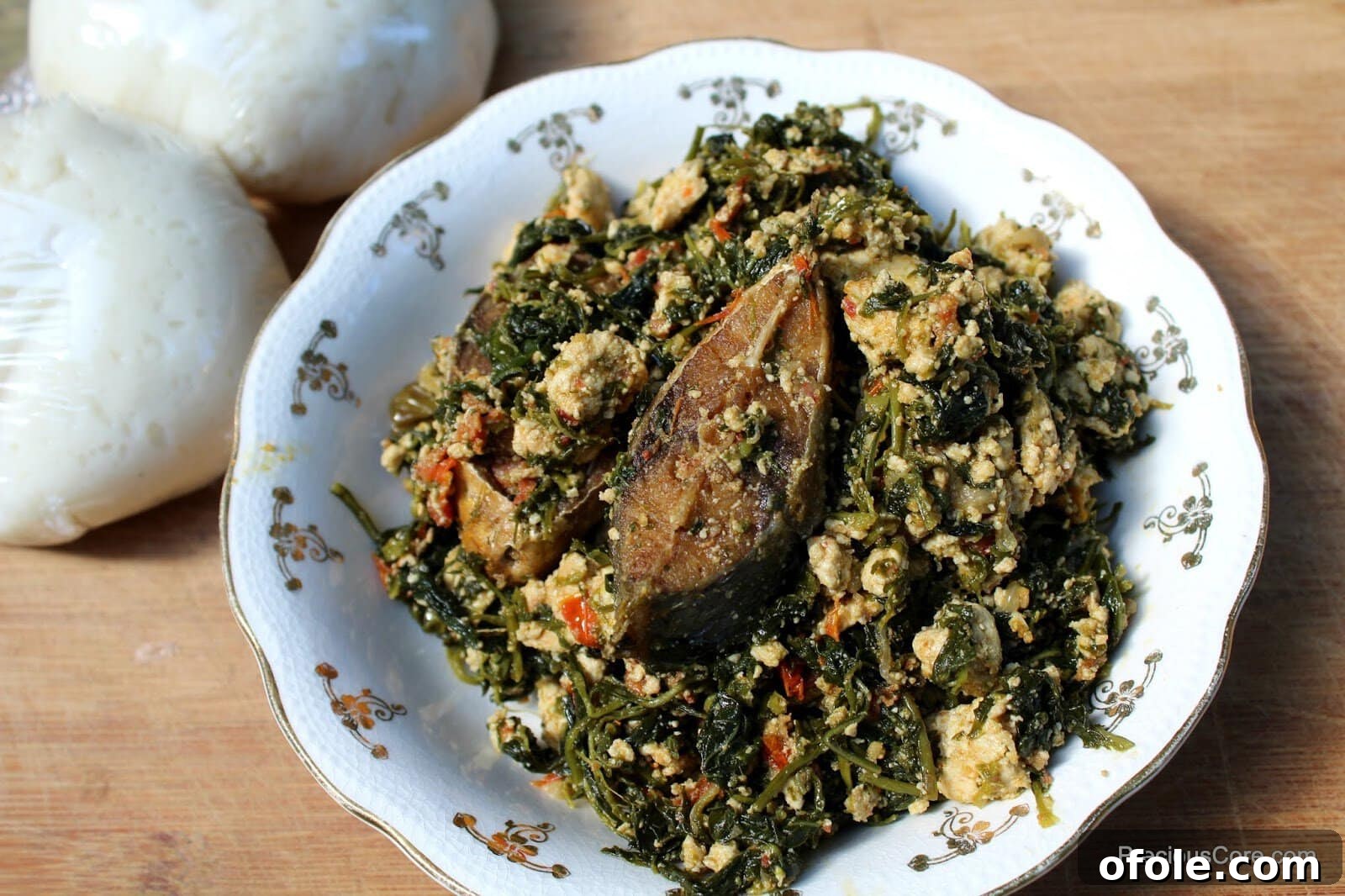
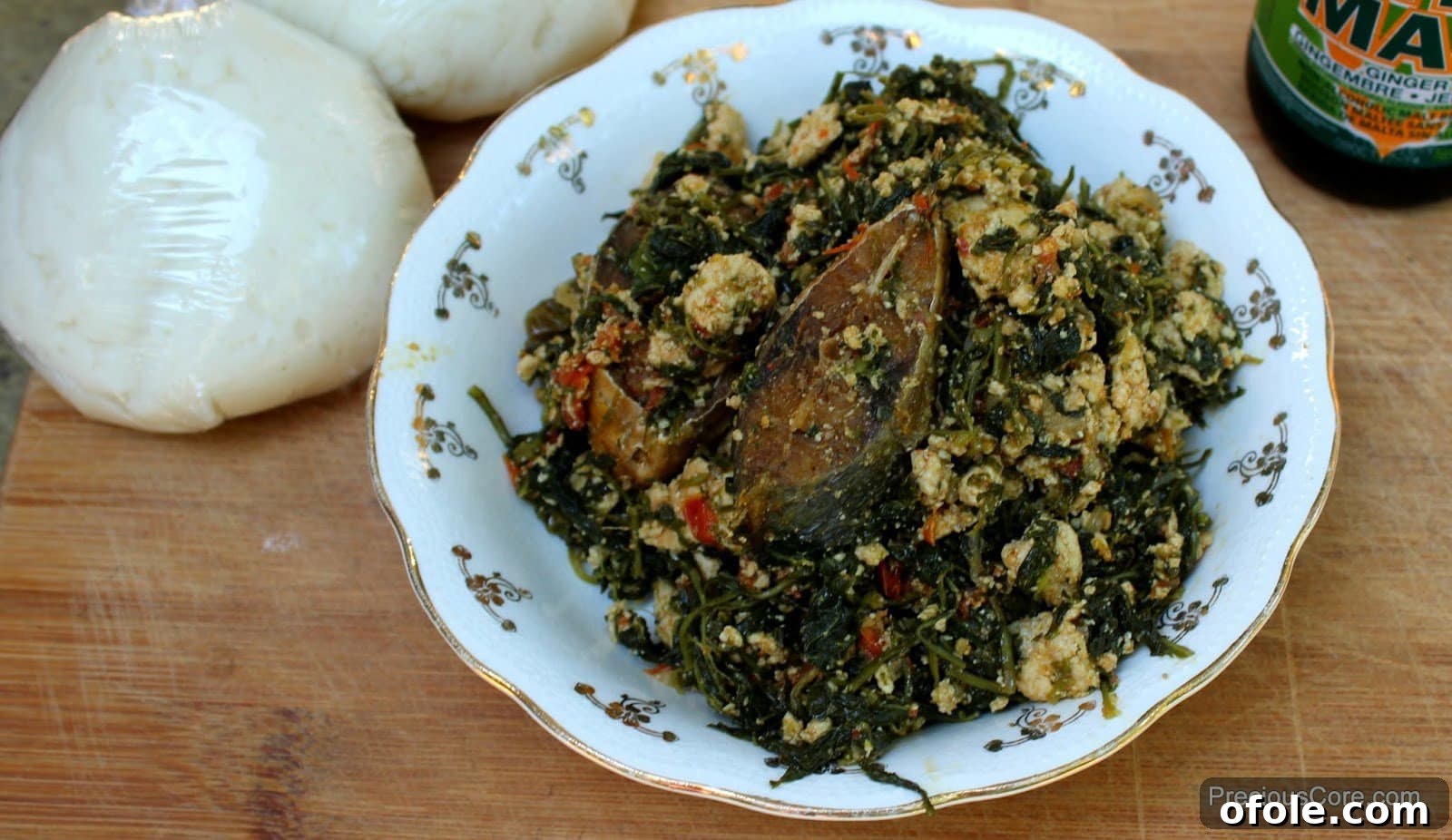
Authentic Njama Njama with Egusi: A Taste of Cameroon’s Culinary Heritage
There’s a special kind of joy that comes from sharing food, especially when that food brings comfort and a sense of home. Recently, I had the pleasure of hosting a new friend, a Cameroonian expatriate who had arrived in the United States just two months prior. Still adjusting to a new environment, her memories of authentic Cameroonian flavors were vividly fresh. I pondered what dish could truly resonate with her, something that would not only tantalize her taste buds but also offer a warm embrace from her homeland. The answer became clear: Njama Njama cooked with Egusi. The mere thought brought a smile to my face, knowing I was about to create a truly memorable meal.
What is Njama Njama? Unveiling the African Huckleberry
Njama Njama, scientifically known as Solanum scabrum, is a revered green leafy vegetable deeply embedded in Cameroonian cuisine and throughout various parts of Africa. Often referred to as African Huckleberry or Garden Huckleberry, these vibrant greens boast a unique flavor profile – slightly bitter, earthy, and robust – that sets them apart from more common leafy vegetables. The journey from fresh leaves to a delicious meal is an art form in itself, a process passed down through generations, ensuring every bite carries the essence of tradition.
Before hitting the pot, the preparation of Njama Njama begins with meticulous care. The tender leaves and softest parts of the stems are carefully picked from their main stalks. This initial step is crucial for achieving the desired texture in the final dish. Following this, the greens are boiled, often with little to no added water, as many varieties release a significant amount of moisture upon contact with heat. This boiling process softens the leaves and helps to mellow their inherent bitterness. Once cooked, the vegetable is rigorously squeezed to remove excess water, concentrating its flavor and ensuring it doesn’t water down the stew. Finally, the squeezed greens are chopped into manageable pieces, ready to absorb the rich flavors of the accompanying ingredients.
The Versatility of Njama Njama and the Magic of Egusi
Once prepared, Njama Njama can be enjoyed in several delightful ways. Some prefer it simply stir-fried with aromatic tomatoes and onions, allowing the natural taste of the greens to shine through. Others favor a light toss in palm oil, a staple in West African cooking, which imparts a distinctive reddish hue and a nutty richness. However, for many, including myself, cooking Njama Njama with Egusi, or ground melon seeds, elevates the dish to an entirely new level of culinary excellence. The combination is simply irresistible.
Egusi, derived from the seeds of certain gourds native to West Africa, is a cornerstone ingredient in many African stews and soups. When ground, these creamy seeds transform into a thickener that lends a luxurious, almost crumbly texture and a deep, nutty flavor to any dish it graces. In the context of Njama Njama, Egusi doesn’t just add body; it infuses the greens with an unparalleled depth and richness, transforming a simple vegetable dish into a hearty, satisfying, and utterly “five-star” experience. The way the Egusi binds with the greens and other spices creates a symphony of flavors that truly makes the meal finger-licking good.
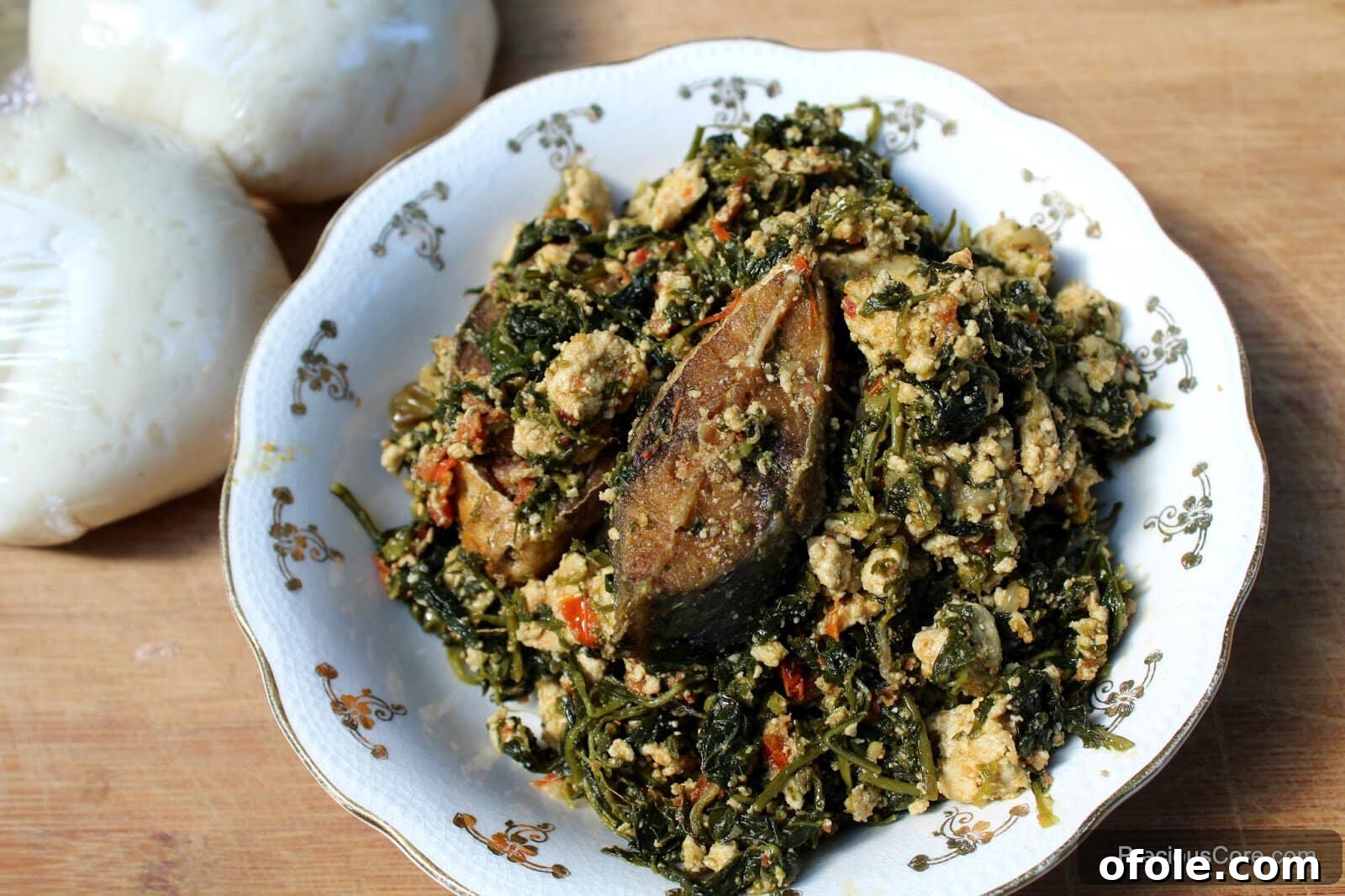
Witnessing my friend and her one-year-old daughter savoring the Njama Njama with Egusi was a heartwarming sight. Every spoonful brought smiles, and her daughter’s joyful cries of “Njama Njama! Njama Njama!” as she eagerly scooped more into her mouth were testament to the dish’s irresistible appeal. It was more than just a meal; it was a moment of connection, a taste of home that transcended borders and brought comfort to new beginnings. This shared experience underscored the profound way food can evoke nostalgia, create joy, and foster a deep sense of belonging.
Sourcing Authentic Njama Njama in the United States
The quest for authentic ingredients in a new country can often be a challenging yet rewarding adventure. Like many, I initially believed Njama Njama would be a rarity in the United States, a taste I’d have to yearn for from afar. Imagine my delightful surprise when I discovered that this very same plant is cultivated by the Hmong community, an ethnic group from Southeast Asia, right here in America! This unexpected cross-cultural connection has become a true culinary blessing.
During the summer months, I make it a point to acquire a substantial quantity of fresh Njama Njama from Hmong farmers. The abundance allows me to follow a traditional preservation method: I meticulously boil the greens, then carefully freeze them. This ensures a steady supply of this cherished vegetable throughout the entire year, allowing me to recreate the authentic flavors of Cameroon whenever the craving strikes. This weekend, I plan to stock up again, and I look forward to sharing a visual guide to what these beautiful leaves look like in their uncooked state, helping others identify this gem.
Njama Njama Substitutes: When Authenticity is a Stretch
While the unique flavor of Njama Njama is truly irreplaceable, geographical limitations sometimes necessitate creative solutions. If you find yourself unable to source the genuine African Huckleberry, several leafy greens can serve as commendable substitutes, allowing you to still experience the rich and savory goodness of a vegetable stew cooked in Egusi. Watercress, with its slightly peppery bite, and kale, known for its robust texture and earthy notes, are excellent alternatives that can stand up to the strong flavors of Egusi and spices. Even common spinach, while milder, can be used to achieve a similar stew consistency, though you might want to adjust your seasoning to compensate for the difference in flavor profile. The key is to embrace the spirit of the dish and enjoy the sizzling richness that Egusi brings, regardless of the specific green you choose.
Nutritional Powerhouse: The Benefits of Njama Njama and Egusi
Beyond its incredible taste, Njama Njama with Egusi is also a powerhouse of nutrition. Njama Njama itself is rich in vitamins A, C, and K, as well as essential minerals like iron and calcium, contributing significantly to a healthy diet. Egusi seeds are equally impressive, packed with protein, healthy fats, and dietary fiber, making them an excellent source of energy and promoting digestive health. This dish isn’t just a treat for the palate; it’s a wholesome meal that nourishes the body and soul, embodying the vibrant health found in traditional African cuisine.
Recipe: Njama Njama with Egusi – A Culinary Journey
Ready to embark on this flavorful journey? Here’s how you can recreate this cherished Cameroonian dish in your own kitchen. This recipe is designed to bring you the authentic taste and comforting aroma that defines Njama Njama with Egusi.
Prep Time: 20 minutes
Cook Time: 30 minutes
Total Time: 50 minutes (Includes a more accurate cook time for Egusi)
Serves: 4 hungry individuals
Here is what you will need:
- 2 pounds (approximately 1 kg) of pre-boiled and chopped Njama Njama (or your chosen substitute like kale, watercress, or spinach)
- 2 cups of ground Egusi (melon seeds)
- 5 medium-sized tomatoes, finely chopped
- 2 tablespoons of freshly ground ginger and garlic paste
- 1 large onion, finely chopped
- 2 pounds of your preferred protein: fried fish, boiled beef, smoked turkey, or a combination
- 1 cup of vegetable oil (or palm oil for a more traditional flavor)
- 1 habanero pepper, finely minced (optional, for those who enjoy a spicy kick)
- Half a teaspoon of salt (adjust to taste)
- 3 small seasoning cubes (e.g., Maggi, Knorr)
Step-by-Step Cooking Instructions:
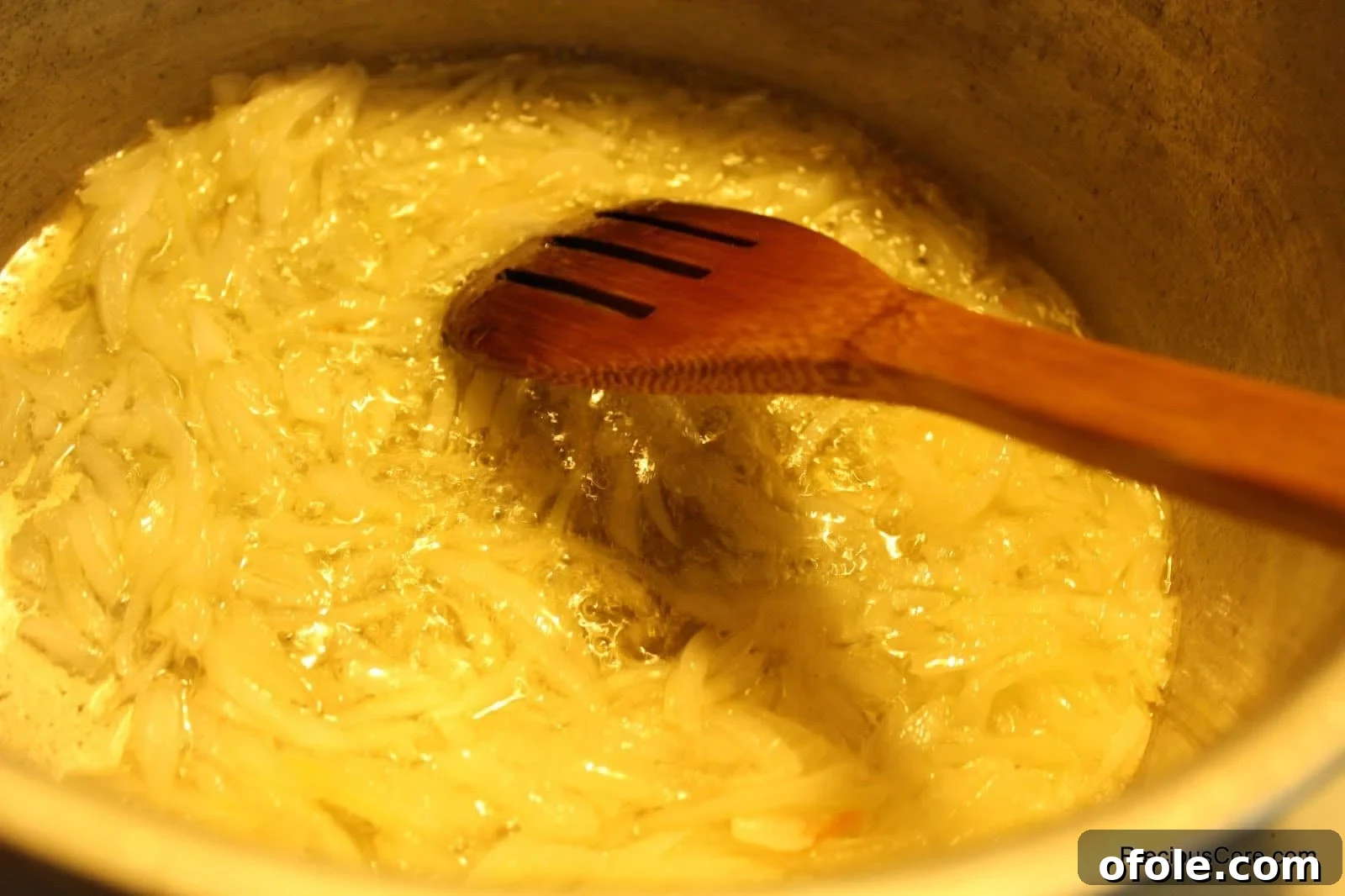
Step 1: Sauté the Aromatics. Begin by heating the vegetable oil in a sturdy pot over medium heat. Once shimmering, add your finely chopped onions. Sauté them gently until they turn translucent and fragrant, releasing their sweet aroma into the kitchen. This forms the flavorful base of your stew.
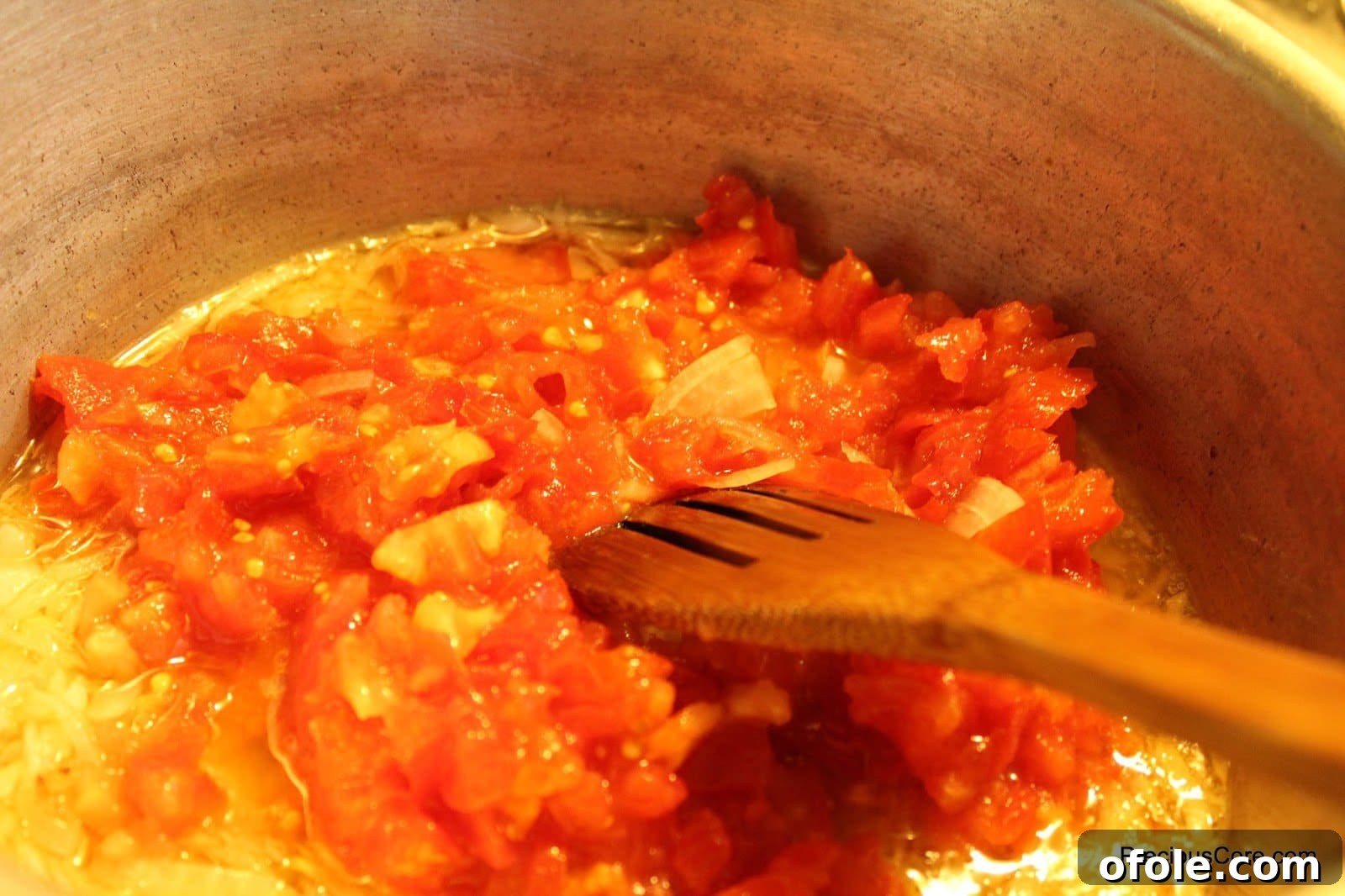
Step 2: Build the Tomato Base. Next, introduce the chopped tomatoes to the pot. Stir well and allow them to sauté. The key here is to cook the tomatoes thoroughly until they break down, their raw, sour taste mellows, and the oil begins to separate, indicating a rich, concentrated tomato base. This process usually takes about 10-15 minutes.
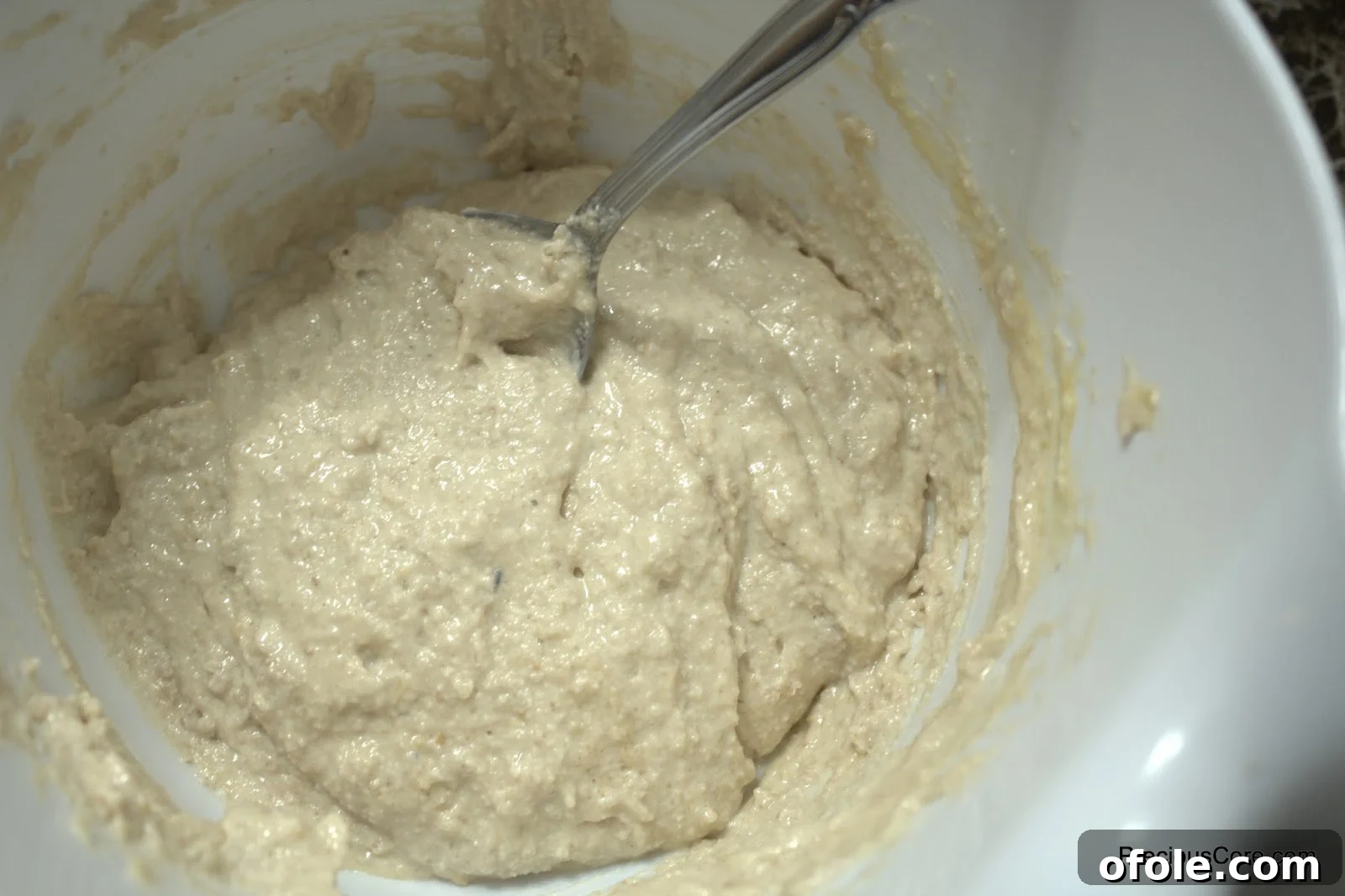
Step 3: Prepare the Egusi Paste. While your tomatoes are diligently frying, take your ground Egusi in a separate bowl. Add about half a cup of water and a small pinch of salt. Mix thoroughly to form a thick, cohesive paste. This paste consistency is crucial for creating the unique texture of the Egusi clumps in the stew.
Step 4: Season and Introduce Egusi. Once your tomatoes have completely transformed, add the ground garlic, ginger, and the minced habanero pepper (if using) to the pot. Stir for a minute until fragrant. Now, crumble in your seasoning cubes and add the remaining salt. Pour in one cup of water (or, if using boiled meat, substitute with rich meat stock for an even deeper flavor). Bring the liquid to a gentle boil. Once boiling, carefully scoop in your Egusi paste, dropping it in small, separate portions around the pot. Resist the urge to stir immediately.
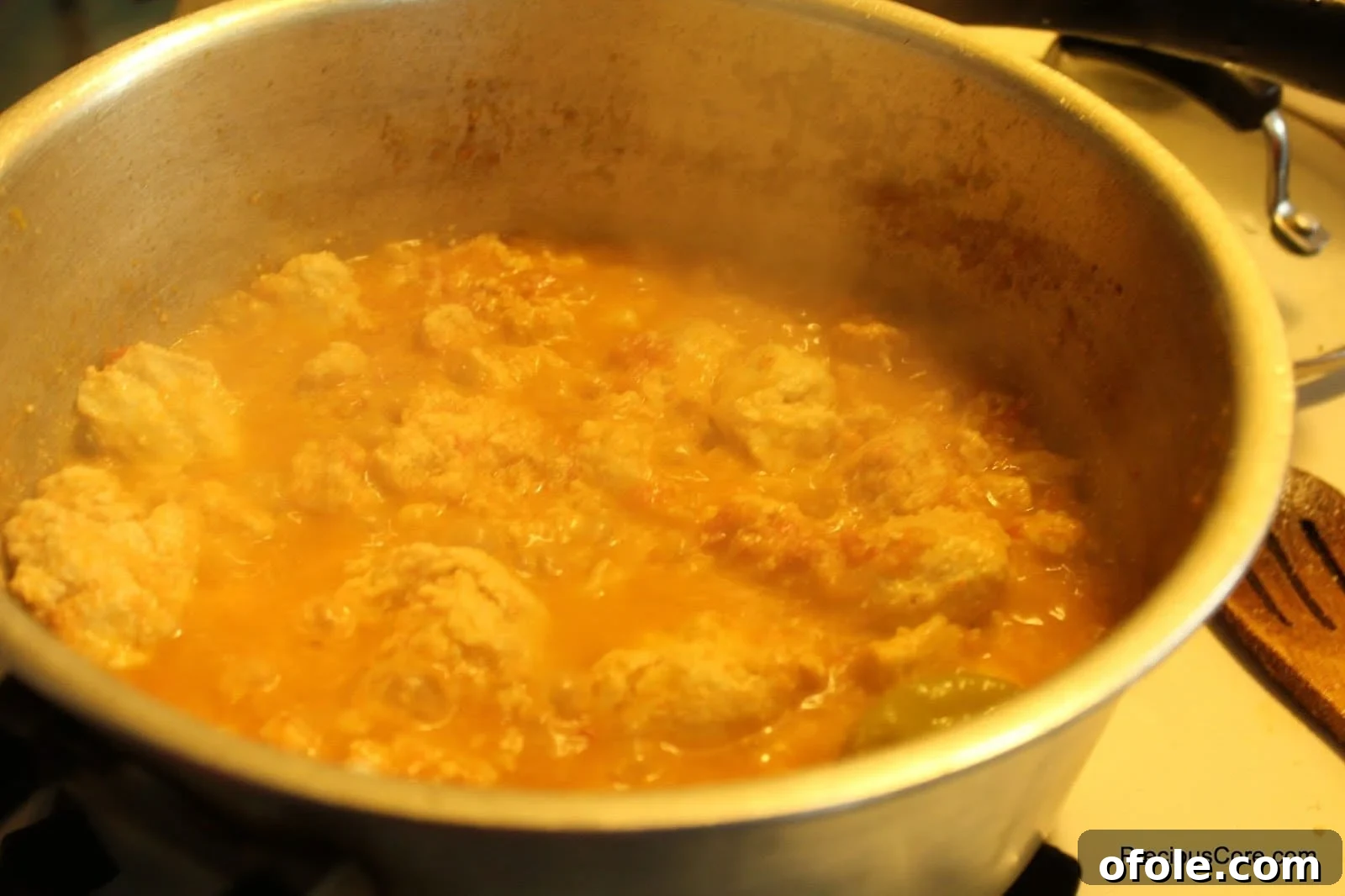
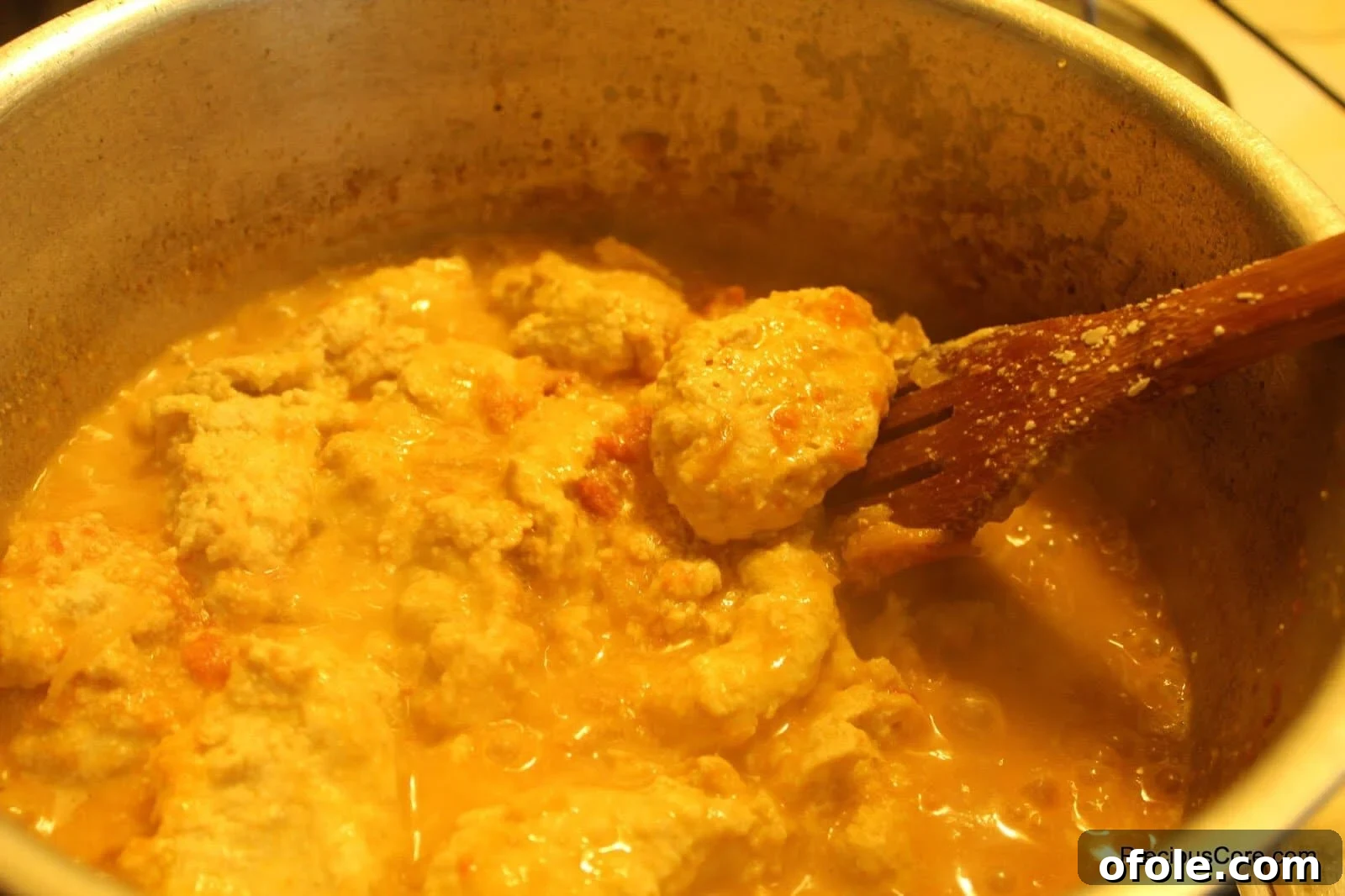
Step 5: Cook the Egusi. Allow the Egusi to cook undisturbed for about 5-7 minutes. This initial cooking helps the Egusi form distinct, flavorful clumps. After this period, gently stir the stew, breaking up any large Egusi lumps. Continue to cook for another 5-8 minutes, ensuring the Egusi is thoroughly cooked and its rich, nutty aroma permeates the stew. If the liquid reduces too much and the stew becomes dry, add a quarter cup more water or stock to maintain a moist consistency.
Step 6: Add the Greens. Now it’s time to incorporate your pre-boiled and chopped Njama Njama (or substitute vegetable) into the pot. Stir it gently into the Egusi mixture, ensuring the greens are evenly coated with the rich sauce. The vibrant green against the golden Egusi is a sight to behold.
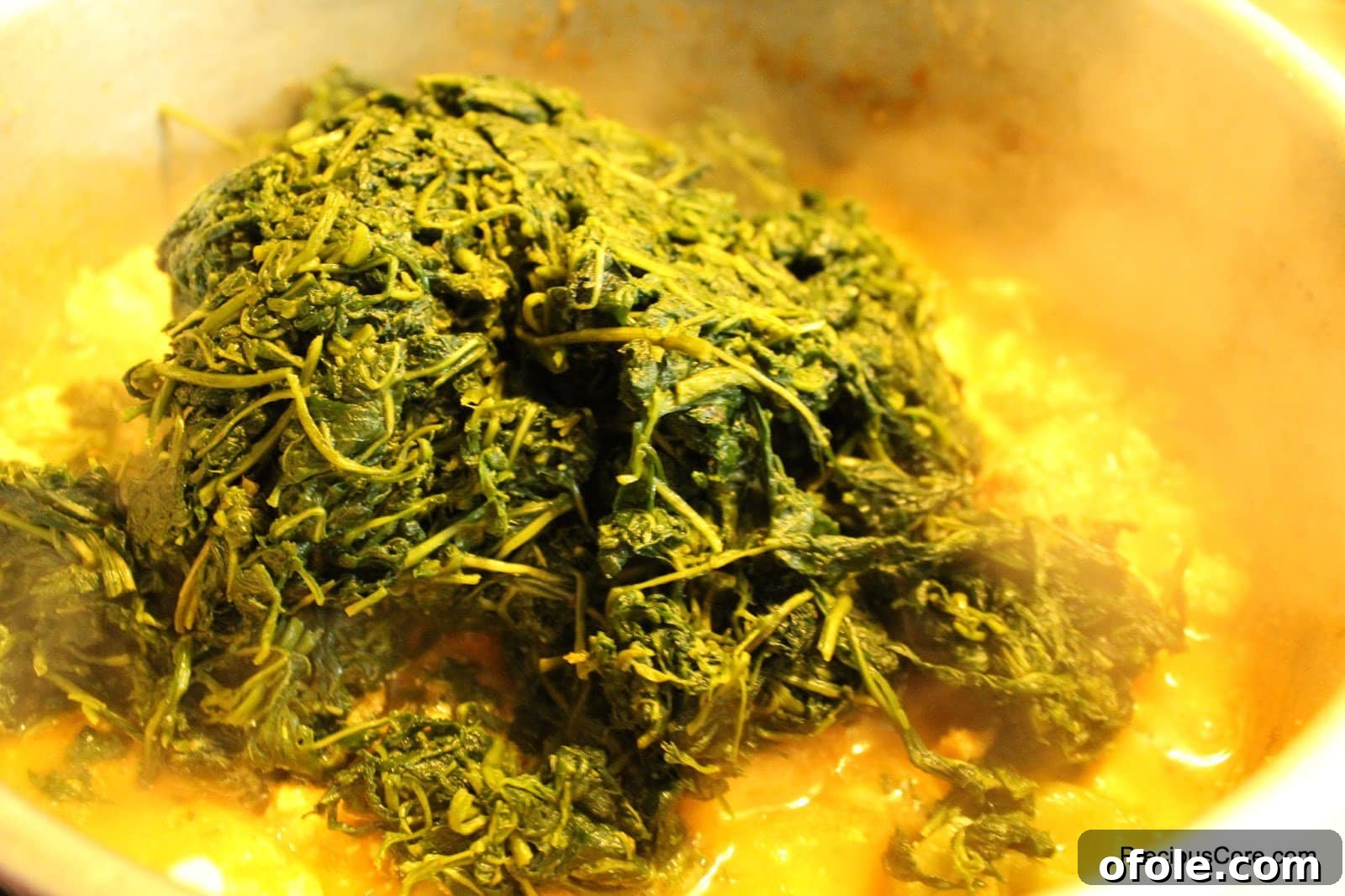
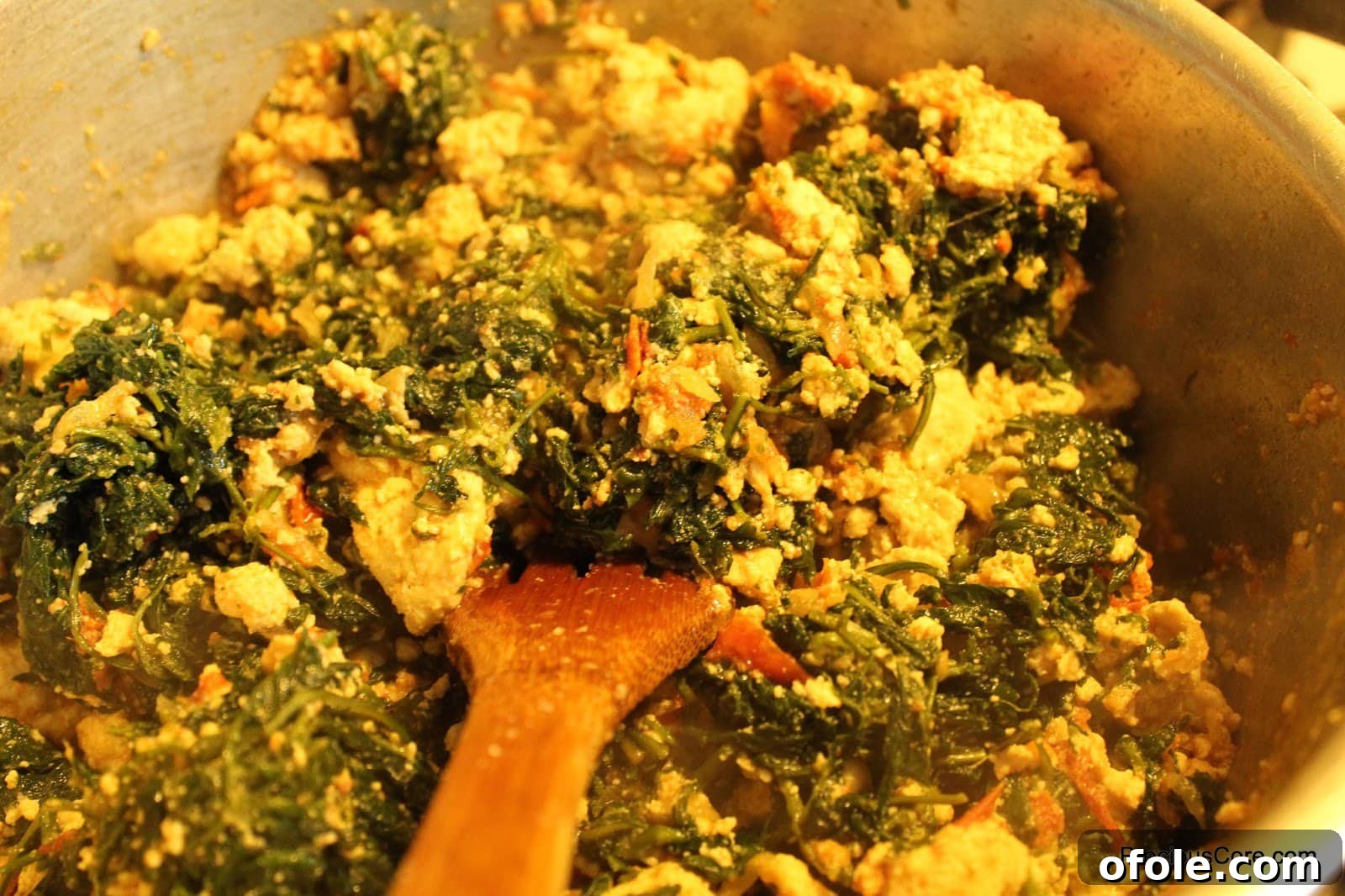
Step 7: Introduce the Protein and Simmer. Finally, add your fried fish, boiled beef, smoked turkey, or any other protein of choice to the stew. Gently fold everything together until all ingredients are beautifully integrated, “in love” as we like to say. Let the stew simmer on low heat for an additional five minutes, allowing all the flavors to meld and deepen.
Step 8: Final Adjustments and Serving. At this stage, taste your Njama Njama with Egusi and adjust the seasoning if necessary. Perhaps a little more salt or an extra pinch of pepper? Once perfectly balanced, it’s ready to be served. This savory stew pairs wonderfully with traditional accompaniments like corn fufu, boiled or fried plantains (ripe or unripe), or even boiled yams. For those who enjoy a simple pairing, plain white rice works beautifully too.
Embrace the Flavor, Embrace the Culture
Preparing Njama Njama with Egusi is more than just cooking; it’s an experience, a journey into the heart of Cameroonian culinary traditions. The rich aromas filling your kitchen, the vibrant colors, and the deeply satisfying flavors will transport you. So go ahead, prepare this magnificent dish, gather your loved ones, and if the spirit moves you, don’t hesitate to shout “Njama Njama! Njama Njama!” just like my friend’s delightful daughter. Enjoy every mouthwatering spoonful of this comforting and authentic African delicacy!