
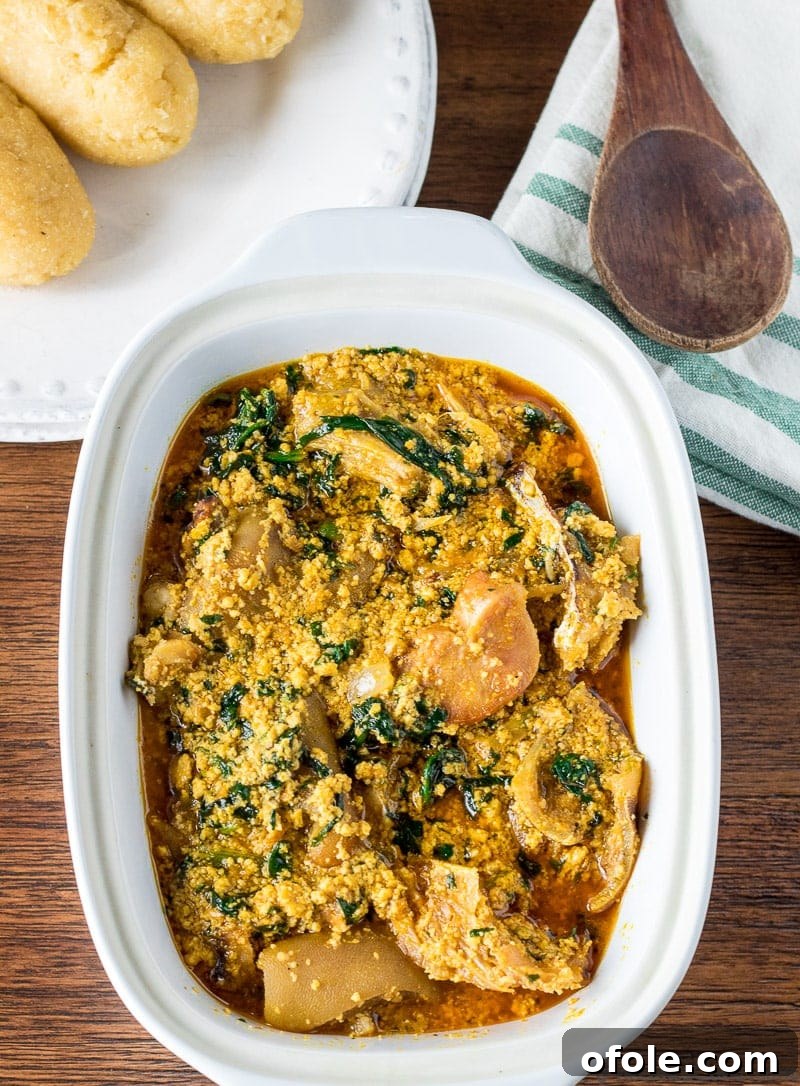
Welcome to a culinary journey through the heart of West Africa, where flavors dance and traditions come alive. Today, we’re diving into the vibrant world of Nigerian Egusi Soup – a true masterpiece of African cuisine. This iconic soup, made from ground melon seeds (Egusi), is a celebration of rich textures, deep umami, and aromatic spices that promise a truly unforgettable dining experience. Whether you’re a seasoned chef or a curious beginner, this comprehensive guide will equip you with everything you need to prepare an authentic pot of Egusi Soup that will tantalize your taste buds and impress your family and friends.
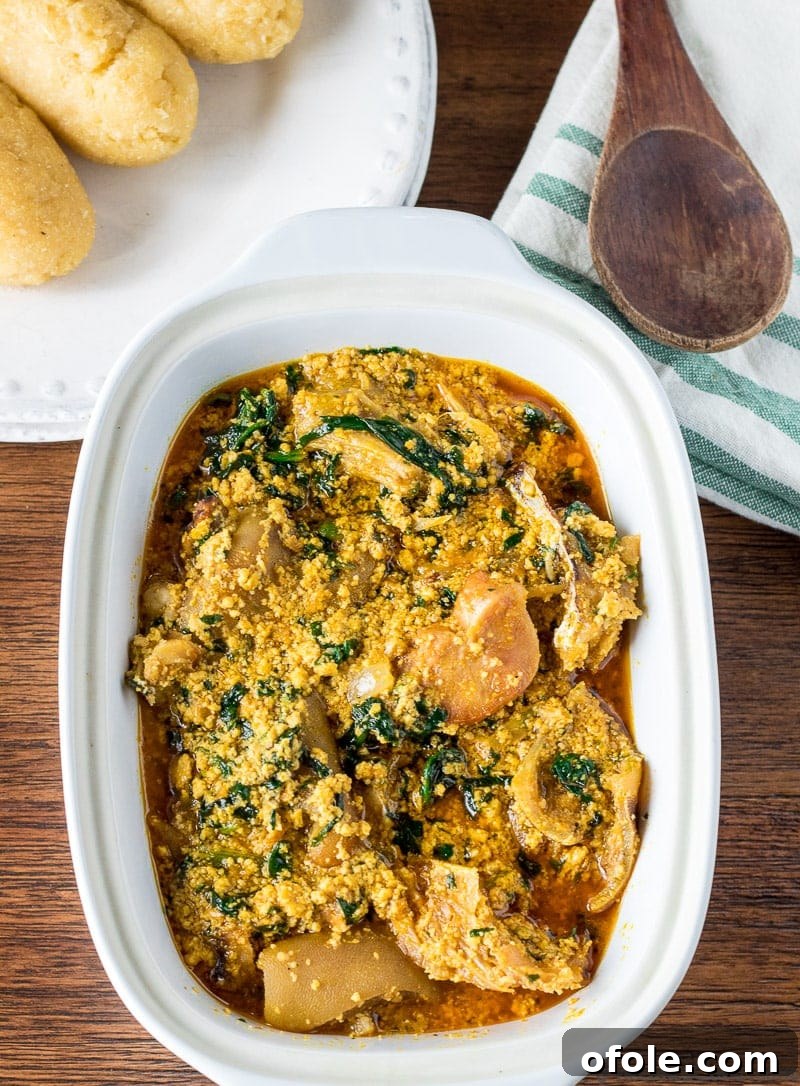
Often hailed as Nigeria’s most famous soup, Egusi boasts a unique nutty flavor profile, thanks to its star ingredient: white melon seeds. It’s thick, hearty, and incredibly satisfying, perfectly balancing spicy notes with the richness of various meats and fish. This isn’t just a recipe; it’s an invitation to explore the warmth and complexity of African home cooking. It’s no wonder this delectable dish even went viral on TikTok in 2020, capturing the hearts of food lovers worldwide!
If you’re eager to explore more hearty African soups, we highly recommend trying our African Okra Soup or the aromatic Cameroonian Pepper Soup. Each offers a distinct flavor and a glimpse into the diverse culinary landscape of the continent.
Authentic Nigerian Egusi Soup: A Culinary Delight
The demand for this Egusi Soup recipe has been overwhelming! After sharing a tantalizing photo on Instagram, my inbox was flooded with urgent requests. I couldn’t keep you waiting any longer, so here it is – a meticulously crafted recipe for Nigerian Egusi Soup that will make your taste buds sing with delight. This isn’t just a meal; it’s a sensory journey into the heart of Nigerian tradition.
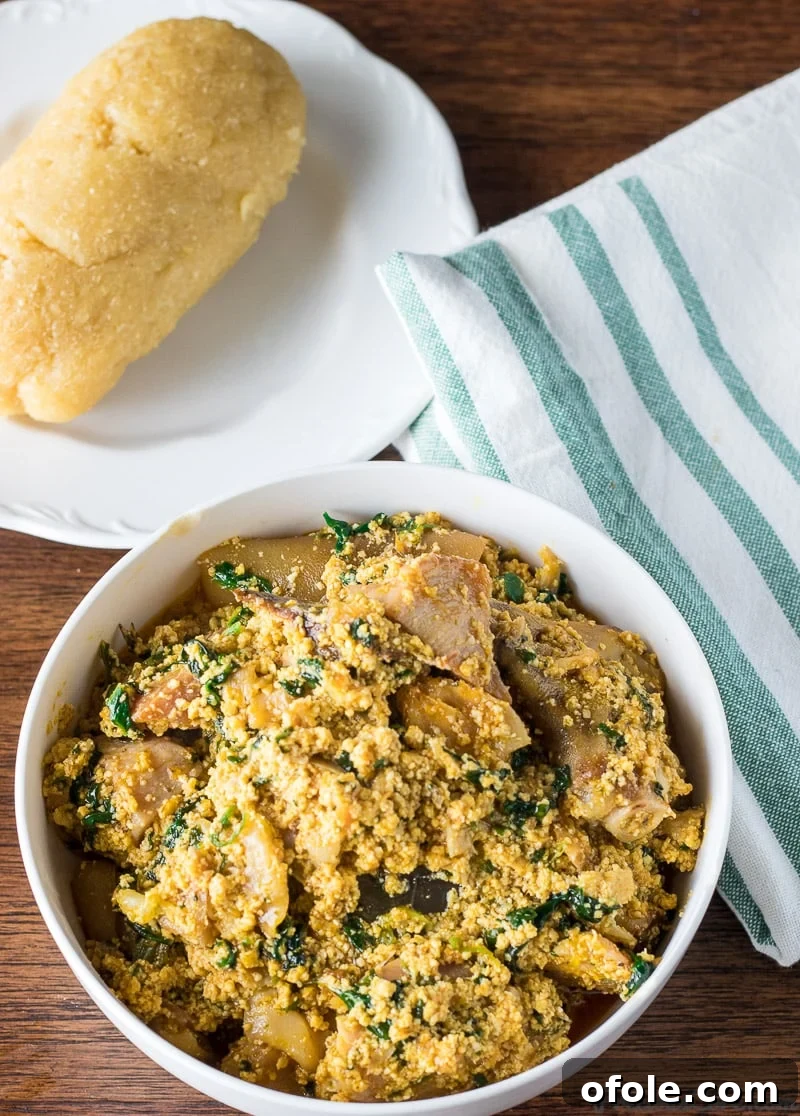
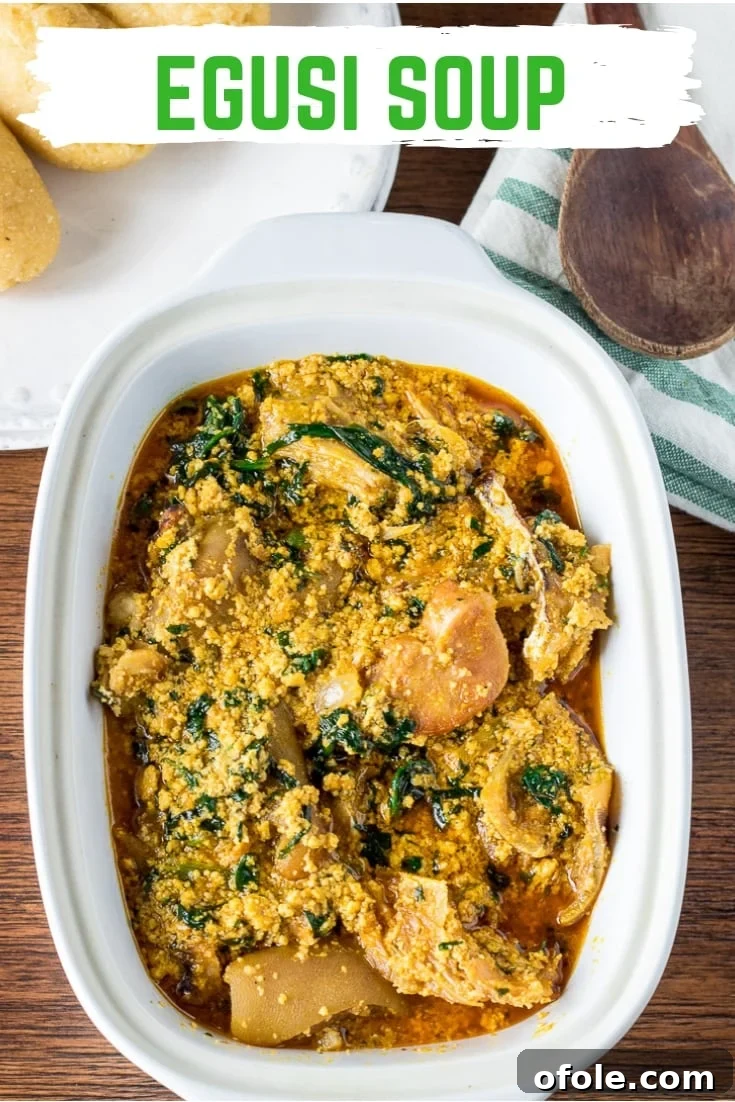
Egusi Soup is fundamentally a rich, savory stew made from ground melon seeds, commonly referred to as white pumpkin seeds in many regions (these are readily available at African markets or through online retailers like Amazon.com). Its vibrant orange hue comes from red palm oil, and its depth of flavor is enhanced by a carefully selected blend of proteins and aromatic spices. Traditionally, Egusi Soup is served with various forms of “fufu,” such as pounded yam, garri (also known as Eba), or cassava fufu, which are starchy, dough-like accompaniments perfect for scooping up every delicious drop of soup.
Essential Ingredients for Your Perfect Egusi Soup
Crafting an authentic Egusi Soup requires a careful selection of ingredients, each playing a crucial role in developing its characteristic flavor and texture. Here’s a detailed look at what you’ll need:
- Ground Egusi Seeds: The Heart of the Soup
This is the undisputed star of this West African stew. Egusi seeds are a type of melon seed, distinct for their rich, nutty flavor when ground. You can purchase them whole and grind them yourself using a coffee grinder or a high-powered blender (sometimes with a little water to form a paste for a different texture). Grinding them fresh ensures maximum flavor and aroma, setting your soup apart. - Red Palm Oil: The Signature Color and Aroma
Red palm oil is indispensable for Egusi Soup, lending it a beautiful, bright orange color and a distinctive, earthy aroma that is central to West African cuisine. Ensure you use unbleached red palm oil for the most authentic taste and appearance. - Crayfish Powder: The Umami Depth
West African crayfish is a key flavor enhancer, vastly different from American crawfish. Ground into a powder, it imparts a deep, savory umami that elevates the entire soup, adding layers of complexity that are hard to replicate. - Assorted Meats and Fish: A Rich Protein Base
The beauty of Egusi Soup lies in its versatility with proteins. A mixture of different meats and fish provides a complex flavor profile. Popular choices include tender goat meat, beef, chicken, or even smoked turkey. Organ meats like tripe are also traditionally added for extra richness. For an authentic touch, incorporate dried fish and stock fish (cod), both obtainable from African markets. These dried ingredients contribute a unique, smoky depth that is highly prized. - Maggi Seasoning (or Bouillon): The Authentic Flavor Boost
Maggi seasoning cubes are a staple in Nigerian cooking, providing an authentic taste that ties all the flavors together. Alternatively, you can use good quality chicken or beef bouillon powder to achieve a similar depth of flavor. - Hot Pepper: For a Spicy Kick
Egusi Soup is typically enjoyed with a pleasant level of heat. Habanero or Scotch bonnet peppers are commonly used to provide that characteristic spiciness. Adjust the quantity according to your heat preference. - Leafy Vegetables: Freshness and Nutrients
Leafy greens not only add nutritional value but also complement the richness of the soup. Traditional choices include bitter leaves (often blanched to reduce bitterness) or pumpkin leaves, known as “ugu” in Nigeria. If these are hard to find, readily available substitutes like fresh spinach or kale work beautifully. Many cooks love adding frozen spinach towards the end of the cooking process for convenience.
For precise measurements of each ingredient, please refer to the detailed recipe card below.
Egusi Soup is truly a Nigerian classic, enjoyed in countless households and variations across the country. Understanding its core ingredient is key to appreciating its unique taste. Here’s a closer look at what raw egusi seeds look like:
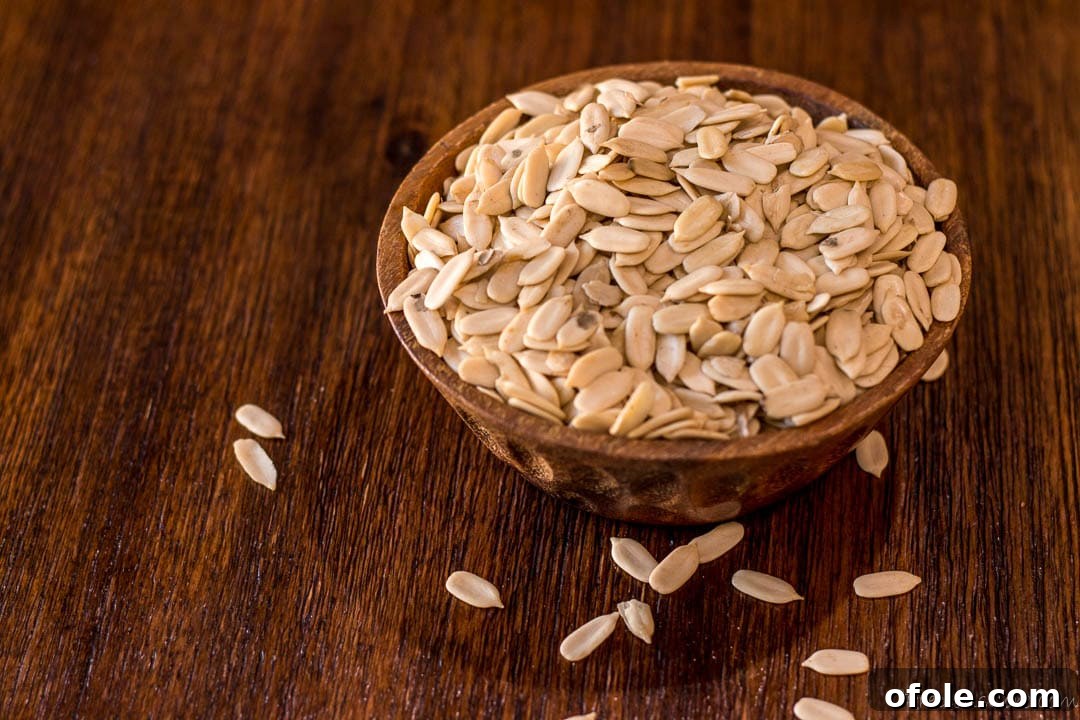
As mentioned, egusi are essentially the seeds of a specific type of melon, though they are widely referred to as white pumpkin seeds due to their appearance and culinary use.
What Does Egusi Soup Taste Like? A Flavor Profile Exploration
Egusi Soup offers a unique and incredibly satisfying flavor experience that is hard to forget. It’s distinctively nutty, deeply savory, and often spicy, with a rich, full-bodied mouthfeel. The generous inclusion of various meats and fish contributes to its meaty depth and complex umami profile. The ground melon seeds themselves impart a mild, earthy, and nutty base, which, when combined with aromatic palm oil, crayfish, and peppers, creates a harmonious blend of flavors. The leafy greens add a touch of freshness and a subtle bitterness or sweetness, depending on the type used, balancing the richness of the soup. Each spoonful is a journey through layers of traditional West African taste.
Egusi is enjoyed in many forms across West Africa. Explore other delicious egusi-based dishes like Cameroonian Egusi Pudding, a flavorful Egusi Stew, or the innovative Ogbono and Egusi Soup.
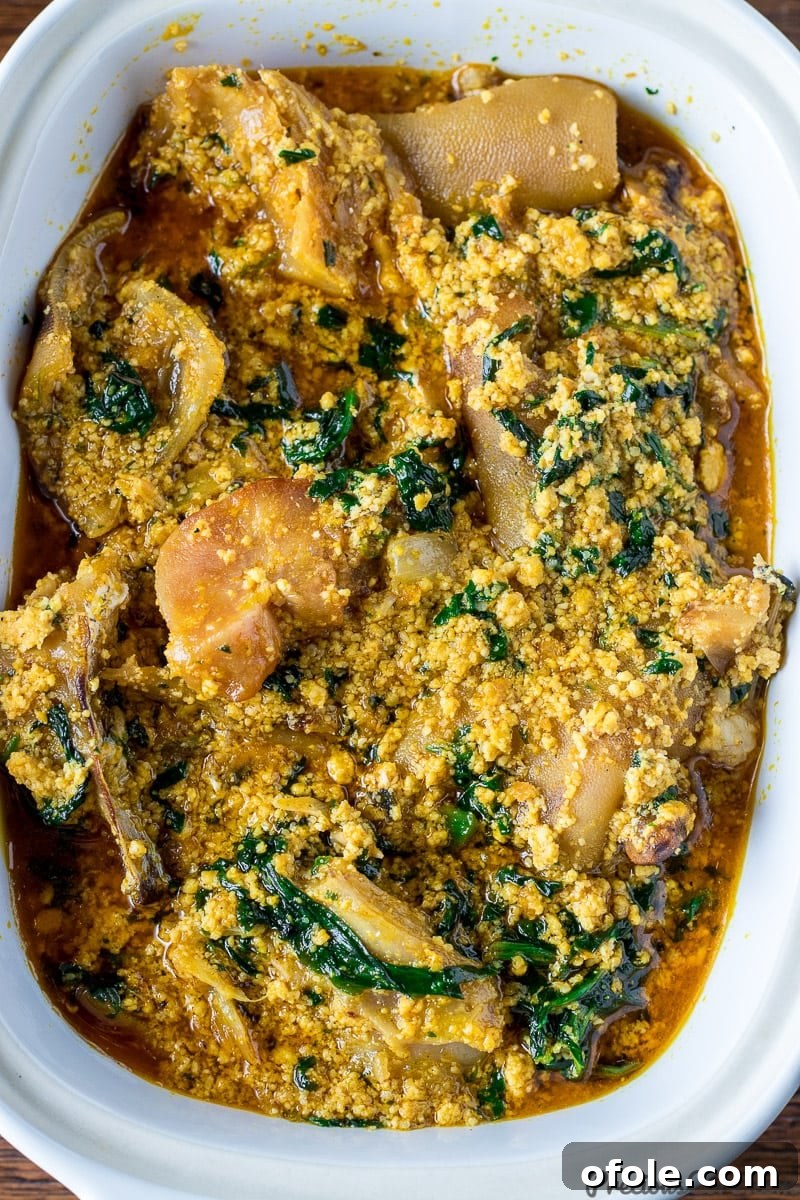
Step-by-Step Guide: How To Make Egusi Soup
Creating this flavorful soup is simpler than you might think, breaking down into three manageable steps. Detailed instructions are provided in the recipe card below, but here’s an overview:
- Prepare Your Proteins: Boil Meats and Fish. Begin by boiling your chosen meats and fish with a pinch of salt and diced onions. For tougher cuts like goat meat or beef, it’s often best to boil them the day before. This not only tenderizes the meat but also allows you to reserve a rich meat stock, which will be the flavor base for your soup. Remember to cook stockfish separately if using, discarding its pungent stock after thorough rinsing.
- Grind the Egusi Seeds. For the freshest and most potent flavor, always buy whole egusi seeds and grind them yourself. You can use a coffee grinder or a small blender cup. This guarantees the quality and purity of your egusi, as pre-ground varieties can sometimes lack freshness.
- Assemble and Simmer the Soup. Heat red palm oil in a pot, then sauté diced onions until fragrant. Add the freshly ground egusi to the oil and fry gently, stirring occasionally, until it slightly shrinks and begins to cling to the bottom of the pot – a sign that its nutty flavor is developing. Next, incorporate the pre-boiled meats, fish, reserved stock, crayfish, seasoning (like Maggi cubes), and your preferred hot pepper. Add water to achieve your desired consistency and allow everything to simmer together, blending the flavors beautifully. Finally, stir in your leafy greens and let them cook briefly before turning off the heat.
It really is that easy to create a magnificent pot of Egusi Soup!
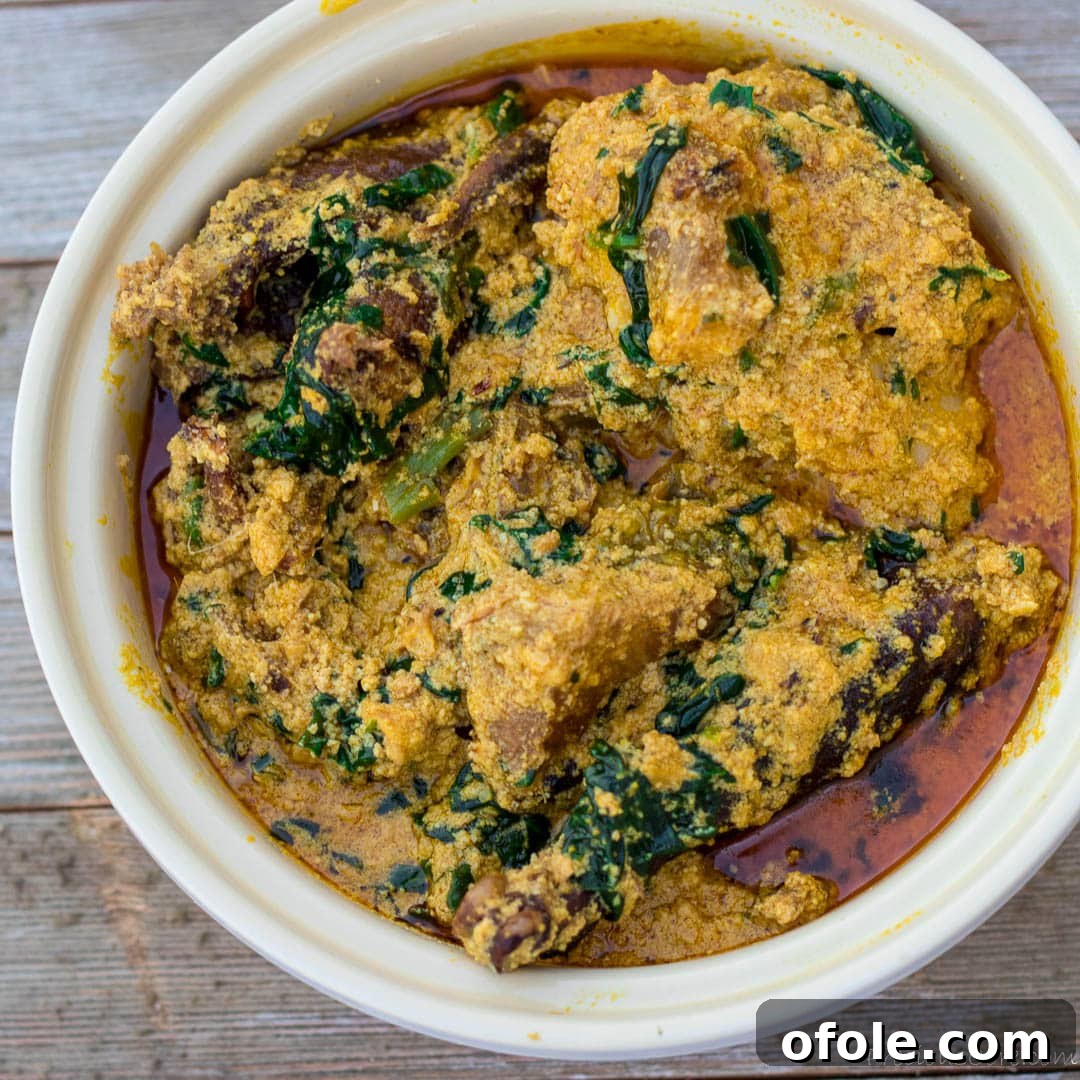
Traditional Pairings: Egusi Soup and Pounded Yam
One of the most celebrated ways to enjoy Egusi Soup is by pairing it with pounded yam. Pounded yam is a delightful, dough-like side dish made from African white yam, traditionally prepared by pounding boiled yam until smooth and elastic. It’s the perfect companion, allowing you to scoop up the rich soup and savor every mouthful.
For those outside Africa, yam flour is widely available in African stores and on Amazon, making it incredibly convenient to prepare your own authentic pounded yam at home.
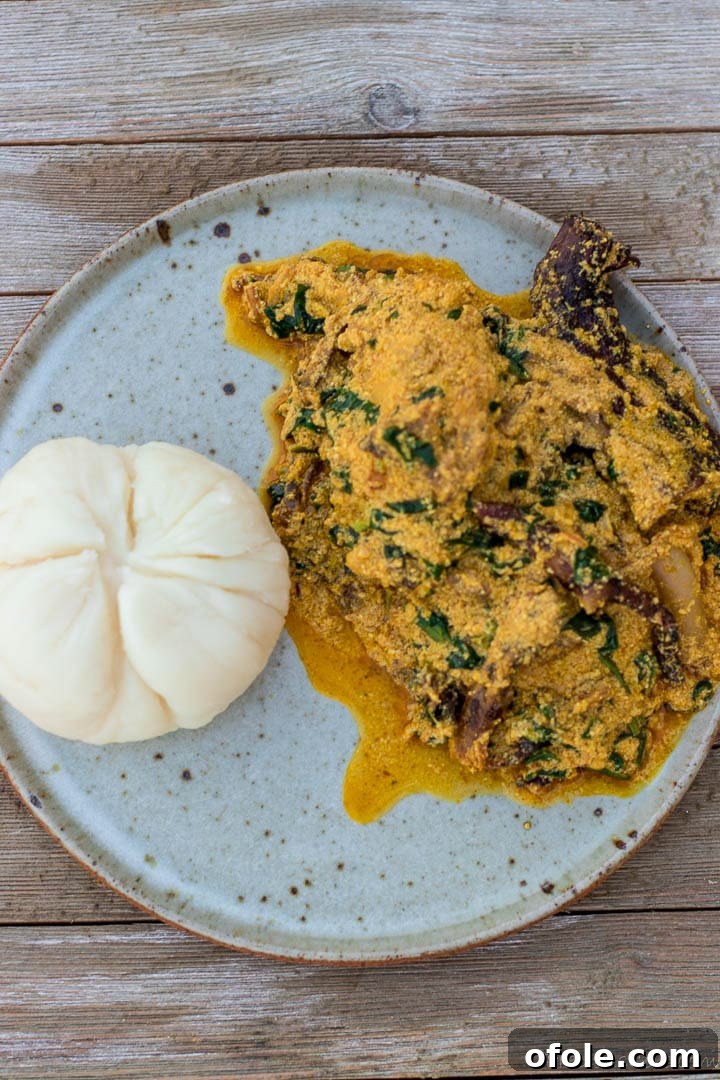
Beyond pounded yam, Egusi Soup also pairs wonderfully with garri, known as Eba. Garri consists of fermented granules made from cassava or yucca root. To prepare garri, simply combine it with boiling water and stir until it forms a smooth, firm dough. You can observe the preparation of garri in action by watching this okra soup video.
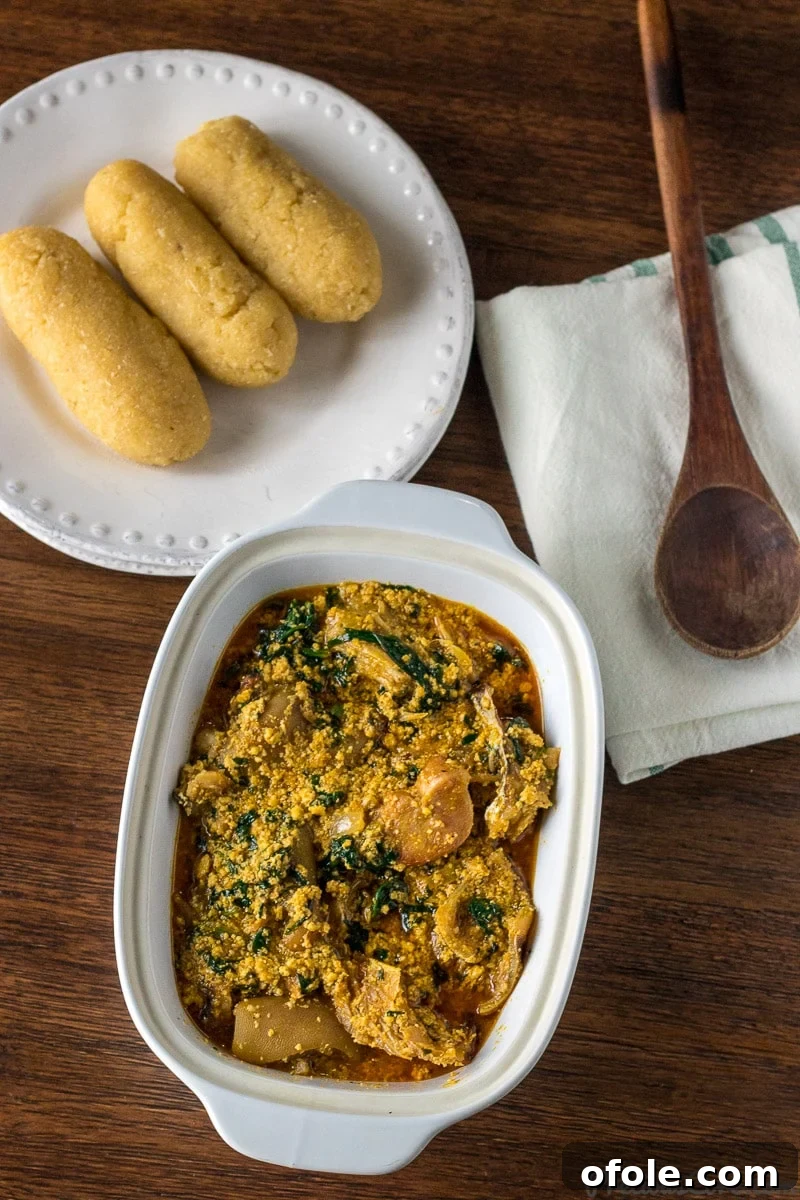
For those who prefer other accompaniments, Egusi Soup is also delicious with boiled African white yam slices, boiled plantain, or simply steamed rice. Its rich flavor makes it versatile for various starchy sides.
Egusi Soup Variations to Explore
The beauty of Egusi Soup lies in its adaptability. While the core ingredients remain, minor adjustments can yield exciting new flavor profiles:
- Infuse Natural Umami with Locust Beans: For an even deeper, more complex umami flavor, consider adding fermented locust beans, known as “Iru” in Yoruba or “Eware” in other Nigerian languages. A small amount goes a long way in enhancing the traditional taste.
- Leafy Green Alternatives: While bitterleaf and ugu (pumpkin leaves) are traditional, don’t let their absence deter you. Readily available greens like kale or spinach make excellent substitutes, providing similar texture and nutritional benefits. Many find that adding frozen spinach just before the soup is done works perfectly.
- Beyond Fufu: Versatile Serving Options: In addition to the classic fufu varieties, Egusi Soup pairs beautifully with boiled African white yam, boiled plantain, or even steamed rice for a complete and satisfying meal.
- Protein Customization: Experiment with different combinations of meats and fish. You can opt for an all-chicken soup, an all-beef soup, or even incorporate various seafood for a unique twist.
Egusi Soup vs. Egusi Stew: Understanding the Distinction
While both Egusi Soup and Egusi Stew share the core ingredient of ground egusi seeds, they are distinct dishes primarily differing in their consistency and traditional accompaniments. Egusi Stew is typically thicker and often prepared with specific ingredients to be served as a sauce alongside rice, rather than as a standalone soup with fufu. It often has a richer, more concentrated flavor profile designed to coat rice grains perfectly. For a deeper dive into this delightful variation, be sure to check out our dedicated Egusi Stew recipe.
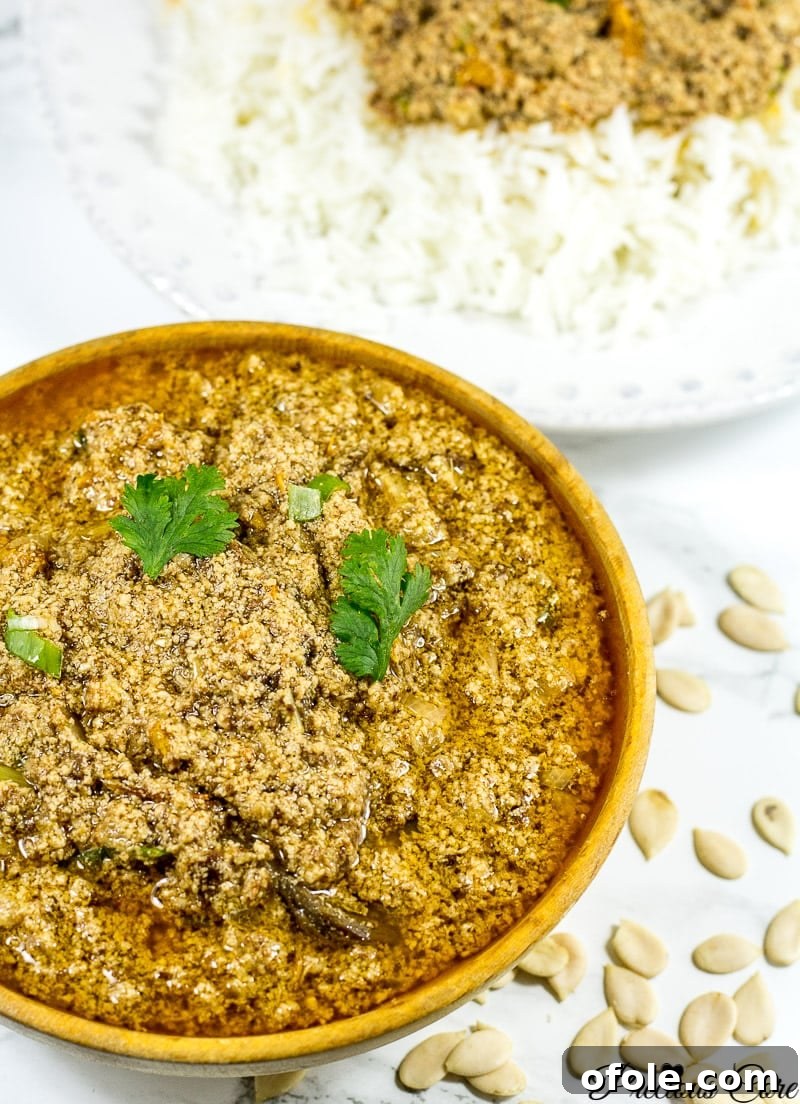
P.S. I’m thrilled to finally share a comprehensive video on how to make Egusi Soup. This has been a long time coming, and I truly hope you enjoy watching and following along with the recipe! Find the video below.
Watch How To Make Egusi Soup
Follow along with our visual guide to perfect your Egusi Soup. This video provides step-by-step instructions and tips to ensure your soup is a resounding success.
Find more delicious recipes and cooking tips by subscribing to our channel.
Subscribe for More Recipes
More Hearty African Dinners to Explore
Fried Pork And Plantains
Catfish Pepper Soup
African Chicken Peanut Stew
Cameroonian Pepper Soup
We love hearing from you! If you prepare this delicious Egusi Soup recipe, please consider leaving a star rating below and sharing your experience. Your feedback helps others discover and enjoy this wonderful dish. Thank you!
Egusi Soup – Nigerian Egusi Soup
Overall Rating: 5 out of 5 stars (based on 4 votes)
Print Recipe
Ingredients
- 2 cups egusi (whole, not ground)
- 3/4 cup red palm oil
- 1/4 cup ground crayfish
- 1 shrimp seasoning cube (such as Maggi Crayfish or Maggi Crevette)
- 2 pounds assorted meats and fish (e.g., goat meat, beef, chicken, stock fish)
- 1/2 cup onion, chopped
- 1 habanero (or scotch bonnet) pepper, minced (adjust to taste)
- 1/2 – 1 cup chopped greens (bitterleaf, ugu, spinach, or kale)
Instructions
-
1. Prepare Meats and Fish: Boil your assorted meats and fish. Start with tougher meats like goat or beef, then add chicken. Season lightly with salt (about a teaspoon) halfway through cooking. Reserve the rich meat stock. If using stockfish, soak it for several hours, rinse thoroughly, then boil it separately and discard its cooking liquid due to its strong smell.
-
2. Grind Egusi: Using a coffee grinder or the small cup of a blender, grind the whole egusi seeds until a coarse powder is formed. Ensure all bad seeds are removed before grinding for the best quality.
Making the Egusi Soup
-
3. Sauté Aromatics: Heat the red palm oil in a large pot over high heat for about 3 minutes (do not allow it to bleach). Add the chopped onions and sauté until they are fragrant and translucent.
-
4. Fry Egusi: Add the freshly ground egusi to the palm oil. Fry, stirring occasionally, for about 7 minutes. The egusi will begin to shrink and stick slightly to the bottom of the pot, indicating it’s developing its nutty flavor.
-
5. Combine Flavors: Stir in a teaspoon of ground crayfish. Then, add the pre-boiled meats and fish along with their reserved stock. Add the remaining crayfish, the shrimp seasoning cube, and the minced habanero or scotch bonnet pepper. Add additional water if needed to achieve your desired soup thickness. Stir everything well and taste to adjust seasoning. Allow the ingredients to simmer together for about 5 minutes, allowing the flavors to meld.
-
6. Add Greens and Finish: Stir in the chopped leafy greens and let them cook in the soup for approximately 2 minutes. Turn off the heat immediately – your authentic Egusi Soup is now ready to be served!
Notes
2. Most of the specialized ingredients for this recipe, particularly egusi seeds and stockfish, can be found in African grocery stores or online retailers if you are outside of Africa.
Nutrition Information
Additional Information
Pin this recipe to your board for later reference:
“For I know the plans I have for you,” says the Lord. “They are plans for good and not for disaster, to give you a future and a hope.” Jeremiah 29:11 (NLT)