
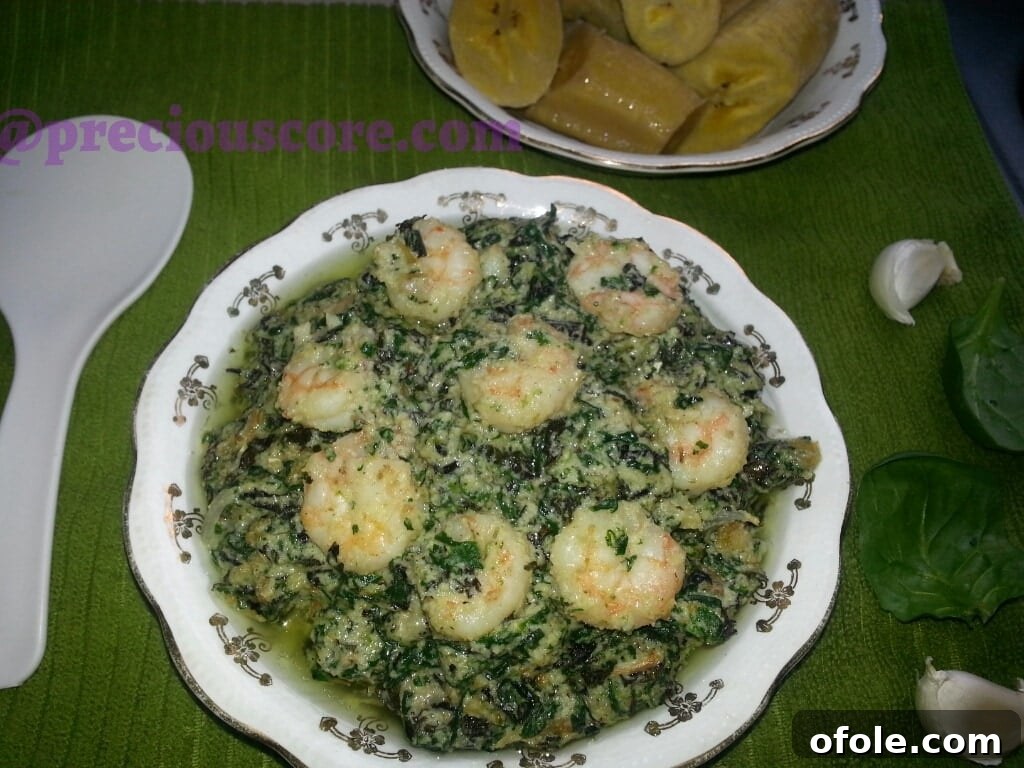
Step into the vibrant culinary world of Cameroon, and you’ll inevitably encounter the legendary dish known as Ndole. More than just a meal, Ndole is a culinary institution, a symbol of Cameroonian hospitality, and a beloved staple that graces tables from everyday family dinners to grand celebrations. This exquisite dish, originating from the Littoral region, is a harmonious blend of contrasting yet complementary flavors and textures, starring the slightly bitter taste of bitterleaf and the rich creaminess of groundnuts (peanuts). Prepare to embark on a culinary journey that promises to tantalize your taste buds and leave you with a profound appreciation for West African cuisine.
Ndole is a masterpiece of balance. Its distinctive flavor comes from a careful preparation of bitterleaf, which is expertly processed to reduce its inherent bitterness, creating a sophisticated earthy undertone. This is beautifully complemented by a thick, savory paste made from groundnuts, providing a comforting, nutty foundation. The dish is further enriched with a medley of proteins – be it succulent beef, tender beef feet, a variety of smoked fish, or even fresh seafood – making each spoonful a delightful discovery. It’s no wonder Ndole holds such a special place in the hearts of Cameroonians, often stealing the show at gatherings and earning accolades as a true crowd-pleaser.
For this particular recipe, we’re embracing a blend of dried bitterleaf and fresh spinach. The addition of spinach serves a dual purpose: it introduces a refreshing element to the dish and helps to naturally neutralize some of the bitterleaf’s intensity, making it more approachable for those new to this unique vegetable. While some prefer to make Ndole solely with spinach, the authentic experience, in my opinion, always includes bitterleaf. It’s the “bitter” in bitterleaf that truly makes it Ndole, delivering that signature depth of flavor that is simply irreplaceable. However, feel free to adjust the ratio to your preference or even use only spinach if bitterleaf is hard to source or if you prefer a milder taste.
The unrivaled taste of Ndole makes it a consistent feature at Cameroonian celebrations and family meals alike. It’s a dish that brings people together, sparking conversations and creating lasting memories. If you’ve never attempted to make this culinary gem before, prepare to be captivated. Many discover “love at first cook” with Ndole, finding themselves drawn back to its rich flavors and comforting embrace time and again. It’s a rewarding cooking experience that culminates in a truly spectacular meal, well worth the effort and dedication.
Traditionally, Ndole is often prepared with beef or succulent beef feet, which impart a rich, hearty flavor to the dish. However, the beauty of Ndole lies in its versatility. On this particular occasion, I found myself with a generous amount of stock fish at home. Rather than making a special trip to the market for my usual choice of meat, I decided to embrace the philosophy of “use what you have to get what you want.” To elevate this stock fish version, I decided to incorporate shrimps, transforming it into an absolutely amazing seafood rendition of Ndole. The combination of the robust stock fish and the delicate sweetness of the shrimps created a truly exquisite flavor profile.
For those who may not be fans of seafood or prefer a more classic approach, rest assured that Ndole is just as delightful with regular meat options. Whether you choose beef, goat meat, or even chicken, the fundamental flavors of the bitterleaf and groundnut sauce will shine through beautifully. The key is to select a protein that you enjoy and that complements the rich, savory base of the Ndole. Each protein option brings its unique character to the dish, allowing for endless variations and personalizations. So, feel free to experiment and discover your favorite way to enjoy this incredible Cameroonian delicacy.
Authentic Cameroonian Ndole Recipe: A Culinary Gem
Ingredients You’ll Need:
- 2 cups of peeled groundnuts (peanuts): Essential for the creamy, nutty base. Ensure they are peeled for a smoother blend.
- 3 cups of bitterleaf and/or spinach: A combination offers the best of both worlds. Use fresh bitterleaf if available, or dried and rehydrated.
- ½ teaspoon of baking soda: Used for blanching vegetables to help them retain their vibrant green color and reduce bitterness. Alternatively, use a pinch of traditional limestone (Akangwa or Kangwa).
- ¼ cup crayfish – coarsely blended: Adds a distinctive umami depth that is crucial to authentic West African flavors.
- 2 pounds of boiled protein of choice: Choose from beef, beef feet, smoked fish, stock fish (Mukanjo), or shrimps. Ensure it’s already cooked and its stock reserved.
- 5 cloves of garlic: For aromatic foundation.
- 1 inch of ginger: Adds a zesty, pungent kick.
- 1 Maggi Crevette (crayfish seasoning cube): Enhances the seafood flavor, especially when using crayfish.
- 2 regular seasoning cubes (Maggi or Knorr): All-purpose enhancers for savory dishes.
- 1 large onion: Divided for blending and sautéing.
- 1 cup of vegetable oil: For sautéing and adding richness. Can be adjusted for a healthier version.
- 1 habanero pepper (totally optional): For those who love a spicy kick. Adjust to your heat preference or omit entirely.
Step-by-Step Guide to Making Delicious Ndole
Crafting Ndole is an art that begins with meticulous preparation. If you’re using a blend of dried bitterleaves and fresh spinach, start by soaking your dried bitterleaf in warm water for at least 30 minutes to rehydrate it. This crucial step helps to soften the leaves and begins the process of drawing out some of their bitterness. If you opt for fresh bitterleaf, you can skip this initial soaking stage and move directly to the blanching process.
Next, it’s time to prepare the heart of your Ndole: the groundnuts. Place your peeled groundnuts in a pot and add just enough water to barely cover them. Boil the groundnuts until they are tender. The goal is to cook them thoroughly without over-boiling, ensuring that most of the water is absorbed or remains as a thick liquid. This minimal water usage is important as any remaining liquid will be incorporated into the blending process, contributing to the rich flavor and consistency of your Ndole paste. Purchasing already peeled groundnuts from the store saves considerable time and effort.
Once cooked, your groundnuts should be soft and tender, with very little water left in the pot. This residual liquid is invaluable for achieving the perfect texture when blending, so do not discard it. Set the cooked groundnuts aside, ready for the next step in creating that signature creamy Ndole base.
If your chosen protein includes shrimps, now is the time to prepare them. Lightly season the raw shrimps with a pinch of salt and, if desired, a dash of white pepper. Gently toss them to ensure an even coating, then set them aside to marinate. This brief marination period will allow the flavors to penetrate, ensuring your shrimps are perfectly seasoned and flavorful when added to the Ndole later.
While your groundnuts are cooling and shrimps are marinating, chop your fresh spinach into manageable pieces. This will make it easier to blanch and incorporate into the dish. Set it aside, ready to join the bitterleaf.
Now, let’s tackle the bitterleaf and spinach blanching. Bring a pot of water to a rolling boil. Add a pinch of salt and the half teaspoon of baking soda to the boiling water. The baking soda is a clever trick to help the bitterleaf retain its vibrant green color and also aids in drawing out some of its bitterness. In Cameroon, traditional cooks sometimes use “Akangwa” or “Kangwa” (limestone) for a similar effect. However, it’s worth noting that some studies suggest baking soda might slightly reduce certain nutrients in vegetables, so if this is a concern, you can omit it. Once the water is boiling fiercely, add the bitterleaf (rehydrated or fresh) and stir. You’ll notice the water may foam slightly due to the baking soda or Kangwa. Boil for a few minutes, until the bitterleaf begins to soften.
To check if the bitterleaf is sufficiently tender, carefully use the tip of your finger to test a leaf. It should be soft but still have a slight bite. This step is crucial for achieving the desired texture in your final Ndole.
Once the bitterleaf reaches the desired softness, immediately add the chopped spinach to the pot and turn off the heat. Let the vegetables sit in the hot water for no more than two minutes. Spinach cooks very quickly, and overcooking it will result in a mushy texture, which is generally undesirable for Ndole. This brief blanching with the residual heat is just enough to soften the spinach while maintaining its freshness and vibrant color. Observe the striking contrast in color between the rehydrated bitterleaf and the fresh spinach – a visual treat!
Promptly pour the blanched vegetables into a strainer and immediately run cold water over them. This rapid cooling halts the cooking process, preserving the vegetables’ texture and bright green color. Rinse thoroughly, then use both hands to firmly squeeze out as much excess water as possible from the vegetables. This step is vital to prevent your Ndole from becoming watery. Once squeezed, gather the compacted vegetables and place them in a bowl, ready for incorporation into your delicious Ndole. Note that the volume of vegetables will reduce significantly after squeezing, so don’t be alarmed if it looks like less than you started with.
Now, let’s prepare the aromatic base for your Ndole. Peel and roughly chop the garlic and ginger. Take half of your large onion and chop it as well. Combine these aromatics with your pre-boiled groundnuts and the optional habanero pepper in a blender. I find that using the smaller compartment of my blender yields a better, more consistent result for this specific task. Depending on the size of your blender, you might need to process the groundnuts in two or three batches to ensure a smooth, even blend. Add a splash of the reserved groundnut cooking water if needed to aid blending, but be mindful not to add too much.
Blend this mixture until it reaches a desired consistency: a smooth, yet slightly coarse paste. Think of it as being similar to well-ground egusi mixed with water, rather than a completely smooth, thin purée. This slight roughness provides a delightful texture to the Ndole, distinguishing it from a completely smooth soup. Achieving this “perfection” is key to the authentic Ndole experience.
Excellent! The kitchen is starting to come alive with promising aromas. Now, turn your attention to the pot containing your pre-boiled meat or fish and its rich stock. On this occasion, I used stock fish, affectionately nicknamed “Stocky” – a testament to how much I adore its unique flavor! In Cameroon, stock fish is also widely known as “Mukanjo.” This stock will form the flavorful liquid base for your Ndole, imbuing it with depth and character. Ensure you have a good amount of this savory liquid as it will interact beautifully with the groundnut paste.
Bring the pot of meat/fish stock to a gentle boil, then carefully add your blended groundnut paste. Stir well to combine, ensuring there are no lumps, and bring it back to a boil. Allow it to simmer gently for about 5-7 minutes. During this time, the groundnut paste will cook through, thicken, and infuse the stock with its rich, nutty flavor. Your home will begin to fill with an incredibly inviting aroma – the true sign that good things are happening!
Next, add the coarsely blended crayfish to the simmering pot. Crayfish is a cornerstone of West African cooking, delivering a unique depth of umami and a subtle marine flavor that is essential to authentic Ndole. Stir thoroughly to distribute the crayfish throughout the groundnut sauce, allowing its distinct taste to meld with the other ingredients.
Now, gently fold in the blanched and squeezed bitterleaf and spinach mixture into the pot. Be careful not to overcrowd the pot; ensure all vegetables are submerged and evenly distributed within the rich groundnut sauce. The vibrant green of the vegetables will add beautiful color and freshness to your Ndole.
Give everything a good, gentle mix to ensure all ingredients are well combined. Let the Ndole simmer for about 5 minutes on low heat. This short simmering time allows the flavors to fully meld, and the vegetables to absorb some of the rich sauce without becoming overcooked. After 5 minutes, turn off the heat. The residual heat will continue to cook the dish gently.
This is where the magic happens with seasoning. Introduce the Maggi Crevette, a specialized crayfish seasoning cube, which is fantastic for boosting the seafood notes in dishes containing crayfish. Add this, along with your two regular seasoning cubes (Maggi or Knorr), to the pot. Stir well to dissolve them and ensure even distribution of flavor. Now is the crucial moment to taste and adjust the seasoning. Add more salt or pepper if necessary, aiming for a perfectly balanced savory profile. Remember, balance is key to a truly outstanding Ndole.
Remember the other half of your onion? Chop it finely. In a separate skillet, heat the vegetable oil over medium heat. Once the oil is shimmering, add the chopped onions and sauté them until they are translucent and fragrant. This step infuses the oil with a sweet, savory onion flavor that is truly delightful and adds another layer of complexity to your Ndole. Oh, the aroma that fills your kitchen at this stage is absolutely heavenly!
Once the onions are beautifully caramelized, add your marinated shrimps to the skillet. Sauté them for just a few minutes, stirring occasionally, until they turn a vibrant pink color. Shrimps cook very quickly, so be careful not to overcook them, as they can become tough. The goal is tender, juicy shrimps that burst with flavor. Oh, honey, this is going to be good!
As soon as the shrimps are perfectly pink, immediately transfer the entire contents of the skillet—the sautéed onions and flavorful shrimps, along with the infused oil—into your pot of Ndole. Gently stir to incorporate these final ingredients. This last addition not only enhances the flavor but also adds a beautiful garnish and texture to the finished dish. Oh my, your Ndole is truly nearing perfection!
Behold! Your authentic Cameroonian Ndole is now ready to be savored. The rich, earthy aroma combined with the savory notes and the tender vegetables creates an irresistible symphony of flavors. Oh God, prepare for a feast!
Ndole is incredibly versatile when it comes to serving. It pairs wonderfully with a variety of starchy accompaniments that help to balance its rich flavors. Traditional choices include perfectly boiled ripe or unripe plantains, comforting boiled yams, or the classic miondo (fermented cassava sticks). For those who prefer grains, Ndole is also absolutely delicious with a side of fluffy boiled rice or a hearty portion of garri (a type of cassava flour, often served as eba or fufu). No matter how you choose to serve it, this deliciousness is guaranteed to be incredibly satisfying and truly “goooood!”
On this occasion, I served my Ndole with beautifully ripe plantains. Such was the irresistible allure of the Ndole that I was too impatient to let my plantains boil to absolute perfection! That’s the sheer power and magnetic appeal of Ndole – it makes you want to dive right in. The sweetness of the plantains offered a fantastic contrast to the savory depth of the Ndole, creating a truly memorable meal. It’s a testament to how captivating this dish truly is.
Chef’s Notes & Tips:
- For a **healthier version** of this exquisite dish, consider significantly reducing the amount of vegetable oil used, or even omitting it entirely if you prefer. The groundnut base provides enough richness and flavor on its own.
- **Controlling bitterness:** If you find bitterleaf too bitter for your palate, you can blanch it multiple times, discarding the water after each boil, until the desired level of bitterness is achieved. Adding more spinach can also help mellow the flavor.
- **Storage:** Leftover Ndole stores beautifully in an airtight container in the refrigerator for up to 3-4 days. It often tastes even better the next day as the flavors continue to meld.
- **Freezing:** Ndole can also be frozen for longer storage (up to 2-3 months). Thaw overnight in the refrigerator and reheat gently on the stovetop.
Please, please, please, if you decide to try this authentic Ndole recipe, I would be absolutely thrilled to hear about your experience! Your feedback is invaluable and deeply appreciated. Share your cooking journey, your successes, and any personal twists you add to this incredible Cameroonian classic.
Happy cooking, and enjoy the rich, satisfying taste of homemade Ndole!