
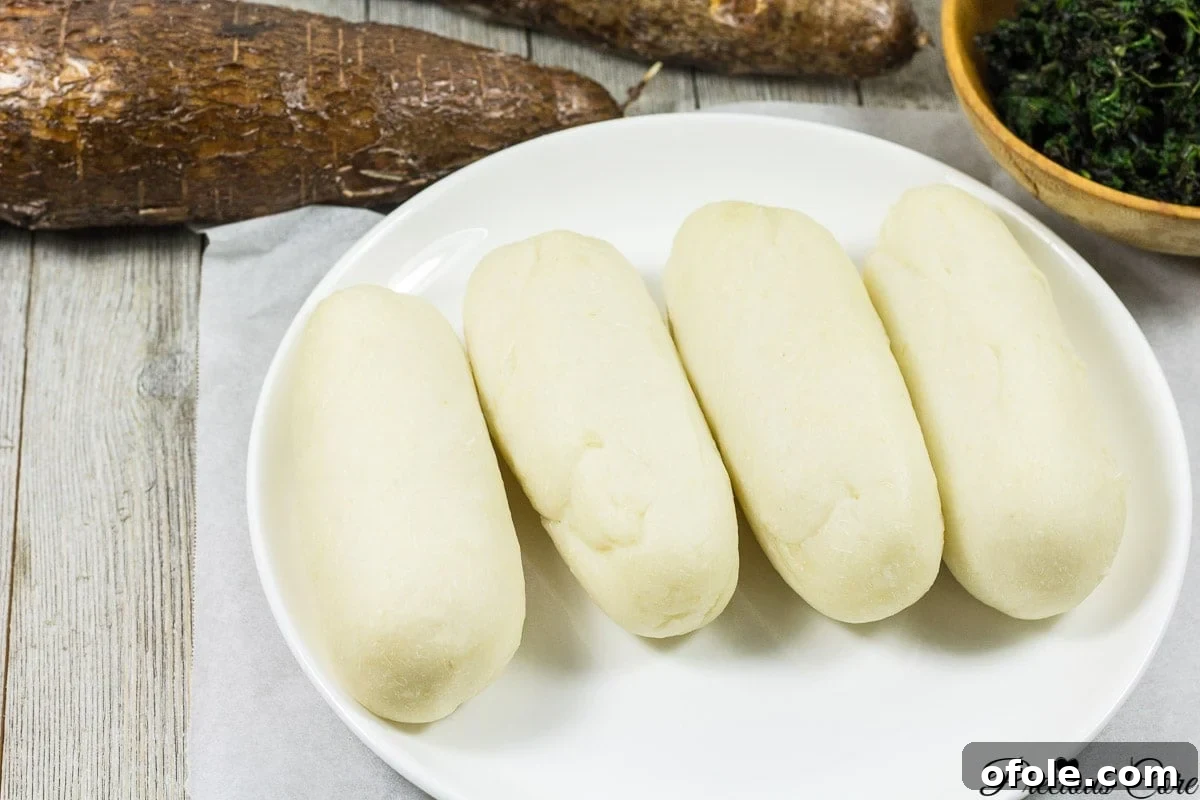
The Ultimate Guide to Making Water Fufu (Fermented Cassava Fufu) from Scratch
Embark on a culinary adventure into the heart of West and Central African cuisine with this comprehensive guide to making Water Fufu, also widely known as Cassava Fufu. This beloved staple, renowned for its unique tangy flavor and pliable texture, is a testament to traditional African cooking methods, primarily featuring the art of cassava fermentation. Forget the pre-packaged versions; learning how to craft this authentic side dish from scratch promises a deeply rewarding experience, connecting you directly to a rich cultural heritage.
Water Fufu, derived from the versatile cassava (or yuca) root, is more than just a meal; it’s a culinary cornerstone in many households. It embodies simplicity, requiring just one core ingredient—the humble cassava tuber—transformed through a natural fermentation process. This guide will meticulously walk you through every step, from selecting the perfect cassava to the final kneading, ensuring you achieve a truly authentic and delicious fufu.
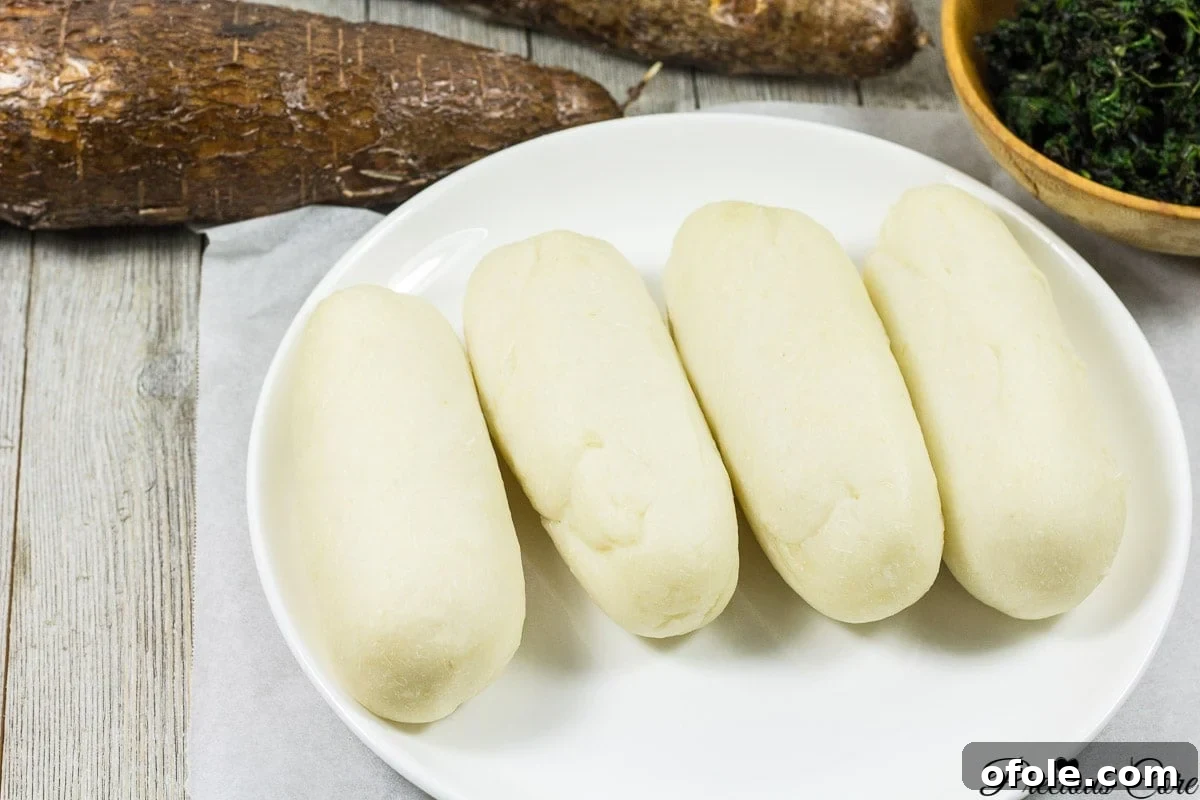
Understanding Fufu: A West and Central African Culinary Cornerstone
The term “fufu” itself conjures images of vibrant meals and communal dining across West and Central Africa. It’s a broad term encompassing a variety of starchy, dough-like dishes that serve as the perfect accompaniment to rich, flavorful soups and stews. While the base ingredient can vary – from corn and yam to plantain and semolina – cassava fufu stands out due to its distinct preparation method: fermentation.
In various regions, this cassava-based fufu goes by different names, each reflecting local dialects and traditions. In Nigeria, for instance, it’s widely recognized as Akpu, while in Cameroon, it’s affectionately called Water Fufu. Despite the name variations, the essence remains the same: a naturally processed cassava dough that forms the heart of countless African meals. Its significance lies not only in its nutritional value but also in its cultural role, often bringing families and communities together around the dining table.
The Magical Cassava (Yuca Root): The Heart of Water Fufu
Cassava, also known as yuca root or manioc, is a starchy root vegetable that serves as a fundamental food source for millions worldwide, particularly in tropical and subtropical regions. Its resilience and high carbohydrate content make it an invaluable crop. However, cassava naturally contains cyanogenic glucosides, compounds that can release cyanide. This is where the traditional fermentation process becomes not just a culinary technique, but a vital health and safety measure.
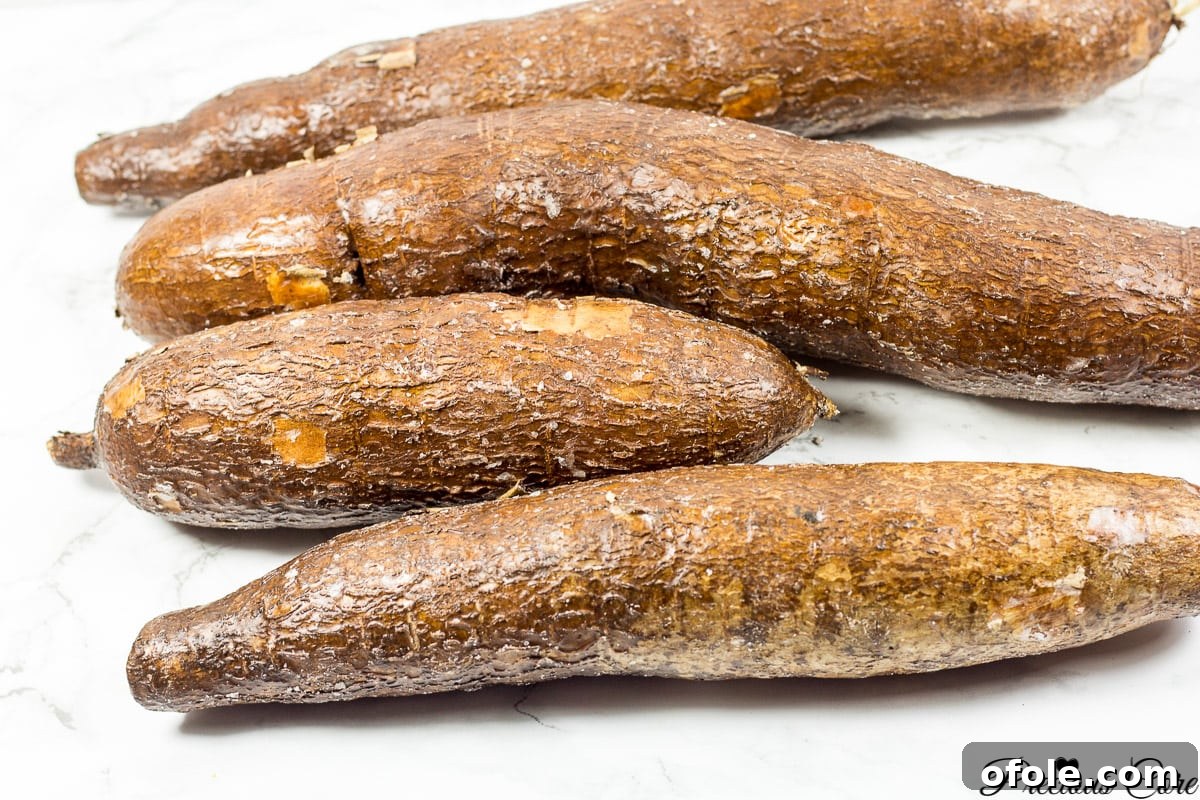
Fermenting cassava roots serves a dual purpose: it significantly reduces these toxic compounds, making the root safe for consumption, and it develops the characteristic tangy flavor and soft texture that defines Water Fufu. The fermentation process breaks down the complex starches, contributing to its unique taste and a more digestible form. This transformative journey from a raw, fibrous root to a smooth, pliable dough is what gives Water Fufu its distinctive appeal and makes it such a cherished part of African gastronomy.
The Distinctive Taste and Texture of Fermented Cassava Fufu
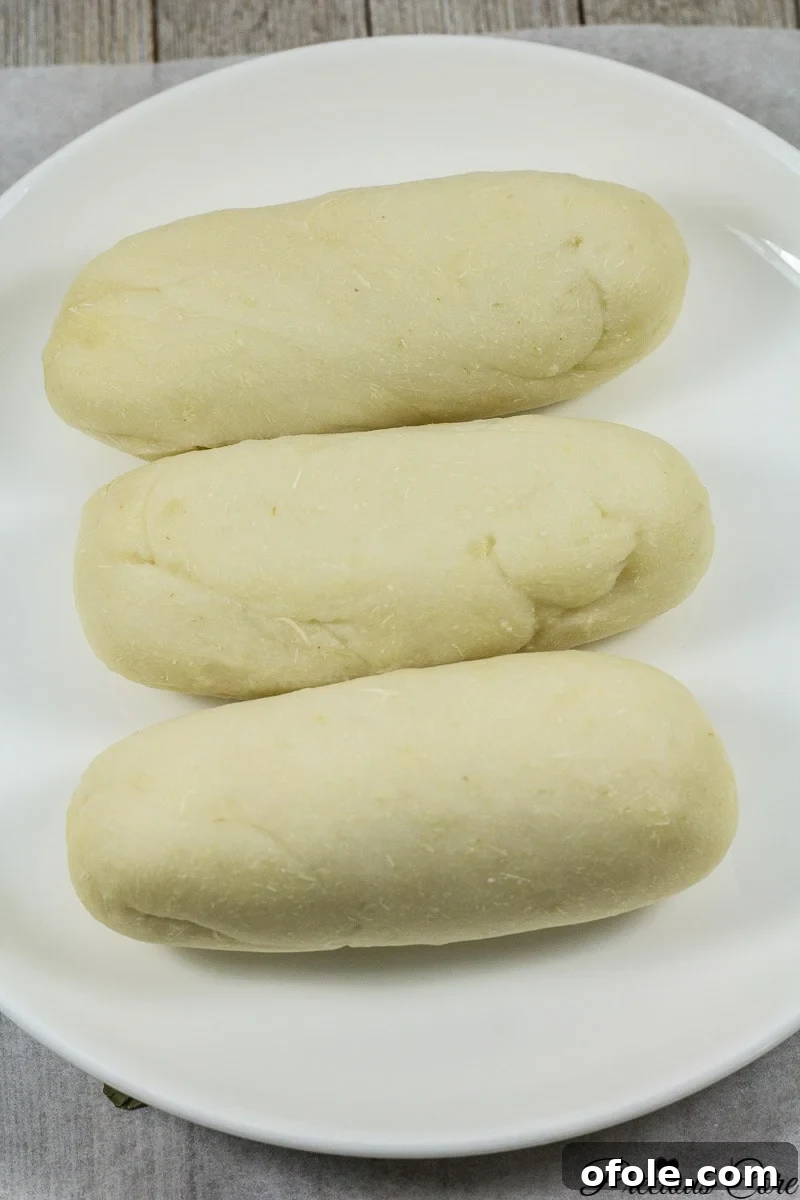
Water Fufu, in its final cooked form, possesses a flavor profile that is truly unique and deeply satisfying. The fermentation imparts a subtle yet unmistakable tanginess, a delightful sour note that perfectly complements the rich and often spicy soups and stews it’s traditionally served with. This tangy essence is a hallmark of fermented cassava and distinguishes it from other fufu varieties.
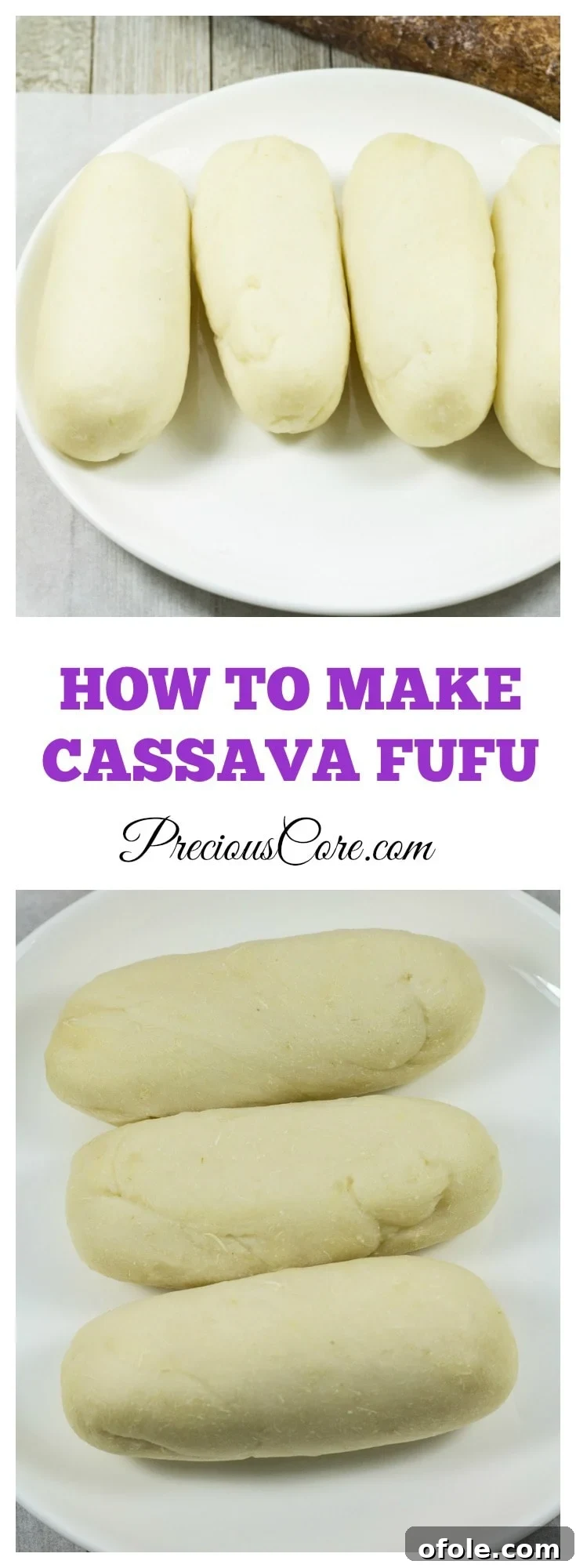
Beyond its taste, the texture of Water Fufu is equally remarkable. It’s characteristically smooth, incredibly pliable, and boasts a slightly rubbery consistency. When eaten, pieces are typically torn off and skillfully molded into a scoop to elegantly collect accompanying soup or stew. This tactile experience is integral to enjoying fufu, allowing diners to fully engage with their meal. The combination of its gentle tang and its unique mouthfeel makes Water Fufu an unforgettable culinary experience, a truly beloved staple that once tasted, is rarely forgotten.
Serving Suggestions: A Symphony of Flavors
The true magic of Water Fufu comes alive when paired with the right soup or vegetable stew. Its neutral yet tangy profile makes it an incredibly versatile base, capable of harmonizing with a wide array of bold and complex flavors. Across West and Central Africa, specific pairings have evolved into culinary traditions, each offering a unique and delicious experience.
Cameroonian Delights: Eru and Ndole
- Eru: In Cameroon, the combination of Water Fufu and Eru is legendary. Eru is a vibrant, leafy vegetable soup made with okazi leaves, waterleaf, palm oil, and often features smoked fish, crayfish, and beef. The slightly bitter, earthy notes of Eru are beautifully balanced by the tangy, starchy fufu, creating an explosion of flavors and textures that is deeply satisfying and quintessentially Cameroonian.
- Ndole: Another beloved Cameroonian pairing is with Ndole. This national dish is a rich stew made from bitter leaves (a type of spinach), peanuts, and various meats or fish. The creamy, nutty, and slightly bitter Ndole offers a luxurious contrast to the simple Water Fufu, making for a truly indulgent meal.
Nigerian Classics: Egusi and Ogbono
- Egusi Soup: In Nigeria, Water Fufu (Akpu) is frequently enjoyed with rich and hearty Egusi Soup. Made from ground melon seeds, leafy vegetables, palm oil, and various proteins, Egusi soup is thick, flavorful, and incredibly satisfying. The fufu serves as the perfect vehicle to scoop up this robust soup, allowing all the flavors to be savored.
- Ogbono Soup: Another popular Nigerian choice is Ogbono Soup, known for its unique draw (viscous) texture. Prepared from ground ogbono seeds, palm oil, and an assortment of meats and greens, this soup’s slippery consistency and earthy taste create an enjoyable pairing with the firm yet pliable fufu.
- Other Nigerian Soups: Beyond Egusi and Ogbono, Akpu is also relished with soups like Bitter Leaf Soup, Afang Soup, and other regional favorites, each offering a distinct culinary experience.
Beyond these specific regional dishes, Water Fufu is also delightful with other popular African soups such as Okra Soup, celebrated for its slimy texture and fresh taste, or Groundnut Soup, a rich and savory peanut-based stew. The key is to find a soup with a robust flavor profile that can stand up to and complement the unique tang of the fufu.
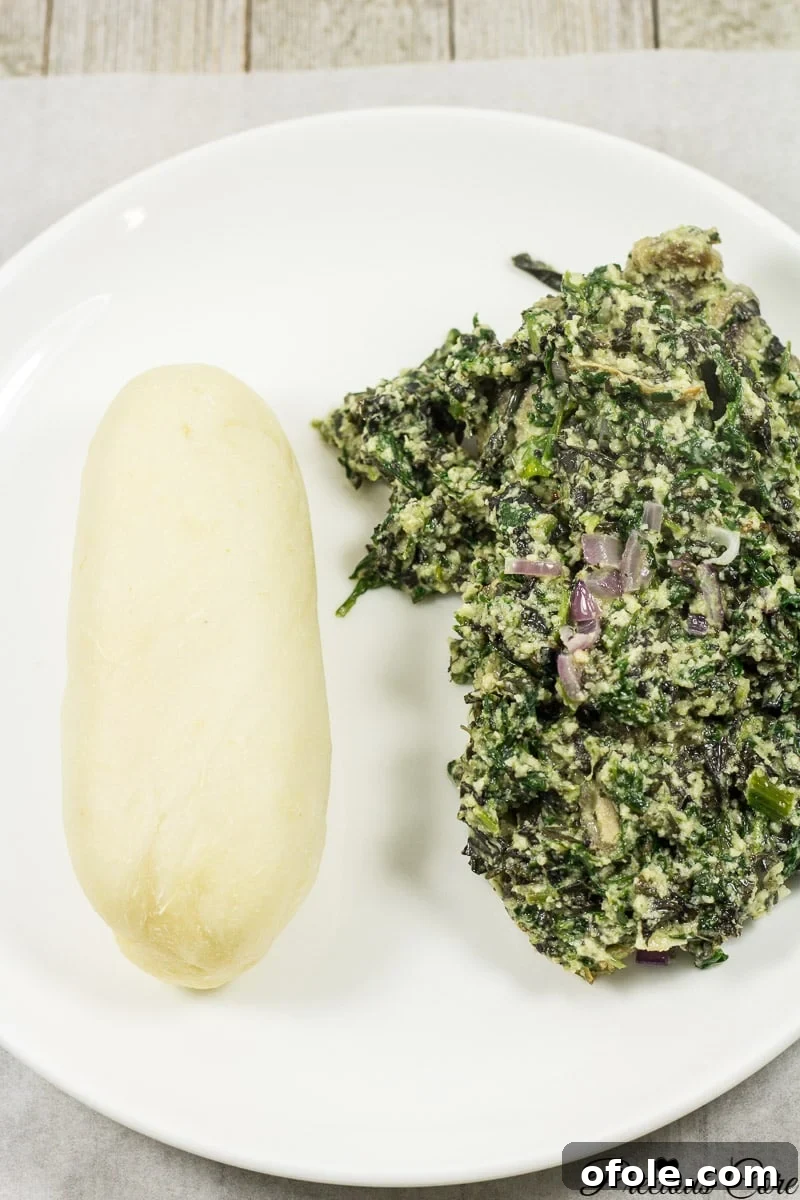
As illustrated here with Ndole, these combinations are truly unbeatable. While my heart desired to photograph it with Eru after preparing the fufu, the irresistible allure of fresh Eru proved too strong! That’s just how good the combination of Fufu and Eru is—it’s hard to resist even for the chef!
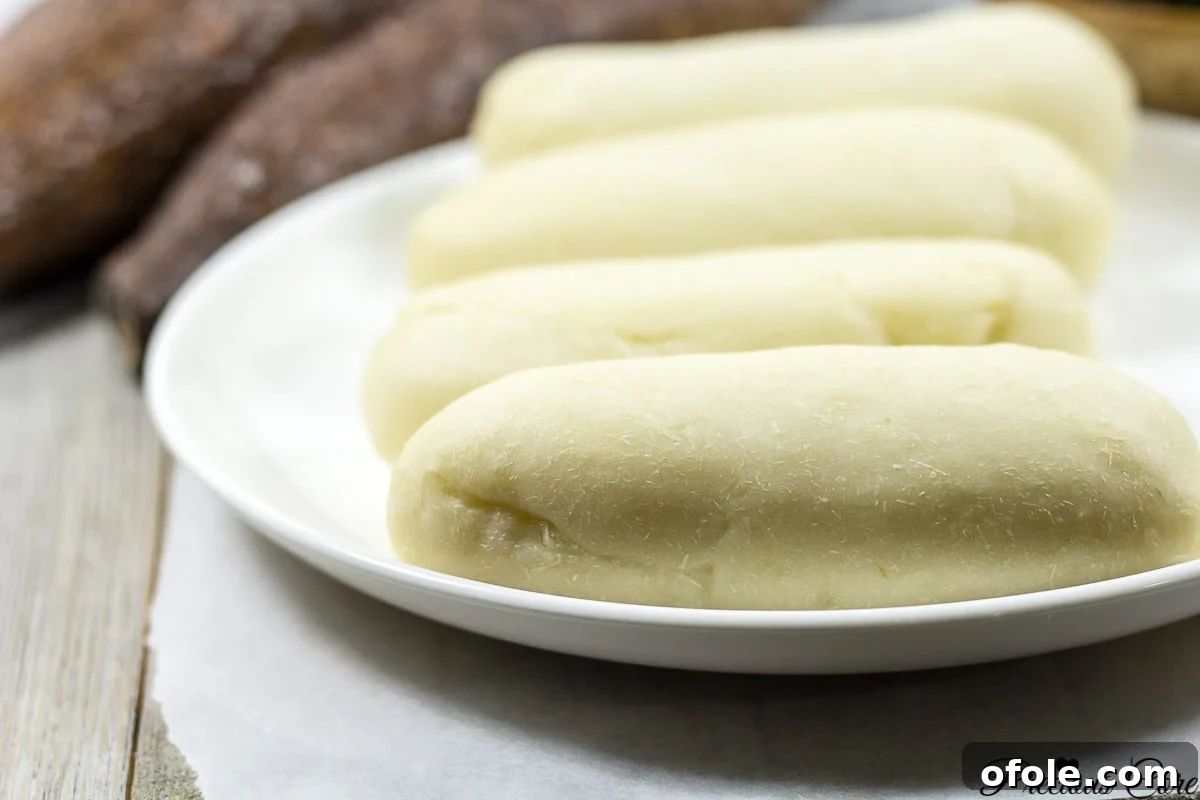
Your Step-by-Step Guide to Homemade Water Fufu
Making Water Fufu from scratch is a rewarding process that involves patience and a touch of traditional culinary wisdom. This detailed recipe breaks down the journey into manageable steps, ensuring even beginners can achieve a perfect batch of fermented cassava fufu. Follow along closely, and don’t hesitate to watch the accompanying video for visual guidance and expert tips. With fresh cassava, you can recreate this authentic African delicacy no matter where you are in the world.
Watch How to Make Water Fufu from Scratch:
How to Make Water Fufu from Scratch – Cassava Fufu
Pin Recipe
Rate
Print Recipe
Ingredients
- 6 large tubers of cassava (yuca root)
- 2 teaspoons baking soda optional
Instructions
-
Preparation is Key: Begin by thoroughly peeling the cassava tubers. Use a sharp knife to remove the thick, waxy outer skin. Once peeled, cut each tuber into approximately 5 to 6 pieces. Then, carefully split each piece lengthwise, locating the fibrous central vein and removing it. This step is crucial for achieving a smooth fufu.
-
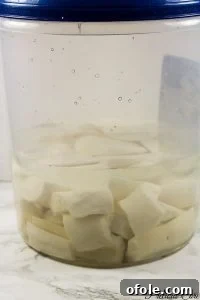
The Fermentation Process: After peeling and splitting, wash the cassava pieces meticulously under running water. Place the clean cassava into a large, non-reactive container. Pour enough water to completely submerge all the cassava. Add two teaspoons of baking soda; this optional ingredient can help kickstart the fermentation, especially if your cassava isn’t freshly harvested or sourced outside typical African climates. Cover the container and let it ferment in a warm area of your kitchen for 3 to 5 days. To determine if the cassava is adequately fermented, gently press a piece with your fingers. It should feel significantly soft. While not every piece needs to be mushy, most should be tender and yielding. The fermentation will produce a distinct pungent smell, which is normal and a sign of the process.

-
Blending to a Fine Puree: Once fermented, drain the cassava to remove the fermentation water. Transfer the softened cassava to a high-powered blender or food processor. Add a small amount of fresh water, just enough to help the blades move, and process until you achieve a very smooth, fine puree. Depending on the size of your appliance, you may need to work in two or more batches to ensure thorough blending.
-
Removing Fibers: It’s essential to remove any remaining coarse fibers from the cassava puree. You can do this in two ways: either by hand, running your fingers through the puree to pick out any fibrous strands, or by adding a bit more water to the puree and then passing it through a fine-mesh strainer or sieve. If you plan to cook the fufu immediately, using your hands is often the most direct and efficient method to ensure a smooth texture.
-
Draining Excess Water: Now, pour the cassava puree into a clean kitchen towel, a cheesecloth, or a nut milk bag. Gather the edges and squeeze firmly to extract as much excess water as possible. If you added extra water during the straining process, you might need to squeeze for a longer duration. For a more efficient draining, you can tightly tie the cloth containing the puree and place it in a kitchen sink with a heavy object on top, allowing gravity to press out the water. The goal is to achieve a thick, dense cassava dough. This is your raw fufu, ready for cooking!
To Cook the Cassava Fufu:
-
Initial Mixing: Transfer the raw fufu dough into a sturdy pot. Use your hands to break up any lumps, ensuring it’s as smooth as possible. Add approximately a quarter cup of water and mix it thoroughly with your hands to form a thick, uniform paste. This step helps prevent lump formation during cooking.
-
Cooking and Stirring: Place the pot on medium-high heat. Cover it and allow it to heat for about two minutes. Then, remove the lid and begin stirring vigorously with a sturdy wooden spoon. As the fufu cooks, lumps will start to form; it’s crucial to stir hard and continuously to break these down and achieve a consistently smooth texture.
-
Achieving the Right Consistency: Gradually add water, about 1 cup in total, in small increments while continuously stirring. The amount of water may vary depending on the moisture content of your raw fufu. Keep mixing on the heat until the fufu transforms from a bright white color to an off-white hue. The fufu is ready when it reaches this slightly translucent, off-white color and has a firm yet pliable texture that can be easily molded. Refer to the video tutorial for a visual guide on the ideal consistency.
-
Shaping and Serving: Once cooked, turn off the heat. You can either serve the fufu directly from the pot or, if you prefer, mold it into traditional shapes (like small logs or balls) using a cling film or plastic wrap. This makes it easier to serve and handle.
-
Enjoy Your Homemade Fufu: Serve your freshly made Water Fufu immediately with your favorite African soup or stew! It pairs exceptionally well with rich dishes such as Eru or Ogbono Soup, providing a delightful and authentic culinary experience.
Notes
Nutrition
Additional Info
Tips for Water Fufu Success
Crafting the perfect Water Fufu can be an art, but with a few essential tips, you’ll master it in no time:
- Selecting Quality Cassava: Always choose firm, fresh cassava tubers. Avoid any that appear bruised, soft, or have black spots, as these are signs of spoilage. Freshness directly impacts the quality of your fufu.
- Optimizing Fermentation: The ideal fermentation time can vary based on ambient temperature. In warmer climates, 3 days might be sufficient, while cooler environments may require up to 5-7 days. The key indicator is the softness of the cassava when pressed. Don’t rush this process, as proper fermentation is crucial for flavor, texture, and safety.
- Consistent Water Changes (Optional but Recommended): While the recipe mentions adding water once, some traditional methods involve changing the fermentation water daily. This can help to control the intensity of the pungent smell and potentially contribute to a cleaner fermentation. If you find the smell too strong, consider refreshing the water after 2-3 days.
- Troubleshooting Lumps: Lumps in your cooked fufu usually indicate insufficient stirring during the cooking phase or not fully dissolving the raw fufu paste initially. Stir vigorously and continuously, pressing against the sides of the pot with your wooden spoon to break down any forming lumps. Adding a little warm water can also help soften stubborn lumps.
- Adjusting Texture: If your fufu appears too hard while cooking, add small amounts of hot water (not cold!) and continue kneading. If it’s too soft, continue cooking and kneading on low heat to allow more moisture to evaporate.
- Storage: Cooked Water Fufu can be stored in an airtight container in the refrigerator for up to 3-4 days. To reheat, place it in a microwave or steam it until soft and pliable again. You might need to add a splash of hot water to restore its desired consistency. The raw, drained cassava paste can also be stored in the refrigerator for a day or two before cooking.
Conclusion
Making Water Fufu from scratch is a deeply satisfying culinary endeavor that connects you to generations of African tradition. From the meticulous peeling of cassava to the patient fermentation and vigorous stirring, each step is a testament to the dedication and love embedded in this staple dish. The result is a uniquely tangy, smooth, and pliable fufu that serves as the perfect canvas for the rich and diverse flavors of West and Central African soups and stews.
We encourage you to embrace this journey, experiment with the process, and discover the joy of creating this authentic African delicacy in your own kitchen. May your Water Fufu be perfectly tangy, wonderfully smooth, and always paired with the most delicious of soups!