
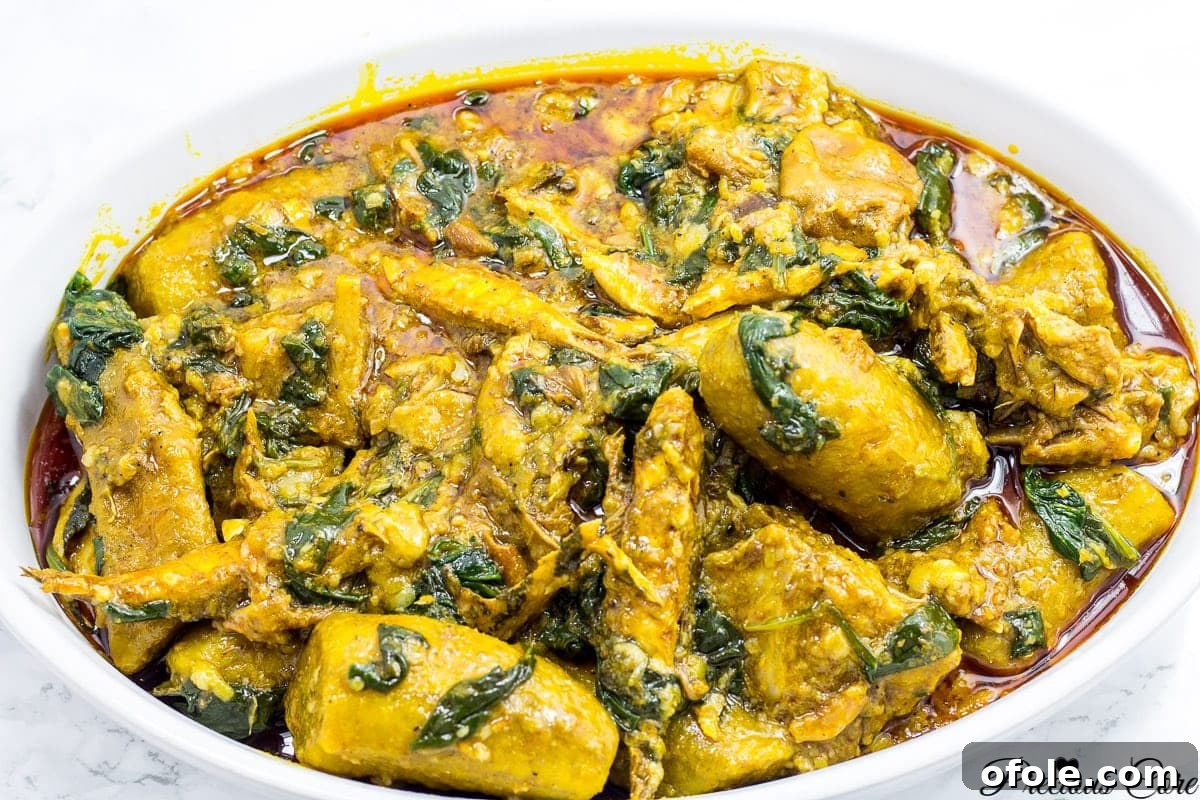
Cameroonian Plantain Porridge Recipe: Born House Planti (A One-Pot African Delight)
Welcome to the vibrant world of Cameroonian cuisine, where flavors tell stories and meals bring communities together. Today, we’re diving deep into one of Cameroon’s most cherished and flavorful dishes: Plantain Porridge. This isn’t just any meal; it’s a culinary icon, known by an array of affectionate nicknames that speak volumes about its popularity. From “Born House Planti” to “Porridge Planti” and even “Turning Planti,” each name reflects the profound connection Cameroonians have with this hearty and deeply satisfying dish. You might also hear of its close cousin, the “Sese Planti,” showcasing the versatility and beloved status of plantains in African cooking. For the uninitiated, “planti” is simply the beloved shorthand for plantain, a staple fruit that forms the base of countless delicious meals across the continent.
Just as “Spaghetti Bolognese” becomes “Spag Bol” or “Pounded Yam” transforms into “Poundi” in the language of affection, this plantain porridge has earned its endearing monikers. These nicknames are a testament to the meal’s immense cultural significance and its comforting, soul-satisfying taste. This isn’t merely food; it’s a celebration, a tradition, and a taste of home. Prepare to embark on a culinary journey that promises a burst of authentic African flavors, combined with the unparalleled ease of a one-pot wonder.
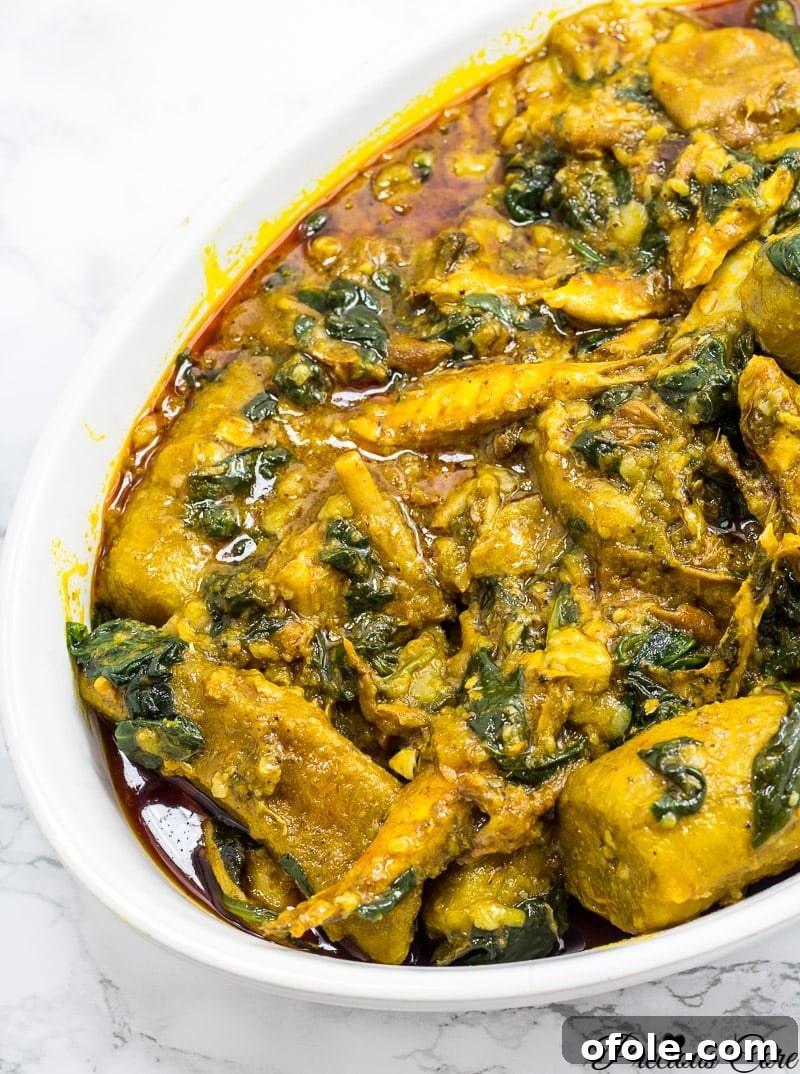
What Makes Cameroonian Plantain Porridge So Special?
At its core, Cameroonian Plantain Porridge is a vibrant, one-pot dish that beautifully marries the subtle sweetness of unripe plantains with the earthy richness of palm oil, an aromatic blend of spices, and wholesome leafy greens. While the term “porridge” might conjure images of breakfast oats or creamy rice in many parts of the world, in West Africa, it refers to a diverse category of savory, thick, one-pot meals, often featuring starchy staples like plantains, yams, or cocoyams. So, if you were pondering the “porridge” in its name, rest assured, you’re about to discover a savory, substantial dish that’s far from a breakfast cereal.
The magic of this particular plantain porridge lies in its robust flavor profile and its “dump-and-go” simplicity – a cooking style cherished by busy home cooks. This recipe, in particular, elevates the experience by infusing the porridge with the smoky depth of smoked fish, the tender bite of goat meat, and the distinctive umami of crayfish. These ingredients aren’t just additions; they are the soul of the dish, creating a symphony of flavors that is truly finger-licking good and utterly irresistible. The combination of textures and tastes, from the soft plantains to the succulent meat and the flavorful broth, makes every spoonful a delightful experience.
The Heart of the Flavor: Key Ingredients and Their Roles
Crafting the perfect Cameroonian Plantain Porridge relies on a few star ingredients, each playing a crucial role in developing its signature taste and texture. Understanding these components will help you appreciate the depth of this traditional meal:
- Unripe Plantains: The foundation of this dish. Unripe plantains are firm and starchy, allowing them to absorb the rich flavors of the broth without becoming overly sweet. They soften beautifully during cooking, creating a thick, comforting consistency that defines the “porridge” aspect of the dish. Selecting plantains that are firm and green is key.
- Palm Oil: This vibrant, reddish-orange oil is non-negotiable. Beyond its striking color, palm oil imparts a unique, earthy, and slightly sweet flavor that is fundamental to West African cuisine. It’s what gives the porridge its characteristic richness and aroma. The quality of your palm oil can significantly impact the final taste, so seek out good quality, unrefined red palm oil.
- Smoked Fish, Goat Meat & Crayfish: These proteins are the flavor powerhouses. Smoked fish introduces a deep, savory, and wonderfully smoky note that permeates the entire dish. Goat meat, with its rich and gamey flavor, adds a substantial, hearty element. The crayfish, a common ingredient in many African stews and porridges, provides an intense umami boost, tying all the flavors together harmoniously. You can customize the protein to your preference, but this combination is truly traditional and highly recommended.
- Leafy Greens (Bitterleaf or Spinach): Traditionally, bitterleaf is the green of choice. Its distinct slightly bitter taste perfectly balances the richness of the palm oil and plantains, adding complexity and a healthful touch. However, bitterleaf can be challenging to find outside of specific African markets. This is where fresh spinach comes in as an excellent and widely available substitute. While it lacks the characteristic bitterness, spinach still contributes essential nutrients, a pleasant texture, and a vibrant green color to the dish. Even if you have dried bitterleaf, fresh spinach often provides a more appealing texture and freshness.
- Spices and Seasonings: Beyond the core ingredients, a careful blend of garlic, ginger, habanero pepper (for a kick), “contri onions” (a type of aromatic onion often used in West African cooking, also known as rondelles), and bouillon powder or seasoning cubes like Maggi Crevette are essential for layering the flavors. These ingredients ensure a well-rounded, aromatic, and perfectly seasoned meal.
The “Born House Planti” Tradition: A Taste of Cameroonian Culture
The most endearing nickname for this dish, “Born House Planti,” carries with it a beautiful cultural tradition. In Cameroon, this nourishing and restorative meal is traditionally prepared for a woman who has just given birth. It symbolizes care, comfort, and celebration, providing essential sustenance for the new mother during her recovery period and for strengthening her as she embarks on the journey of motherhood. It’s a meal rich in nutrients, believed to aid in recovery and milk production, making it a thoughtful and practical expression of community support.
This tradition highlights the deep-seated cultural values surrounding family, community, and the importance of nourishing new life. The act of preparing and sharing “Born House Planti” is a gesture of love and solidarity, extending beyond mere food to become a significant part of the postpartum rituals in many Cameroonian households. It’s a reminder that food is not just sustenance, but a powerful vehicle for tradition, love, and cultural heritage.
If you’re intrigued by the full story behind this heartwarming tradition and curious about a more detailed, step-by-step cooking procedure with photos, I encourage you to explore the dedicated post here on the blog. It offers a fascinating glimpse into the cultural tapestry of Cameroon.
Why You’ll Love Making This One-Pot Wonder
Beyond its incredible flavor and rich cultural background, this Cameroonian Plantain Porridge is a dream for anyone seeking a delicious, yet low-effort meal. The beauty of this recipe lies in its “one-pot” nature, meaning minimal cleanup and maximum enjoyment. It’s the perfect solution for those busy weeknights when you crave a homemade, hearty meal but lack the time or energy for an elaborate culinary endeavor. Imagine coming home, quickly prepping a few ingredients, and letting a single pot do all the work, filling your kitchen with an enticing aroma.
Within a surprisingly short time, you’ll have a steaming pot of plantain porridge ready to delight your senses. This dish proves that truly flavorful and authentic meals don’t always require hours in the kitchen. Its straightforward preparation, combined with the harmonious blend of flavors, makes it an absolute must-try for both seasoned cooks and culinary adventurers alike. It’s a comforting, wholesome, and incredibly satisfying meal that will quickly earn a spot in your rotation.

Watch The Magic Unfold: Cameroonian Born House Planti Video Tutorial
Sometimes, seeing is believing – and cooking! To guide you through every step of creating the most amazing pot of plantain porridge, I’ve put together a comprehensive video tutorial on my YouTube channel. It’s a fantastic visual aid that demonstrates the entire process, ensuring your dish turns out perfectly every time. You’ll get to see firsthand how each ingredient is incorporated and how the rich flavors develop. Don’t miss out on this helpful resource to master this delightful recipe. Click here to visit my YouTube channel and make sure to subscribe so you don’t miss any of my exciting cooking videos!
Watch how to make Cameroonian Born House Planti:

Cameroonian Plantain Porridge Recipe (Born House Planti, Turning Planti)
Average rating: 5 from 2 votes
This is a one-pot Cameroonian dish made with plantains, palm oil, smoked fish and other ethnic flavors. Traditionally, it is made when a woman has a new baby. Literally finger-licking good!
10
45
55
4 people
Rate This Recipe
Print Recipe
Ingredients
- 4-5 unripe plantains, peeled and cut in halves
- 1/2-1 cup palm oil
- 1 pound smoked fish and meat of choice (about half kg). I used goat meat.
- 1/2 cup crayfish
- 1 Maggi Crevette (seasoning cube) or 2 teaspoons of bouillon powder
- 2 tablespoons blended garlic and ginger (optional)
- 1 habanero (hot) pepper (optional)
- 1 teaspoon contri onions (rondelles) (optional)
- Salt, to taste
- 3-4 handfuls green leafy vegetable – I used spinach (traditionally, bitterleaf is used)
Instructions
-
If you are using a tough cut of meat, such as goat meat, begin by placing it in a pot. Add enough water to just cover the meat, then bring it to a rolling boil. Allow the meat to boil for approximately five minutes to tenderize it slightly before adding the plantains. If, however, you opt for a softer cut of meat, like a tender beef, you can add it to the pot simultaneously with the plantains. This ensures everything cooks evenly to perfection.
-
Once the plantains (and softer meat, if applicable) are in the pot, proceed to add all the other ingredients, except for the leafy green vegetable. Stir everything together gently to combine. Allow this mixture to cook for about 30 minutes, or until the plantain pieces are thoroughly softened and tender. During this cooking period, remember to check on the pot regularly and add more water if needed to maintain a good liquid level and prevent sticking.
-
Finally, incorporate your chosen leafy greens into the pot. Stir them in and let the mixture simmer gently with the plantains for just 2 more minutes. This brief cooking time is enough to wilt the greens while preserving their fresh texture and vibrant color. Once the greens are cooked, turn off the heat immediately. Your delicious Cameroonian Plantain Porridge is now ready to be served warm and enjoyed!
Notes
1. There is no need to finely chop the leafy vegetables used in this recipe; larger pieces work well and add to the rustic charm of the dish.
Nutrition
Calories: 657 kcal | Carbohydrates: 61g | Protein: 33g | Fat: 34g | Saturated Fat: 15g | Polyunsaturated Fat: 4g | Monounsaturated Fat: 11g | Cholesterol: 161mg | Sodium: 379mg | Potassium: 1625mg | Fiber: 4g | Sugar: 32g | Vitamin A: 4296 IU | Vitamin C: 43mg | Calcium: 74mg | Iron: 3mg
Additional Info
Main Course
Cameroonian
657
Tried this recipe?
Mention @preciouscore or tag #PreciousCore!
Final Thoughts on Your Cameroonian Culinary Adventure
Cameroonian Plantain Porridge, or “Born House Planti,” is more than just a recipe; it’s an invitation to experience the rich culinary traditions and warm hospitality of Cameroon. This simple yet profound dish, with its comforting blend of plantains, palm oil, and hearty proteins, offers a taste of home and a connection to a vibrant culture. Whether you’re making it for its ease, its incredible flavor, or to honor its cultural significance, this one-pot meal is guaranteed to become a cherished addition to your recipe collection. It embodies the essence of African cooking: flavorful, wholesome, and made with love.
So, gather your ingredients, follow these straightforward steps, and prepare to be transported to the heart of Cameroon with every delicious bite. Enjoy the process, savor the aromas, and relish the satisfaction of creating an authentic African masterpiece right in your own kitchen. This is a meal that promises not only to fill your stomach but also to warm your soul.