
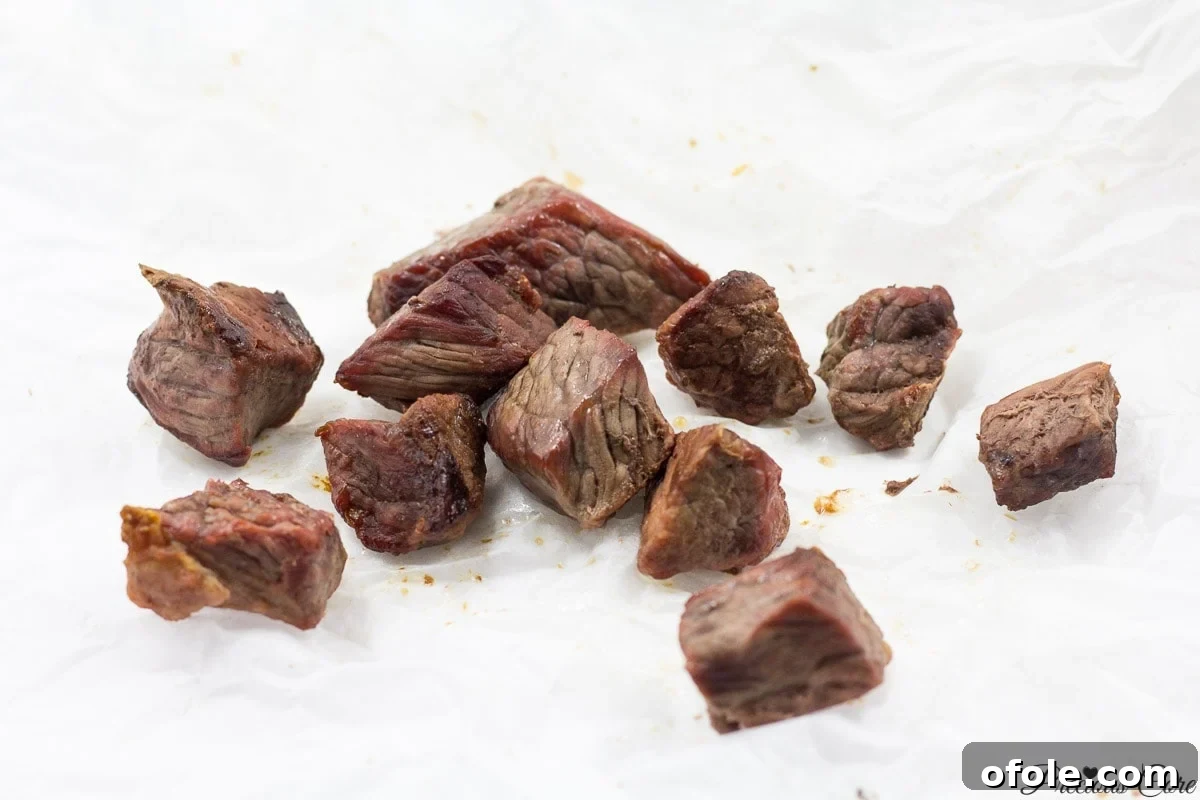
Mastering the Art of Oven-Smoked Meat: An African-Inspired Guide for Home Cooks
There’s an undeniable magic that smoked meat brings to a dish. It’s not just a food item; it’s a cornerstone of culinary tradition, especially across vibrant African cuisines. Imagine the rich, savory depth it adds to a hearty bowl of Eru, the earthy texture in Ogbono Soup, the delightful complexity it lends to Okra Soup, or the foundational flavor in Ekwang! Much like smoked fish, smoked meat transforms ordinary meals into extraordinary culinary experiences, imbuing them with character and an irresistible aroma. This is precisely why I wholeheartedly advocate for smoking your meat before it even touches the cooking pot. It’s a simple step that promises to elevate the flavor of both the meat and your final dish tenfold, making every meal a celebration of taste and tradition.
The Unmistakable Allure of Smoked Meat in African Cuisine
The tradition of smoking meat dates back centuries, rooted deeply in both preservation and flavor enhancement. While modern refrigeration has certainly diminished the necessity for preservation, the desire for that distinctive smoky taste remains as strong as ever, particularly within the rich tapestry of African cooking. Smoked meat, in this culinary context, isn’t merely an ingredient; it’s a powerful flavor enhancer that provides a deep, umami-rich foundation for an array of stews, soups, and main courses. It contributes a robustness and a unique depth that plain boiled or pan-fried meat simply cannot replicate, making every bite a journey through layers of complex flavor. When you smoke meat, you’re not just cooking; you’re infusing it with a narrative, a depth that tells a story of rich culinary heritage and ancestral cooking techniques.
This technique is a testament to the ingenuity of African home cooks who understand how to extract the maximum flavor from their ingredients. The process of smoking, even when adapted for a modern kitchen, adds an earthy, slightly charred note that complements the vibrant spices and fresh produce common in African dishes. It’s this profound flavor contribution that makes pre-smoking meat an essential step for countless traditional recipes, turning everyday ingredients into something truly special.
Oven Smoking vs. Traditional Grilling: Embracing Convenience Without Compromise
Let’s be unequivocally clear: nothing quite compares to the unparalleled, authentic smoky flavor imparted by an outdoor charcoal grill. The deep char, the intense smokiness, and the almost primal connection to an open fire are indeed a culinary gold standard. The aroma of burning charcoal and searing meat is an experience in itself, and I, like many enthusiasts, eagerly await the warmer months to fire up my grill and smoke everything imaginable – from succulent ribs to whole fish.
However, the realities of modern life – be it unpredictable weather, the lack of suitable outdoor space, or simply the desire for a quicker, less labor-intensive method – often mean outdoor grilling isn’t always a practical option. This is where the magic of oven smoking steps in as a brilliant and highly effective alternative. While it may not replicate the exact depth of wood-fired smoke, oven smoking offers a fantastic, accessible solution that delivers incredibly flavorful results. It’s a game-changer for bringing that sought-after “smoky” essence into your kitchen year-round, regardless of the season or your living situation.
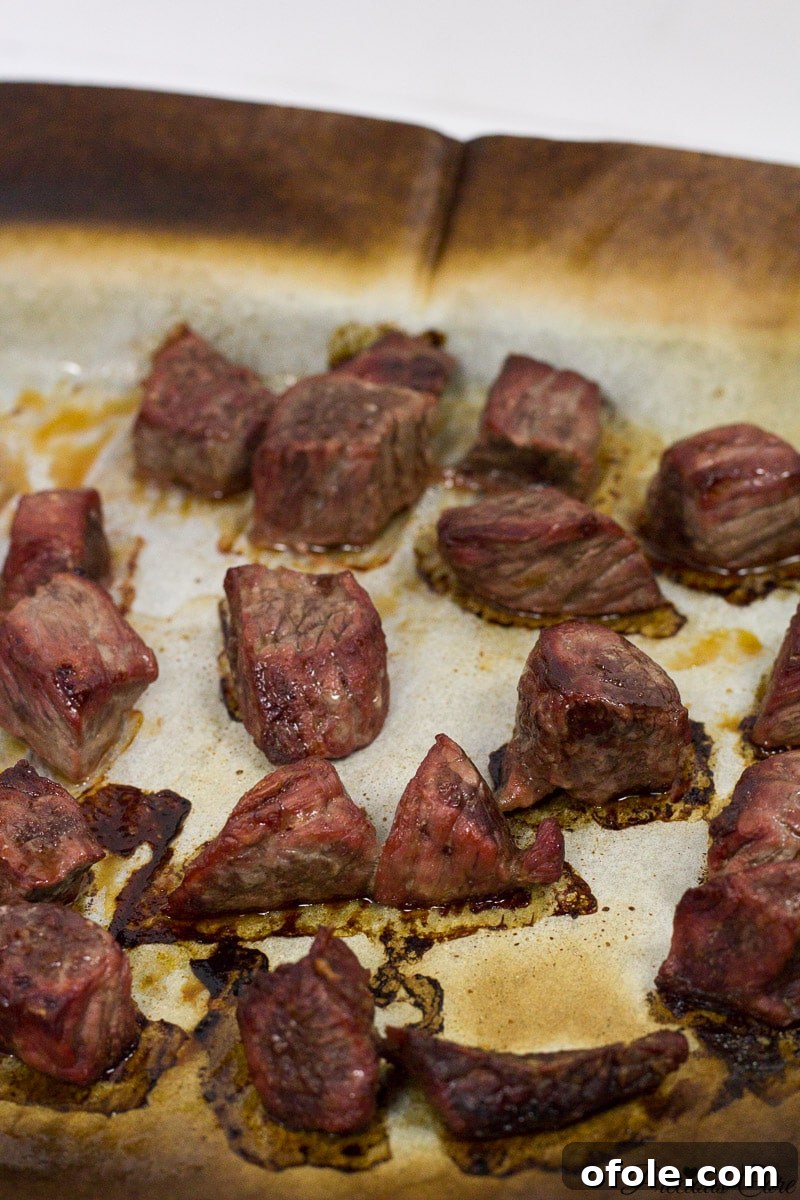
This indoor method is far superior to simply boiling meat, which can sometimes result in a bland, uninspired taste. Broiling beef in the oven expertly elevates its natural meaty flavor to new heights, creating a rich, caramelized exterior that is brimming with umami. For many traditional African dishes, this pre-smoking step is not just an enhancement; it’s a non-negotiable component that defines the authentic taste profile. Only for very simple preparations, such as a basic stew where the meat is merely a vehicle for sauce, might I consider skipping this crucial step. But for truly authentic and richly flavored traditional meals, oven-smoked meat is absolutely essential. Allow me to guide you through the simple yet profoundly impactful process of smoking meat at home, the African way, transforming your everyday cooking into something truly extraordinary.
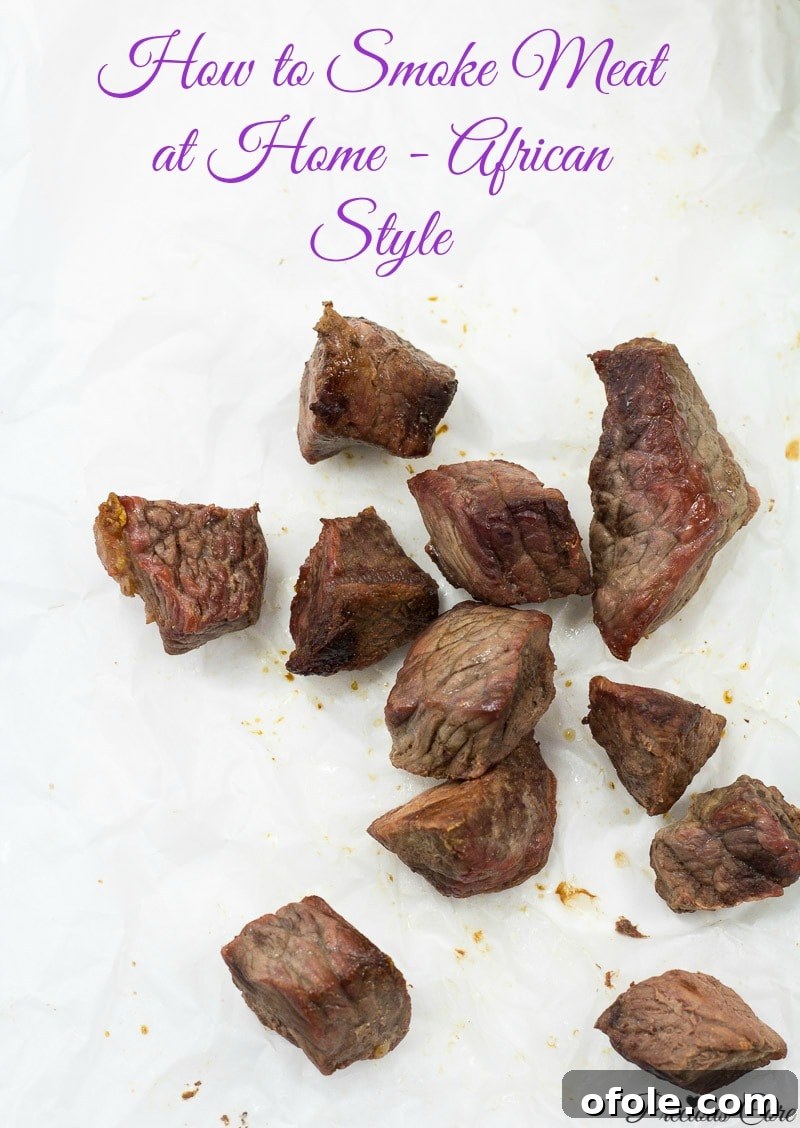
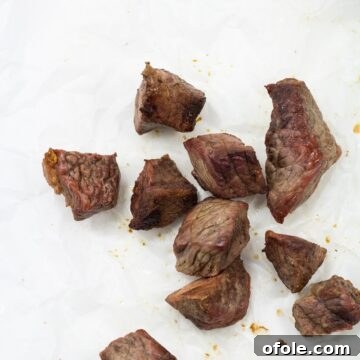
How to Smoke Meat at Home – African Style: Oven Broiling for Deep Flavor
Discover the authentic African method of infusing meat with rich, smoky flavor right in your own kitchen oven. This technique takes ordinary beef and transforms it into a culinary delight, perfect for enhancing traditional stews, soups, and other savory dishes. Achieve a beautiful color and a depth of taste that will make your meals unforgettable.
Rate
Print Recipe
Ingredients
- 1/2 pound beef (about 1/4 kg), preferably a boneless, tender cut like sirloin or “beef for stew,” cut into uniform slices or cubes (about 1-inch thick)
- 1/4 teaspoon salt, or to taste
- Optional seasonings: 1/4 teaspoon black pepper, 1/2 teaspoon garlic powder, 1/2 teaspoon onion powder, 1/4 teaspoon paprika (for added depth and color)
Instructions
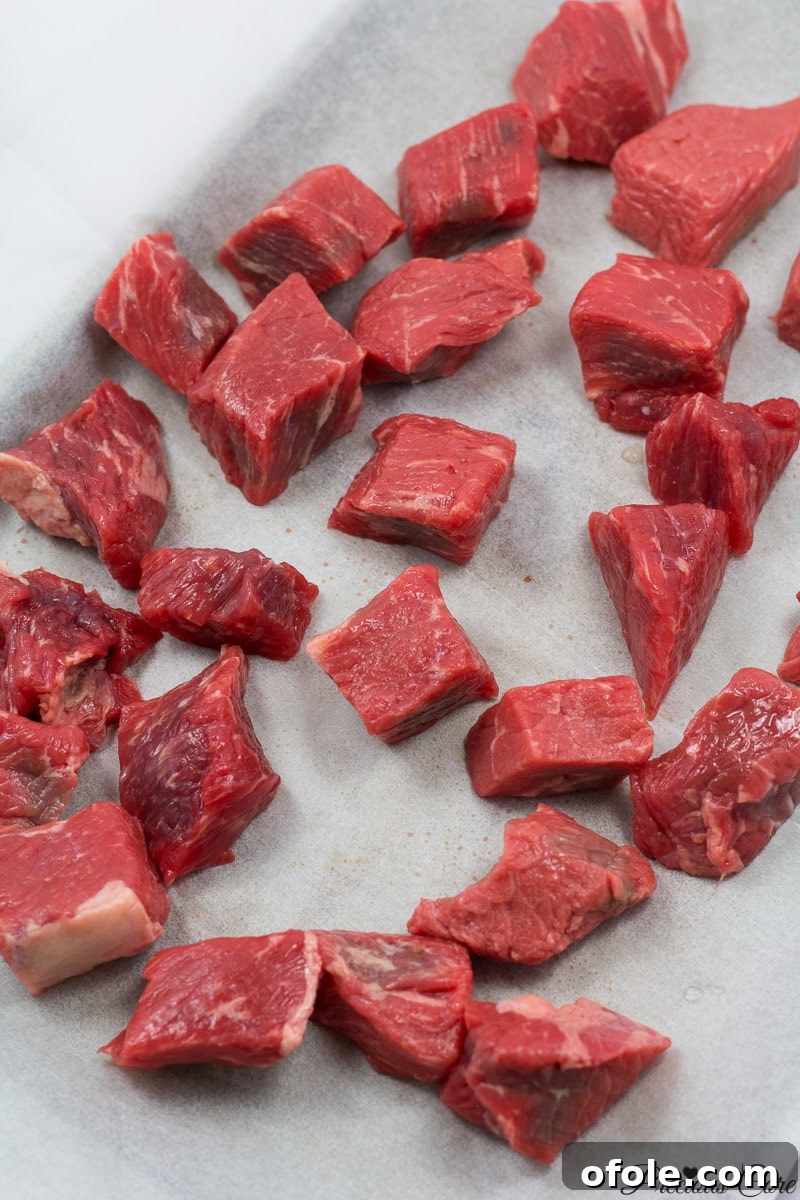
- Prepare the Beef: Begin by washing your beef slices or cubes thoroughly under cold running water. Pat them completely dry with paper towels. This step is crucial for achieving a good sear and preventing the meat from steaming in the oven. Cut the beef into uniform slices, approximately 1-inch thick, or into bite-sized cubes. Uniformity ensures even cooking and browning.
- Season the Meat: Arrange the beef in a single layer on a prepared baking tray. For easy cleanup and to prevent sticking, line your baking tray with aluminum foil or parchment paper. Sprinkle the salt evenly over the meat. If using, now is the time to add optional seasonings like black pepper, garlic powder, onion powder, and paprika. Gently toss the meat to ensure all pieces are well-coated.
- Broil for Flavor: Place the seasoned beef into a preheated oven set to broil (or the highest temperature setting, typically around 450-500°F or 230-260°C if your oven doesn’t have a specific broil setting). Position the baking tray on a rack closer to the top heating element, typically 4-6 inches away. Broil for approximately 15-20 minutes, flipping the meat halfway through to ensure even browning on all sides. The goal is to develop a deep, rich color and a slightly charred exterior, mimicking the “smoked” appearance and intensifying the meaty flavor. Keep a close eye on the meat, as broiler temperatures can vary, and you want to prevent burning.
- Achieving Desired “Smoky” Color: If you prefer a darker, more intensely “smoked” appearance, you may broil the meat for an additional 3-5 minutes. However, exercise caution not to overcook it, as this can lead to dry, tough meat that will be less enjoyable when incorporated into your final meal. The ideal result is tender meat with a beautifully browned and slightly crispy exterior.
- Immediate Use or Storage: Once your meat is perfectly “smoked,” you have two options. You can immediately incorporate it into your cooking. Add it to other meats or fish in your soup or stew and simmer for a few minutes to allow the flavors to meld. Alternatively, let the smoked beef cool completely to room temperature. Then, transfer it to a resealable ziplock bag or an airtight container and store it in your refrigerator for up to 3-4 days, or freeze it for up to 3 months. This makes meal prep incredibly convenient, as you’ll always have flavorful, ready-to-use smoked meat on hand.
Expert Tips & Notes for Perfect Oven-Smoked Meat
Choosing the Right Cut: For this African-style oven smoking method, I often use beef labeled “beef for stew” due to its excellent marbling and tenderness when cooked. However, cuts like sirloin, chuck, or even flank steak also work beautifully. The key is to select boneless parts that can be easily sliced or cubed. Avoid very lean cuts, as they tend to dry out quickly under the broiler. Fatty cuts will render some fat, adding to the flavor and juiciness.
Seasoning Variations: While simple salt yields fantastic results, don’t hesitate to experiment with your favorite African spices or a good quality dry rub. A blend of cayenne pepper for a subtle kick, ground ginger, garlic powder, onion powder, and even a touch of Maggi or Knorr cubes (crushed and mixed with the salt) can significantly elevate the flavor profile. For an even deeper infusion, consider marinating the meat for at least 30 minutes, or even overnight, before broiling.
The “Smoky” Illusion: It’s important to understand that oven broiling doesn’t produce actual smoke in the way a charcoal grill does. The “smoked” flavor in this context comes from the intense browning and slight charring of the meat’s surface, which develops complex, umami-rich flavors similar to those found in traditionally smoked meats. The high heat caramelizes the meat’s surface, creating that desired depth and dark color that visually and gastronomically mimics traditional smoking.
Monitoring Your Oven: Broilers can be very powerful and can burn food quickly. Always preheat your oven to the broil setting for at least 5-10 minutes before placing the meat inside. Position the oven rack correctly to ensure even cooking without burning. Stay near your oven and check the meat frequently, especially if it’s your first time using this method or a new oven. If the meat is browning too quickly on top, you can move the tray to a lower rack or slightly reduce the temperature if your broiler allows for adjustment.
Post-Smoking Treatment: After broiling, you can lightly simmer the smoked beef in a small amount of water or broth for 5-10 minutes to further tenderize it and infuse it with moisture, especially if it feels a bit firm. This step is particularly useful if you plan to use it in stews or soups where tenderness is paramount. This rehydration helps the meat soften and absorb the liquids, making it incredibly tender and flavorful for your final dish.
Storage Best Practices: Properly stored, oven-smoked meat is a convenient addition to your weekly meal prep. Ensure it’s fully cooled to room temperature before packaging to prevent condensation, which can lead to bacterial growth. Transfer the cooled meat to airtight containers or resealable freezer bags. Label your bags or containers with the date to keep track of freshness. When ready to use from the freezer, thaw overnight in the refrigerator before adding to your dishes to maintain quality and safety.
Nutrition Information (per serving)
Protein: 11g |
Fat: 7g |
Saturated Fat: 3g |
Polyunsaturated Fat: 1g |
Monounsaturated Fat: 3g |
Trans Fat: 0.4g |
Cholesterol: 39mg |
Sodium: 191mg |
Potassium: 188mg |
Vitamin A: 7IU |
Calcium: 10mg |
Iron: 1mg
Additional Recipe Information
Have you tried this flavor-enhancing technique for your home cooking? We’d love to hear about your experience and see your delicious creations! Share your culinary journey by mentioning @preciouscore or tagging #PreciousCore on Instagram. Your delicious results inspire our community and help spread the joy of African-inspired cooking!