
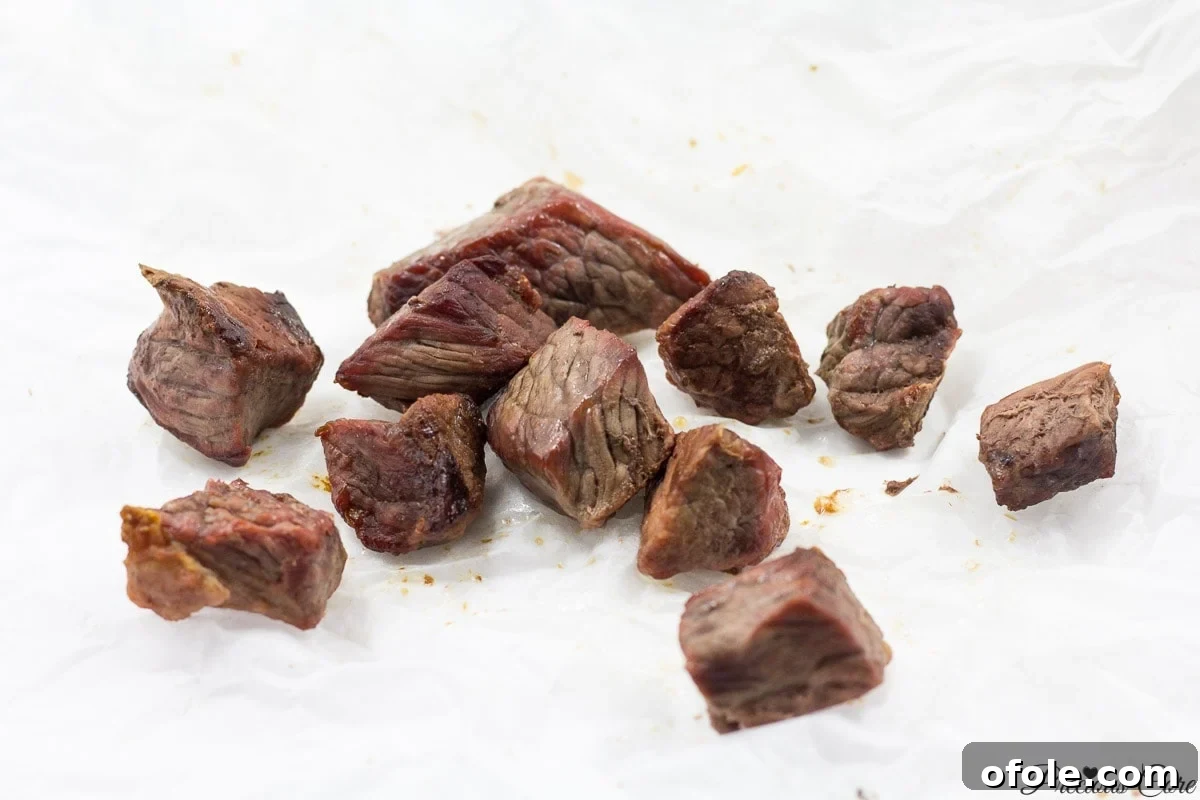
There’s a special joy that comes from preparing food with your own hands, and for me, that joy often culminates in the rich, earthy aroma of smoked meat. It’s more than just a cooking method; it’s a transformative process that imbues meat with an incredible depth of flavor and character, making it an indispensable component for a wide array of ethnic dishes. Imagine the succulent pieces of smoked beef elevating the robust flavors of Eru, or adding a savory backbone to the slippery texture of Ogbono Soup. Think of it simmering in a hearty Okra Soup, or even bringing a unique dimension to the beloved Ekwang. Just like smoked fish, smoked meat doesn’t just add taste; it tells a story, enriching every bite with cultural heritage and culinary prowess.
I wholeheartedly advocate for smoking your meat before it even touches the main cooking pot. This simple step can dramatically enhance both the meat’s intrinsic flavor and the overall taste profile of your entire meal. The difference is truly remarkable, taking your dishes from good to absolutely unforgettable. While the purest, most intense smoky flavor often comes from outdoor grilling over charcoal – a ritual I eagerly await with the arrival of summer – the good news is that you don’t need a sprawling backyard or perfect weather to achieve fantastic results. You can easily bring the magic of smoked meat right into your kitchen, using your everyday oven.
The Undeniable Appeal of Smoked Meat in African Cuisine
Smoked meat holds a revered place in many African culinary traditions. It’s not merely a preference; it’s often a staple, deeply integrated into the preparation of stews, soups, and various traditional main courses. This practice dates back centuries, rooted in methods of preservation long before refrigeration, evolving into a cherished technique for its unique flavor contribution. The process of smoking imparts a distinct, complex taste that boiled or fried meat simply cannot replicate. It adds a layer of umami, a subtle sweetness, and a delightful chewiness that transforms the entire dish. Without this smoky essence, many traditional African meals would feel incomplete, lacking that authentic, soul-satisfying character.
Beyond flavor, smoking meat often results in a more tender and juicy texture, especially when done correctly. The slow cooking process breaks down tough muscle fibers, making the meat incredibly succulent. This makes it perfect for long-simmering stews and soups where the smoked flavor can gradually infuse into the broth, creating a rich and aromatic foundation. Whether it’s beef, goat, or even poultry, smoking elevates the meat, making it a star ingredient that demands attention.
Oven Smoking: Your Convenient Kitchen Solution
While I cherish the experience of firing up the outdoor grill and basking in the smoky aroma of charcoal on a beautiful summer day, the reality for many is that outdoor smoking isn’t always practical or possible. Inclement weather, limited outdoor space, or simply the desire for a quicker, less labor-intensive method can make traditional grilling a challenge. This is where oven smoking becomes an absolute game-changer. It offers a convenient, accessible way to infuse your meat with a wonderful smoky flavor without the need for specialized equipment or an open flame.
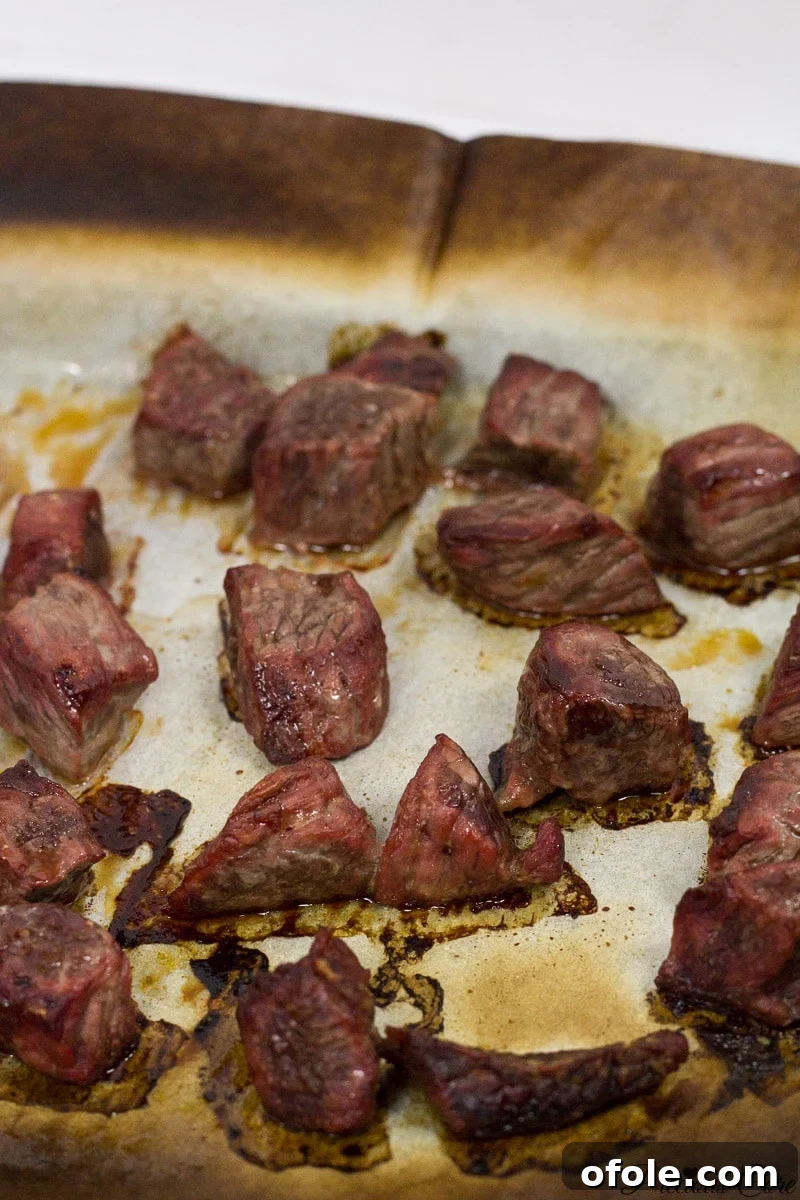
It’s true that the deep, pervasive smoke flavor achieved with charcoal or wood chips on an outdoor grill is hard to replicate precisely in an oven. The oven method leans more towards a “broiled-smoked” effect, where the meat develops a beautiful char and a concentrated, savory essence that mimics many aspects of traditional smoking. However, the results are undeniably superior to plain boiled meat. Broiling beef in the oven intensifies its natural meatiness, giving it a depth that enhances any meal. For many of my traditional recipes, an oven-smoked protein is a non-negotiable ingredient, providing a much-needed flavor boost that plain meat simply cannot deliver. So, let’s dive into how you can achieve this deliciousness right in your own kitchen.
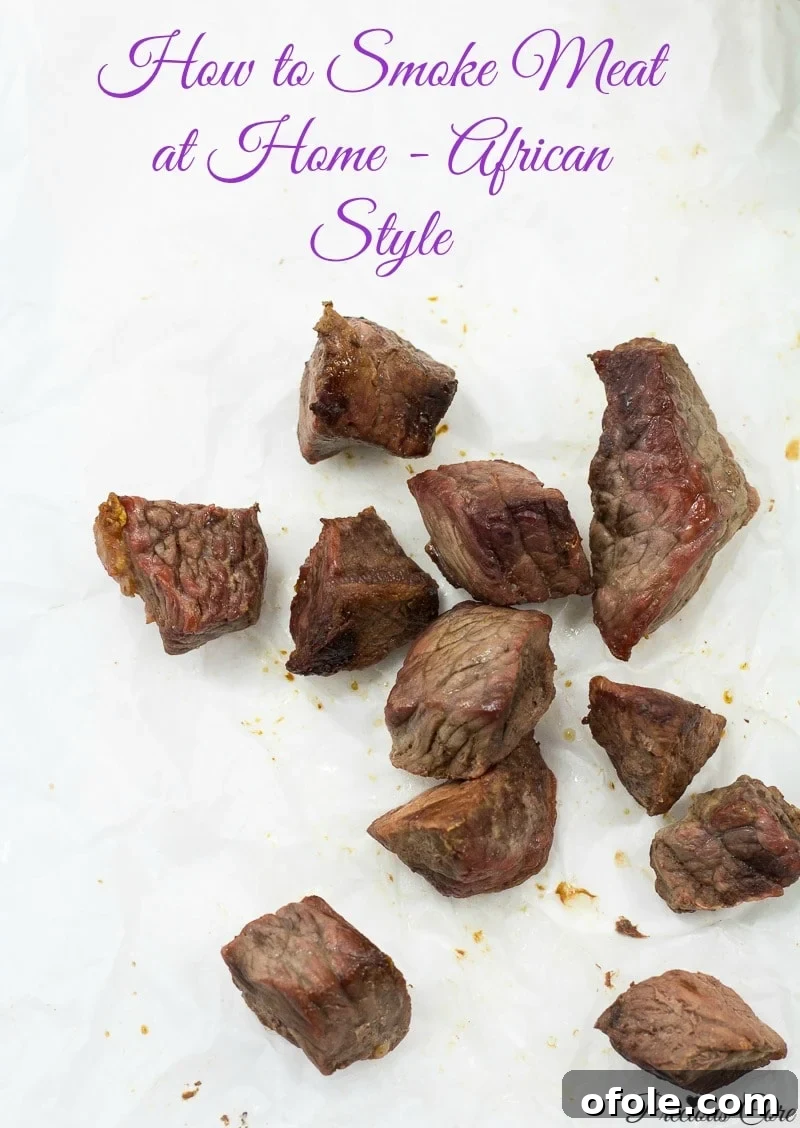
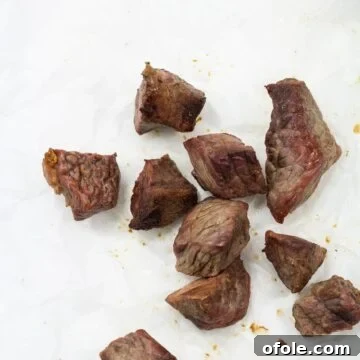
How to Smoke Meat at Home – African Style
Rate
Ingredients
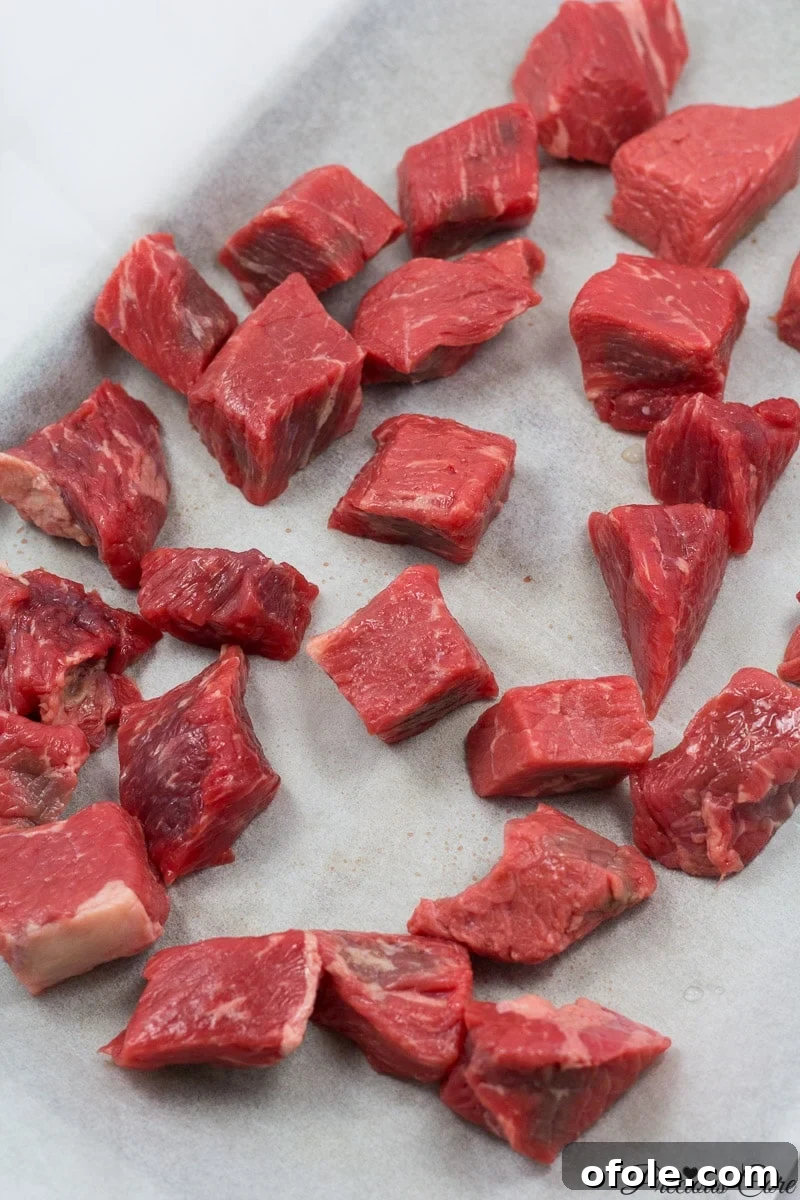
- 1/2 pound beef (about 1/4 kg) – cut into slices
- 1/4 teaspoon salt
- Optional: 1/4 teaspoon garlic powder
- Optional: 1/4 teaspoon onion powder
- Optional: Pinch of cayenne pepper for a subtle kick
Instructions
-
Preheat your oven to a high broil setting (usually around 450-500°F or 230-260°C). Prepare a baking tray by lining it with aluminum foil or parchment paper for easy cleanup. This also helps in achieving a more even cook.
-
Cut your beef into uniform slices or cubes, ensuring they are not too thick for quick and even cooking. Arrange the seasoned meat on the prepared baking tray in a single layer. Overcrowding the tray will steam the meat instead of broiling it, preventing the desired smoky char. Sprinkle evenly with salt and any optional seasonings like garlic powder, onion powder, or a hint of cayenne pepper for added depth.
-
Carefully place the baking tray in the preheated oven. Broil for approximately 15-20 minutes. Keep a close eye on the meat during this time, as broiler temperatures can vary. You want the meat to develop a rich, dark color and slightly charred edges, which is where much of the ‘smoked’ flavor and texture will come from.
-
Once the meat is beautifully “smoked” with a deep color, remove it from the oven. At this point, it’s ready to be incorporated into your stews, soups, or other traditional meals. You can add it directly to other meats or fish you are cooking and simmer for a few minutes to blend the flavors. Alternatively, allow the smoked meat to cool completely, then store it in a freezer-safe ziplock bag or airtight container in your fridge for up to 3-4 days, or in the freezer for up to 3 months. This allows you to have flavorful smoked meat on hand whenever culinary inspiration strikes.
Notes
If you prefer a darker, more intensely ‘smoked’ appearance, you can leave the meat in the oven for an additional 3-5 minutes. However, exercise caution to prevent over-drying. Overcooked meat can become tough and chewy, which detracts from the texture of your final meal. The goal is a rich color and concentrated flavor, not a leathery consistency.
Nutrition
Additional Info
Choosing the Right Cut for Oven Smoking
While the recipe specifically mentions “beef for stew” or sirloin, the beauty of oven smoking is its versatility. You can apply this method to various cuts of beef, as well as other proteins like chicken, goat, or even thicker fish fillets. The key is to choose cuts that will benefit from a relatively quick, high-heat broil without drying out too quickly. Boneless cuts are often easier to manage and slice uniformly, ensuring even cooking. For beef, cuts like chuck roast (sliced thin), round steak, or even beef ribs can be transformed. If you’re trying chicken, opt for boneless, skinless thighs or breasts, cut into similar-sized pieces to the beef. Goat meat, especially leaner cuts, also takes wonderfully to this process, adding a rustic depth to your dishes.
Regardless of the meat you choose, consistency in size is paramount. Uneven pieces will cook at different rates, leading to some being dry and tough while others are still undercooked. Taking a few extra minutes to slice your meat uniformly will make a significant difference in the final product.
Enhancing the Smoky Flavor: Tips and Tricks
While an oven cannot perfectly replicate the rich smoke ring and deep flavor from an actual smoker, there are ways to maximize the “smoky” effect in your kitchen:
- Smoked Paprika: A generous sprinkle of smoked paprika can add a beautiful color and a pronounced smoky flavor to your meat. It’s a chef’s secret weapon for dishes that need that “grilled” taste without the grill.
- Liquid Smoke (Use Sparingly): For those who crave an even more intense smoke flavor, a tiny dash of liquid smoke mixed with your seasonings can work wonders. However, use it with extreme caution, as too much can result in an artificial or overpowering taste. A few drops are usually sufficient for half a pound of meat.
- Garlic and Onion Powder: These seasonings not only add flavor but also contribute to the browning and charring process, enhancing the overall “smoked” aesthetic and taste.
- Marinating: While the recipe uses a simple salt seasoning, marinating your meat in a blend of spices, a touch of oil, and perhaps a splash of soy sauce or Worcestershire sauce can infuse deeper flavors before the smoking process. This also helps keep the meat moist under the broiler.
Integrating Oven-Smoked Meat into Your Meals
The true magic of this oven-smoking technique lies in how it elevates your traditional African meals. The smoked beef isn’t just an ingredient; it’s a flavor bomb. Here are a few ways to seamlessly incorporate it:
- Stews and Soups: After smoking, add the meat to the pot along with other proteins (fresh meat, fish, or seafood) and vegetables. Allow it to simmer with the stew, letting its smoky essence meld with the other ingredients. This is particularly transformative for dishes like Peanut Soup, Egusi Soup, or your favorite vegetable stews.
- Rice Dishes: Stir chunks of smoked meat into Jollof Rice or Fried Rice during the cooking process. The smoky bits will add unexpected bursts of flavor, making these classic dishes even more compelling.
- Snacks and Appetizers: Cool the smoked beef, slice it thinly, and serve it as a standalone snack, perhaps with a spicy dipping sauce. It’s a delicious and protein-packed treat.
- Salads: Chop the smoked meat into smaller pieces and add it to your green salads for a hearty, flavorful topping. The contrast between fresh greens and savory smoked meat is delightful.
Storage and Meal Prep Benefits
One of the practical advantages of preparing smoked meat in advance is its excellent storage capability. Once cooked and cooled, it can be stored in the refrigerator for several days or frozen for up to three months without losing its flavor or texture. This makes it an ideal component for meal prepping. On busy weeknights, having a stash of pre-smoked meat means you can quickly assemble a flavorful meal, cutting down on cooking time significantly. Simply thaw, add to your dish, and enjoy the rich, complex flavors as if it were freshly prepared.
Troubleshooting Common Oven Smoking Issues
Even with a simple method, sometimes things don’t go exactly as planned. Here are some common issues and how to address them:
- Meat is Too Dry: This is usually a result of overcooking. Keep a close eye on the meat, especially during the last few minutes under the broiler. If you notice it drying out, remove it immediately. Ensure your meat pieces aren’t too thin, as thinner cuts dry out faster.
- Not Enough Smoky Flavor/Color: If your meat isn’t developing the desired char or depth of flavor, it might be due to a few factors. First, ensure your oven is truly preheated to a high broil setting. Second, make sure the meat is arranged in a single layer without overcrowding the tray, allowing for proper browning. Lastly, consider using smoked paprika or a tiny bit of liquid smoke in your seasoning blend.
- Uneven Cooking: This often happens if the meat pieces are not uniformly cut. Take the time to slice or cube your beef into similar sizes. You can also rotate your baking tray halfway through cooking to ensure all pieces get even exposure to the broiler’s heat.
Embrace the Flavor: Your Kitchen, Your Smoker
Smoking meat at home, especially using the convenient oven method, is a rewarding culinary endeavor that brings unparalleled flavor and character to your meals. It’s an accessible way to experience the rich, authentic tastes of African cuisine, transforming everyday ingredients into extraordinary dishes. Whether you’re a seasoned chef or a home cook looking to explore new techniques, this method offers a simple yet impactful way to elevate your cooking. So, go ahead, give it a try. Infuse your kitchen with the irresistible aroma of smoked meat, and prepare to delight your taste buds and impress your family and friends with deeply flavorful, authentically prepared dishes. Happy smoking!