
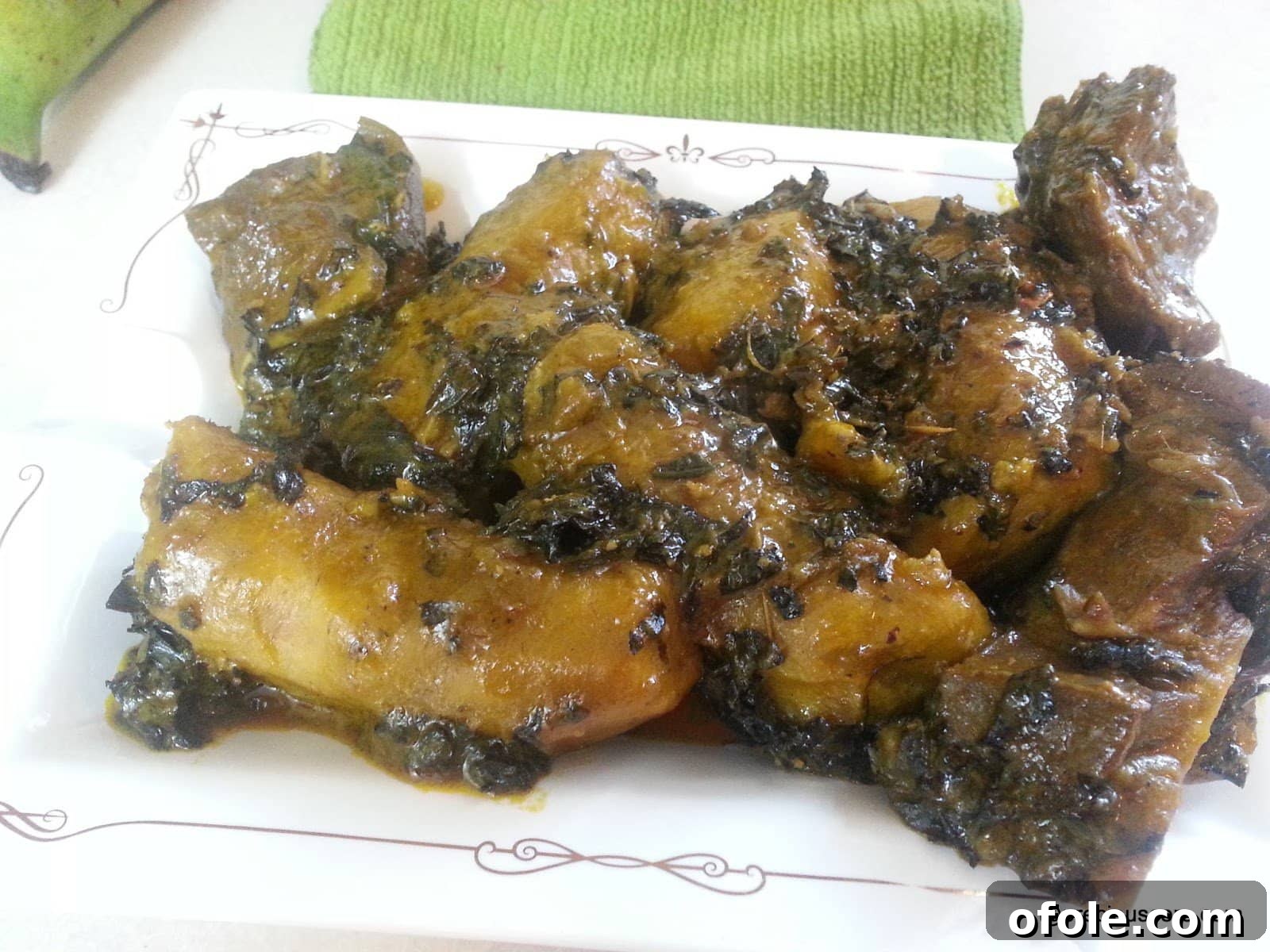
Reclaiming Heritage: The Enduring Charm of Born House Planti and Cameroonian Traditions
In an increasingly globalized world, the subtle yet profound erosion of indigenous cultural practices is a topic that resonates deeply. Not long ago, I encountered a particularly insightful article on the thoughtful blog, Joy2Endure, penned by a dear sister and friend. This piece masterfully dissected a tradition steadily vanishing amidst Cameroon’s journey towards modernization: the “Born House” celebration.
The term “Born House” is a charming colloquialism in Cameroon, referring to a traditional ceremony historically organized to warmly welcome a new mother and her newborn into the community. These gatherings were not merely social events; they were vital platforms for intergenerational wisdom, communal support, and the celebration of new life. Typically, these joyful occasions were attended predominantly by elder women, each seasoned with the invaluable experience of childbirth. Their presence brought a rich tapestry of knowledge, comfort, and traditional songs, creating an atmosphere of profound communal solidarity.
The Heart of the Born House Tradition: Songs, Gifts, and Community
Imagine a room filled with the melodious voices of seasoned matriarchs, their voices harmonizing in spirited songs that transcend mere entertainment, becoming carriers of history, blessings, and advice. One such memorable chant, often heard echoing through the Born House, is:
Planti eh, planti eh
Planti for pikin
E sabi sweet
This simple yet profound chant, roughly translating to “Plantains, oh plantains, plantains for the child, it tastes sweet,” hints at the deep connection between food, sustenance, and the well-being of the newborn, particularly referencing the beloved plantain dish that forms an integral part of the celebration. Beyond the songs, the new mother was showered with an abundance of practical gifts, most notably bars of soap, affectionately known as “savon.” These gifts symbolized a collective effort to ease her burden, ensuring she had ample supplies for washing the baby’s clothes and maintaining hygiene, a crucial aspect of newborn care. The newborn, too, was an object of communal affection, gently passed around among the women, each touch a silent blessing, a reaffirmation of the child’s place within the extended family and community. It was, without a doubt, a truly delightful and deeply meaningful event.
The Fading Echoes: Born House vs. Modern Baby Showers
Regrettably, this beautiful tradition is gradually receding into the annals of memory. A growing number of Cameroonians are now gravitating towards Western-inspired baby showers, characterized by elaborate decorations, themed gifts, and often, a more individualized focus. Furthermore, grand first-anniversary parties for infants have begun to overshadow the humble, yet potent, charm of the Born House. While these modern celebrations have their own appeal, they often lack the profound cultural depth and intergenerational wisdom-sharing that defined the Born House ceremony. The shift represents not just a change in celebratory style, but a potential loss of crucial communal bonds and traditional knowledge that are irreplaceable. Yet, amid this cultural evolution, one element stubbornly refuses to fade: the enduring love and craving for “Born House Planti”!
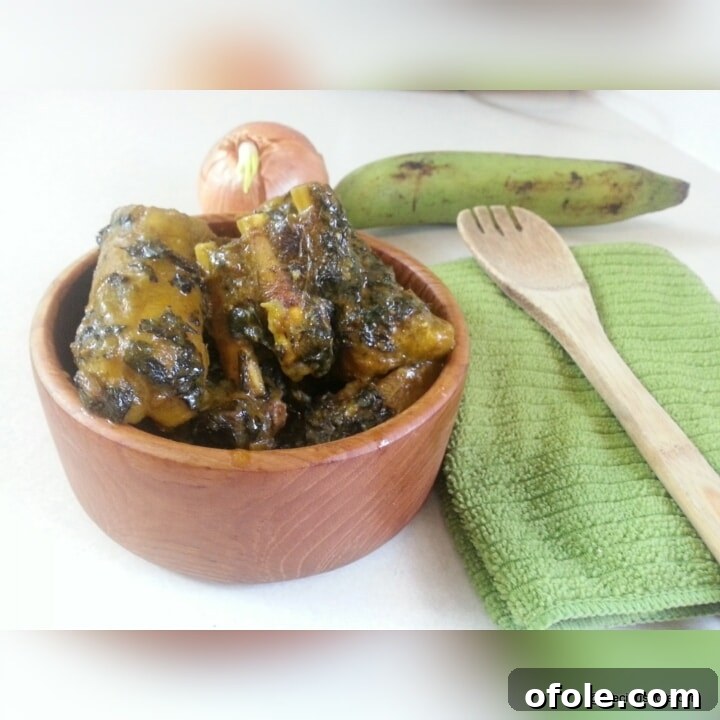
Born House Planti: A Dish Steeped in Symbolism and Flavor
Born House Planti is more than just a meal; it is a culinary embodiment of the Born House celebrations, from which it derives its name. The “Planti” in its title, of course, refers to the ubiquitous and versatile plantain, the star ingredient of this iconic Cameroonian dish. At its core, Born House Planti consists of unripe plantains meticulously cooked in rich, vibrant palm oil, infused with a medley of aromatic ethnic flavors that dance on the palate. Its preparation is simple yet yields a deeply satisfying and comforting result, a testament to the power of traditional African cooking.
The symbolic significance of plantains in this dish is particularly compelling. According to popular belief, the newborn baby’s umbilical cord is traditionally buried beneath a plantain tree. As the tree grows and bears fruit, these plantains are then harvested and transformed into the very meal that well-wishers partake in, an act believed to bestow blessings upon the baby. While the veracity of this specific origin story may be a subject of playful debate, its cultural resonance is undeniable. What remains indisputable, however, is the undeniable deliciousness of these plantains when prepared in the Born House style. They offer a unique blend of savory richness, earthy depth, and a comforting texture that makes them truly unforgettable. This dish serves as a delicious anchor, connecting modern generations to ancient customs and the very essence of Cameroonian culinary heritage.
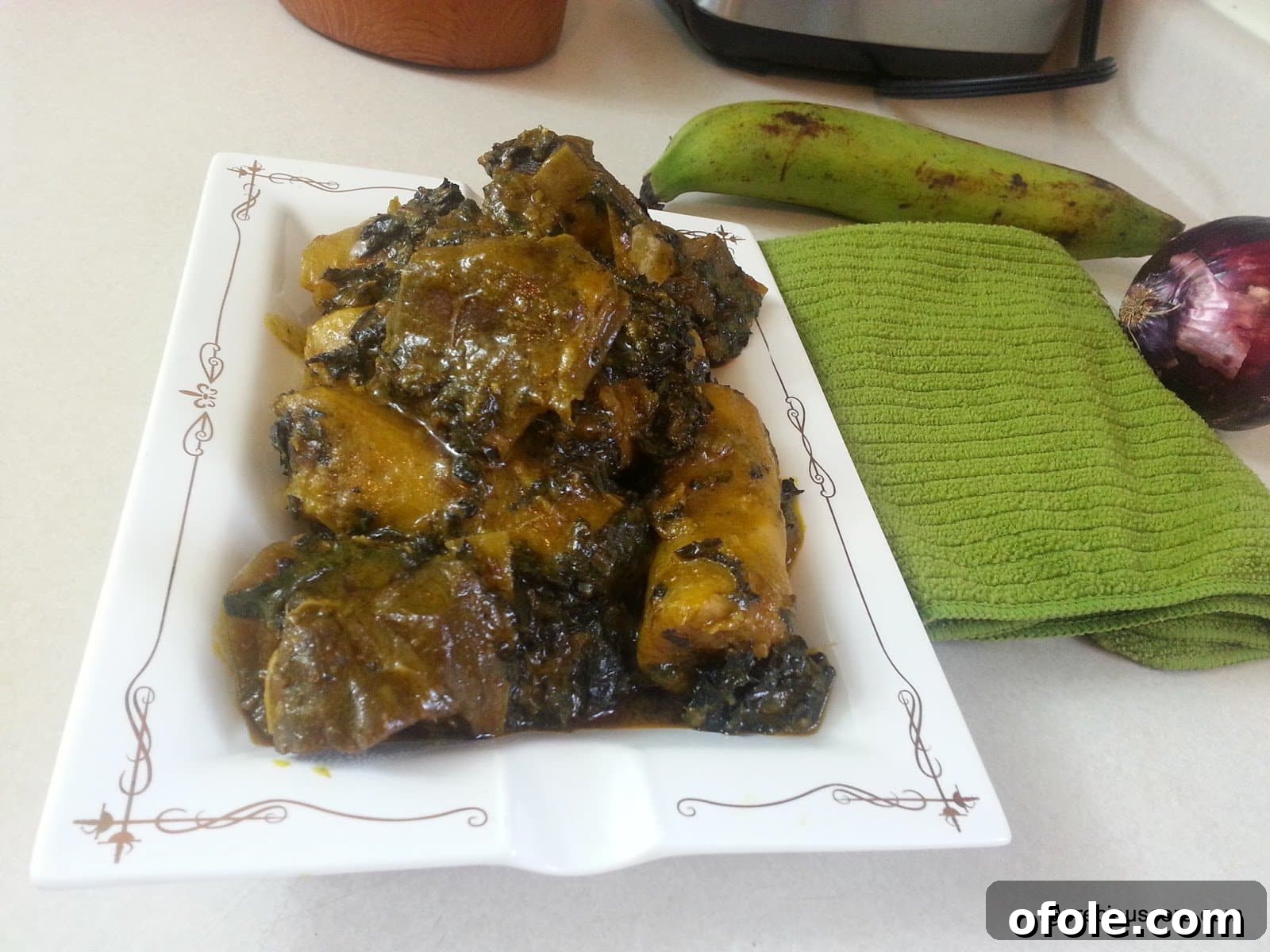
Embracing the Culinary Call: My Journey to Born House Planti
After immersing myself in that captivating article, a culinary craving took root in my mind. Soon, I began to hear irresistible whispers: “Cook Born House Planti! Cook Born House Planti!! Cook!!!” As a devoted foodie in active service to my palate, I consider such gastronomic impulses to be sacred commands, not to be ignored. Thus, I readily obliged, embarking on a delightful journey to recreate this beloved dish in my own kitchen. The experience was not just about cooking; it was about connecting with a tradition, savoring a piece of cultural heritage, and bringing those ancestral voices to life through flavor. And now, I invite you to join me.
Authentic Born House Planti: A Taste of Cameroon
This recipe aims to bring the authentic flavors of Cameroonian Born House Planti directly to your home. It’s a dish that embodies simplicity, richness, and the comforting essence of a traditional community celebration.
BORN HOUSE PLANTI RECIPE
Prep Time: 10 mins
Cook Time: 60 mins
Total Time: 70 mins
Serves: 3-4
Ingredients for Born House Planti:
- 5 unripe plantains (firm and green)
- 1 pound smoked fish (such as smoked catfish) and/or meat of choice (I highly recommend smoked goat meat for authentic flavor, or beef)
- 1 cup washed bitterleaves (fresh or dried)
- 1 large onion, roughly chopped
- A quarter cup ground crayfish
- 1.5 cups palm oil (red palm oil for color and flavor)
- 3 small seasoning cubes (Maggi or Knorr are popular choices)
- 1 tablespoon ground ginger and garlic paste
- 1 “Country Onion” (also known as Ngakanga or Alligator Pepper, if available for authentic taste)
- Salt to taste
- Optional: A pinch of cayenne pepper for a subtle kick
Step-by-Step Preparation:
Here’s how you can recreate the magic of Born House Planti on an ordinary day, transforming your kitchen into a hub of Cameroonian tradition:
1. Prepare Your Protein and Plantains:
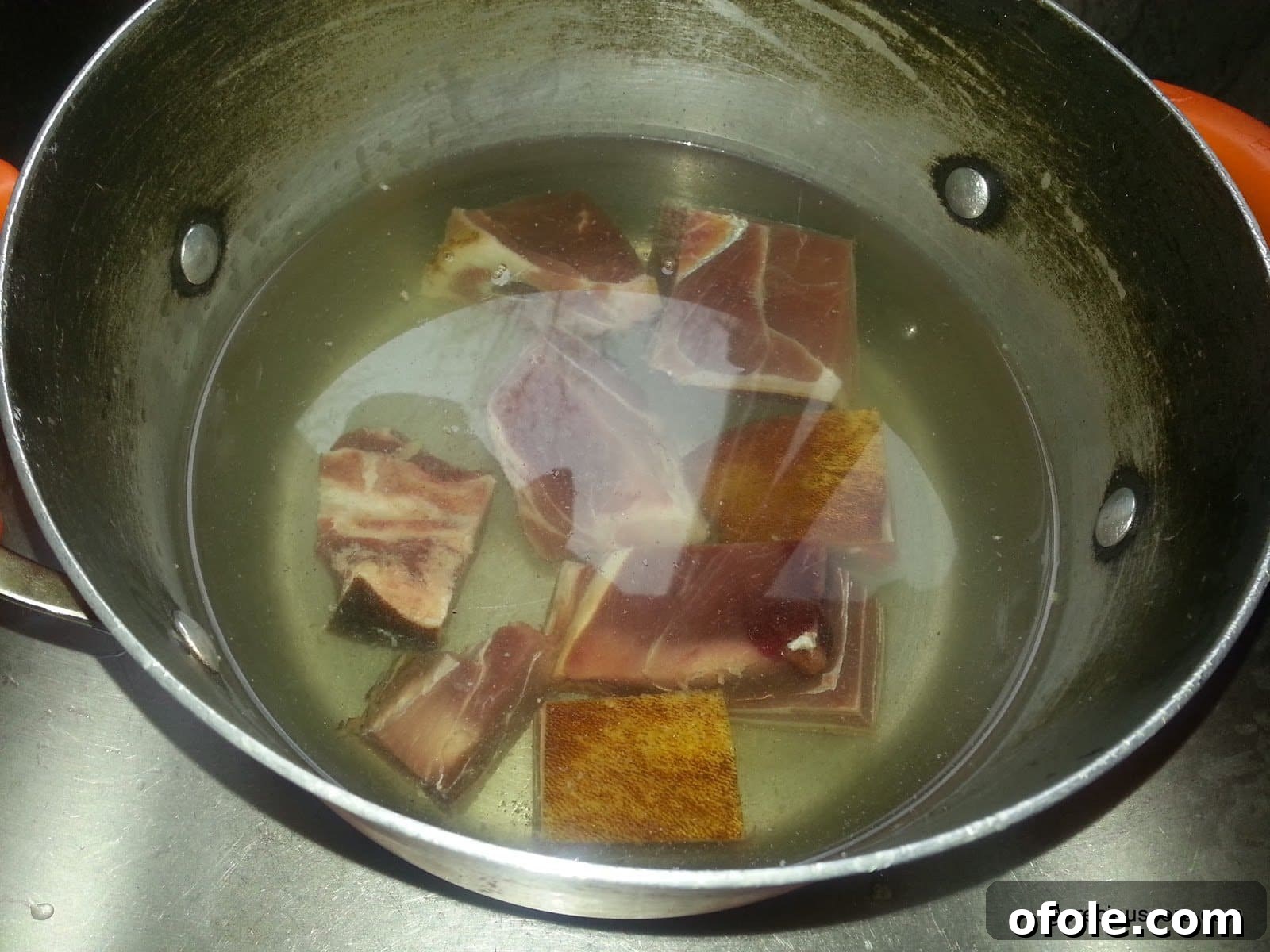
If you opt for meat, begin by boiling it until it’s tender. If you’re using only smoked fish, or a particularly soft cut of meat, you can bring the peeled plantains to a boil alongside the protein. The water level in your pot should just slightly cover your meat, allowing it to cook gently and infuse the water with flavor. This foundational step ensures your protein is perfectly cooked and ready to meld with the other ingredients.
2. Prepare the Bitterleaves:
For those utilizing dried bitterleaves, a crucial step is to soak them thoroughly in water. This rehydrates them and helps to mellow their inherent bitterness. If you plan ahead, soaking them overnight can yield the best results. However, if you are fortunate enough to have fresh bitterleaves, this soaking step is unnecessary. Should bitterleaves be difficult to source, kale serves as an excellent substitute, offering a similar slightly bitter profile that contributes to the dish’s distinctive flavor. For those who prefer no bitter notes at all, spinach can be used as a milder alternative, though it will alter the authentic taste slightly. The bitterleaves are not just for flavor; they add a wonderful depth and a touch of earthiness that is characteristic of this dish.
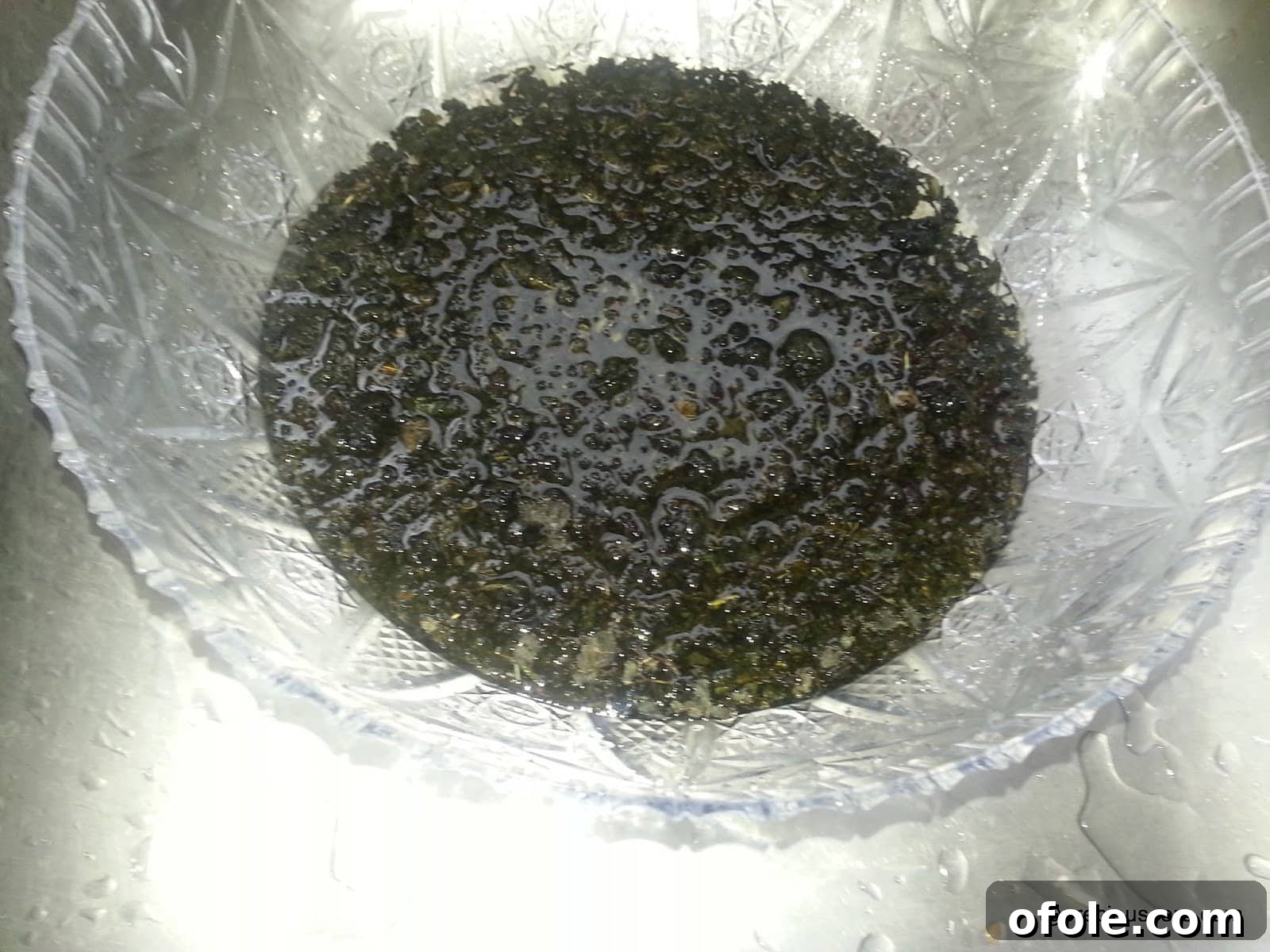
3. Peel and Cut Plantains:
Carefully peel your unripe plantains. While some culinary traditions leave plantains whole, I find that cutting each into two or three chunky pieces allows for better absorption of flavors and easier serving. By now, your meat should be simmering gently, filling your kitchen with its savory aroma, signaling the readiness for the next stage.
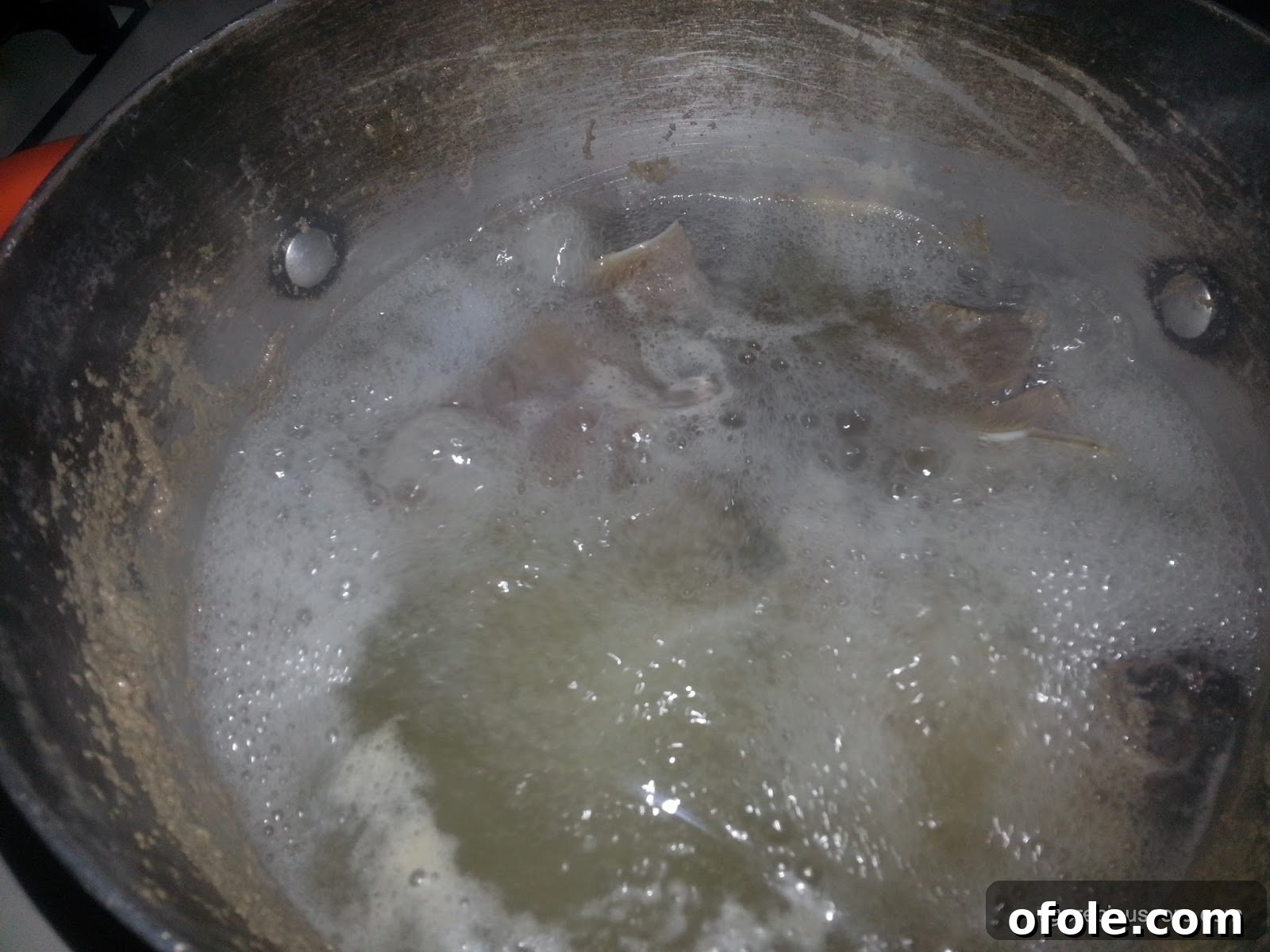
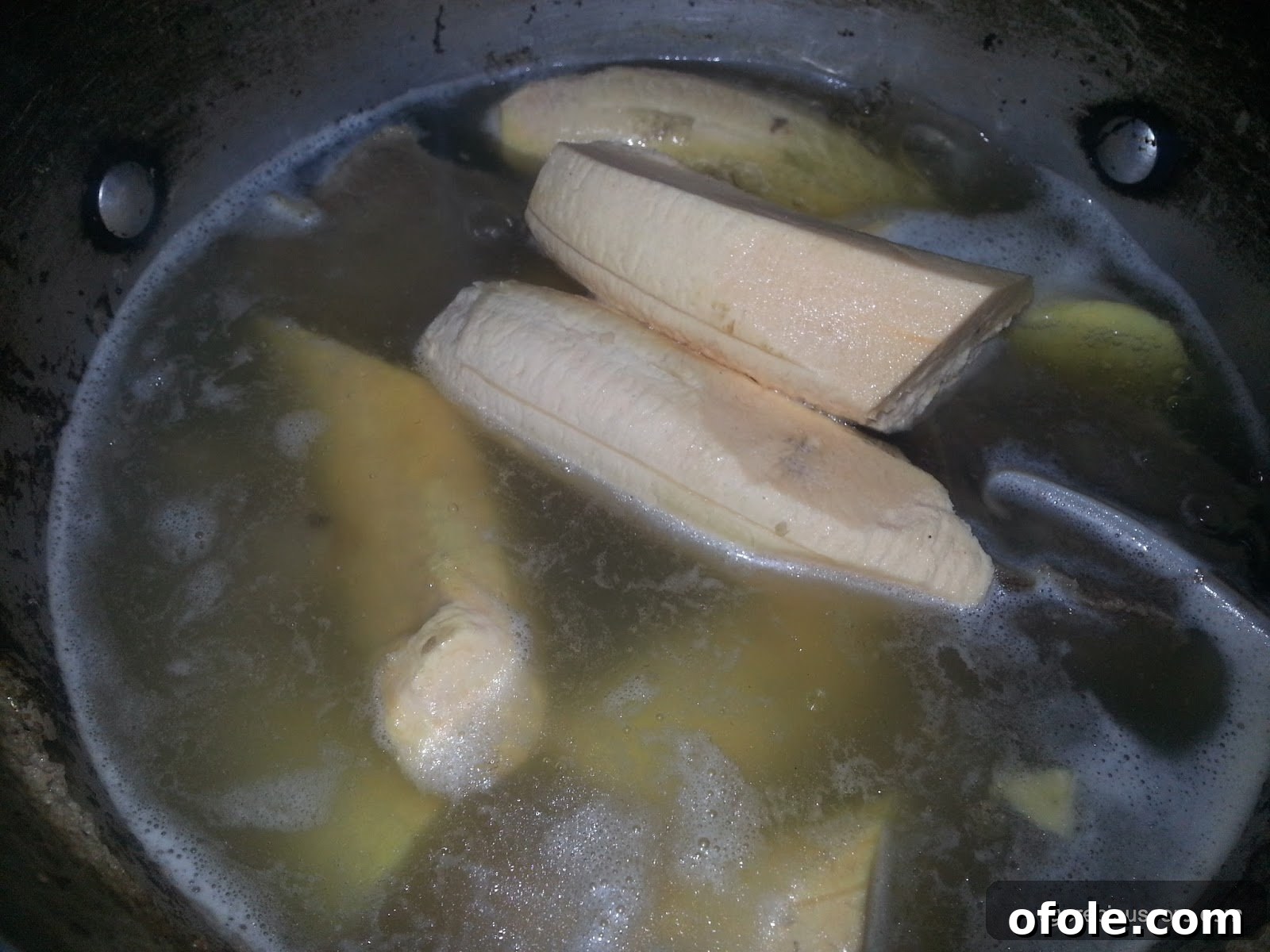
4. Add Plantains to the Pot:
With an almost celebratory flourish, add the peeled and cut plantains directly into the pot with your boiling meat. The key here is not to stir immediately. Allow them to settle among the meat, absorbing the foundational flavors from the simmering broth.
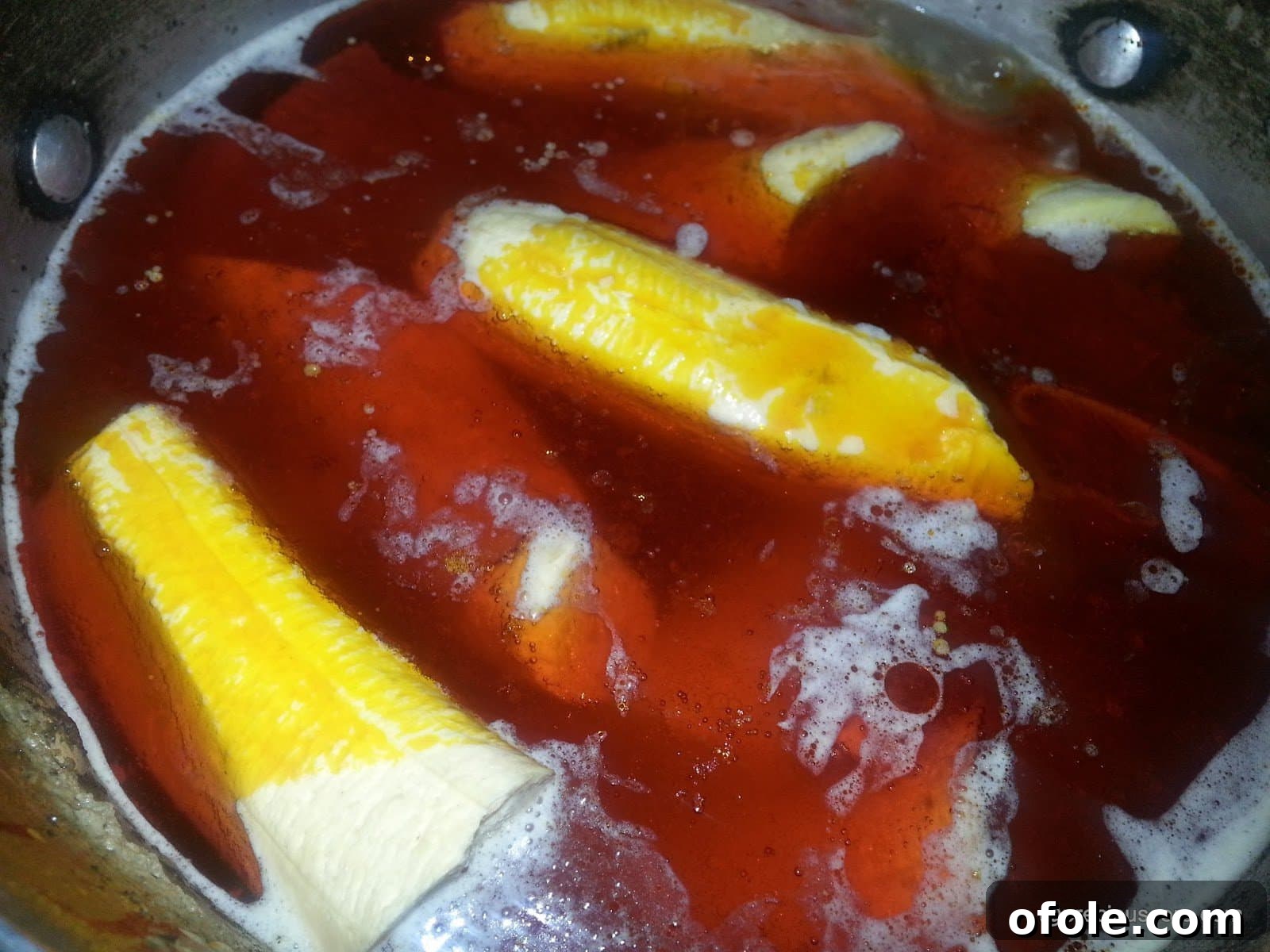
5. Incorporate Palm Oil:
Next, the vibrant red palm oil takes center stage. Pour it generously over the plantains and meat. Palm oil is not just a cooking medium here; it’s a flavor enhancer and a source of the dish’s distinctive rich color. Its earthy, slightly nutty notes are essential to the authenticity of Born House Planti.
6. Add Bitterleaves:
Layer the prepared bitterleaves (or your chosen leafy green alternative) on top of the palm oil and plantains. These greens will cook down beautifully, infusing the dish with their characteristic flavor and vibrant color.
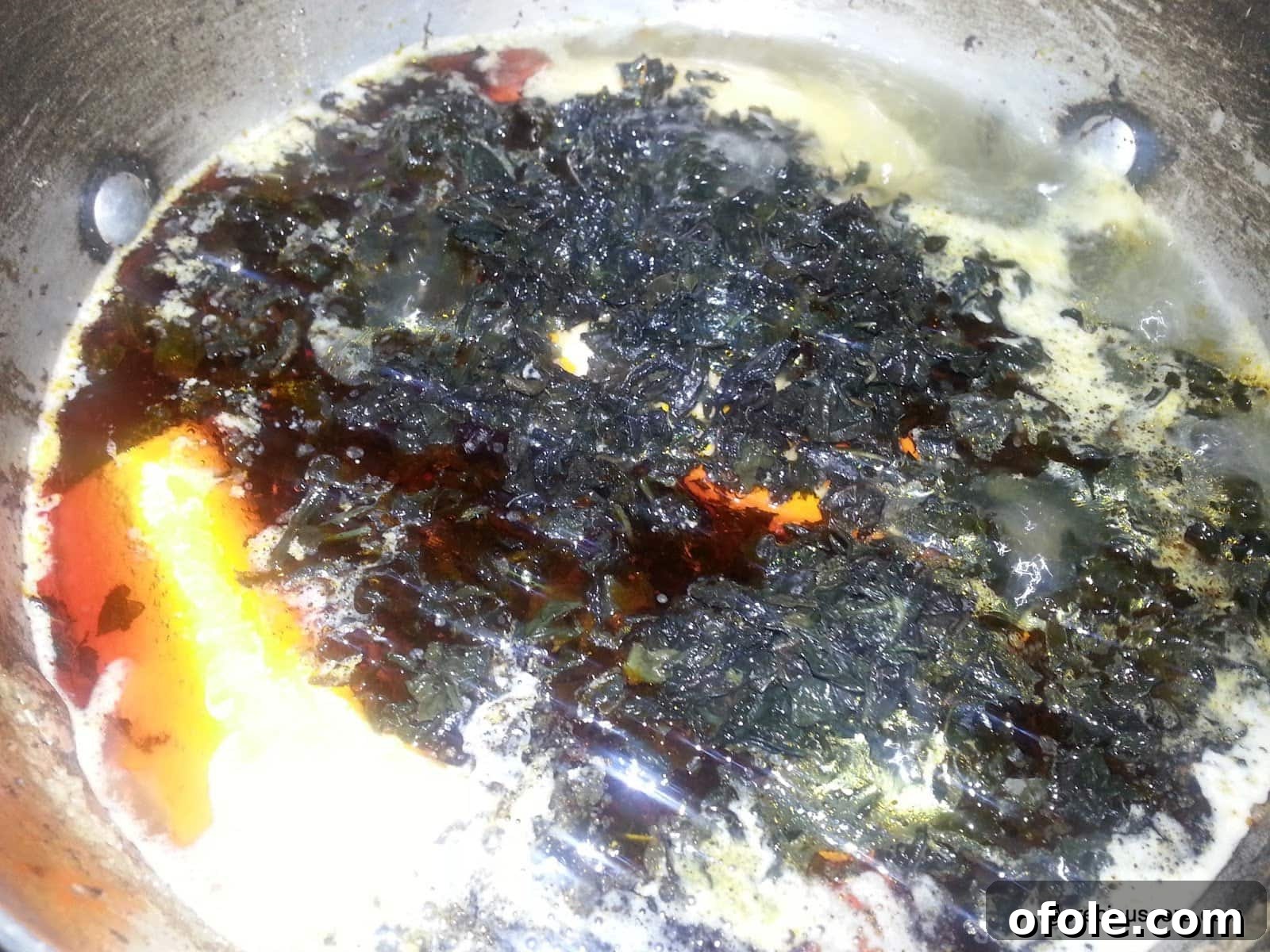
7. Introduce Onion:
Roughly chop your onion and distribute it over the layers in the pot. The onion will provide a sweet and savory aromatic base as it cooks, complementing the other robust flavors.
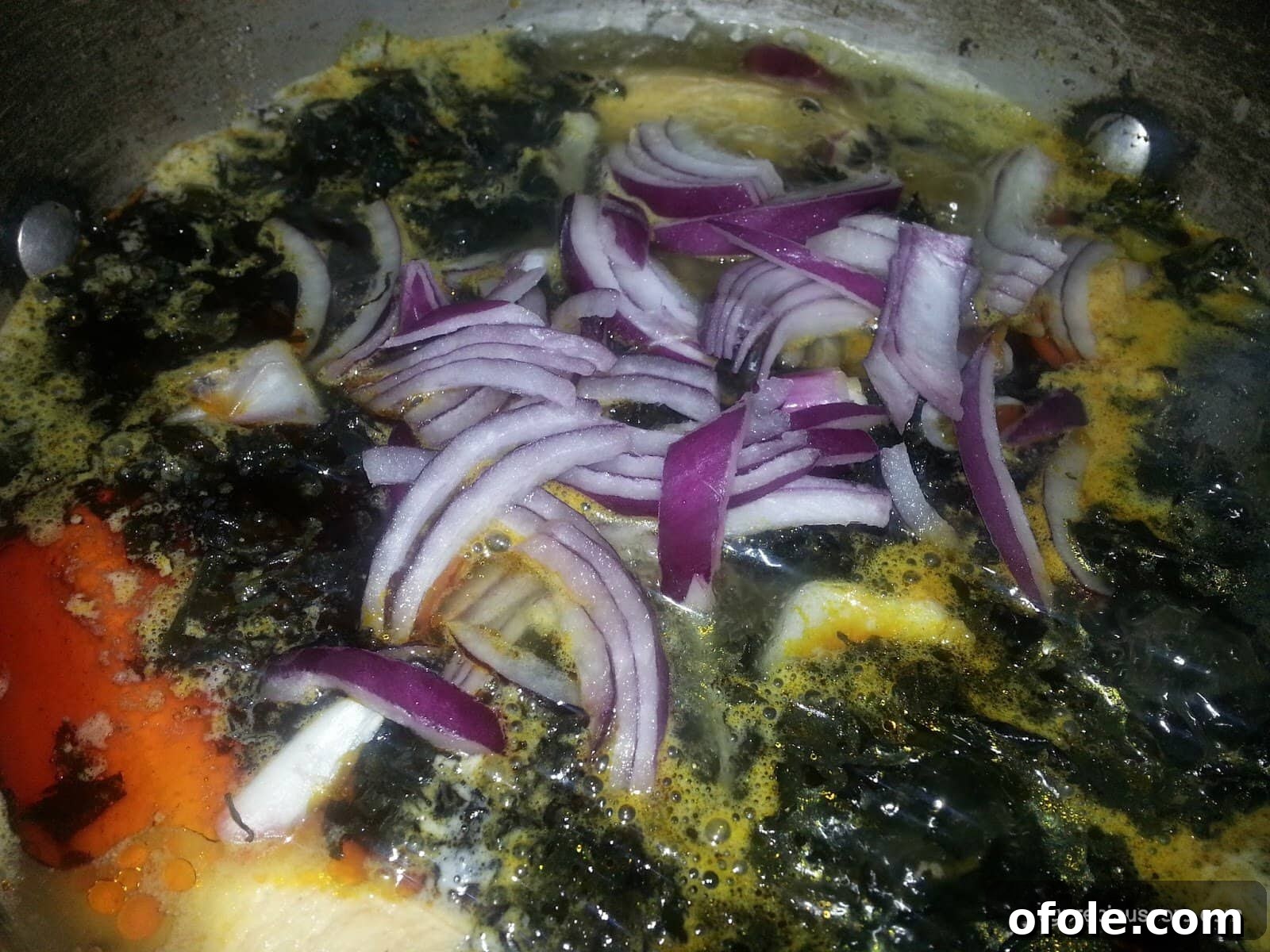
8. Simmer and Season:
Cover the pot and allow this magnificent blend of ingredients to simmer together gently. This crucial phase allows all the flavors to marry and deepen. After about 15-20 minutes, lift the lid and carefully add the ground crayfish, seasoning cubes, ginger and garlic paste, country onion (if using), and a pinch of salt to taste. If you enjoy a bit of heat, this is also the perfect time to add a touch of cayenne pepper.
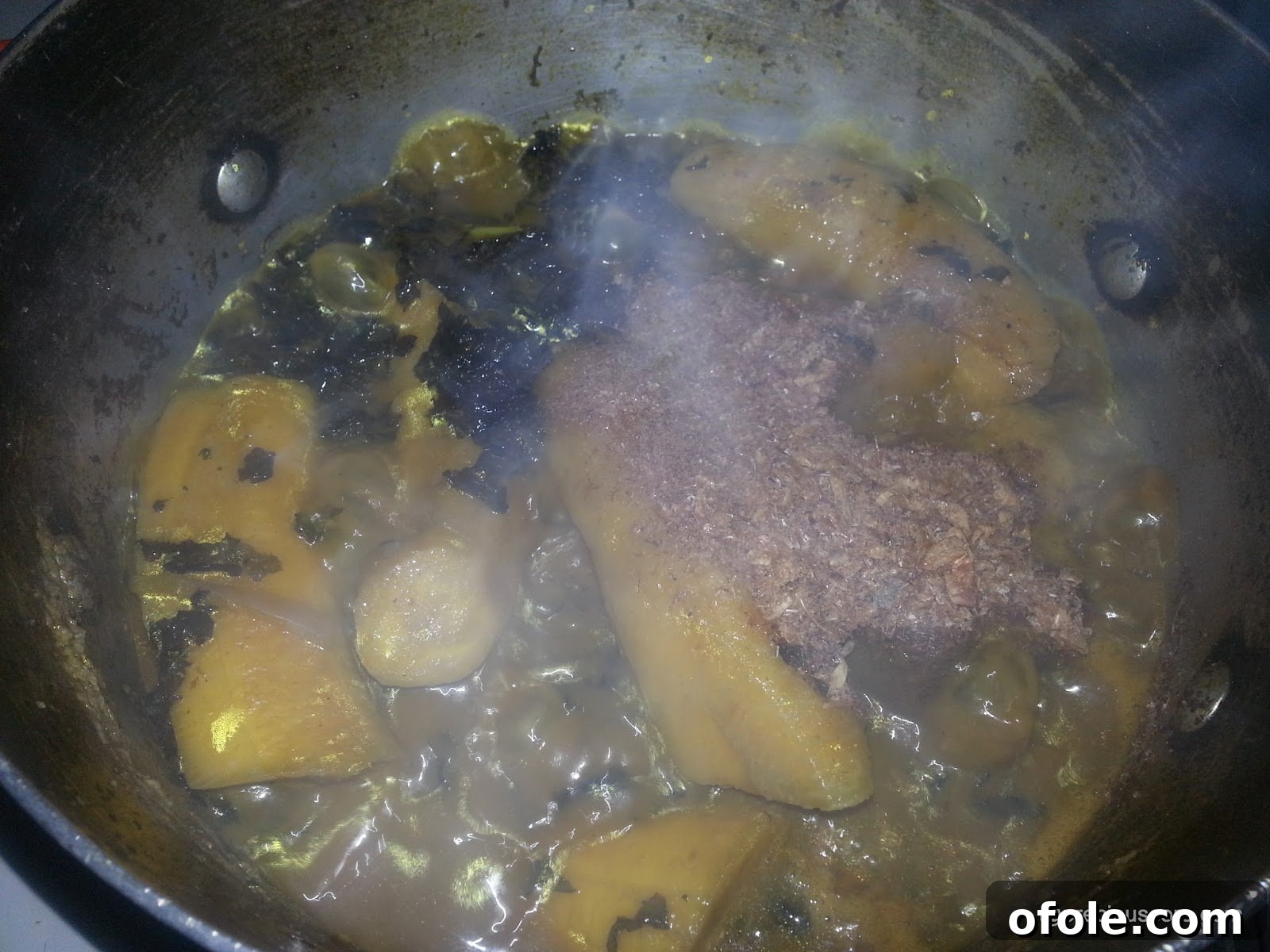
9. The Final Cook and Celebration:
Cover the pot once more and let it continue to cook until the plantains are fork-tender and the oil begins to show forth. As it simmers, let the spirit of the Born House fill your kitchen! Sing and dance along to the cheerful chant: “Planti eh, planti eh. Planti for pikin e sabi sweet!” This isn’t just a recommendation; it’s part of the authentic experience. Embrace the joy, for truly good things are happening in your pot. The act of cooking becomes a celebration in itself, a connection to the vibrant Cameroonian heritage.
Finally, open the pot and take a moment to taste, adjusting any seasonings as needed. And there you have it – Born House Planti, made fresh and delicious in your very own home!
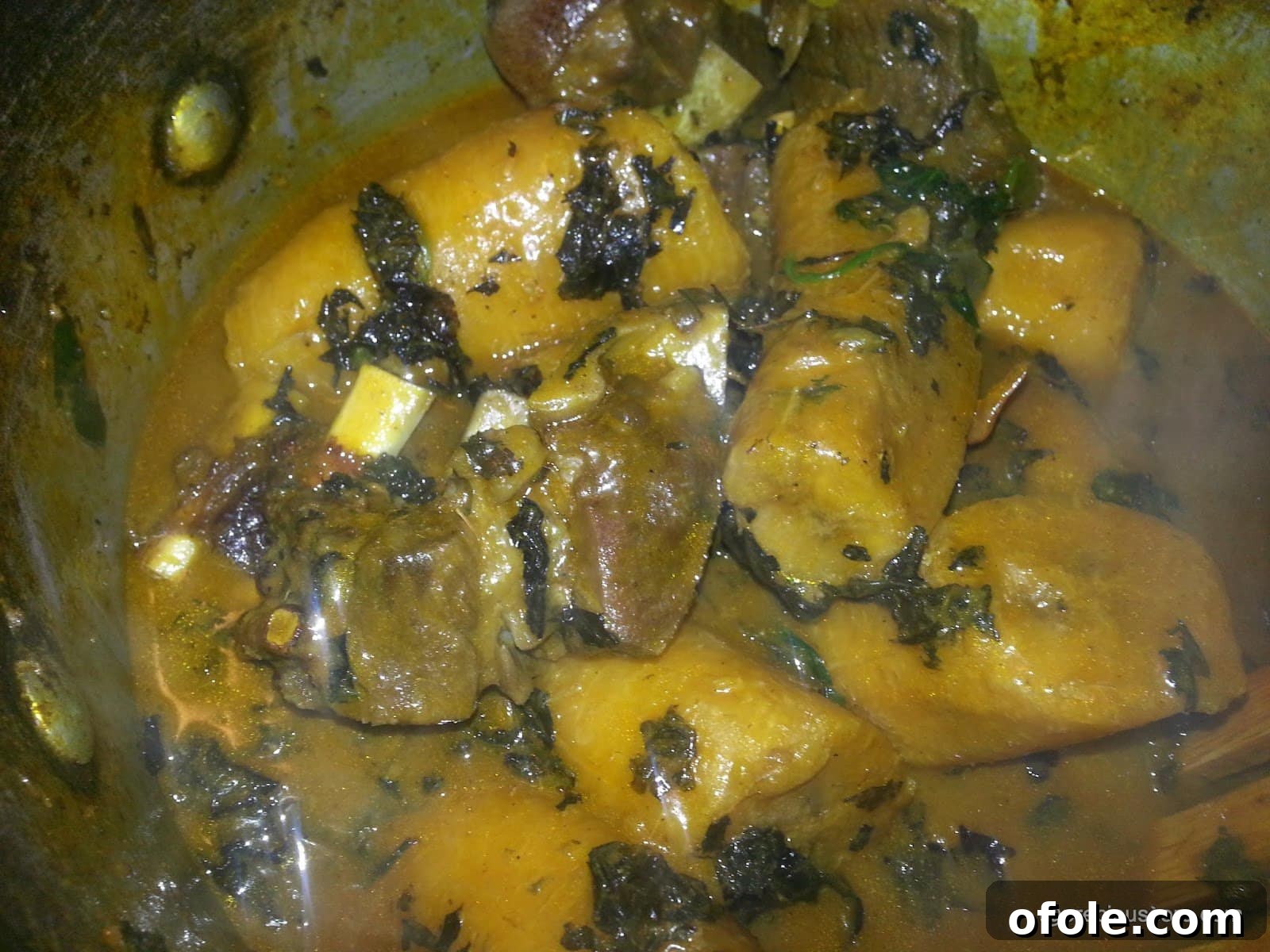
10. The Signature “Oyel”:
Allow the Born House Planti to sit for a few minutes after cooking. This resting period is magical, as the rich palm oil, affectionately known as “oyel” in local parlance, will begin to visibly separate and rise to the surface. What truly is Born House Planti without its glistening “oyel,” a sign of its authentic richness and depth of flavor? Serve warm and enjoy!
Expert Tips and Notes for Your Born House Planti:
- Stirring Technique: While tempting to stir, try to avoid vigorous mixing during the cooking process. The plantains, especially as they soften, can easily break apart and become mushy. Instead, gently hold both sides of the pot and shake it carefully to ensure the ingredients distribute evenly and cook through. If you absolutely must stir, use a wooden spoon and do so very gently, scooping from the bottom upwards without mashing the plantains.
- Tomato Optional: This recipe deliberately omits tomatoes to highlight the pure, earthy flavors characteristic of traditional Born House Planti. However, if you enjoy a touch of tang and acidity, you can certainly add a chopped fresh tomato or a tablespoon of tomato paste during step 8. Experiment to find your preferred balance!
- Protein Variations: While smoked goat meat offers an unparalleled authentic flavor, feel free to adapt the protein to your preference. Smoked chicken, beef, or even smoked prawns can be delightful additions. For a vegetarian option, consider using mushrooms or simply increasing the quantity of plantains and vegetables.
- Bitterleaf Alternatives: As mentioned, kale is a good substitute for bitterleaves. Other leafy greens like collard greens or mustard greens can also work, though they might require a bit more cooking time to soften. Ensure whatever greens you use are thoroughly washed.
- Sourcing “Country Onion”: Ngakanga, or “Country Onion” (also known as Alligator Pepper), is a unique African spice that adds a distinctive aromatic complexity. It can be found in African specialty stores. If unavailable, you can omit it or use a tiny pinch of whole black peppercorns, though the flavor will be different.
- Don’t Skimp on Palm Oil: The palm oil is crucial not just for flavor and color but also for the dish’s texture and richness. Its slightly sweet and savory notes are what make Born House Planti truly special. Use good quality, unrefined red palm oil for the best results.
- Serving Suggestions: Born House Planti is a satisfying meal on its own. It can also be served alongside a light salad or a sprinkle of fresh chili flakes for an added kick. It’s often enjoyed directly from the pot, sharing the communal spirit it represents.
- Leftovers: Leftover Born House Planti can be stored in an airtight container in the refrigerator for up to 3 days. Reheat gently on the stovetop over low heat, adding a splash of water if needed to prevent drying out. The flavors often deepen and improve overnight!
Embrace the vibrant flavors and rich cultural heritage of Cameroon with this Born House Planti recipe. Happy born housing, and may your cooking be filled with joy and deliciousness!