
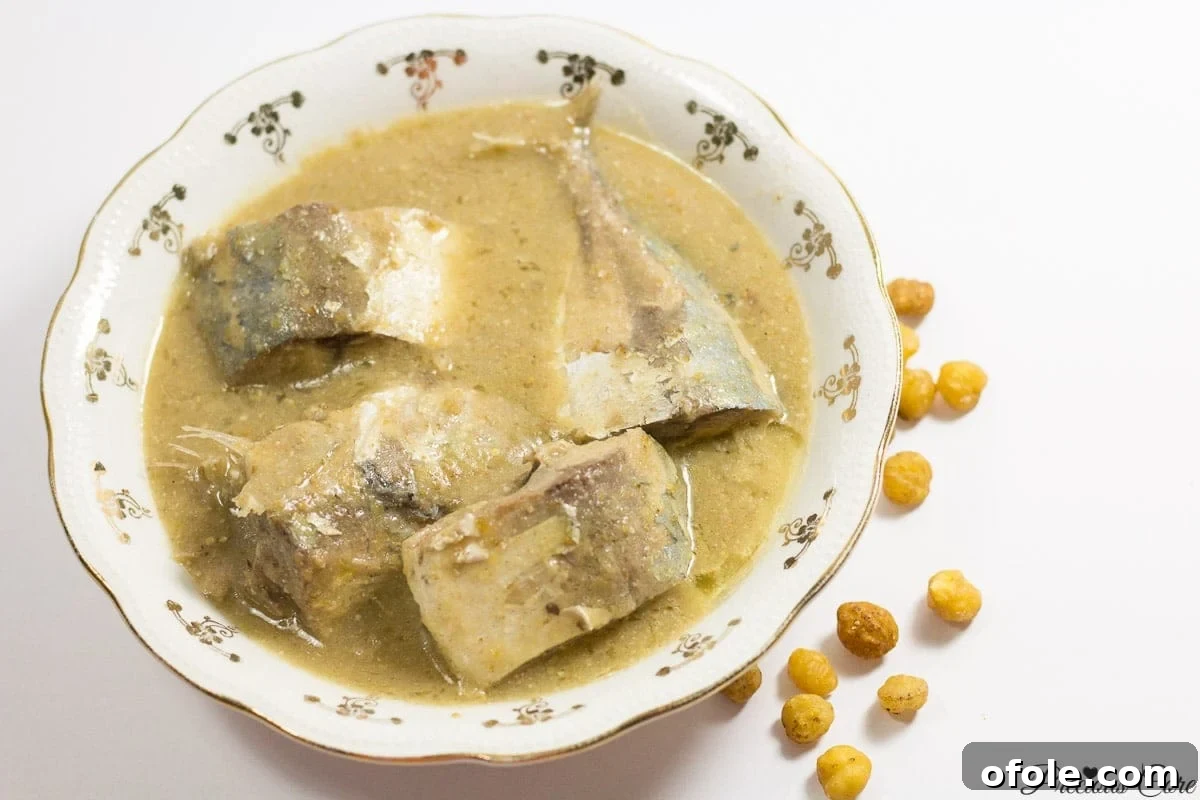
Mpuh Fish: An Authentic Cameroonian White Sauce Recipe
There are certain flavors that transport you instantly back to childhood, and for me, it’s the rich, creamy taste of Mpuh Fish. I vividly recall standing by my mother’s side around the age of eight or nine, eager to lend a hand as she prepared this utterly delicious white sauce. It was during those formative years that my passion for cooking began to blossom, fueled by the aromas and tastes of traditional Cameroonian cuisine. Years later, when a keen YouTube viewer requested I share this particular recipe, there was only one person I knew to call for the truly authentic touch: my mama.
My conversation with her was a beautiful journey down memory lane, a testament to the oral traditions that preserve our culinary heritage. “Mommy, I want to make Mpuh fish,” I began, “How do I go about it?” Her immediate and emphatic response resonated with the heart of the dish: “You need Njangsa! A lot of Njangsa! They normally make it with ground plantains, but…” She paused, likely assuming I wouldn’t have access to freshly ground plantains from the market. But I was one step ahead. “I already dried some plantains in the oven; I just need to grind them,” I replied, much to her delight.
“Good!” she exclaimed. “So you will mix the plantain powder and Njangsa with water, some spices… Bush pepper… then you rub it all over the fish. MAKE SURE IT ENTERS THE HEAD OF THE FISH!” Her instructions were precise, rooted in generations of cooking wisdom. “Then you place it on the fire to cook. If you like, drizzle some palm or groundnut oil on top. That’s it.” Simple, yet profound, just like many of our treasured family recipes. My mom also shared a fascinating alternative: instead of cooking it as a sauce in a pot, the fish mixture could be wrapped in banana leaves (or foil paper if leaves aren’t available) and steamed, transforming it into a delightful pudding. It’s this versatility that makes Mpuh Fish a staple in many Cameroonian homes.
I diligently followed Mama’s instructions, making only one minor substitution. Lacking “bush pepper” (a unique, twisted black pepper varietal at home), I opted for white pepper, which still delivered a wonderful, aromatic kick. As an important note for aspiring Mpuh Fish chefs, my mother later clarified that the traditional Mpuh Fish should be thicker than what my initial pictures depicted – “more of the fish and less of the sauce,” as she put it. A valuable tip for achieving that perfect, hearty consistency!
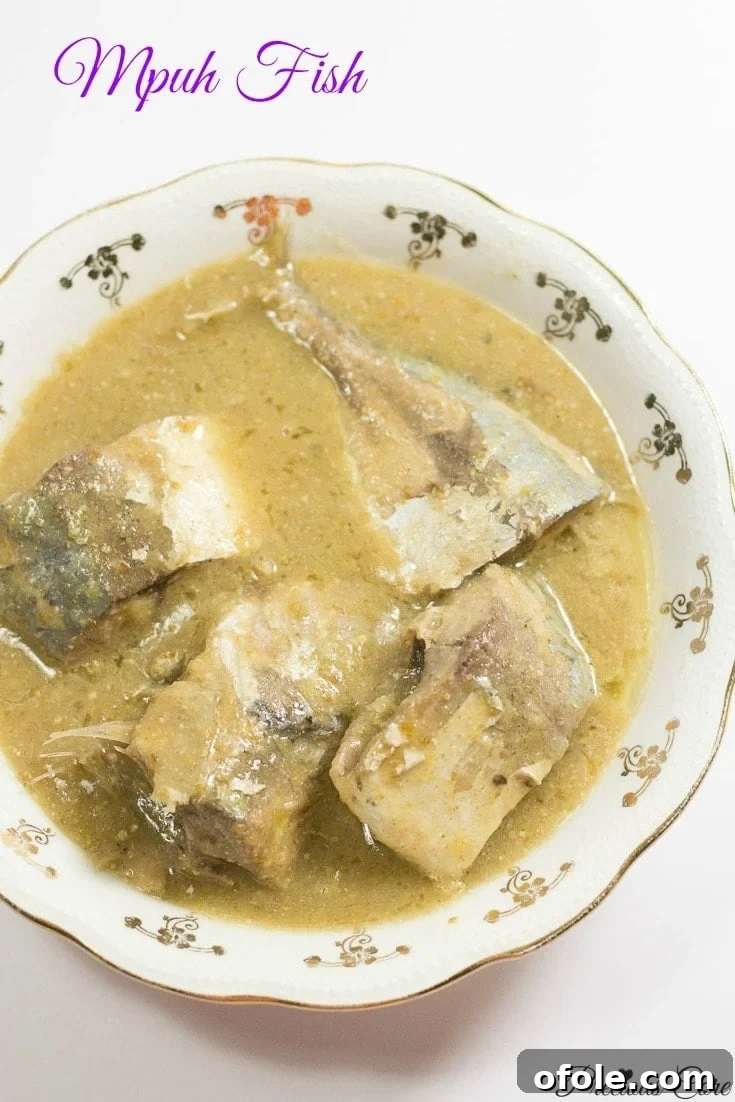
Discovering Mpuh Fish: Cameroon’s Flavorful White Sauce
Mpuh Fish, often interchangeably known as Mpu Fish or Mpouh Fish, is a culinary jewel from the South West region of Cameroon. This distinctive white sauce is cherished for its rich, earthy, and spicy profile, offering a truly authentic taste of West African cuisine. At its heart, Mpuh Fish is a creamy, flavorful dish that beautifully combines fresh fish with the unique nutty notes of Njangsa seeds and the subtle sweetness of plantain flour.
What sets Mpuh Fish apart is its incredible texture and depth of flavor. The sauce is velvety smooth, almost “to die for,” as many describe it. It’s a comforting, wholesome meal that evokes a sense of home and tradition. Typically, this delightful sauce is enjoyed with staple accompaniments such as boiled plantains or fluffy white rice, making it a satisfying and complete meal. Despite its complex flavor profile, Mpuh Fish is surprisingly easy to prepare, earning it the reputation of a “dump and go” recipe – perfect for both seasoned cooks and those new to Cameroonian cooking.
If you’re interested in seeing the process firsthand, you can watch a video demonstration of me preparing this authentic Cameroonian white sauce:
The Stars of the Dish: Key Ingredients Explored
The magic of Mpuh Fish lies in its carefully selected, indigenous ingredients, each playing a crucial role in crafting its signature taste and texture.
Njangsa: The Nutty Secret Ingredient
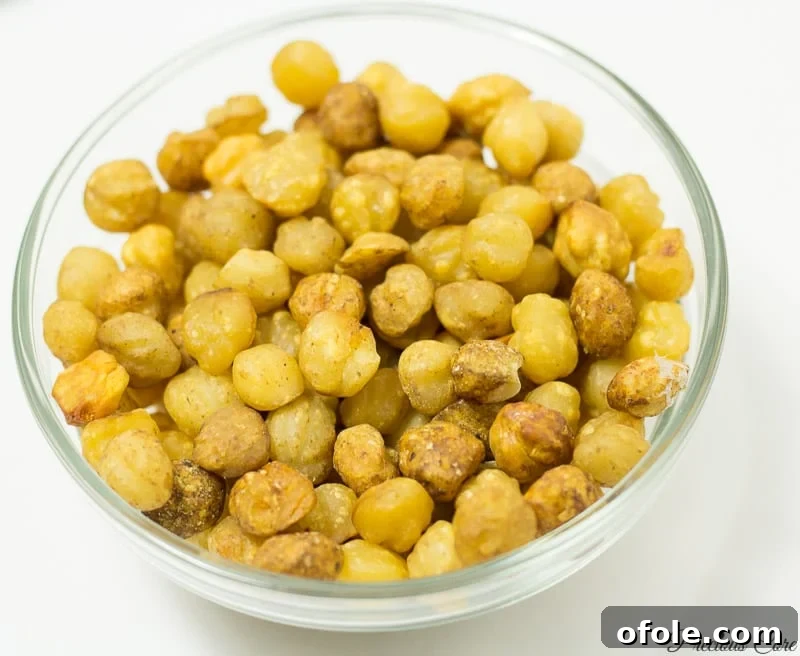
As my mom emphasized, Njangsa (also spelled Djansang or Ricinodendron heudelotii) is non-negotiable for authentic Mpuh Fish. This nutty seed is a cornerstone of Cameroonian and West African cuisine, famously used to impart a unique, aromatic flavor and thick consistency to dishes like pepper soup. The seeds are typically ground into a fine powder, which then acts as both a thickener and a flavor enhancer for the white sauce. Its slightly bitter, earthy, and aromatic notes are what give Mpuh Fish its distinctive character. While Njangsa can be found in African markets, its irreplaceable flavor makes it worth seeking out for true authenticity.
Homemade Plantain Flour: A Healthier Alternative
Beyond Njangsa, plantain flour is the other essential thickener for Mpuh Fish. Back in Cameroon, it’s common to either purchase ready-made plantain flour from local markets or dry plantains in the sun to prepare your own. However, you don’t need direct sunlight or specialty stores to make this vital ingredient. Creating plantain flour at home is incredibly straightforward and surprisingly easy! All you need are a few unripe plantains and an oven.
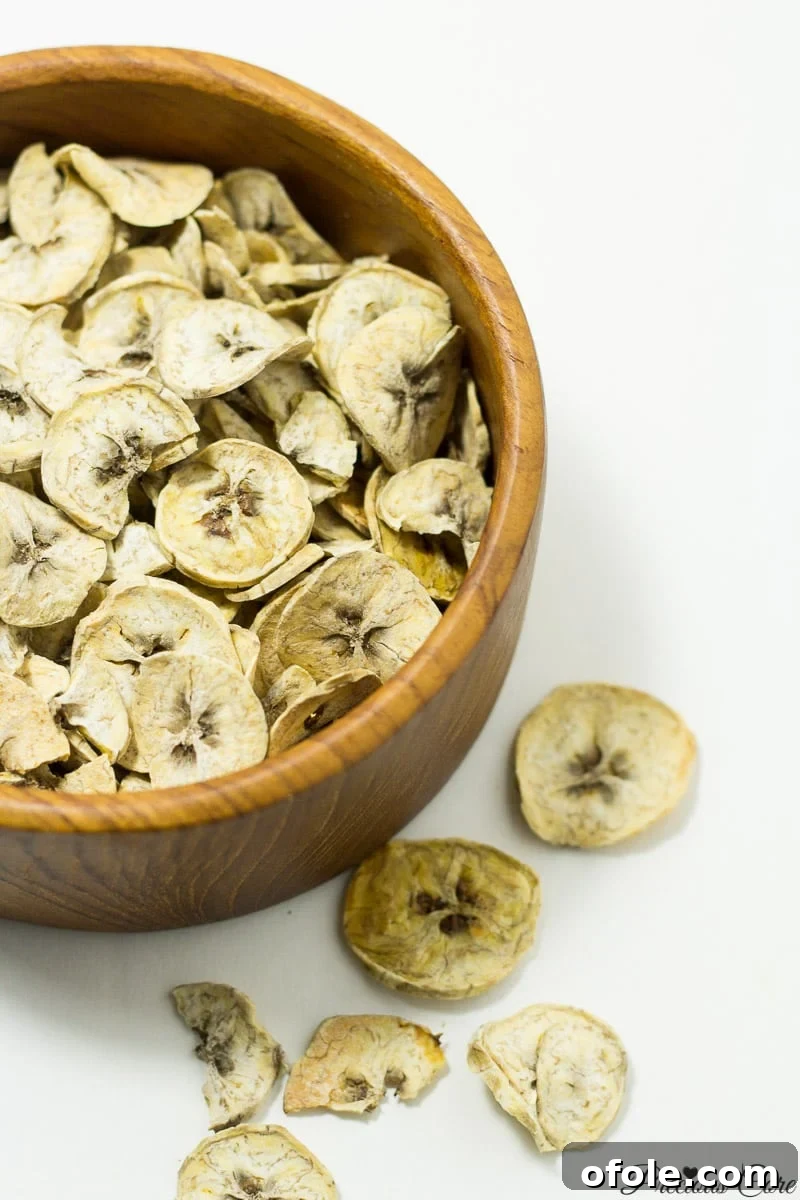
To make your own plantain flour, simply get some unripe plantains, peel them, and cut them into very thin strips. Arrange these strips on an oven tray and bake them on a very low heat, typically less than 200 degrees Fahrenheit (around 100 degrees Celsius), until they are completely dry and brittle. This process usually takes about two hours, though it can vary depending on your oven. You might need to flip the slices halfway through to ensure even drying. Once thoroughly dried, allow the plantain strips to cool completely. Then, using the small cup attachment of your blender or a coffee grinder, blend them into a fine powder.
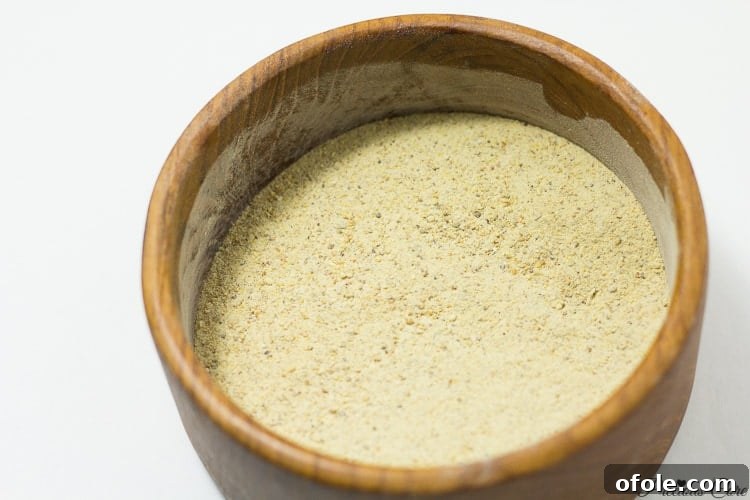
Plantain flour is not just a traditional ingredient; it’s also a healthier substitute for other common flours like yam flour or corn flour. It’s naturally gluten-free and packed with resistant starch, which can be beneficial for gut health. For all my fellow fufu-eaters out there, I highly recommend trying plantain fufu sometime – it’s a revelation!
The Fish and Other Aromatic Spices
For Mpuh Fish, fresh fish cut into steaks is ideal. Popular choices often include firm white fish that can hold their shape during cooking, such as hake, tilapia, or mackerel. The spices, including garlic, onion, Maggi seasoning cubes, and salt, provide the aromatic foundation. The “bush pepper,” or its substitute white pepper, adds the essential warmth and spice, balancing the richness of the Njangsa and plantain flour. A touch of vegetable, canola, or palm oil adds a subtle depth and sheen to the final sauce.
Mpuh Fish: The Classic Cameroonian White Sauce Recipe
This recipe, passed down through generations, guides you through creating an absolutely amazing Mpuh Fish experience. It’s a straightforward method that yields incredibly flavorful results.
Mpuh Fish
Spicy Cameroonian sauce made with plantain flour, fish, and other ethnic flavors. This is how my mama makes it.
Prep Time: 20 minutes
Cook Time: 20 minutes
Total Time: 40 minutes
Servings: 6 servings
Ingredients
- 2-3 pounds fish cut into steaks (about 1-1 1/2 kg)
- 2 unripe plantains (for homemade flour)
- 1 cup njangsa seeds – ground
- 2 cloves garlic
- 1/2 medium onion – chopped
- 3 small seasoning cubes – Maggi brand recommended
- 1/2 teaspoon ground white pepper (or bush pepper, if available)
- 1 teaspoon salt
- 1/2 cup vegetable/canola/palm oil
- 3 cups water (for sauce, more if needed)
- Optional: hot pepper for extra heat
Instructions
To Make the Plantain Flour (if making from scratch)
- Cut peeled unripe plantains into very thin strips and place them evenly on an oven tray.
- Bake on very low heat (about 200 degrees F or 100 degrees C) until the plantain slices are completely dry and break easily when touched. Depending on your oven, you may need to flip the slices halfway through cooking for even drying.
- Allow the dried plantain strips to cool completely. Then, grind them into a fine powder using the small cup attachment of your blender or a coffee grinder.
To Make the Mpuh Fish Sauce
- First, prepare your aromatic base: Blend together the onion and garlic until smooth.
- In a large pot, combine the plantain flour, ground Njangsa, the blended onion and garlic, ground white pepper (or bush pepper), hot pepper (if using), salt, and the crushed Maggi seasoning cubes.
- Gradually add three cups of water to the mixture, stirring continuously to prevent lumps and create a smooth, thick paste.
- Carefully add the fish steaks into the mixture in the pot, ensuring each piece is well coated. Gently cover the fish with the sauce mixture to ensure all angles are touched.
- Cover the pot and place it on medium heat to cook for approximately twenty minutes. Check halfway through cooking and add a little more water if the sauce becomes too thick for your preference. The consistency can be adjusted to be as light or as thick as you desire.
- Once cooked, you can optionally drizzle some palm or groundnut oil over the top for added flavor and richness.
- Serve hot and enjoy your delicious, homemade Mpuh Fish!
To Make the Mpuh Fish Pudding (Alternative Method)
- Prepare the fish and spice mixture as described in steps 1-3 of “To Make the Mpuh Fish Sauce.”
- Instead of cooking in a pot, wrap individual portions of the fish and spice mixture tightly in banana leaves or aluminum foil.
- Place the wrapped portions in a large pot with a steamer rack or elevated platform. Add water to the pot, ensuring it comes up to about halfway through the wrapped parcels but does not submerge them.
- Cover the pot and steam for about an hour, or until the fish is cooked through and the pudding has set.
Notes
Mpuh Fish, also known as Mpu Fish or Mpouh Fish, is a flavorful white sauce predominantly enjoyed in the South West region of Cameroon. The essential components are fish, plantain flour, and Njangsa, a distinct nutty seed also commonly used in Cameroonian pepper soup. This dish boasts a wonderfully creamy texture, an earthy depth, and a spicy kick, typically served alongside boiled plantains or boiled rice. It’s renowned for its simplicity, truly a “dump and go” recipe perfect for a quick yet satisfying meal.
Nutrition
Calories: 449 kcal | Carbohydrates: 22g | Protein: 35g | Fat: 26g | Saturated Fat: 5g | Polyunsaturated Fat: 13g | Monounsaturated Fat: 7g | Trans Fat: 0.1g | Cholesterol: 76mg | Sodium: 947mg | Potassium: 857mg | Fiber: 2g | Sugar: 11g | Vitamin A: 674IU | Vitamin C: 12mg | Calcium: 30mg | Iron: 2mg
Additional Info
Course: Main Course
Cuisine: Cameroonian
Calories: 449
Tips for the Perfect Mpuh Fish
- Fish Choice: While various fish can be used, firm white fish like hake, catfish, or tilapia are excellent choices as they hold their shape well and absorb the flavors beautifully.
- Consistency is Key: Remember Mama’s advice! For a truly traditional Mpuh Fish, aim for a thicker sauce where the fish is prominent rather than swimming in a thin broth. Adjust water content accordingly during cooking.
- Spice Level: Bush pepper provides a unique, pungent heat. If using white pepper, you can add a small amount of habanero or scotch bonnet pepper (finely minced or blended) for an extra kick, but be mindful of its potency.
- Fresh vs. Dried Plantains: If you don’t have time to make your own plantain flour, look for it in specialty African or international grocery stores. Ensure it’s made from unripe plantains for the best results.
- Serving Suggestions: Beyond boiled plantains and rice, Mpuh Fish pairs wonderfully with boiled yams, cassava, or even a side of fresh steamed greens.
The Cultural Significance of Mpuh Fish
Mpuh Fish is more than just a meal; it’s a culinary emblem of the South West region of Cameroon, representing warmth, community, and the rich tapestry of local flavors. It’s a dish often prepared for family gatherings, celebrations, and as a comforting meal on any given day. The act of preparing it, often with generations sharing tips and techniques, reinforces cultural bonds and passes down invaluable culinary heritage. The use of indigenous ingredients like Njangsa and plantains highlights the resourceful and sustainable nature of Cameroonian cooking, utilizing what the land provides to create truly unique and memorable dishes.
Conclusion: Experience the Heart of Cameroonian Cuisine
Mpuh Fish offers a delightful journey into the vibrant flavors of Cameroonian cuisine. With its creamy texture, earthy undertones from Njangsa, and the subtle sweetness of plantain, balanced with aromatic spices and tender fish, it’s a dish that truly satisfies the soul. Whether you’re making it as a hearty sauce or a comforting pudding, the experience of creating and savoring this traditional white sauce is immensely rewarding. I encourage you to try this recipe and bring a piece of Cameroon into your kitchen. It’s absolutely amazing – a taste that will linger in your memory long after the last bite.
If you make this deliciousness, please share your culinary creations! Tag me in a photo on Instagram @preciouscore or use the hashtag #PreciousCore. I’d love to see your authentic Mpuh Fish! Your support helps keep these cherished recipes alive and shared with the world.