Crispy Yuca Fries: Your New Favorite Side Dish or Snack
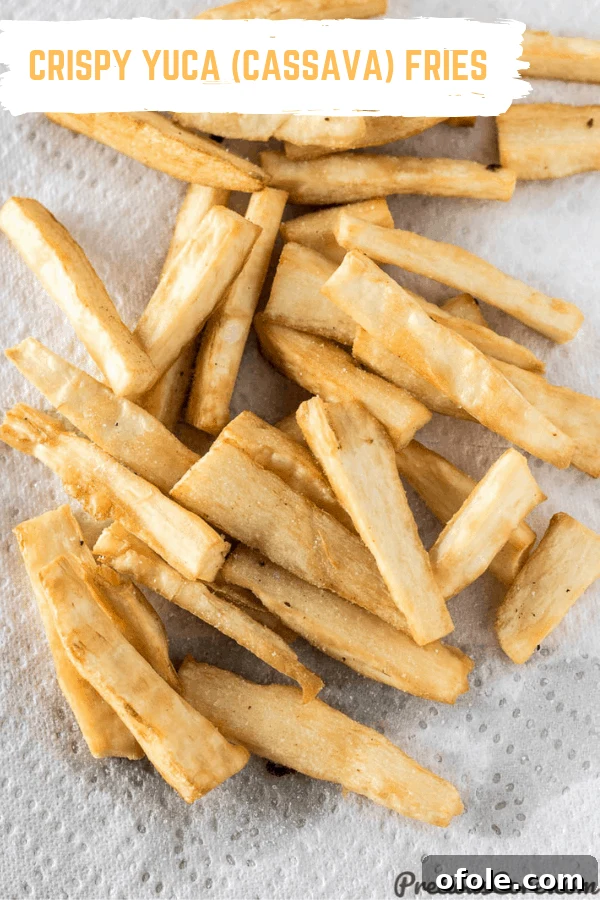
Are you ready to elevate your fry game? Forget everything you thought you knew about fries because Yuca Fries are here to steal the show! Often overshadowed by their potato counterparts, yuca (also known as cassava or manioc) transforms into incredibly crispy, golden-brown fries with a delightfully fluffy interior. They are truly a game-changer, right up there with our beloved Plantain Fries in terms of sheer deliciousness and addictive crunch.
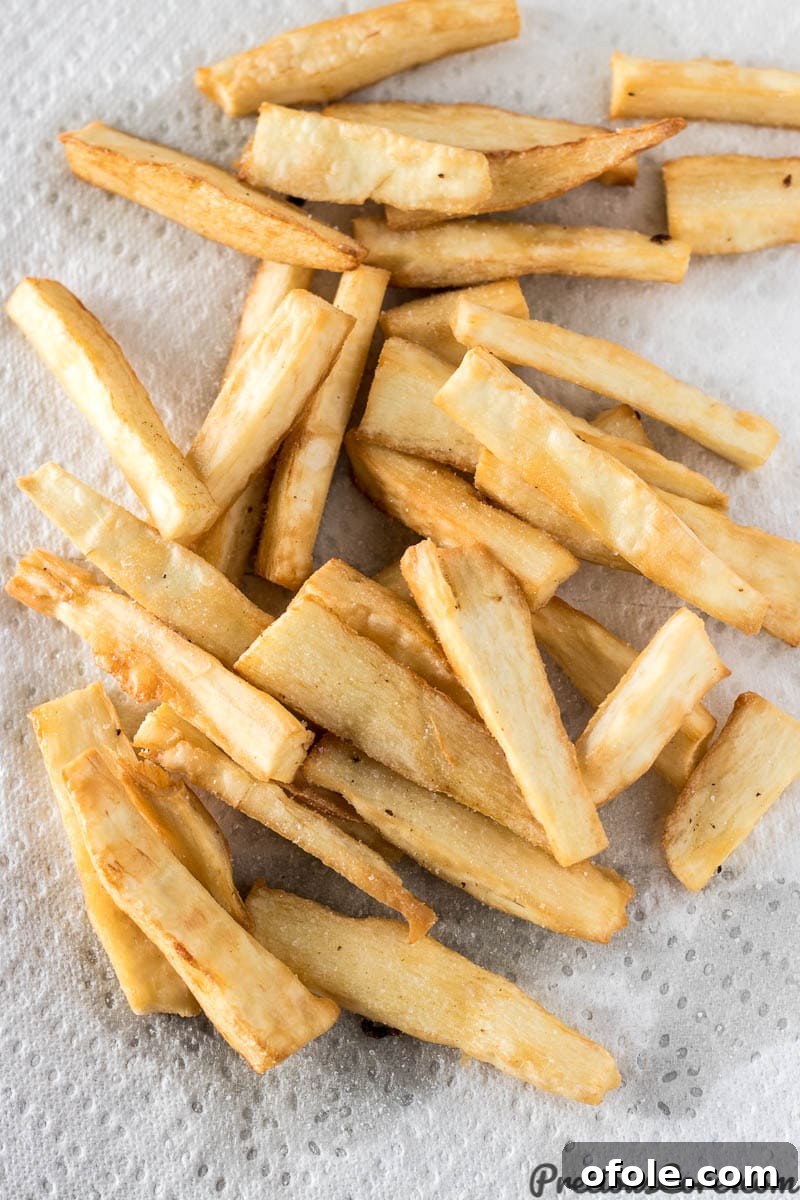
These Cassava Fries are a revelation. The moment they emerge from the oil, perfectly crispy on the outside and wonderfully creamy in the middle, they are simply irresistible. In fact, when I first made them, my family and I devoured them almost instantly. There was no need for fancy dips or elaborate sauces; a simple sprinkle of sea salt was all it took to highlight their incredible natural flavor and satisfying texture. The subtle saltiness perfectly complements the mild, earthy notes of the yuca, creating a snack so good, you might just prefer them over traditional potato fries any day!
Table of Contents
- What is Yuca?
- The Nutritional Powerhouse of Yuca
- What Does Yuca Taste Like?
- How to Choose and Store Yuca
- Beyond Fries: What Else Can I Make With Yuca?
- How To Make The Perfect Yuca Fries
- Yuca Fries Recipe
- More Delicious Fry Recipes
What is Yuca?
Yuca, pronounced “YOO-kah,” is a starchy root vegetable deeply ingrained in the culinary traditions of South America, Africa, and parts of Asia. It’s known by several names, most commonly cassava or manioc. Unlike potatoes, which are members of the nightshade family, yuca belongs to the spurge family (Euphorbiaceae) and grows as a long, tapered tuber with a rough, brown, bark-like skin and a firm, white flesh.
This versatile root is a dietary staple for hundreds of millions of people worldwide, providing a significant source of carbohydrates. Its global importance is immense, forming the base for a vast array of foods, including tapioca pearls, gluten-free flours (like cassava flour), and various traditional dishes such as garri, abacha, bobolo, and fufu. Yuca’s adaptability makes it a true culinary chameleon, capable of being boiled, baked, fried, roasted, or mashed, offering a delightful culinary experience in many forms.
The Nutritional Powerhouse of Yuca
Beyond its delicious taste and versatility, yuca offers several nutritional benefits that make it a valuable addition to your diet. It’s naturally gluten-free, making it an excellent carbohydrate source for those with celiac disease or gluten sensitivities. Yuca is primarily composed of carbohydrates, providing sustained energy, but it also contains important vitamins and minerals.
- Rich in Vitamin C: Yuca is a good source of Vitamin C, an essential antioxidant that supports immune function and skin health.
- Potassium: It provides a healthy dose of potassium, crucial for maintaining proper heart function and blood pressure.
- Magnesium: Important for muscle and nerve function, blood glucose control, and blood pressure regulation.
- Dietary Fiber: While not as fiber-rich as some vegetables, yuca still contributes to daily fiber intake, aiding digestion and promoting gut health.
- Resistant Starch: Cooked and then cooled yuca develops resistant starch, which acts as a prebiotic, feeding beneficial gut bacteria and potentially improving blood sugar control.
Incorporating yuca into your meals offers a unique flavor and texture profile, alongside a host of health-supporting nutrients.
What Does Yuca Taste Like?
Describing the taste of yuca can be a bit challenging because it possesses a distinctive flavor that is subtly unique. Many liken its taste and texture to a potato, but with its own nuanced character. Yuca is generally mild, with an earthy and slightly nutty undertone. It doesn’t have a strong, overwhelming flavor, which is precisely why it pairs so well with a wide variety of seasonings and sauces.
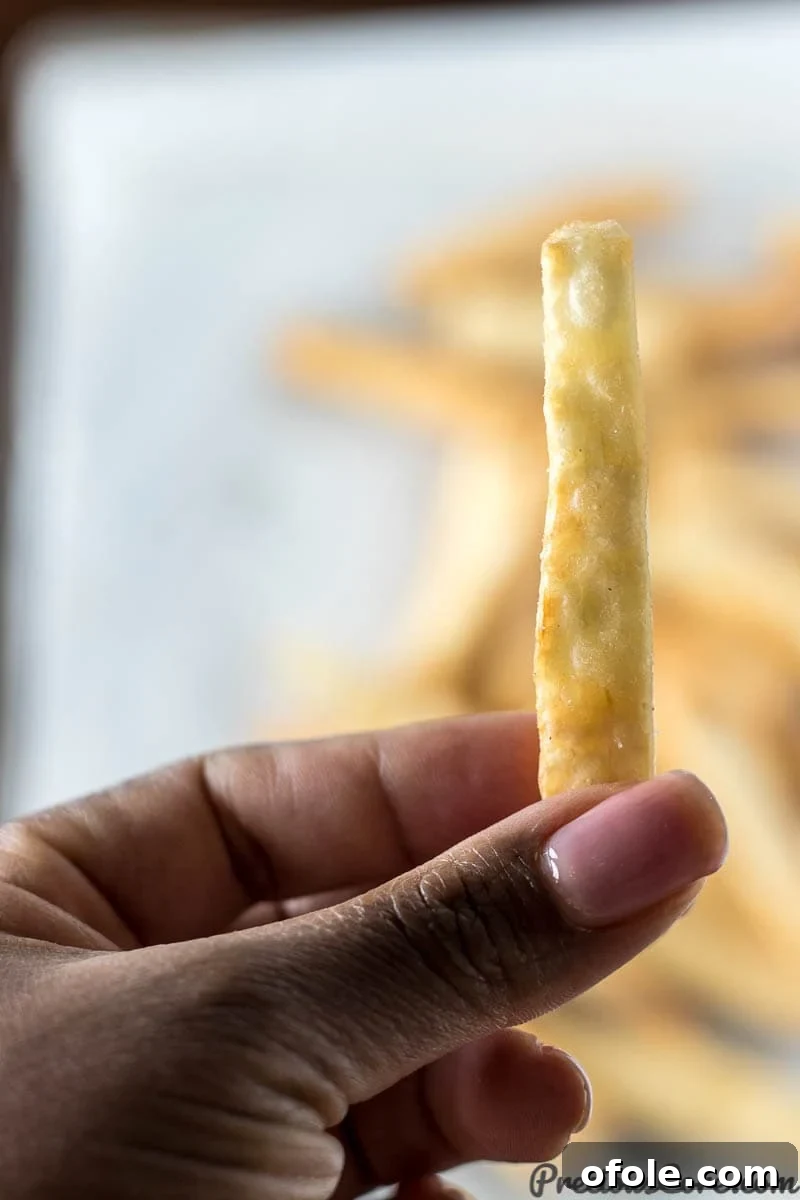
When cooked, particularly when fried, yuca develops a creamy, almost melt-in-your-mouth interior, while the exterior becomes wonderfully crisp. This mild flavor profile makes it an excellent canvas for various culinary explorations. Whether you season it simply with salt or drench it in a flavorful dip, yuca’s inherent taste remains pleasantly present without overpowering other ingredients.
How to Choose and Store Yuca
Selecting fresh yuca is key to achieving the best flavor and texture in your fries. Look for firm, heavy tubers without any soft spots, mold, or visible damage. The skin should be intact and free from cracks. A good indicator of freshness is the color of the flesh just beneath the skin; it should be white, not discolored or streaky.
Once you’ve purchased yuca, it’s best to use it relatively quickly. Store whole, unpeeled yuca in a cool, dry, and dark place for up to a week. Avoid refrigerating raw yuca as it can develop a dark discoloration and tough texture, a condition known as “post-harvest physiological deterioration.” If you have peeled and cut yuca, it can be stored submerged in water in the refrigerator for a few days, or frozen for longer storage. When freezing, blanch the yuca first, then drain, pat dry, and store in an airtight container or freezer bag.
Beyond Fries: What Else Can I Make With Yuca?
Given its potato-like texture and mild flavor, yuca can be prepared in many of the same ways you’d prepare potatoes, opening up a world of culinary possibilities. It’s an incredibly versatile ingredient that shines in both savory and sweet dishes.
- Boiled Yuca: One of the simplest and most satisfying ways to enjoy yuca is to boil it until fork-tender. This yields a soft, creamy texture that’s perfect alongside rich stews or flavorful sauces. I particularly love pairing boiled yuca with a vibrant vegetable side dish, like my hearty African Spinach Stew with Chicken and Shrimp. It also makes a wonderful accompaniment to grilled fish, roasted meats, or even enjoyed on its own with a sprinkle of herbs and a drizzle of olive oil.
- Mashed Yuca: Similar to mashed potatoes, mashed yuca offers a delightful creamy consistency, often with a slightly denser texture. It can be flavored with garlic, butter, or even coconut milk for a tropical twist.
- Roasted Yuca: Cut into chunks or wedges, tossed with olive oil and spices, then roasted until tender and caramelized, yuca makes a fantastic side dish for any meal.
- Yuca in Soups and Stews: Its starchy nature helps to thicken and enrich soups and stews, absorbing flavors beautifully. It’s a common ingredient in many traditional Latin American and African hearty one-pot meals.
- Baked Yuca: For a healthier alternative to frying, yuca can be baked into crispy chips or fries, offering a lighter option without sacrificing much flavor.
Exploring these different preparations will allow you to fully appreciate the depth and flexibility of this incredible root vegetable.
How To Make The Perfect Yuca Fries
Making truly exceptional yuca fries involves a few key steps that ensure maximum crispiness and a tender, creamy interior. This isn’t just about frying; it’s about preparation that unlocks yuca’s full potential.
Step 1: Peeling the Yuca
Peeling yuca can seem daunting at first due to its tough, waxy skin, but it’s quite straightforward with the right technique. You can use a sturdy potato peeler for a quicker approach on flatter sections. However, a sharp paring knife often works best for the entire tuber.
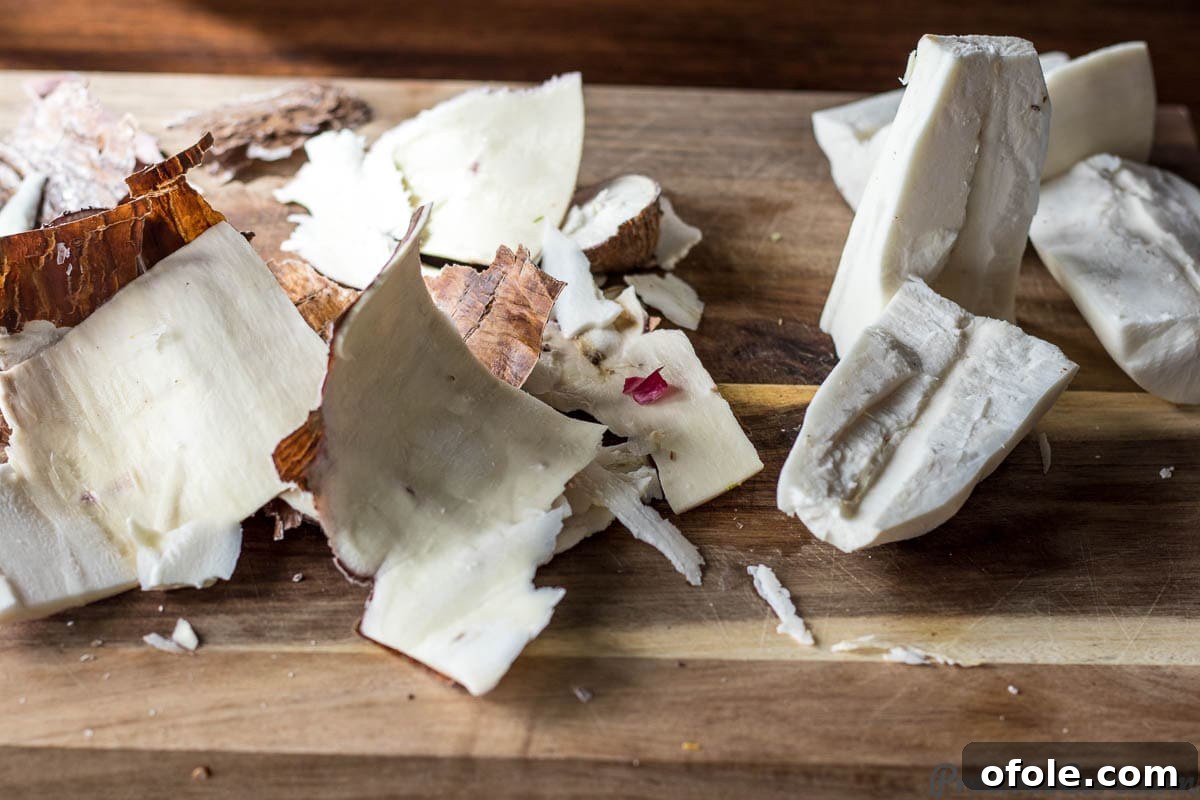
- Begin by cutting the yuca tuber into manageable 2-3 inch pieces. This makes it easier to handle and peel.
- Place a piece on a cutting board. Using a paring knife, make a shallow incision lengthwise along the piece, just deep enough to cut through the skin but not into the flesh.
- Gently pry the edge of the skin away from the flesh with your knife or thumb, then continue to peel it off around the entire piece. The skin should come off in strips, revealing the clean, white yuca underneath.
- Once peeled, thoroughly wash the yuca pieces under cold running water to remove any residual dirt or tiny skin particles. Pat them dry with paper towels.
Step 2: Cutting and Blanching
The secret to perfectly cooked yuca fries lies in the blanching step. This softens the yuca and ensures it cooks evenly when fried, preventing a tough interior.
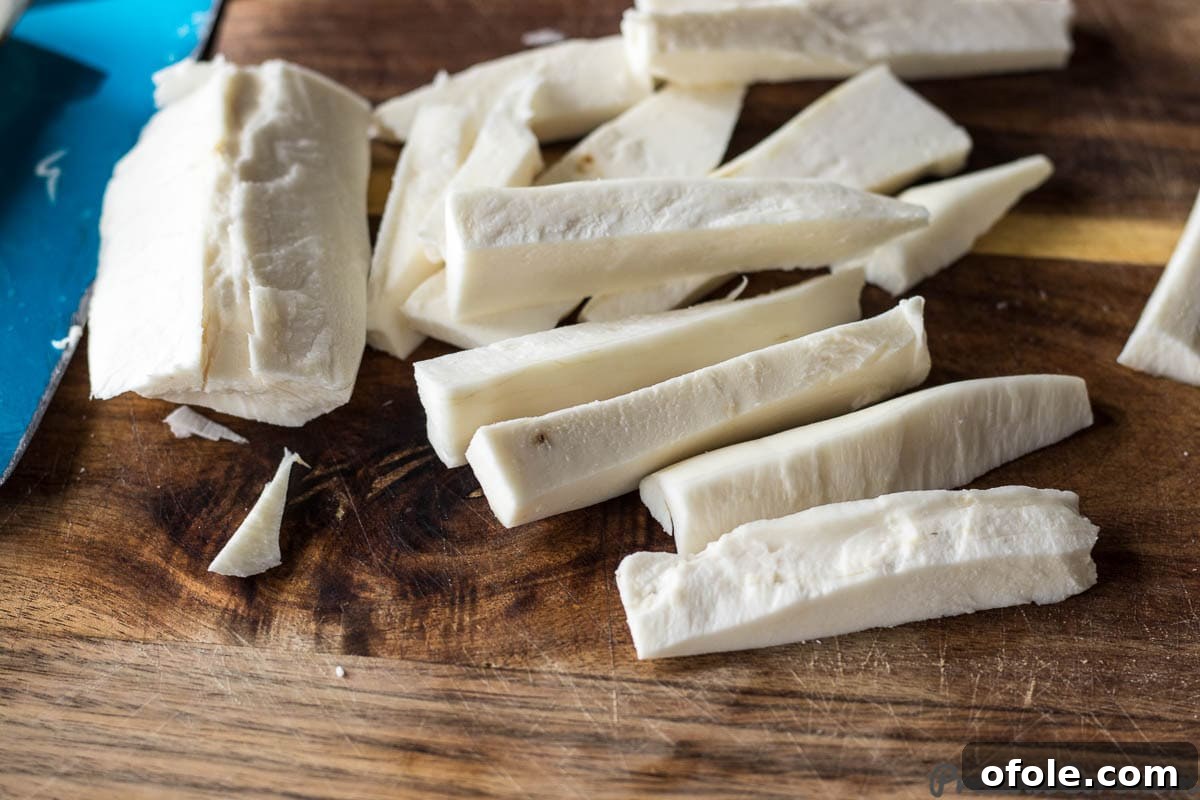
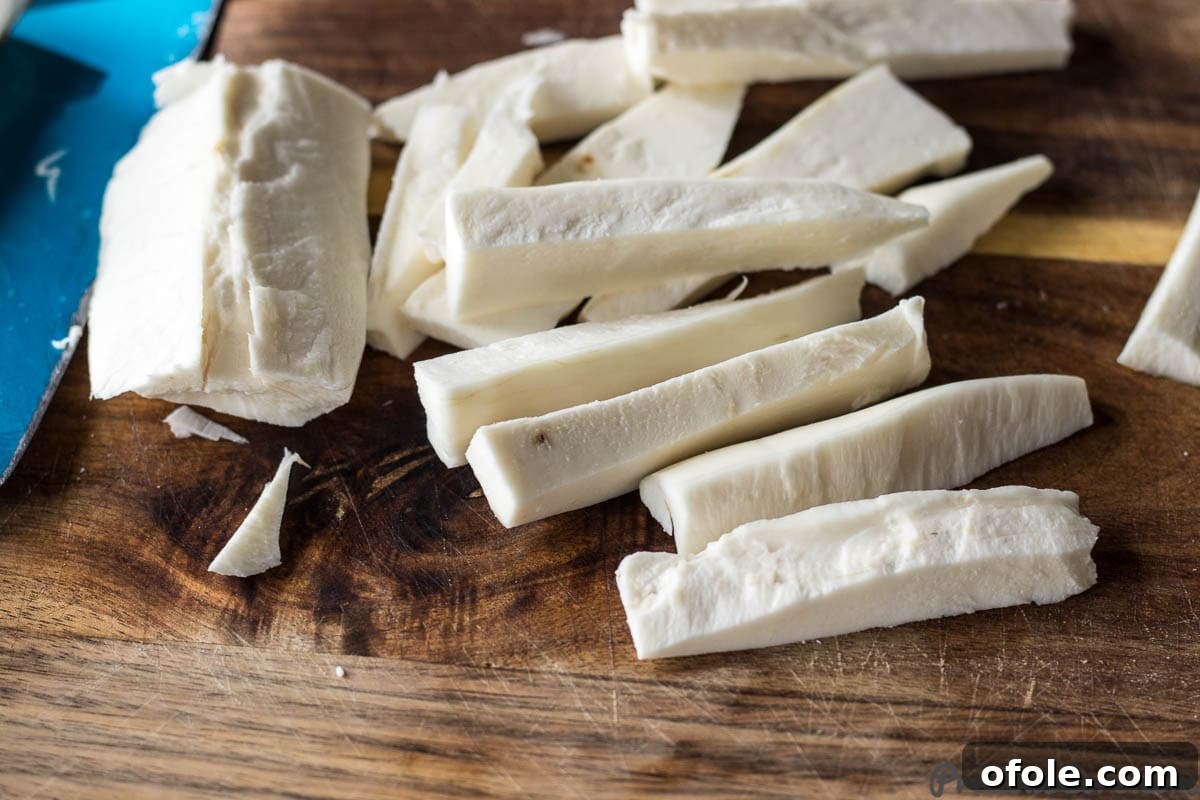
- Carefully cut the peeled yuca pieces into fry shapes. Aim for uniform thickness (about 1/2 inch) to ensure even cooking. You’ll notice a fibrous strand running through the center of some pieces; remove this when you cut the yuca, especially from larger pieces, as it can be woody.
- Place the cut yuca fries in a large pot and cover with cold water. Add a generous pinch of salt. Bring to a boil, then reduce heat and simmer for about 10-15 minutes, or until the yuca is fork-tender but still firm enough to hold its shape. Do not overcook, or they will fall apart.
- Drain the blanched yuca thoroughly and spread them out on a clean kitchen towel or paper towels to dry completely. Excess moisture will cause oil to splatter and prevent crisping.
Step 3: Frying for Golden Perfection
This is where the magic happens! Proper oil temperature and careful monitoring are crucial for achieving that irresistible crisp exterior.
- In a deep pot or Dutch oven, pour enough oil to reach 3-4 inches depth. Heat the oil over medium-high heat until it reaches 350-375 degrees F (175-190 degrees C). A kitchen thermometer is highly recommended for accuracy.
- Carefully add the blanched and dried yuca fries to the hot oil in small batches. Do not overcrowd the pot, as this will lower the oil temperature and result in soggy fries.
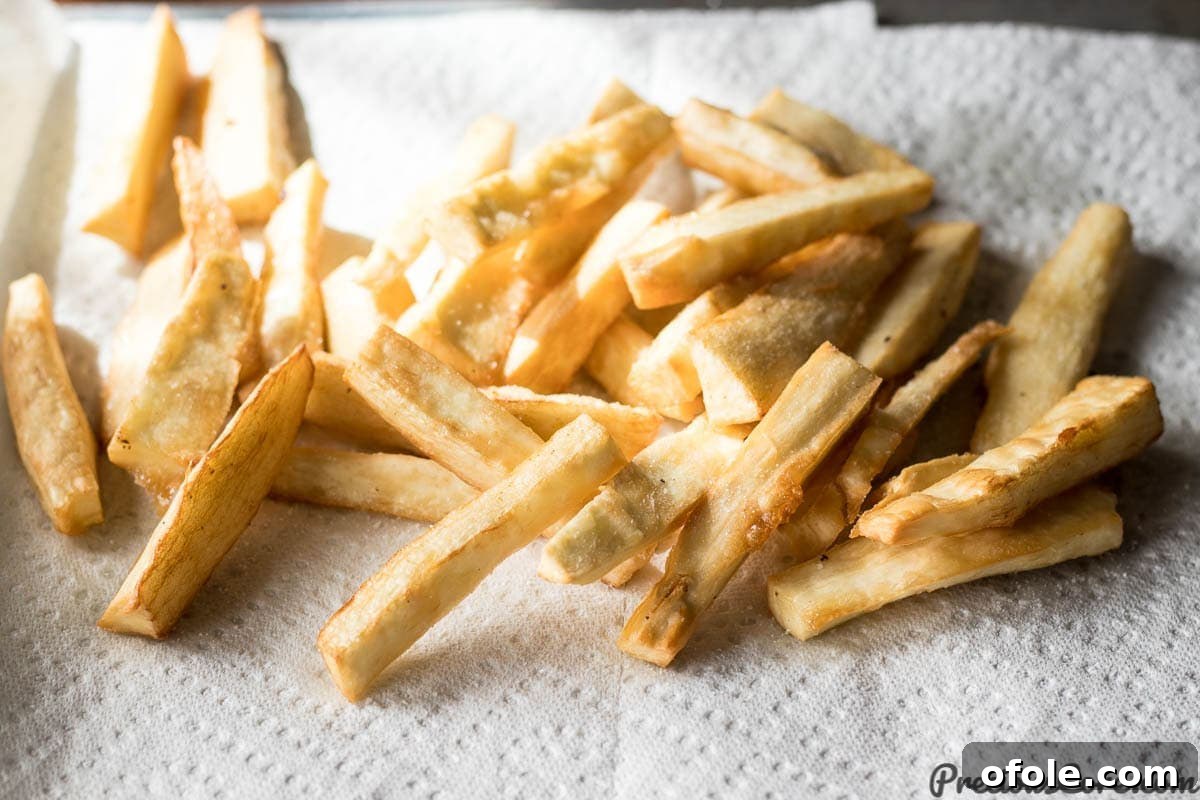
- Fry the yuca for about 5-8 minutes per batch, turning occasionally, until they are golden brown and wonderfully crispy on the outside.
- **Crucial Tip:** Remove the fries from the oil as soon as they reach your desired crispness. If left to fry for too long, yuca can become tough and chewy rather than tender.
- Using a slotted spoon or spider, transfer the crispy fries to a plate lined with paper towels to absorb any excess oil.
- Immediately sprinkle with sea salt while still hot. The heat helps the salt adhere and enhances the flavor.
Serve your Yuca Fries warm, as they are best enjoyed fresh out of the fryer. As they cool, yuca can firm up, losing some of its delightful tenderness. While delicious on their own, a side of your favorite dipping sauce like a zesty aioli, a spicy mayonnaise, or even a fresh chimichurri can take them to the next level. Enjoy this incredible snack or side dish that brings a taste of the tropics right to your kitchen!
More Delicious Fry Recipes
Loaded French Fries
Plantain Fries
Best Seasoning For French Fries
If you make this irresistible Yuca Fries recipe, please consider leaving a comment and a star rating below. Your feedback helps other home cooks discover and enjoy this fantastic dish, and I always love hearing from you! Thank you!
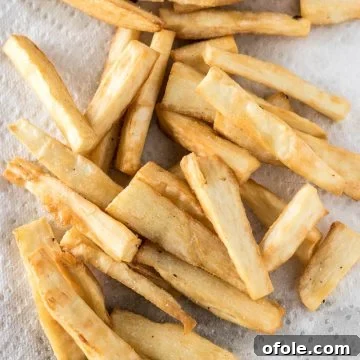
Crispy Yuca Fries
15
20
35
4 servings
Ingredients
- 1 (8-inch) yuca root
- Sea salt, for sprinkling
- Oil, for frying (e.g., vegetable, canola, or peanut oil)
Instructions
-
Peel the yuca: Cut the yuca root into 2-3 manageable pieces. Using a paring knife, make a shallow slit along the length of each piece, just through the skin. Gently pry the skin off with your knife or thumb, working your way around the entire piece.
-
Wash the peeled yuca pieces thoroughly under cold water and pat them completely dry with paper towels.
-
Cut the peeled yuca into uniform fry shapes, about 1/2 inch thick. Remove any tough, fibrous strands from the center of larger pieces.
-
Blanch the yuca: Place the cut yuca fries in a large pot, cover with cold water, and add a pinch of salt. Bring to a boil, then reduce heat and simmer for 10-15 minutes, or until the yuca is fork-tender but still firm. Drain well and spread on paper towels to dry completely.
-
Heat oil in a deep pot or Dutch oven to 350-375 degrees F (175-190 degrees C). Ensure the oil is 3-4 inches deep.
-
Carefully add the blanched and dried yuca fries to the hot oil in small batches. Fry until golden brown and crispy on the outside (about 5-8 minutes). Be sure to remove the fries as soon as they are crispy; over-frying will make them tough.
-
Using a slotted spoon, transfer the fries to a plate lined with paper towels to absorb excess oil. Immediately sprinkle with sea salt.
-
Enjoy warm! Yuca fries are best served hot. If allowed to cool, they will become hard. Pair with your favorite dipping sauce or savor them as they are for a simple, delicious snack.
Notes
- For truly crispy results, ensure your yuca fries are completely dry after blanching and before frying.
- Do not overcrowd the pot when frying; cook in small batches to maintain oil temperature and ensure even crisping.
- Monitor the fries closely while frying. Yuca can go from perfectly crispy to tough quickly if overcooked.
- Serve immediately for the best texture. If storing, reheat briefly in an air fryer or oven to regain some crispness.
Nutrition (per serving, estimated)
|
Carbohydrates: 39g
|
Protein: 1g
|
Fat: 0.3g
|
Saturated Fat: 0.1g
|
Polyunsaturated Fat: 0.1g
|
Monounsaturated Fat: 0.1g
|
Sodium: 14mg
|
Potassium: 276mg
|
Fiber: 2g
|
Sugar: 2g
|
Vitamin A: 13IU
|
Vitamin C: 21mg
|
Calcium: 16mg
|
Iron: 0.3mg
Additional Info
Side Dish, Snack
African, South American, Caribbean
163