
Savor the Flavors of Cameroon: The Ultimate Fufu, Njama Njama, and Kati Kati Recipe Guide
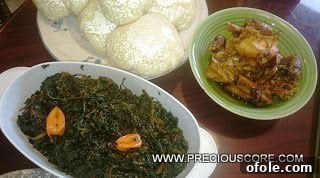
Prepare to embark on a delightful culinary journey to the heart of Cameroon with this incredible, traditional meal. Fufu, Njama Njama, and Kati Kati represent a perfect trifecta of flavors and textures that will undoubtedly captivate your palate. This iconic Cameroonian delicacy is more than just a meal; it’s a vibrant celebration of rich cultural heritage and a testament to the country’s diverse and soulful gastronomy. If you’re seeking an authentic West African dining experience that promises both hearty satisfaction and unique taste, look no further – this traditional combination is truly extraordinary and a must-try for any food enthusiast.
At the very foundation of this fulfilling feast is Fufu Corn, a staple made from finely ground corn flour. Its smooth, pliable texture serves as the ideal neutral base, perfectly designed to absorb the rich and complex flavors of the accompanying stews. Alongside it, you’ll discover Njama Njama, a vibrant and nutritious green stew prepared with garden huckleberry leaves (scientifically known as Solanum scabrum, often referred to as African nightshade). This indigenous leafy green provides a refreshing, slightly bitter, and earthy counterpoint, beautifully balancing the meal’s other components. And then, there’s the undisputed star of the show: Kati Kati Chicken. This unique chicken preparation method involves charring the chicken over an open flame, which imbues it with a distinctive, deep smoky flavor. After charring, the chicken is chopped and simmered to perfection in a rich, aromatic palm oil stew infused with a blend of local spices. The harmonious result is an unforgettable symphony of tastes – savory, smoky, earthy, and utterly delicious. Each component, while delicious on its own, truly shines when brought together, creating a well-rounded and deeply satisfying meal that has been cherished across Cameroonian families for generations.
Bringing Authentic Cameroonian Delicacies to Your Kitchen
For those eager to recreate this authentic taste of Cameroon, I recently had the wonderful opportunity to capture the entire preparation of this exquisite dish. While visiting my brother-in-law, who was just about to prepare this traditional feast, I decided to take over the kitchen and document the entire process, specifically for you! This comprehensive guide includes a detailed step-by-step video demonstration, offering visual cues and techniques, followed by explicit written recipes for each individual element: Fufu Corn, Njama Njama, and Kati Kati Chicken. Whether you are an adventurous home cook with a passion for global flavors or simply someone looking to expand their culinary repertoire, these instructions will help you recreate an authentic Cameroonian experience in your very own kitchen. Get ready to immerse yourself in the rich culinary traditions of West Africa!
The Complete Cameroonian Feast: Detailed Recipes for Fufu, Njama Njama, and Kati Kati
Below you will find the comprehensive recipes for each part of this magnificent Cameroonian meal. Each recipe is designed to be clear, easy to follow, and packed with traditional flavors, ensuring you can replicate the authentic taste of this beloved dish right at home.
1. Fufu Corn: The Hearty Foundation of Cameroonian Meals
Fufu corn is a foundational element in many Central and West African cuisines, known for its smooth texture and its perfect ability to soak up the rich, flavorful sauces and stews that accompany it. More than just a side dish, Fufu serves as the “spoon” and the anchor of the meal, providing a substantial and comforting base. It’s surprisingly simple to prepare, requiring just two core ingredients and a bit of vigorous stirring to achieve its characteristic soft, pliable consistency. This recipe yields a perfect Fufu corn, ideal for pairing with the robust flavors of Njama Njama and Kati Kati.
Prep time: 10 minutes
Cook time: 20 minutes
Total time: 30 minutes
Serves: 4 people
Ingredients for Fufu Corn:
- 3 cups of fine corn flour (ensure it’s not corn starch)
- 6 cups of water
Essential Utensils Needed:
- A sturdy wooden spoon or stick for ‘turning’ (vigorous stirring), which is crucial for achieving the desired smooth and lump-free fufu consistency.
- A large, heavy-bottomed cooking pot.
Method for Preparing Fufu Corn:
- Begin by pouring the 6 cups of water into your large cooking pot. Place it over medium-high heat and bring the water to a rapid, rolling boil.
- While the water is heating up, take a separate medium-sized bowl. In this bowl, combine half a cup of corn flour with one cup of cool water. Whisk or stir vigorously until a smooth, lump-free paste is formed. This paste will be used to initiate the thickening process of the fufu.
- Once the water in the pot has reached a vigorous boil, carefully scoop out two cups of the boiling water and set it aside. This reserved hot water will be used later to adjust the fufu’s consistency and ensure it cooks thoroughly.
- Reduce the heat under the pot to a medium setting. Slowly pour the corn flour paste you prepared into the remaining boiling water in the pot, stirring continuously and vigorously with your wooden spoon. The mixture will begin to thicken quite rapidly. Continue stirring until it forms a very thick, somewhat uniform mass.
- Now, it’s time to add the remaining 2.5 cups of dry corn flour to the pot. Add it gradually while stirring continuously in a circular motion. This is the stage where the “turning” or intense stirring comes in, requiring considerable strength and perseverance to ensure all the flour is fully incorporated and no lumps remain. If the mixture becomes too stiff to stir effectively, use the flat side of your wooden spoon to push and smear the fufu against the side of the pot, helping to dissolve any stubborn clumps.
- Once all the flour is thoroughly mixed in and the fufu appears relatively smooth, carefully pour in the two cups of hot water that you set aside earlier. Cover the pot tightly with a lid and allow the fufu to cook on low heat for about 5-10 minutes. This steaming process is essential; it helps soften the fufu, ensures the corn flour is fully cooked, and allows all the elements to integrate perfectly.
- After the steaming period, remove the lid and give the fufu one final, vigorous stir until everything is completely well incorporated and the texture is uniformly smooth and pliable.
- To serve, scoop out individual portions of the Fufu and traditionally shape them into balls or mounds. To keep them warm and moist until mealtime, fufu is often wrapped in plastic wrap, small sandwich bags, aluminum foil, or, most authentically, in warmed banana leaves. Serve immediately with your rich Njama Njama and smoky Kati Kati.
2. Njama Njama: Vibrant Huckleberry Greens with a Cameroonian Twist
Njama Njama, traditionally prepared from garden huckleberry leaves, is a remarkably nutritious and incredibly flavorful green stew that brings a touch of freshness and earthiness to the Cameroonian plate. Its distinct, slightly bitter notes perfectly complement the richness of palm oil and the smoky depth of the Kati Kati chicken. While garden huckleberry is the traditional choice, you can easily substitute it with other robust leafy greens like kale, spinach, or collard greens if huckleberry is not readily available in your region. The key to a delicious Njama Njama lies in the proper preparation of the greens and building a flavorful base.
Prep time: 15 minutes (assuming huckleberry is pre-fixed and blanched)
Cook time: 20-25 minutes
Total time: 35-40 minutes
Serves: 4-6 people
Ingredients for Njama Njama:
- 2 pounds (approximately 1 kg) of garden huckleberry leaves, thoroughly cleaned, lightly boiled or blanched, and then chopped. (Excellent substitutes include fresh kale or spinach.)
- 6 medium-sized ripe tomatoes, finely chopped or diced.
- 1 large onion, finely chopped.
- 3 small seasoning cubes (such as Maggi or Knorr, adjust according to your preferred taste).
- Salt, to taste.
- 1 cup of cooking oil (vegetable oil or, for a more authentic flavor, palm oil).
- 2 habanero peppers, whole or finely chopped (this is optional, depending on your desired level of heat).
Method for Preparing Njama Njama:
- Start by preparing your core vegetables: Finely chop the onion and tomatoes. If you are using habanero peppers, you can either chop them for an even distribution of heat or leave them whole if you prefer a milder spice and want to avoid direct contact with the seeds. Set all chopped ingredients aside.
- Heat the cooking oil in a large pot or a deep skillet over medium heat. Once the oil is hot and shimmering, add the chopped onions. Sauté them gently, stirring occasionally, until they become translucent and wonderfully fragrant, typically taking about 3-5 minutes. This step creates a aromatic foundation for the stew.
- Add the chopped tomatoes to the pot with the sautéed onions. Continue to cook the tomatoes down, stirring frequently, until their raw acidity mellows and they break down to form a thick, rich sauce. This crucial step usually takes between 10-15 minutes and ensures a deeply flavorful base for your greens.
- Stir in the seasoning cubes and salt, adjusting the quantity to achieve your desired taste profile. Mix thoroughly to combine these seasonings with the tomato-onion base. If you are using habanero peppers, add them at this stage to infuse their heat into the sauce.
- Finally, add the prepared (lightly boiled and chopped) garden huckleberry leaves, kale, or spinach to the pot. Stir gently but thoroughly to ensure the greens are fully coated with the vibrant sauce. Cover the pot and allow it to simmer on low heat for approximately 5-7 minutes. This simmering period allows the flavors to fully meld together and the greens to soften further, resulting in a cohesive and delicious Njama Njama.
- Remove the pot from the heat. Your flavorful Njama Njama is now ready to be served hot, ideally accompanied by warm Fufu Corn and Kati Kati Chicken!
3. Kati Kati Chicken: A Smoky and Rich Cameroonian Specialty
Kati Kati is the dish that truly sets this Cameroonian meal apart and makes it an unforgettable experience. The distinctive smoky flavor is achieved by charring the chicken over an open flame before it is stewed in vibrant, rich palm oil. This unique preparation method imparts an incredible depth of flavor to the chicken that is both rustic and wonderfully refined. For the most authentic and robust results, using a “hard chicken” (an older, tougher bird) is highly recommended. Hard chicken holds up exceptionally well to the charring and simmering processes, tenderizing beautifully over longer cooking times while developing a more intense and complex flavor profile.
Prep time: 15 minutes
Cook time: 30 minutes
Total time: 45 minutes
Serves: 4-6 people
Ingredients for Kati Kati Chicken:
- 1 whole chicken, plucked clean and then slightly charred over an open flame until lightly burnt and smoky. (Preferably use a hard chicken for superior flavor and texture.) Cut the charred chicken into desired serving-sized pieces.
- 1 cup of rich, red palm oil (this is essential for authentic flavor and color).
- 1 medium-sized onion, finely chopped.
- 4 cloves of fresh garlic, minced or crushed.
- 2 seasoning cubes (such as Maggi or Knorr).
- 1 habanero pepper, left whole for mild heat or finely chopped for more intensity (adjust according to your spice preference).
- Salt, to taste.
Method for Preparing Kati Kati Chicken:
- Start by preparing your chicken: If you haven’t already, ensure the whole chicken has been plucked and then lightly charred over an open flame (a gas burner, charcoal grill, or even a broiler can be used). This charring is key for the smoky flavor. Once charred, cut the chicken into your desired serving-sized pieces.
- Place the prepared chicken pieces into a large cooking pot. Add approximately 3 cups of water, cover the pot, and bring it to a boil. Allow the chicken to simmer gently for about 10-15 minutes. This initial simmering helps to tenderize the chicken slightly and begins to create a flavorful broth.
- While the chicken is simmering, finely chop your onion, mince your garlic, and prepare your habanero pepper (either leave it whole or finely chop it).
- Season the simmering chicken by adding salt and the seasoning cubes to the pot. Then, incorporate the chopped onion, minced garlic, and the habanero pepper. Stir gently but thoroughly to ensure the seasonings and aromatic ingredients are well distributed among the chicken pieces.
- Carefully pour the cup of palm oil over the chicken and the other ingredients in the pot. Stir everything together once more to ensure an even coating.
- Continue to cook the mixture, now uncovered, over medium heat. Allow it to simmer and reduce until all the added water has evaporated. The goal is for only the chicken and the rich, red palm oil to be left in the pot, with the chicken gently frying in the oil. This reduction process is vital as it concentrates the flavors and allows the chicken to fully absorb the distinctive, earthy taste of the palm oil. Stir occasionally to prevent any sticking or burning.
- Once the water has completely evaporated, and the chicken pieces are glistening in the reduced palm oil, your smoky and flavorful Kati Kati Chicken is ready to be served.
Chef’s Note: An alternative cooking method for Kati Kati involves frying the chopped onion and tomatoes in oil first, before adding the raw, charred chicken and then bringing the mixture to a boil. However, my preferred method, as detailed in the steps above, emphasizes boiling the chicken first. This approach ensures that the other aromatic ingredients—such as the fresh onions, garlic, and peppers—do not overcook and lose their vibrant flavors and distinct textures during the longer cooking process required to fully tenderize the chicken and properly reduce the sauce. By introducing these aromatics later, their fresh taste is preserved, contributing to a more pronounced and balanced flavor in the final Kati Kati dish.
Enjoying Your Authentic Cameroonian Culinary Masterpiece
With all three components prepared, it’s time to gather around and savor your authentic Cameroonian meal. Serve your hot Kati Kati chicken and vibrant Njama Njama stew generously alongside warm Fufu Corn. The traditional and most enjoyable way to eat Fufu is to break off a small, manageable piece with your fingers. Gently shape it into a small scoop or ball, and then use it to pick up a portion of the flavorful stew and chicken. This hands-on method not only connects you to the cultural tradition but also allows you to truly experience the interplay of all the flavors and textures – from the neutral, starchy comfort of the Fufu to the tangy, fresh greens of the Njama Njama, and the smoky, savory depth of the Kati Kati chicken.
This combination offers a complete, deeply satisfying, and culturally rich meal that is perfect for family gatherings, special occasions, or simply for anyone looking to explore the incredible depth and warmth of African cuisine. Don’t hesitate to experiment with the spice levels in your Njama Njama and Kati Kati to perfectly suit your personal preference. From a mild hint of heat to a fiery kick, tailoring the spice will make this dish truly your own. Happy cooking, and bon appétit!