
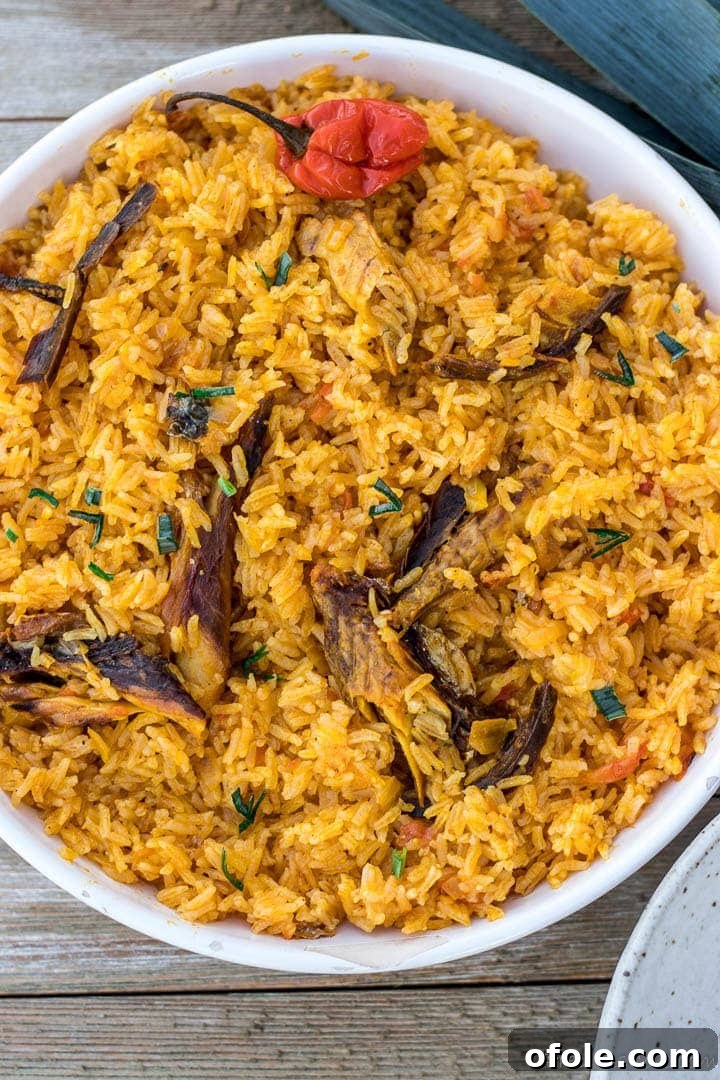
Njanga Rice, also widely known as Crayfish Rice, Palm Oil Jollof Rice, or simply Native Jollof Rice, is a vibrant and intensely flavorful dish that stands out in the rich tapestry of West African cuisine. This beloved rice preparation masterfully combines the earthy notes of dried crayfish with the distinctive, rich flavor and reddish hue of palm oil, creating a culinary experience that is both smoky, spicy, and deeply satisfying. It's a dish that evokes warmth, comfort, and a strong connection to tradition for many.
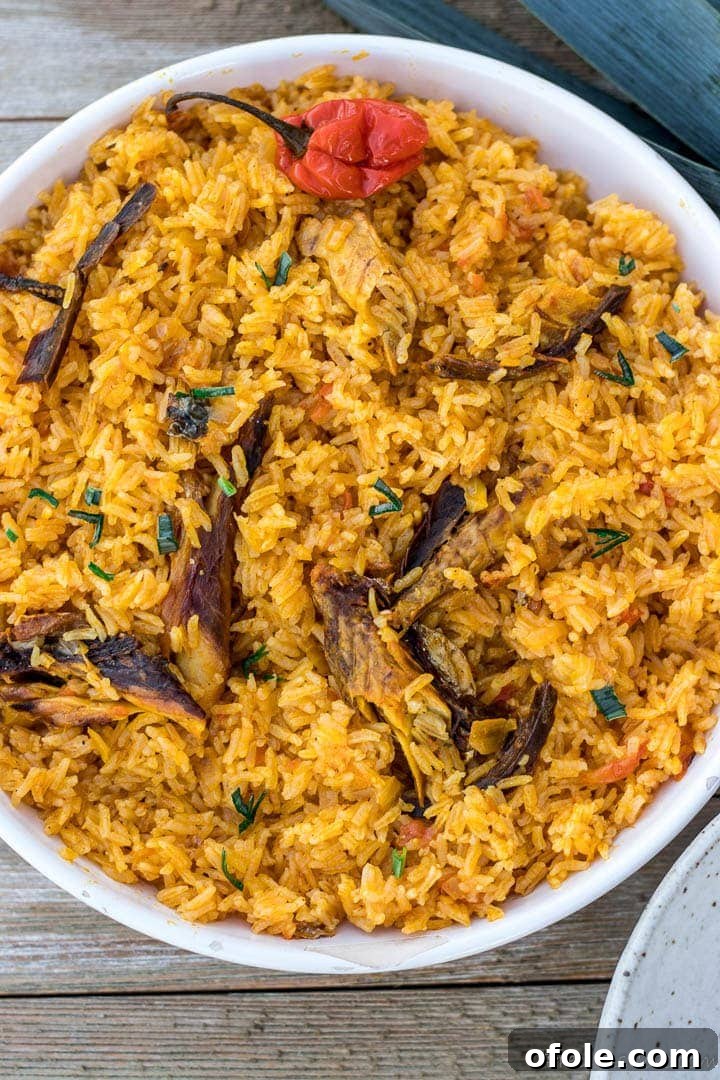
Discovering the Magic of Njanga Rice: A Culinary Journey
The journey of creating the perfect Njanga Rice recipe often begins with a craving, a spontaneous moment that transforms simple ingredients into an extraordinary meal. My own initial foray into documenting this recipe was precisely that—an unplanned, early morning inspiration that yielded a dish so delicious, it simply had to be shared. That first version, made with already cooked white rice, highlighted a key principle in creating flavorful rice dishes: preserving the integrity of individual ingredients. By adding ingredients to pre-cooked rice, their flavors remain distinct and vibrant, preventing them from being overcooked and ensuring a truly aromatic experience. This technique, similar to how I often prepare my classic Cameroon Jollof Rice, ensures every bite bursts with taste.
Over time, this initial inspiration evolved into a refined, one-pot Njanga Rice recipe that is not only epicly delicious but also incredibly easy to prepare. This streamlined method ensures that even busy home cooks can bring this traditional delicacy to their tables with minimal fuss. The rave reviews, especially from my husband who simply couldn’t stop eating it, are testament to its irresistible appeal. And for those days when you have leftover white rice and seek a quick, flavorful transformation, the original pre-cooked rice method remains a fantastic option, allowing you to whip up a delicious pot of crayfish or palm oil rice in no time.
Key Ingredients for Authentic Njanga Rice
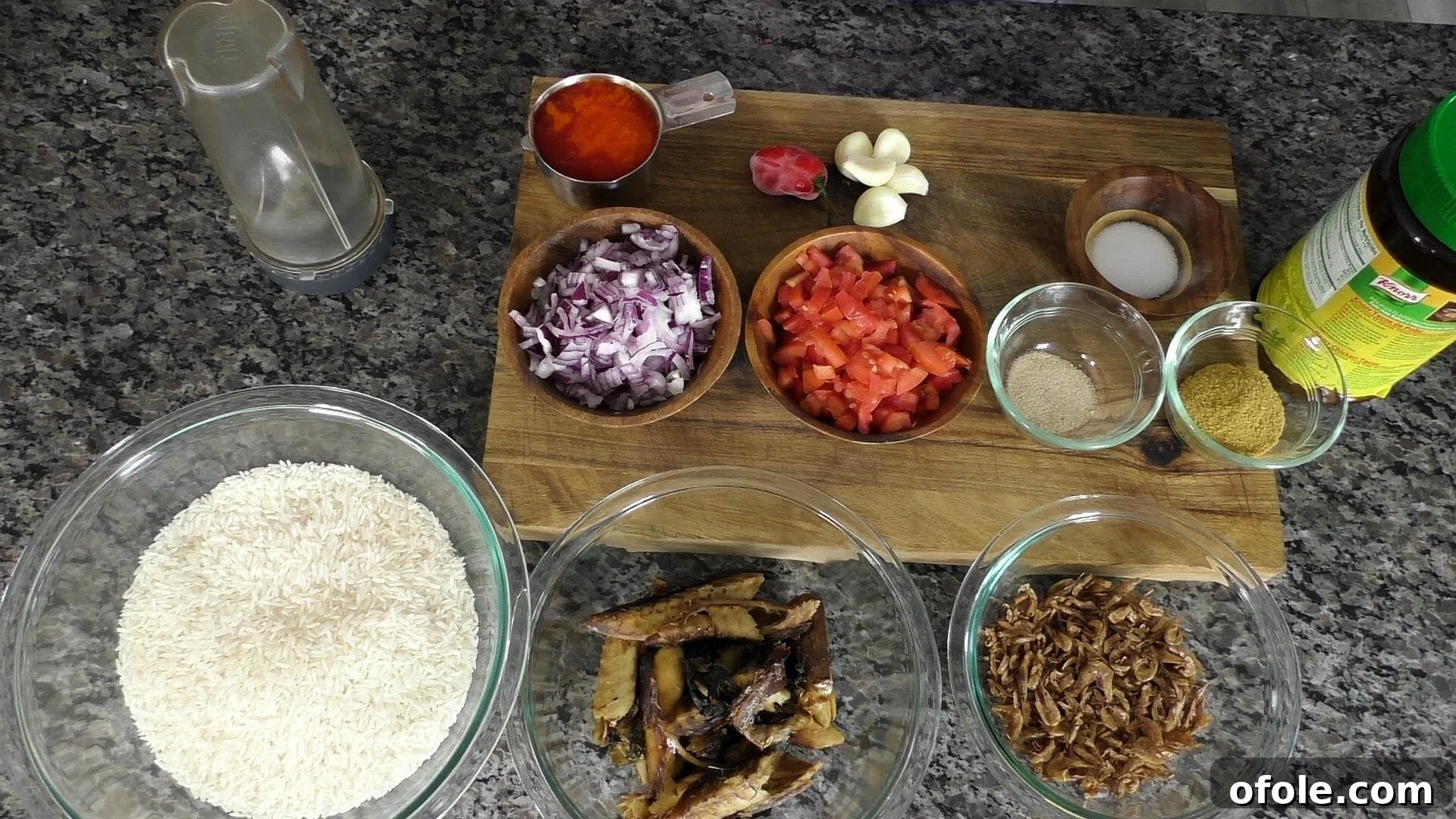
The heart of Njanga Rice lies in its distinct ingredients, each playing a crucial role in building its signature flavor profile. From the foundational red palm oil to the aromatic crayfish, every component contributes to the dish's allure.
What is Njanga? The Soul of Crayfish Rice
At the core of "Crayfish Rice" is, naturally, crayfish. In Cameroon and across much of West Africa, "Njanga" is the local term for these dried mini shrimp or prawns. Far from being a mere filler, Njanga is a powerhouse of flavor. When dried, crayfish develops an incredibly intense, salty, and earthy taste that is absolutely essential to the dish. It imparts a unique depth and umami that cannot be replicated by any other ingredient. This flavor is what gives Njanga Rice its characteristic "native" taste, distinguishing it from other rice preparations.
The combination of Njanga with the vibrant red palm oil, fiery chili or habanero pepper, and a touch of crayfish seasoning (like Maggi crevette) elevates the rice to an exhilarating level. This synergy of ingredients creates a symphony of flavors that will truly awaken your taste buds, making you understand why this dish is so cherished.
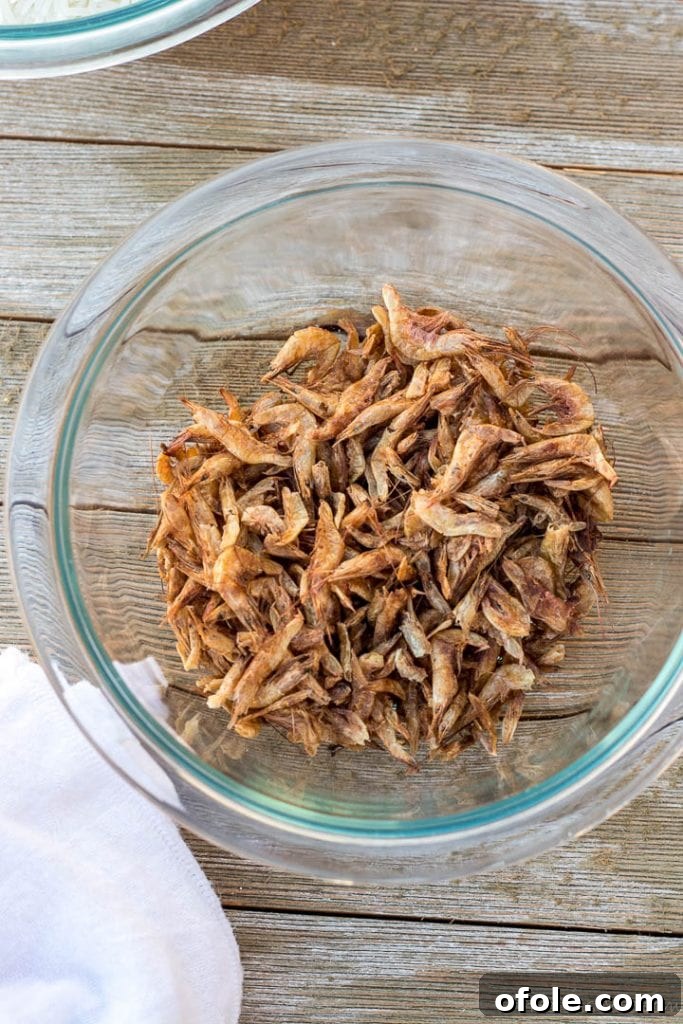
The Distinctive Allure of Red Palm Oil
Red palm oil is another non-negotiable ingredient that defines Njanga Rice. This natural oil, extracted from the fruit of the oil palm tree, is a staple in West African cooking. Unlike refined palm oil, red palm oil is unrefined and retains its beautiful reddish-orange color, as well as a distinct, slightly nutty, and earthy flavor. It's also rich in vitamins, particularly Vitamin A and E, making it a nutritious choice.
The oil not only contributes significantly to the taste but also gives Palm Oil Jollof Rice its signature reddish hue, which is different from the deeper red of tomato-based Jollof. Its aromatic qualities are released as it heats, infusing the entire dish with a captivating fragrance that hints at the deliciousness to come.
How to Make Njanga Rice (One-Pot Method): A Step-by-Step Guide
Creating authentic Njanga Rice from scratch in a single pot is surprisingly straightforward. This method minimizes cleanup while maximizing flavor, allowing all the ingredients to meld beautifully.
Preparation Steps:
- Prepare the Crayfish and Garlic: Begin by pulsing the crayfish in a blender until it's broken down into coarse flakes, not a fine powder. Separately, blend or finely chop the garlic cloves into a paste. These aromatic bases are critical for the dish's deep flavor.
- Sauté the Aromatics: Heat the red palm oil in a large, preferably non-stick pot over medium-high heat. Once shimmering (about 3 minutes), add the chopped onions. Sauté until they become translucent and fragrant, typically around 2 minutes.
- Cook the Tomatoes: Introduce the chopped Roma tomatoes to the pot. Cook them down, stirring occasionally, until they shrink significantly and their acidity mellows, which usually takes about 7 minutes. This step is crucial for building a rich flavor foundation for your Jollof Rice with Palm Oil. While the tomatoes are cooking, it’s a good time to thoroughly wash your rice and set it aside.
- Infuse with Garlic and Crayfish: Stir in the blended garlic paste and cook for about a minute until its potent aroma is released. Immediately follow with the coarsely blended crayfish, stirring for another 30 seconds to allow its unique flavor to bloom in the hot oil. These additions form the flavorful base for your Njanga Rice.
- Add the Rice: Pour the washed rice into the pot. Stir thoroughly, ensuring every grain is coated with the vibrant palm oil and flavor-packed sauce. This step allows the rice to absorb the initial flavors before liquid is added.
- Simmer to Perfection: Add the water, salt, chicken bouillon powder (or seasoning cubes), and ground white pepper to the pot. Stir gently to combine all ingredients evenly.
- Introduce Smoked Fish and Pepper: Carefully place the smoked fish (bones removed) and the whole habanero pepper into the pot. If you desire a spicier rice, you can cut the habanero pepper in half before adding it. For those who prefer less heat or wish to control the spice level per serving, leaving it whole is ideal (you can press it into your own plate of rice later).
- Cook and Rest: Cover the pot tightly and reduce the heat to low. Allow the rice to cook undisturbed for approximately 40 minutes. Once cooked, turn off the heat but leave the pot covered for another 5 minutes. This resting period is crucial as it allows the rice to steam perfectly and ensures a fluffy texture.
- Fluff and Serve: Finally, uncover the pot and gently fluff the rice with a fork to separate the grains. Serve warm and enjoy the aromatic, smoky, and spicy goodness of your homemade Njanga Rice!
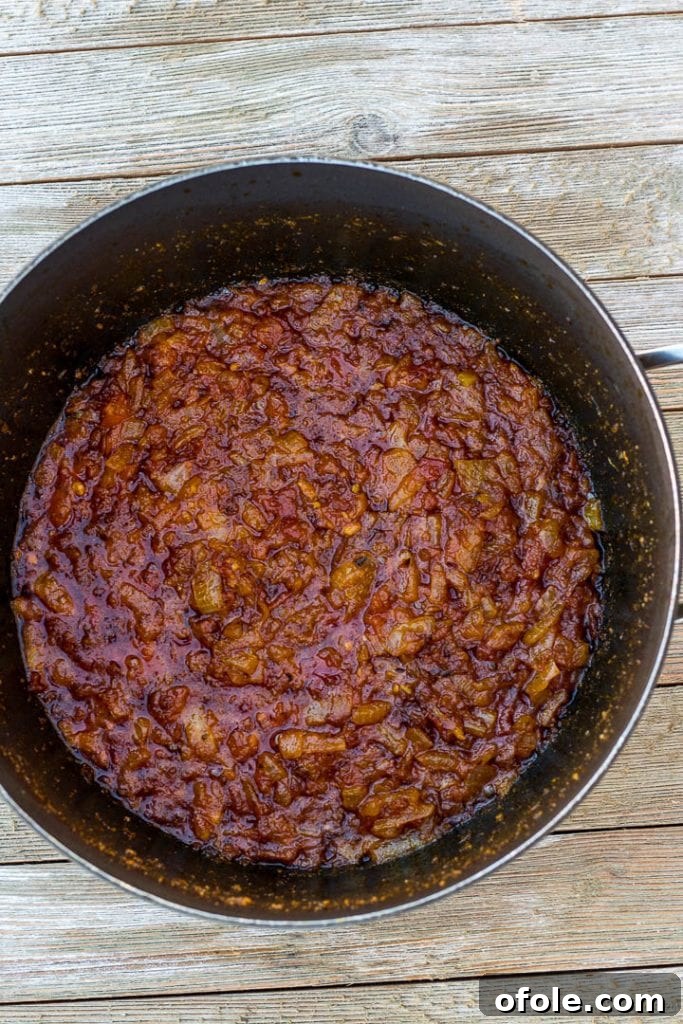
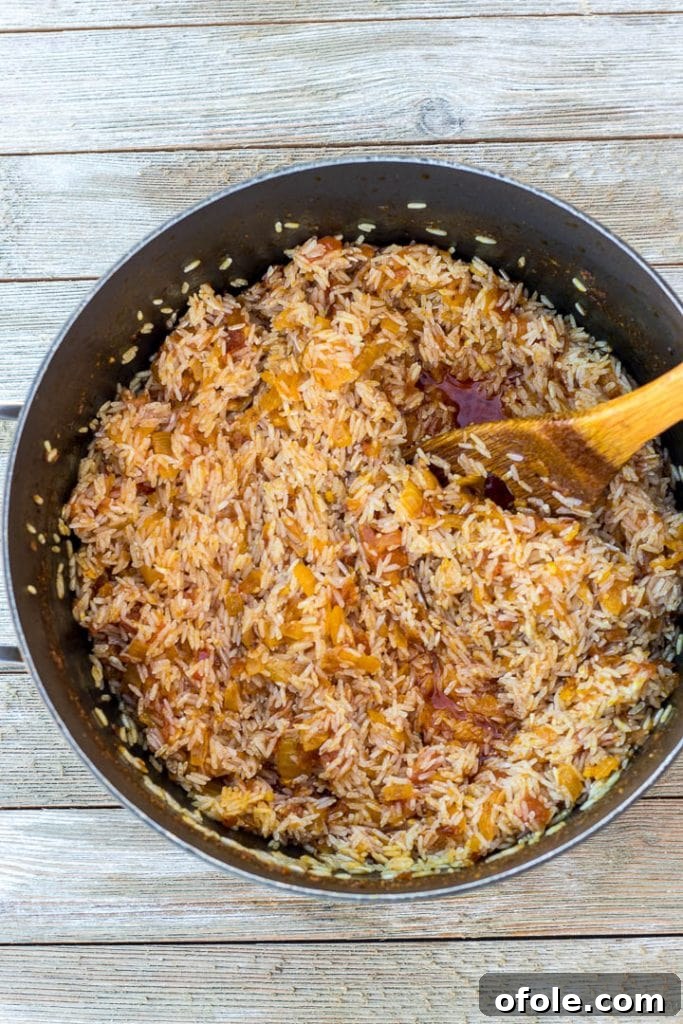
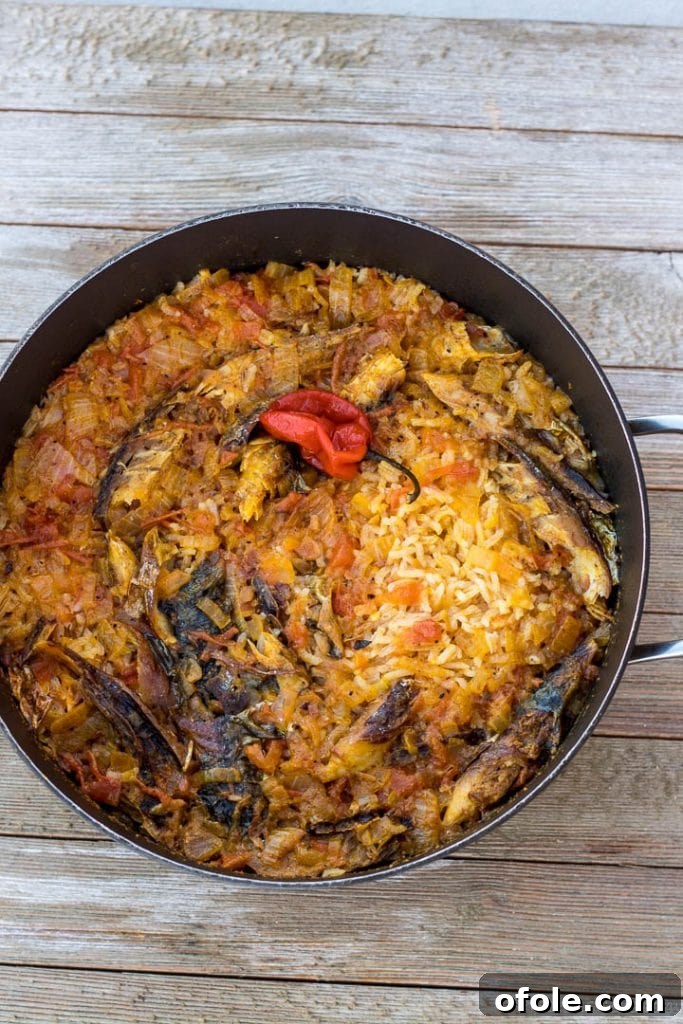
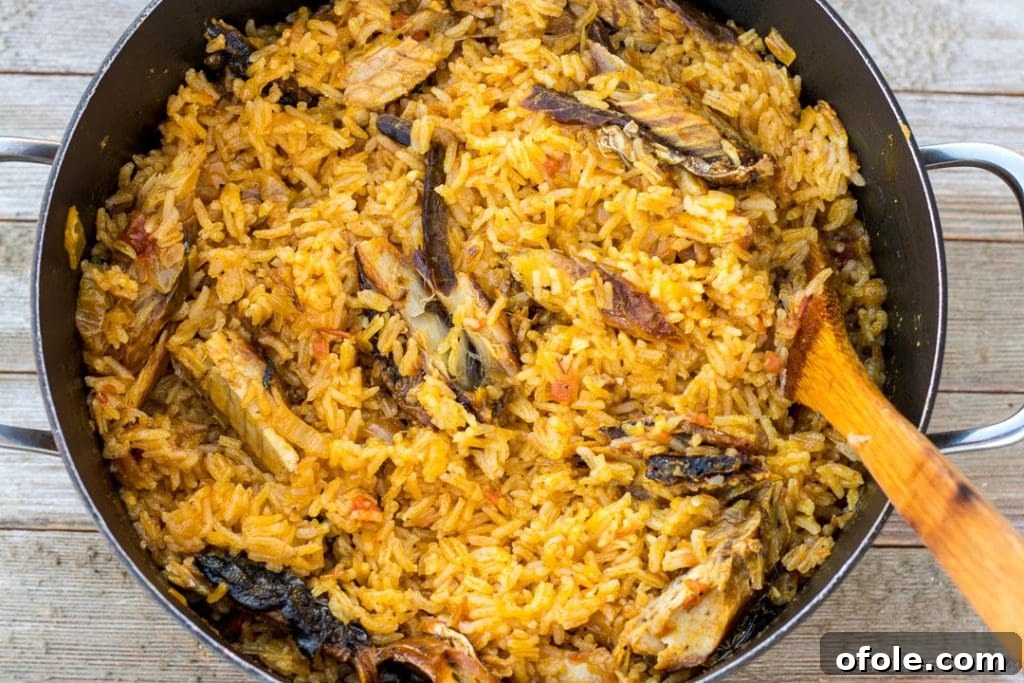
Quick Njanga Rice (Crayfish Rice) with Pre-Cooked Rice Method
For those days when time is of the essence or you simply have leftover rice, this speedy method for Njanga Rice (also known as Jollof Rice with Palm Oil) is a game-changer. It leverages pre-cooked rice to bring a delicious meal to the table in under an hour.
Prep time: 5 mins
Cook time: 30 mins
Total time: 35 mins
Serves: 4
Ingredients for Pre-cooked Rice Method:
- 4 cups of pre-cooked white rice
- 2 medium Roma tomatoes, chopped
- 1 medium onion, chopped
- 1/2 cup of red palm oil
- 1 crayfish seasoning cube (Maggi crevette)
- 2 chili peppers (or 1 habanero pepper), chopped
- 1 stem green onion, chopped
- 1 finely chopped garlic clove
- 1/4 cup coarsely ground crayfish
- Salt to taste
Instructions for Pre-cooked Rice Method:
- Prepare Ingredients: Chop onions, tomatoes, chili peppers, and green onion. Set aside.
- Heat Oil and Sauté: Pour red palm oil into a clean pot and heat it gently. Add the chopped onions and fry until softened and translucent. Then, add the chopped tomatoes and continue to fry until they have shrunk and their acidity is significantly reduced, usually about 7 minutes.
- Infuse with Aromatics: Add the ground crayfish, finely chopped garlic, chopped chili pepper, and green onion. The heat of the oil will instantly unlock their fragrant flavors, creating an aromatic base.
- Combine with Rice: Introduce the pre-cooked rice to the pot. Mix everything thoroughly and gently to ensure all the ingredients are well combined and the rice is evenly coated with the palm oil and seasonings, being careful not to mash the rice grains. Add the crayfish seasoning cube and salt to taste.
- Final Stir and Serve: Stir for another minute to allow the flavors to meld. That's it! This quick method delivers a simple yet incredibly tasty Njanga Rice or Jollof Rice with Palm Oil.
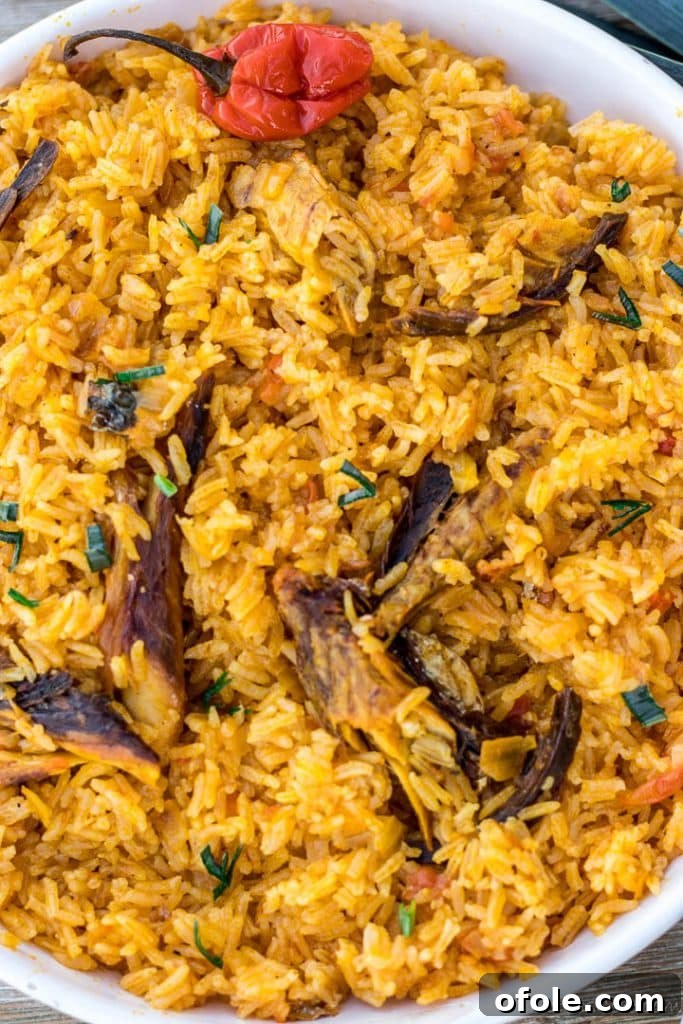
The Unforgettable Taste of Njanga Rice
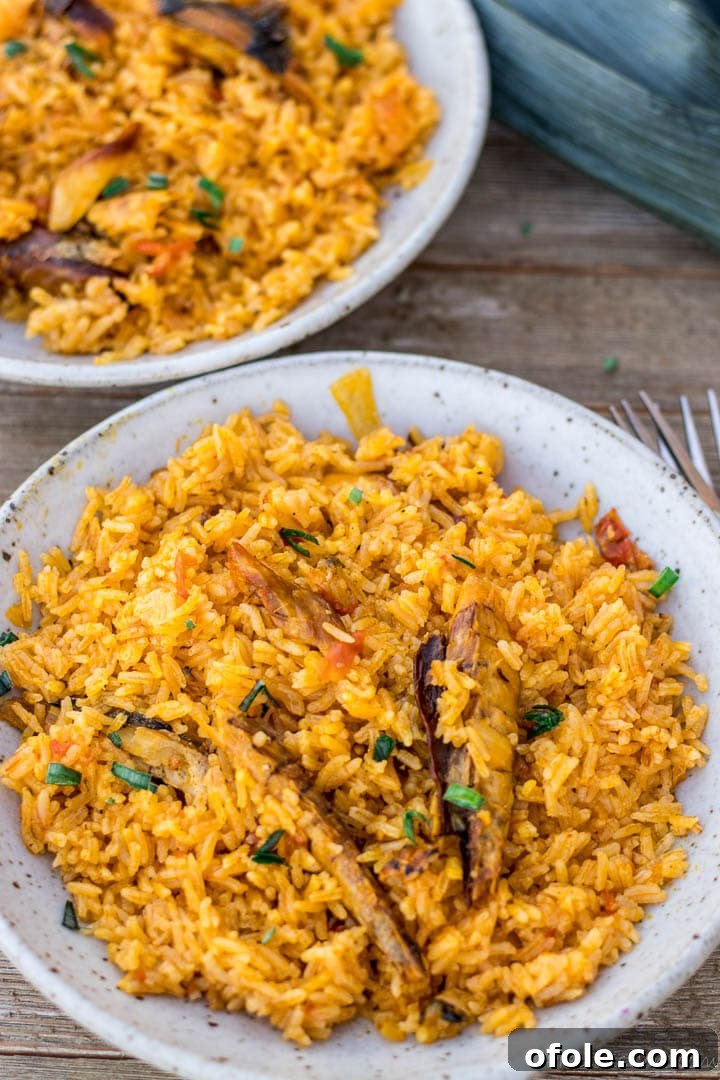
What truly defines Njanga Rice is its complex and deeply comforting flavor profile. It's an exquisite blend of smoky undertones from the cooking process and smoked fish, a pleasant spiciness from the chili or habanero pepper, and a unique, alluring fragrance derived from the red palm oil. Each spoonful is a journey for the senses.
For many, Palm Oil Rice isn't just a meal; it's a taste of home. The rich aroma alone can transport you back to childhood memories, connecting you to cherished culinary traditions. The earthy notes of the crayfish combined with the subtle sweetness of cooked tomatoes and onions create a harmonious balance that is truly addictive.
Serving Suggestions for Crayfish Rice
Njanga Rice is wonderfully versatile and pairs well with a variety of accompaniments. I personally adore enjoying crayfish rice with a side of creamy avocado or ripe plantains, which offer a delightful contrast in texture and flavor. It also goes exceptionally well with a simple salad, grilled fish, or even a side of fried eggs. For a truly authentic experience, serve it with a chilled drink and good company.
Tips for a Perfect Pot of Njanga Rice
- Quality Crayfish: Always source good quality dried crayfish. If buying whole, pulse it yourself for better control over texture and freshness.
- Authentic Palm Oil: Use unrefined red palm oil for the best flavor and color. It's readily available in African stores or online.
- Don't Rush the Aromatics: Allow the onions and tomatoes to cook down properly. This step is crucial for developing the foundational flavors.
- Rice to Water Ratio: The quantity of water needed can vary depending on the type of rice. Jasmine rice is a great choice, but if using another long-grain variety, you might need to adjust the water slightly to achieve perfect fluffy grains.
- Spice Level: Adjust the amount of habanero or chili pepper to your preference. For a milder dish, use less or add it whole and remove before serving.
- Resting Time: Do not skip the resting period after the rice is cooked. This allows the steam to redistribute, resulting in perfectly fluffy, separate grains.
Frequently Asked Questions About Njanga Rice
Q: What if I can't find dried crayfish (Njanga)?
A: While Njanga is integral to the authentic flavor, you can substitute with other dried shrimp or prawns. Ground shrimp paste or even a strong fish seasoning powder might offer a similar umami, though the flavor profile will be slightly different.
Q: Is red palm oil healthy?
A: Red palm oil is a natural, unrefined oil rich in antioxidants, particularly beta-carotene (which gives it its red color) and vitamin E. It's a healthy fat when consumed in moderation as part of a balanced diet. It's often debated due to its saturated fat content, but it also contains beneficial unsaturated fats.
Q: Can I make Njanga Rice vegetarian or vegan?
A: Absolutely! For a vegetarian version, omit the smoked fish and use vegetable bouillon instead of chicken bouillon. Ensure your seasoning cubes are vegan-friendly. The crayfish can be replaced with a blend of mushroom powder, seaweed flakes, or a dash of liquid smoke for an umami depth.
Q: How can I store leftover Njanga Rice?
A: Store leftover Njanga Rice in an airtight container in the refrigerator for up to 3-4 days. It reheats well in the microwave or on the stovetop with a splash of water to prevent drying.
Q: What makes Njanga Rice different from regular Jollof Rice?
A: The primary difference lies in the base oil and star ingredient. Traditional Jollof Rice typically uses vegetable oil and relies heavily on fresh tomatoes and peppers for its vibrant red color and flavor. Njanga Rice, or Palm Oil Jollof, uses red palm oil as its base, giving it a distinct earthy, smoky flavor and a unique reddish-orange hue, with dried crayfish being a prominent flavor contributor.
Conclusion: Embrace the Richness of Native Jollof Rice
Njanga Rice, or Palm Oil Jollof, is more than just a meal; it's a celebration of West African flavors and culinary heritage. Its smoky, spicy, and deeply aromatic profile offers a unique gastronomic experience that caters to both the adventurous palate and those seeking a comforting, traditional dish. Whether you choose the one-pot method for a complete culinary journey or the quick pre-cooked rice option for convenience, you're in for a treat that will leave a lasting impression.
If you make this irresistible Njanga Rice recipe, please consider leaving a star rating below. Your feedback helps other food enthusiasts discover and enjoy this incredible dish, and I always love hearing from you! Thank you for sharing in this culinary delight!
Njanga Rice – Jollof Rice with Palm Oil
10 mins
50 mins
1 hr
6 servings
Pin Recipe
Rate
Print Recipe
Ingredients
- ¾ cup crayfish (loosely packed, see Note 1)
- 5-7 cloves garlic (peeled. I used 5 large cloves)
- ¾ cup red palm oil (see Note 2)
- 1 cup chopped onion (from about a medium onion)
- 2 roma tomatoes (chopped)
- 3 cups jasmine rice (or other long-grain rice. See Note 3)
- 5 cups water
- 1 teaspoon salt
- 3 teaspoons chicken bouillon powder (substitute with 3 small Maggi seasoning cubes or 1 large Maggi crevette (crayfish Maggi). All can be gotten from African stores)
- ½ teaspoon ground white pepper
- 2 cups smoked fish (bones removed. Substitute with dried fish. Smoked fish and dried fish can be gotten from African stores.)
- 1 habanero pepper
Instructions
-
Place the crayfish into a blender and pulse so the crayfish is broken down. Do not grind it into a powder. Just break it down a little bit.
-
Blend the garlic cloves into a paste.
-
Place a pot (preferably non-stick) on high heat and pour in the palm oil. Let it heat up for about 3 minutes then add the chopped onions. Stir and saute until translucent. About 2 minutes.
-
Add the chopped tomatoes to the pot and let it cook while stirring from time to time until it shrinks. About 7 minutes. (While the tomato cooks, wash the rice and set aside)
-
Add the blended garlic to the pot and stir so it releases its aroma.
-
Add the crayfish to the pot and stir for about 30 seconds.
-
Add the washed rice into the pot and stir so everything is incorporated.
-
Add in 5 cups of water, the 1 teaspoon of salt, 3 teaspoons of chicken bouillon powder and half teaspoon of white pepper. Stir to combine.
-
Add the smoked fish and whole habanero pepper. (Note: If you want the rice spicy, cut the habanero pepper in half before adding it to the pot. I add it whole because my kids can't tolerate so much heat. I press the whole cooked habanero pepper into my plate of rice to make it spicy).
-
Cover the pot and turn down the heat to low. Let it cook for 40 minutes then turn off the heat and let it rest covered for 5 minutes.
-
Open the pot, fluff the rice with a fork and serve warm.
Notes
2. Red palm oil is a natural oil gotten from palm nuts. It is mostly locally produced, greatly used in West African cooking and highly nutritious. Red palm oil can be gotten from African stores or amazon.com.
3. I used jasmine rice because I love the flavor but you could use another long grain rice you like. You may need to adjust the quantity of water added to the rice depending on the rice you choose.
4. Watch recipe videos online for visual guidance on how to make Njanga Rice.
5. Nutritional information provided is an estimate.