
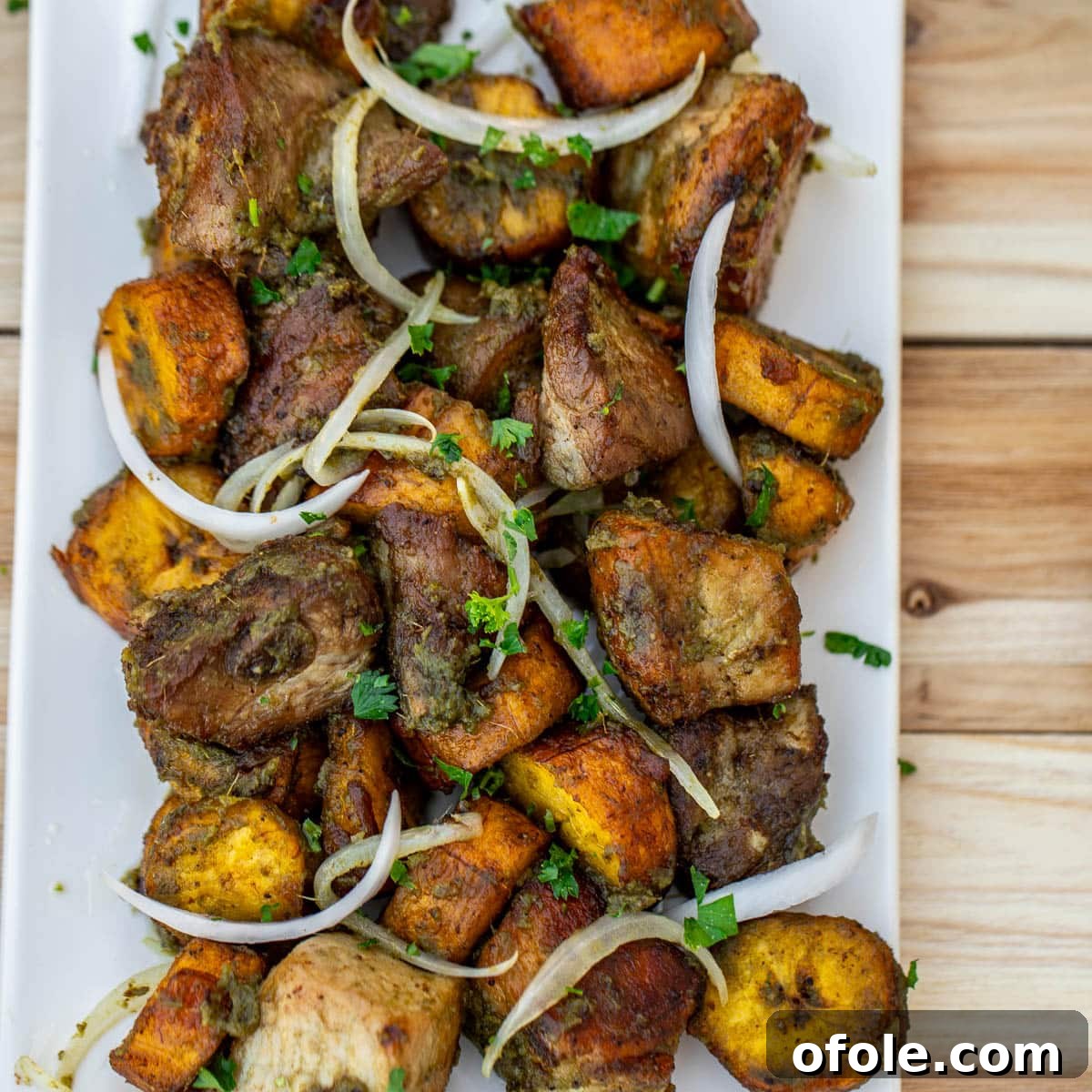
Embark on a culinary journey to the heart of West Africa with this incredibly flavorful Authentic Fried Pork and Plantains recipe. This dish captures the very essence of comfort and tradition, delivering an unparalleled taste experience. Each bite is a symphony of robust, savory notes, infused with an irresistible umami derived from a blend of unique spices and aromatic herbs, making it utterly delicious and profoundly satisfying.
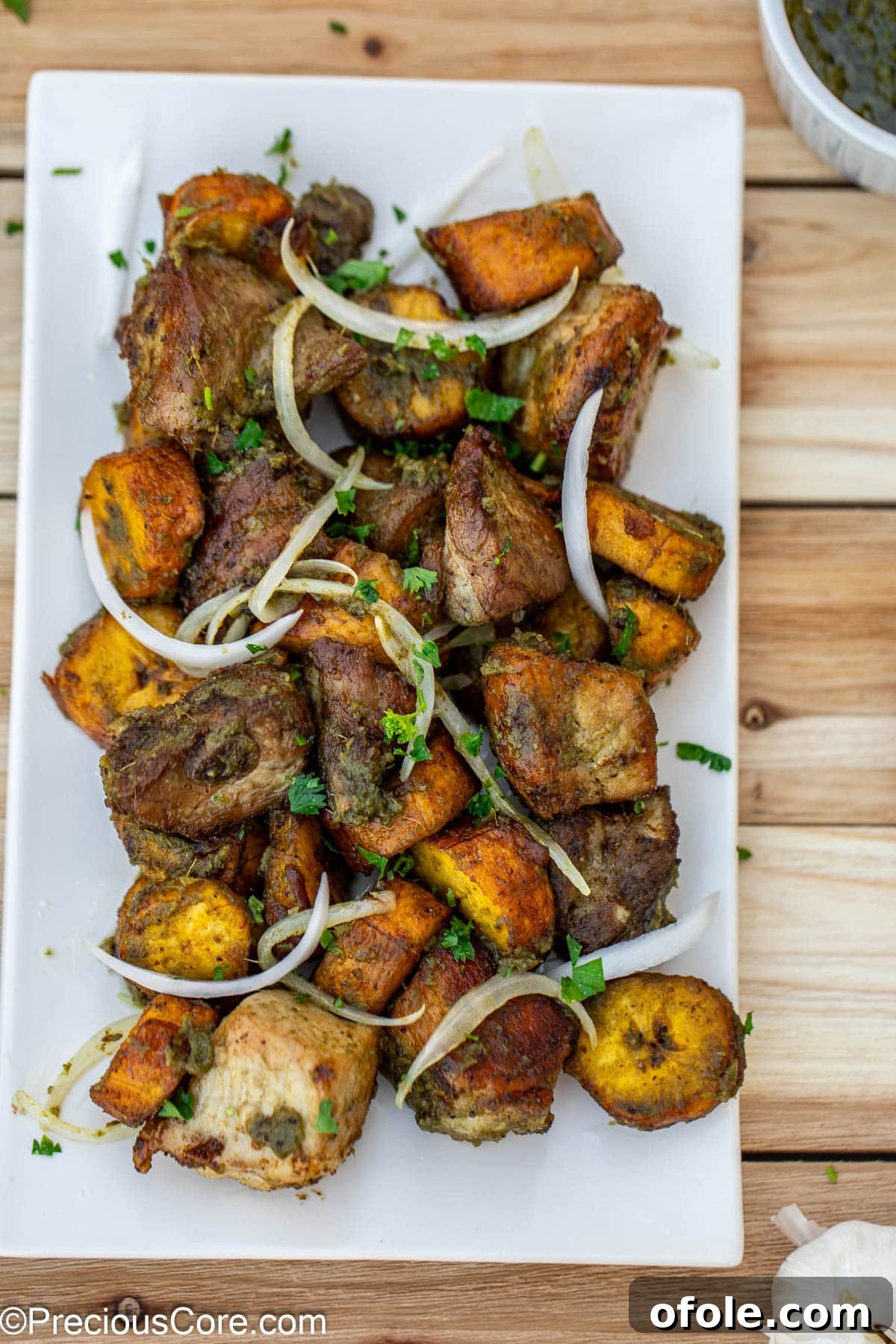
This recipe is more than just a meal; it’s a special treat, an indulgent creation designed to delight your senses. The harmonious blend of textures—from the crispy exterior of the pork and plantains to their tender interiors—coupled with an explosion of flavor, ensures that every morsel leaves you craving for the next. It’s the kind of dish that makes you want to savor each bite, again and again.
While this Fried Pork and Plantains dish is a fulfilling meal on its own, its richness is beautifully complemented by a refreshing side. We highly recommend serving it alongside a vibrant, fresh salad. Options like our crisp Lettuce Salad or the refreshing Cucumber, Tomato, and Onion Salad cut through the richness, creating a perfectly balanced dining experience that truly elevates this West African delicacy.
Table of Contents
- Fried Pork and Plantains: A Taste of Cameroonian Street Food
- Watch How To Make Fried Pork and Plantains
- Unveiling the Key Ingredients
- Customizing Your Culinary Journey: Variations and Substitutions
- Mastering the Art of Fried Pork and Plantains: A Step-by-Step Guide
- 1. Prep the Pork:
- 2. Blend the Spices:
- 3. Cook the Pork:
- 4. Prepare the Flavorful Sauce:
- 5. Prep and Fry the Plantains:
- 6. Achieve Crispy Perfection: Fry Pork and Plantains Together:
- 7. Toss in the Umami-Packed Sauce:
- 8. Serve and Garnish:
- Achieving Perfection: Essential Tips for Success
- Your Questions Answered: Fried Pork and Plantains FAQs
- Perfect Pairings: What to Serve with Fried Pork and Plantains
- Explore More Delightful Pork Recipes
- Fried Pork and Plantains Full Recipe Card
Fried Pork and Plantains: A Taste of Cameroonian Street Food
Known affectionately in Cameroon as “Sauce Jaune et Banane” or simply “Porc Frit et Plantain,” this iconic dish is a quintessential part of the country’s vibrant street food culture. Imagine strolling through the bustling streets of Douala, Cameroon’s commercial heartbeat, or the vibrant markets of Yaoundé, the nation’s capital, where the enticing aroma of fried pork and plantains fills the air. It’s a sensory experience that’s deeply ingrained in the local lifestyle, a quick, satisfying, and utterly delicious meal enjoyed by everyone from students to busy professionals.
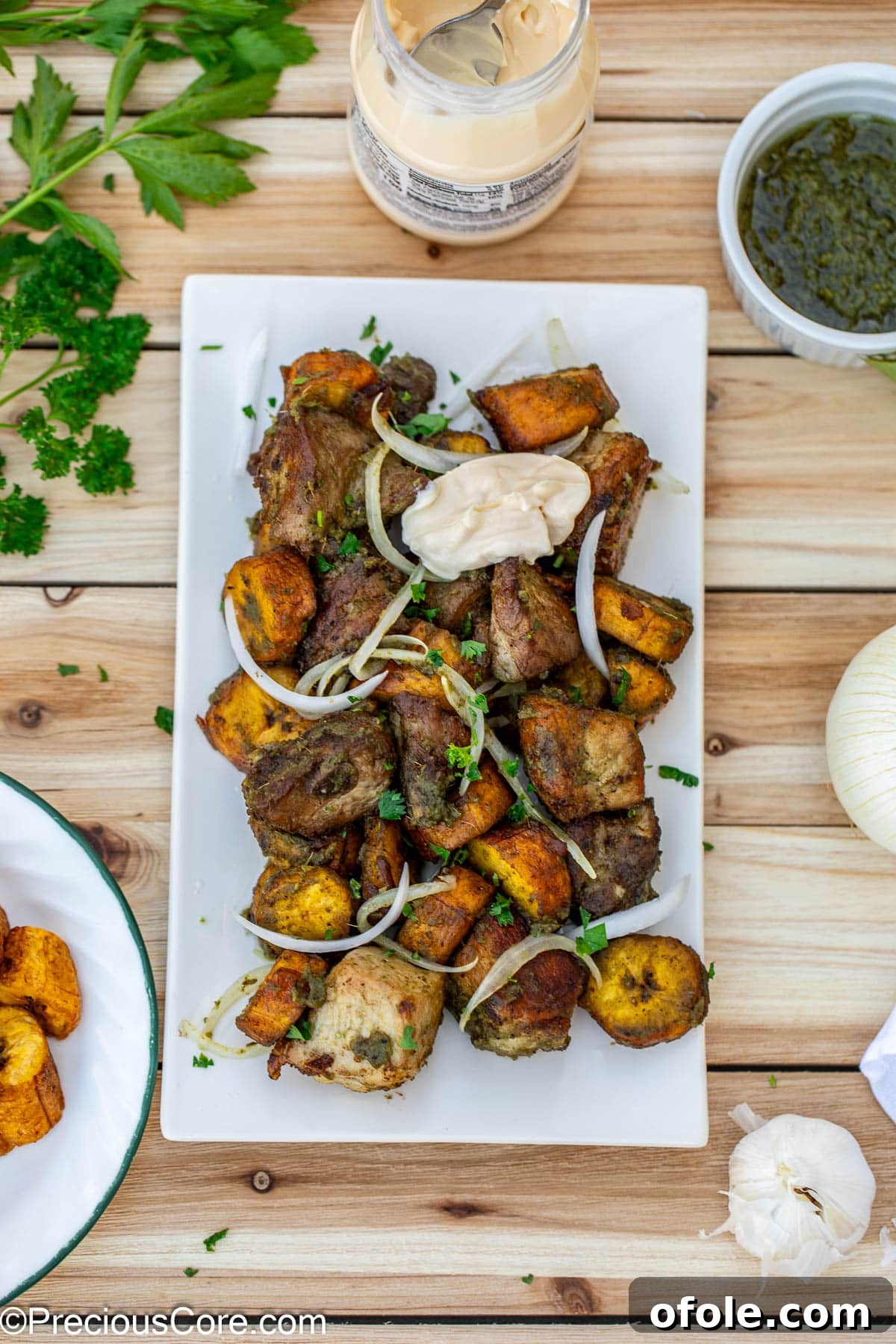
This beloved dish is a true crowd-pleaser, celebrated for its rich, indulgent flavors and satisfying textures. The magic lies in the tender, well-seasoned pork, crisped to perfection, and the sweet, perfectly fried plantains, all generously coated in a savory, umami-packed sauce. Whether you’re preparing it for a casual family dinner or aiming to impress guests, this recipe promises to win everyone over. It’s hearty, incredibly flavorful, and guaranteed to leave a lasting impression, sparking cravings for more. My family devours this dish within minutes, and I am confident yours will cherish it just as much.
Watch How To Make Fried Pork and Plantains
For a visual guide to mastering this delightful Cameroonian street food, check out our step-by-step video. Watching the process can greatly assist in perfecting the techniques and ensuring your dish turns out beautifully crispy and flavorful.
For more amazing recipes and culinary inspiration, consider subscribing to our channel!
Subscribe Now
Unveiling the Key Ingredients
To craft this exceptional dish, you’ll need a carefully selected array of ingredients, each contributing significantly to the depth and complexity of flavors in both the pork and plantains. Understanding the role of each component is key to achieving that authentic taste. Here are the foundational elements:
- Pork:
- For the richest texture and flavor, we highly recommend using a combination of pork cuts. Boneless pork ribs provide tender meat, pork cushion meat offers a succulent bite, and pork feet contribute a delightful gelatinous quality that adds body to the sauce. If you prefer a simpler approach, boneless pork chops, cut into uniform bite-sized pieces, work wonderfully too. The key is to have pieces that can crisp up nicely while remaining tender inside.
- Plantains:
- The ideal choice for this recipe is half-ripe plantains. These are characterized by their vibrant yellow skin, often with some black spots, yet they retain a firm texture. This specific ripeness level ensures they hold their shape beautifully during frying, offering a perfect balance of subtle sweetness and starchy resilience. Overly ripe plantains become too soft and sweet, while green plantains are too starchy and lack the desired flavor.
- Pebé (African Nutmeg):
- This extraordinary spice is the secret ingredient that imparts an authentic Cameroonian essence to the dish. Pebé offers a distinct warm, earthy, and nutty flavor profile, far more complex than common nutmeg. It’s foundational to many West African spice blends. You can typically find pebé in specialty African food stores or through online African markets. If it’s unavailable, while the sauce will still be delicious, omitting it will result in a slightly different flavor profile, but the dish remains fantastic.
- Habanero or Scotch Bonnet Pepper:
- These fiery peppers are essential for delivering that characteristic spicy kick, a hallmark of many West African cuisines. The heat from these peppers isn’t just about spice; it also awakens the other flavors in the dish. Adjust the quantity according to your personal spice tolerance. For a milder experience, you can deseed the peppers or use a smaller amount.
- Maggi Seasoning Cubes:
- A true pantry staple across African kitchens, Maggi cubes are celebrated for their ability to infuse dishes with a profound depth of umami. They elevate the savory notes and bring a cohesive flavor to the entire meal. If Maggi cubes are not accessible, a good quality chicken bouillon powder can serve as an effective substitute, though the flavor will be slightly different.
For the complete list of ingredients, including precise measurements, please refer to the detailed recipe card conveniently located at the end of this article.
Customizing Your Culinary Journey: Variations and Substitutions
One of the most appealing aspects of this Fried Pork and Plantains recipe is its inherent versatility. It welcomes creativity and can be easily adapted to suit different preferences or dietary needs. Here are several suggestions to inspire your own culinary adaptations:
- Meat Options: If pork isn’t your preference, or you’re looking for an alternative, this dish can be wonderfully prepared with other meats. Chicken thighs, known for their succulence and flavor, or beef chuck roast, which becomes incredibly tender when cooked slowly, are excellent choices. Remember to adjust the cooking times accordingly, as chicken cooks faster than beef, and different cuts will require varying simmering periods to achieve optimal tenderness.
- Plantain Alternatives: Should plantains be difficult to source, or if you simply wish to try something new, sweet potatoes offer a delightful and starchy substitute. While their flavor profile is distinct from plantains, they fry up beautifully, yielding a similar comforting, starchy texture. I particularly favor Japanese sweet potatoes for this application due to their firmer flesh and slightly nutty flavor, which holds up exceptionally well to frying. Yams are another viable alternative, offering a heartier texture.
- Spice Level: The heat in this dish is adjustable to your palate. If you are sensitive to spicy foods, you can either completely omit the habanero or Scotch bonnet pepper, or use a much milder chili, such as a jalapeño or serrano pepper, to provide just a hint of warmth without overwhelming heat. For those who enjoy a subtle pepper flavor without the heat, you can use bell peppers in the spice blend.
- Herb Variations: While the traditional recipe uses specific herbs, feel free to experiment. You can enhance the fresh flavors by adding a touch of cilantro to the blend or by garnishing with spring onions. For a slightly different aromatic twist, a pinch of thyme or rosemary can be added to the pork during the simmering phase.
For an unparalleled depth of flavor, allow the pork to marinate in the vibrant spice blend and seasoning for a minimum of 30 minutes, or ideally, several hours in the refrigerator. This crucial step enables the aromatic compounds to thoroughly penetrate the meat fibers, ensuring a more succulent and intensely flavored final dish.
Mastering the Art of Fried Pork and Plantains: A Step-by-Step Guide
Creating this deeply flavorful and satisfying dish involves a series of carefully executed steps, from preparing the tender pork and blending the aromatic spices to frying the golden plantains and bringing everything together in a delicious, cohesive sauce. Follow these instructions to recreate this authentic Cameroonian delicacy in your own kitchen:
1. Prep the Pork:
- Begin by meticulously cutting all your chosen pork cuts into uniform, bite-sized pieces. Employing a mix of pork cuts—such as boneless ribs, cushion meat, and pork feet—is highly recommended as it contributes a delightful array of textures to the final dish. Once cut, thoroughly rinse the pork pieces under cold running water and transfer them to a large, sturdy pot.
- Generously season the pork with salt and Maggi seasoning cubes (using 4g cubes or equivalent bouillon) to your taste. Ensure the seasoning is evenly distributed throughout the meat.
2. Blend the Spices:
- In a high-speed blender, combine the fresh basil, peeled ginger, garlic cloves, leek, celery (or an equal amount of fresh parsley for a similar herbaceous note), whole white pepper, pebé (African nutmeg), and the habanero pepper. Add precisely 1 cup of water to facilitate blending, and process the mixture until it forms a smooth, aromatic paste. This vibrant blend will be the soul of your dish.
- Take 1 cup of this freshly blended spice paste and add it directly to the seasoned pork. Stir vigorously and thoroughly, ensuring every piece of pork is beautifully coated in the aromatic mixture.
3. Cook the Pork:
- Place the pot containing the seasoned and spiced pork over medium heat. Allow the pork to come to a gentle simmer and cook for approximately 20 minutes. This initial simmering stage is crucial; it not only helps to tenderize the meat but also allows the complex flavors of the spice blend to deeply infuse into the pork, creating a rich foundation for the dish. As the pork cooks, it will release its own juices, forming a flavorful stock.
4. Prepare the Flavorful Sauce:
- In a separate, smaller pot, pour 1 cup of neutral-flavored oil. Add the remaining blended spice mixture, 1 teaspoon of salt, and 2 Maggi seasoning cubes. Bring this mixture to a gentle simmer over medium heat, allowing it to cook for 5 to 10 minutes. During this time, the sauce will become intensely fragrant and its flavors will meld beautifully. Stir well to combine, then remove from heat and set this aromatic sauce aside; it will be used later to coat the fried pork and plantains.
5. Prep and Fry the Plantains:
- Carefully peel the plantains: start by cutting off both ends, then make a shallow slit lengthwise down the side of the skin. Using your hands, gently separate and remove the peel. Use a paring knife to trim off any stubborn bits of skin.
- Heat a generous amount of oil in a heavy-bottomed pot, ensuring there’s enough oil to completely submerge the plantains for deep-frying (typically about 4 inches deep). Once the oil is hot (around 350-375°F or 175-190°C), carefully add the whole peeled plantains. Deep-fry them until they achieve a beautiful light golden-brown color. Remove them from the oil and place them on paper towels to drain any excess oil. Allow the fried plantains to cool slightly before proceeding to the next step.
6. Achieve Crispy Perfection: Fry Pork and Plantains Together:
- Once the pork has finished simmering and cooled slightly, carefully drain it from its cooking stock. Take the cooled, whole-fried plantains and chop them into bite-sized pieces. If any pork pieces are still too large, chop them to match the size of the plantains.
- In the same deep-frying oil (or fresh oil if needed), deep-fry the drained pork and chopped plantains together. This step is crucial for developing that irresistible crispy exterior. Fry them in small batches to avoid overcrowding the pan, which can lower the oil temperature and prevent even browning. Continue frying until both the pork and plantains are gloriously crispy and deeply golden brown. Remove them and place them on fresh paper towels to absorb any remaining excess oil.
7. Toss in the Umami-Packed Sauce:
- In a large skillet or wok, heat approximately 2 tablespoons of the reserved aromatic sauce over medium-high heat until it’s fragrant. Add the freshly fried, bite-sized pork and plantains to the skillet. Toss them vigorously and thoroughly, ensuring every piece is evenly coated in the rich, savory sauce. This step brings all the flavors together, creating a harmonious and deeply satisfying finish. Repeat this process in batches if necessary to avoid overcrowding the skillet.
8. Serve and Garnish:
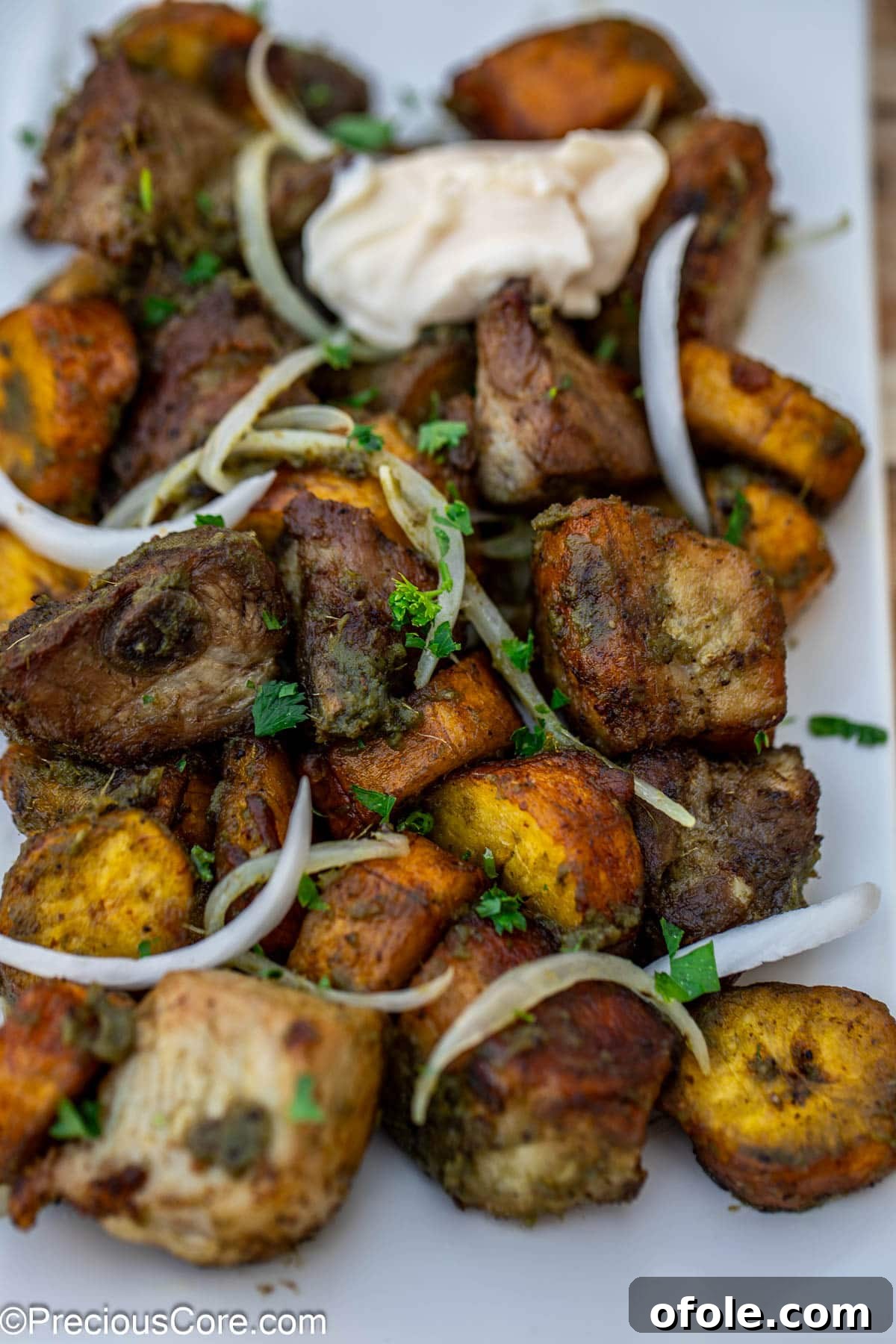
- Serve this delectable meal immediately while it’s still hot and crispy. For an authentic Cameroonian presentation, garnish generously with thinly sliced onions and a sprinkle of fresh minced parsley. A dollop of creamy mayonnaise on the side is a traditional accompaniment, often used for dipping, enhancing the richness and adding another layer of flavor, mimicking how this delightful street food is enjoyed in its homeland.
After the initial simmering of the pork in the spice blend, it’s beneficial to let the meat rest for 10-15 minutes before frying. This brief rest period allows the pork to reabsorb more of the flavorful juices, resulting in a juicier interior. Additionally, it helps the meat to firm up slightly, which contributes to a more appealing, crispier exterior once fried. Always remember to thoroughly drain any remaining stock from the pork before frying.
Achieving Perfection: Essential Tips for Success
To ensure your Fried Pork and Plantains reach their full potential, delivering an authentic and memorable culinary experience, consider these expert tips:
- Optimal Marination is Key: As mentioned, the longer the pork marinates in the aromatic spice blend, the deeper and more complex its flavor will become. Aim for at least 30 minutes, but an overnight marination in the refrigerator can truly transform the dish. This allows the spices to penetrate deeply, seasoning the meat from within.
- Fry in Small Batches for Crispiness: When deep-frying both the pork and plantains, resist the urge to overcrowd your pan. Frying in small, manageable batches is paramount. Overcrowding lowers the oil temperature, leading to steamed rather than crispy ingredients. Smaller batches ensure consistent, high heat, resulting in beautifully golden-brown and perfectly crisp textures.
- Seasoning Throughout the Process: Develop your palate by tasting the spice blend, the simmering pork, and the final sauce at various stages of cooking. This iterative tasting allows you to adjust the seasoning—a pinch more salt, an extra Maggi cube, or a touch more pepper—to achieve a perfectly balanced flavor profile that suits your preference.
- Control Oil Temperature: Maintaining the correct oil temperature is vital for frying success. For deep-frying plantains and pork, aim for a temperature between 350-375°F (175-190°C). Too cool, and your food will be greasy; too hot, and it will burn before cooking through. A kitchen thermometer is a valuable tool here.
- Proper Draining for Best Texture: After frying, always transfer the pork and plantains to a wire rack set over paper towels. This allows excess oil to drip away, preventing sogginess and preserving their crispy texture. Avoid piling them up, as this can trap steam and soften the crisp exterior.
- Serve Fresh and Hot: This dish is undeniably at its peak when enjoyed fresh out of the pan. The crispy textures of the pork and plantains, combined with the warm, aromatic sauce, are simply unbeatable. While leftovers are still delicious, the fresh crispness is what truly makes this dish shine.
Your Questions Answered: Fried Pork and Plantains FAQs
Yes, certain components of this dish can be prepared in advance. You can prep and marinate the pork a day ahead, and the flavorful sauce can also be made and stored in the refrigerator. However, for the best possible texture and crispness, we strongly recommend frying the pork and plantains just before you plan to serve. This ensures they retain their delightful crunch.
While the dish is incredibly satisfying on its own, it truly shines when paired with a fresh, crisp salad. The freshness of greens helps to balance the richness of the fried components. Additionally, a dollop of mayonnaise is a classic accompaniment in Cameroon, offering a creamy counterpoint that many find irresistible for dipping.
Absolutely! If you’re looking for a healthier alternative, baking the pork is a great option. Simply marinate the pork as directed, then arrange it in a single layer on a baking sheet. Roast in a preheated oven at 375°F (190°C) for approximately 25-30 minutes, or until the pork is cooked through and has developed a nice golden crispness. Be sure to monitor it closely to prevent the meat from drying out.
Any leftover Fried Pork and Plantains should be stored in an airtight container and refrigerated for up to 3 days. To reheat and restore some of their original crispness, spread them on a baking sheet and warm in an oven at 350°F (175°C) until heated through and re-crisped. An air fryer is also an excellent tool for achieving the best reheating results.
For deep frying, it’s best to use a neutral-flavored oil with a high smoke point. Good options include vegetable oil, canola oil, peanut oil, or sunflower oil. These oils won’t impart unwanted flavors and can withstand the high temperatures required for crispy frying.
While the dish will still be delicious without it, pebé adds a distinct, authentic warmth and nutty undertone that is characteristic of Cameroonian cuisine. If you can source it, we highly recommend including it for the most genuine flavor experience.
Perfect Pairings: What to Serve with Fried Pork and Plantains
To create a truly complete and balanced meal, consider these complementary dishes that enhance the rich flavors of Fried Pork and Plantains:
Cucumber Tomato and Onion Salad
Lettuce Salad
Avocado Salad
Explore More Delightful Pork Recipes
If you’ve enjoyed the savory flavors of this pork dish, you’ll love these other fantastic pork recipes from our collection:
Baked Dry Rub Ribs
Pan Seared Boneless Pork Chops
Pork Tenderloin In Creamy Mushroom Sauce
Pan Fried Brussels Sprouts With Bacon
If you try this incredible Fried Pork and Plantains recipe, we would absolutely love to hear from you! Please consider leaving a star rating below to help others discover and enjoy this delicious dish. Your feedback is greatly appreciated! Thank you!
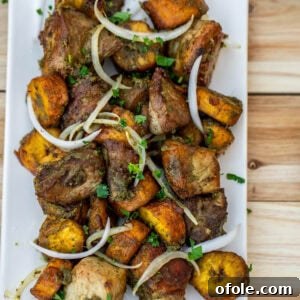
Fried Pork and Plantains
Rate
Print Recipe
Equipment
-
Blender
Ingredients
- 5-6 pounds pork (I used a combination of boneless ribs, pork cushion meat, and pork feet. Pork chops cut into bite-size pieces also work.)
- 6 sprigs fresh basil (roughly chopped)
- 2 thumb sizes ginger (rinsed, peeled, and cut into bite-size pieces)
- 2 bulbs of garlic (20-23 cloves, peeled and rinsed)
- 1 leek (cut into chunks)
- 6 sprigs leafy celery (Chinese celery or substitute with parsley, roughly chopped)
- 2 teaspoons whole white pepper
- 2 pebe (AKA Ehuru or African nutmeg)
- 1 habanero or scotch bonnet pepper
- Salt and Maggi seasoning cubes (to taste)
- 6 half-ripe plantains (yellow but still very firm to the touch)
- ¼ cup flavorless oil (for the sauce base)
- Oil for deep frying
For Serving
- Thinly sliced onions
- Minced parsley
- Mayonnaise
Instructions
-
Prep the pork: Cut all pork into bite-size pieces. Rinse the meat thoroughly and transfer it to a large pot. Season the pork with salt and Maggi seasoning cubes to taste.
-
Blend the spices: In a blender, combine basil, ginger, garlic, leek, celery leaves (or parsley), white pepper, pebe (African nutmeg), and habanero pepper. Add a cup of water and blend until a smooth paste forms. Add one cup of this blended spice paste to the seasoned pork and stir well to coat.
-
Cook pork: Place the seasoned pork over medium heat and bring it to a simmer. Let it simmer for approximately 20 minutes, allowing the flavors to meld and the pork to tenderize.
-
Simmer sauce: In a smaller pot, add ¼ cup of oil, the remaining spice blend, 1 teaspoon of salt, and 2 Maggi seasoning cubes. Bring this mixture to a simmer over medium heat and cook for 5 to 10 minutes until fragrant. Stir well to combine. Remove from heat and reserve for later use.
-
Prep plantains: Cut both ends off each plantain. Make a lengthwise slit down the skin, being careful not to cut into the flesh. Gently remove the peel using your hands, and use a paring knife to clean off any remaining skin bits. Repeat for all plantains.
-
Deep-fry plantains: Heat oil for deep-frying in a heavy-bottomed pot, ensuring it’s about 4 inches deep. Once the oil is hot, carefully add the whole peeled plantains. Deep-fry them until they turn a light golden-brown color. Remove them and place on paper towels to absorb excess oil. Let them cool slightly.
-
Chop and combine: Once plantains are cool enough to handle, chop them into bite-size pieces. Drain the cooked pork from its stock and add it to the chopped plantains. If any pork pieces are too large, chop them to match the plantains. Toss the plantain and pork together.
-
Fry again: Return the bite-size plantains and pork to the heated oil for deep-frying. Fry until both are crispy and golden brown. Remove from oil and place on paper towels to absorb excess oil. Fry in batches to avoid overcrowding.
-
Toss together: Place a skillet on medium-high heat. Add about two tablespoons of the reserved sauce. Add the fried plantains and pork to the skillet and toss well to coat them evenly with the sauce. Repeat this tossing process for any remaining batches.
-
Serve: Serve the dish hot, garnished with thinly sliced onions and minced parsley. Offer a scoop of mayonnaise on the side for dipping, as is traditional in Cameroon.
Video
Notes
- Typically, there is no need to add water before cooking the pork. As the meat cooks on medium heat, it releases enough of its natural juices to cook it until tender. However, if you are using a leaner cut of pork that tends to be drier, you may add a small amount of water to ensure it cooks through without drying out.
- The cooking time for the pork can vary significantly depending on the cut and its tenderness. The cuts I used cooked relatively quickly. If your pork is tougher, extend the simmering time as needed until it reaches your desired level of tenderness.
- This recipe is wonderfully adaptable; you can easily substitute pork with other meats such as chicken thighs or beef chuck roast. Adjust cooking times accordingly based on the protein chosen.
- For the best results and to fully capture the authentic flavors and textures of this dish, be sure to review all the important tips provided in the main post!
Nutrition
Additional Info