
Discover Achu and Yellow Soup: A Culinary Journey to Cameroon
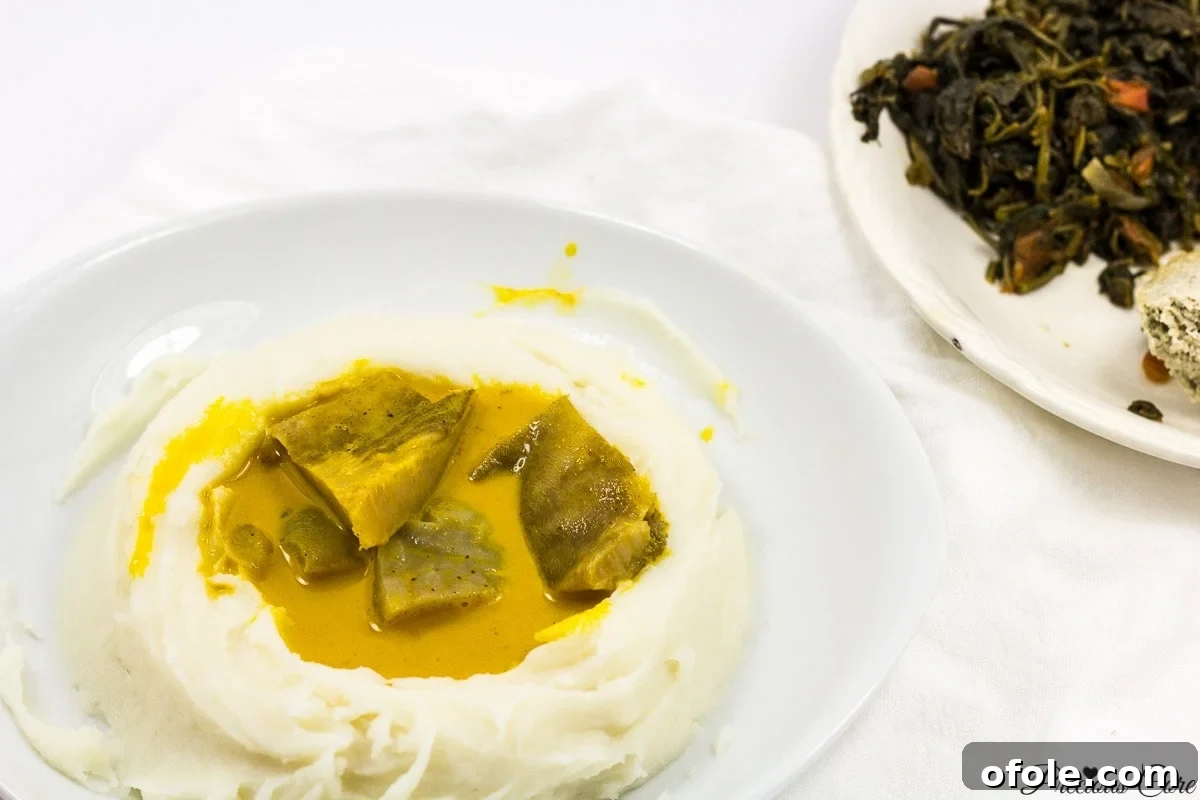
Hello, culinary enthusiasts and food adventurers! Today, I’m thrilled to share an updated recipe for one of the most cherished and flavorful dishes from my heritage: Achu and Yellow Soup. This traditional Cameroonian delicacy, deeply rooted in culture and family, promises an unforgettable experience for your taste buds. While its appearance might be new to some, trust me, this vibrant meal of pounded cocoyams served with a rich, aromatic yellow soup is a true masterpiece.
For my father, Achu is more than just food; it’s a heartbeat, a symbol of home and tradition. He rarely goes a week without indulging in a hearty plate of it, generously loaded with tender meats and a fiery kick of hot pepper. Afterward, you’ll find him relaxed in the living room, toothpick in mouth, legs crossed, engrossed in lively discussions, often about “political issues” – a classic scene that perfectly encapsulates the comfort and satisfaction this meal brings.
The Roots of Achu: A West African Treasure
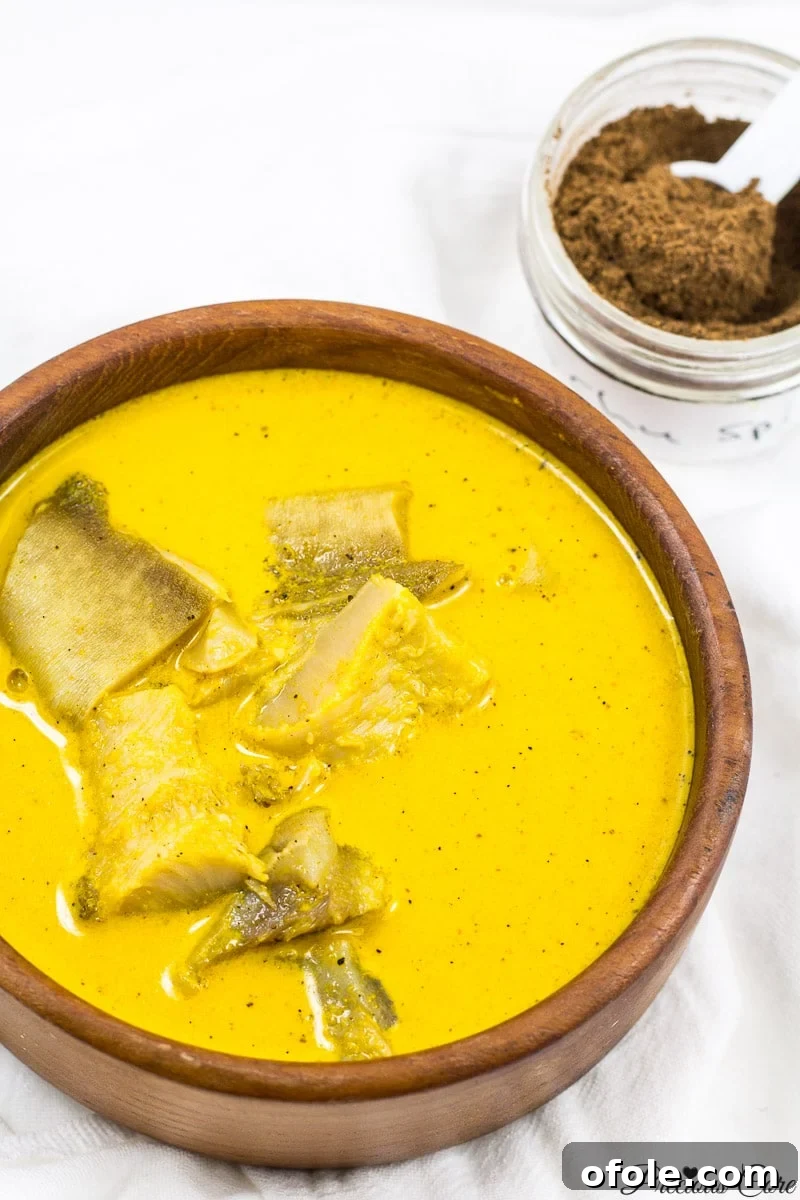
Achu stands as a culinary cornerstone in several communities, particularly in the North West region of Cameroon. It is the signature dish, the pride and joy, of the Bamenda people, often affectionately called “Bamda.” Its popularity also extends to the Bamileke people in the country’s western region, showcasing its widespread appeal and cultural significance. The exquisite yellow soup that accompanies the pounded cocoyams is locally known as “Ndza Nikki,” and in French, it’s elegantly referred to as “sauce jaune.” This dish is a testament to Cameroon’s rich gastronomic landscape, offering a unique blend of flavors and textures that tell a story of tradition and community.
Understanding the Components: Achu Fufu and Yellow Soup
The magic of Achu begins with carefully selected cocoyams, also known as taro. These starchy tubers are first thoroughly boiled until perfectly tender. Once cooked, they undergo a transformation through pounding, traditionally in a large mortar and pestle, to create Achu fufu—a smooth, whitish, and somewhat sticky paste. This fufu forms the foundation of the meal, providing a substantial and comforting base.
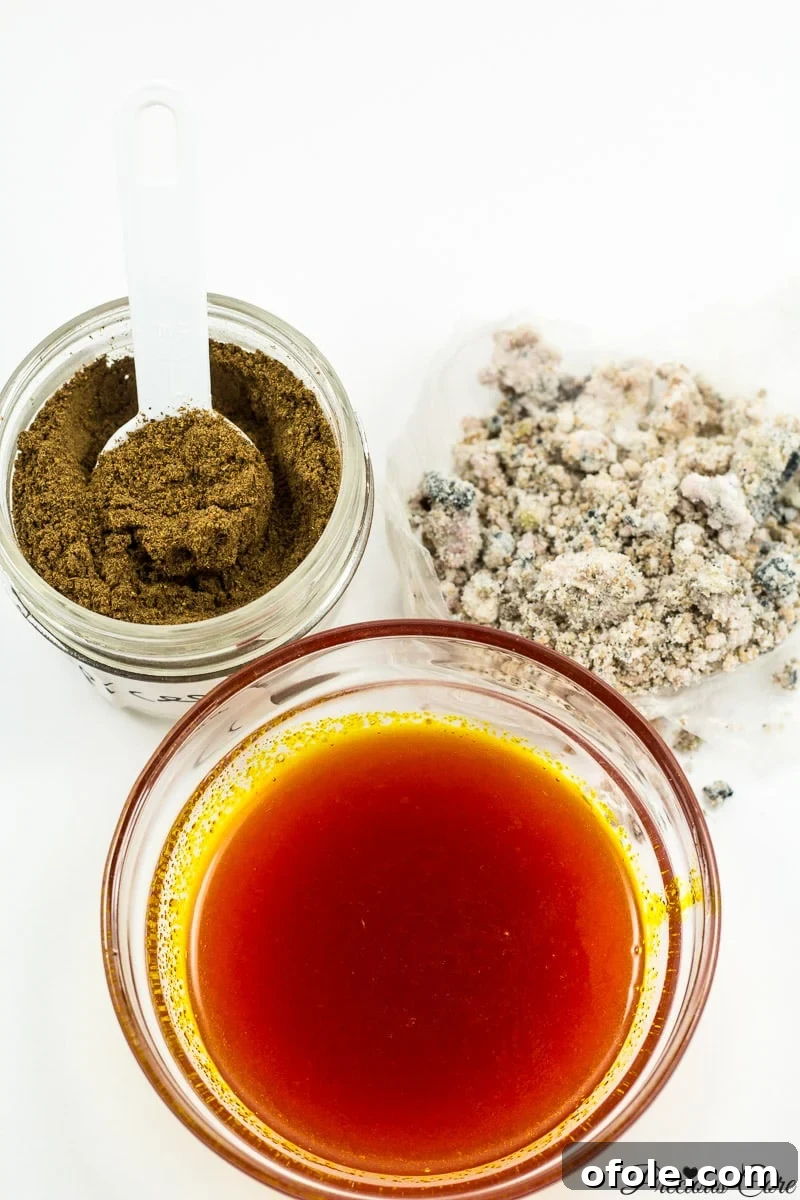
While pounded cocoyam can be enjoyed with various accompaniments, including a black soup made from cocoyam leaves (sometimes enriched with groundnuts or peanuts), it is most famously paired with the vibrant yellow soup. This distinctive soup derives its unique texture and color from a special ingredient: “kanwa,” a traditional type of limestone. Palm oil, rich in flavor and color, and a secret blend of regional spices complete the symphony of tastes. For those outside Cameroon who may not have access to kanwa, baking soda can serve as a suitable substitute, thanks to a shared chemical component that aids in achieving the desired emulsification and texture—a scientific tidbit that many chemistry enthusiasts will appreciate.
The Debate Over Kanwa and the Rise of Nikki
For many years, discussions have circulated both within Cameroon and amongst the diaspora regarding the health implications of kanwa. This concern has led many home cooks to seek healthier alternatives without compromising the authentic taste and texture of the yellow soup. One popular and traditional substitute is “Nikki,” an ash-like substance painstakingly produced by burning plantain peels over a long period. This method not only offers a natural alternative to kanwa but also preserves the traditional flavors of the dish. While this particular recipe outlines the use of Nikki, you may find me opting for baking soda in the accompanying video tutorial, demonstrating the versatility and adaptability of this beloved dish for different circumstances and ingredient availabilities.
The Soul of the Soup: Achu Spices
The unparalleled flavor of Achu soup is largely attributed to its intricate blend of spices. While the full list of traditional spices is extensive and often passed down through generations, many are roasted and then meticulously ground into a fine powder using a grinding stone. These spices contribute a depth of aroma and a complex taste profile that is truly unique to Cameroonian cuisine.
For convenience, especially when living abroad, I often opt for pre-made spice blends. These can typically be found in African specialty stores, particularly those owned by Cameroonians who understand the importance of authentic ingredients. If you find yourself in a region where these specific blends are scarce, a friendly request to a loved one traveling from Cameroon or a generous appeal to friends in the diaspora can often yield the desired spices. There’s no shame in seeking help when trying to recreate a taste of home, especially when authentic ingredients are hard to come by. The struggle and the communal effort often make the meal even more meaningful.
Crafting the Yellow Soup: Traditional vs. Modern Methods
Preparing the yellow soup is surprisingly straightforward, though traditional methods involve a unique mixing technique rather than conventional cooking over heat. The key is to perfectly emulsify the ingredients, ensuring the palm oil and beef stock blend seamlessly into a rich, unified yellow sauce. Traditionally, this is achieved by repeatedly pouring the soup from one pan to another or by scooping it with a bowl and returning it to the pot until the oil and stock have “married” and become one indivisible, happy family. This vigorous mixing process ensures a smooth, consistent texture and vibrant color.
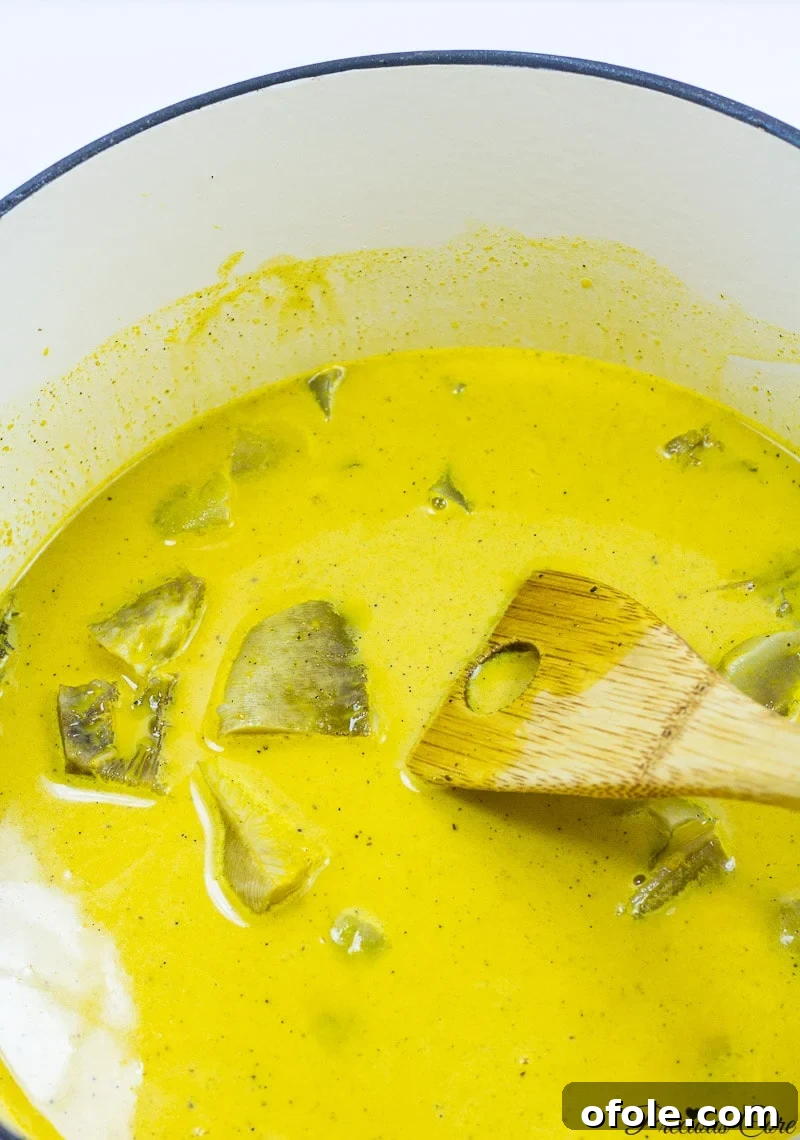
However, modern kitchens offer an efficient shortcut that I gratefully embrace. Instead of the laborious traditional mixing, I simply combine the beef stock and all other soup ingredients (minus the cooked meats) into a blender. A few quick pulses achieve the perfect emulsification, resulting in a smooth, creamy yellow soup in a fraction of the time. Once blended, I pour the vibrant soup over the prepared meats and mix them gently. Thank goodness for blenders – they truly revolutionize the preparation of many traditional dishes!
The Eating Experience: A Finger-Licking Delight
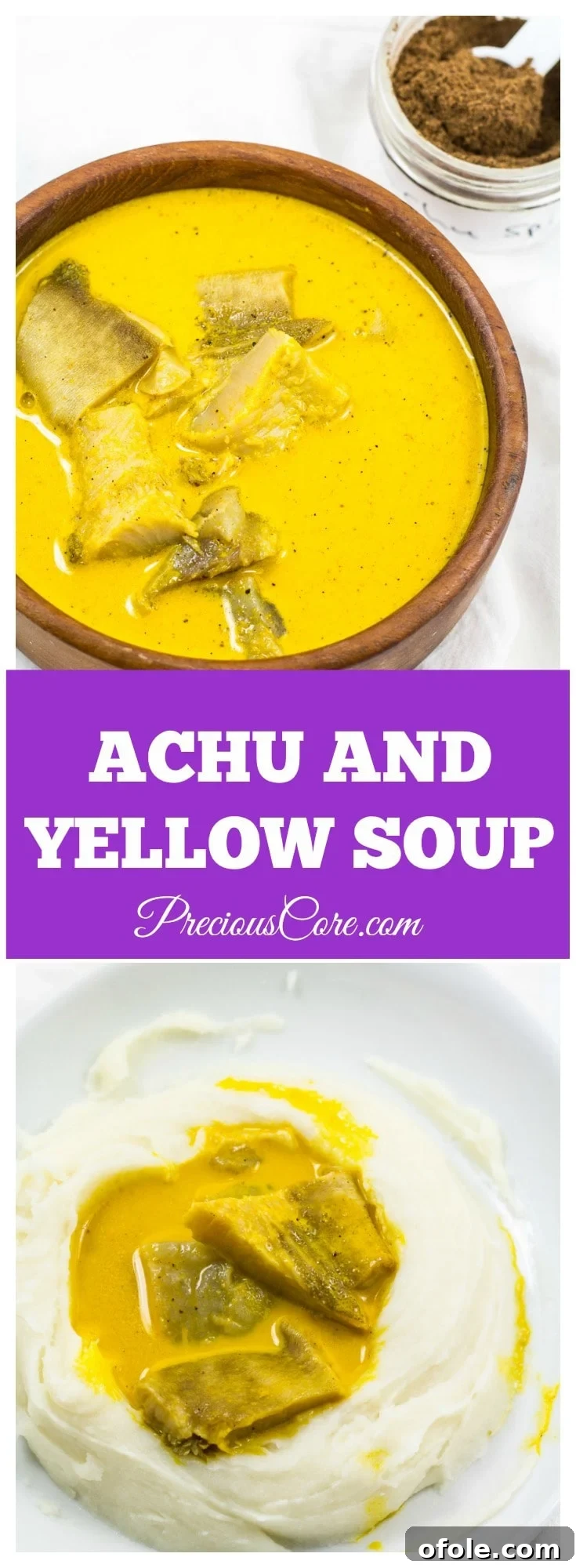
Achu soup is characterized by its light consistency and a deeply rich, ethnic flavor profile. It’s intensely spicy, savory, and wonderfully aromatic, especially when fresh hot peppers are incorporated. This isn’t just a meal; it’s an experience, made all the more authentic by the traditional way it’s eaten: with your hands. Forget the cutlery – simply wash your hands thoroughly and prepare to dig in! The tactile sensation of eating Achu with your fingers connects you directly to the food, enhancing every flavorful bite and making it truly “finger-licking good.”
The Art of Serving Achu: “One Finger Round the World”
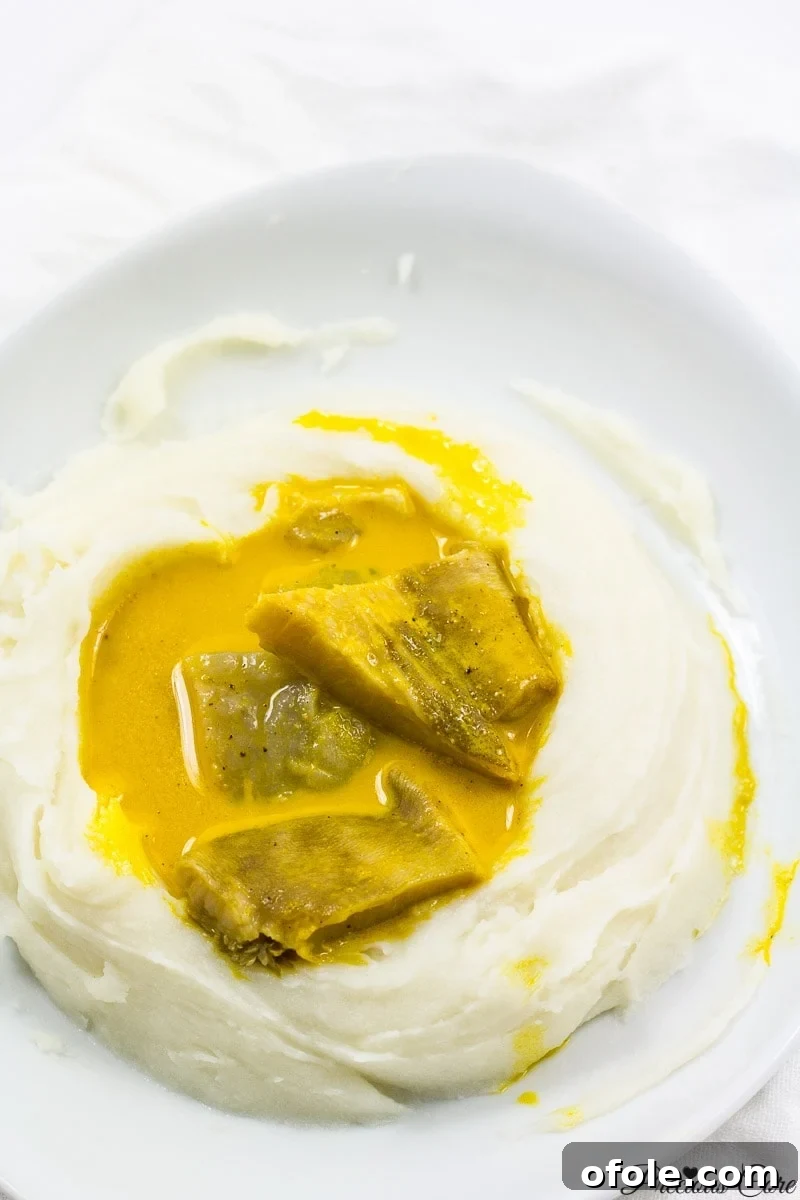
Serving Achu is an art in itself, steeped in tradition and visual appeal. A generous mound of the pounded cocoyam fufu is carefully formed on the plate. Then, a thoughtful depression, a small “hole,” is created in the center of this mound. This well serves as the basin for the glorious yellow soup, which is poured directly into it. This unique presentation method gives rise to Achu’s playful nickname: “one finger round the world.” The diner traditionally eats by scooping a portion of the fufu from the mound, swirling it around the central pool of soup, and dipping it in before savoring the harmonious blend of flavors. You can often see this delightful eating ritual demonstrated in many online videos, showcasing the cultural richness of the meal.
A Personal Connection: From “Contri Food” to Comfort
Growing up, I admit I didn’t fully appreciate Achu. Like many children, I viewed it as “boring contri food”—a simple, rustic dish. But as I’ve matured and gained a deeper understanding of my heritage, my perspective has completely shifted. Now, older and wiser, I can never get enough of this incredible meal! What was I thinking back then? Sometimes, I simply crave the epic yellow soup and could happily drink it straight. Beyond its incredible taste, preparing Achu creates a special bond, connecting me to my father and to the very essence of my upbringing. Food has a powerful way of evoking emotions, and for me, Achu profoundly spells out the feeling of HOME.
For an even more authentic Cameroonian feast, consider pairing your Achu meal with other delightful dishes like Egusi Pudding or Njama Njama. Get ready for an authentic culinary treat!
Now, let’s gather our ingredients and embark on this delicious cooking adventure!
Achu and Yellow Soup
Rate
Print Recipe
Ingredients
For the Achu Soup
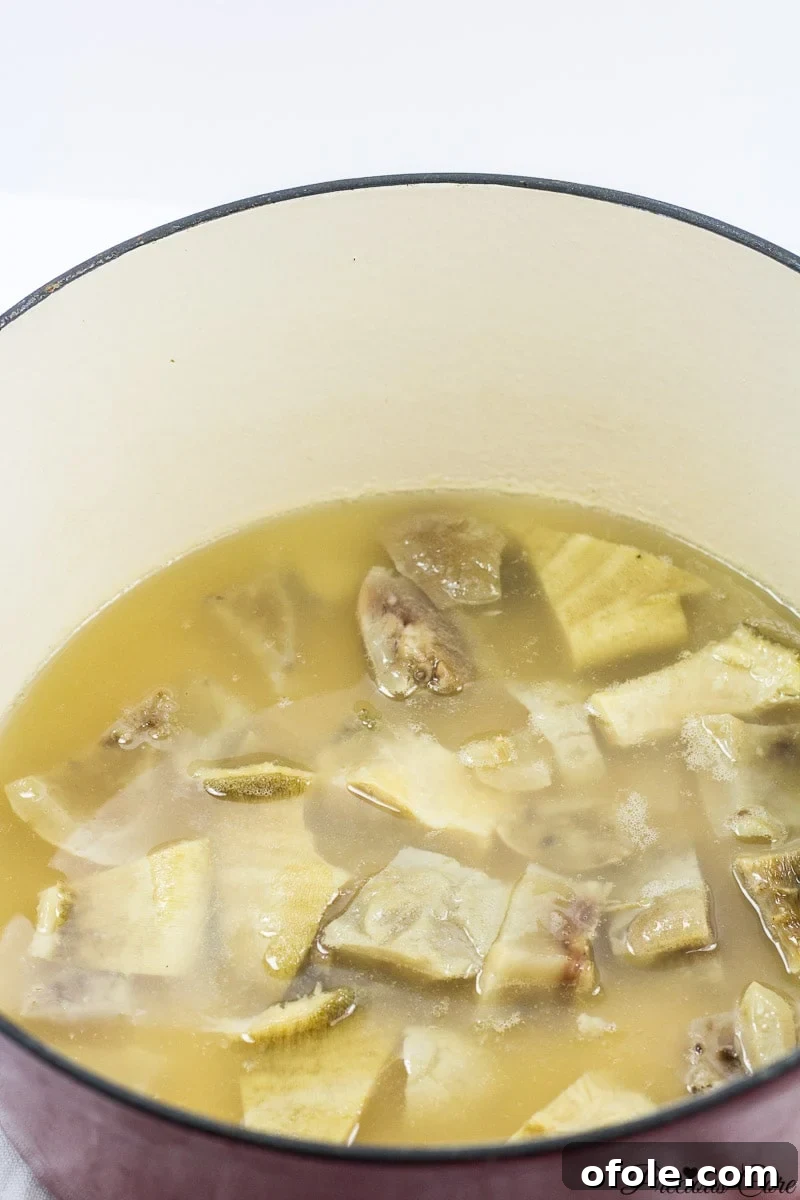
- 3 pounds boiled meats/fish of choice (I mostly make a blend of beef, beef skin (canda), beef tripes (towel), smoked/fried fish and mushrooms)
- 4 cups beef stock (from the beef above)
- 1/2 cup palm oil
- 2 teaspoons baking soda (or kanwa/nikki)
- 2 teaspoons powdered achu spices
- 2-4 small seasoning cubes (Maggi)
- Salt to taste
- 1 hot (scotch bonnet) pepper – optional
For the Achu
- 4 pounds small cocoyams (taro) – you could add in achu banana (unripe bananas) and some large cocoyams if you so wish
Instructions
To make the Achu Soup
-
Warm palm oil in a skillet (frying pan) for about 1 minute. Do NOT bleach it; simply warm it through.
-
Pour all ingredients except the cooked meat and fish into a blender. Blend until thoroughly mixed and the soup takes on a smooth, yellowish consistency. Taste and adjust seasoning as needed, adding a little salt if necessary (remembering your beef stock may already be salted).
You might notice a few bubbles on the surface of the soup, which is perfectly normal. Pour the blended soup over the cooked meat and fish, then mix gently. Alternatively, for serving, you can keep the meat separate from the soup and add it to the side of the plate.
Serve immediately with fresh Achu!
To make the Achu Fufu
-
Wash the cocoyams thoroughly and place them in a pot with their skins on. If using a combination of large cocoyams (“mami coco”), small cocoyams, and “achu bananas” (unripe bananas), arrange the larger cocoyams at the bottom of the pot, followed by the small cocoyams, and finally top with the bananas.
-
Boil the cocoyams until they are very soft, and their skins can be easily removed. This ensures a smooth fufu.
-
While the cocoyams are still warm, peel them and process them into a smooth paste using a food processor. Traditionally, this is done by pounding them in a mortar and pestle, which yields an exceptionally smooth result. A food processor is a convenient alternative, though it might produce a slightly less silky texture.
If you are using “achu bananas,” process them first, then mix them with the first two batches of processed cocoyams to maintain warmth and ensure even blending.
-
Once all the cocoyams are processed into a paste, transfer it to a serving bowl. Alternatively, you can wrap portions of the Achu into individual lumps using warmed banana leaves or aluminum foil for easy serving.
Notes
To reheat, gently warm the soup in a saucepan over low heat, stirring occasionally. It’s crucial not to let it get too hot or boil, as this can cause the water to separate from the oil, affecting the soup’s smooth consistency.
The soup naturally thickens slightly upon standing, so don’t be surprised if it appears thicker when reheated than when freshly made.
Nutrition
Additional Info
If you recreate this cherished dish, please share a photo and tag me on Instagram @preciouscore. I’d love to see your culinary creations!
Which meal holds a special place in your heart and connects you to home?