

Transform your morning routine with the ultimate breakfast experience: this incredible Sourdough French Toast Recipe. Imagine thick slices of tangy sourdough bread, perfectly golden and crisp on the outside, yielding to a wonderfully creamy, rich, and custardy interior. This isn’t just any French toast; it’s a culinary revelation that marries the unique flavor and texture of sourdough with the comforting warmth of a classic breakfast dish.
Get ready to sink your teeth into what might just be the best French toast you’ve ever tasted! This delightful creation is not only incredibly satisfying but also surprisingly quick to prepare, coming together in approximately 30 minutes, making it ideal for a special weekend brunch or a quick, indulgent weekday treat.
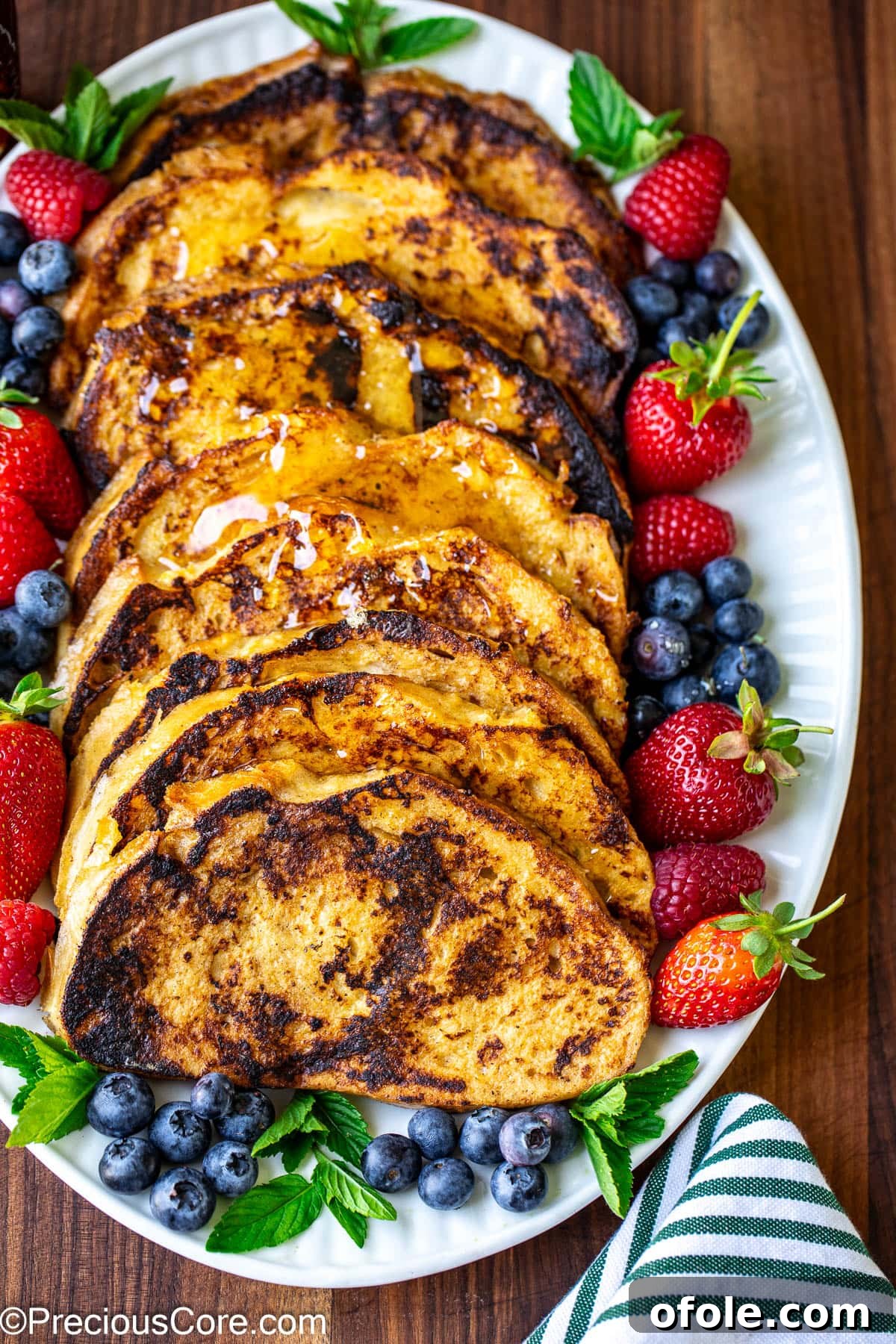
While divine on its own, this Sourdough French Toast can be elevated further with a variety of delectable toppings and sides. Consider a generous dollop of Healthy Strawberry Jam for a burst of fresh sweetness, or pair it with a vibrant Tropical Fruit Salad for a lighter, refreshing contrast. For those who prefer a savory element to their breakfast, a side of fluffy Scrambled Eggs with Vegetables makes a perfect accompaniment.
And if your palate enjoys exploring the versatility of French toast, don’t miss out on my Savory French Toast recipe. It boasts an irresistibly crispy crust and can be delightfully paired with unexpected condiments like mayo or even ketchup, offering a completely different but equally delicious experience.
Elevate Your Breakfast: French Toast with Sourdough Bread
This Sourdough French Toast recipe stands out from traditional versions for several compelling reasons, making it a truly unique and irresistible dish. Firstly, its flavor profile is wonderfully decadent and nuanced. The foundation of this French toast lies in thick slices of slightly stale sourdough bread. Unlike conventional sandwich bread, sourdough imparts a subtle tang and a more complex depth of flavor, creating an amazing contrast when combined with sweet maple syrup or other toppings. The sturdy structure of sourdough also holds up beautifully to the custardy soak, preventing sogginess and ensuring a satisfying bite every time.
Secondly, the meticulously crafted egg mixture is key to its exceptional taste and texture. Our special blend includes evaporated milk, which is richer and thicker than regular milk, preventing the custard from being too thin and watery. This ingredient contributes to an incredibly creamy consistency and a deeper, more concentrated flavor that permeates the bread. Coupled with fragrant vanilla extract and a generous hint of warm cinnamon, the egg mixture transforms into a luscious custard, resulting in a French toast with a light, airy, yet profoundly custardy center that simply melts in your mouth.
The combination of these elements ensures a perfect balance: a golden-brown exterior that’s slightly crisp, protecting an interior that is soft, rich, and infused with delightful flavors. When served alongside fresh fruit, this Sourdough French Toast becomes an unparalleled option for weekend breakfasts, an impressive centerpiece for brunch gatherings, or a cherished treat for any special occasion. It’s also a fantastic and delicious way to repurpose that leftover loaf of sourdough bread, turning what might be considered ordinary into something truly extraordinary.
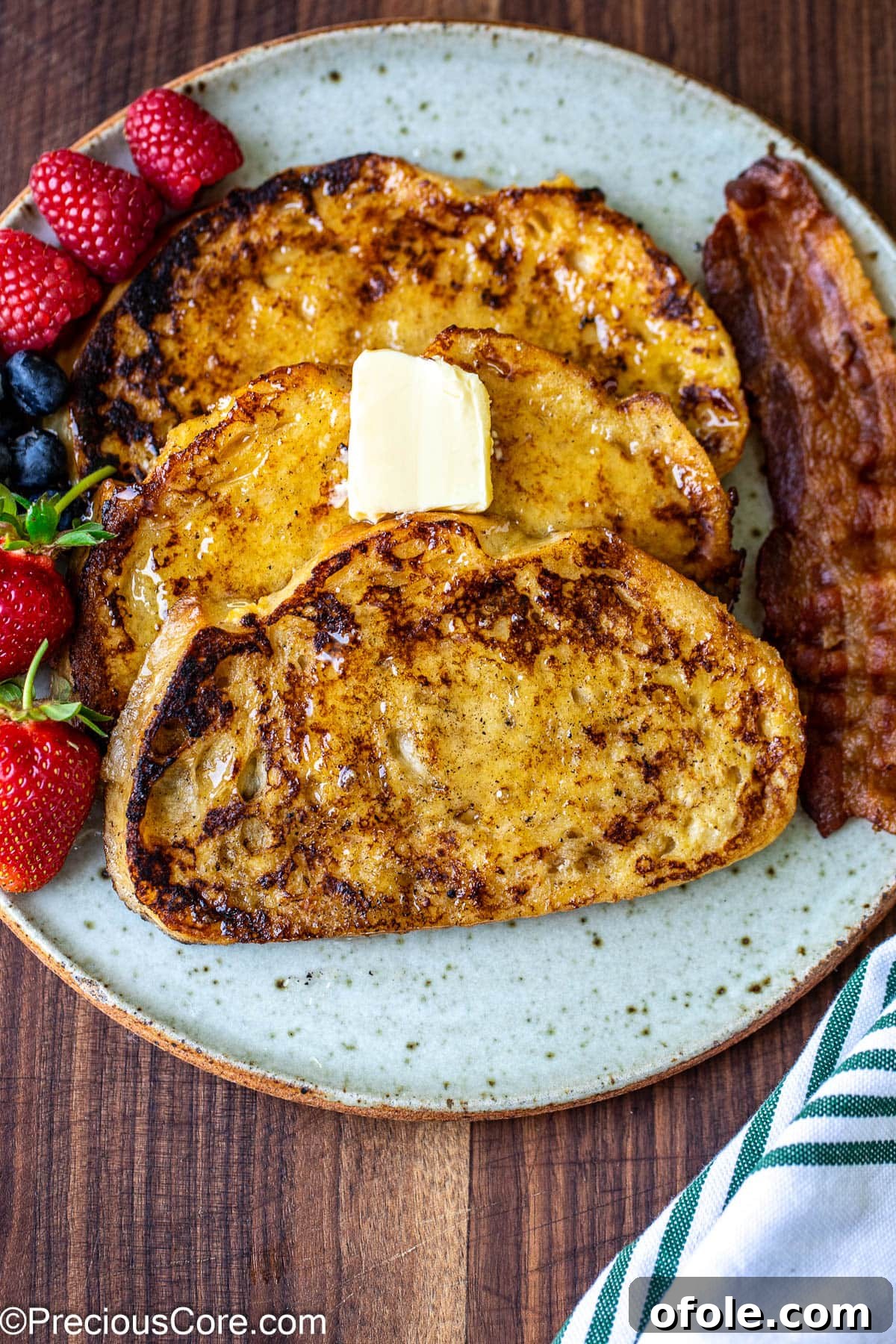
The Secret to Perfect Sourdough French Toast: Why This Recipe Shines
This Sourdough French Toast recipe isn’t just another breakfast dish; it’s designed for success and maximum enjoyment. Here’s why it’s destined to become a beloved staple in your kitchen:
- The Epitome of Weekend Breakfast Perfection: Imagine waking up to the aroma of cinnamon and vanilla, knowing that a stack of golden French toast awaits. This homemade recipe is truly perfect for creating memorable weekend breakfasts with your family. It’s one of those special recipes that brings everyone together around the table, fostering warmth and connection. The amazing taste and customizable nature ensure that each family member can personalize their French toast exactly as they like, whether it’s with a drizzle of syrup, fresh berries, or a dusting of powdered sugar. It transforms a simple meal into a delightful family ritual.
- A Crowd-Pleasing Brunch Centerpiece: Planning a brunch gathering? Look no further! This Sourdough French Toast is a guaranteed crowd-pleaser that will impress your guests. Its unique appeal lies in the sourdough’s subtle tang, which brilliantly balances the sweetness of the custard and any toppings, preventing it from being overly sugary. This thoughtful balance of flavors makes it incredibly versatile, allowing it to be served alongside a range of other brunch recipes, from savory quiches to light fruit salads, and perfectly complements various beverages like freshly squeezed orange juice, robust coffee, or calming tea. Its sophisticated yet comforting profile makes it a standout dish for any get-together.
- Effortless & Easy-to-Follow Preparation: One of the greatest advantages of this recipe is its straightforwardness. Even if you’re a novice in the kitchen or have never attempted to make French toast before, you’ll be amazed at how simple and rewarding the process is. I’ve broken down each step into clear, concise instructions, ensuring that you can achieve perfect results with confidence. There’s no need to feel intimidated; this is an incredibly easy sourdough French toast recipe that you’ll master in no time. Let’s dive into the details and get cooking, shall we?

Essential Sourdough French Toast Recipe Ingredients
Crafting this exquisite Sourdough French Toast requires only a handful of simple, readily available ingredients. You likely have most of these staples in your pantry and refrigerator already, making this a convenient recipe to whip up whenever the craving strikes.
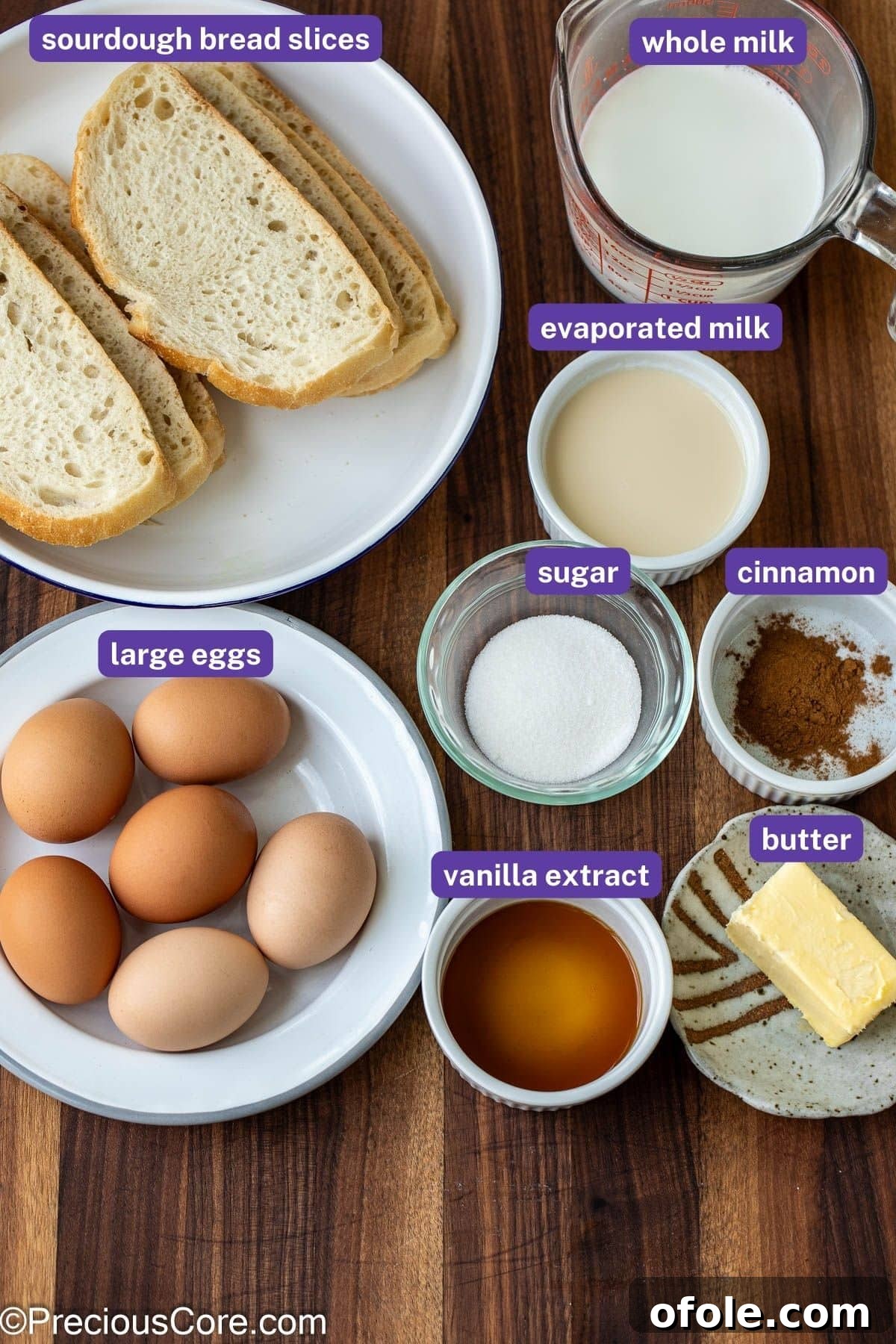
Here’s a deeper dive into the most important components and why they make all the difference:
- Slices of Sourdough Bread: The star of our show! Using leftover or day-old sourdough bread is highly recommended. The slightly drier texture of stale bread acts like a sponge, allowing it to absorb the egg custard mixture much more effectively without falling apart, resulting in a perfectly moist and flavorful interior. The distinctive tangy notes of sourdough provide an incredible counterpoint to the sweetness of the custard and any toppings, particularly maple syrup, creating a harmonious and sophisticated flavor profile. Whether you opt for a rustic loaf from your local bakery or a lovingly homemade sourdough, choose the best quality bread you can find for optimal results.
- Milk (Whole & Evaporated): This recipe utilizes a powerful duo of milks: whole milk for richness and evaporated milk for its unique properties. Evaporated milk is a concentrated form of milk, giving it a thicker consistency and a deeper, slightly caramelized flavor. Its density is crucial as it helps prevent the egg custard mixture from becoming too thin, ensuring it clings beautifully to the sourdough slices. This concentrated richness also contributes to a wonderfully creamy and indulgent French toast.
- Eggs: The unsung heroes of French toast, eggs play a dual role in achieving that coveted texture and color. They are essential for binding the custard ingredients together and creating that irresistible golden-brown crust during cooking. Internally, eggs are responsible for transforming the bread into a tender, rich, and truly custardy delight. Without them, your French toast would simply be fried bread, missing that luxurious mouthfeel.
- Cinnamon: What is French toast without the warm, inviting embrace of cinnamon? This classic spice is indispensable, infusing the soaked bread with its comforting, aromatic flavor. It beautifully complements the natural sweetness of the sugar and vanilla, enhancing the overall experience and making the taste of maple syrup truly pop when served. Cinnamon adds that signature warmth that makes French toast so appealing.
- Sugar (Granulated): A touch of granulated sugar in the custard is vital for achieving the perfect level of sweetness and encouraging a beautiful caramelization on the exterior of the French toast. Without it, the dish might taste flat, or overly eggy. Sugar balances the flavors, ensuring each bite is perfectly balanced and utterly delicious.
For the complete list of ingredients and their exact quantities, please refer to the detailed recipe card conveniently located below.
Exciting Recipe Variations to Explore
Once you’ve mastered the classic Sourdough French Toast, the culinary possibilities are endless! Here are some creative ways to customize and elevate this already fantastic recipe:
- Decadent Stuffed French Toast: Take your French toast to an entirely new level by transforming it into a stuffed delight. Simply create a filling of your choice and sandwich it between two slices of sourdough bread before soaking. Imagine a luscious cream cheese filling, rich and nutty Nutella, or a delicate sweetened mascarpone. When cooking, be mindful to handle them carefully due to their increased thickness, and allow for a slightly longer soaking time to ensure the custard fully penetrates both slices. This variation is a true indulgence!
- Fun French Toast Sticks: Perfect for kids (and adults who are kids at heart!), French toast sticks are a playful and easy-to-eat alternative. Simply cut each slice of sourdough bread into four strips before dipping them into the custard mixture. Follow the remaining cooking steps as usual. This format is not only fun but also makes for easy dipping, and it’s a fantastic way to get children involved in the kitchen and excited about breakfast.
- Unforgettable Unique Toppings: While a classic drizzle of maple syrup is always welcome, there are countless ways to upgrade your French toast with creative toppings. Beyond the traditional, consider slathering it with creamy Nutella, spooning over a vibrant berry compote, adding a satisfying crunch with chopped nuts, scattering crispy bacon bits for a savory kick, or simply dusting with elegant powdered sugar. For a healthier twist, a dollop of creamy yogurt can add a lovely tang and freshness. Don’t hesitate to experiment and discover your favorite combinations!
Smart Ingredient Substitutions for Your Sourdough French Toast
Life happens, and sometimes you don’t have every ingredient on hand. No worries! This recipe is forgiving and allows for several smart substitutions without compromising on flavor or texture:
- Evaporated Milk Alternatives: If evaporated milk isn’t available, don’t fret! You can easily swap it out for an equal amount of heavy cream. Heavy cream will provide a similar richness and thickness, ensuring your custard remains luxurious and creamy.
- Milk Options: While whole milk is recommended for its richness, you have flexibility here. In a pinch, skim milk or even dairy-free alternatives like almond milk or oat milk can be used if you’re following a specific diet or preference. For an intriguing twist that beautifully complements the sourdough’s natural tanginess, try using buttermilk. It adds a lovely depth of flavor and tenderizes the bread further.
- Sugar Swaps: To achieve an extra caramelized and wonderfully deep exterior on your French toast, consider replacing the granulated sugar with an equal amount of brown sugar. The molasses in brown sugar will contribute a richer flavor and a slightly stickier, more indulgent crust.
- Spice Explorations: Ground cinnamon is undeniably the best choice for its classic warmth and aroma. However, if you find yourself without it, or simply wish to experiment, other warm spices can be delightful. Pumpkin pie spice offers a complex blend of fall flavors, while a dash of nutmeg can add a subtle, sweet earthiness. When using alternative spices, I recommend starting with a slightly smaller amount (e.g., ¾ teaspoon) and adjusting to your taste, as their intensity can vary.
Chef’s Trick for Large Batches: If you’re preparing a generous amount of French toast, say two or three times the original recipe, keep the previously cooked pieces warm and perfectly toasted in a low-temperature oven. Set your oven to around 250°F (120°C) and place the cooked French toast on a wire rack over a baking sheet. This ensures every slice is hot and ready to serve at the same time, preventing them from getting cold or soggy while you finish cooking the rest.
Crafting Delicious Sourdough French Toast: A Simple Guide
Making this incredibly delicious Sourdough French Toast is a straightforward process, broken down into 4 easy and achievable steps. Follow along to create your perfect breakfast!
- Prepare the Custard Mixture: Begin by gathering your large mixing bowl. Into this bowl, add the eggs, whole milk, evaporated milk, granulated sugar, ground cinnamon, vanilla extract, and a pinch of salt. Whisk all these ingredients vigorously until they are thoroughly combined and the mixture is smooth and consistent. Ensure no egg streaks remain for an even flavor distribution.
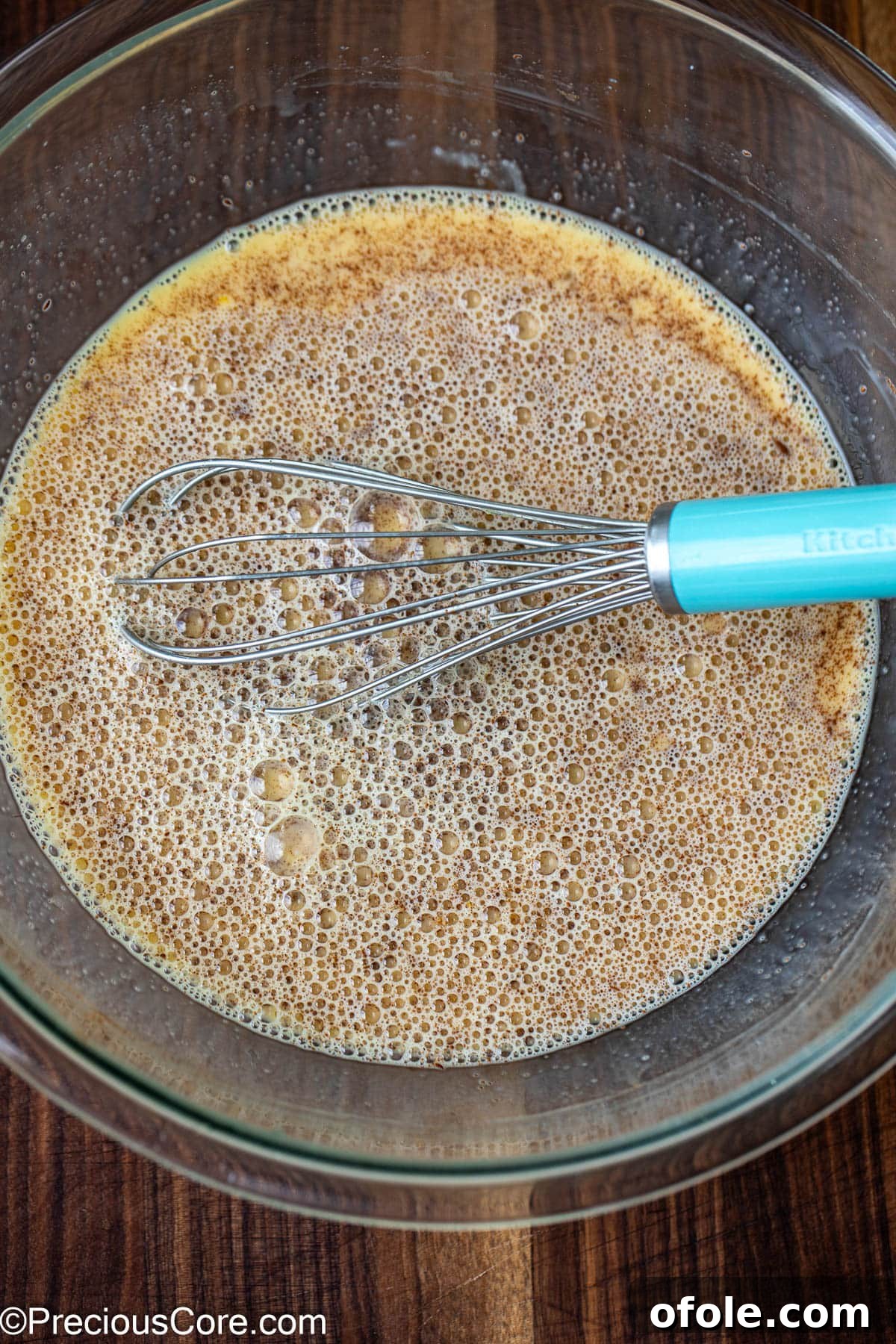
2. Generously Soak the Sourdough Bread: For optimal soaking, pour the prepared egg mixture evenly onto a shallow baking sheet. This wide, flat surface allows you to place multiple slices of sourdough bread in a single layer, ensuring maximum contact with the custard. Carefully arrange the sourdough slices in the mixture and let them soak for a few minutes. After about 5 minutes, gently flip each slice to ensure the other side is completely saturated. You want the bread to absorb a good amount of the custard without becoming flimsy or falling apart, which stale sourdough handles perfectly.
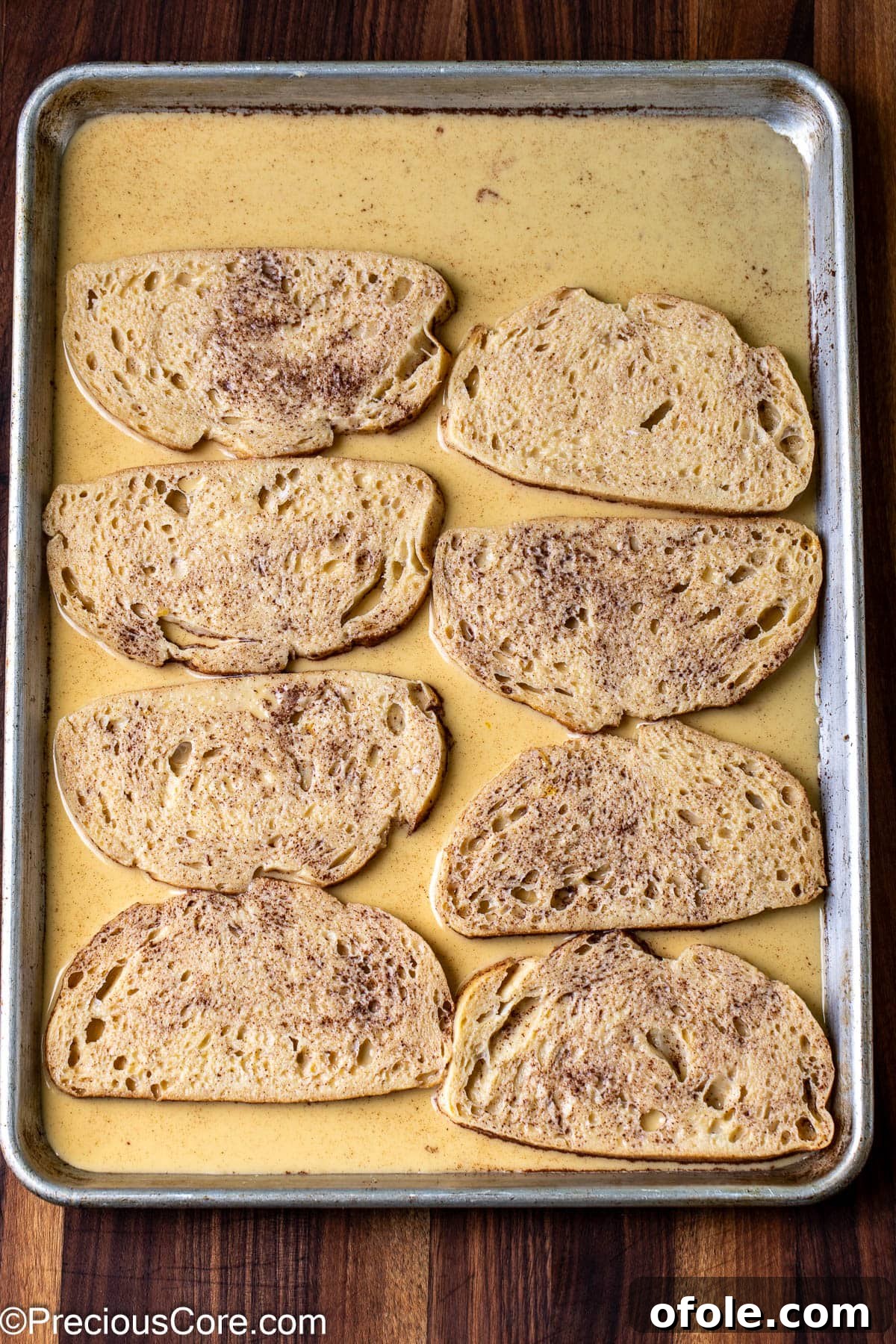
3. Cook to Golden-Brown Perfection: Heat a heavy-bottomed skillet, such as a cast iron skillet, over medium heat. Once hot, add about 1 tablespoon of butter and allow it to melt and coat the pan. Place two soaked slices of sourdough bread into the hot skillet, being careful not to overcrowd the pan. Cook each side for approximately 2 to 3 minutes, or until the French toast achieves a beautiful golden-brown color and a slightly crispy exterior. Repeat this process with the remaining soaked bread slices, remembering to add another tablespoon of butter to the hot skillet before each new batch to maintain flavor and prevent sticking.

4. Serve and Enjoy Immediately: Once cooked, transfer your glorious Sourdough French Toast to plates. Serve immediately while still warm, garnished with a generous scattering of fresh berries like strawberries, blueberries, or raspberries. A decadent drizzle of pure maple syrup is highly recommended, or for an extra touch of indulgence, a dollop of freshly whipped cream makes a perfect finish. Enjoy the delightful flavors and textures you’ve created!

Pro-Tip for Even Cooking: If you don’t have access to a large cast-iron skillet, a non-stick griddle or electric pancake griddle is an excellent alternative for cooking French toast. Its expansive, even heating surface ensures that your French toast cooks uniformly, resulting in beautifully consistent golden-brown slices every time, without hot spots or uneven cooking.
Key Tips for Flawless Sourdough French Toast
Achieving perfectly golden and custardy Sourdough French Toast is easy when you keep a few crucial tips in mind:
- Embrace Stale Bread: For truly optimal results, it is highly recommended to use slightly stale or day-old sourdough bread. Fresh bread, with its higher moisture content, tends to absorb the custard too quickly and can become disappointingly soggy. Stale sourdough, however, acts like a robust sponge, effectively soaking up the rich egg and milk mixture without losing its structural integrity. This ensures that delightful balance of a crispy exterior and a wonderfully moist, flavorful interior.
- Master Medium Heat: Resist the temptation to crank up the heat on your skillet! Cooking French toast at a high temperature will cause the outside of the bread to burn rapidly while the inside remains undercooked and gooey. Patience is key here. Maintaining your stovetop at a consistent medium heat is essential for achieving an even, beautiful golden-brown crust and ensuring the interior cooks through to a creamy perfection. This slow and steady approach yields the best texture and prevents burnt edges.
- Butter Every Batch: For each new batch of French toast you cook, make sure to add a fresh tablespoon of butter to the skillet. This crucial step not only infuses every slice with a delectable buttery flavor but also actively aids in achieving that coveted golden hue and, most importantly, prevents the French toast from sticking to the pan. A fresh application of butter ensures consistent results and easy flipping.
- Storing and Reheating Leftovers: To keep any leftover Sourdough French Toast fresh and delicious for future enjoyment, transfer it to a resealable freezer bag or an airtight container once cooled, and store it in the refrigerator. When you’re ready to savor it again, skip the microwave! For the best possible texture – a crisped exterior and tender interior – I highly recommend reheating it in an air fryer, a toaster oven, or gently on the stovetop. These methods will revive its glorious texture, making it almost as good as freshly made.
Perfect Pairings & Serving Suggestions
This Sourdough French Toast is a versatile delight that pairs beautifully with a range of accompaniments. Elevate your breakfast or brunch by serving it alongside the following:
Healthy Strawberry Jam
Scrambled Eggs With Vegetables
Tropical Fruit Salad
Mixed Berry Jam
If you’re a true enthusiast of sourdough, don’t forget to explore another comforting creation: my irresistible Sourdough Bread Grilled Cheese, perfect for a cozy lunch or light dinner.
Discover More Delicious Breakfast Recipes
Homemade Buttermilk Biscuits
Heart Shaped Pancakes
Breakfast Salad with Avocado and Eggs
Easy Quiche Recipe
We adore hearing from you! If you make this delightful Sourdough French Toast recipe, please take a moment to leave a star rating below. Your feedback helps other home cooks discover and enjoy this recipe, and it truly makes our day! Thank you for your support!

Sourdough French Toast Recipe
Pin Recipe
Rate
Print Recipe
Ingredients
- 8 slices sourdough bread ½-inch thick slices, stale bread is preferred
- 6 large eggs
- 1 cup whole milk
- ½ cup evaporated milk sub with heavy cream
- 2 Tablespoons granulated sugar
- 1 teaspoon ground cinnamon
- 2 teaspoons vanilla extract
- ¼ teaspoon salt
- 4 Tablespoons butter for frying
Instructions
-
In a large mixing bowl, thoroughly whisk together the eggs, whole milk, evaporated milk (or heavy cream if substituting), granulated sugar, ground cinnamon, vanilla extract, and salt until the mixture is smooth and well combined.
-
Pour the prepared egg custard mixture onto a shallow baking sheet or a wide, flat dish. This setup ensures ample space for all bread slices to soak simultaneously. Carefully arrange the sourdough bread slices in a single layer in the egg mixture, allowing them to soak thoroughly. After approximately 5 minutes, gently flip each slice to ensure complete saturation on both sides.
-
Heat a large skillet (such as a cast iron skillet or a non-stick pan) over medium heat. Once hot, add about 1 tablespoon of butter and let it melt. Place two soaked bread slices into the skillet, ensuring not to overcrowd. Cook for about 2 to 3 minutes per side, or until the French toast achieves a beautiful golden brown color and a slightly crispy exterior. Repeat this cooking process with the remaining soaked bread, adding approximately a tablespoon of butter to the hot skillet before each subsequent batch to ensure even browning and prevent sticking.
-
Serve your freshly cooked Sourdough French Toast immediately with your favorite toppings. A classic choice includes fresh berries (like strawberries, blueberries, or raspberries) and a generous drizzle of pure maple syrup. For an added touch of luxury, consider a dollop of whipped cream or a dusting of powdered sugar.
Notes
- Should you have any leftover custard mixture, don’t let it go to waste! Simply add a few more slices of sourdough bread (or other bread of choice) to soak and make additional French toast to enjoy or save for later.
- To maintain the delicious taste and texture of any leftover French toast, store it in a resealable freezer bag or an airtight container in the refrigerator. For the best reheating results, which ensures a crispy exterior and tender interior, we recommend using an air fryer, toaster oven, or stovetop. Avoid using the microwave, as it can make the French toast soggy.
- When using a cast-iron skillet for this recipe, it’s particularly important to carefully regulate the heat. Cast iron skillets retain heat very efficiently, which can lead to rapid burning if the temperature is too high. Keep the heat at a consistent medium to prevent burning and ensure a beautifully even golden-brown finish.