
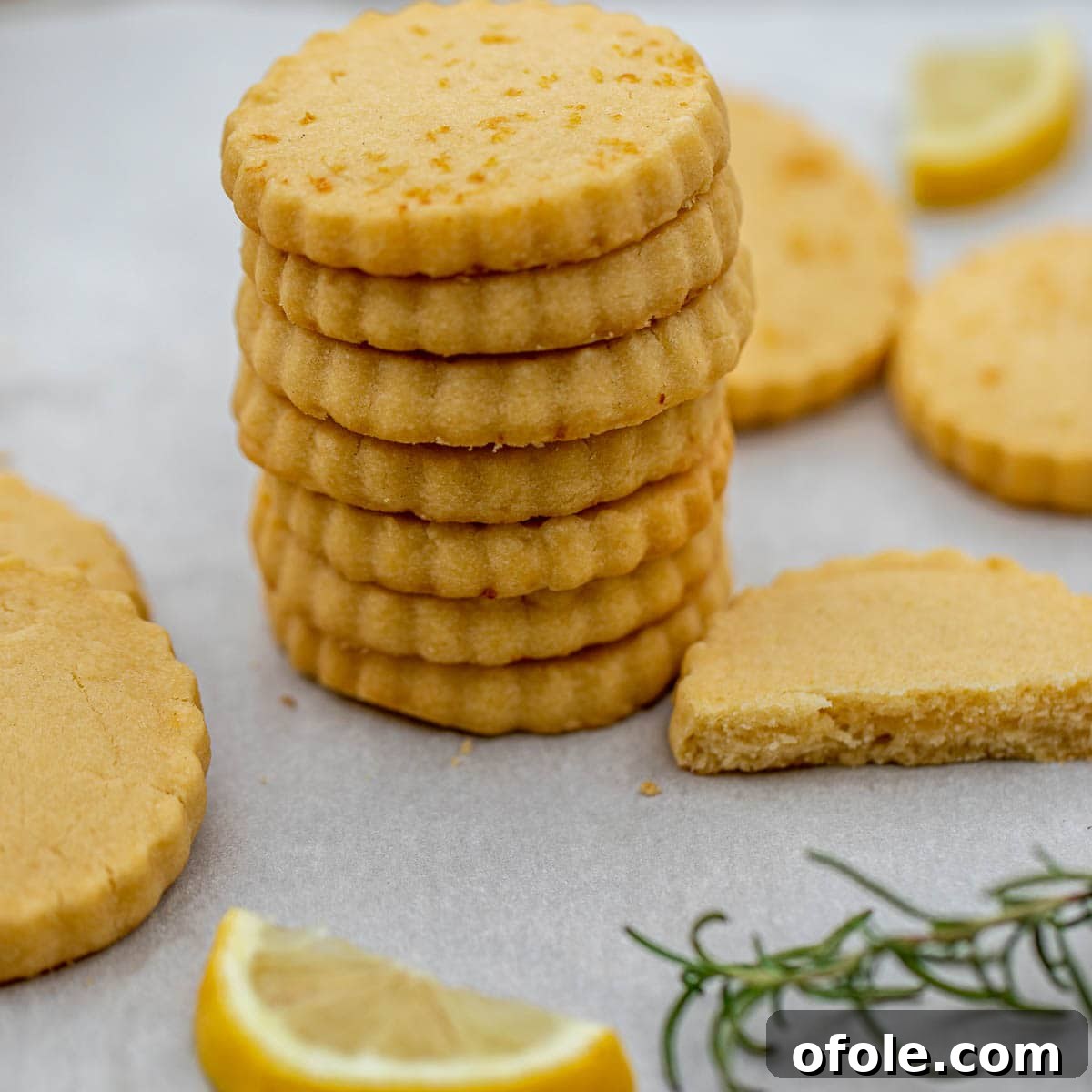
Indulge in the pure delight of homemade **Lemon Shortbread Cookies** – a timeless classic reimagined with a vibrant, zesty twist. These incredibly buttery, exquisitely tender, and perfectly lemony cookies are an absolute treat, ideal for brightening any occasion, whether it’s a festive holiday gathering, a cozy afternoon tea, or simply a moment when you crave something truly special. With their melt-in-your-mouth texture and irresistible citrus burst, these **easy lemon cookies** are destined to become a staple in your baking repertoire. Best of all, you only need a handful of basic ingredients to create this extraordinary dessert!
There’s an undeniable magic in the combination of sweet and tangy flavors, and these **homemade lemon shortbread cookies** capture that essence beautifully. Crafted with real, fresh lemons, every bite delivers an authentic, exhilarating burst of citrus that will awaken your taste buds. The bright, refreshing lemon notes perfectly complement the rich, buttery base, creating a harmonious flavor profile that is both comforting and invigorating. Prepare to fall in love with how effortlessly these cookies come together and how quickly they disappear!
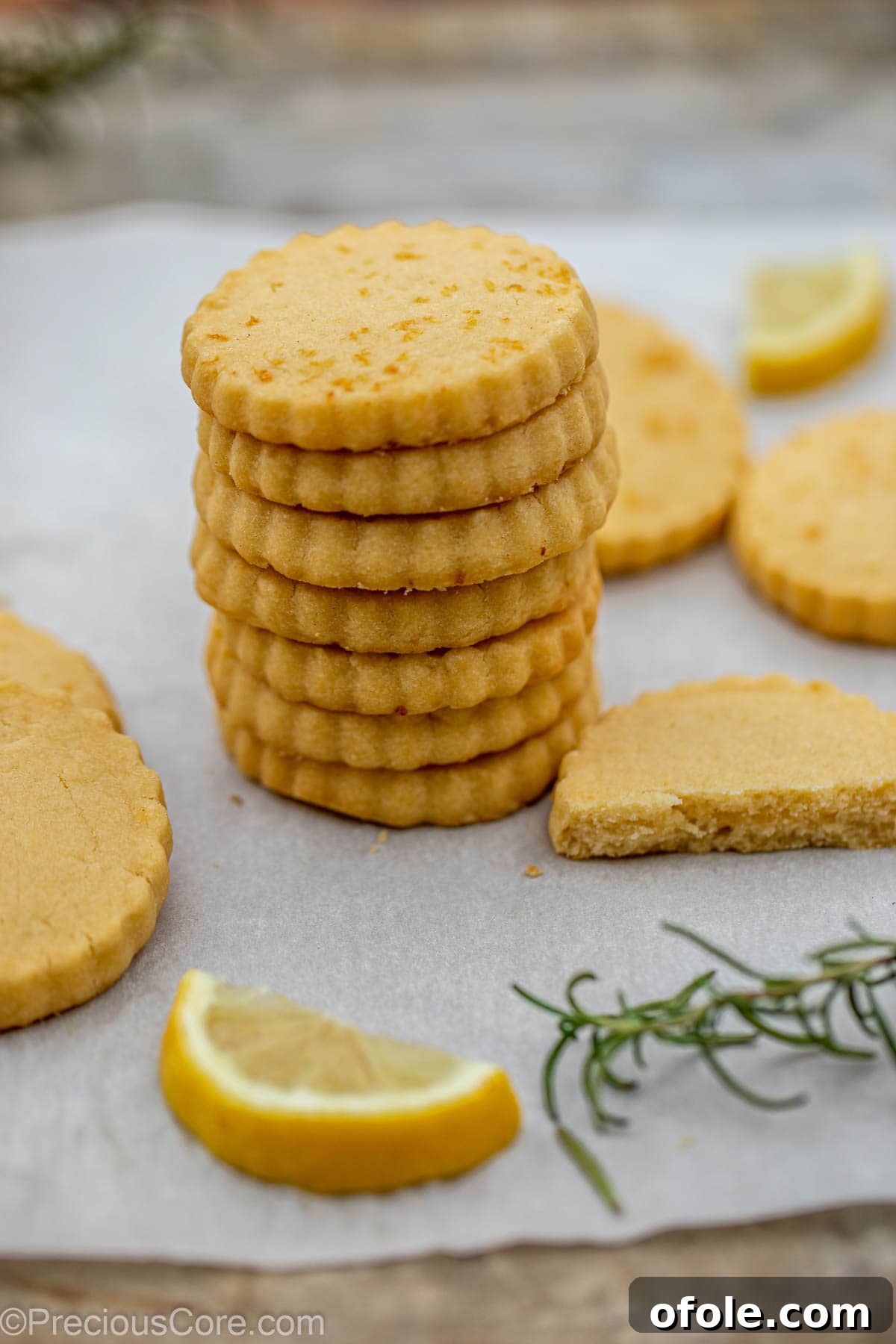
For all the lemon enthusiasts out there, this recipe is a must-try. If you adore citrus desserts as much as we do, be sure to explore our Lemon Pound Cake recipe for another delightful lemon-infused treat. And for those who can’t get enough of delicious cookies, don’t miss our classic Homemade Shortbread Cookies, the incredibly simple Easiest Chocolate Chip Cookies, and the beloved Danish Butter Cookies.
Table of Contents
- The Essence of Lemon Shortbread: Simple Ingredients
- Crafting Perfection: How To Make Lemon Shortbread Cookies
- Step 1: Creaming Butter and Sugar
- Step 2: Incorporating Lemon and Dry Ingredients
- Step 3: Rolling and Chilling the Dough
- Step 4: Cutting Your Cookies
- Step 5: Preparing for the Bake
- Step 6: The Perfect Bake
- Step 7: Cooling for Crispness
- Creative Twists: Substitutions for Lemon Shortbread
- Elevate Your Baking: Variations on Lemon Shortbread
- Mastering the Bake: Expert Tips for Lemon Shortbread
- Storage and Serving Suggestions for Your Lemon Shortbread Cookies
- Frequently Asked Questions about Lemon Shortbread
- More Irresistible Cookie Recipes You’ll Love
- Lemon Shortbread Cookies: The Full Recipe
The Essence of Lemon Shortbread: Simple Ingredients
One of the many wonderful aspects of a classic shortbread cookie recipe is its minimalist ingredient list. This often means you can whip up a batch without an extra trip to the grocery store, as most items are pantry staples. To create these delightful **Lemon Shortbread Cookies**, gather these essential components:
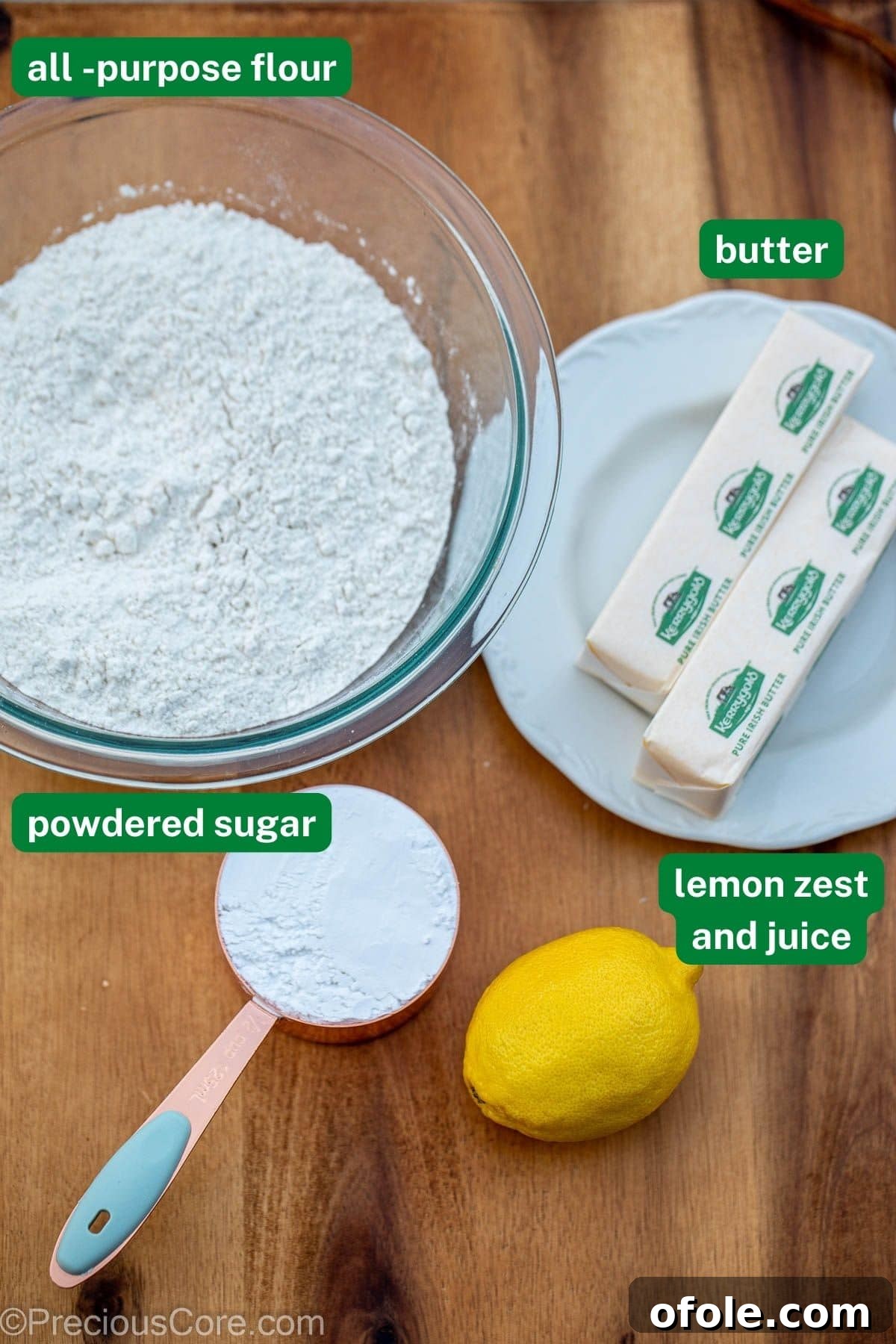
- Unsalted Butter: The star of any shortbread, butter is what gives these cookies their rich flavor and tender texture. For truly exceptional shortbread, invest in high-quality unsalted butter. We highly recommend brands like Kerrygold for their superior taste. Remember, the butter needs to be softened to room temperature, not melted, for the best creaming results and a perfectly smooth dough.
- Powdered Sugar (Confectioners’ Sugar): Unlike granulated sugar, powdered sugar contributes to the signature melt-in-your-mouth texture of these cookies. Its fine consistency ensures a smooth dough and delicate crumb, making each bite an ethereal experience.
- Fresh Lemons: The key to that invigorating citrus punch! You’ll need both lemon zest and fresh lemon juice. Always zest the lemon before juicing it – it’s much easier! The combination of zest (where most of the lemon oil and intense flavor resides) and juice provides a wonderfully balanced and authentic lemon flavor. Depending on the size of your lemons, you might need one or two.
- All-Purpose Flour: This recipe relies on all-purpose (or plain) flour for its structure. Avoid using self-rising flour or cake flour, as their different protein contents and leavening agents will alter the texture of these traditional shortbreads.
- Salt: A touch of salt is crucial for balancing the sweetness and enhancing all the other flavors in the cookie. If you opt for salted butter, you can omit the added salt, but always taste your dough (before adding raw flour, if you’re concerned about that) or start with unsalted butter to control the salt content precisely.
For a comprehensive list of ingredients with precise measurements, please refer to the detailed recipe card at the end of this article.
Crafting Perfection: How To Make Lemon Shortbread Cookies
Creating these delightful **Lemon Shortbread Cookies** is a surprisingly straightforward process, proving that the most delicious treats don’t always require complicated steps. You won’t need a food processor for the dough; it can be easily made by hand with a sturdy whisk or a spoon, or with the help of a stand mixer. Follow these 7 simple steps to bake your own batch of buttery, zesty lemon shortbread:
Step 1: Creaming Butter and Sugar
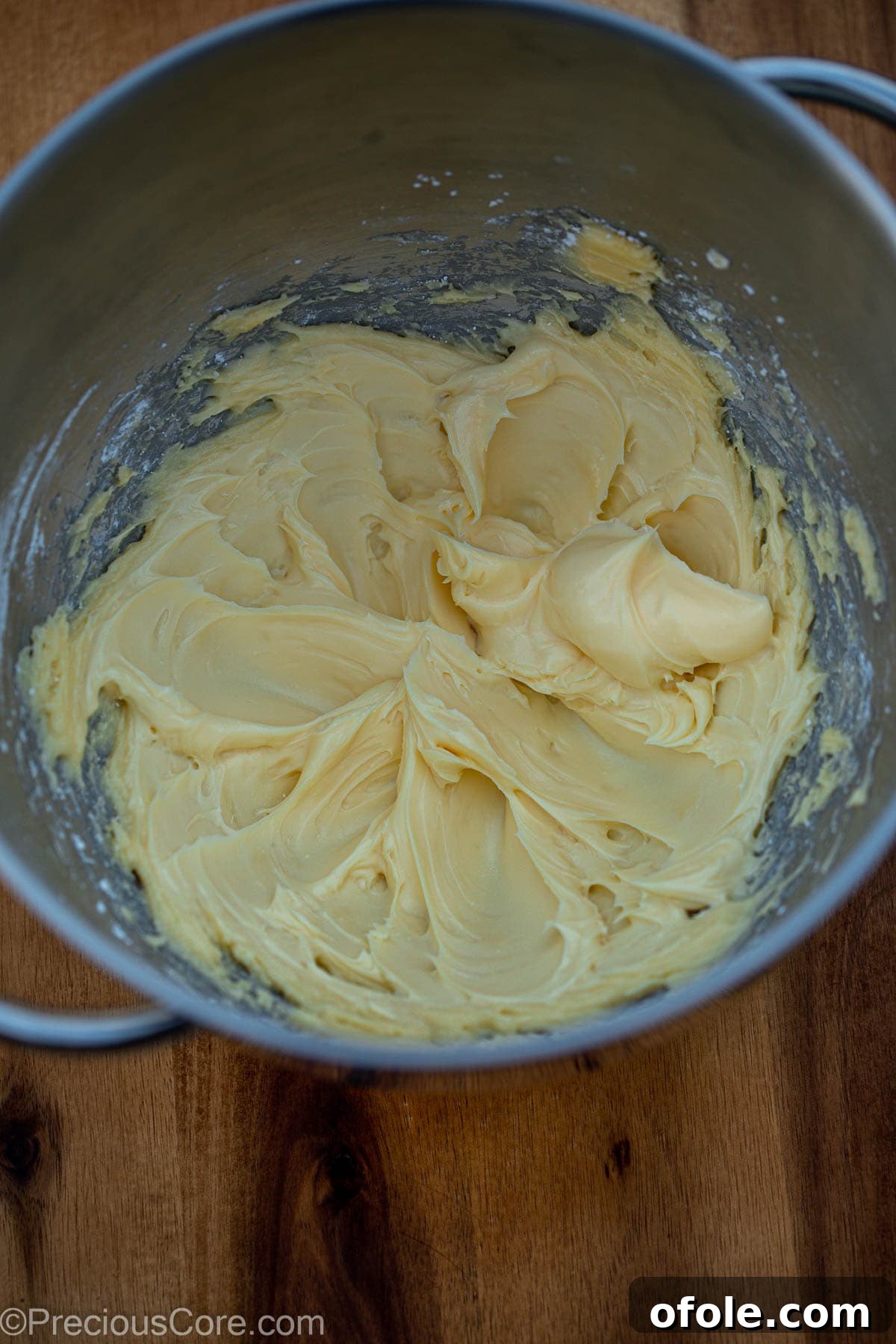
In a large mixing bowl, combine the softened room-temperature butter and the powdered sugar. Beat them together until the mixture is light, fluffy, and well combined. If you’re using a stand mixer, attach the paddle attachment and beat on medium speed, scraping down the sides of the bowl as needed to ensure everything is evenly incorporated. This creaming process is vital as it incorporates air into the butter, contributing to the cookie’s tender texture.
Step 2: Incorporating Lemon and Dry Ingredients
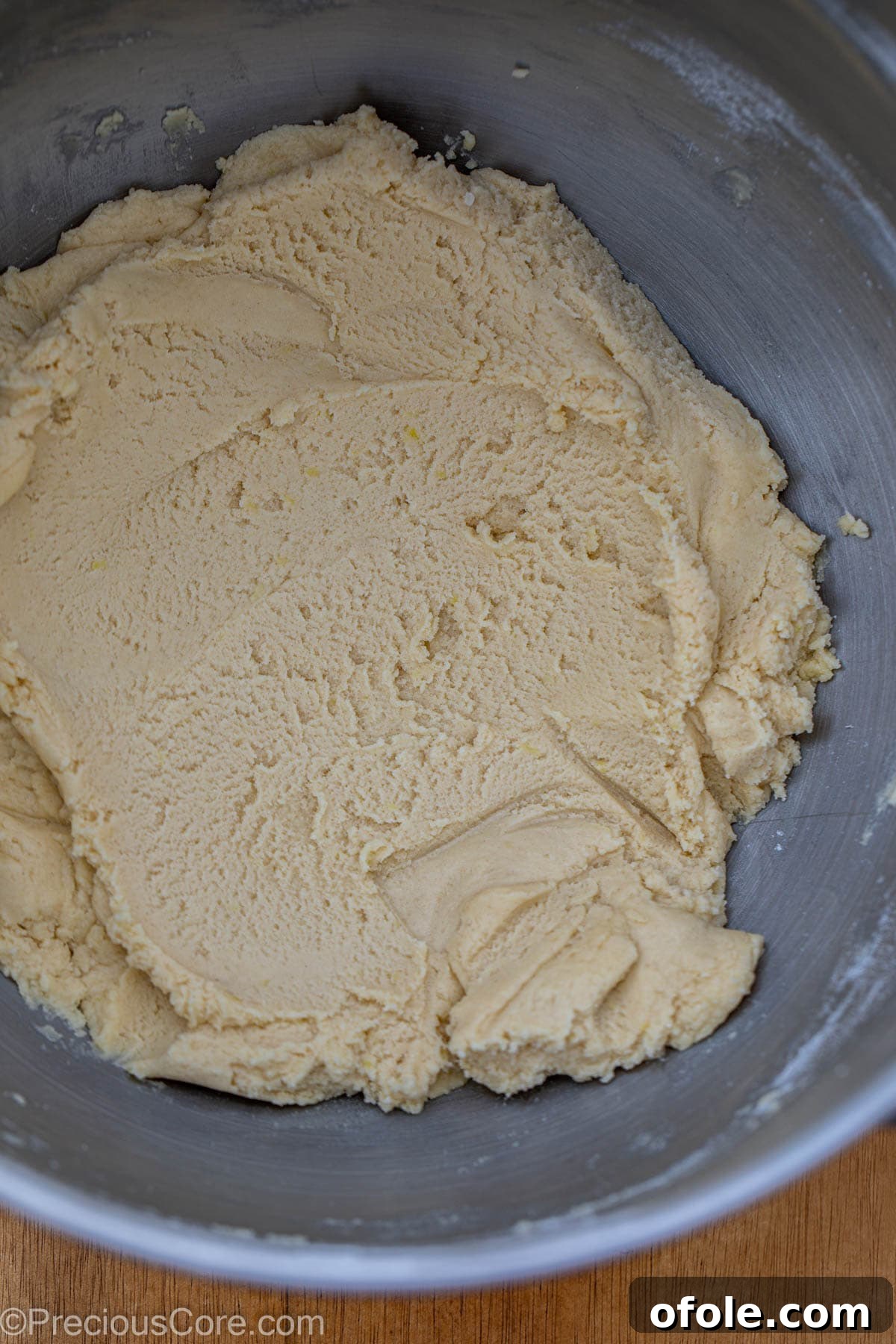
Next, add the fresh lemon zest and lemon juice to the creamed butter and sugar mixture. Mix until just combined. Overmixing at this stage can lead to a tougher cookie. Then, gradually add the all-purpose flour and salt (if using unsalted butter) to the bowl. Mix on low speed, just until the dry ingredients are fully incorporated and the dough begins to come together. The mixture will start with a crumbly texture and gradually form a cohesive dough. Avoid overmixing once the flour is added, as this can develop the gluten too much, resulting in dense rather than melt-in-your-mouth shortbread. Stop mixing as soon as a soft, pliable dough forms.
Step 3: Rolling and Chilling the Dough
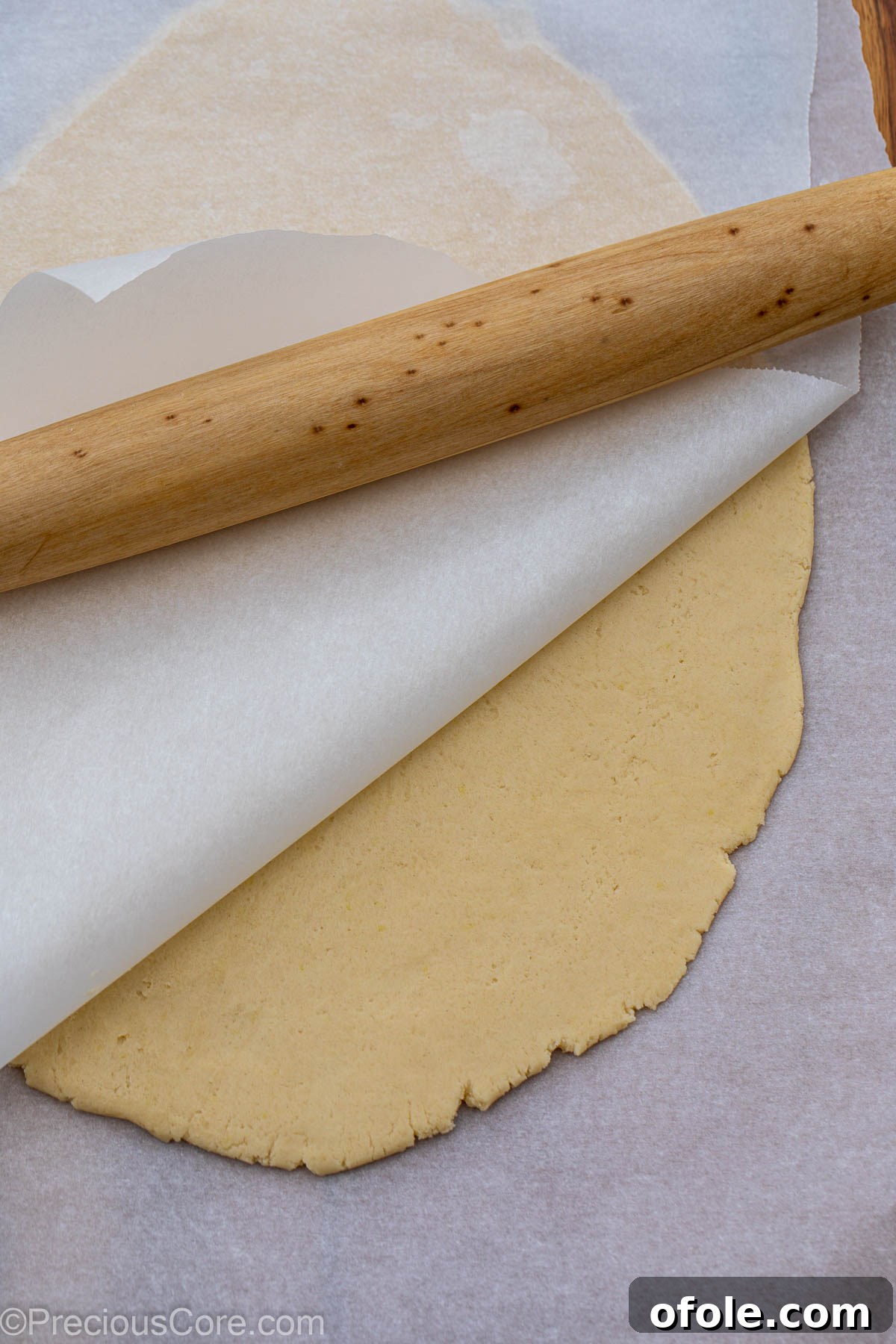
Once your dough is ready, place it between two sheets of parchment paper. Using a rolling pin, roll the dough out evenly to approximately a quarter-inch thickness. This method is incredibly helpful as it prevents the rich, buttery dough from sticking to your work surface and eliminates the need for extra flour, which can dry out the cookies. Once rolled, transfer the dough, still sandwiched between the parchment paper, onto a flat baking sheet. Place it in the refrigerator to chill for at least one hour. Chilling is a crucial step that allows the butter to firm up, preventing the cookies from spreading too much and losing their shape during baking, ensuring perfectly crisp edges and a tender center.
Step 4: Cutting Your Cookies
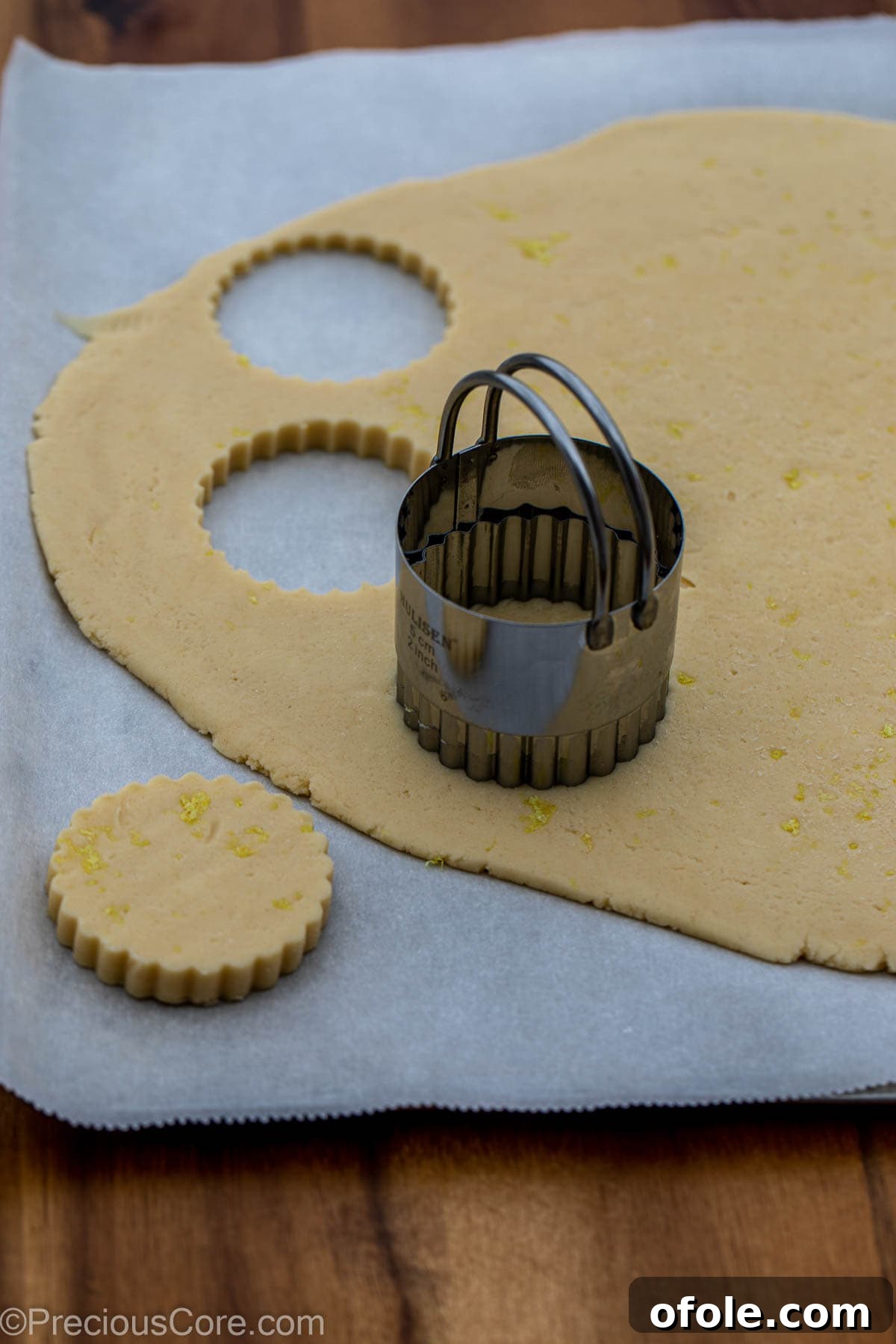
After the dough has thoroughly chilled and is firm to the touch, remove the top sheet of parchment paper. Using your favorite cookie cutters, cut out your desired shapes. We find that a 2-inch round cutter (like those readily available on Amazon) works beautifully for classic shortbread. Carefully transfer the cut-out cookies to a prepared baking sheet. Gather any dough scraps, gently press them back together, re-roll between parchment paper, and chill again briefly before cutting out more cookies. This minimizes waste and ensures all your shortbread delights are utilized.
Step 5: Preparing for the Bake
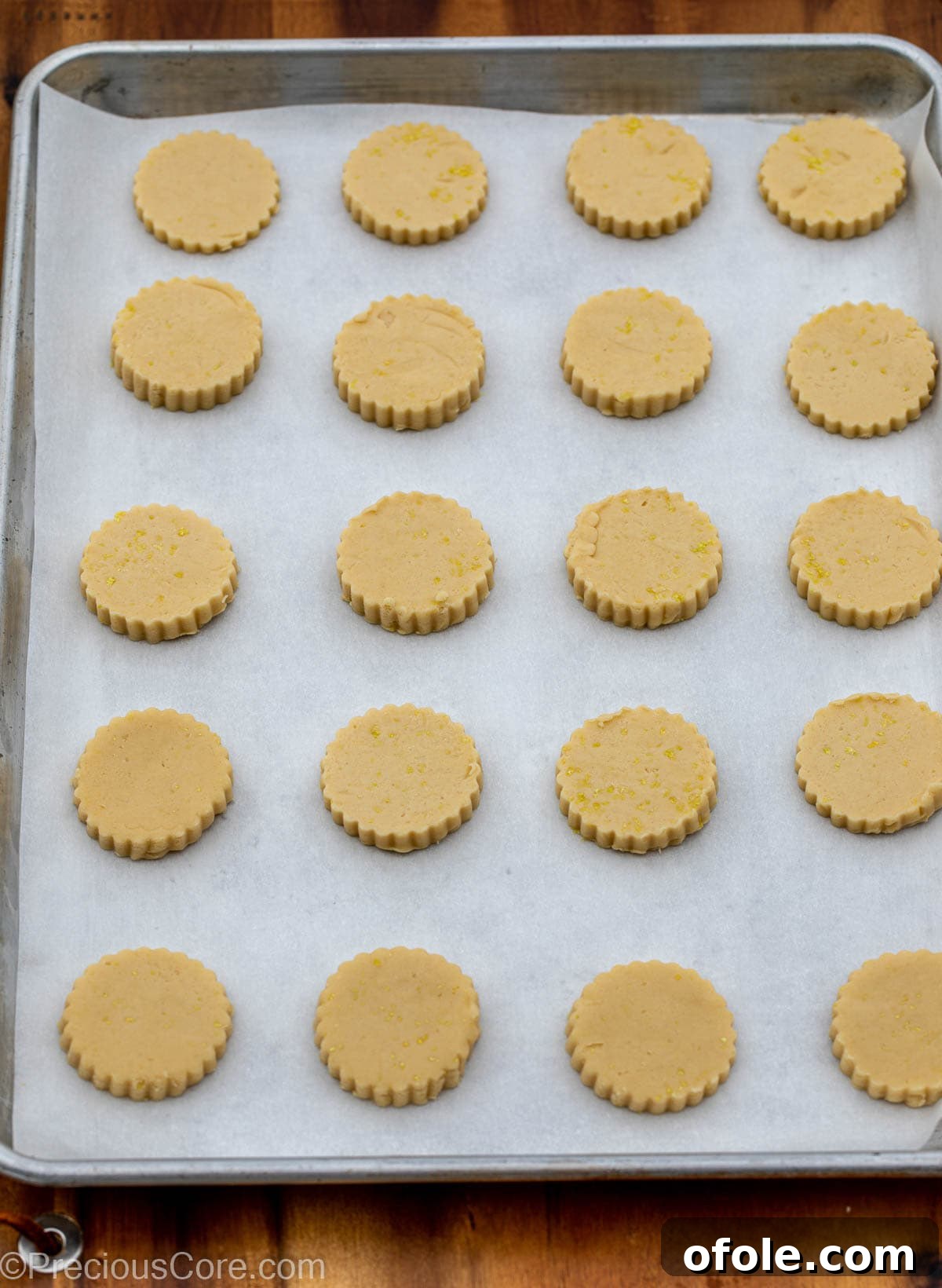
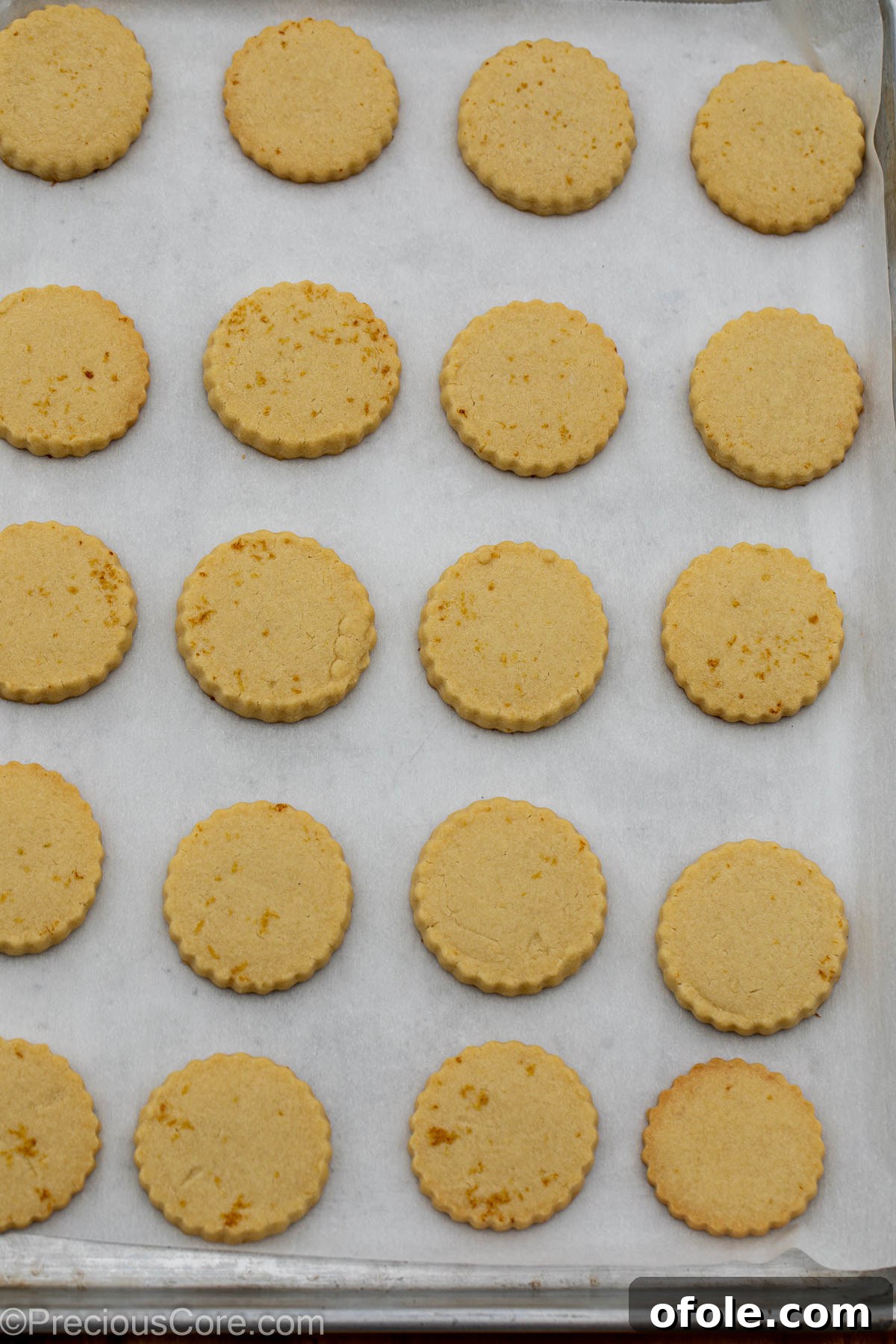
Arrange your cut-out cookies on a cookie sheet that has been lined with parchment paper. Ensure there’s a small space between each cookie to allow for even baking. It’s important to use a perfectly flat baking pan; a warped pan can cause uneven heat distribution and affect the final shape of your cookies. If you’re working with a smaller or square pan, you may need to bake in multiple batches to avoid overcrowding, which can steam the cookies instead of browning them.
Step 6: The Perfect Bake
Preheat your oven to 350°F (180°C). Bake the cookies for approximately 13 to 15 minutes. Keep a close eye on them; you’re looking for a subtle golden-brown hue around the edges. The cookies should also feel slightly firm to the touch when gently pressed. Baking shortbread to just the right point ensures that classic tender, crumbly texture without becoming too hard. For those who prefer a crisper cookie, you can extend the baking time by an additional 1-2 minutes, but be careful not to overbake and dry them out.
Step 7: Cooling for Crispness
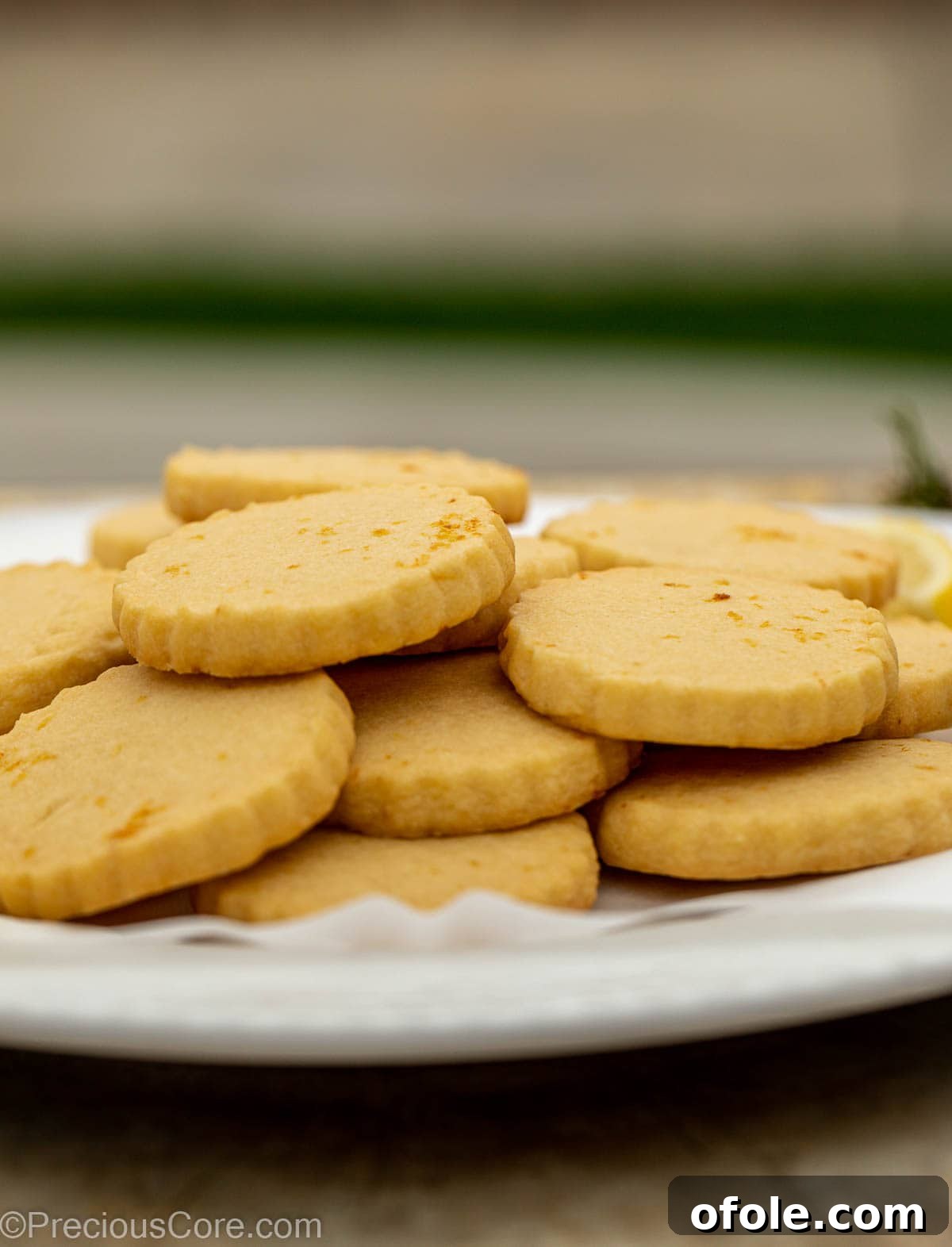
Once baked, remove the cookies from the oven and allow them to cool on the hot baking sheets for about 5 minutes. This initial cooling period on the warm pan helps them set and prevents them from breaking when transferred. After 5 minutes, carefully transfer the cookies to a wire rack to cool completely. Cooling on a wire rack ensures air circulation, preventing condensation and helping the cookies achieve their optimal crispness. Once fully cooled, they’re ready to be enjoyed!
Pro Tip: For an extra layer of bright lemon flavor and a beautiful visual appeal, sprinkle a little extra lemon zest over the rolled-out cookie dough before cutting. Cover it with parchment paper and very gently press with your rolling pin to ensure the zest adheres to the dough before chilling and cutting. This simple step adds a wonderful aromatic dimension!
Creative Twists: Substitutions for Lemon Shortbread
One of the many joys of this **easy lemon shortbread cookie recipe** is its remarkable versatility. The basic shortbread dough is a perfect canvas for countless flavor combinations. Here are some simple substitutions to inspire your next baking adventure, allowing you to customize these buttery cookies to your taste:
- Vibrant Citrus Shortbread Cookies: Elevate the citrus profile by using a delightful combination of both lemon and lime zest along with their fresh juices. This creates a brighter, more complex citrus flavor that’s wonderfully refreshing.
- Festive Orange Cranberry Shortbread Cookies: For a holiday-inspired treat, swap the lemon zest and juice for fresh orange zest and juice. Then, fold in finely chopped dried cranberries into the dough. The sweet-tart cranberries pair beautifully with the warm orange notes.
- Zesty Lime Shortbread Cookies: If you’re a fan of lime, simply use lime zest and fresh lime juice instead of lemon. The result is a wonderfully zesty and tangy cookie that’s perfect for summer or whenever you crave a unique citrus flavor.
- Baking Extract Alternative: While we wholeheartedly recommend using fresh lemon zest and juice for the most authentic flavor, lemon extract can be used in a pinch if fresh lemons aren’t available. You can also experiment with other flavored extracts, such as almond, vanilla bean, or even a touch of ginger extract, to create entirely new shortbread experiences.
As you can see, the possibilities are virtually endless! This classic shortbread cookie dough is truly a versatile base, a recipe you’ll want to keep in your culinary toolkit. Once you’ve tried it the first time, we’re confident you’ll find yourself reaching for this recipe again and again, eager to explore all the delicious variations it offers.
Elevate Your Baking: Variations on Lemon Shortbread
Beyond simple ingredient substitutions, there are numerous exciting ways to transform your **Lemon Shortbread Cookies** into even more impressive and unique treats. Get creative with these inspiring variations:
- Lemon Rosemary Shortbread Cookies: For an elegant and sophisticated flavor, finely chop a small amount of fresh rosemary leaves and incorporate them into the dough. Rosemary adds a fragrant, earthy note that beautifully complements the lemon. Remember, a little goes a long way with rosemary, as it can be quite potent.
- Lemon Thyme Shortbread Cookies: Similar to rosemary, fresh thyme leaves offer a subtle herbaceous quality that pairs wonderfully with lemon. Gently mix in some finely chopped fresh thyme for a unique and aromatic twist.
- Lemon Curd Shortbread Thumbprints: Turn these shortbreads into delightful thumbprint cookies. Shape the cookie dough into small, uniform balls (about one tablespoon of dough per cookie). Roll each ball in granulated sugar for a sparkling finish. Then, using your thumb or the back of a small spoon, create an indent in the center of each ball. Fill these indents with a spoonful of bright, tangy lemon curd before baking. The lemon curd will warm and set, creating a heavenly center.
- Luscious Lemon Glaze: For an extra layer of sweetness and a beautiful presentation, prepare a simple lemon glaze. Whisk together powdered sugar with a small amount of fresh lemon juice until you reach a smooth, pourable consistency. Once your **lemon shortbread cookies** have cooled completely, drizzle this vibrant glaze over them for an irresistible finish.
Looking for another comforting cookie recipe? Don’t forget to try our Cinnamon Chocolate Chip Cookies for a delightful blend of spice and chocolate!

Mastering the Bake: Expert Tips for Lemon Shortbread
Achieving the perfect **Lemon Shortbread Cookies** is easier with a few insider tricks. Here are some expert tips to ensure your cookies turn out exceptionally buttery, tender, and perfectly shaped every time:
- Room Temperature Butter is Key: Always start with butter that is genuinely at room temperature. This means it should be soft enough to indent with your finger without melting. Typically, leaving butter out on the counter for one to two hours before baking is sufficient. This ensures it creams properly with the sugar, creating a light and airy base for your dough.
- Quick Softening Hack: If you forget to take your butter out in advance, don’t fret! You can quickly soften it by placing a medium saucepan filled halfway with water over medium heat until it simmers. Place a medium mixing bowl (it needs to be large enough to fit over the pot without touching the water) on top of the saucepan. Add your cold butter to the bowl, turn off the heat, and let it sit for about 5 to 10 minutes, or until perfectly softened.
- Parchment Paper for Easy Rolling: The best method for rolling out shortbread cookie dough, especially buttery ones like this, is between two sheets of parchment paper. This clever technique prevents the dough from sticking to your rolling pin and work surface, eliminating the need for extra flour (which can make your cookies tough) and making cleanup a breeze.
- Chilling is Non-Negotiable: Always, always chill your shortbread cookie dough before baking. This step is absolutely critical. Chilling solidifies the butter in the dough, which prevents the cookies from spreading excessively and turning into a greasy puddle during baking. It also helps them maintain their shape beautifully.
- Re-rolling Scraps: When you cut out your first batch of cookies, gather the dough scraps, gently press them back together, and re-roll them between parchment paper. Pop this back into the fridge to chill again for 15-20 minutes before cutting out more cookies. Keeping the dough cold prevents the butter from melting and ensures the re-rolled cookies bake just as perfectly as the first batch.
- Speedy Chill Option: If you’re short on time and can’t wait for a full hour of refrigeration, you can place your rolled-out dough (still on its baking sheet with parchment) into the freezer for about 10-15 minutes. This rapidly chills the butter. However, be careful not to leave it in for too long, as overly frozen dough can become difficult to cut and might slightly affect the final texture.
- For Added Sweetness and Texture: Before baking, consider sprinkling a light dusting of granulated sugar or specially prepared lemon sugar over the tops of your cookies. This adds a lovely crunch and an extra touch of sweetness that shortbread lovers adore.
- Batching Up: If you’re preparing for a larger event or simply want to stock up on these delightful treats, this buttery cookie recipe doubles beautifully! Just make sure you have enough large mixing bowls and baking sheets to accommodate the increased volume.
Storage and Serving Suggestions for Your Lemon Shortbread Cookies
To ensure your **Lemon Shortbread Cookies** remain as fresh and delicious as the day they were baked, proper storage is key. Once they have completely cooled on the wire rack, transfer them to an airtight container. Alternatively, a resealable freezer bag works wonderfully. Stored correctly at room temperature, these delightful cookies will maintain their optimal freshness and flavor for up to 7 days, giving you ample time to savor every bite!
These versatile cookies are perfect for a variety of serving occasions. Enjoy them simply on their own with a comforting cup of freshly brewed coffee, a soothing herbal tea, or a tall glass of cold milk for a classic pairing. They also make an excellent addition to any dessert platter, especially when served alongside other sweet treats. Imagine them beautifully arranged at a party or bake sale next to fluffy brown sugar muffins, tangy lemon bars, or a selection of other homemade cookies. Their bright flavor and elegant appearance make them a welcome guest at any table.
Frequently Asked Questions about Lemon Shortbread
The primary difference lies in the ingredients: traditional butter cookies often contain eggs or egg yolks, which contribute to a richer, sometimes chewier texture. Authentic shortbread dough, on the other hand, contains no eggs. Both types of cookies are similar in their high butter content and the absence of chemical leavening agents like baking powder or baking soda (which are commonly found in sugar cookies), resulting in a dense, crumbly, and wonderfully buttery bite.
Butter is undeniably superior for shortbread. Its rich milk fats provide an unparalleled flavor and create the quintessential tender, crumbly texture that defines shortbread. Margarine, being a blend of vegetable oils, will not deliver the same depth of flavor or the desirable melt-in-your-mouth consistency that high-quality butter provides.
For shortbread, always use room-temperature butter. Softened butter creams easily with sugar, allowing for proper aeration and uniform mixing. This process creates a light and fluffy base, which is crucial for the tender crumb of a perfect shortbread cookie. Cold butter will not cream well, leading to a dense and potentially tough dough, while melted butter can result in greasy, flat cookies.
Powdered sugar (confectioners’ sugar) is generally preferred for shortbread. Its incredibly fine texture dissolves seamlessly into the butter, resulting in a smoother dough and a remarkably delicate, melt-in-your-mouth cookie. While granulated sugar can be used, it may create a slightly grittier texture and a less tender crumb.
More Irresistible Cookie Recipes You’ll Love
- Easiest Chocolate Chip Cookies
- How To Make Classic Shortbread Cookies
- Authentic Danish Butter Cookies Recipe
- Warm Cinnamon Chocolate Chip Cookies
- Chocolate Chip Butterscotch Chip Cookies
- Brown Butter Pecan Cookies
- Cinnamon Chocolate Chip Cookies
- Lemon Shortbread Cookies
If you try this delightful **Lemon Shortbread Cookies** recipe, we would absolutely love to hear from you! Please consider leaving a comment and a star rating below to share your experience and help other bakers. Connect with us on Facebook, Instagram, Pinterest, and TikTok, and don’t forget to tag us with #PreciousCore when you share your delicious creations!

Lemon Shortbread Cookies
These buttery, lemony shortbread cookies are incredibly easy to make and perfect for any occasion, from holiday celebrations to everyday treats!
Cook: 15 mins
Total: 30 mins (plus chilling time)
Yields: 28 cookies
Ingredients
- 1 cup unsalted butter, softened to room temperature
- ½ cup powdered sugar
- 2 teaspoons fresh lemon zest
- 1½ Tablespoons fresh lemon juice
- 2 cups all-purpose flour
- ¼ teaspoon salt (omit if using salted butter)
Instructions
- In a large mixing bowl, beat together the softened butter and powdered sugar until light and fluffy. If using a stand mixer, use the paddle attachment.
- Add the lemon zest and lemon juice and mix until just combined.
- Gradually add the all-purpose flour and salt (if using). Mix on low speed until all the flour is incorporated and the dough comes together to form a soft ball. Be careful not to overmix.
- Place the dough on a piece of parchment paper. Cover with another piece of parchment paper. Using a rolling pin, roll the dough out evenly to about ¼ inch thick. Transfer the rolled dough (still between parchment) onto a baking sheet and refrigerate for at least one hour until firm.
- While the dough chills, preheat your oven to 350°F (180°C).
- Remove the chilled dough from the fridge, peel off the top parchment paper, and use a 2-inch cookie cutter to cut out your desired shapes. Re-roll any dough scraps between parchment, chill briefly, and cut out more cookies.
- Place the cut-out cookies onto an 11×13 inch baking sheet lined with parchment paper, leaving a little space between each cookie. Bake in the preheated oven for 13-15 minutes, or until the edges are lightly golden brown and the cookies feel slightly firm.
- Let the cookies cool on the baking sheet for 5 minutes before carefully transferring them to a wire rack to cool completely.
- Serve with milk, hot tea, or coffee.
Notes
- Storage: Store cooled lemon shortbread cookies in an airtight container or Ziploc bag at room temperature for up to 7 days.
- No cookie cutter? No problem! Roll the dough into a 2-inch round log, wrap it tightly in plastic wrap, and chill for at least 2 hours until very firm. Then, use a sharp knife to slice the log into 1-inch thick round cookies before baking.
- Lemon glaze: For an extra special touch, make a simple glaze by whisking powdered sugar with a small amount of lemon juice. Drizzle this glaze over the completely cooled cookies.
- For more sweetness: Sprinkle a little granulated sugar over the cookies just before baking for an added touch of sweetness and a lovely textured top.
Nutrition Information (per cookie, estimated)
Calories: 91kcal | Carbohydrates: 9g | Protein: 1g | Fat: 7g | Saturated Fat: 4g | Polyunsaturated Fat: 0.3g | Monounsaturated Fat: 2g | Trans Fat: 0.3g | Cholesterol: 17mg | Sodium: 73mg | Potassium: 13mg | Fiber: 0.3g | Sugar: 0.1g | Vitamin A: 203IU | Vitamin C: 0.5mg | Calcium: 4mg | Iron: 0.4mg
Additional Info
Cuisine: Western
Keywords: Lemon Shortbread, Buttery Cookies, Easy Shortbread, Citrus Cookies
Tried this recipe?
Mention @preciouscore or tag #PreciousCore!