
Unmistakable Echoes of Home: You Know You’re Cameroonian When…
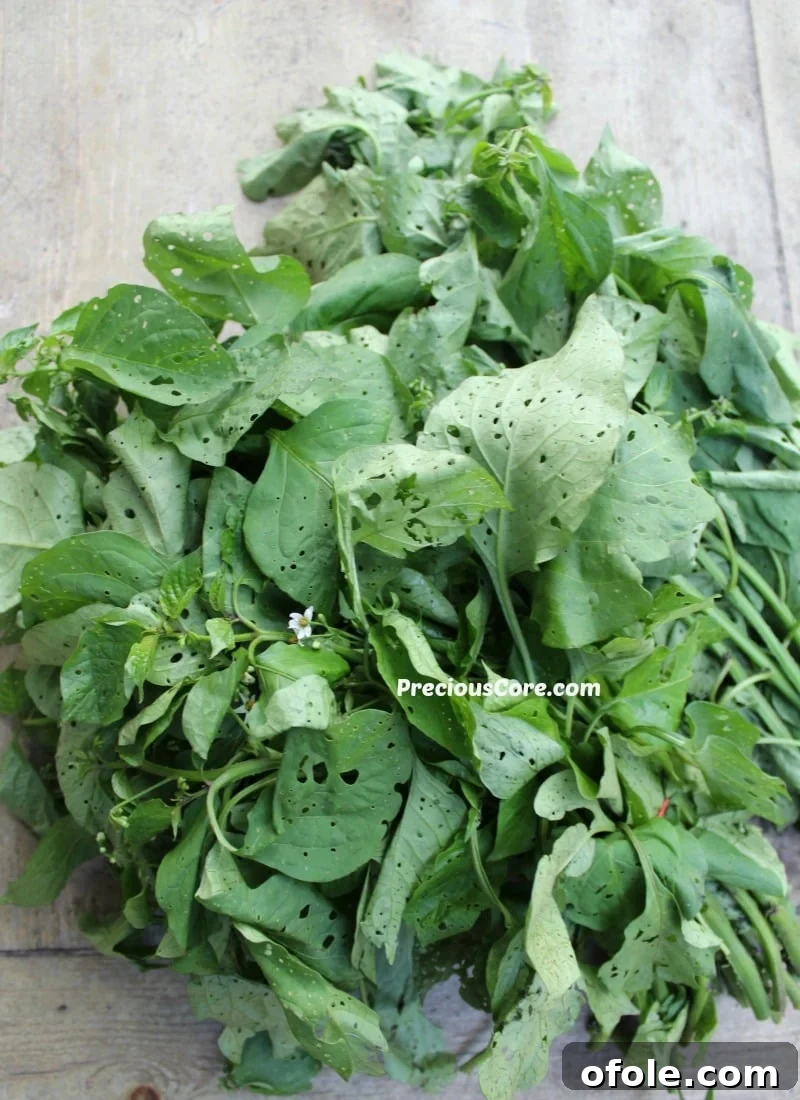
Stepping into a bustling farmer’s market, the aroma of fresh produce fills the air, but for a Cameroonian, one particular scent and sight often trigger an instinctive quest: the hunt for Njama Njama. Also known as garden huckleberry, these verdant leaves hold a profound place in the Cameroonian heart, often sought with an intensity that suggests they possess the very essence of life itself. It’s a common, almost comical, observation: watch someone meticulously scan the greens section, and you might just identify a fellow Cameroonian by their unwavering determination to find this beloved staple.

This simple market interaction often sparks reflections on the myriad threads that weave together the vibrant tapestry of Cameroonian identity. From the tantalizing flavors of our national dishes to the unique rhythm of our languages, from cherished childhood games to the unbreakable bonds of family, certain experiences are universally understood and deeply felt by Cameroonians, no matter where they are in the world. These are the shared markers, the cultural shorthand that instantly connects us. So, how do you know if you truly embody the spirit of Cameroon? Read on, and you might just recognize yourself in these heartwarming, humorous, and deeply resonant reflections.
Culinary Delights: The Heart of Cameroonian Culture
-
Party Time Means Eat, Drink, Repeat. Food! Food!! More Food!!!
In Cameroon, celebrations are inextricably linked with lavish spreads of food. A true Cameroonian gathering isn’t just an event; it’s a gastronomic marathon where plates are piled high with an array of delicious dishes. From vibrant stews to succulent meats, the food isn’t merely sustenance; it’s a central character in the festivity, fueling hours of joyful conversation, laughter, and dancing. The phrase “eat, drink, repeat” isn’t an exaggeration; it’s the very blueprint of every memorable Cameroonian party.
-
Good Food to You is Eru, Ndole, and Burning Fish.
For many, the pinnacle of Cameroonian cuisine is defined by the iconic trio: the rich, leafy Eru, the hearty and flavorful Ndole, and the tantalizingly smoky Roasted Fish (often referred to as ‘Burning Fish’). These aren’t just meals; they are culinary masterpieces that evoke pure happiness and comfort. The aroma alone can transport a Cameroonian back home, and the moments spent savoring each bite are often cherished as deeply satisfying experiences, embodying a profound love-love relationship with these traditional dishes.
-
You Call Beer “One Man”, “Shack” or “Mimbo”.
The way Cameroonians refer to their favorite brew is a charming display of local linguistic flair. Forget the generic “beer”; in Cameroon, it’s affectionately known as “one man,” “shack,” or “mimbo.” These colloquialisms are more than just words; they’re an integral part of the social lexicon, used casually among friends in bars, at gatherings, or simply when unwinding after a long day. Knowing these terms isn’t just about language; it’s about being plugged into the authentic social pulse of the country.
-
You Have Eaten Puff Puff and Beans at Least Once in Your Life.
The classic pairing of crispy, fluffy puff puff with hearty, savory beans is more than just a meal; it’s a quintessential Cameroonian breakfast or snack experience. It’s a rite of passage, a comforting staple enjoyed by virtually everyone, regardless of age or background. Whether purchased from a street vendor or prepared at home, the combination offers a perfect balance of textures and flavors, cementing its status as an undeniable part of the Cameroonian culinary journey.
-
You Have Cursed Mami Puff Puff for Not Selling at Her Food Joint.
The bond between a Cameroonian and their favorite street food vendor, especially the “Mami Puff Puff,” is surprisingly deep. There’s a particular kind of frustration, bordering on dramatic despair, when you arrive at her spot, craving those golden, doughy delights, only to find her absent. “Wicked woman!” you might exclaim, a mix of genuine longing and playful annoyance, highlighting the profound emotional connection to these accessible, delicious, and often essential daily treats.
-
Some Form of Rice Must Be Cooked on Christmas Day.
Christmas in Cameroon, like in many parts of the world, is a time for celebration, family, and, most importantly, specific culinary traditions. A festive spread simply isn’t complete without a generous helping of rice. Whether it’s savory Jollof rice, aromatic white rice served with a rich stew, or another variation, rice holds a non-negotiable spot at the center of the Christmas table, symbolizing abundance and shared joy during this special time of year.
-
You Look Forward to Long Road Trips Because of All the Food You Will Buy at Stops.
Long road trips in Cameroon are an adventure, not just for the changing landscapes, but for the culinary treasures awaiting at every stop. The anticipation builds for vendors selling freshly “burning planti and plum” (roasted plantains and peanuts), succulent “burning fish,” refreshing “Pamplemousse” (grapefruit), and savory “soya” (grilled meat skewers). These roadside delights are more than snacks; they are integral to the travel experience, turning a simple journey into a delicious exploration of local flavors.
Family Dynamics & Upbringing: The Cameroonian Way
-
Your Father Was Always First in School. How Can You Fail?
It’s a common, often humorous, parental refrain in Cameroon: the stories of fathers (or mothers) who were always top of their class, excelling in every subject. This anecdotal perfection sets a high, sometimes impossible, bar for their children. The underlying message is clear: academic success is paramount, and failure is simply not an option, especially when following in such illustrious footsteps. This cultural emphasis on education is a powerful motivator, shaping generations of Cameroonian students.
-
Your Mother Called You at Some Point in Your Childhood to Give Her Something That Was Literally Inches Away From Her.
This classic scenario is practically a universal Cameroonian childhood memory. You’re deeply engrossed in play, only to hear a distant, yet authoritative, call from your mother asking you to fetch an item that is remarkably close to her reach. The common phrase, “Azahhh!!! Gimme that coco for front dey make ah peel am” (meaning, “Hey! Give me that cocoyam right there so I can peel it”), perfectly encapsulates this playful, yet firm, parental dynamic, teaching children attentiveness and obedience.
-
Your Home Was Never Made Up of Just Father, Mother and Kids.
The nuclear family concept often takes a back seat in Cameroon, where the extended family is the norm. Homes frequently buzz with the lively presence of uncles, aunts, cousins, and other relatives, creating a vibrant, multi-generational household. This communal living fosters strong familial bonds, mutual support, and a deep sense of belonging, where everyone plays a role in raising the children and maintaining the household, embodying the true spirit of “it takes a village.”
Social Fabric & National Identity: More Than Just a Country
-
Football is Your Life or the Life of Those Around You.
Even if you’re not a fan yourself, the infectious passion for football is impossible to ignore in Cameroon. The “Indomitable Lions” are more than just a national team; they are a source of immense pride, uniting the entire country in moments of triumph and commiseration. Match days transform neighborhoods into a sea of green, red, and yellow, with cheers and shouts echoing through the streets, demonstrating football’s powerful role in shaping national identity and social cohesion.
-
You Ask for “Dash” When You Are Done Shopping.
The practice of asking for “dash” after a purchase is a uniquely Cameroonian interaction. It’s a friendly request for a little something extra, a small discount, or a complimentary item, often accompanied by a lighthearted joke. It’s not just about saving money; it’s a testament to the informal, community-driven nature of commerce, fostering a personal connection between vendor and customer, and adding a touch of humor to everyday transactions.
-
You Speak English and Some Form of French (Whether Broken or Fixed). Or You Speak French and Some Form of English.
Cameroon’s unique bilingual heritage, with both French and English as official languages, means most Cameroonians navigate between the two, often blending them effortlessly. Even if one’s grasp of the “other” official language isn’t perfect, the ability to switch, borrow words, or understand “Franglais” or “Cameroonian Pidgin English” is a defining linguistic trait. This fluidity reflects the nation’s diverse cultural landscape and its historical influences, making linguistic adaptability a hallmark of Cameroonian communication.
Childhood Nostalgia: Games, Imagination, and Simplicity
-
You Played Tabala, Cizo, Dodging, and Ehn Ehn While Growing Up.
Cameroonian childhoods were rich with traditional games that fostered creativity, teamwork, and agility. “Tabala,” “cizo,” “dodging,” and “ehn ehn” are more than just games; they are cherished memories of endless afternoons spent outdoors, inventing rules, forging friendships, and learning through play. These simple, yet engaging, activities formed the backdrop of countless childhoods, creating a shared bank of nostalgic experiences for generations.
-
You Sang Songs Like: “Mr Cocoji e bikin di falla goat, E nack e food…”
Certain childhood songs are embedded deep within the collective memory of Cameroonians. The lyrics of “Mr Cocoji e bikin di falla goat, E nack e food…” instantly transport many back to schoolyards and playgrounds, where these catchy tunes were sung with gusto. These songs, often passed down through generations, are not just melodies; they are cultural touchstones that evoke a profound sense of shared heritage and the innocent joy of childhood.
-
You Fought Pretend War in Uncompleted Buildings.
Unfinished construction sites were not eyesores but epic battlegrounds for imaginative play. These “uncompleted buildings” served as elaborate forts, secret hideouts, and arenas for countless games of pretend war. These adventurous escapades fostered creativity, problem-solving skills, and deep friendships, turning abandoned spaces into vibrant worlds of childhood fantasy and camaraderie.
-
You Made Cars Out of Flip-Flops and Wood.
Resourcefulness is a hallmark of Cameroonian upbringing. Before widespread access to store-bought toys, children demonstrated incredible ingenuity, crafting their own playthings from whatever materials were available. Turning discarded flip-flops into wheels and scraps of wood into chassis, these homemade cars weren’t just toys; they were symbols of creativity, resilience, and the ability to find joy and entertainment in simple things, fostering a hands-on approach to play.
-
You Cooked Mud as Food in Tomato and Sardine Cans.
Playing “house” took on a very authentic, albeit muddy, dimension for Cameroonian children. Empty tomato and sardine cans were transformed into miniature cooking pots, where mud, leaves, and pebbles became elaborate, imaginative meals. This innocent role-playing not only honed creativity but also mirrored the real-life culinary activities observed in the family home, instilling early lessons in domesticity and imagination, and creating vivid sensory memories of childhood.
-
You Call Flip-Flops, “Two-Rope Sleppas”.
The charmingly descriptive term “two-rope sleppas” for flip-flops is another delightful example of Cameroonian linguistic ingenuity. It’s a literal description of the footwear – two straps and something you slip into – that has become a widely understood and frequently used local idiom. This simple phrase highlights the practical and straightforward approach to language, adding another unique identifier to the Cameroonian lexicon.
Unique Quirks & Unspoken Rules: The Cameroonian Code
-
You Have Been Late for Everything in Your Life But You Arrived Early for Your American Visa Interview.
This humorous paradox perfectly captures a certain Cameroonian approach to time. While punctuality might sometimes be a flexible concept in daily life, certain high-stakes appointments, like a critical visa interview, bring out an almost unprecedented level of preparedness and promptness. It highlights the serious aspirations and strategic thinking that underpin seemingly relaxed attitudes, demonstrating a keen awareness of the importance of impression when it truly matters.
-
You Call Your Mother, “Reme” and Your Father, “Repe”.
The endearing terms “Reme” for mother and “Repe” for father are deeply ingrained in the Cameroonian family lexicon, especially in certain regions or amongst specific language groups. These are not just casual nicknames; they are terms of respect, affection, and tradition, reflecting the profound reverence and love children have for their parents. Using these terms is a subtle yet significant indicator of one’s cultural upbringing and connection to family roots.
-
Your Father Had Almost Nothing to Do With the Kitchen While You Were Growing Up.
Traditional gender roles often dictated that the kitchen was primarily the domain of women in many Cameroonian households. It was a rare sight to see fathers regularly cooking during one’s upbringing. However, when they did venture into the culinary space, it was often a memorable event – perhaps an attempt at something resembling Irish Potato Hotpot, humorously dubbed Poulet DG, highlighting the lightheartedness and occasional novelty of paternal cooking.
-
You Call Your Friends, “Boh”, “Massa” or “O Boy”.
The informal and friendly way Cameroonians address their peers is a testament to the close-knit social fabric. Terms like “boh,” “massa,” or “o boy” are more than just casual greetings; they are affectionate forms of address used among friends and acquaintances, signifying camaraderie and shared experiences. These unique expressions are an essential part of the local dialect, instantly identifying a genuine connection within the Cameroonian community.
-
Everyone May Call You “Precious” But Your Family Members Will Call You, “Meshi” or “Ma Meshi” or “Mamire”.
This point beautifully illustrates the duality of Cameroonian identity – the “waiman” (Western) name for formal settings versus the “contri” (country/traditional) name used by family. While a formal name like “Precious” might be used publicly, family members often revert to a deeply personal, often abbreviated or affectionate traditional name like “Meshi” or “Mamire.” This reflects the profound significance of one’s roots and the intimate connection felt within the family circle, where only the “contri” name truly resonates.
-
A Visit to Someone’s Home is Not Complete Without You Being Served Food and/or Drink.
Cameroonian hospitality is legendary, and it dictates that a guest simply cannot leave a home without being offered refreshment, at the very least, and often a full meal. Refusing this offer is almost unheard of and can even be met with genuine disbelief, as illustrated by the anecdote of a young boy putting his hands on his head in astonishment when a drink was declined: “How you go deny mimbo???” This unwavering generosity is a cornerstone of social interaction, symbolizing welcome, respect, and the deep value placed on shared experiences.


These vibrant traditions, unique turns of phrase, and cherished memories collectively paint a vivid picture of what it truly means to be Cameroonian. It’s a rich tapestry woven with shared laughter, deep familial bonds, a love for delicious food, and an unmistakable national spirit. Did we capture everything? What unique characteristics define the people and culture of your country? Please share your thoughts and experiences in the comments below!