

Just a few months ago, my understanding of homeschooling was largely theoretical, confined to distant anecdotes and online articles. That was until I met a genuinely passionate homeschooling advocate. She exuded an effortless confidence, dressed in comfortable, oversized jeans reminiscent of vintage streetwear and sturdy shoes that brought to mind the protective gear worn in industrial settings. Despite her unconventional attire for our gathering, her presence was immediately memorable and intriguing.
This encounter took place at a church-organized event designed for women to foster meaningful connections. The room, elegantly decorated and bustling with ladies, was far from any machinery-filled environment. I found myself seated at a table with this sister in Christ, along with four other women. She had piled her plate high with snacks – a veritable mountain of crackers and cheese – which she devoured with surprising speed. Her apparent hunger made me wonder if she was a busy mom who barely had a moment to herself amidst the demands of family life, a common challenge many parents face.
During our conversation, she casually mentioned homeschooling. My curiosity was immediately piqued. After the program concluded, I stayed back specifically to hear more about her experience and conviction. She shared a powerful testimony: her own public school education had deeply challenged her faith in God, leading her to a firm resolve to homeschool her own children, who were still toddlers. She kindly offered to lend me a book on the subject, a promise she soon fulfilled by bringing it directly to my home. This personal connection transformed homeschooling from a far-fetched concept into a tangible reality.
Before this pivotal meeting, homeschooling had seemed like an abstract idea, far removed from my daily life. Meeting a real person who was not only considering it but was actively planning for it was a paradigm shift. Her unique style—the big jeans and even bigger shoes—stuck in my mind, leading me to a fleeting, almost humorous thought: “Is this what a homeschooling mom looks like? Is this my future?” This initial, superficial impression quickly gave way to a deeper exploration, thanks to the book she provided.
That book she gave me became a catalyst for change. As I delved into its pages, my perspective on education, parenting, and family life began to transform. I found myself unable to identify a single compelling reason *not* to homeschool. In fact, the arguments for it became overwhelmingly persuasive. It has now been exactly one month since my husband, Mr. N, and I officially embarked on this incredible journey of educating our daughters at home. This decision, though significant, was driven by several profound convictions and practical considerations that we believe will provide the best possible foundation for our girls’ futures. Here are the primary reasons why we have chosen the path of homeschooling:
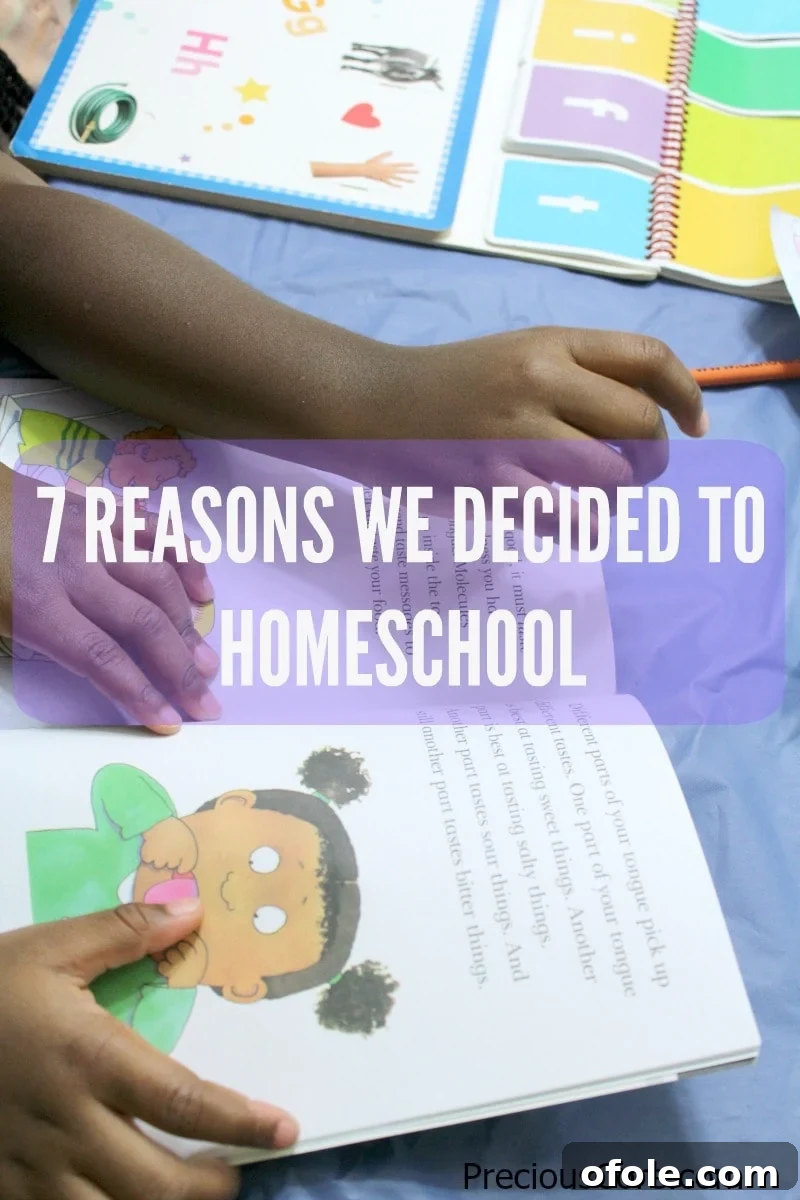
Unlocking Potential: Our Journey into Homeschooling
1. Navigating Educational Costs: Private School Expenses vs. Homeschooling Value
In many regions, public schools offer free education, which, on the surface, appears to be a wonderful advantage. The convenience of a school bus picking up your children, providing them with instruction, meals, and returning them without a direct financial cost, is undeniable. However, the quality and environment of public schools can vary dramatically. While some boast dedicated Christian teachers, small class sizes, and thriving communities, this ideal scenario is not universally available, and certainly not in our specific locality. The diverse backgrounds of students in public schools can also raise concerns about peer influence and the overall moral and spiritual development of children.
Given our desire for a faith-aligned educational setting, we initially explored Christian private schools. However, after making several inquiries to schools that aligned with our values, we were confronted with the stark reality of their exorbitant tuition fees. The financial burden associated with sending multiple children to private institutions became a significant hurdle, making it an unsustainable long-term option for our family. This economic reality forced us to re-evaluate our approach to education and consider alternatives that would not compromise on quality or our core values.
Homeschooling emerged as a powerful solution, offering a high-quality, personalized education without the crippling financial strain of private schooling. By leveraging the abundance of educational resources available to us, both online and in our community, we realized we could provide an excellent learning environment ourselves. This not only frees us from prohibitive tuition costs but also allows us to invest those savings into enriching experiences, specialized materials, or future educational opportunities for our children, demonstrating the incredible value and flexibility homeschooling offers.
2. Fostering Accelerated Learning: Tailoring Education for Fast Learners
Our eldest daughter demonstrated exceptional readiness for kindergarten, significantly surpassing the required scores in her readiness assessment. Yet, despite her advanced abilities, the rigid structure of the traditional school system dictated that she had to attend preschool for an additional year simply because she had not reached the mandated age of five by September 1st. This experience highlighted a fundamental limitation of conventional schooling: its inability to adapt to individual learning paces.
Throughout that extra year of preschool, her teachers consistently reported that she already mastered the material being taught. This constant repetition of familiar concepts became not only redundant but also potentially stifling for her burgeoning intellect. Traditional school systems often confine children to a specific curriculum based solely on their age, regardless of their cognitive development. This “one-size-fits-all” approach can hold back fast learners from exploring new subjects or delving deeper into areas of interest, while simultaneously leaving slower learners struggling to keep pace.
One of the profound advantages of homeschooling is its inherent flexibility. It empowers us to create a truly individualized learning experience for our daughters. We are no longer bound by arbitrary age cut-offs or curriculum pacing designed for the average student. Our goal is to enable our girls to learn as much as they desire, at their own optimal speed, without artificial restrictions. This tailored approach allows them to accelerate in subjects where they excel and receive additional support in areas where they might need more time, fostering a genuine love for learning rather than adherence to a fixed schedule.
3. Embracing Educational Freedom: The Legality and Growth of Homeschooling in the US
The legal landscape for homeschooling varies significantly across the globe. In some nations, such as Germany, homeschooling is either severely restricted or entirely illegal, reflecting different cultural and governmental philosophies on education. Fortunately, in the United States, homeschooling is widely recognized as a legal and protected educational choice, offering families considerable freedom in how they educate their children. This legal framework is a crucial factor in our decision, providing peace of mind and clear guidelines for our educational journey.
The regulatory requirements for homeschooling in the U.S. are generally straightforward, typically involving informing local authorities of your intent to homeschool and, in some states, periodic assessments to ensure satisfactory academic progress. This oversight is designed to safeguard children’s educational welfare without imposing unnecessary burdens on parents. A significant report from 2013 indicated that approximately 1.77 million students were being homeschooled in the United States, a number that has continued to grow steadily. This growth reflects increasing parental confidence in the homeschooling model and a desire for greater control over their children’s education.
Beyond its legality, the robust homeschooling community in the United States offers an invaluable network of support and resources. This is far from a solitary endeavor. There are countless homeschooling co-ops, online forums, local support groups, and a vast array of curricula and educational materials tailored to various learning styles and philosophies. This vibrant ecosystem ensures that homeschooling families have access to mentorship, shared experiences, and a sense of belonging, making the journey less daunting and remarkably enriching for both parents and children.
4. Anchoring Education in Faith: Cultivating Spiritual Growth Through Christian Curriculum
At the heart of our decision to homeschool is our unwavering faith in God. This spiritual conviction is the single most powerful driving force behind our educational choices. We believe that true education extends far beyond academic subjects; it must encompass the development of character, values, and a deep understanding of one’s purpose in life. Consequently, our chosen curriculum is fundamentally Christian-based, designed not only to teach our daughters to read, write, and comprehend mathematics but, more importantly, to instill in them a profound knowledge and love for Jesus Christ.
Integrating faith into every aspect of their learning means that lessons are imbued with biblical principles, moral reasoning, and spiritual truths. Whether we are studying history, science, or literature, opportunities arise to discuss God’s hand in creation, His redemptive plan, and the application of His word to daily life. This holistic approach ensures that their intellectual growth is inextricably linked with their spiritual formation, fostering a coherent worldview grounded in Christian teachings. Our desire is for our daughters to develop a strong, personal relationship with God that will guide them throughout their lives.
We firmly believe in the timeless wisdom: “What shall it profit them if they gain all knowledge and lose their souls?” Our ultimate goal is not merely to raise academically proficient individuals, but to cultivate godly young women who understand that the most essential pursuit in life is to become more like Christ. Homeschooling allows us to intentionally shape their hearts and minds, nurturing virtues such as compassion, integrity, humility, and service. It provides a unique opportunity to lay a robust spiritual foundation that we pray will equip them to navigate the complexities of the world with unwavering faith and purpose.
5. Redefining Socialization: Nurturing Positive Interactions in Homeschool Environments
One of the most frequent criticisms leveled against homeschooling is the misconception that homeschooled children lack adequate social interaction. Before embarking on this journey, I, too, harbored similar concerns and even felt a sense of pity for homeschooled kids, imagining them isolated and sheltered. However, extensive research and personal experience have revealed that this concern is largely unfounded. In truth, children educated at home often enjoy a more diverse, intentional, and positive range of social interactions than their conventionally schooled peers.
Homeschooling doesn’t mean children are confined to their homes without external contact. On the contrary, homeschooled children frequently participate in a wide array of activities, including co-ops, sports teams, church groups, community clubs, volunteer work, and field trips. These opportunities expose them to people of various ages, backgrounds, and interests, fostering a broader understanding of social dynamics than the often age-segregated environment of traditional schools. Their interactions tend to be more deliberate and less dictated by forced peer proximity, leading to more meaningful connections.
Crucially, positive social interaction in a homeschooling environment is often less marred by the negative aspects prevalent in some school settings, such as bullying, intense peer pressure, and exposure to inappropriate behaviors that can negatively impact a child’s self-esteem and development for life. Homeschooled children typically develop a greater comfort and ability to relate to individuals of all ages—from toddlers to seniors—rather than being limited to the confines of their immediate age group. This fosters adaptability, empathy, and strong communication skills, preparing them for real-world interactions far beyond the classroom.
6. Empowering Self-Directed Learning: Guiding Children to Teach Themselves
Children possess an innate curiosity and a remarkable capacity for figuring things out on their own. Our role as homeschooling parents is not to forcibly cram information into their brains, but rather to act as facilitators and guides, igniting their natural desire to learn and equipping them with the tools for self-discovery. We believe in fostering an environment where learning is driven by curiosity, not coercion, allowing our daughters to actively engage with subjects that genuinely interest them.
This approach shifts the focus from rote memorization and the pursuit of high grades to the joy of knowledge for its own sake. When children are given the freedom to explore topics at their own pace and delve into areas that captivate their imagination, their learning becomes deeper, more meaningful, and far more memorable. They are encouraged to ask questions, research answers, conduct experiments, and engage in critical thinking, developing lifelong skills that transcend any single curriculum.
Ultimately, our goal is to empower our daughters to become independent learners, critical thinkers, and lifelong pursuers of knowledge and dreams, rather than mere accumulators of scores. By guiding them to “teach themselves,” we cultivate resilience, problem-solving abilities, and a profound sense of ownership over their education. This not only builds academic competence but also instills confidence and a proactive approach to challenges, preparing them to thrive in an ever-evolving world where adaptability and self-motivation are paramount.
7. Strengthening Family Bonds: The Unrivaled Connection of Homeschooling
Being present with our girls every day, witnessing their growth, and sharing in their learning journey is one of the most cherished aspects of my life right now. This precious season of intense togetherness is fleeting; children grow up quickly and eventually embark on their own paths. While there are countless wonderful people in the world, no one loves and cares for my children with the same depth and intimacy as Mr. N and I do. Homeschooling offers an unparalleled opportunity to maximize this invaluable time together, forging bonds that will last a lifetime.
The shared experiences of learning, discovering, and overcoming challenges together naturally strengthen our family unit. It allows for a unique synergy where Mr. N also gets to actively participate in their education, deepening his connection with our daughters through shared intellectual pursuits and mentorship. These daily interactions create a tapestry of shared memories, inside jokes, and a collective sense of purpose that permeates our home. It’s not just about academics; it’s about nurturing an unbreakable familial connection built on mutual respect, understanding, and love.
Since we began homeschooling, there has been a palpable shift in our family dynamic—a heightened sense of togetherness and collaborative spirit. This constant interaction and shared journey foster not only academic growth but also emotional intelligence, communication skills, and a strong sense of belonging within the family. Homeschooling has become more than an educational choice; it is a lifestyle that intentionally cultivates a rich, supportive, and loving family environment, allowing us to truly live and learn as one cohesive unit.
While I am deeply committed to our current homeschooling path, I also embrace flexibility, recognizing that life is dynamic and circumstances can change. I cannot definitively guarantee that I will always be an exclusive homeschooling mom. However, even if our children were to attend traditional school at some point, my active involvement in their home-based learning would remain unwavering, as I’ve witnessed its tremendous benefits firsthand. Many parents invest significantly in private tutors to supplement their children’s education, but I firmly believe that parents are uniquely positioned to be their child’s most effective and influential teachers.
Teachers themselves often affirm this powerful truth: the best teacher a child can have is their parent. This sentiment resonates deeply with me. It’s a journey we are taking one step at a time, guided by faith and trust. Unlike my initial homeschooling inspiration, I’m not defined by big jeans or oversized shoes; instead, I prioritize flexibility, avoiding strict schedules in favor of a more organic, child-led approach. This path is not without its challenges, demanding dedication and patience, but it is undoubtedly a worthy and immensely rewarding one.
Have you ever considered the possibility of homeschooling for your family? What are your thoughts and perspectives on the unique journey and philosophy of homeschooling?