
From Dream to Green: My Honest Journey with a Beginner’s Front Yard Garden
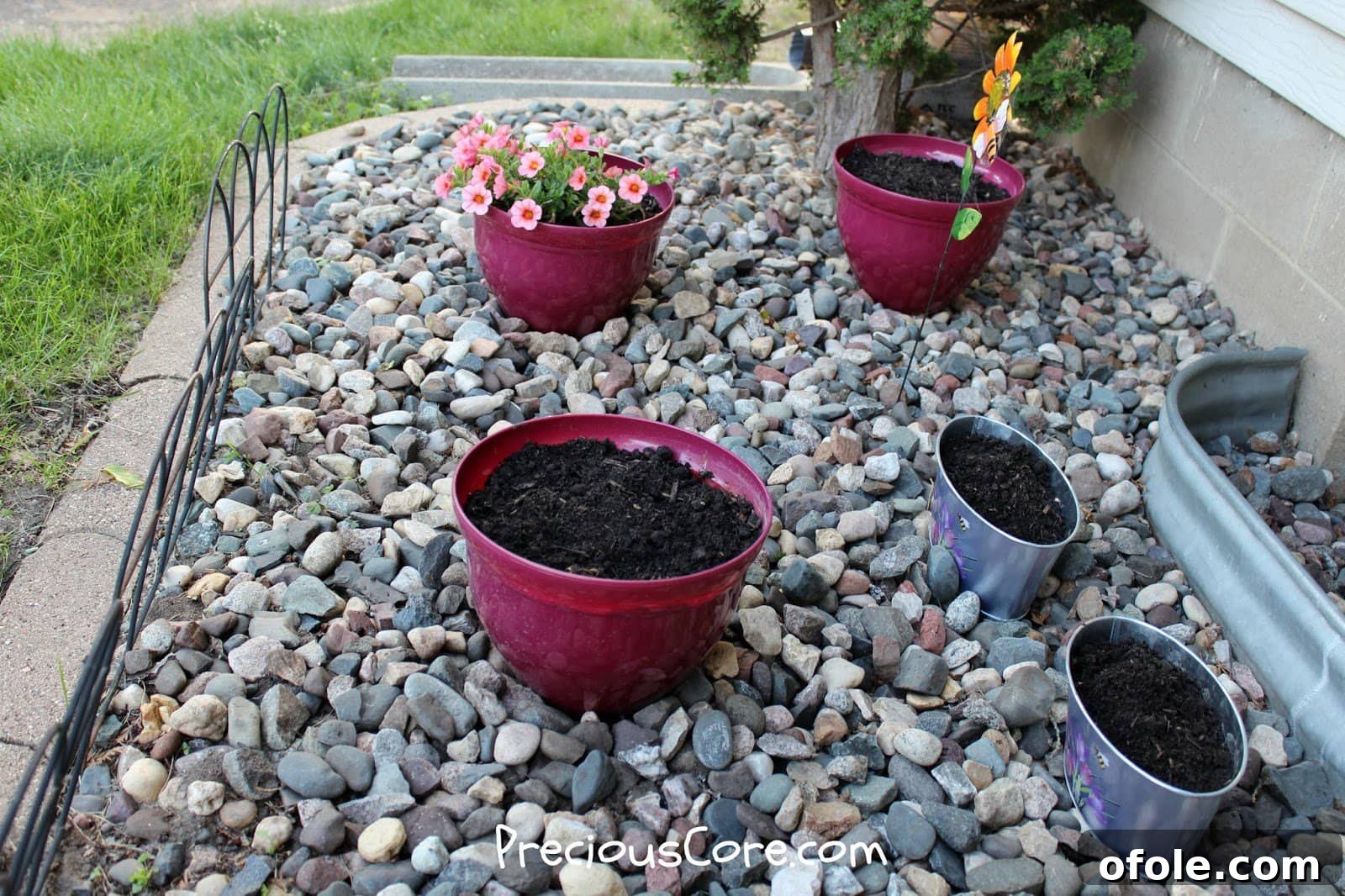
Every spring, a spark of inspiration ignites within me, fueled by the promise of vibrant blooms and the dream of a flourishing garden. This year, my vision was particularly vivid: a picturesque front yard garden, overflowing with blossoms, transforming my humble abode into a captivating haven. I pictured neighbors strolling by, captivated by the riot of colors, perhaps even pausing to admire my green thumb and wonder at my horticultural secrets. The reality, as many aspiring gardeners can attest, has proven to be a delightful, albeit humbling, adventure. The image you see above captures that initial burst of hope, a snapshot where established potted flowers mingled with freshly sown seeds, each holding the promise of future beauty. What followed has been a journey filled with unexpected challenges, a few triumphs, and a whole lot of learning.
Gardening, especially for beginners, often feels like a delicate dance between grand aspiration and intricate execution. The desire to create something beautiful is strong, but the nuanced demands of soil, light, water, and specific plant needs can quickly turn a dream into a perplexing puzzle. My own front yard garden, initially a canvas of potential, has become a living testament to the trials and tribulations of novice horticulture. While I’m almost too embarrassed to share a current photograph, I believe in transparency. Sharing my struggles might just resonate with fellow gardeners facing similar predicaments. So, let’s peel back the curtain and explore the current state of my botanical experiment.
The Current State of My Front Yard Oasis (Or Lack Thereof)
My gardening endeavor has yielded a truly mixed bag of results, a collection of plant-based dramas unfolding right outside my front door. Here’s an honest look at what’s transpired since those hopeful initial plantings:
-
The Fading Glory of Instant Blooms:
The beautiful, already blossoming flowers I purchased, which provided instant gratification and a deceptive sense of immediate success, have now sadly withered. Their once vibrant petals are gone, leaving behind only the stark reality of spent blooms and a rather unappealing sight. This serves as a potent reminder that even established plants require continuous care and adaptation to a new environment to truly thrive. Factors like transplant shock, inconsistent watering, or even a sudden change in sunlight can swiftly diminish their initial splendor. It’s a common lesson for gardeners: instant beauty often requires diligent, ongoing maintenance.
-
The Enigma of the “Elephant Grass” Seedlings:
In one of my larger pots, the seeds enthusiastically germinated – a small victory, indeed! However, instead of delicate flower sprouts, I’m now faced with a burgeoning forest of tall, slender green stalks. They stretch ever skyward, reaching towards my window as if vying for a place indoors. They currently resemble what I affectionately (or perhaps despairingly) call “elephant grass,” showing absolutely no signs of flowering. This phenomenon, known as “legginess,” is a classic sign of insufficient light. Seedlings desperately stretch to find a light source, leading to weak, elongated stems and delayed blooming. It strongly suggests they might need either more direct sunlight or, if grown indoors, a stronger grow light source.
-
The Stubborn Silence of Unsprouted Seeds:
Conversely, one entire pot has defiantly refused to yield any signs of life. The seeds within seem content to remain in their subterranean slumber. Just when I was about to concede defeat, a single, hopeful stem has valiantly decided to shoot out, offering a glimmer of encouragement. Non-germination can stem from various factors: expired or non-viable seeds, improper planting depth, inconsistent moisture levels, or even soil temperature not being ideal for that particular seed variety. That one struggling stem, however, reminds me that nature often has its own unpredictable timetable.
-
The Yellowing Leaves of Another Big Pot:
Another large pot saw its seeds germinate successfully, producing lovely green leaves. Yet, these vibrant greens are now slowly but surely transforming into a concerning shade of yellow. The continued absence of flowers only adds to my growing frustration. Yellowing leaves can indicate a myriad of underlying issues, from nutrient deficiencies in the soil (such as a lack of nitrogen or iron) to overwatering, which suffocates roots, or even underwatering, leading to significant plant stress. Diagnosing the exact cause requires a bit of careful detective work, often involving checking soil moisture and considering the plant’s feeding schedule.
-
The Slow but Steady Progress of the Silver Pots:
The seeds in my silver pots are demonstrating a gradual but remarkably consistent germination. This gentle, unhurried pace gives me a renewed sense of quiet hope. Once they establish themselves a little further and grow a few sets of true leaves, I know I’ll need to carefully transfer them to larger pots, a crucial process known as transplanting. This step is vital for giving young plants ample space for proper root development and nutrient uptake, ultimately ensuring they have the best possible chance to grow into robust, flower-producing specimens. It’s a delicate operation that requires care to avoid damaging fragile roots.
Each time I walk past my struggling “garden,” a familiar pang of disappointment washes over me. The dream of vibrant blooms feels more distant than ever. How can I transform this struggling patch into the abundant floral display I envisioned? I am truly desperate to see flowers!
Reviving Your Garden: Essential Tips for Beginner Gardeners
My recent experiences highlight common pitfalls for new gardeners. But fear not, every gardening challenge is an invaluable opportunity to learn and grow! Here are some actionable steps to help diagnose and resolve common garden problems, ensuring your plants flourish and your garden becomes the vibrant, captivating space you envision:
1. Understand Your Sunlight: The Most Crucial Factor for Blooms
Observe your garden throughout the day, paying close attention to which areas receive direct sunlight. Most flowering plants require at least 6-8 hours of direct, unfiltered sunlight daily. If your seedlings are “leggy” (tall, spindly, and reaching for light, much like mine), it’s almost certainly a light issue. Consider relocating pots to a sunnier spot or, if you’re starting seeds indoors, investing in a high-quality grow light. While shade-loving plants exist, for the majority of vibrant blooms, ample sunshine is the undisputed king.
2. Master the Art of Watering: Balance is Key
Both overwatering and underwatering can be incredibly detrimental to your plants. A simple test is to stick your finger about an inch or two into the soil. If it feels dry to the touch, it’s likely time to water. If it’s still damp or soggy, wait a bit longer. Crucially, ensure all your pots have adequate drainage holes to prevent waterlogging, which suffocates roots and leads to common issues like yellowing leaves and root rot. Consistency in your watering schedule, adapted to the weather and plant needs, is paramount.
3. Nurture Your Soil: The Foundation of Plant Life
Good quality soil provides essential nutrients, offers proper aeration, and ensures efficient drainage. For potted plants, always use a high-quality potting mix, specifically formulated for containers, rather than heavy garden soil, which can compact and harbor pests. If your plant leaves are yellowing, your plants might be experiencing a nutrient deficiency and are “hungry.” Consider applying a balanced liquid fertilizer designed for flowering plants, but always follow package directions meticulously to avoid the detrimental effects of over-fertilization, which can burn delicate roots.
4. Thinning is Your Friend: Give Plants Space to Thrive
Once seedlings emerge, they often sprout densely, competing fiercely for limited resources like light, water, and nutrients. Thinning involves carefully removing the weaker or excess seedlings to give the stronger ones ample space to grow, develop robust root systems, and ultimately produce more abundant flowers. This process can sometimes feel counter-intuitive, as you’re intentionally removing plants, but it’s a vital practice for ensuring healthy, productive plant development.
5. Choose the Right Plants for Your Climate and Skill Level
Before you even purchase seeds or plants, thoroughly research varieties that are known to thrive in your specific USDA plant hardiness zone and are suitable for beginner gardeners. Annuals like petunias, marigolds, and impatiens typically offer continuous blooms for a season and are generally quite forgiving. For those struggling with germination, consider starting with small, established plants (known as “starts”) rather than seeds, as this can significantly increase your chances of success and provide quicker results.
6. Patience and Observation are Virtues in Gardening
Gardening is a marathon, not a sprint. Plants grow at their own pace, and success often comes to those who wait patiently and observe keenly. Regularly inspect your plants for any signs of distress, such as pests, diseases, or nutrient deficiencies. Early detection can often save your garden from major setbacks. Embrace the learning curve; every plant that doesn’t thrive offers an invaluable lesson learned for future endeavors.
Beyond the Garden: Other Ventures and Reflections
While my garden provides a rich canvas for learning and problem-solving, life outside the potting shed has been equally dynamic and full of new experiences. It’s a powerful reminder that personal growth and new challenges manifest in many diverse forms.
Beginning Our Homeschooling Journey
Mr. N and I officially embarked on a new, exciting adventure today: homeschooling our girls! While our initial plan was to begin with the new academic year in September, a particularly compelling blog post from an experienced homeschooling mom inspired us to accelerate our timeline. She shared her positive experience of homeschooling year-round, and her wisdom resonated deeply, making me think, “Why wait?” It was a moment of inspired spontaneity and conviction. Naturally, a mix of nerves and profound excitement accompanies such a significant decision. However, the girls absolutely adored their first day, which is a fantastic, encouraging start! We’re eagerly anticipating how this journey unfolds, embracing the unique flexibility and personalized learning opportunities it offers.
Celebrating Independence Day
The recent July 4th celebrations provided a wonderful occasion to connect with family and fully partake in a cherished national tradition. I spent a significant part of the day at my niece-in-law’s home, enjoying good company, engaging conversations, and delicious food. As evening descended, we were treated to a magnificent display of fireworks on our way back home. The vibrant explosions lighting up the night sky were a beautiful, awe-inspiring reminder of community, history, and the simple, profound joys of collective celebration. It was a truly memorable evening.
Navigating the World of Photography: My New Camera
My journey to master my new camera continues to be an engrossing and challenging endeavor. It truly feels like I’m undertaking a comprehensive university course – complete with complex concepts and practical exercises, but mercifully without the hefty tuition fees! The sheer depth of features, intricate settings, and fundamental photographic principles involved is astonishing. From understanding the interplay of aperture and shutter speed to mastering ISO and white balance, each new concept opens up a new world of creative possibility. I’m steadily making progress and can’t wait to fully unlock its potential, transforming fleeting moments into beautifully captured, lasting memories. It’s a steep learning curve, but one that promises incredibly rewarding results.
The Profound Power of Application
A recent sermon at church resonated deeply with me, focusing on a single, powerful truth: the profound impact of application. Our pastors emphasized that mere knowledge, no matter how vast or insightful, is ultimately insufficient. True transformation, genuine progress, and meaningful change only come from actively applying what we know and believe. This message struck a chord, especially when considering my garden woes, the daily challenges of homeschooling, and the learning curve of my new camera. It’s not enough to read gardening books; one must actively get dirt under their fingernails and experiment. It’s not enough to plan homeschooling; one must engage, adapt, and teach. It’s not enough to own a sophisticated camera; one must practice, experiment, and analyze the results. Application truly is everything, a bridge between potential and reality.
Here’s wishing you a beautiful week ahead and a very blessed remainder of the year!
Do you have any invaluable suggestions for my struggling garden, particularly on how to coax those elusive flowers into bloom? What exciting ventures or challenges are you currently navigating in your own life?
23 For if you listen to the word and don’t obey, it is like glancing at your face in a mirror. 24 You see yourself, walk away, and forget what you look like. James 1:23-24