
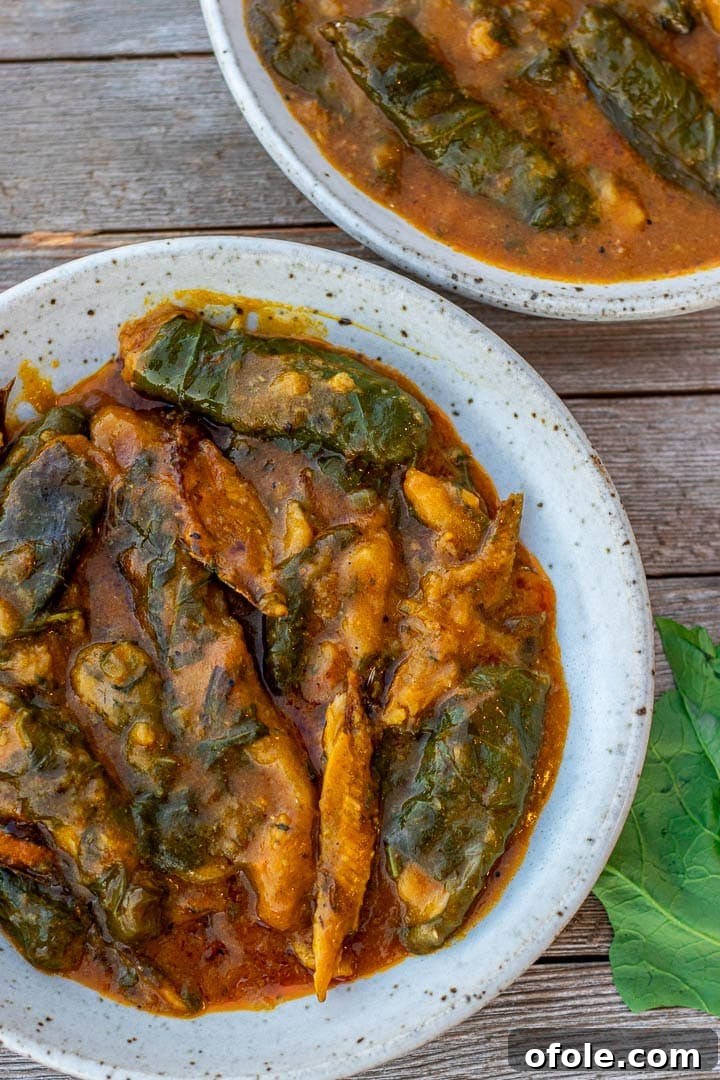
Ekwang: A Culinary Masterpiece from Cameroon, A True Labor of Love
In the vibrant tapestry of African cuisine, some dishes transcend mere sustenance to become expressions of culture, tradition, and profound affection. Ekwang, a treasured delicacy from Cameroon, is precisely one such dish. More than just a meal, preparing Ekwang is a heartfelt endeavor, a culinary journey that speaks volumes about love and dedication. It’s the kind of dish you make for someone truly special, or when you wish to share a piece of your heritage and heart. Indeed, in days gone by, Ekwang was my chosen way to declare my love, and its allure remains as potent as ever.
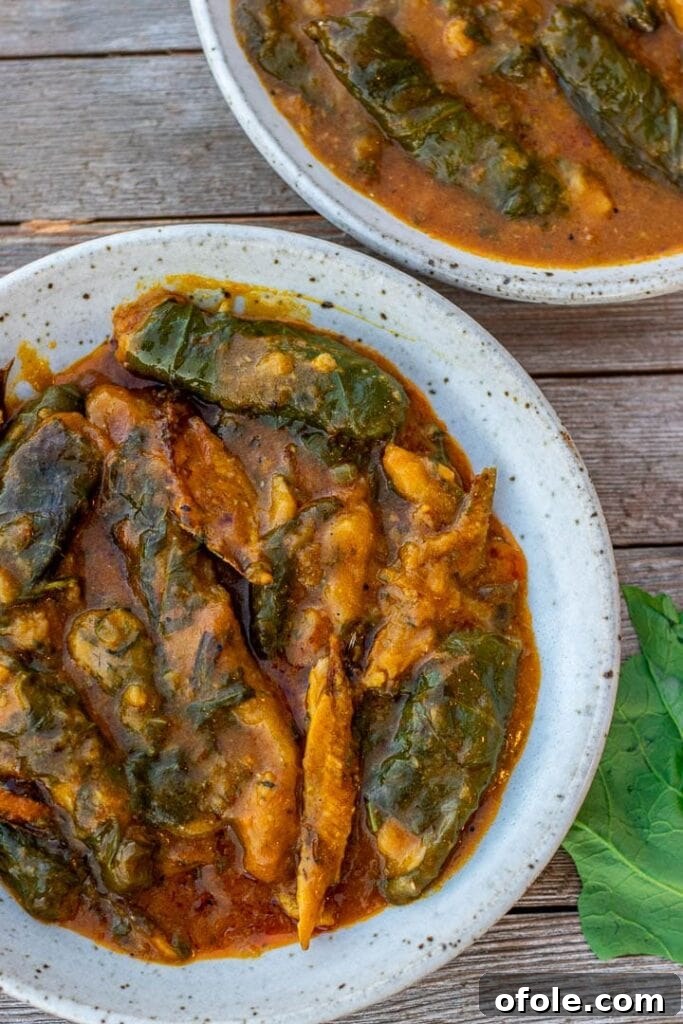
The Irresistible Allure of Ekwang: A Feast for the Senses
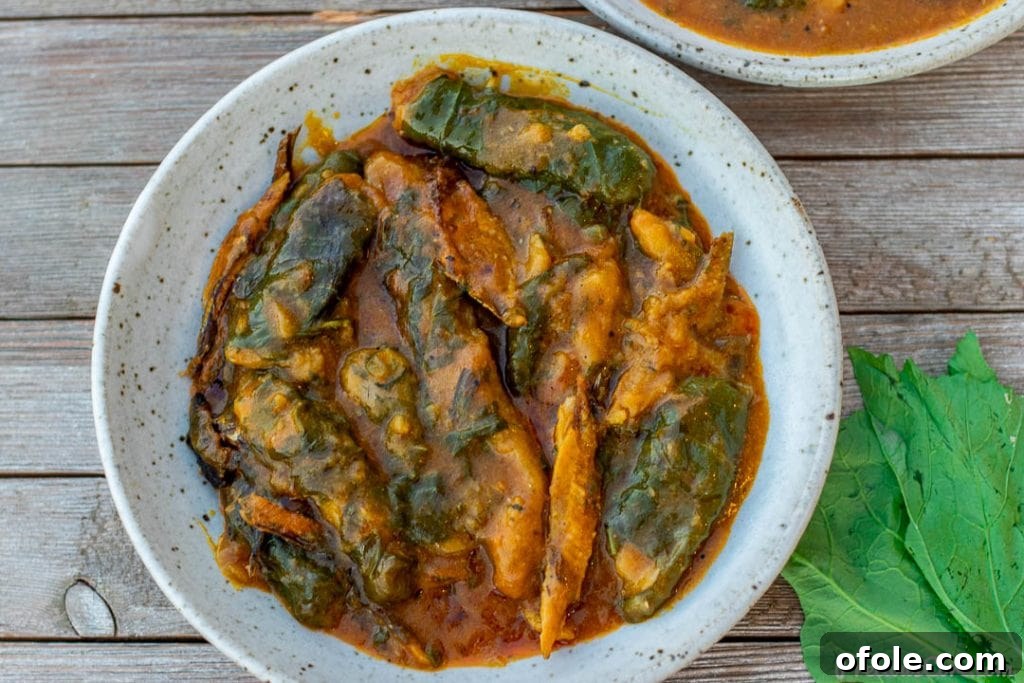
Ekwang is a dish that commands attention from the very first glance. Its rich, earthy colors, often a medley of deep orange from the palm oil and vibrant green from the leaves, are an immediate invitation. But it is the taste, however, that truly captivates. Rich in distinct ethnic flavors, prominently featuring robust crayfish and the characteristic depth of palm oil, Ekwang offers a truly unique culinary experience. Each mouthful is a symphony of textures – the tender, delicate cocoyam parcels melting in your mouth, enveloped by a flavorful sauce that is utterly finger-licking good! It is, without a doubt, the perfect comfort food, especially for those like me who cherish their “contri geh” (country girl) roots and the authentic tastes of home. When I prepare Ekwang, it never lasts long; it disappears incredibly fast! This is the kind of food that encourages you to abandon cutlery, allowing you to truly dig in and connect with its rustic charm.
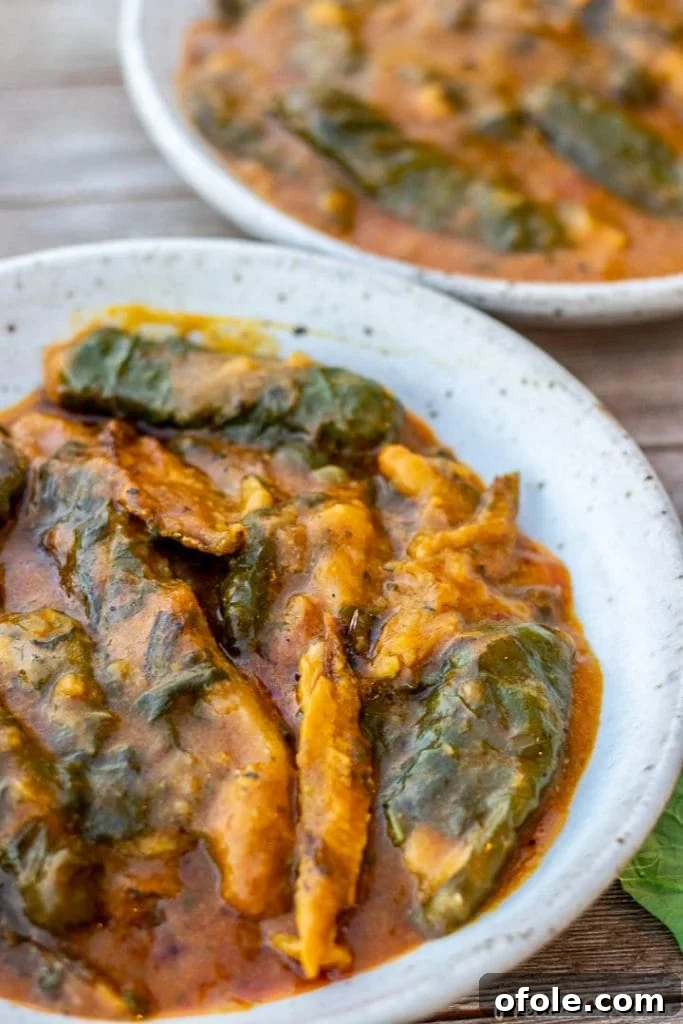
The preparation process for Ekwang is undoubtedly a journey, one that requires patience and a generous spirit. It involves meticulous grating, followed by careful wrapping, and then wrapping some more. This intricate art can easily consume several hours of your day. Yet, the reward for this dedication is immense: the sheer scrumptiousness of the final dish makes every minute worthwhile. The joy derived from creating and sharing such a flavorful and culturally rich meal is immeasurable.
What Exactly is Ekwang? Exploring its Origins and Identity
At its heart, Ekwang is a deeply flavorful stew crafted from grated cocoyams, meticulously tied into small parcels using cocoyam leaves, and then slow-cooked to perfection with palm oil and a blend of aromatic ingredients. This cherished dish serves as a beautiful reminder of the intricate culinary similarities and shared heritage between Nigeria and Cameroon, two nations with rich and intertwined cultural histories.
Across the border in Nigeria, particularly among the Efik and Ibibio communities, a very similar and equally beloved dish is prepared, known affectionately as “Ekpang Nkukwo.” In Cameroon, while widely known as “Ekwang,” it also goes by other names such as “Ekpang” or “Ekwang Coco,” reflecting regional nuances and preferences. It stands as a staple food for the Bafaw people, indigenous to the South West region of Cameroon, and its exceptional taste and comforting qualities have ensured its widespread popularity throughout the entire country. The universal appeal of Ekwang is a testament to its rich flavors and the warmth it brings to every table.
If you’re curious to see the making of this incredible dish, here’s a glimpse into the process:
Crafting Ekwang: Essential Ingredients and the Art of Preparation
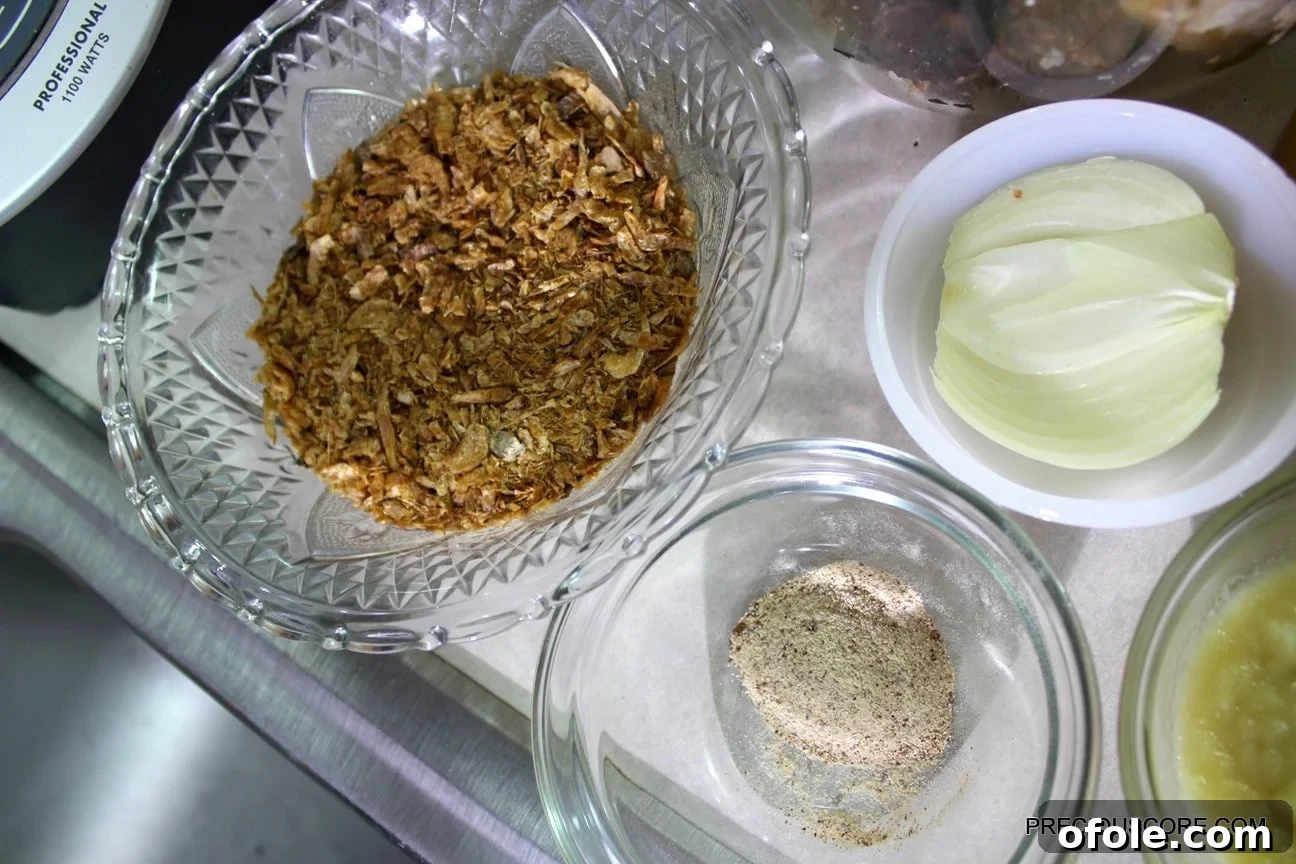
The magic of Ekwang lies in the careful selection of its core ingredients, each contributing to its distinctive flavor profile and comforting texture. The main components typically include specific varieties of cocoyams, fresh cocoyam leaves (or suitable alternatives), rich palm oil, savory crayfish, and a choice of smoked fish or other meats. Beyond these staples, personal preferences allow for a delightful array of spices and aromatics. I always enhance my Ekwang with a freshly blended paste of garlic and ginger, along with some finely chopped onions, which introduce an extra layer of depth and pungency.
Selecting the Perfect Cocoyams: The Heart of Ekwang
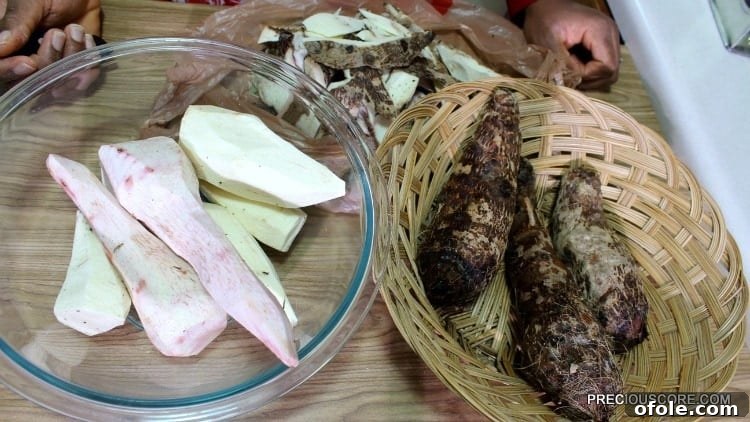
The success of an authentic Ekwang dish hinges significantly on choosing the correct type of cocoyams. Not just any cocoyam will do! The specific variety best suited for Ekwang is typically longer and slimmer than other types of cocoyams. When cut open, their flesh can be either white or a delicate pink. In many international markets, these are often labeled as “taro white” or “taro pink.” However, in Cameroon, they are fondly known by their local name: “macabo coco.” It is crucial to source these particular cocoyams for an ideal texture and flavor in your Ekwang. Once you have acquired the right ones, the next step is the painstaking but essential process of peeling them thoroughly.
The Art of Wrapping: Choosing and Preparing the Leaves
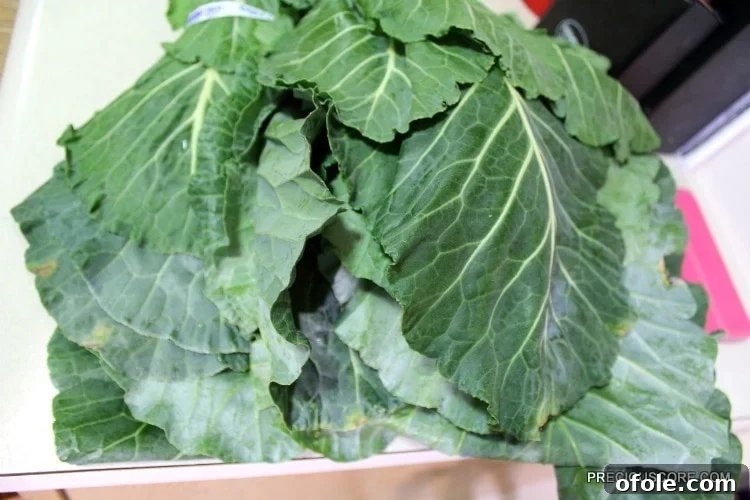
The leaves used for wrapping the grated cocoyam paste are another critical component, imparting a distinct flavor and structural integrity to each Ekwang parcel. Traditionally, fresh cocoyam leaves are preferred for their authentic taste and pliability. However, if genuine cocoyam leaves are unavailable in your region, fret not! There are excellent substitutes that work wonderfully. I have successfully used potato leaves in the past, and many other cooks attest to the effectiveness of spinach. Collard greens are also a fantastic option, and in this particular recipe, I’ve opted for them.
The key, regardless of which green leaf you choose, is to ensure they are fresh, pliable, and most importantly, free from any holes or tears. Intact leaves are essential for securely holding the delicate grated cocoyam paste during the cooking process, preventing it from unraveling and dissolving into the stew. Proper leaf preparation ensures each Ekwang parcel retains its shape and offers a delightful bite.
The Journey Begins: Grating and Wrapping
Grating the Cocoyams to Perfection
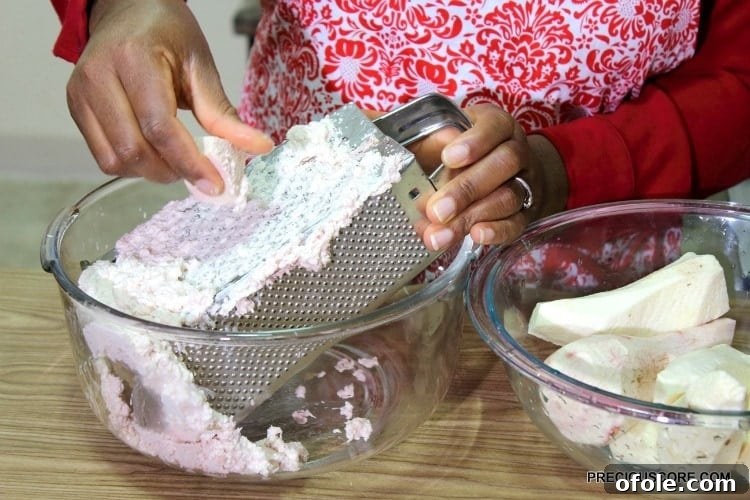
Once peeled, the cocoyams must be transformed into a smooth, consistent paste. While a food processor can certainly get the job done quickly, I have a strong preference for the old-fashioned method: using a traditional box grater with small holes. This manual process, though more time-consuming, yields an unparalleled texture that is truly unbeatable. The fine grating creates a paste that is both cohesive and delicate, contributing significantly to the melt-in-your-mouth quality of the finished Ekwang.
The Artful Process of Wrapping Ekwang Parcels
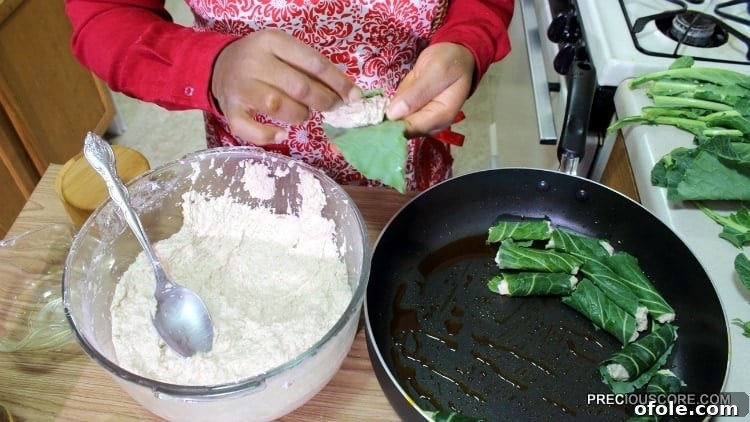
With your perfectly grated cocoyam paste ready, the next step is the art of wrapping. This is where the patience and love truly come into play. Take a small amount of the cocoyam paste, typically about a teaspoon, and carefully place it at one end of a prepared leaf. Gently, yet firmly, begin to fold and roll the leaf, creating a snug, secure parcel. The goal is to ensure the paste is completely encased within the leaf, preventing it from escaping during cooking. If you’re new to this technique, or simply prefer a visual guide, I highly recommend watching the instructional video provided earlier. It demonstrates the wrapping process in detail, ensuring you master this essential step.
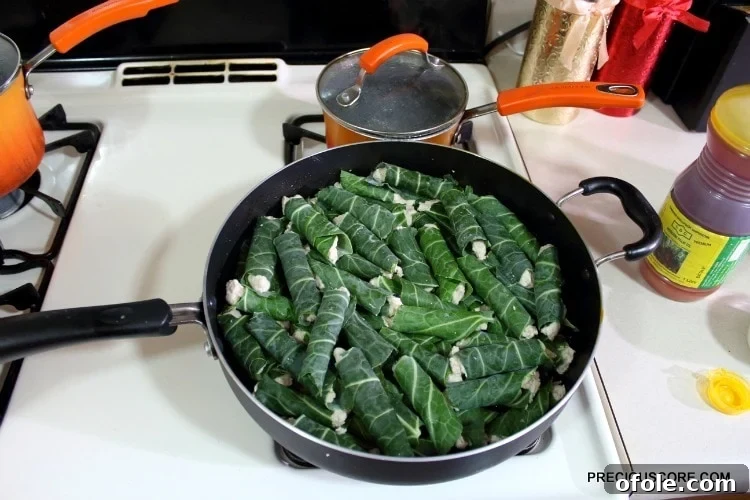
There’s a unique sense of accomplishment and joy that comes with seeing a growing pile of these meticulously wrapped parcels. It signifies the dedication and effort poured into the dish, and it’s a beautiful sight that promises a heartwarming meal to come!
The Final Simmer: Bringing Ekwang to Life
Once all the wrapping is complete, the exciting final stage begins: simmering all the ingredients together to create that quintessential heartwarming pot of Ekwang. To start, lightly coat the bottom of a large pot with some palm oil, much like you would grease a baking pan. Then, carefully arrange your wrapped cocoyam parcels in the pot. It’s a good practice to place them in criss-cross patterns; this allows the rich cooking stock to circulate evenly, ensuring every parcel is perfectly infused with flavor and cooked through.
Next, add all the other prepared ingredients: your chosen smoked fish or meat, the blended crayfish, chopped onions, garlic and ginger paste, any habanero pepper, “contry onions,” black or white pepper, seasoning cubes, and a teaspoon of salt. Pour in about 2 to 4 cups of water. For an even richer, more complex flavor, consider using meat or fish stock if you have it available, instead of plain water. Bring the entire mixture to a gentle boil, then reduce the heat to a simmer, allowing all the flavors to meld beautifully for about 30 minutes.
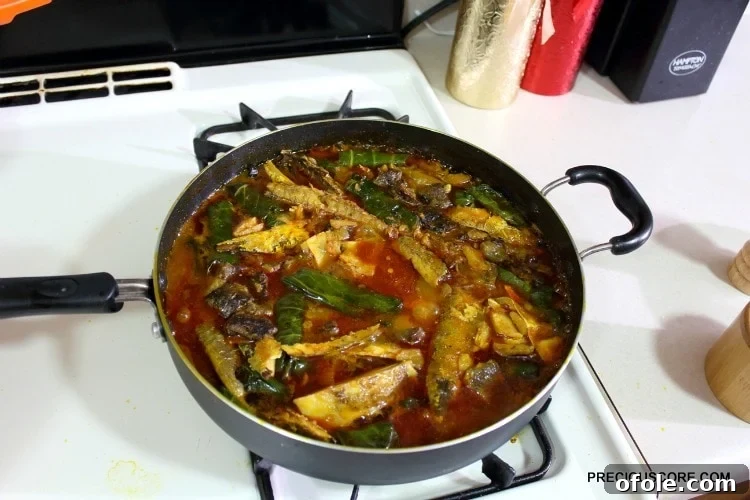
During the cooking process, roughly halfway through, it’s advisable to check the liquid level. If the liquid is at the same level as the top layer of the wraps, it’s usually perfect. A crucial tip for Ekwang is to avoid vigorous stirring, as this can easily unwrap your carefully prepared cocoyam parcels. Instead, for even distribution of flavors, simply hold the pot firmly by both handles and gently shake it, allowing the ingredients to mix without disturbing the wraps. If absolutely necessary, use a wooden spoon to carefully run around the edges of the pot to prevent sticking, but refrain from plunging it into the center. After 30 minutes, taste and adjust the seasonings to your preference, and voilà! Your magnificent Ekwang is ready to be served warm. Be still, my heart!
Printable Ekwang Recipe
For those who love to follow a structured guide, here is a detailed, printable recipe to help you create your own unforgettable pot of Ekwang. This recipe will guide you through each step, from selecting the finest ingredients to the final simmering, ensuring a truly authentic and delicious outcome.
Ekwang Recipe
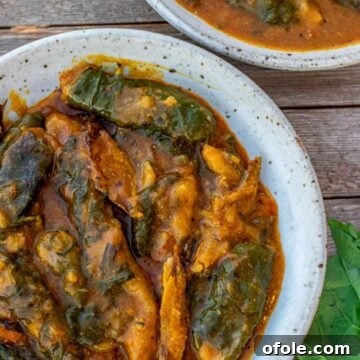
A Cameroonian delicacy typically made by the Bafaw people of the South West region of Cameroon. It features grated cocoyams, wrapped in green leafy vegetables then simmered with crayfish, palm oil and other ethnic spices. This hearty dish is a testament to the rich culinary traditions of West Africa.
- Prep Time: 1 hour
- Cook Time: 30 minutes
- Total Time: 1 hour 30 minutes
- Servings: 8 people
Ingredients
- 8 large “macabo” cocoyams (white and pink mixed)
- 6 bunches cocoyam leaves (or spinach/collard greens)
- 2 pounds smoked fish/stock fish/beef (you can use a mix or choose one)
- 1 1/2 cups palm oil
- 2 cups crayfish (ground)
- 1 habanero pepper – blended (optional, for heat)
- 1 medium sized onion – chopped
- 1 teaspoon ground “contry onions” (rondelles) (optional, for authentic flavor)
- 2 tablespoons blended garlic and ginger paste
- 1/4 teaspoon white or black pepper
- 3 seasoning cubes (Maggi) or 1 1/2 large crayfish seasoning cubes (Maggi crevette)
- 1 teaspoon salt (or to taste)
Instructions
- Prepare Cocoyams: Peel the cocoyams meticulously. Using a grater with small holes, grate them into a smooth, thick paste. Alternatively, you can use a food processor for a quicker process, but note the traditional grater gives a superior texture. Season the cocoyam paste with a quarter teaspoon of salt and mix thoroughly to combine.
- Prepare the Pot: Coat the bottom and sides of a large, heavy-bottomed pot generously with palm oil, similar to how you would grease a pan for baking. This prevents sticking and adds flavor.
- Wrap the Ekwang Parcels: Take a small amount (approximately a teaspoon) of the grated cocoyam paste. Place it at one end of a prepared green leaf (cocoyam leaf, collard green, spinach, etc.). Carefully roll and wrap the leaf tightly around the paste to form a secure, small parcel. Ensure there are no openings for the paste to escape during cooking.
- Arrange and Season: Repeat the wrapping process until all the cocoyam paste is used. As you wrap, arrange the small parcels in the prepared pot in a criss-cross pattern. This arrangement helps the cooking liquid to circulate evenly among all the parcels, ensuring uniform cooking and flavor infusion.
- Add Remaining Ingredients: Distribute the smoked fish/meat, ground crayfish, chopped onion, blended garlic and ginger, habanero pepper (if using), ground “contry onions,” black or white pepper, seasoning cubes, and remaining salt over the wrapped cocoyams in the pot.
- Simmer to Perfection: Pour 2-4 cups of water into the pot. For an enhanced depth of flavor, consider using meat or fish stock instead of water. Bring the pot to a boil, then reduce the heat to a gentle simmer. Allow the Ekwang to cook for approximately 30 minutes.
- Monitor and Mix: About halfway through the cooking time, check the liquid level. The liquid should be roughly at the same level as the wraps. If it looks too dry, you can add a little more water. Crucially, avoid stirring the pot vigorously, as this can cause the delicate parcels to unwrap. Instead, carefully hold the pot by its handles and gently shake it from side to side to mix the ingredients evenly without disturbing the wraps. If you must stir, use a wooden spoon to gently push around the edges of the pot.
- Serve Warm: Once cooked, taste the Ekwang and adjust any seasonings (salt, pepper, or seasoning cubes) if necessary. Your delicious and heartwarming Ekwang is now ready to be served warm!
Notes
A true connoisseur’s delight is the slightly caramelized, often referred to as ‘burnt,’ portion that sticks to the bottom of the pot. This part, rich in concentrated flavors and textures, is highly coveted and often leads to friendly competition among family members (my brother and I certainly have our battles over it!). Don’t miss out on this delicious treat. Enjoy your Ekwang!
Nutrition Information (per serving, estimated)
- Calories: 727 kcal
- Carbohydrates: 34g
- Protein: 44g
- Fat: 48g
- Saturated Fat: 22g
- Polyunsaturated Fat: 6g
- Monounsaturated Fat: 16g
- Cholesterol: 201mg
- Sodium: 1005mg
- Potassium: 2603mg
- Fiber: 9g
- Sugar: 2g
- Vitamin A: 24142 IU
- Vitamin C: 78mg
- Calcium: 349mg
- Iron: 9mg
Additional Information
- Course: Main Course
- Cuisine: Cameroonian
Share Your Ekwang Journey!
We hope you thoroughly enjoy preparing and savoring this incredible Cameroonian delicacy. Ekwang is more than just a meal; it’s a connection to a rich cultural heritage and a testament to the power of food to bring joy and togetherness. We’d love to see your creations and hear about your Ekwang experience!
If you try this recipe, please mention @preciouscore or tag #PreciousCore on social media. Your culinary adventures inspire us all!