
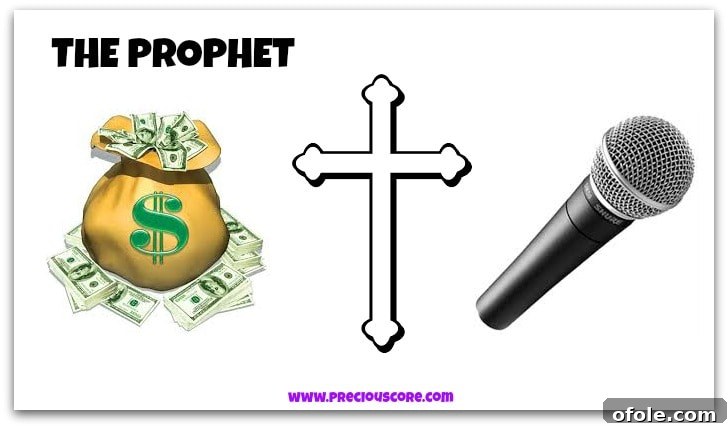
Unveiling the Dynamics of a Modern Prophetic Church Service
In the heart of a bustling urban landscape, where spiritual hunger often intertwines with contemporary spectacle, a typical Sunday service unfolds. The air inside the church hall is thick with anticipation, a blend of devout reverence and eager expectation. As the service commences, a brother steps onto the altar, his presence immediately commanding attention. He begins his customary address, laying the foundational tenets of their faith, particularly focusing on the biblical directive of giving. This isn’t merely a sermon; it’s a carefully orchestrated call to action, deeply rooted in doctrine and tradition.
The Cornerstone of Faith: Tithing and Offerings
“Tithing is a divine command from the Lord,” he declares, his voice resonating with conviction. “It is incumbent upon us to return one-tenth of the blessings God has bestowed upon us, back to Him.” His gaze sweeps across the congregation through the reading glasses perched delicately on his nose, assessing their reactions. Perhaps sensing a flicker of hesitation or a desire for deeper conviction, he urges the worshippers to turn to Malachi chapter three, verse ten, in their Bibles. With a well-worn, leather-bound Bible, a testament to years of dedicated study and devotion, he reads aloud in a slightly hoarse, yet earnest voice:
“Bring ye all the tithes into the storehouse…”
The passage hangs in the air, a powerful injunction from ancient scripture translated into a modern-day imperative. Following his pronouncement, he invites the faithful to bring their tithes forward. A significant portion of the congregation rises, clutching crisp white envelopes, symbols of their commitment and obedience. They approach the altar, kneeling in reverence as special prayers are offered for their dedication and prosperity. This act of giving is more than a financial transaction; it’s a deeply spiritual ritual, believed to unlock divine blessings and favor.
With the tithing concluded, the brother then transitions to the regular Sunday offerings, encouraging contributions to support the church’s ongoing ministries and outreach. More white envelopes, filled with various amounts, make their way into the elaborately decorated basket placed prominently on the stage. This parade of offerings is accompanied by spirited singing and vibrant dancing, transforming a solemn act into a joyful celebration of generosity and faith. The atmosphere crackles with an infectious energy, a collective expression of worship through giving.
The Advent of the Prophet: A Prophetic Service Unfolds
Having guided the congregation through the initial stages of worship, the brother hands the microphone over to the esteemed pastor. The pastor, with an air of heightened anticipation, announces that today’s service is no ordinary gathering; it is a “prophetic service.” This declaration immediately elevates the spiritual temperature of the room, signaling a shift from traditional worship to an encounter with the supernatural. He then instructs the congregants to engage with their neighbors, prompting an enthusiastic, unified response:
“My blessing will be greater than yours!”
This communal chant, brimming with competitive optimism, further fuels the atmosphere of expectation. The pastor then calls upon everyone to stand, signifying their readiness to receive the prophet. A collective rustle sweeps through the pews as every individual rises, their eyes shining with eager anticipation. The prophet, a slender, brown-skinned young man in his late twenties, moves to the stage, exuding a charismatic presence. He seizes the microphone, his voice cutting through the hushed excitement.
“Somebody give God praise!” he exclaims, a theatrical flair in his delivery.
The congregation erupts in a cacophony of shouts, screams, and exclamations – “Oooooh Yaaaaay!!! Alleluyah! Yes! Yes! Yes! Uhhhhh!” – a symphony of unbridled zeal. The prophet, feeding off this energy, deliberately intensifies the excitement, pushing the worshippers to even greater heights of expressive worship. “Look, I want you to praise God more than you have ever done before!” he commands, his voice rising in crescendo. The ensuing screams become deafening, a visceral manifestation of faith and fervor. The stage is set; the show, as it were, has truly begun.
Divine Declarations and Miraculous Manifestations
The prophet begins to sing, his voice powerful and melodious, enhancing the spiritual ecstasy. He paces purposefully from one end of the altar to the other, his bright white cassock swaying with each confident stride, creating a visual spectacle that complements his dynamic performance. His movements are deliberate, a swagger that mesmerizes the onlookers. He then transitions into a general discourse on the fundamentals of Christianity, delivering his message with unwavering conviction. “Listen to me,” he proclaims, “salvation is the best thing that can happen to anybody!”
The congregation, fully immersed in the experience, responds with a chorus of fervent shouts and affirmations. Among the loudest is a woman standing at the very back of the church, her face beaming with an almost incandescent joy, amplified by the sheen of oil gliding over her generously applied foundation. Her purple-painted lips open frequently, articulating vehement agreement with every declaration the prophet makes. From time to time, she shuffles excitedly from one end of the hall to the other, her six-inch high-heeled shoes making normal steps a challenge, yet her enthusiasm undiminished.
With a dramatic gesture, the prophet beckons to a brother impeccably dressed in a black suit, seated in the first row. The man promptly moves to the stage, his face etched with a mixture of awe and expectation. “I see great things happening in your life! God is about to do something that will surprise you,” the prophet declares, his words carrying the weight of divine revelation. He then lays his right hand firmly on the brother’s forehead and exerts a push. The brother stumbles backward several steps in quick succession, his balance momentarily lost. Another brother, strategically positioned behind him, is ready to catch him should he fall. Though he falters, the man in the suit manages to remain upright. Undeterred, the prophet shouts, “Fire!” The congregation responds with a resounding round of applause, acknowledging the perceived manifestation of spiritual power. For them, a significant spiritual act has just transpired.
The prophet’s attention then shifts to a sister adorned with a scarf so voluminous it obstructs the view of those seated behind her. He begins to “see” further spiritual insights concerning her, articulating them to the heavily accessorized woman. While his specific pronouncements for her are unique, the overall language and framework of his prophetic utterance bear a striking resemblance to the words he shared with the brother in the suit. In a dramatic turn, the prophet procures a pristine white bed sheet and carefully spreads it across the altar. He then takes a spray bottle and mists a mysterious liquid all over the fabric. He instructs the woman to walk upon it, and she does so with majestic grace, stepping confidently across the anointed sheet. The congregation, captivated by the spectacle, erupts in cheers and fervent applause, believing they are witnessing a profound spiritual activation.
Healing and the Power of the Prophetic Touch
Next, the prophet calls forward those who are sick and afflicted. A wave of individuals moves towards the front, seeking divine intervention. Among them is the church’s own prophetess, herself struck by a mysterious illness that has caused her body to swell significantly, making her almost unrecognizable. They raise their hands in supplication as the prophet intercedes on their behalf. He proceeds to push several individuals, much like he did the brother in the suit, and as they fall, the prayer is deemed complete, eliciting another wave of applause from the congregation. A select, privileged few are then granted the opportunity to walk upon the special white bed sheet, an act imbued with symbolic healing power.
Sowing Seeds of Faith: The Call for Financial Contributions
With the miraculous manifestations concluded, the prophet turns his attention to another crucial aspect of the prophetic service. He announces to the congregation, “It is time to sow your seed. Just come forward and sow your seed. If you do not have cash here, you could write a check.” The language of “sowing seed” is a well-understood metaphor within this spiritual context, directly linking financial contributions to future blessings and divine favor. Immediately, some congregants reach for their checkbooks, diligently filling them out, while others retrieve fresh white envelopes, preparing their monetary offerings. A diverse array of “seed-sowers” approaches the altar, but one unifying factor is clear: every seed being sown is, in essence, money. This act is presented not merely as a donation, but as a spiritual investment, a tangible expression of faith intended to yield a harvest of prosperity and breakthrough.
After delivering numerous spiritual insights and declarations to the eager congregation, the prophet concludes his session and departs the stage. He clutches his now-infamous white bed sheet, holding it close as his lips move in a silent murmur, perhaps in prayer or personal reflection. The spectacle has reached its zenith, leaving the congregation buzzing with a renewed sense of spiritual energy.
Post-Service Access and the Prophetic Seed
Following the prophet’s exit, the pastor returns to the stage, ready to address the lingering excitement and provide instructions for further engagement. He announces, “All those who want to see the prophet can do so after the service. However, you must bring a prophetic seed with you.” He reiterates this instruction for emphasis, leaving no room for misunderstanding: “If you want to see the prophet after service, you can come to my office but make sure you come with a prophetic seed.” This final directive underscores the prevailing dynamic: access to deeper spiritual counsel and individual blessings from the prophet is directly linked to a financial contribution, solidifying the interplay between faith, prophecy, and monetary giving within the church’s operational model.
This firsthand account aims to capture the events and atmosphere as they unfolded, offering a glimpse into the vibrant and often complex world of a modern prophetic church service where spiritual fervor meets contemporary practice.