
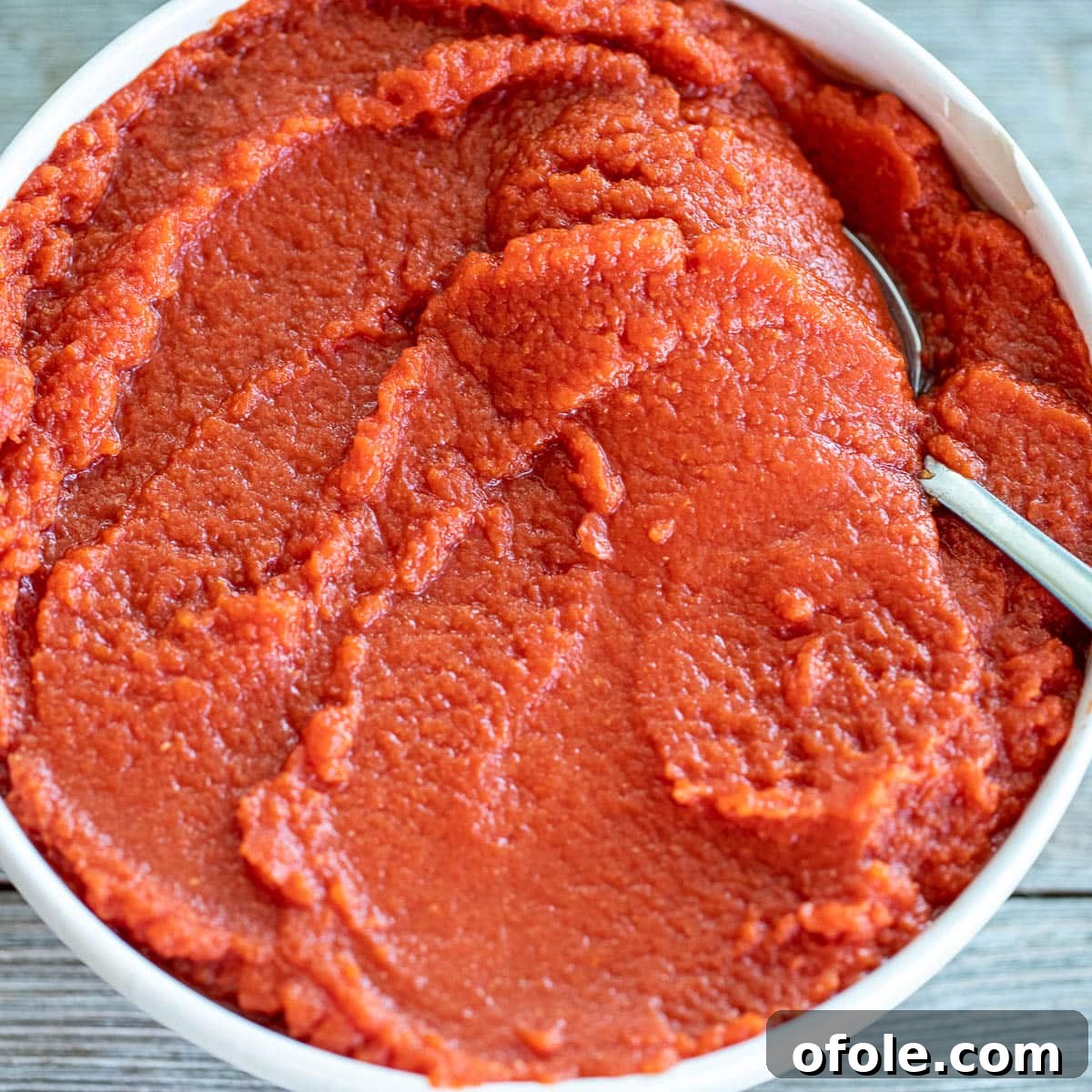
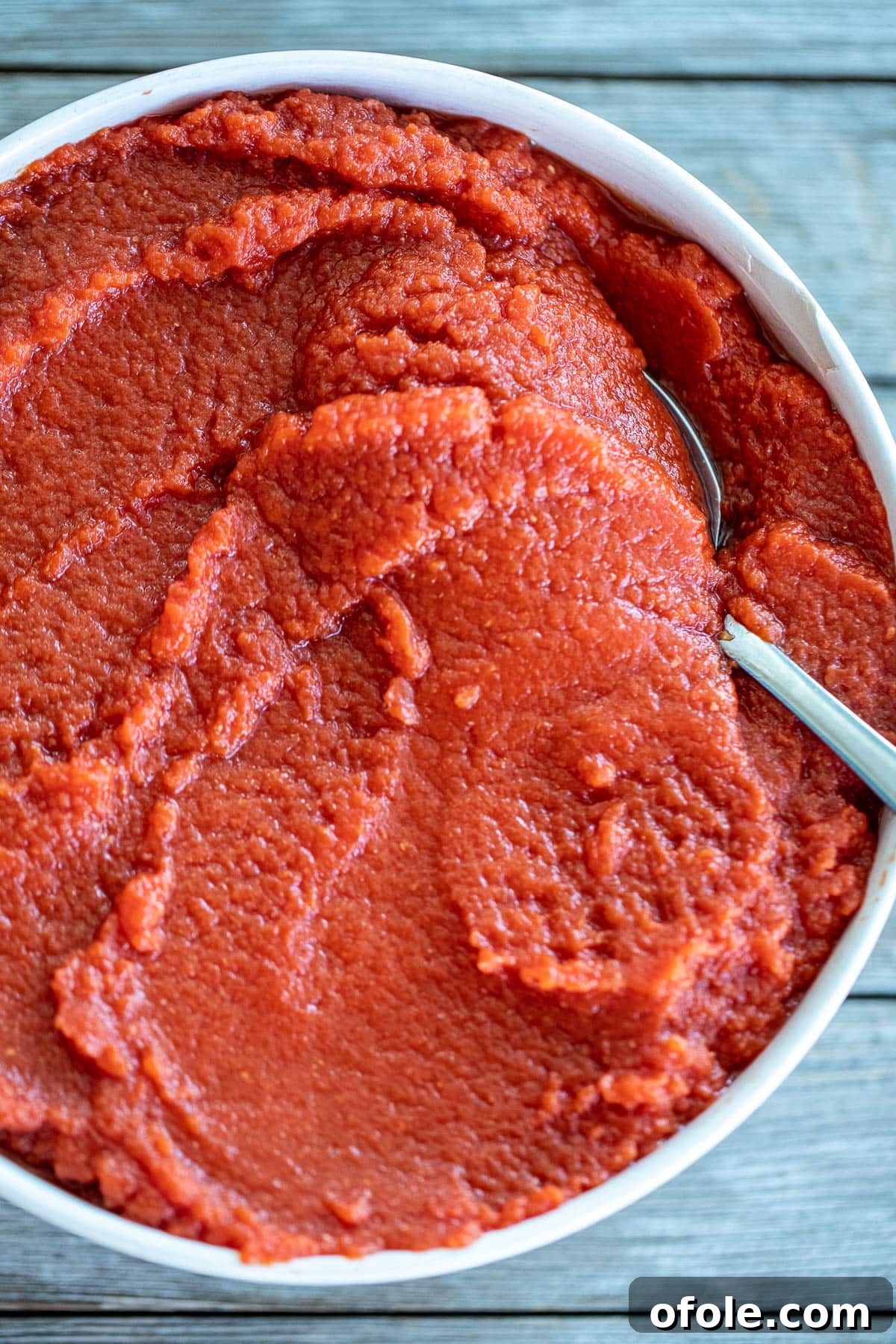
Elevate your cooking with the incredible taste of **Homemade Tomato Paste**, a staple ingredient whose flavor profile far surpasses anything you’ll find in a can. The best part? This superior paste requires only one simple ingredient!
There’s nothing quite like the satisfaction of cooking with ingredients sourced straight from your garden. This time of year, my garden overflows with ripe, juicy tomatoes! I’ve transitioned from struggling with gardening to enjoying an unimaginable bounty, significantly more than last year’s harvest. It’s a truly rewarding experience.
After dedicating pounds upon pounds of these vibrant red gems to delicious stews, comforting pasta dishes, and wholesome vegetable recipes, I still found myself with an abundance of tomatoes. The solution for preserving this incredible harvest became clear: crafting my very own **homemade tomato paste**!
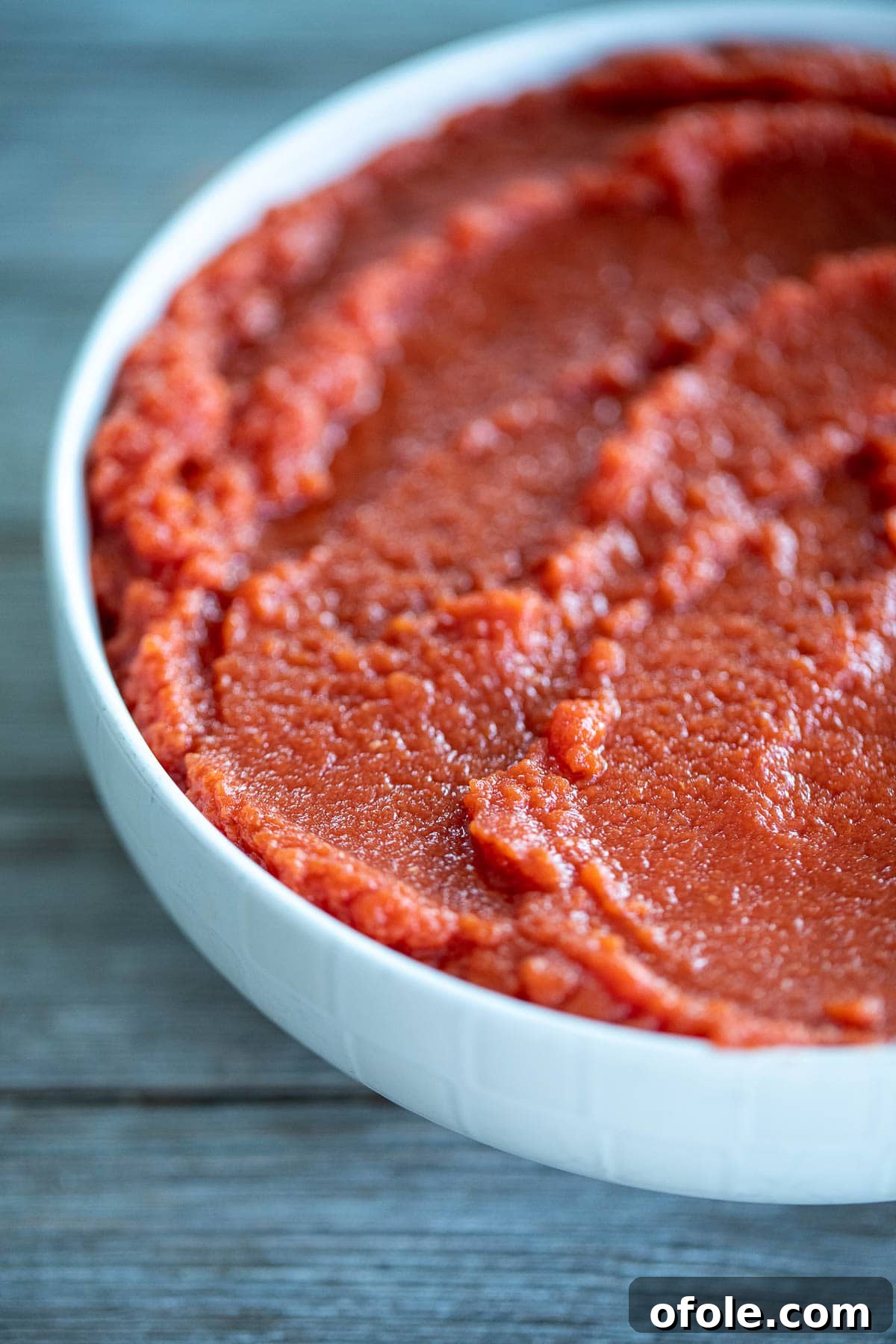
This recipe isn’t about yielding a tiny, store-bought-sized portion. Instead, it produces a generous two pounds of intensely flavored tomato paste, making it ideal for busy home cooks who need more than just a small tube. Its deeply concentrated tomato flavor is unmatched, transforming everyday meals into culinary masterpieces.
Whether you’re blessed with a prolific garden, find a fantastic deal on fresh tomatoes at your local grocery store, or explore the vibrant offerings at a farmers’ market, you too can embark on this rewarding journey of making your own tomato paste. Embrace tomato season and unlock a world of flavor!
Fresh tomatoes are incredibly versatile, forming the foundation for countless beloved dishes. They are perfect for crafting exquisite pasta sauces, creating the best homemade tomato sauce for pizza, and simmering into hearty tomato soups. If these types of recipes pique your interest, I highly recommend trying my Roasted Tomato and Garlic Soup or my Roasted Tomato Pizza Sauce recipes!
But when it comes to this specific homemade tomato paste recipe, prepare to be amazed. The authentic flavor of real tomato paste is truly exceptional. Its thick, concentrated consistency makes it incredibly versatile, ready to enrich a wide array of dishes. Best of all, it’s surprisingly simple to make and store! So, gather your tomatoes, and let’s create some culinary magic together.
Table of Contents
- The Single Ingredient You Need
- 4 Simple Steps For Making The Best Tomato Paste
- Watch How To Make Homemade Tomato Paste
- Flavor Variations: Customizing Your Paste
- Expert Tips for Perfect Homemade Tomato Paste
- No Special Equipment Needed for Tomato Paste
- How To Store Homemade Tomato Paste
- Homemade Tomato Paste: Frequently Asked Questions
- More Delicious Tomato Recipes To Try
- Homemade Tomato Paste Recipe Card
The Single Ingredient You Need for Authentic Tomato Paste
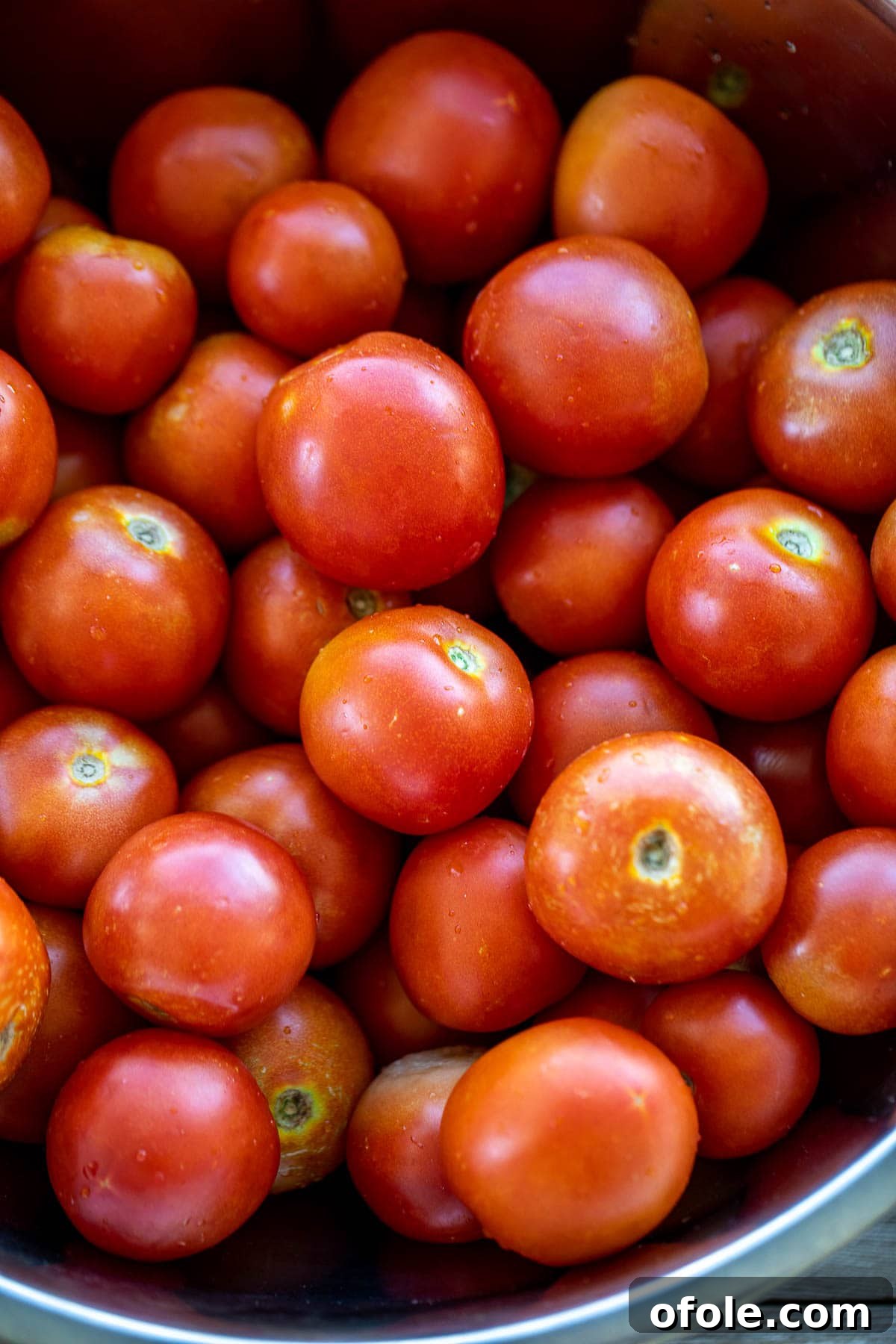
You truly only need one essential ingredient for this homemade tomato paste recipe: fresh, ripe tomatoes! While many different varieties of tomatoes will work, for the absolute best results, I recommend choosing types with a higher pulp-to-seed ratio. Varieties like Roma tomatoes (also known as plum tomatoes) or San Marzano tomatoes are ideal due to their meaty texture and lower water content. These are often considered the best tomatoes for making paste, sauces, and canning. However, if you have Early Girl tomatoes or another favorite variety readily available, feel free to use them too!
While some recipes suggest adding other ingredients like a touch of olive oil, citric acid (often from lemon juice), or table/kosher salt to their homemade tomato paste, I firmly believe in keeping it simple and, most importantly, salt-free in its raw form.
The reasoning is practical and allows for maximum culinary flexibility. It’s always better to add salt and other seasonings to the dishes you prepare with the tomato paste as needed, rather than having a pre-salted paste. This approach gives you complete control over the flavor profile of your final meal, allowing you to dress it up with different seasonings and herbs like bay leaves, oregano, or basil, tailored to each specific recipe.
Furthermore, this one-ingredient paste boasts a naturally balanced acidity. Without added citric acid, it maintains a more natural and consistent sweet-tart balance compared to pastes with artificial pH adjustments. Of course, tomatoes are inherently somewhat acidic, but this method ensures a pure, unadulterated tomato flavor that truly shines.
4 Simple Steps For Making The Best Homemade Tomato Paste
Creating your own rich, flavorful tomato paste is surprisingly straightforward and can be achieved in just four simple steps. There’s no need for blanching or cooking the tomatoes in boiling water beforehand, as they will be thoroughly cooked after blending. While the cooking process itself might seem lengthy, much of it is hands-off simmering, and the initial preparation time is a manageable half-hour!
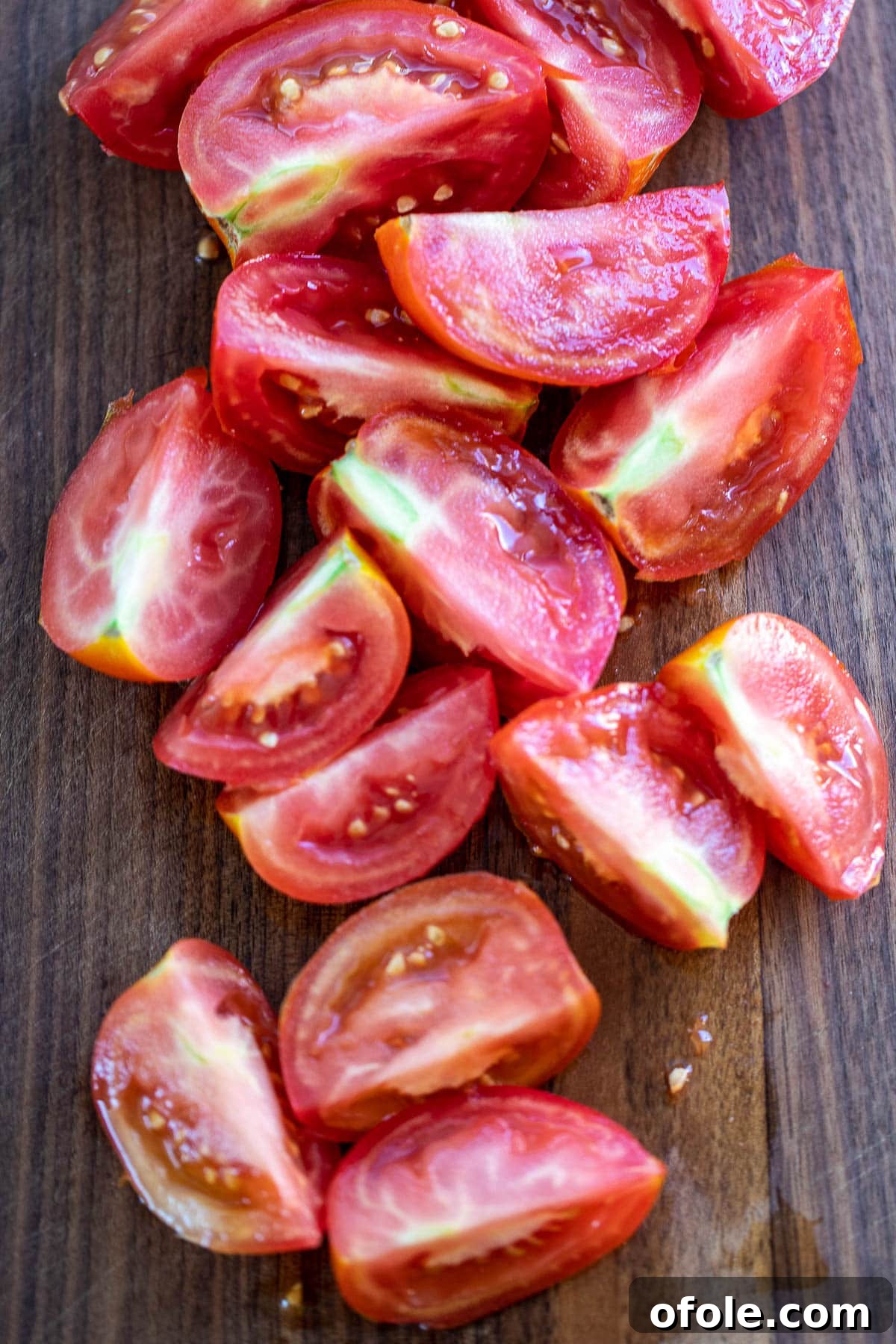
1. First, prepare your fresh tomatoes. Begin by **rinsing them thoroughly with cold water**. Once clean, **cut the room-temperature tomatoes into quarters**. There’s no need to remove the tomato skins at this stage; they will be processed later.
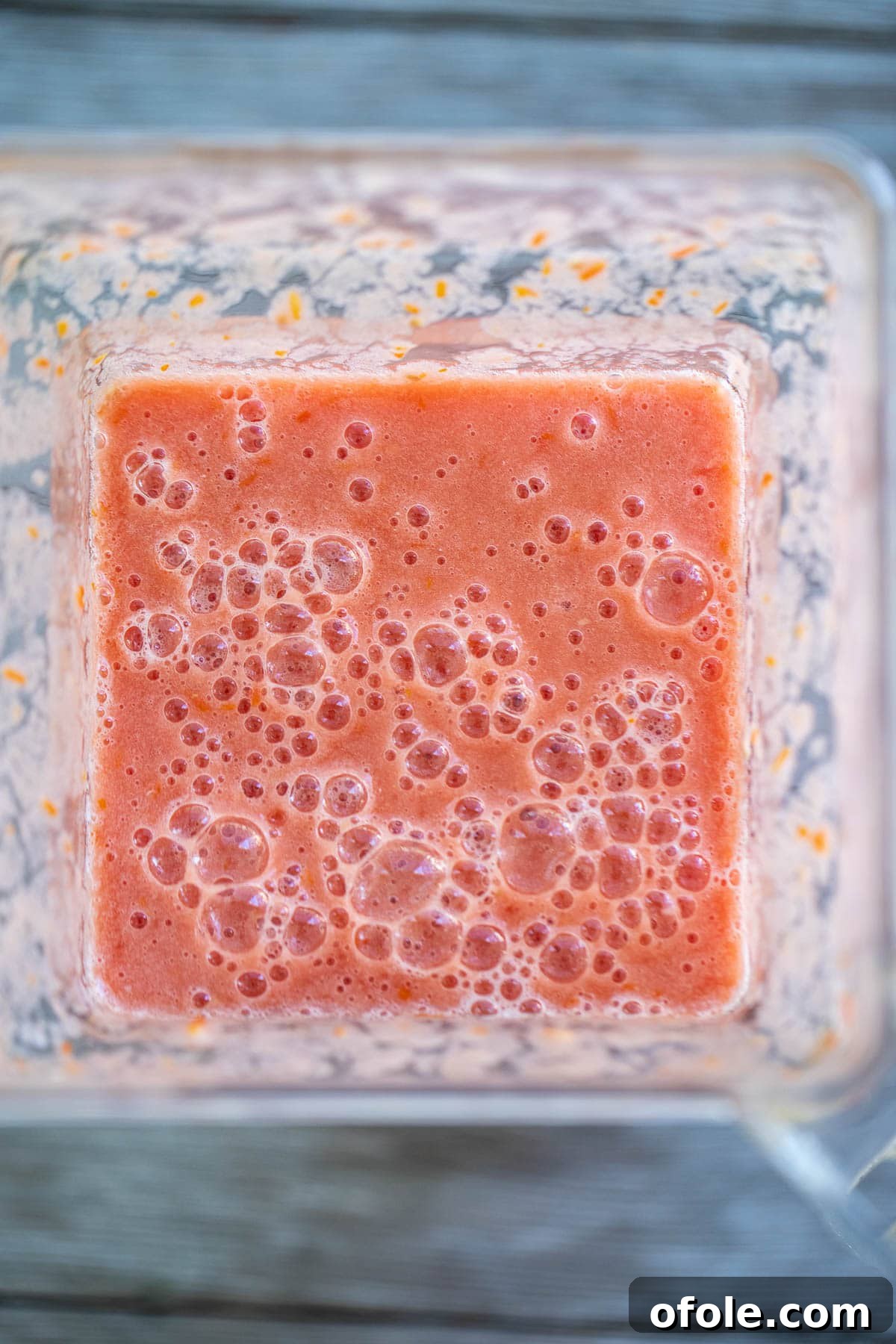
2. Next, **blend the quartered tomatoes to create a smooth tomato purée**. Depending on the size of your blender, you may need to work in several batches to achieve a consistent texture. Blend until no large chunks remain and you have a smooth, liquid consistency.
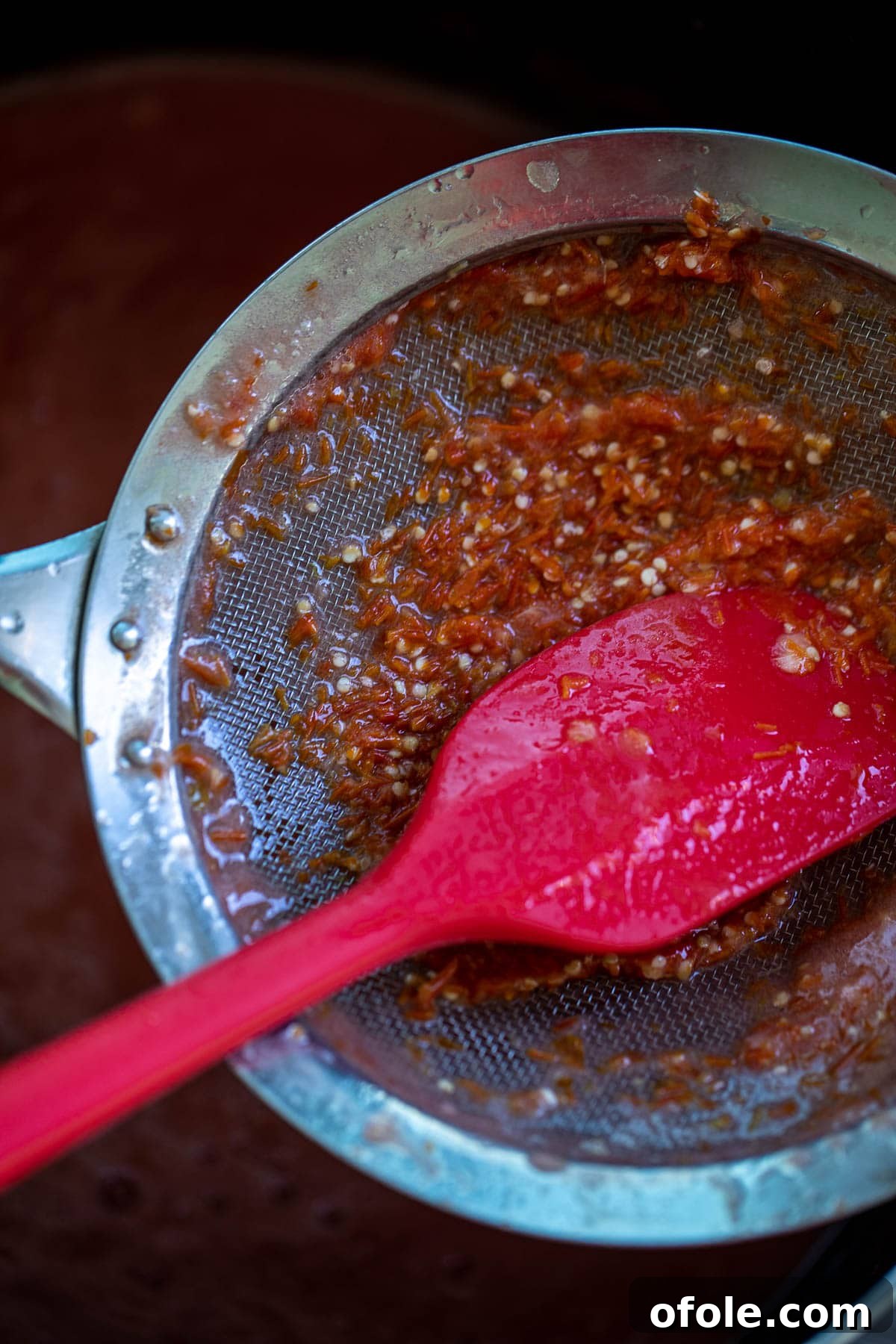
3. After blending, it’s time to refine your purée. **Strain the blended tomatoes through a fine mesh sieve**. This crucial step removes any remaining seeds and larger pieces of skin, ensuring a silky-smooth tomato paste. Press down on the solids with a spoon or spatula to extract as much liquid as possible, leaving behind only the unwanted fibrous material.
4. Finally, the cooking process begins. **Pour the strained tomato purée into a large, heavy-bottomed pot and cook it down until most of the liquid evaporates**. Start on medium-high heat, bringing the purée to a gentle simmer. As the tomato water evaporates and the mixture begins to thicken significantly, gradually **lower the burner to medium heat, and then to low heat**. This prevents burning and allows for slow, steady reduction. Give it ample time to transform into a thick, concentrated tomato paste with the right consistency, stirring occasionally but not constantly. The goal is a deep, rich red color and a thick texture similar to store-bought paste.
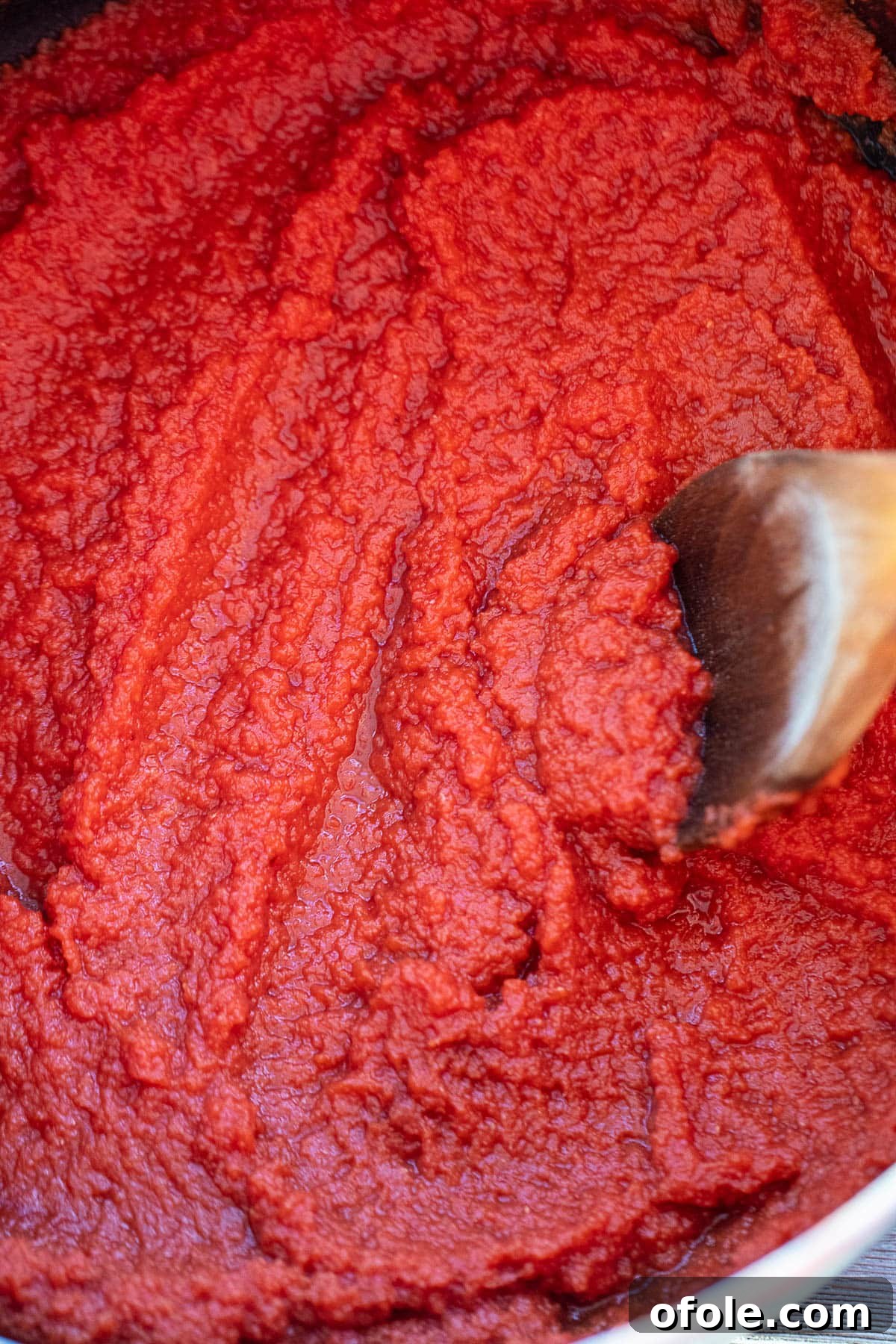
Pro Tip: Removing the seeds and some of the skin from the tomato paste through straining results in a beautifully smooth paste, much like the commercially canned varieties. This step contributes to a more refined texture and mouthfeel.
While some sources suggest that leaving seeds in could make the paste bitter, in my experience, I haven’t noticed a significant difference in flavor when making tomato paste with seeds. The primary impact is on texture. Ultimately, the decision of whether to have no seeds, fewer seeds, or all of them in your paste is entirely a matter of personal preference.
Watch How To Make Homemade Tomato Paste
Subscribe to my channel for more delicious recipes!
Subscribe
Flavor Variations: Customizing Your Homemade Tomato Paste
Making homemade tomato paste is a fantastic opportunity to experiment with flavors and personalize your culinary creations. Have fun trying these exciting variations to add a unique twist to your paste:
- Roasted Tomato Paste – For a deeply smoky and intensely flavorful paste, try roasting your tomatoes first. Place the quartered tomatoes on a baking sheet and roast them in the oven until they are slightly charred and softened. After roasting, blend the cooked tomatoes and then proceed with the rest of the paste-making steps. Roasted tomatoes impart an incredible depth of flavor that is truly irresistible!
- Spicy Tomato Paste – If you love a bit of heat, make a spicy tomato paste by adding one scotch bonnet or habanero pepper (or more, to taste) while blending the fresh tomatoes. Be sure to handle hot peppers with care, wearing gloves if necessary.
- Herby/Garlicky Tomato Paste – Infuse your paste with aromatic herbs and garlic. Blend the tomatoes with a few cloves of fresh garlic, a handful of fresh basil leaves, and a few sprigs of fresh thyme. This will create a wonderfully fragrant and flavor-packed tomato paste perfect for Italian dishes.
The beauty of making your own paste is the freedom to literally add any flavors of choice to suit your personal taste and culinary needs.
Expert Tips for Perfect Homemade Tomato Paste
Achieving the perfect homemade tomato paste is simple with a few expert tips:
- I strongly recommend **using fresh tomatoes** for this recipe. Canned tomatoes simply won’t yield the same vibrant flavor, natural sweetness, or rich texture that fresh tomatoes provide. Fresh is always the way to go for the best results.
- You can also prepare this recipe using a **slow cooker**. Follow the initial prep steps (cutting, blending, and straining). Once you have your purée, transfer it to the slow cooker and allow it to reduce and thicken on a low setting for several hours until most of the water has evaporated. The slow cooker method is largely hands-off and requires less frequent stirring.
- Beyond its primary use, you can easily transform your homemade tomato paste into **homemade ketchup**! This is a fantastic way to avoid the preservatives often found in store-bought ketchups. All you need is your tomato paste, white vinegar, a small amount of sugar, and your favorite ketchup seasonings (like onion powder, garlic powder, and a pinch of allspice).
- As a crucial rule of thumb during the cooking process, **the more the water evaporates and the paste thickens, the lower you should adjust the heat**. This careful temperature management is essential to prevent the paste from scorching or sticking to the bottom of the pot, which can impart an unpleasant, burnt flavor.
No Special Equipment Needed for Homemade Tomato Paste
You don’t need any fancy gadgets or specialized kitchen equipment to make exceptional homemade tomato paste. The most basic tools you’ll need are a reliable **blender** for puréeing the tomatoes and a **fine mesh sieve** for straining out the seeds and skins. A **food processor** also works perfectly well for blending the tomatoes into a smooth consistency.
While some culinary enthusiasts opt for a food mill to process tomatoes, which can separate pulp from seeds and skin, you can achieve excellent results simply by using a standard blender followed by a strainer. However, I generally **do not recommend using an immersion blender** for this task, as it typically doesn’t achieve the necessary smooth consistency and can be less efficient for processing large quantities of tomatoes.
How To Store Homemade Tomato Paste for Maximum Shelf Life
Proper storage is key to enjoying your delicious homemade tomato paste for an extended period. There are several effective methods to preserve your paste, each extending its shelf life significantly. After all, who doesn’t love the convenience of having homemade goodness readily available? Here are the best ways to store it:
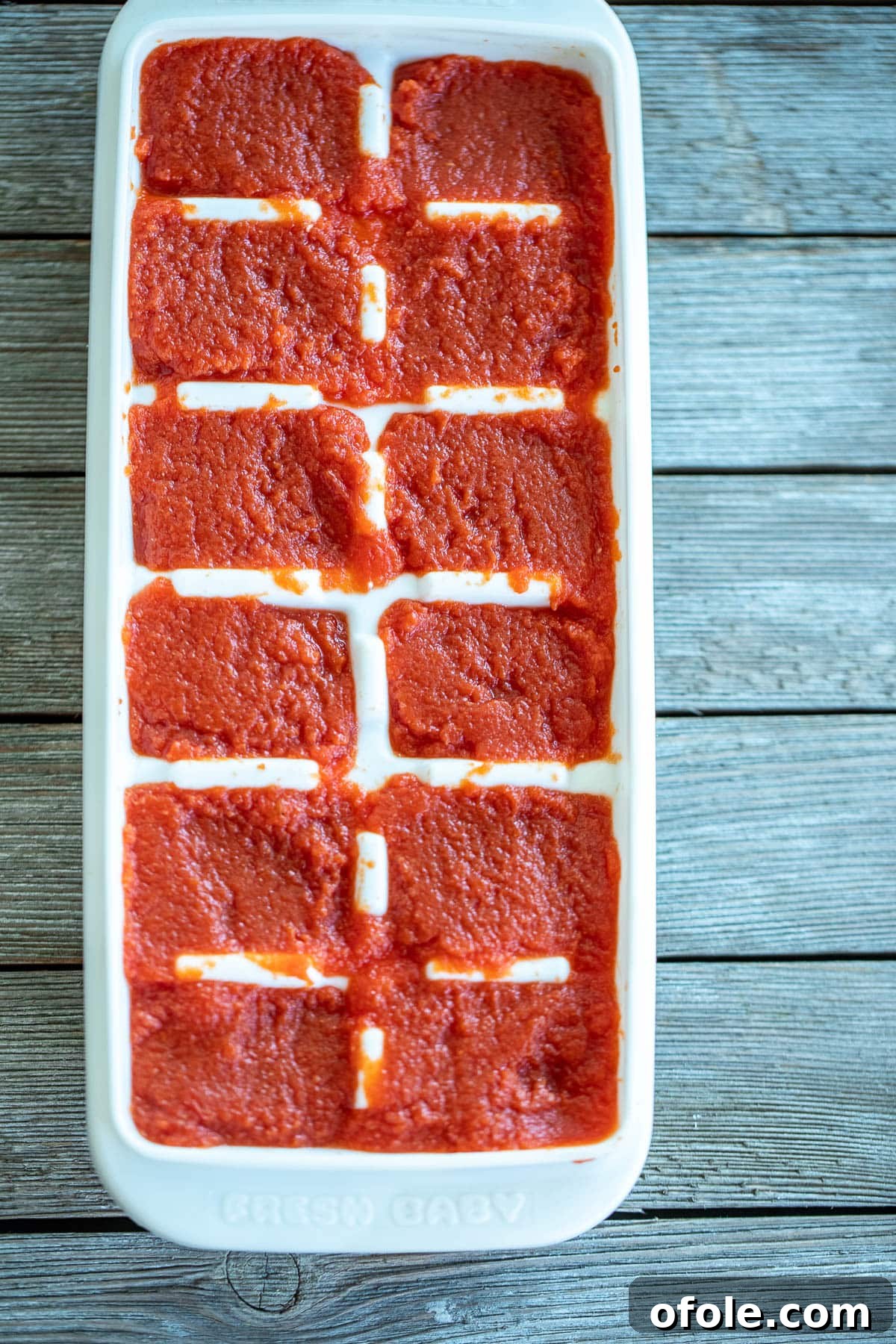
Ice Cube Method (Freezing): This is one of the easiest and most convenient ways to store tomato paste for long-term use. Simply spoon the cooled homemade tomato paste into an ice cube tray. Freeze it overnight until the cubes are solid. Once frozen, remove the individual tomato paste cubes from the tray, transfer them to a freezer-safe plastic bag or an airtight container, and store them in the freezer for up to 2-3 months. When a recipe calls for tomato paste, simply grab a few frozen cubes and add them directly to your cooking.
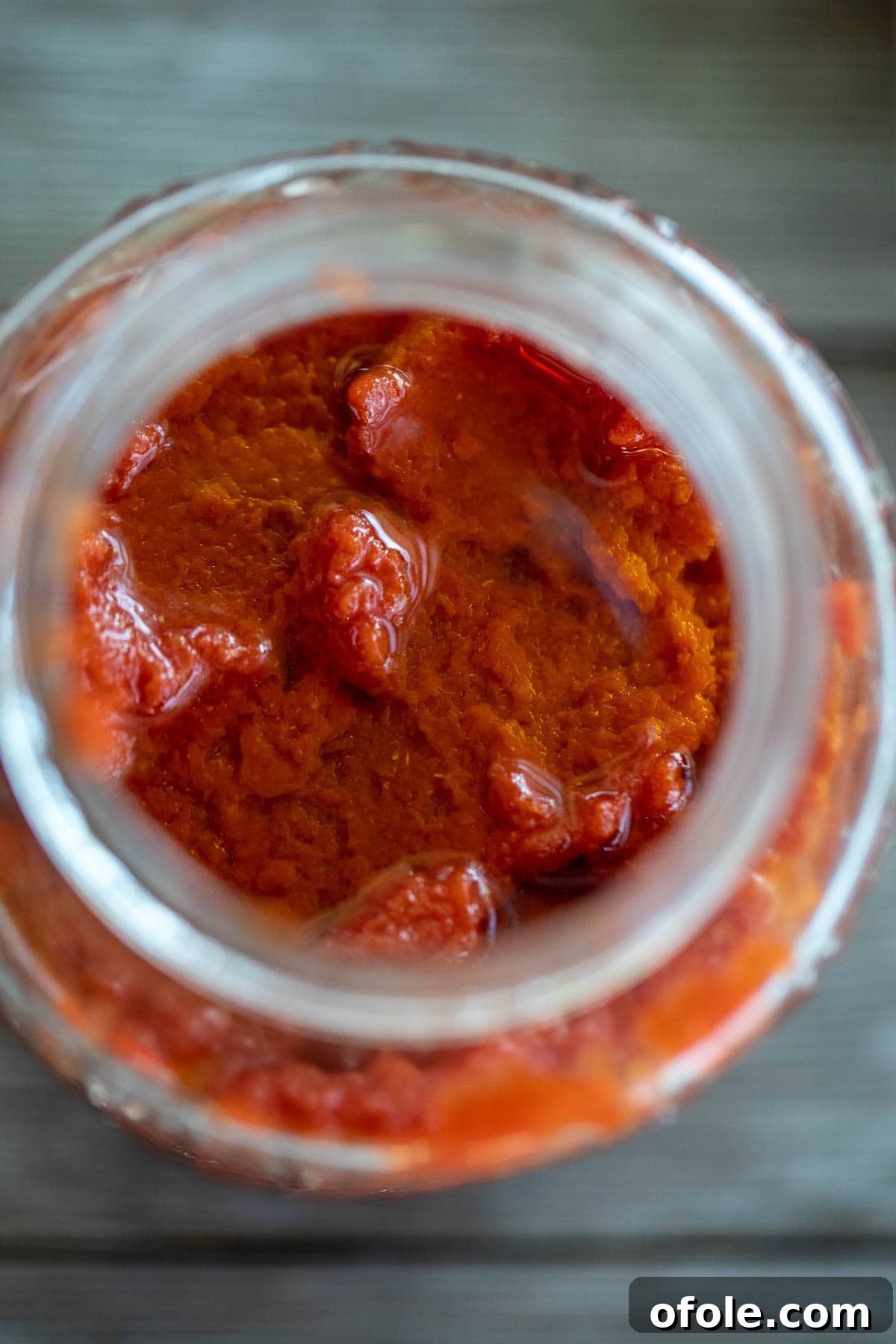
Olive Oil Method (Refrigeration): For shorter-term storage in the refrigerator, the olive oil method is excellent. Pack your homemade tomato paste into clean mason jars, filling them up to about three-quarters full. Then, carefully pour a layer of olive oil over the top, ensuring it completely covers the surface of the tomato paste. This creates a seal that prevents air exposure and spoilage. Screw on the lid tightly and store the jars in the fridge for up to a week. Just scrape off the oil when ready to use, or stir it in if appropriate for your recipe.
Canning Method (Long-Term Preservation): Canning is perhaps the most traditional and effective method for long-term storage of homemade tomato paste, allowing it to remain shelf-stable for a year or even longer. You can easily learn how to can tomato paste in glass jars right at home! For best results and safety, it’s essential to follow established canning guidelines. I highly recommend consulting a reputable resource like this comprehensive guide from the National Center for Home Food Preservation for detailed instructions on safe tomato paste canning.
As a general guideline, for every 10 pounds of fresh, ripe tomatoes you use, you can expect to yield approximately 2 pounds of intensely flavored homemade tomato paste. This ratio helps in planning your batch sizes.
Homemade Tomato Paste: Frequently Asked Questions
As discussed above, the most effective methods for preserving homemade tomato paste for an extended period are freezing and canning. Both techniques significantly extend its shelf life, allowing you to enjoy your paste months down the line. If you anticipate not using all the paste within a week of making it, I strongly recommend preserving it using one of these methods.
The ingredients in tomato paste can vary depending on the recipe or brand. My specific recipe champions simplicity, requiring only one ingredient: fresh tomatoes. Other homemade recipes might call for additional elements such as olive oil, lemon juice (for citric acid), or various seasonings. Conversely, commercially produced, store-bought tomato paste often includes preservatives to extend its shelf life.
When referring to “uncooked tomato paste,” you’re essentially talking about tomato purée. If your ultimate goal is to make tomato paste, I highly recommend cooking the purée down first to achieve the desired concentrated consistency, then allowing it to cool completely before freezing the finished paste. However, if you intend to freeze the tomato purée for use in other recipes where a thinner consistency is acceptable (like some soups or sauces), then you can certainly freeze the uncooked purée directly.
More Delicious Tomato Recipes To Try
Don’t let your love for tomatoes stop here! Explore more fantastic recipes that celebrate this versatile fruit:
Tomato Fish Stew – A Flavorful Cameroonian Delight (VIDEO)
Crisp Cucumber Tomato and Onion Salad
Heartwarming Roasted Tomato and Garlic Soup
Irresistible Roasted Tomato Pizza Sauce
If you make this incredible homemade tomato paste recipe, please consider leaving a star rating below! Your feedback not only helps others discover this recipe but also brightens my day. Thank you for your support!
Homemade Tomato Paste
30 minutes
2 hours
2 hours 30 minutes
2 pounds
Save Recipe
Saved Recipe
Pin Recipe
Rate
Print Recipe
Ingredients
- 10 pounds fresh tomatoes
Instructions
-
1. Cut Tomatoes: Begin by thoroughly rinsing your fresh tomatoes under cold water. Once clean, cut each tomato into quarters. There’s no need to remove the skins at this stage.
-
2. Blend Tomatoes: Place the quartered tomatoes into a blender. Blend them in batches, if necessary, until they form a smooth, uniform purée.
-
3. Sieve the Purée: Pass the blended tomato purée through a fine mesh sieve. Use a spatula or the back of a spoon to press the purée through, removing all seeds and any remaining large pieces of skin. This step ensures a wonderfully smooth final paste.
-
4. Cook Down to a Paste: Transfer the sieved tomato purée to a large, heavy-bottomed pot. Bring it to a simmer over medium-high heat, then reduce the heat to medium and finally to low as the liquid evaporates and the mixture thickens. Allow it to cook down slowly until it reduces significantly and transforms into a thick, rich tomato paste. This process can take approximately 2-3 hours, depending on your heat intensity and the initial water content of your tomatoes. Stir occasionally to prevent sticking, especially as it thickens.
-
5. Store: Once the tomato paste has reached the desired consistency and has cooled completely, store it using one of the recommended methods: freezing in ice cubes, refrigerating in mason jars with an olive oil seal, or canning for long-term preservation. Refer to the ‘How To Store It’ section above for detailed instructions.
Notes
2. Choose your preferred storage method for homemade tomato paste:
Ice Cube Method: Spoon cooled homemade tomato paste into an ice cube tray and freeze overnight. Once solid, transfer the cubes to freezer-safe bags or airtight containers. Store in the freezer for 2-3 months. Add frozen portions directly to your recipes as needed.
Olive Oil Method: Fill mason jars three-quarters full with homemade tomato paste. Pour a layer of olive oil over the top to completely cover the paste. Seal tightly and store in the refrigerator for up to one week.
Canning Method: For longer shelf life, you can can homemade tomato paste. For detailed instructions on safe home canning, please follow this official guide.
3. This recipe, utilizing 10 pounds of fresh tomatoes, will typically yield about 2 pounds of finished, concentrated tomato paste.
Nutrition
Carbohydrates: 29g |
Protein: 7g |
Fat: 2g |
Saturated Fat: 0.2g |
Polyunsaturated Fat: 1g |
Monounsaturated Fat: 0.2g |
Sodium: 38mg |
Potassium: 1792mg |
Fiber: 9g |
Sugar: 20g |
Vitamin A: 6297IU |
Vitamin C: 104mg |
Calcium: 76mg |
Iron: 2mg
Additional Info
Sauces & Condiments
Global, Versatile
136
Tried this recipe?
Mention @preciouscore or tag #PreciousCore!