
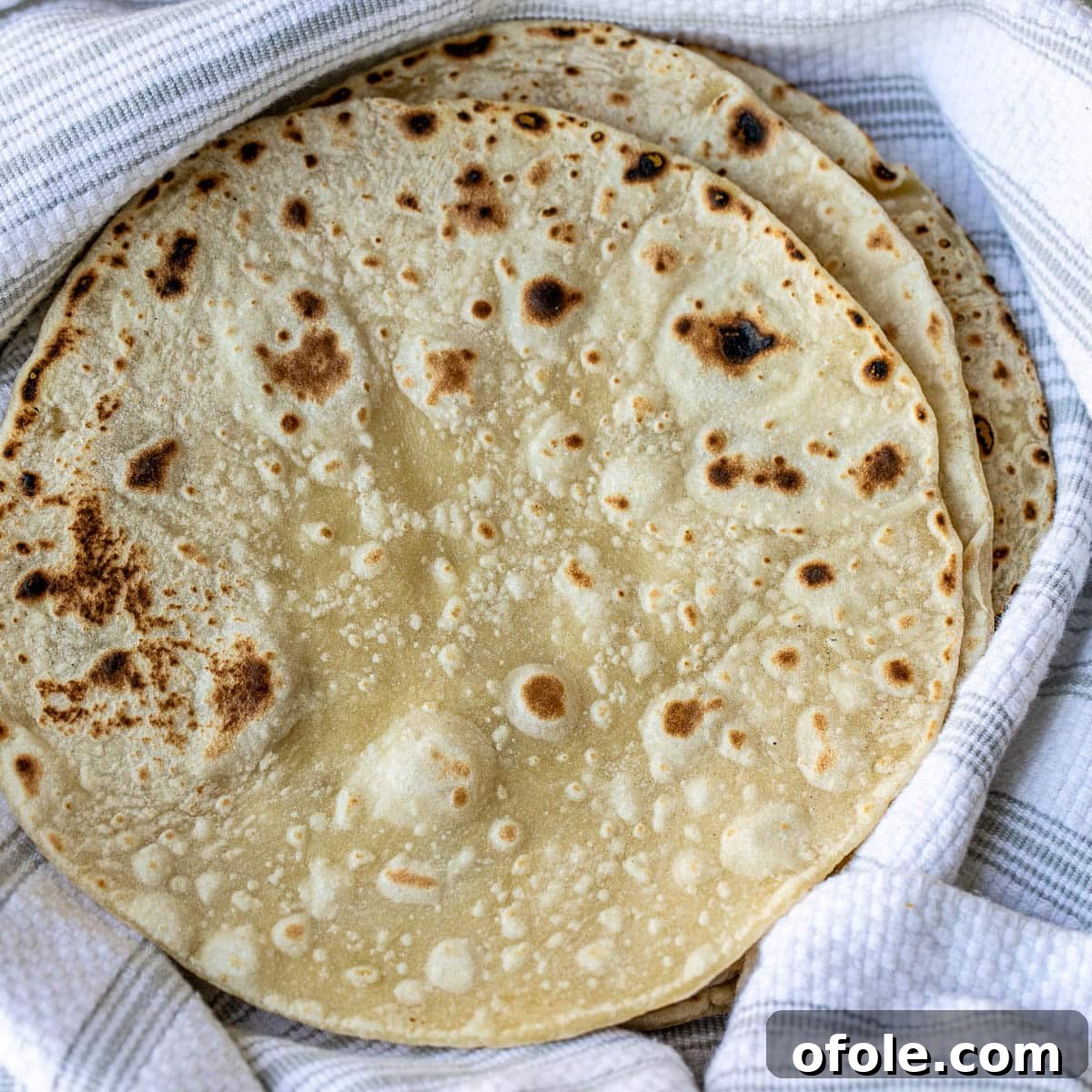
Unlock the secret to incredibly soft, versatile, and utterly delicious flatbread right in your own kitchen! Forget store-bought options that often lack flavor and texture. With just four simple ingredients – one of which is water – you can create amazing Homemade Shawarma Bread that will elevate any meal. This incredibly pliable flatbread is a game-changer, perfect for wrapping savory fillings or simply enjoying on its own with a touch of butter.
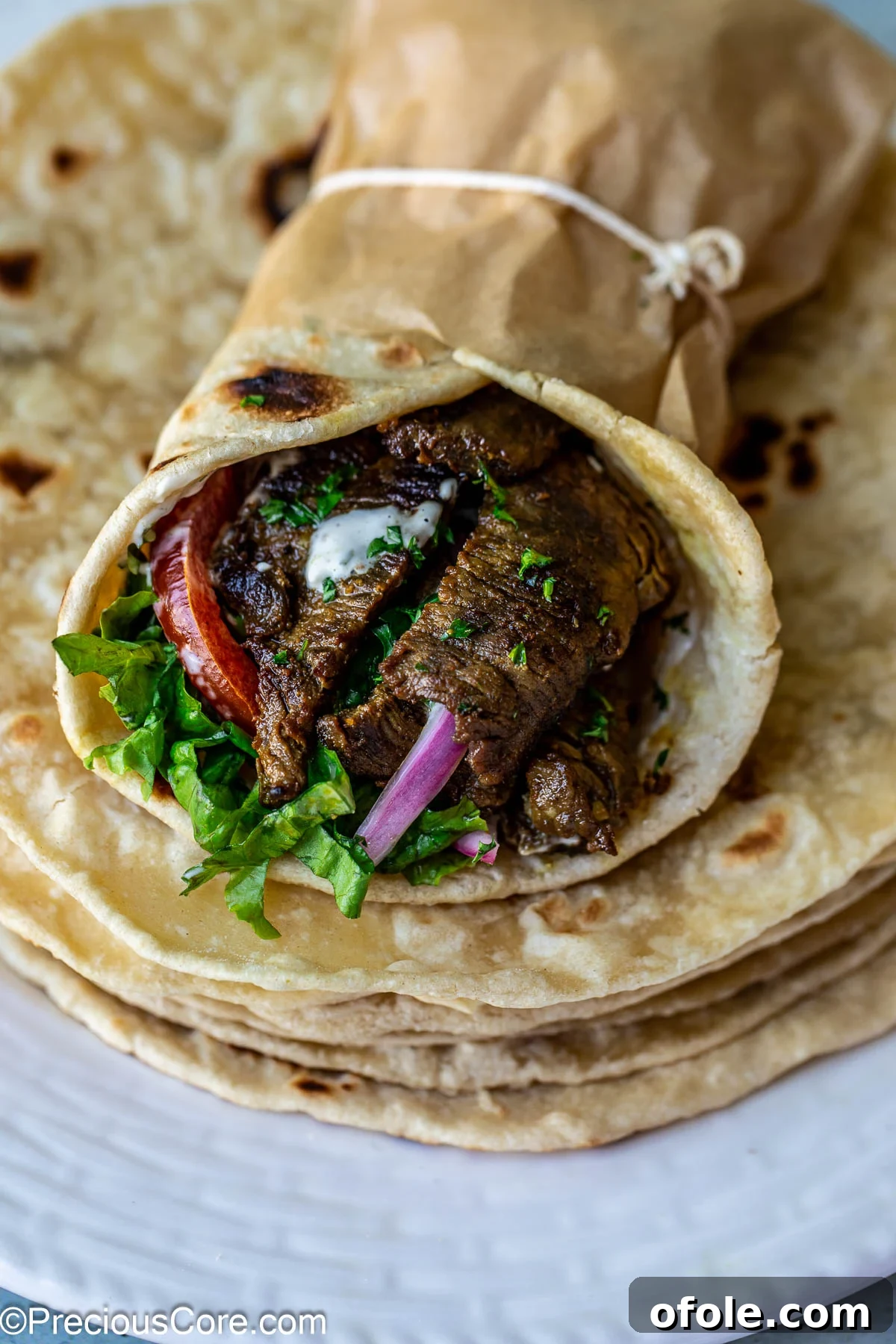
Whether you’re planning a feast with classic beef shawarma, a vibrant chicken shawarma, or simply looking for a fresh, wholesome bread for everyday meals, this recipe is designed to impress. It’s not just a bread; it’s the perfect canvas for a multitude of culinary creations, delighting both kids and adults with its simple, comforting taste. Serve it warm straight from the pan, or enjoy it at room temperature – either way, it’s bound to become a new favorite in your household.
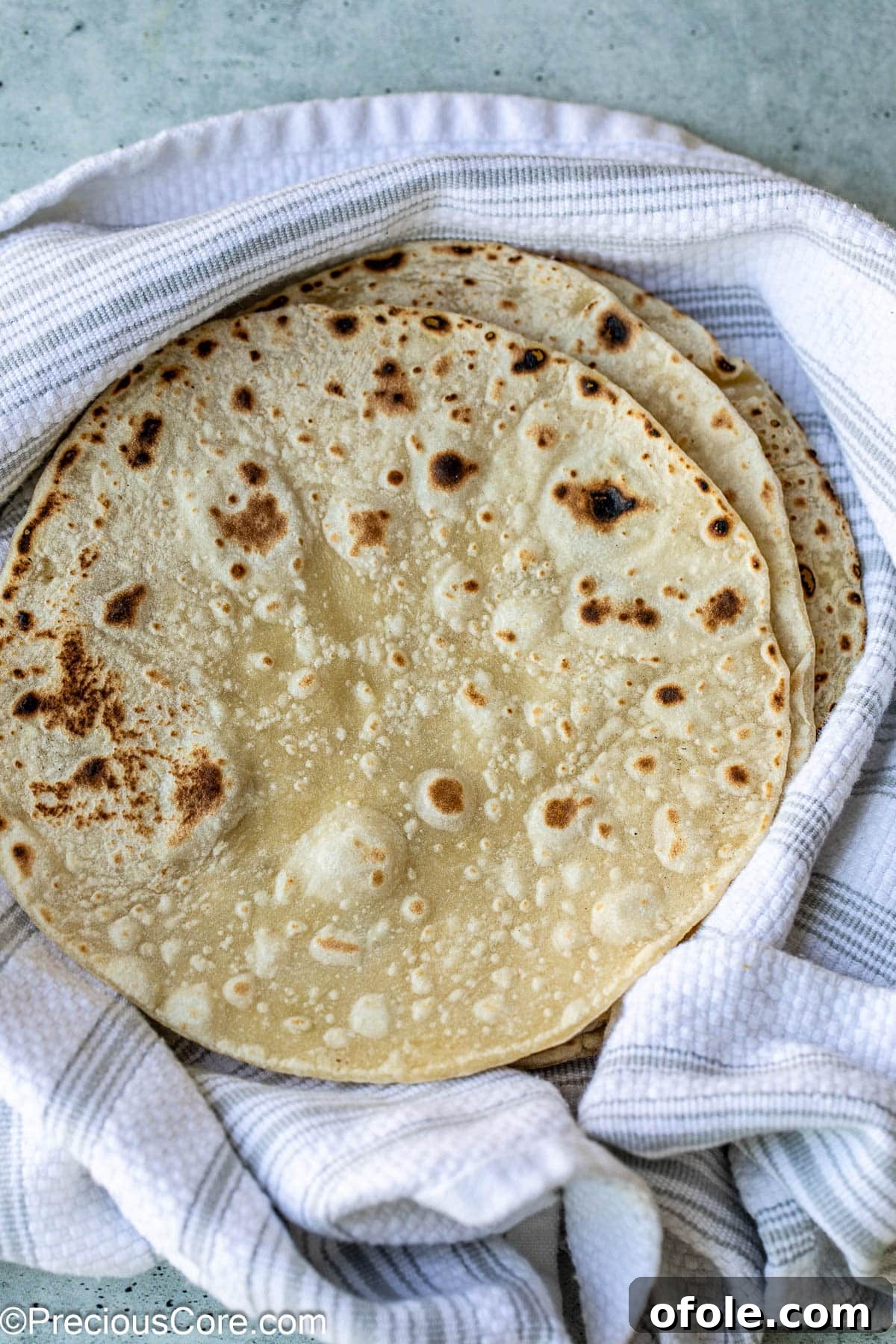
The Magic of Homemade Flatbread: Easy, No-Yeast Shawarma Bread
There’s an undeniable allure to freshly baked bread. The aroma, the warmth, the satisfying chew – it’s a sensory experience that store-bought alternatives simply cannot replicate. While many bread recipes often involve complex steps like activating yeast, long proofing times, and specialized equipment, this homemade shawarma flatbread recipe breaks all those molds. It’s designed for simplicity and speed, making it accessible even for novice bakers or busy weeknights.
Imagine crafting a tender, soft flatbread that rivals the best Middle Eastern bakeries, all without the fuss of yeast. This recipe focuses on minimal ingredients and a straightforward process, proving that exceptional homemade bread doesn’t have to be complicated. You won’t need a stand mixer with a dough hook or any other fancy gadgets; just a large mixing bowl, your hands, and a bit of enthusiasm are all it takes to bring this delightful bread to life.
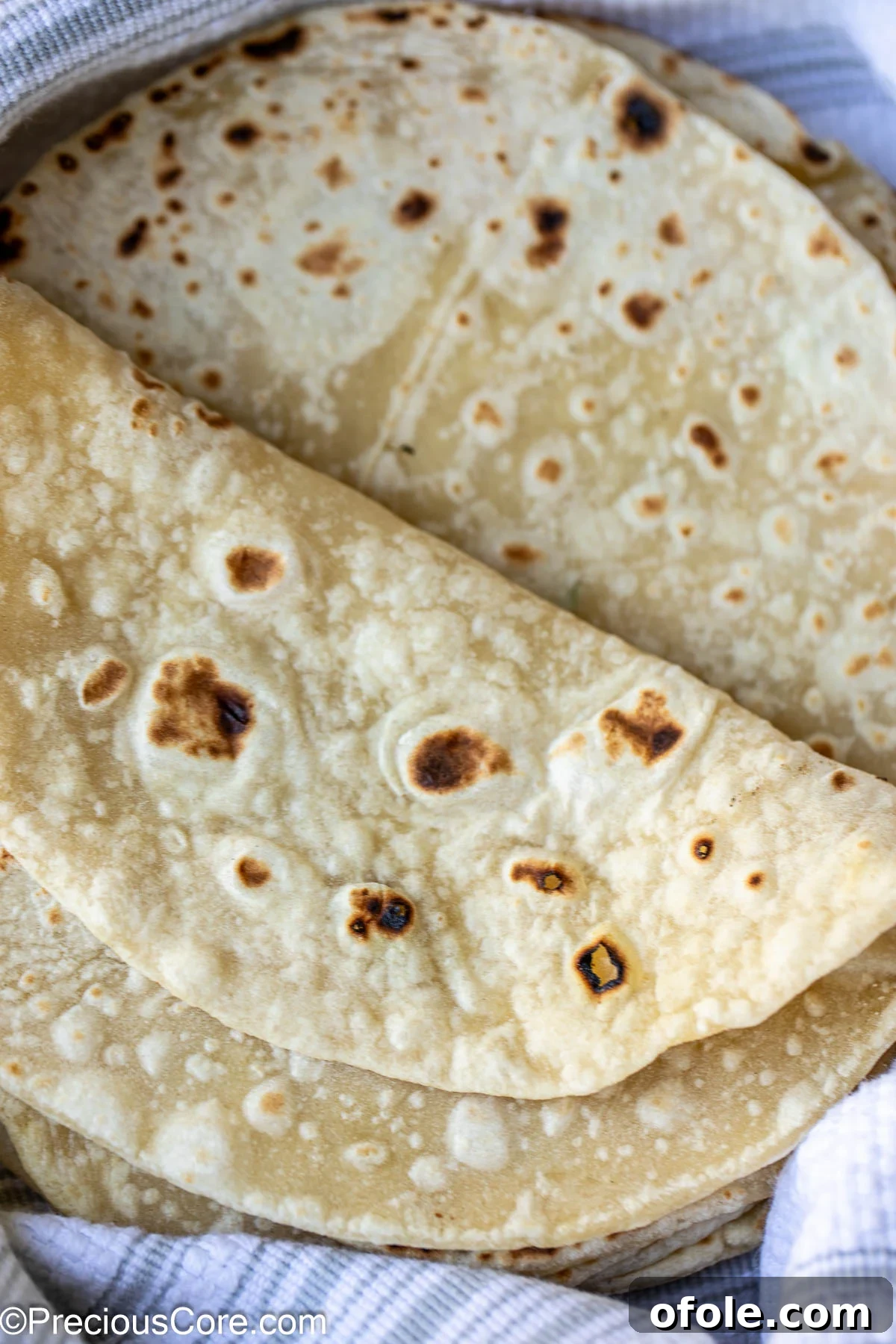
For those who already cherish the art of bread making, or perhaps wish to explore other delicious varieties, feel free to check out some of my other popular bread recipes. You might enjoy my Easy Homemade French Bread for a crusty exterior and soft interior, or my Easy Homemade Bread, perfect for everyday sandwiches. And if you’re looking for something exceptionally soft and rich, my Homemade Milk Bread is a must-try. Many of these recipes come with detailed tutorial videos, guiding you through each step to ensure perfect results. While this particular shawarma bread recipe is simple enough without one, the visual aids in other recipes can be incredibly helpful for understanding dough consistency and technique.
Why You’ll Love This No-Yeast Shawarma Bread Recipe
This shawarma bread recipe isn’t just easy; it’s incredibly rewarding. You’ll achieve a beautifully tender, flexible texture that is absolutely ideal for wrapping all your favorite fillings, from succulent meats and crisp vegetables to creamy sauces. There’s an immense sense of satisfaction that comes from making bread from scratch, and this recipe delivers that without requiring hours of your time. Imagine impressing your family and friends with warm, fluffy flatbreads you’ve crafted yourself!
Beyond its impressive results, one of the biggest advantages of this recipe is its efficiency. Excluding the brief resting period for the dough, you only need about 10 minutes for active preparation and another 10 minutes for cooking. This makes it a perfect candidate for a quick weeknight meal component. If you’re new to cooking bread on the stovetop, don’t fret! My step-by-step directions are incredibly clear and comprehensive, ensuring your first attempt will be a success. You can confidently embark on this culinary adventure, knowing that this simple, homemade pita-style bread will turn out perfectly every time.
Essential Ingredients for Perfect Shawarma Bread
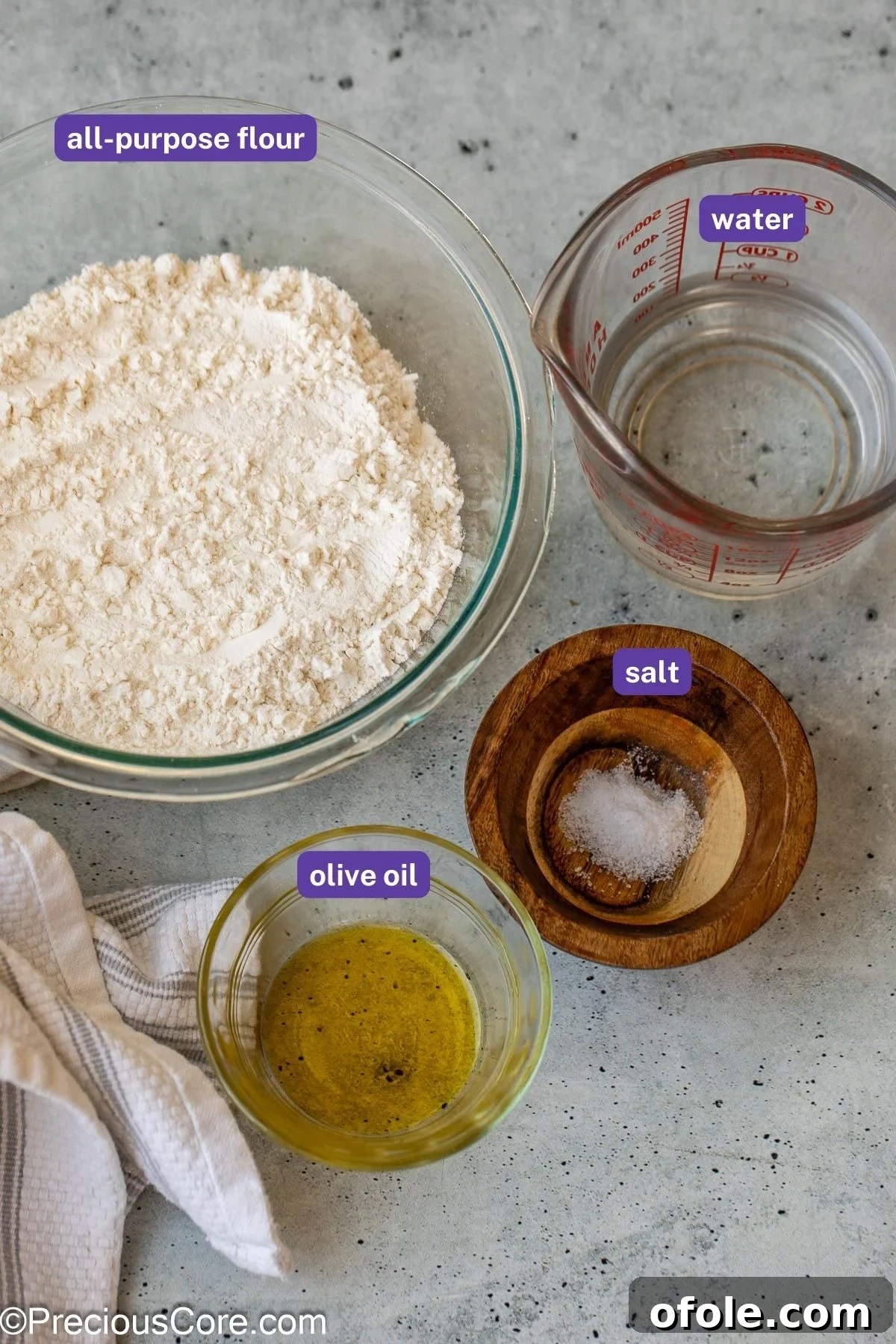
The beauty of this shawarma bread lies in its simplicity. You truly only need a handful of basic ingredients, most of which you likely already have in your pantry. Each component plays a vital role in creating the soft, pliable texture and subtle flavor that makes this flatbread so irresistible. Here’s a closer look at what you’ll need:
- All-Purpose Flour: This is the foundation of our bread. Standard all-purpose flour works wonderfully, providing the necessary structure and gluten development for a soft yet sturdy flatbread. You’ll also need a small amount of extra flour for dusting your work surface and preventing stickiness during kneading and rolling. For the best results, especially if your flour tends to clump, a quick sift beforehand can ensure a smoother dough. While I haven’t experimented extensively with whole wheat flour for this specific recipe, it typically results in a denser, less pliable bread, which might alter the desired soft shawarma texture.
- Salt: A mere ½ teaspoon of salt is all that’s required, but don’t underestimate its importance. In a recipe with so few ingredients, salt plays a crucial role in enhancing the overall flavor of the bread, bringing out the natural sweetness of the flour and making the finished product much more enjoyable. It’s a small addition that makes a significant difference.
- Oil: Olive oil is my top recommendation for this shawarma bread recipe. Its distinctive, rich flavor profile adds a wonderful depth to the dough without overpowering the other subtle notes. It also contributes to the bread’s tender texture and beautiful golden-brown spots during cooking. If olive oil isn’t available, don’t worry – you can find suitable substitutions detailed below.
You will also need some warm water. The exact measurements for all ingredients, ensuring perfect ratios, are provided in the comprehensive recipe card at the bottom of this page!
Creative Recipe Variations for Your Flatbread
While this base recipe for shawarma bread is fantastic on its own, its simplicity makes it an excellent canvas for culinary creativity. Don’t hesitate to experiment with different flavors and ingredients to tailor it to your preferences or to complement specific dishes. Traditional Middle Eastern shawarma bread is a staple, but putting your own unique twist on it can make your homemade version truly special. Here are some inspiring ideas for variations:
- Aromatic Herbs: Infuse your dough with fresh, fragrant herbs. Finely chopped parsley, rosemary, or thyme can add a beautiful complexity and aroma. Since this is a relatively small batch recipe, a tablespoon or so of fresh herbs should be plenty to impart flavor without overwhelming the bread.
- Garlic Goodness: For a delightful savory kick, consider adding about 1 teaspoon of freshly minced garlic or garlic powder to the dough. This simple addition can transform your plain flatbread into a fragrant, flavorful side dish that pairs wonderfully with a variety of meals.
- Cheesy Undertones: Who doesn’t love cheese? Incorporate a handful of shredded cheese, such as mozzarella, cheddar, or a Middle Eastern-inspired Akkawi cheese, directly into the dough while you’re kneading. As the bread cooks, the cheese will melt, creating delicious pockets of gooey flavor and a wonderfully savory aroma.
- Oven-Baked Alternative: If you prefer baking, you can certainly make a delicious baked pita-style bread in the oven. The key difference here is that oven-baked flatbreads tend to puff up much more dramatically than skillet-cooked ones, creating large pockets perfect for stuffing. Keep a close eye on them, as they cook very quickly in a hot oven. With this method, you generally won’t need to flip the dough; simply bake until golden and puffy.
Ingredient Substitutions When in a Pinch
While this recipe is designed with specific ingredients to achieve the optimal texture and flavor, there are a few substitutions you can make if necessary. However, for the best results, I always recommend sticking to the original recipe as closely as possible. If you find yourself needing to swap an ingredient, here are some reliable alternatives:
- Oil Options: If olive oil isn’t available or preferred, most neutral-flavored oils will work as a substitute. Vegetable oil, canola oil, or even a light sunflower oil can be used without significantly altering the taste profile of the bread. Avoid strongly flavored oils unless you specifically want that flavor to come through in your flatbread.
- Flour Alternatives: While all-purpose flour is ideal for its balance of gluten and tenderness, bread flour can be used in its place. Be aware that using bread flour, which has a higher protein content, might result in a slightly chewier and less tender shawarma bread. The texture difference will be subtle but noticeable. I do not recommend using cake flour or pastry flour as they have very low protein content and will result in a very crumbly bread.
Step-by-Step Guide: How To Make Shawarma Bread
Crafting this simple yet delightful shawarma bread is an enjoyable process. Follow these straightforward steps to achieve perfectly soft and pliable flatbreads:
- In a spacious mixing bowl, combine the all-purpose flour and salt. Create a small well in the center of the dry ingredients. Pour the warm water and olive oil into this well. Using your hands or a sturdy spoon, mix the ingredients until they come together to form a rough dough.
- Transfer the dough to a lightly oiled bowl (this prevents sticking during resting) and cover it tightly with a clean kitchen towel or plastic wrap. Allow the dough to rest at room temperature for approximately 30 minutes. This resting period is crucial as it allows the gluten to relax, making the dough much easier to handle and roll out later. Do not refrigerate the dough for this step.
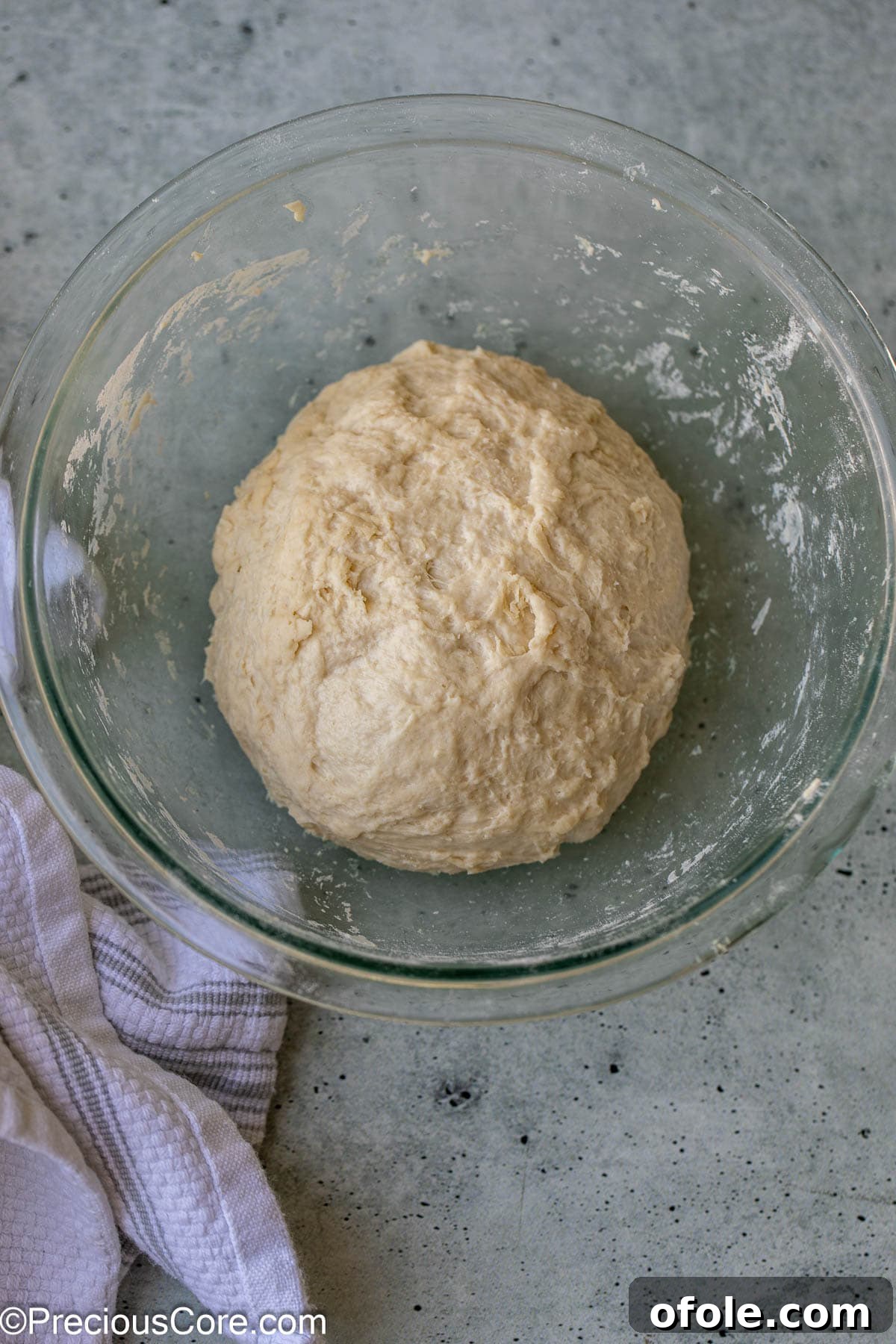
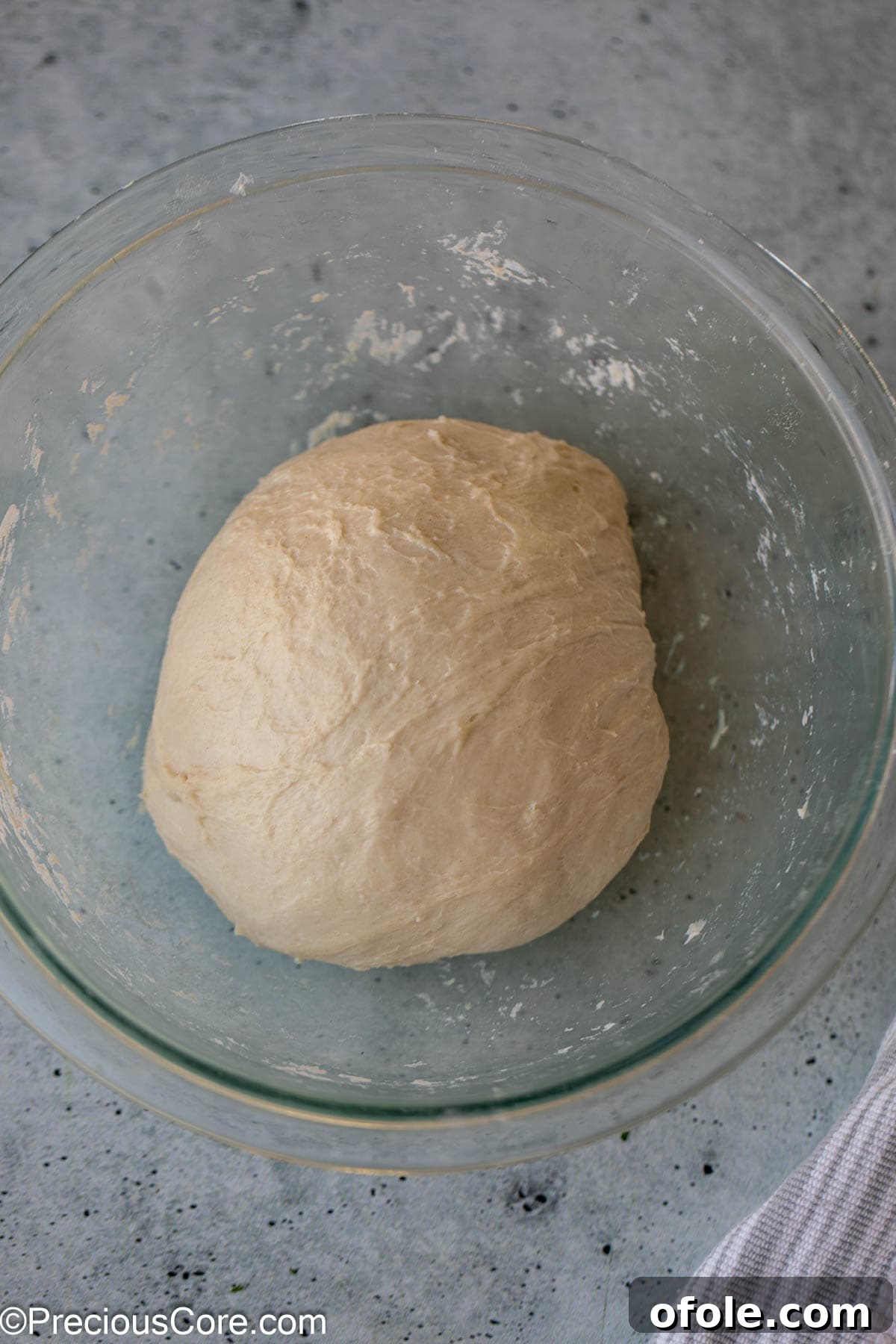
3. After resting, gently transfer the dough to a clean, lightly floured work surface. Knead the dough for another 2 minutes. During this second kneading, sprinkle additional flour as needed, just enough to prevent the dough from sticking to your hands or the surface. The goal is a soft, smooth dough that is no longer sticky. This final knead helps develop the texture further.
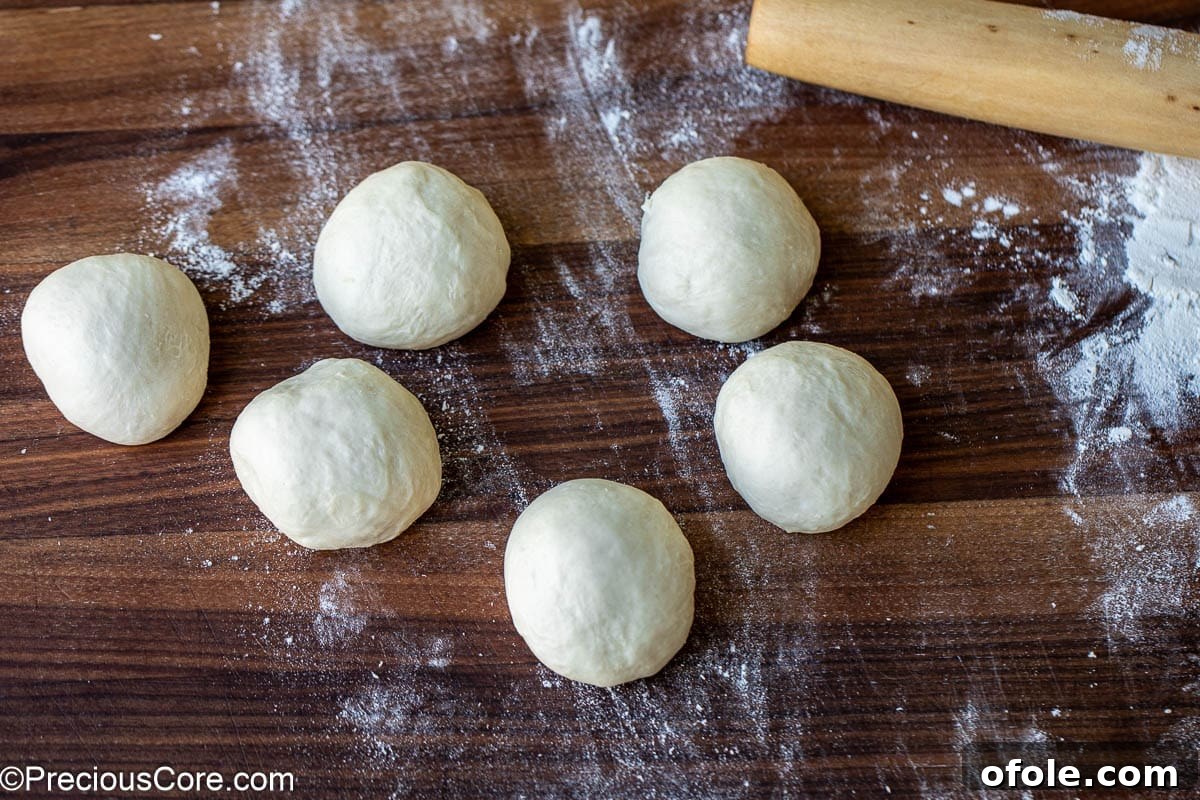
4. Once your dough is perfectly smooth and soft, dust your working surface once more with a light sprinkle of flour. Divide the dough into six equal pieces. Roll each piece into a neat, uniform ball.
5. Take one dough ball at a time and, using a rolling pin, roll it out into a thin, flat circle, approximately 8 to 9 inches in diameter. Don’t worry too much about achieving a perfectly symmetrical circle; slightly irregular shapes are part of the charm of homemade bread.
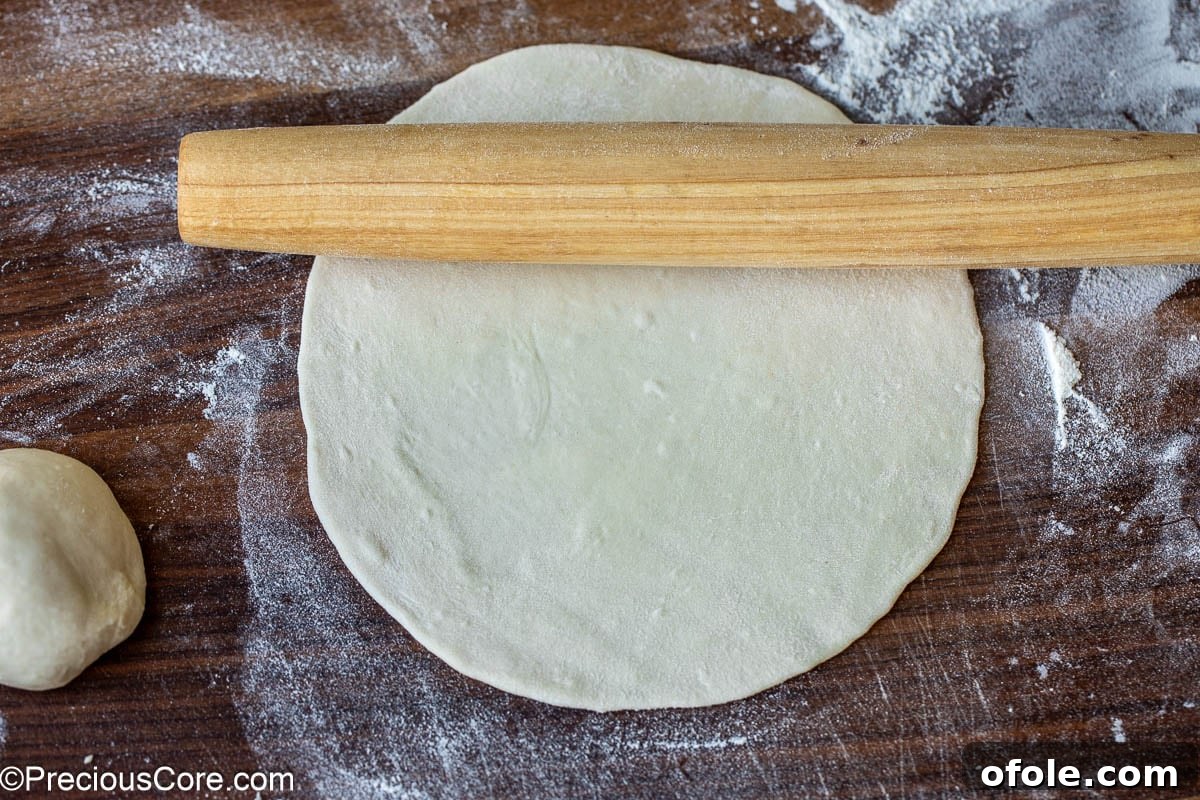
6. Heat a non-stick frying pan or a cast iron skillet over high heat until it’s very hot. Place one rolled dough circle into the hot pan. Cook for about 1 minute 30 seconds to 2 minutes on the first side. You’ll notice the bread begin to puff up dramatically and become fluffy, indicating that it’s cooking through and forming those wonderful air pockets.
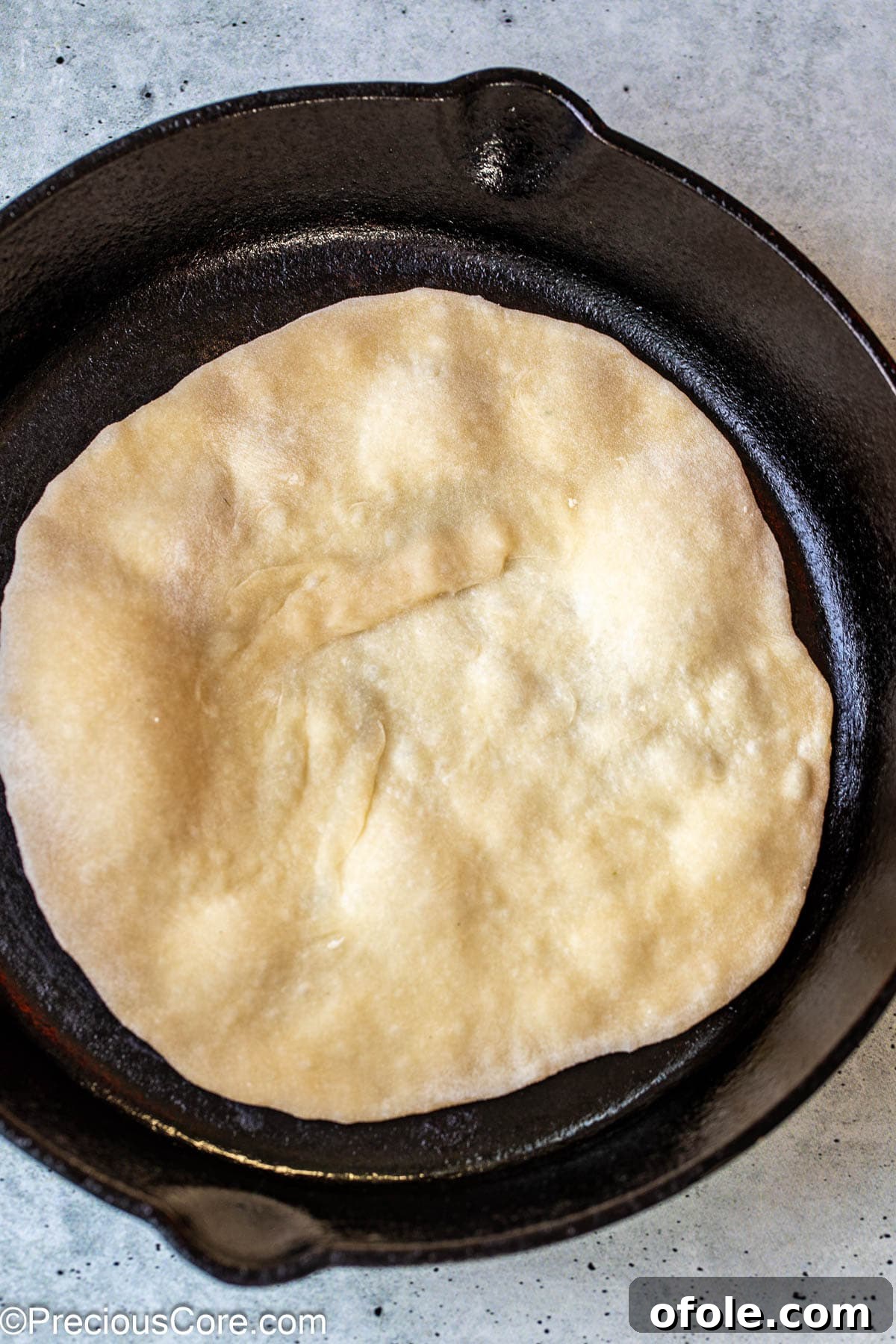
7. Once the first side is cooked and has developed golden brown spots, flip the bread to the other side. Continue to cook for approximately 1 minute, or until this side also shows golden brown spots and is fully cooked.
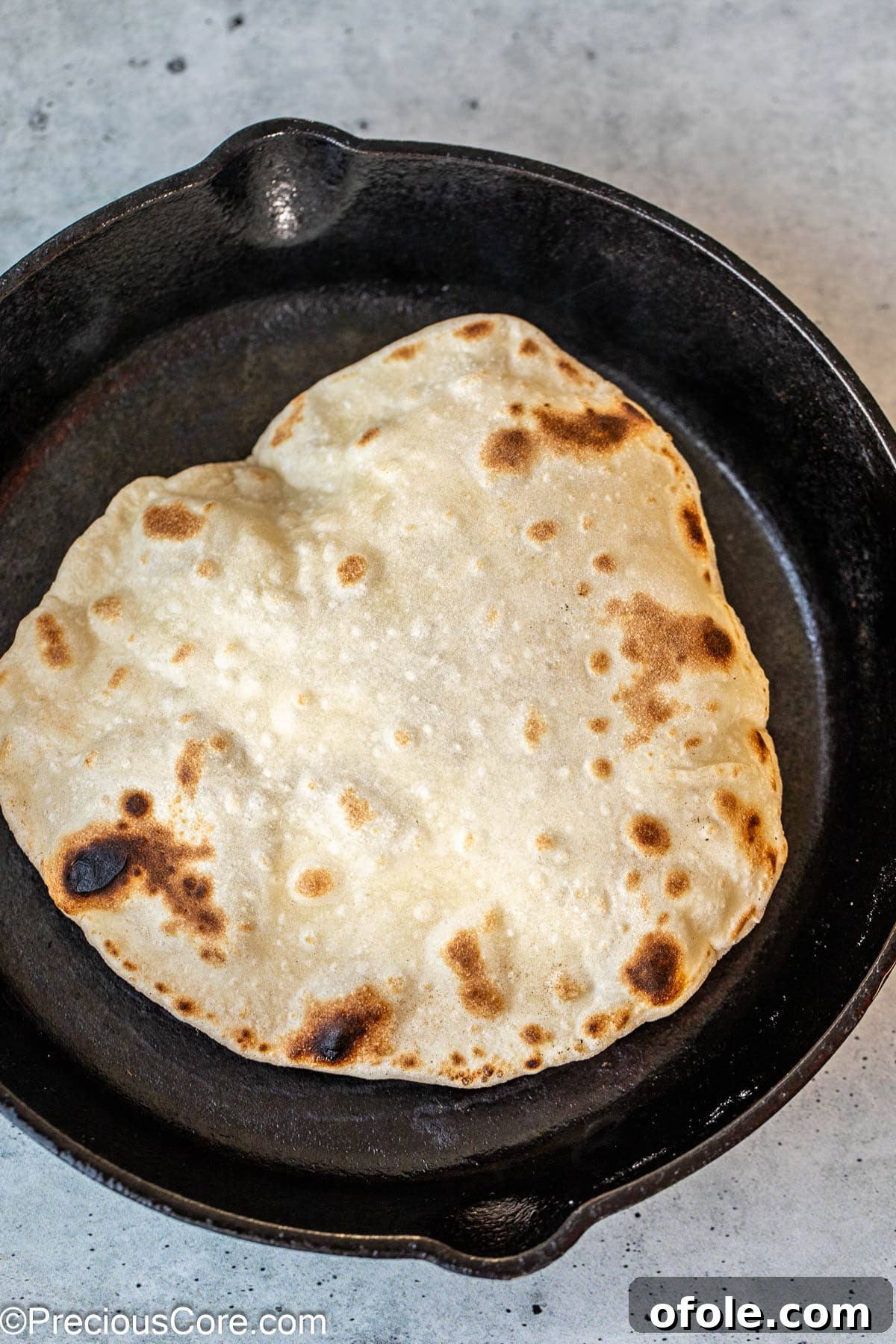
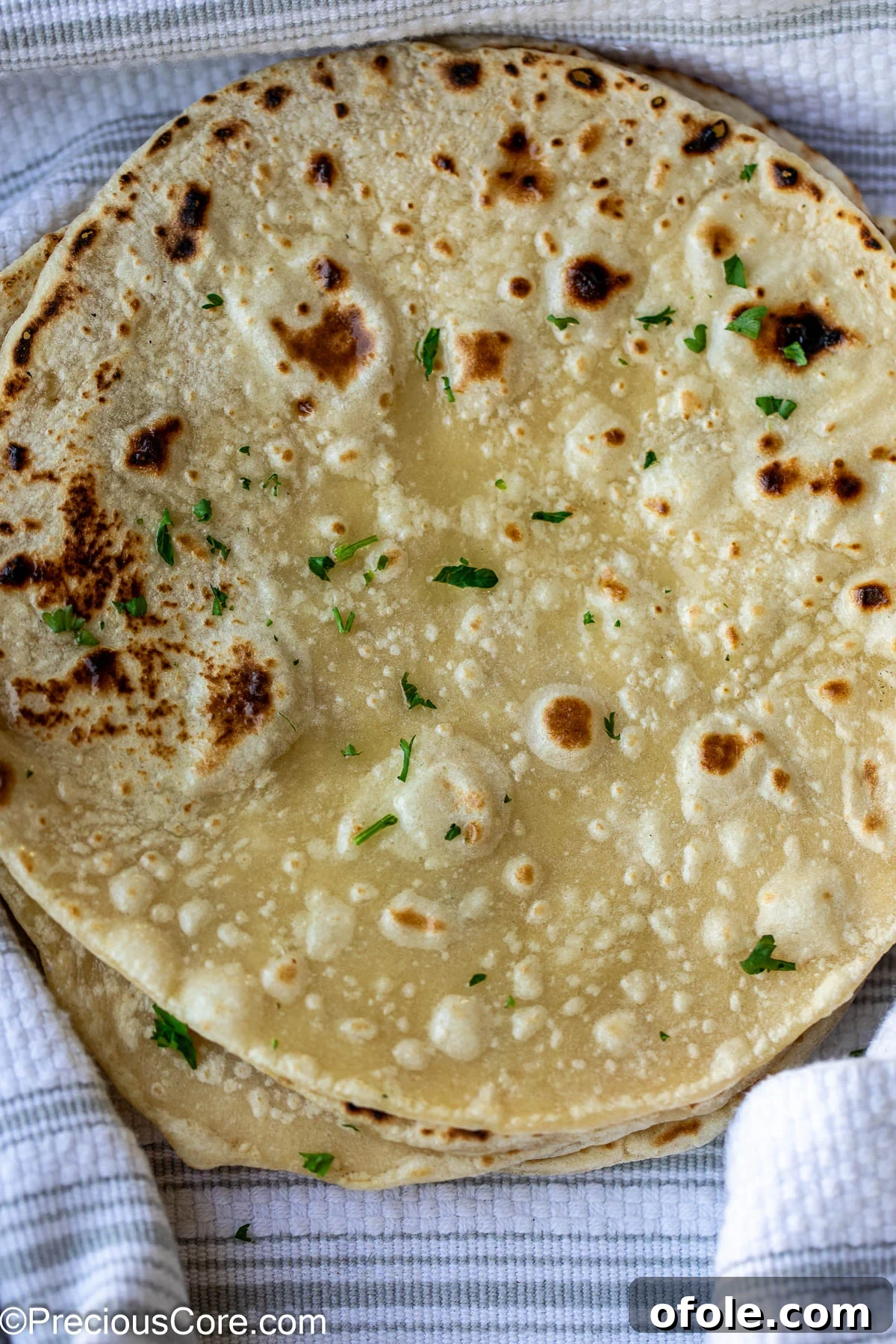
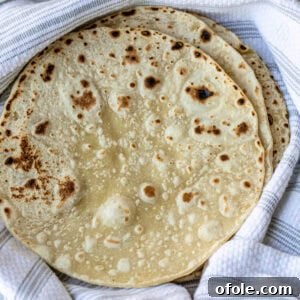
8. As each flatbread finishes cooking, stack them one on top of the other and immediately wrap them tightly in a clean kitchen towel. This step is essential for trapping steam and keeping the breads warm and wonderfully soft until you’re ready to serve them. Continue with the remaining dough pieces.
Serve your warm, freshly made shawarma bread smeared with a little butter for a simple treat, or use it as the perfect foundation for building delicious wraps for breakfast, lunch, or dinner. Enjoy the fruits of your labor!
Top Tip: When you’re kneading the dough, whether it’s the initial mix or the second knead, aim for a smooth, elastic consistency. The dough should feel soft to the touch but not overly sticky. This ensures the gluten is properly developed and relaxed, making it easier to roll out evenly. Covering the dough during its resting period is crucial; it prevents the surface from drying out and allows the gluten to relax completely, contributing to the ultimate pliability of your finished shawarma bread.
Expert Tips for Flawless Shawarma Bread
Achieving perfect shawarma bread consistently is easy with a few insider tips:
- Scale Up for a Crowd: This recipe yields 6 delicious pieces, which is perfect for a small family or meal prep. If you’re cooking for a larger gathering or simply want to have extra on hand, feel free to double or even triple the recipe. A doubled recipe will give you 12 pieces, ensuring everyone gets to enjoy this delightful Greek pita bread substitute.
- Patience is Key While Cooking: Resist the urge to flip the shawarma bread too soon. Allow the first side to cook sufficiently until it visibly puffs up and forms small bubbles. This indicates that the internal structure is developing properly. Once the bottom surface shows lovely golden brown spots, it’s the ideal time to flip. Flipping too early can prevent the bread from puffing and may result in a dense texture.
- Ensure Adequate Skillet Heat: If your bread isn’t puffing up or developing bubbles as expected, the most common culprit is a skillet that isn’t hot enough. Always preheat your frying pan or cast iron skillet thoroughly over high heat before adding the first piece of dough. A hot pan is crucial for that immediate puff and even cooking.
- Versatile Serving Ideas: Beyond simply using it as a wrap, homemade shawarma bread offers a world of culinary possibilities. Transform it into crispy flatbread by toasting it lightly in a toaster oven, then load it with fresh toppings like crisp lettuce, diced tomatoes, cucumbers, onions, crumbled feta cheese, and your choice of falafel or grilled meat. It also makes an incredible dipper for creamy hummus, baba ghanoush, or other rich Middle Eastern dips.
- Storage and Longevity: To keep leftover shawarma bread fresh, allow it to cool completely, then store it in a resealable gallon-sized bag. Press out as much air as possible before sealing. It can be kept at room temperature for 2-3 days. For longer storage, this bread freezes beautifully. Wrap individual pieces or stacks in plastic wrap, then place them in a freezer-safe bag. Thaw at room temperature and reheat gently in a dry skillet or microwave.
- Creative Pizza Base: This versatile flatbread also makes an excellent, quick pizza base! Spread it with your favorite Roasted Tomato Pizza Sauce, sprinkle with mozzarella cheese and your preferred toppings, then bake in a hot oven until the cheese is bubbly and golden. It’s a fantastic way to enjoy a homemade pizza in minutes.
What Bread is Typically Used For Shawarma?
When it comes to authentic shawarma, the bread component is just as crucial as the succulent meat and vibrant toppings. Traditionally, two main types of bread are used to encase the flavorful fillings: flour tortillas and pita bread. Both offer a soft, pliable base, but they do have distinct characteristics. Pita bread, a staple in Middle Eastern cuisine, is generally thicker than a standard flour tortilla and often has a signature pocket that forms during baking, perfect for stuffing. Flour tortillas, while not traditionally Middle Eastern, are widely used for their flexibility and soft texture, particularly in Western adaptations of shawarma.
This particular shawarma bread recipe can be best described as a hybrid – it embodies the tenderness and pliability of a good pita bread or flour tortilla but with a unique characteristic: it’s made without yeast. This means it lacks the distinct yeasty flavor and chewier texture often found in traditional pita, offering instead a simpler, cleaner taste that truly lets the shawarma fillings shine. Its thinner profile and quick stovetop cooking make it more akin to a soft, thin flatbread, ideal for wrapping without tearing.
Serving Suggestions for Your Homemade Shawarma Bread
This incredible homemade shawarma bread is the perfect accompaniment to a variety of dishes. Its versatility means it can enhance almost any meal. Here are some of my favorite recipes to serve alongside your freshly made flatbread:
Classic Beef Shawarma Recipe
Authentic Shawarma Sauce
Juicy Grilled Boneless Chicken Thighs
If you try this recipe, please consider leaving a star rating below. Your feedback helps other home cooks discover and enjoy this recipe, and I always love to hear about your culinary successes! Thank you for your support!
Shawarma Bread
Pin Recipe
Rate
Print Recipe
Ingredients
- 2 cups all-purpose flour plus 1 to 3 Tablespoons more for kneading
- ½ teaspoon salt
- ¾ cup warm water
- 1 Tablespoon oil (I used olive oil)
Instructions
-
In a medium mixing bowl, combine the flour and salt. Make a well in the middle and add the water and oil. Mix to combine and knead the dough for 2 minutes. Cover the dough with a clean kitchen towel and let it rest for 30 minutes at room temperature.
-
Transfer the dough to a floured, clean working surface and knead again for another 2 minutes, sprinkling more flour as needed to prevent sticking. Aim for a soft but not sticky dough for the best soft shawarma bread.
-
Dust the working surface with flour, and divide the dough into six equal pieces. Form a ball with each piece. Roll out each ball of dough into an 8 to 9-inch circle using a rolling pin. Imperfect circles are perfectly fine!
-
Heat a non-stick skillet or cast iron pan over high heat until very hot. Cook one flatbread for 1½ to 2 minutes on the first side until it visibly puffs and turns fluffy. Flip it to the other side when it develops golden spots. Cook on the second side for about 1 minute until it also has golden spots.
-
Keep the cooked flatbreads stacked and immediately wrapped in a clean kitchen towel to keep them warm and soft until serving.
-
Serve warm smeared with butter or use to build delicious wraps for breakfast, lunch, or dinner.
Notes
- Any neutral-tasting oil, such as vegetable or canola oil, can be used as a substitute for olive oil in this recipe.
- There is no need to add oil to the pan when cooking the shawarma bread. Adding oil can cause the bread to crisp up too much, which is not the desired tender texture for this flatbread. Cook it in a dry, hot skillet.