
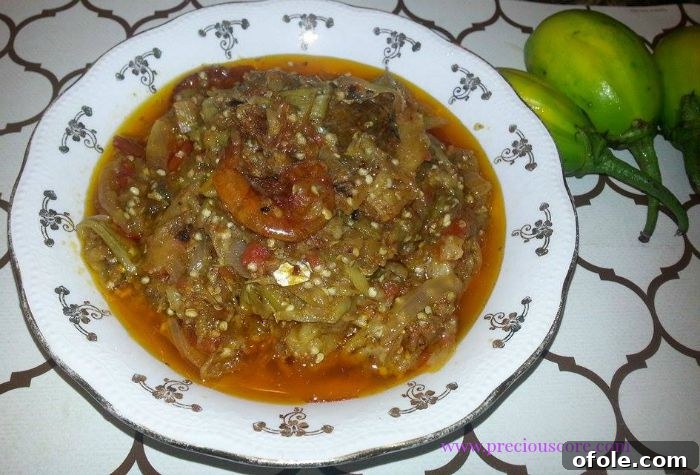
Unveiling the Richness of Garden Egg Stew (Njakatu): A Taste of Home Away From Home
Stepping onto American soil, many immigrants carry a piece of their homeland not just in their hearts but also in their culinary memories. For me, that connection was deeply tied to the vibrant flavors of African cuisine, particularly a cherished fruit known as the Garden Egg. Back home, its presence was a given, an integral part of everyday meals and special occasions. What no one prepared me for, however, was the profound joy of rediscovering this culinary gem in an unexpected place: the bustling aisles of a local farmers’ market here in America. The sight of those familiar green and white globes brought an instant rush of nostalgia, a sweet reminder of family, tradition, and the comforting tastes of childhood.
That moment of serendipitous discovery ignited a desire to recreate one of my favorite dishes, a hearty and flavorful Garden Egg Stew, affectionately known as Njakatu in Cameroon. It’s more than just a recipe; it’s a journey back to the roots, a celebration of heritage, and a testament to the universal language of food that transcends borders and cultures. Join me as we explore the wonders of the Garden Egg and embark on the creation of this soul-satisfying stew.
Understanding the Versatile Garden Egg: Africa’s Beloved Fruit
The Garden Egg, botanically classified as Solanum aethiopicum, is a fascinating fruit belonging to the diverse Solanaceae family, making it a close relative to the common eggplant (aubergine) and even the tomato. Often referred to as African Eggplant, its appearance can vary, ranging from small, round, and white to larger, oval, and green varieties, sometimes even displaying hints of purple. Despite its common name, it is technically a fruit, much like its tomato cousin, and holds immense culinary value across West and Central Africa.
Its flavor profile is unique – when eaten raw, it offers a distinctive slight bitterness, beautifully complemented by a subtle, underlying sweetness. This duality makes it incredibly versatile. Beyond its delightful taste, the Garden Egg is a powerhouse of nutrition. It’s rich in dietary fiber, which aids digestion and promotes gut health. It also contains essential vitamins like Vitamin B complex, Vitamin C, and minerals such as potassium, manganese, and copper. Studies suggest its antioxidant properties contribute to overall well-being, potentially helping in blood sugar regulation and cardiovascular health. Its low calorie content also makes it a healthy addition to any diet.
From the bustling markets of Accra to the quiet villages of Cameroon, the Garden Egg is a staple. It can be enjoyed in various forms: raw, boiled, roasted, fried, or stewed. Each preparation method brings out a different facet of its complex flavor, making it a beloved ingredient in countless traditional dishes.
Cultural Tapestry: Garden Egg in African Traditions
The Garden Egg is deeply woven into the cultural fabric of many African communities, serving not just as food but as a symbol of hospitality, celebration, and tradition. In my Cameroonian upbringing, I distinctly recall my father’s preference for pairing his traditional Achu – a savory cocoyam and plantain fufu – with simply boiled and peeled Garden Eggs. The creamy texture of the Achu found its perfect counterpoint in the slightly firm, subtly bitter notes of the cooked garden egg, creating a balanced and wholesome meal.
Across different ethnic groups, the usage of Garden Egg takes on diverse and equally significant forms. In my mother’s culture, it is traditionally consumed raw, often served alongside a rich, nutty groundnut paste, especially during cultural gatherings, ceremonies, and celebrations. This simple yet profound pairing is not merely a snack; it often precedes more elaborate meals, symbolizing unity and community. Similarly, among the Igbos of Nigeria, raw Garden Eggs and groundnut (peanut) paste are a common sight at events, offered as a welcoming gesture to guests, fostering a sense of warmth and conviviality. This practice underscores the fruit’s role in social rituals, acting as an appetizer that prepares the palate and warms the spirit before communal feasts. These traditions highlight the Garden Egg’s versatility and its enduring importance in African culinary heritage.
Crafting the Perfect Garden Egg Stew: Njakatu Delight
While the raw and boiled preparations have their charm, stewing the Garden Egg transforms it into a rich, aromatic, and deeply satisfying dish. Today, I am thrilled to share with you the secrets to preparing a truly exceptional Garden Egg Stew, or Njakatu, that captures the essence of African comfort food. The key to unlocking the full potential of this stew, especially when aiming for a sweet and balanced flavor profile, lies in generosity – specifically, with your tomatoes and crayfish. These ingredients are crucial as they masterfully downplay the Garden Egg’s inherent slight bitterness, elevating the stew to a palatable, utterly delightful experience. The sweetness of ripe tomatoes combined with the umami depth of crayfish creates a harmonious blend that is simply irresistible. So, gather your ingredients, and let’s dive into the heartwarming process of stewing some glorious Njakatu!
GARDEN EGG STEW – NJAKATU RECIPE
Prep Time: 30 minutes
Cook Time: 30 minutes
Total time: 1 hour
Serves: 4
You’ll Need:
- 10 medium-sized Garden Eggs (African Eggplant)
- 6 large, ripe tomatoes, or 1 can (14.5 oz) diced tomatoes
- ¾ cup dried crayfish, finely ground
- 1 cup dried fish (e.g., stockfish, smoked mackerel) or dried shrimps, cleaned and flaked
- 1 medium-sized onion, chopped
- ½ cup vegetable oil or palm oil (or a combination for richer flavor)
- 1 large seasoning cube (crayfish or shrimp flavor preferred)
- Salt to taste
- 1 habanero pepper (or Scotch Bonnet), finely minced (optional, for heat)
- Water (as needed for boiling and simmering)
Here is what you need to do:
Follow these steps carefully to achieve a wonderfully rich and flavorful Garden Egg Stew:
-
Prepare the Garden Eggs: Begin by washing your garden eggs thoroughly. Place them in a pot, cover with water, and bring to a boil. Cook until they are very tender, easily pierced with a fork, but not mushy. This usually takes about 15-20 minutes depending on their size. They should soften significantly and might change color slightly.
Once tender, drain the water and allow the garden eggs to cool slightly. Their skins should be soft and pliable, making them easy to peel. For a visual guide on the desired tenderness, take another look:
-
Peel and Mash: Once cooled enough to handle, gently peel off the thin, light skins from each garden egg. Place the peeled garden eggs into a clean bowl.
Using a wooden spoon or a potato masher, LIGHTLY mash the garden eggs. The goal is to achieve a chunky, slightly textured consistency, not a smooth paste. Bits of the garden egg should still be discernible, adding character to the stew.
Set the mashed garden eggs aside.
-
Prepare the Flavor Base: Heat your chosen oil (vegetable, palm, or a mix) in a large pot or deep pan over medium heat. Add the chopped onions and sauté until they become translucent and fragrant, developing a beautiful golden hue. This step is crucial for building a foundational flavor.
Next, add your chopped fresh tomatoes (or canned diced tomatoes) to the pot. Fry them thoroughly, stirring occasionally, until their acidic taste is lost and the oil begins to separate from the tomato paste. This process, often called “frying down” the tomatoes, deepens their flavor and removes any raw taste.
- Incorporate Aromatics and Proteins: Once the tomatoes are well-fried, add the finely ground crayfish to the pot. Stir it in quickly for just a few seconds. The hot oil will immediately release a beautiful, ethnic aroma from the crayfish, but be careful not to overcook it, as crayfish can burn fast and turn bitter. Immediately after stirring in the crayfish, add the minced habanero pepper (if using), cleaned dried fish/shrimps, and the seasoning cube. Stir everything together to combine the flavors.
- Final Combination and Simmer: Finally, add your lightly mashed garden eggs to the pot with the tomato-crayfish mixture. Stir gently but thoroughly to ensure all the ingredients are well incorporated. Add salt to taste. Allow the stew to simmer on low heat for about 5 to 7 minutes, stirring occasionally to prevent sticking and to allow the flavors to meld beautifully. The stew should thicken slightly and achieve a rich, inviting aroma.
Serving Suggestions for Your Njakatu Stew
That’s it! Your delectable Garden Egg Stew, Njakatu, is now ready to be savored. This versatile stew pairs wonderfully with a variety of starchy accompaniments, making it a perfect meal for any time of the day. For a traditional African experience, serve it alongside fluffy boiled yams, perfectly cooked plantains (ripe or unripe, depending on your preference), or even hearty boiled cocoyams. It also tastes incredible with creamy sweet potatoes, classic Irish potatoes, or even wholesome cassava. Each pairing offers a different textural and flavor dynamic, allowing you to enjoy the stew in multiple ways. Don’t hesitate to explore and find your favorite combination!
Chef’s Notes & Variations: Elevate Your Garden Egg Stew
While the recipe provides a fantastic foundation, don’t be afraid to personalize your Njakatu stew to suit your palate and ingredients on hand. Here are some tips to truly ‘jazz up’ your stew and add layers of exciting flavor:
- Aromatic Boost: To add an extra dimension of flavor, consider adding some freshly ground garlic and ginger paste to the fried tomatoes. Introduce them after the onions have softened but before adding the tomatoes. This will infuse the oil with their pungent aroma and taste, creating a more robust base for your stew. I often add a pinch of white pepper as well; it introduces a subtle warmth and richness that is truly delightful.
- Protein Powerhouse: The beauty of this stew lies in its adaptability. While dried fish and shrimps offer a distinct umami, feel free to incorporate other proteins of your choice. Smoked fish, fresh fish (like tilapia or mackerel, added towards the end of simmering to avoid breaking), or even diced beef or chicken (cooked separately and added to the stew) can make the meal incredibly exciting and filling. Stockfish and dried shrimps, as used in this recipe, lend an unparalleled depth of flavor that is insanely yummy!
- Green Goodness: For an added nutritional boost and a pop of color, stir in a handful of fresh leafy greens like spinach, kale, or even traditional fluted pumpkin leaves (Ugu) during the last few minutes of simmering. This adds freshness and a vibrant texture.
- Spice It Up: If you enjoy more heat, you can increase the amount of habanero pepper or add a dash of cayenne pepper. For a milder flavor, omit the habanero entirely.
- Storage and Reheating: Leftover Njakatu stew stores beautifully in an airtight container in the refrigerator for up to 3-4 days. It can also be frozen for longer storage (up to 2-3 months). Reheat gently on the stovetop, adding a splash of water if needed to restore its consistency. The flavors often deepen overnight, making it even more delicious the next day!
Experimentation is key in the kitchen, so feel empowered to make this recipe your own. Enjoy the process of creating this flavorful piece of Africa right in your kitchen. Lots of love!