
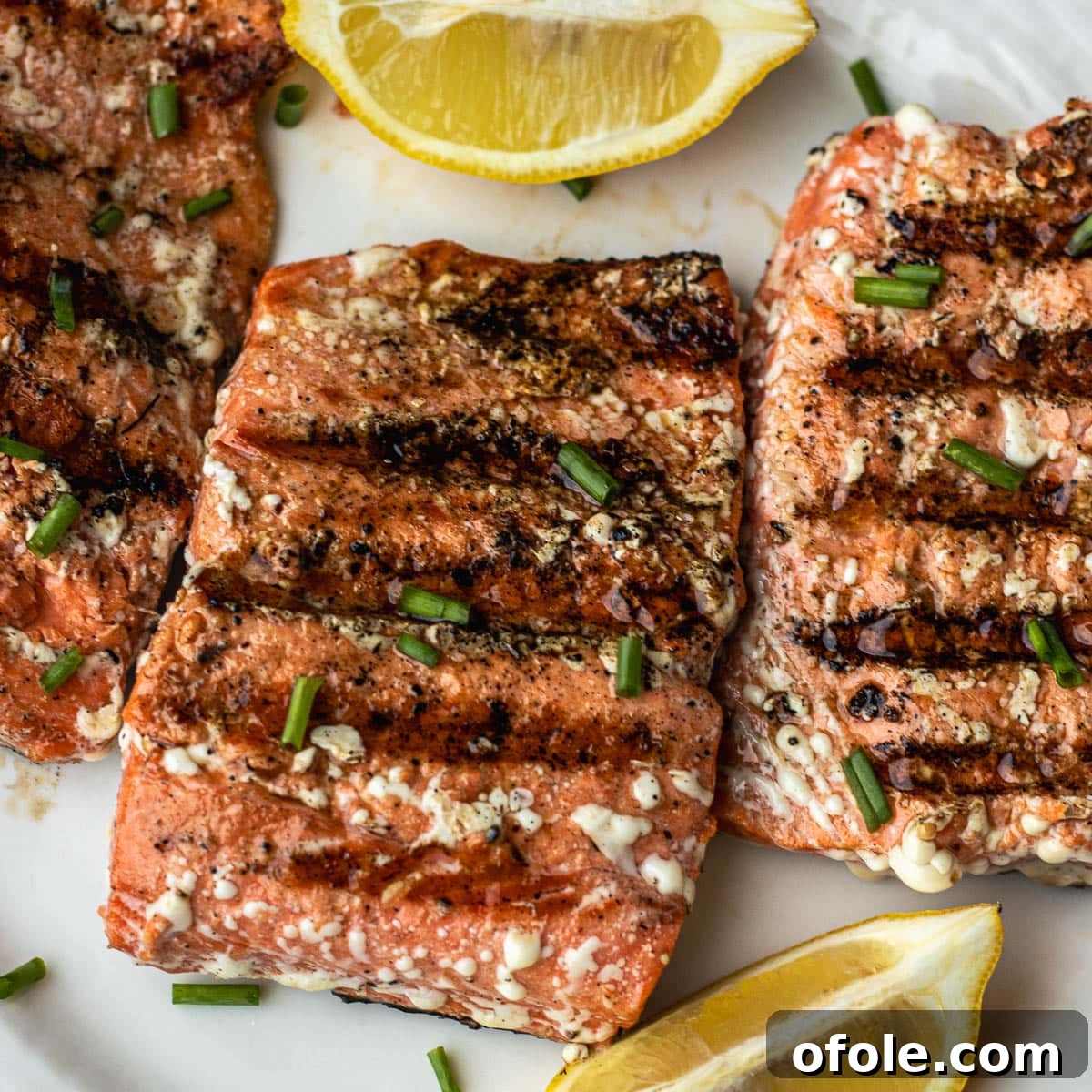
Perfect Grilled Sockeye Salmon: A 4-Ingredient Recipe for Healthy Meals
Prepare to delight your taste buds with this unbelievably delicious Grilled Sockeye Salmon. Requiring just four simple ingredients, this recipe promises a flavorful and satisfying meal that’s sure to impress. Whether you prefer the smoky char of an outdoor grill or the convenience of a stovetop grill pan, we’ll guide you through the process to achieve perfectly cooked salmon every single time.
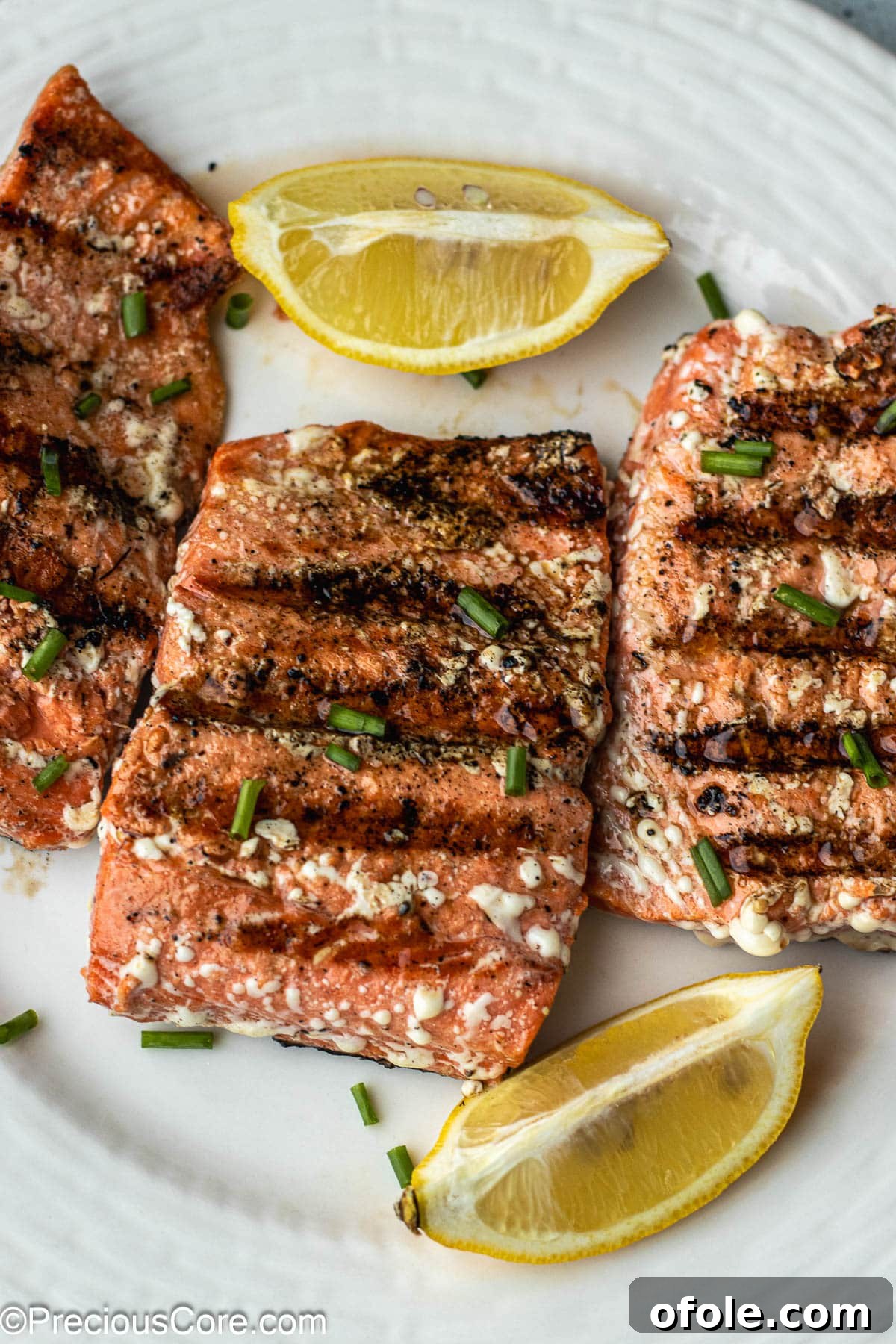
Fish is a staple in many healthy diets, and for good reason! It’s packed with essential nutrients and offers a lighter alternative to many red meats. While we love diverse fish dishes, such as Pan Seared Tilapia and whole grilled options like Grilled Whole Red Snapper or Oven Grilled Tilapia, there’s something uniquely special about sockeye salmon.
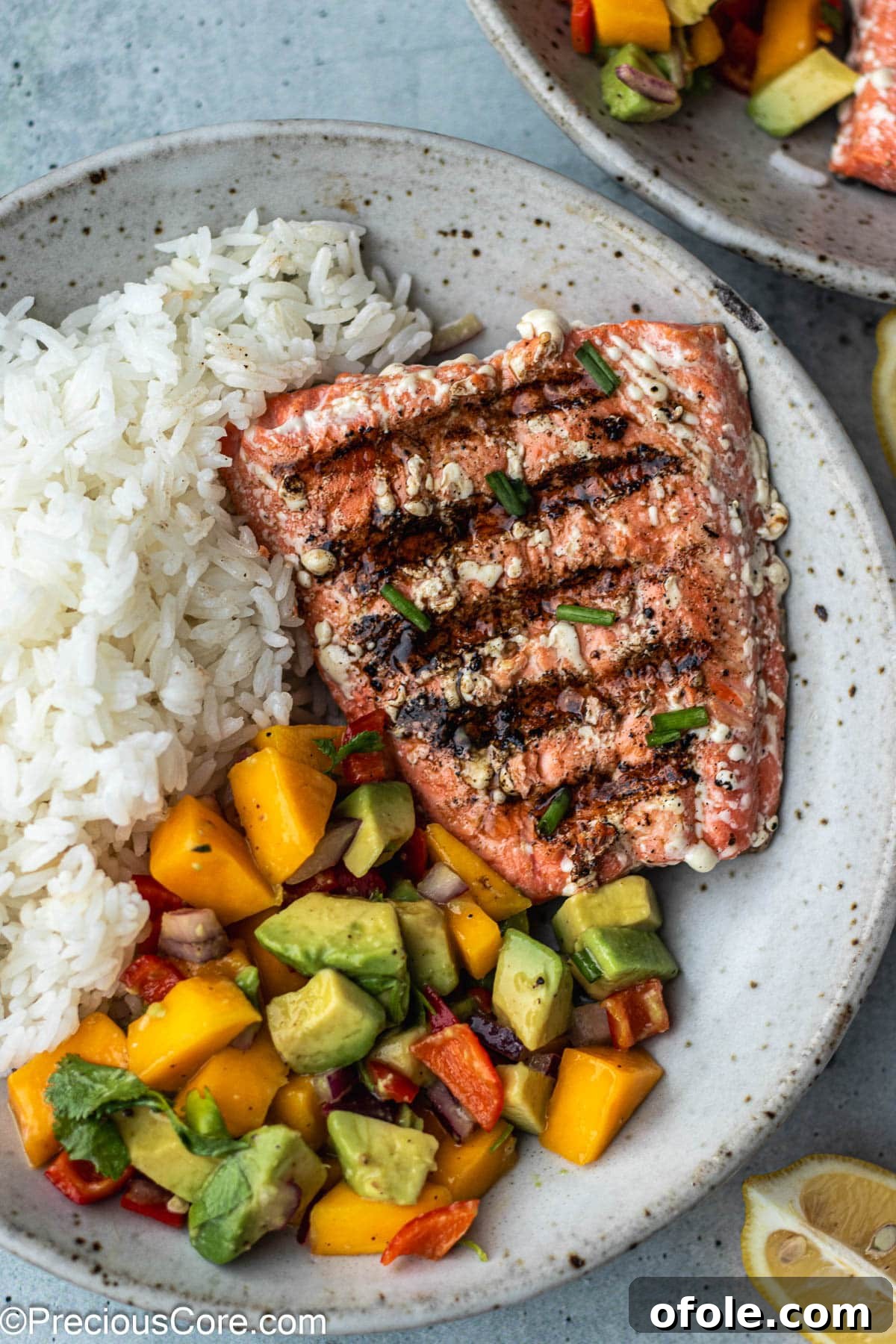
If you’re new to cooking fish, or simply looking for an effortless yet elegant recipe, this Grilled Sockeye Salmon is an excellent starting point. Its simplicity allows the natural, rich flavor of the salmon to shine. Pair it with vibrant Mango Avocado Salsa and aromatic Garlic Herb Rice, and you’ll experience a meal that tastes like pure indulgence, yet is wonderfully wholesome.
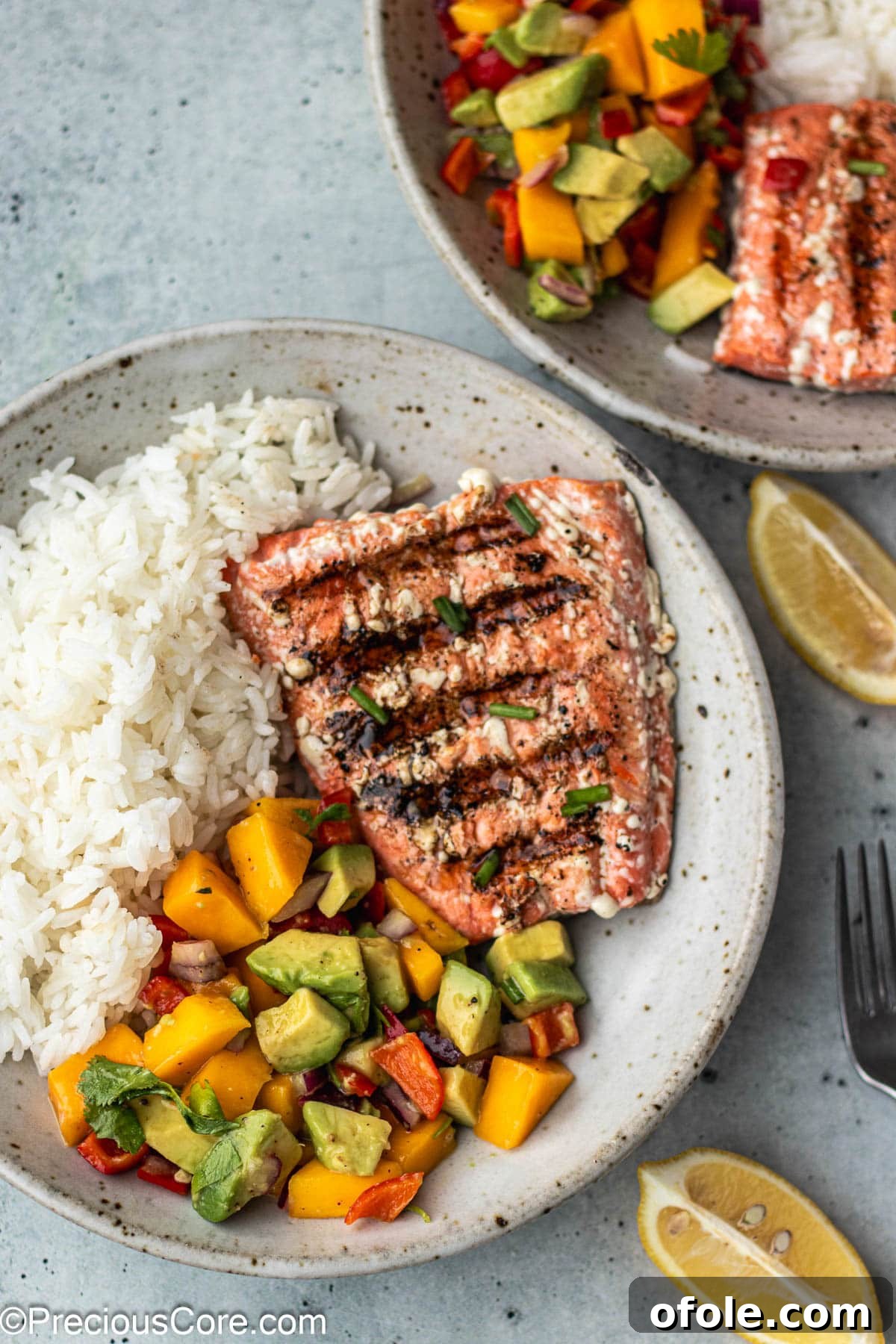
Table of Contents
- Why This Recipe Works
- The Power of Sockeye Salmon
- Essential Ingredients for Grilled Sockeye Salmon
- How to Perfectly Grill Sockeye Salmon
- Knowing When Your Salmon Is Done
- Expert Tips for Flawless Grilled Sockeye Salmon
- Recommended Equipment for Grilling Fish
- Frequently Asked Questions About Grilled Salmon
- Serving Suggestions
- More Delicious Salmon Recipes
- Explore More Grilling Recipes
- Grilled Sockeye Salmon Recipe Card
Why This Recipe Works
This grilled sockeye salmon recipe stands out for several compelling reasons, making it a go-to for busy weeknights and special occasions alike:
- Minimal Ingredients, Maximum Flavor: You only need four ingredients to create a truly spectacular dish. This simplicity allows the inherent richness of the sockeye salmon to truly shine, proving that extraordinary flavor doesn’t require a complex pantry.
- Lightning-Fast Preparation: From start to finish, your salmon will be ready in under 20 minutes. This makes it an ideal choice for those hectic days when you crave a homemade, healthy meal without spending hours in the kitchen.
- Nutritional Powerhouse: Sockeye salmon is not just delicious; it’s incredibly healthy. Rich in omega-3 fatty acids, vitamins, and minerals, it offers significant benefits for heart health, brain function, and overall well-being. It’s a smart choice for a balanced diet.
- Incredibly Versatile: Don’t limit yourself to just serving fillets! Flake the grilled salmon and incorporate it into various dishes. It’s fantastic for making gourmet fish tacos, adding protein to a fresh Lettuce Salad, or building a vibrant rice bowl. The culinary possibilities are truly endless.
- Excellent for Meal Prep: Grill a larger batch of salmon ahead of time and store it in the fridge. It reheats beautifully or can be enjoyed cold in salads and sandwiches throughout the week, making healthy eating convenient and consistent.
The Power of Sockeye Salmon
When it comes to choosing salmon, sockeye is often celebrated for its distinct flavor, vibrant color, and impressive nutritional profile. It’s a wild-caught variety, typically boasting a deeper, more intense orange-red hue compared to the paler pink of Atlantic salmon, which is often farmed.
Beyond its aesthetic appeal, sockeye salmon is a superior choice for its health benefits. It’s renowned for its high concentration of omega-3 fatty acids (EPA and DHA), which are crucial for cardiovascular health, reducing inflammation, and supporting cognitive function. Furthermore, wild sockeye generally contains less fat than farmed salmon, making it a leaner protein option, while still providing essential vitamins like D and B12, and minerals such as selenium. Opting for wild-caught sockeye ensures you’re getting a purer, more natural product with a robust, unadulterated flavor that truly stands out on the grill.
Essential Ingredients for Grilled Sockeye Salmon
This recipe is a testament to the idea that great food doesn’t need a long list of ingredients. With just four simple items, you can achieve a grilled salmon that’s bursting with natural flavor. Here’s what you’ll need:
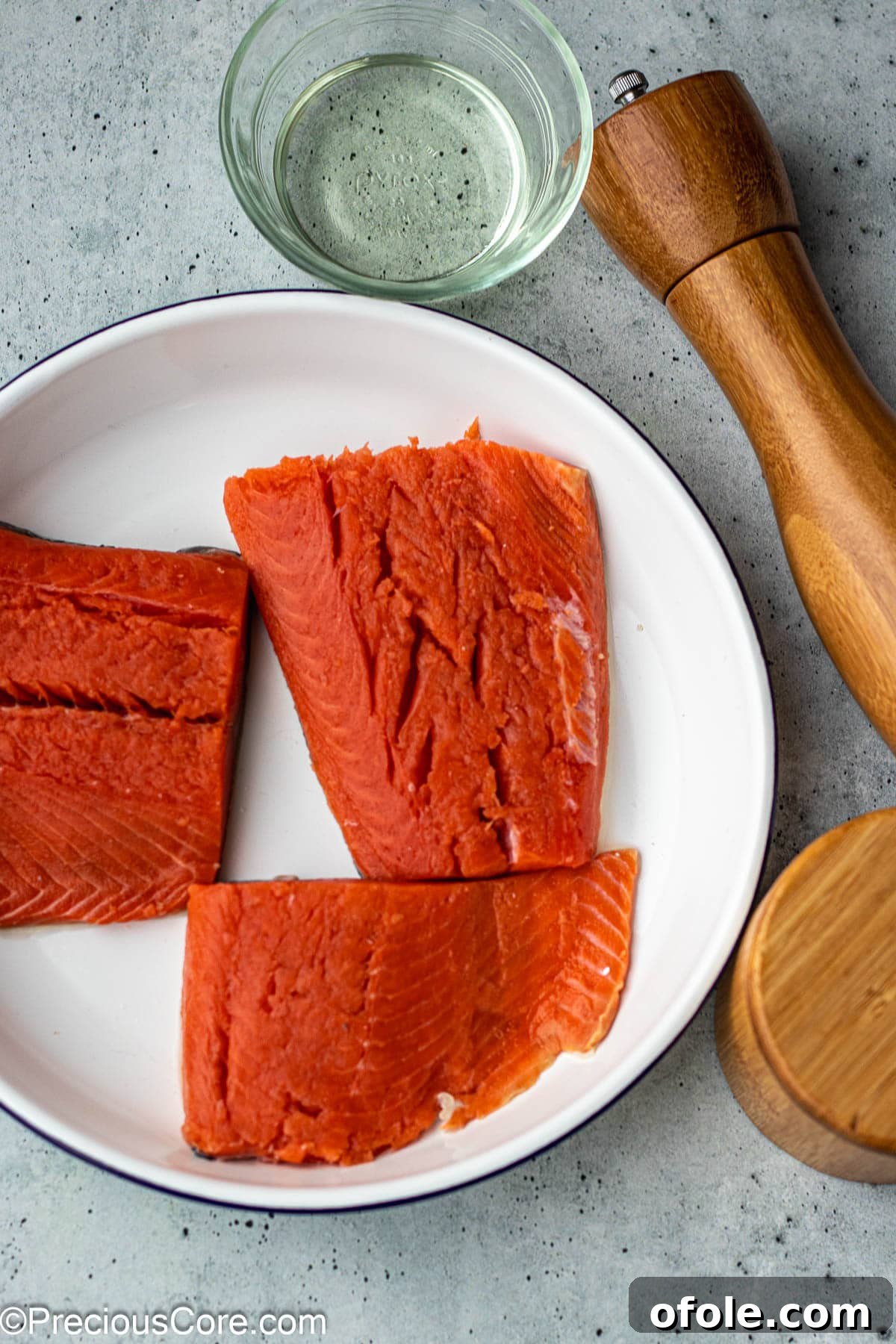
- Wild Sockeye Salmon: As discussed, wild-caught sockeye is preferred for its deep color, firm texture, and superior nutritional value. Its rich, distinctive flavor needs very little enhancement. If wild sockeye isn’t available, ensure you choose “responsibly farmed” salmon if opting for farmed varieties to support sustainable practices. A good weight for 3-4 servings is typically 1 pound, cut into individual steaks or one large fillet.
- Olive Oil: A generous coating of olive oil is crucial for two reasons. Firstly, it helps to prevent the fish from sticking to the grill grates, ensuring an easy flip and intact skin. Secondly, it contributes to a beautiful golden crust and helps retain moisture, preventing the salmon from drying out.
- Salt and Pepper: This dynamic duo is truly all you need to bring out the best in sockeye salmon. The key is in the quantity and even distribution. For 1 pound of salmon, about half a teaspoon of salt (or to taste) is a great starting point, ensuring the fish is perfectly seasoned without being overly salty. A quarter teaspoon of freshly ground black pepper adds a subtle warmth and aromatic finish. Don’t be shy; season both sides evenly for a consistent flavor profile throughout.
For the exact measurements and detailed instructions, please refer to the complete recipe card below.
How to Perfectly Grill Sockeye Salmon
Achieving perfectly grilled sockeye salmon is incredibly straightforward and can be done in just three simple steps, whether you’re using an outdoor grill or an indoor stovetop grill pan.
- Prepare Your Grilling Surface: The first step to successful grilling is proper heat. If using an outdoor grill, preheat it to medium heat. For an indoor cast iron skillet or grill pan, place it on your stovetop over medium heat. Allow your chosen heat source to preheat for at least 5 minutes. This ensures a hot surface for an immediate sear, which prevents sticking and creates those desirable grill marks.
- Season the Salmon Liberally: While your grill heats, prepare the salmon. First, gently pat the salmon fillets dry with paper towels to remove any excess moisture. This critical step promotes a better sear and helps achieve a crispier skin. Next, generously brush or drizzle olive oil over both sides of each salmon piece, ensuring a complete coating. Finally, season both sides with salt and freshly ground black pepper. Distribute the seasoning evenly for balanced flavor.
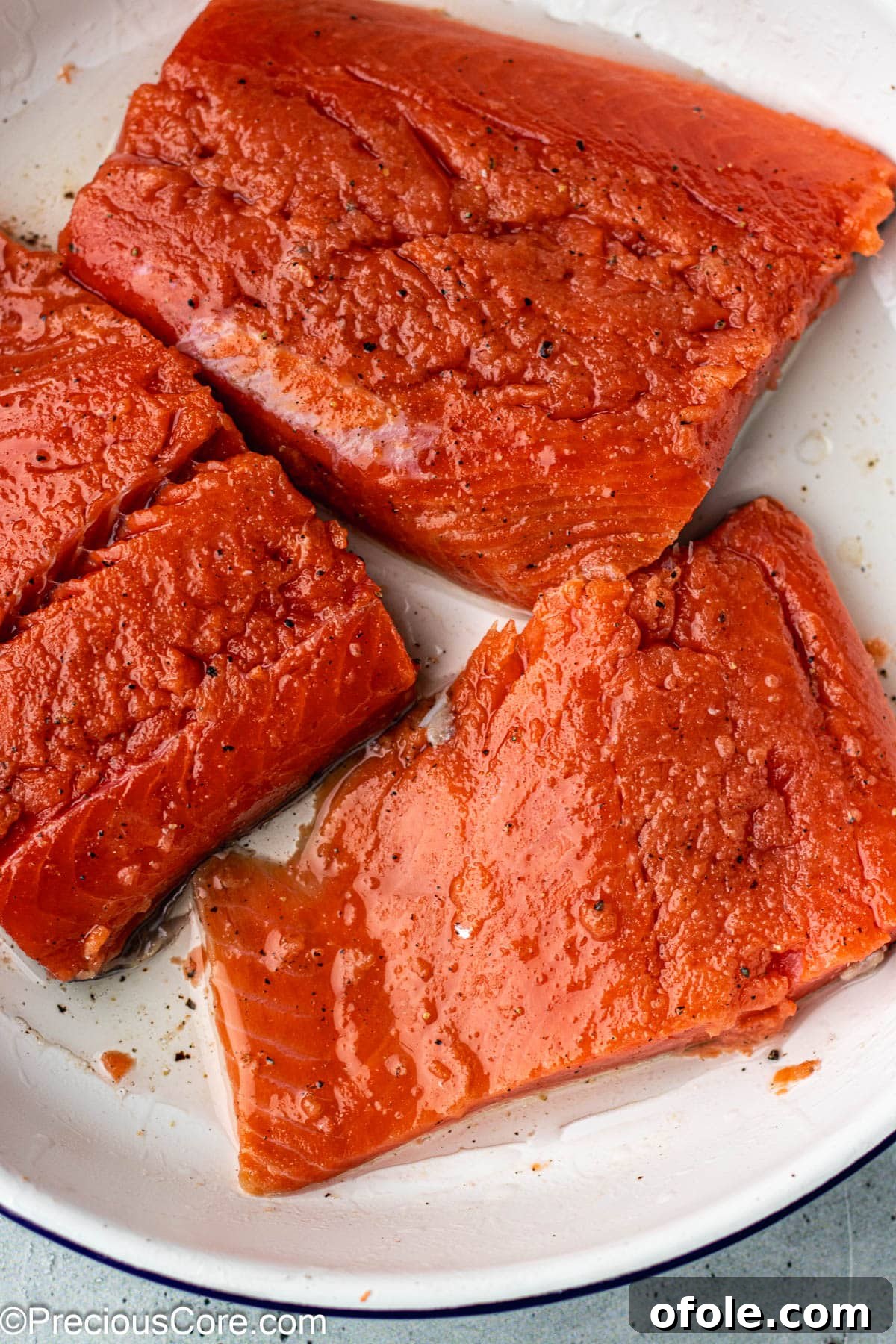
- Grill to Perfection: Once your grilling surface is hot, carefully place the seasoned salmon onto the grates, ideally skin-side down first if your fillets have skin. Close the lid (if using an outdoor grill) and grill for approximately 3-4 minutes per side. The exact grilling time will depend on the thickness of your salmon steaks and your preferred level of doneness. Thicker cuts may require an extra minute or two, while thinner pieces will cook faster. Aim for those beautiful, distinctive grill marks and a flaky interior.
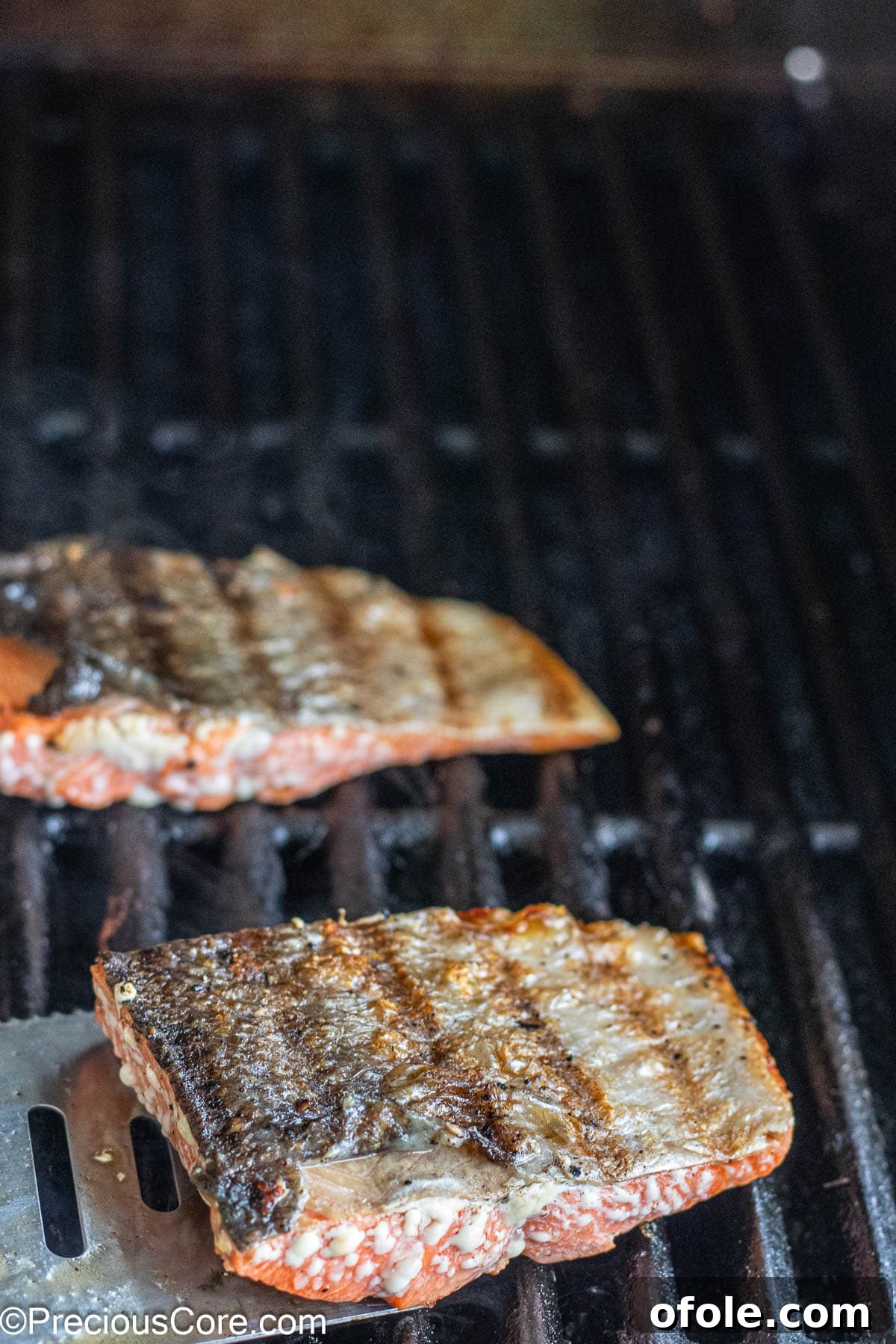
Looking for more diverse salmon preparations? Be sure to check out our dependable recipes for Pan Grilled Salmon, a convenient Salmon and Broccoli Sheet Pan meal, savory Baked Cajun Salmon, and the classic Lemon Butter Salmon.
Chef’s Tip: The FDA recommends cooking salmon to an internal temperature of 145°F (63°C). You can accurately check the doneness of your fish by inserting an instant-read thermometer into the thickest part of the fillet.
Knowing When Your Salmon Is Done
One of the biggest culinary challenges with fish is avoiding overcooking, which can lead to dry, unappetizing results. Undercooking, on the other hand, isn’t ideal either. Here are two reliable visual cues to help you determine when your grilled sockeye salmon is perfectly cooked:
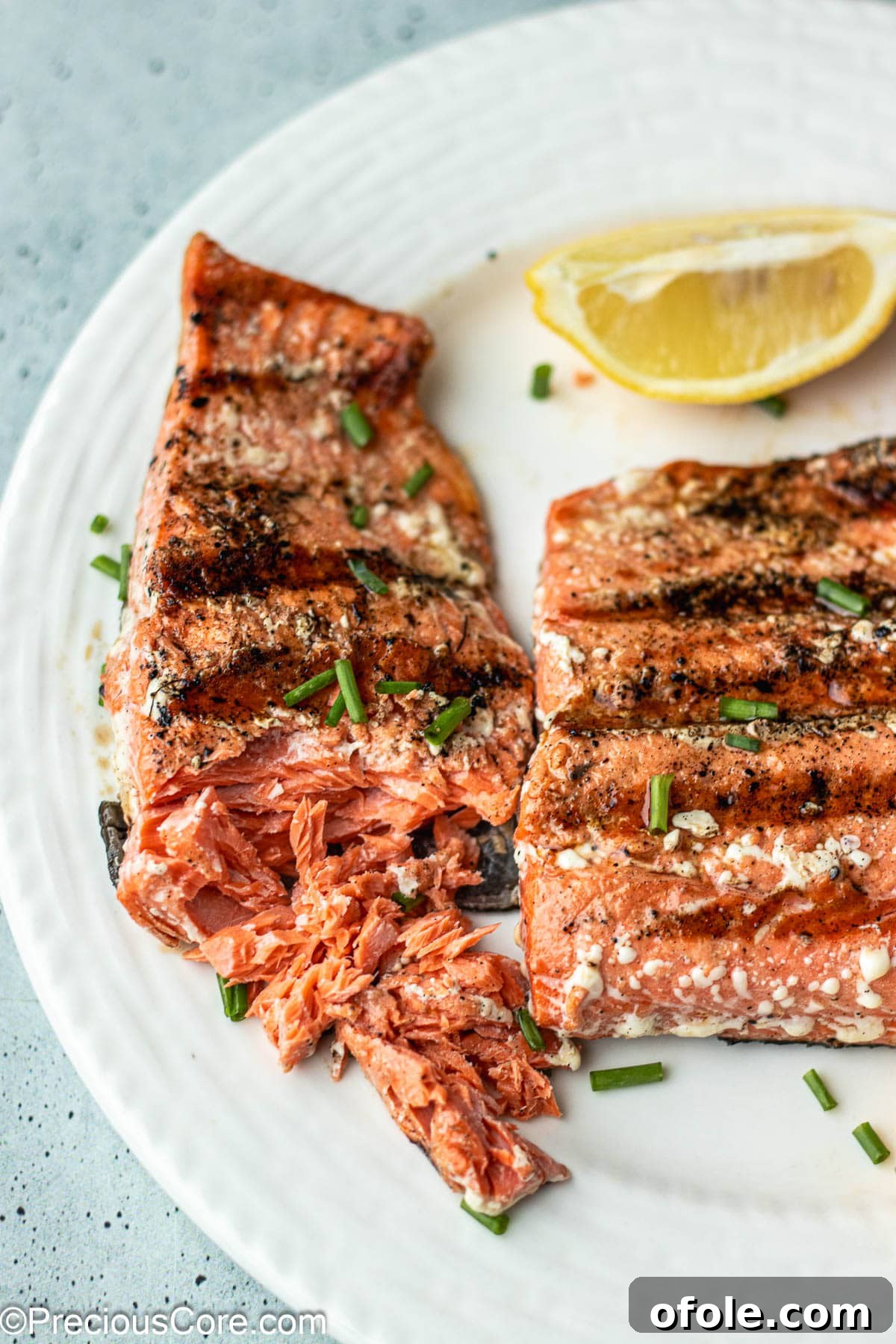
- Color Transformation: Raw salmon flesh is translucent and appears bright orange-pink. As it cooks, the flesh will gradually turn opaque, transitioning to a lighter, more solid pink. Once the entire fillet has lost its translucent, raw appearance and is uniformly opaque throughout, it’s typically done.
- Effortless Flaking: This is arguably the most common and effective visual test. Using a fork, gently press down on the thickest part of the salmon fillet. If the fish flakes easily into distinct layers without resistance, it indicates that the protein fibers have cooked through and the salmon is ready to be removed from the heat. If it still feels rubbery or resists flaking, give it another minute or two.
Expert Tips for Flawless Grilled Sockeye Salmon
Elevate your grilling game with these tried-and-true tips for cooking sockeye salmon:
- Pre-Grill Cleaning and Oiling: Always start with a clean grill. When your grill is still warm (but not scorching hot), scrape the grates to remove any residue. Once completely cooled, remove the grates, wash them with hot soapy water, and dry thoroughly. Before the next grilling session, apply a small amount of cooking oil to a paper towel and rub it onto the grates. This creates a non-stick surface and is a crucial step to prevent fish from adhering.
- Cast Iron Care: If using a cast iron skillet or grill pan indoors, liberally brush the entire cooking surface with oil before placing the fish. Cast iron retains heat wonderfully, but proper oiling is essential for a clean release.
- Pat Dry for a Perfect Sear: This tip is worth repeating! Excess moisture on the surface of the salmon can lead to steaming rather than searing, preventing the formation of a beautiful, crispy crust. Always pat your sockeye salmon thoroughly dry with paper towels before applying oil and seasoning.
- Room Temperature for Even Cooking: For best results, allow your salmon fillets to sit at room temperature for about 15-20 minutes before grilling. This helps the fish cook more evenly from edge to center, reducing the risk of a raw interior or overcooked exterior.
- Consider Skin-On for Protection: Grilling salmon with the skin on is often preferred as the skin acts as a protective barrier, keeping the delicate flesh moist and preventing it from sticking to the grates. Plus, crispy salmon skin is a delicacy!
- Don’t Flip Too Soon: Patience is key. Allow the salmon to cook undisturbed on the first side for the recommended time (3-4 minutes). Resist the urge to peek or flip prematurely, as this is when fish is most likely to stick and break apart. It will release naturally when it’s ready.
For a fun and flavorful twist on salmon, explore our Salmon Bites Recipe. And if you’re venturing beyond fish, our Bone In Ribeye Steak recipe is another fantastic grilling option.
Recommended Equipment for Grilling Fish
Having the right tools can make all the difference in achieving grilling perfection. Here are a few essential pieces of equipment:
- A grilling spatula or a specialized fish spatula is invaluable for carefully flipping delicate fish fillets without breaking them. Their thin, flexible blades are designed for this purpose.
- For those who enjoy grilling year-round or prefer the convenience of indoor cooking, a high-quality cast iron grill pan is a fantastic investment. It brings the char and flavor of outdoor grilling right to your stovetop.
- An instant-read meat thermometer is your best friend for ensuring fish is cooked to the perfect internal temperature (145°F / 63°C) every time, eliminating guesswork and preventing overcooking.
Frequently Asked Questions About Grilled Salmon
How do you cook sockeye salmon so it doesn’t dry out?
To prevent sockeye salmon from drying out, generously brush it with olive oil before cooking. This creates a barrier that locks in moisture. Additionally, ensure you stop cooking once the fish reaches an internal temperature of 145°F (63°C) in its thickest part, as recommended by the FDA.
Is sockeye salmon better than regular salmon?
Many consider wild-caught sockeye salmon to be healthier and superior in flavor compared to Atlantic salmon, which is often farmed. Sockeye is an excellent source of omega-3 fatty acids, crucial for heart health, and generally has a lower fat content and more vibrant flavor profile due to its wild diet.
Should you rinse sockeye salmon before cooking?
The USDA advises against rinsing raw meat, fish, and poultry. Rinsing can cause bacteria to splash onto other foods and surfaces in your kitchen, increasing the risk of cross-contamination. Instead, simply pat the salmon dry with paper towels.
Can I use frozen sockeye salmon for this recipe?
Yes, absolutely! If using frozen sockeye salmon, ensure it is thoroughly thawed in the refrigerator overnight before proceeding with the recipe. Pat it very dry before seasoning and grilling.
What are other ways to season grilled salmon?
While salt and pepper are fantastic, you can explore other seasonings like garlic powder, onion powder, paprika, dill, lemon zest, or a touch of cayenne pepper for a little kick. A simple squeeze of fresh lemon juice after grilling also brightens the flavor considerably.
Serving Suggestions
This Grilled Sockeye Salmon is wonderfully versatile and pairs beautifully with a variety of side dishes. Here are some of our top recommendations:
Garlic Herb Rice
Lettuce Salad
Cucumber Mango Salad
Beyond these suggestions, consider roasted asparagus, steamed green beans, quinoa, or even a light pasta salad for a complete and satisfying meal.
More Delicious Salmon Recipes
If you love salmon as much as we do, here are a few more recipes to inspire your culinary adventures:
Explore More Grilling Recipes
Grilling isn’t just for salmon! Expand your repertoire with these fantastic grilling recipes:
- Jamaican Jerk Chicken
- Chicken Skewers
- Grilled Boneless Chicken Thighs
- Grilled Sockeye Salmon
- Grilled Chicken Nuggets
If you make this incredibly easy and delicious Grilled Sockeye Salmon recipe, please consider leaving a star rating below. Your feedback helps other home cooks discover and enjoy this fantastic dish! Thank you for your support!
Grilled Sockeye Salmon Recipe Card
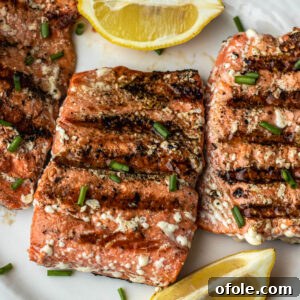
Grilled Sockeye Salmon
This Grilled Sockeye Salmon recipe is remarkably tasty and requires only 4 simple ingredients. It’s a true testament to how little salmon needs to truly shine!
Cook Time: 10 mins
Total Time: 20 mins
Servings: 4 servings
Instructions
Notes
Print Recipe
Ingredients
- 1 pound sockeye salmon, cut into 3-4 steaks
- 2 Tablespoons olive oil
- ½ teaspoon salt
- ¼ teaspoon black pepper
Instructions
- Pat the salmon thoroughly dry using paper towels. Drizzle the olive oil evenly over the salmon, then sprinkle the salt and pepper on both sides of the fish.
- Clean your grill grates and preheat your grill to medium heat (or set a cast iron skillet/grill pan on medium heat on the stovetop). Allow it to heat up for about 5 minutes. Place the seasoned fish on the grill, skin side down if applicable, and grill the first side for 3 to 4 minutes with the lid closed (for outdoor grills).
- Flip the salmon carefully to the other side and grill for another 3 minutes, or until the fish flakes easily when gently pricked with a fork. Adjust grilling time based on the thickness of the fish and your desired level of doneness.
- Serve immediately with fresh lemon wedges or your favorite side dishes.
Notes
- Patting the fish dry with paper towels before grilling is crucial. It removes surface moisture, allowing the salmon to sear properly and develop a beautiful crust instead of steaming.
- Feel free to use a large salmon fillet instead of individual steaks for this recipe; simply adjust cooking time slightly if needed for thickness.
- Ensure the salmon is completely coated in olive oil before grilling. This is a key step to prevent the delicate fish from sticking to the grill grates or pan.
- This recipe works equally well with salmon that has skin on or skin off. The skin can provide a protective layer and become wonderfully crispy.
- If sockeye salmon is unavailable, you can substitute it with other firm-fleshed fish such as coho salmon, trout, or even mahi-mahi.
Nutrition Information (Approximate per serving)
Calories: 62kcal | Carbohydrates: 0.1g | Protein: 0.01g | Fat: 7g | Saturated Fat: 1g | Polyunsaturated Fat: 1g | Monounsaturated Fat: 5g | Sodium: 291mg | Potassium: 2mg | Fiber: 0.03g | Vitamin A: 1IU | Calcium: 1mg | Iron: 0.1mg
Additional Info
Course: Dinner, Main Course
Cuisine: Western, American
Diet: Gluten-Free, Pescatarian
Tried this recipe?
Mention @preciouscore or tag #PreciousCore!