
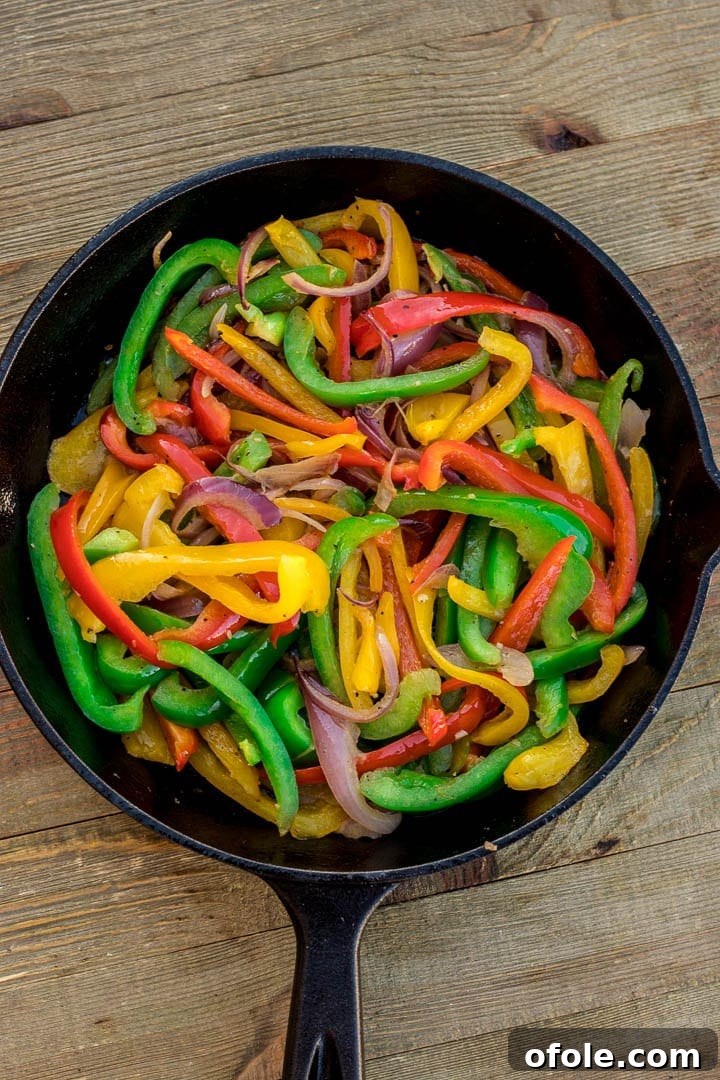
Welcome to the ultimate guide for preparing the most delicious and vibrant Sauteed Peppers! If you’re on the hunt for a side dish that is incredibly quick to prepare, bursting with flavor, and wonderfully healthy, you’ve found your new go-to recipe. These colorful bell peppers, gently caramelized with tender onions and aromatic garlic, promise to transform any meal into a culinary delight. They are not just a treat for your taste buds but also a feast for the eyes, adding a brilliant splash of color to your dinner table. Who could possibly resist such a tempting and easy addition to their menu?
Sauteeing bell peppers with onions is a simple yet incredibly rewarding culinary technique. This process allows the natural sugars within the vegetables to caramelize, resulting in a slightly sweet, deeply savory, and intensely flavorful experience that elevates the humble pepper to new heights. The soft, tender texture combined with that subtle sweetness makes them an irresistible accompaniment to almost any main course.
Beyond their fantastic taste, these Sauteed Peppers are remarkably versatile. Imagine them served alongside a flaky pan-seared fish, succulent baked salmon, juicy chicken, or even a hearty steak. They’re also an excellent choice for potlucks, family gatherings, and holiday meals, effortlessly complementing a wide range of dishes. The best part? The preparation is incredibly minimal. You simply need to chop a few colorful bell peppers and an onion, mince some garlic, and let the skillet do the rest.
When life presents you with an abundance of colorful bell peppers, don’t limit yourself! While they are perfect for a classic stir-fry or even a more elaborate dish like Chicken DG, sauteing them remains one of the quickest, easiest, and most flavorful ways to enjoy their natural sweetness and vibrant crunch.
Why You’ll Love This Sauteed Peppers Recipe
This recipe isn’t just about cooking peppers; it’s about creating a harmonious side dish that brings joy and nutrition to your plate with minimal fuss. Here are a few compelling reasons why these sauteed bell peppers will become a staple in your kitchen:
- Incredibly Quick: From chopping to serving, these peppers are ready in under 20 minutes. Perfect for busy weeknights!
- Bursting with Flavor: The natural sweetness of the bell peppers, enhanced by the caramelization of onions and the aroma of garlic, creates a rich and satisfying taste profile.
- Visually Stunning: The array of red, yellow, and green peppers adds a gorgeous pop of color to any plate, making your meals more appealing.
- Nutrient-Rich: Bell peppers are packed with vitamins (especially Vitamin C and A), antioxidants, and fiber. When cooked correctly, they retain most of their valuable nutrients.
- Highly Versatile: They pair beautifully with almost any protein, grain, or main course, making them an adaptable side for countless meal combinations.
- Minimal Effort, Maximum Impact: This recipe proves that you don’t need complex techniques or exotic ingredients to create something truly delicious and impressive.
Essential Tips for Perfect Sauteed Peppers Every Time
Achieving perfectly sauteed peppers is incredibly straightforward, but a few key tips can elevate your dish from good to extraordinary.
Choosing Your Bell Peppers
While any color of bell pepper works beautifully, a mix of red, yellow, and green not only provides a stunning visual appeal but also a subtle variation in sweetness. Red and yellow peppers tend to be sweeter and milder, while green peppers offer a slightly more robust, less sweet flavor. Ensure your peppers are firm, brightly colored, and free of blemishes for the best results. Don’t hesitate to use orange bell peppers too for an even wider spectrum of color and flavor!
The Right Cut Matters
For uniform cooking and a pleasing presentation, aim to cut your bell peppers and onions into similar-sized strips. Strips about 1/4 to 1/2 inch thick and 2-3 inches long are ideal. This ensures that all the vegetables cook evenly and reach your desired doneness simultaneously. Mince your garlic finely so it releases its flavor quickly without burning.
Heat Control is Key
Sauteing means cooking quickly over medium-high heat. However, “medium-high” can vary by stovetop. The goal is to get the pan hot enough to caramelize the sugars in the peppers and onions without scorching them. If your pan is too hot, the vegetables will burn before they soften. If it’s too low, they will steam rather than saute, becoming mushy and losing their vibrant color. A good rule of thumb is that the oil or butter should shimmer and a piece of onion should sizzle immediately when added.
Fat Matters: Butter vs. Oil
Butter adds a rich, nutty flavor that complements the sweetness of the peppers beautifully. However, butter can burn more easily at higher temperatures due to its milk solids. If using butter, consider clarifying it or mixing it with a high smoke point oil like olive oil or avocado oil to prevent burning. Olive oil or avocado oil are excellent choices on their own, offering a healthier fat profile and allowing the natural flavors of the vegetables to shine. For the healthiest option, grass-fed butter or extra virgin olive oil are recommended.
Don’t Overcrowd the Pan
This is a common mistake that can lead to steamed, rather than sauteed, vegetables. If you’re cooking a large batch, work in two smaller batches. Give the peppers and onions enough space in the skillet to come into direct contact with the hot surface. This promotes browning and caramelization, yielding that coveted sweet and tender texture.
Seasoning Simplicity
Simple seasoning is often the best. A good quality salt and freshly ground black pepper are usually all you need to enhance the natural flavors of the vegetables. Add salt towards the end of cooking to prevent the peppers from releasing too much water too early, which can hinder caramelization. Taste and adjust as needed.
How To Cook Sauteed Peppers: Step-by-Step Guide
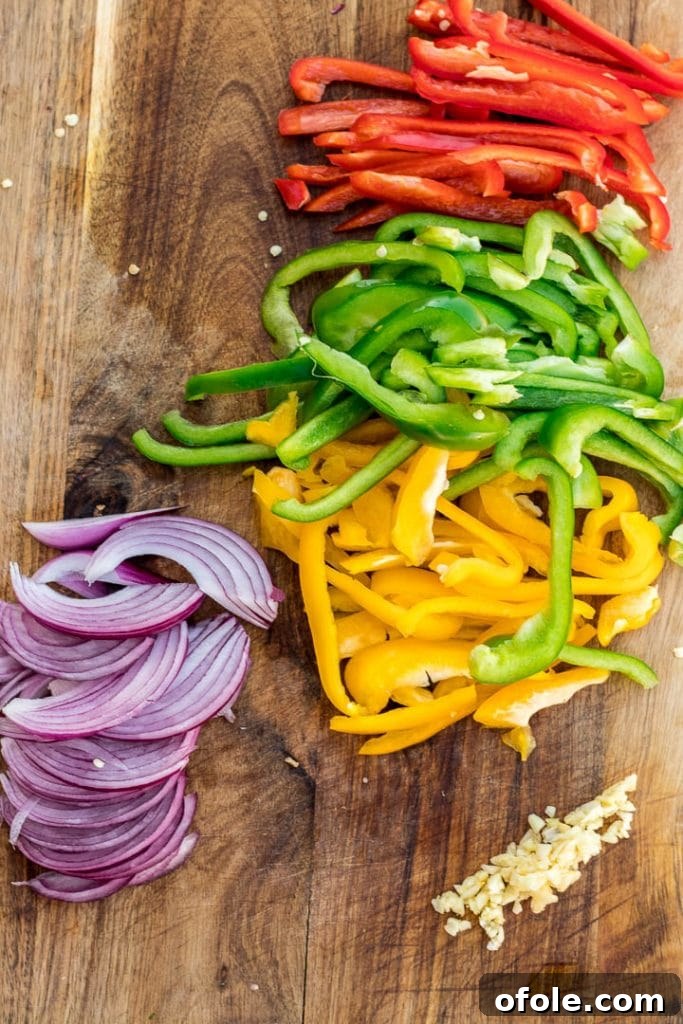
- Prepare Your Vegetables: Begin by slicing your onions into thin, uniform strips. Next, take your bell peppers, cut them in half lengthwise, remove the core and seeds, and then slice them into similar-sized strips. Finally, mince your garlic cloves finely. Having all your ingredients prepped (mise en place) before you start cooking ensures a smooth and quick process.
- Heat the Skillet: Place a large skillet or frying pan on your stovetop and set the heat to medium. Allow the pan to heat up for about 1-2 minutes.
- Melt the Fat: Add 2 tablespoons of butter (or your preferred cooking oil) to the heated skillet. Let it melt completely until it shimmers, indicating it’s ready for cooking.
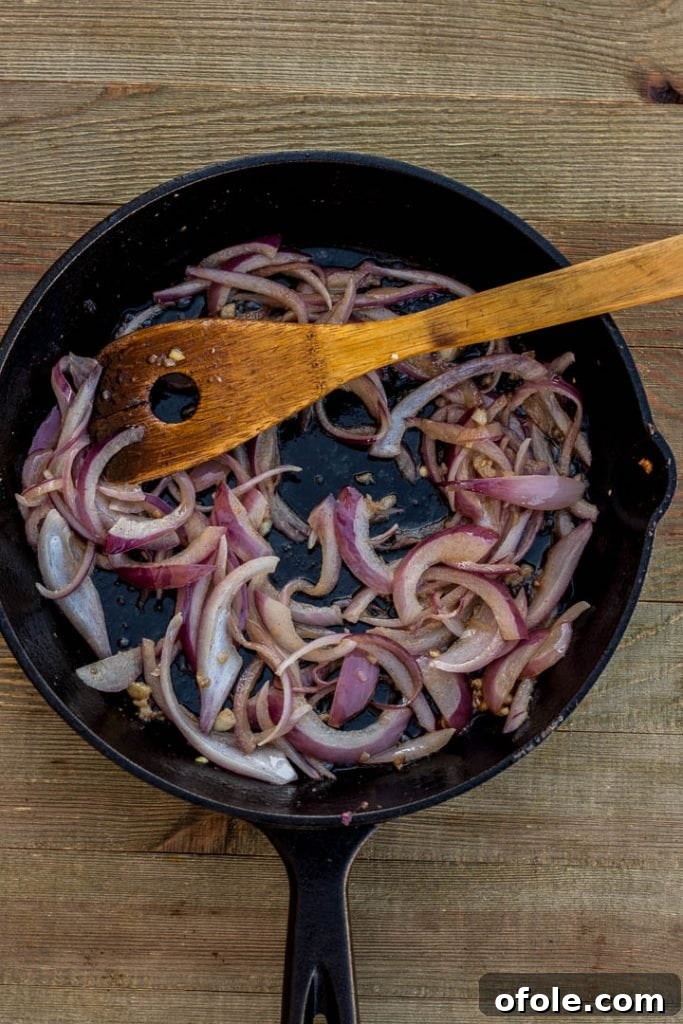
- Saute Onions and Garlic: Add the sliced onions and minced garlic to the pan. Cook them, stirring occasionally, for about 2-3 minutes until the onions begin to soften and turn translucent. The garlic should be fragrant but not browned, as burnt garlic can become bitter.
-

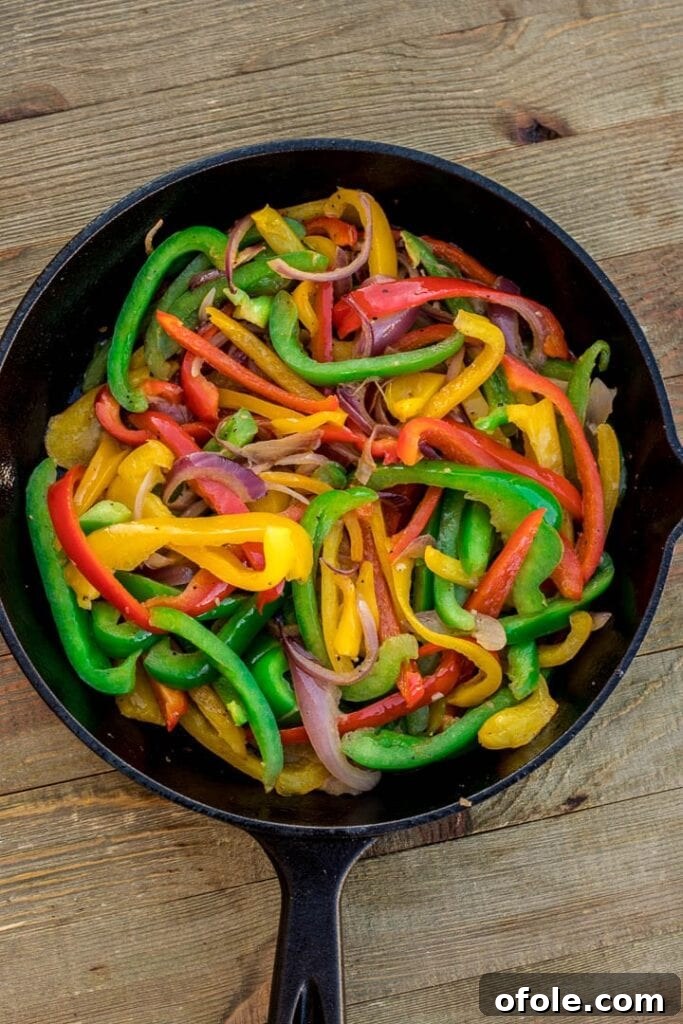
Add Bell Peppers: Introduce the bell pepper strips to the pan with the onions and garlic. Gently toss everything together to ensure the peppers are evenly coated with the butter and aromatics.
-
Cook to Desired Doneness: Continue cooking the peppers, stirring occasionally to ensure even cooking and prevent sticking. This is where you control the texture:
- For Crisp-Tender Peppers: Cook for about 5-7 minutes. The peppers will still be vibrant in color and retain a slight crunch, offering a lovely textural contrast. This is often the preferred method for maximum nutrient retention and visual appeal.
- For Softer Peppers: If you prefer your peppers very soft and tender, continue cooking for an additional 3-5 minutes, or until they reach your desired consistency. Be mindful not to overcook them to the point of mushiness, unless that is your specific preference.
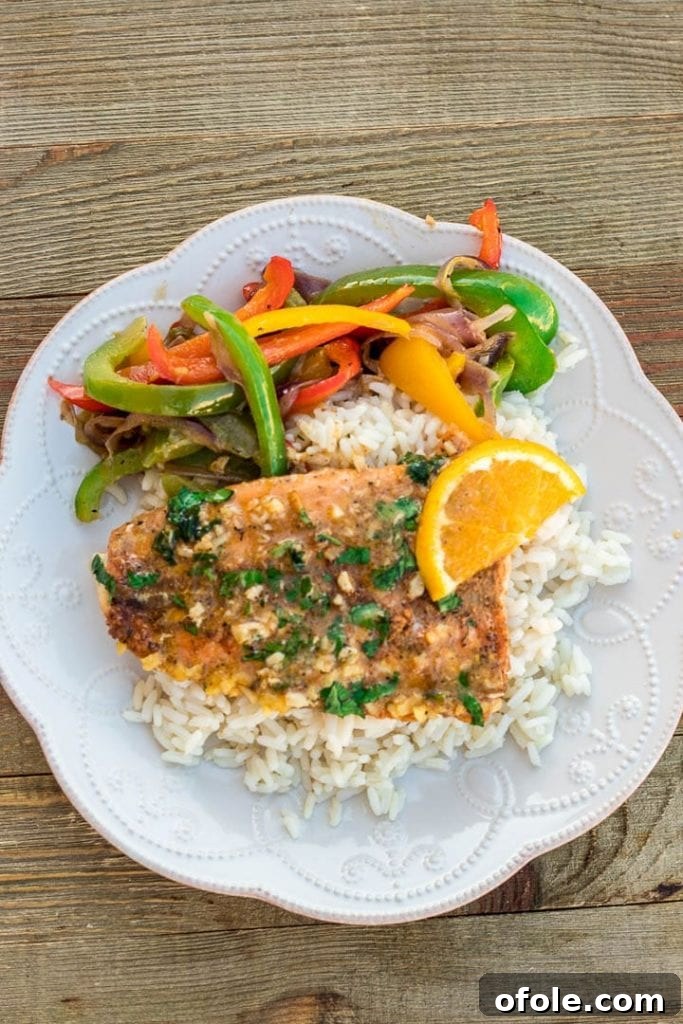
- Season and Serve: Once the peppers have reached your desired doneness, remove the skillet from the heat. Season generously with salt and freshly ground black pepper to taste. Toss one last time to ensure the seasoning is evenly distributed. Serve immediately as a delightful side dish to your favorite main courses. A recent pairing with baked salmon and white rice was absolutely divine!
Are Sauteed Peppers Healthy? Exploring the Nutritional Benefits
Absolutely! Sauteed peppers are indeed a healthy addition to your diet, provided they are cooked thoughtfully. Bell peppers themselves are nutritional powerhouses, and with the right cooking methods, you can preserve their goodness while enhancing their flavor.
Nutritional Profile of Bell Peppers
Bell peppers, especially red, yellow, and orange varieties, are exceptionally rich in Vitamin C – often containing more than an orange! They are also a great source of Vitamin A (beta-carotene), B6, K1, E, folate, and potassium. Furthermore, they boast a high content of antioxidants like capsanthin, violaxanthin, and quercetin, which help combat oxidative stress in the body. They are low in calories and carbohydrates, making them a fantastic choice for a variety of diets. The fiber content also aids in digestive health.
Cooking Methods and Nutrient Retention
The key to keeping sauteed peppers healthy lies in the cooking process. A light and quick saute, as described in this recipe, is ideal. When bell peppers are overcooked, their delicate cell walls break down excessively, and certain heat-sensitive nutrients, like Vitamin C, can degrade. Aim for a crisp-tender texture rather than a mushy one to maximize nutrient retention.
Healthy Fat Choices
The type of fat you use for sauteing also impacts the healthfulness of the dish. Opt for high-quality fats such as:
- Extra Virgin Olive Oil: Rich in monounsaturated fats and antioxidants, olive oil is an excellent heart-healthy choice.
- Avocado Oil: With a high smoke point and a neutral flavor, avocado oil is another great option for healthy cooking.
- Grass-Fed Butter: While butter contains saturated fat, grass-fed varieties offer a better fatty acid profile and contribute a wonderful flavor. Use in moderation or combine with olive oil.
By choosing healthy fats and avoiding overcooking, you ensure that your sauteed peppers remain a delicious and highly nutritious component of your meal.
Creative Ways to Serve Your Sauteed Peppers
The beauty of sauteed peppers lies in their incredible versatility. They can elevate almost any meal, from simple weeknight dinners to elaborate holiday spreads. Here are some inspiring ideas for how to enjoy them:
-
With Grilled or Pan-Seared Proteins: They are a classic pairing for virtually any protein. Serve them alongside:
- Grilled Chicken or baked chicken breasts
- Fish (salmon, cod, tilapia, or shrimp)
- Steak, pork chops, or lamb
-
As a Delicious Addition to Grains:
- Mix them into fluffy Easy Coconut Rice or plain white/brown rice.
- Fold them into quinoa, couscous, or farro for added flavor and texture.
-
In Sandwiches, Wraps, and Tacos:
- Pile them onto a classic Philly cheesesteak sandwich or a gourmet grilled cheese.
- Add them to chicken or beef wraps for extra crunch and sweetness.
- Use them as a flavorful topping for fish or vegetarian tacos.
- Stir them into scrambled eggs or an omelet.
- Add them to breakfast burritos or frittatas.
- Toss them with pasta, a light sauce, and some Parmesan cheese.
- Scatter them over homemade pizzas for a burst of color and flavor.
- Incorporate warm sauteed peppers into grain bowls or power salads for a hearty and flavorful component.
- Serve them chilled in a vibrant Mediterranean-style salad.
Truly, these sauteed peppers are so versatile that they can go on anything and everything!
Sauteed Peppers Recipe Card
Sauteed Peppers
The best ever sauteed peppers for pairing with fish, chicken, beef or enjoying as is with some carbs! These peppers are so flavorful and are ready in no time. This is a great quick and easy side dish.
Ingredients
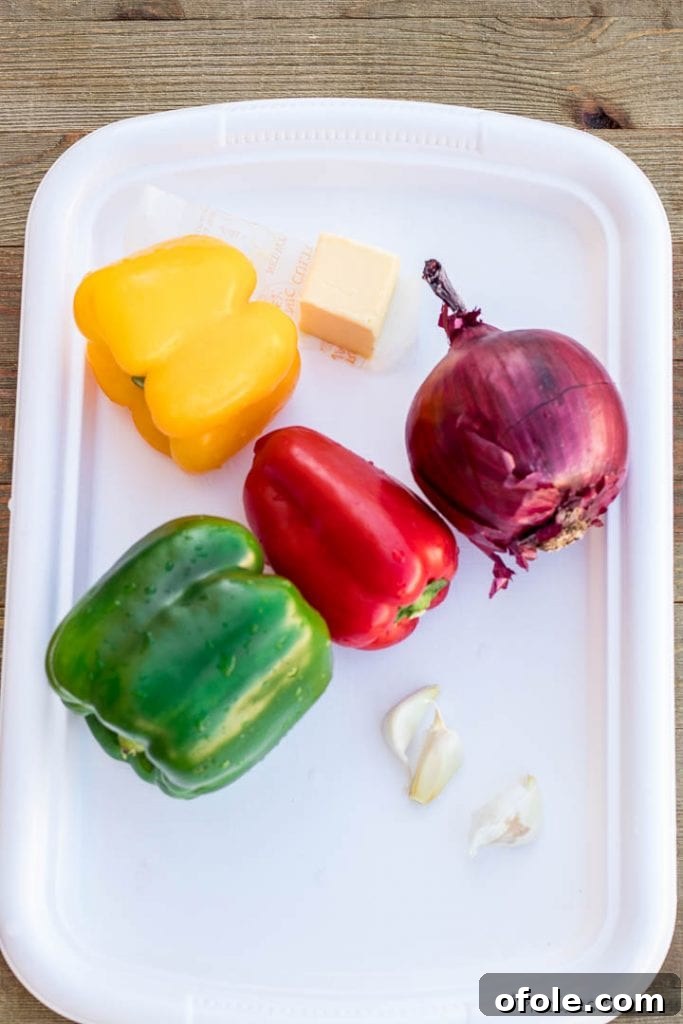
- 2 tablespoons butter
- 3 large bell peppers (I used red, green and yellow)
- 1/2 large red onion or one medium onion
- 3 garlic cloves, minced
- Salt and ground black pepper to taste
Instructions
- Slice the onions into strips.
- Cut the bell peppers in half, remove the core and seeds, and cut into strips.
- Set a skillet on medium heat. Place butter into the skillet and let it melt.
- Add the sliced onions and minced garlic. Cook while stirring from time to time until the onions wilt, about 2 minutes.
- Add the strips of pepper and gently toss around. Let them cook to desired doneness while moving them around every now and then.
- I cook the peppers for about 5 minutes for a crisp-tender texture. They will still have some crunch at the end of this time. For softer peppers, cook for an additional 3-5 minutes.
- Sprinkle salt and ground black pepper to taste over the peppers. Toss to combine.
- Serve with your favorite main dishes. I served mine with some baked salmon and some white rice. It was divine!
Notes
WHAT GOES WITH SAUTEED PEPPERS?
- Grilled Chicken
- Fish
- Easy Coconut Rice
- Baked Turkey Wings
- Any protein, carb or meal you like! Sauteed peppers are so versatile! Sauteed peppers on everything!
Nutrition
Calories: 82kcal |
Carbohydrates: 7g |
Protein: 1g |
Fat: 6g |
Saturated Fat: 4g |
Polyunsaturated Fat: 0.4g |
Monounsaturated Fat: 1g |
Trans Fat: 0.2g |
Cholesterol: 15mg |
Sodium: 50mg |
Potassium: 219mg |
Fiber: 2g |
Sugar: 4g |
Vitamin A: 2970IU |
Vitamin C: 116mg |
Calcium: 15mg |
Iron: 0.5mg
Additional Info
Course: Side Dish
Cuisine: Western
Calories: 82
Variations & Flavor Enhancements for Your Sauteed Peppers
While the classic butter, onion, garlic, and bell pepper combination is undeniably delicious, there’s ample room to experiment and customize your sauteed peppers to suit your taste or specific meal.
Spice It Up
- Smoked Paprika: A pinch of smoked paprika can add a beautiful depth and subtle smokiness.
- Chili Flakes or Cayenne Pepper: For those who enjoy a little heat, a dash of red chili flakes or a tiny bit of cayenne pepper can provide a pleasant kick.
- Cumin or Coriander: These spices lend a warm, earthy note that pairs well with the sweetness of the peppers, especially if serving with Tex-Mex or Middle Eastern-inspired dishes.
- Italian Seasoning: A blend of dried basil, oregano, rosemary, and thyme is perfect if you’re aiming for a Mediterranean or Italian flavor profile.
Herbaceous Freshness
Fresh herbs added at the very end of cooking or just before serving can brighten the entire dish.
- Fresh Parsley or Cilantro: A sprinkle of chopped fresh parsley or cilantro adds a fresh, vibrant finish.
- Fresh Basil or Thyme: If you’re going for an Italian feel, fresh basil or a few sprigs of thyme work wonderfully.
Add a Touch of Acid or Sweetness
- Balsamic Vinegar: A splash of good quality balsamic vinegar at the end of cooking can add a lovely tang and further enhance the caramelization.
- Lemon Juice: A squeeze of fresh lemon juice offers a bright, zesty contrast to the rich, sweet flavors.
- Honey or Maple Syrup: For an extra touch of sweetness, a tiny drizzle of honey or maple syrup can intensify the caramelization (use sparingly).
Incorporate Other Vegetables
Expand your sauteed vegetable medley by adding other quick-cooking vegetables:
- Mushrooms: Sliced mushrooms add an umami depth and meaty texture.
- Zucchini or Yellow Squash: These summer squash varieties cook quickly and absorb flavors beautifully.
- Cherry Tomatoes: Halved cherry tomatoes can be added towards the end for a burst of juicy sweetness.
Make it a Meal: Protein Boost
Turn your side dish into a more substantial meal by adding cooked protein:
- Cooked Sausage or Chicken: Stir in pre-cooked sliced sausage or shredded chicken during the last few minutes of cooking.
- Shrimp: Saute shrimp separately and then toss with the peppers just before serving.
- Beans: Black beans or chickpeas can add plant-based protein and fiber.
Storage and Reheating Sauteed Peppers
Sauteed peppers are a fantastic meal prep component because they store and reheat beautifully, allowing you to enjoy their deliciousness throughout the week.
Storage
Allow the sauteed peppers to cool completely to room temperature before storing. Transfer them to an airtight container and refrigerate. They will maintain their quality and flavor for up to 3-4 days in the refrigerator.
Freezing
While you can freeze sauteed peppers, be aware that their texture will change upon thawing. They will become softer, which might be fine for certain applications like adding to soups, stews, or casseroles, but less ideal if you prefer a crisp-tender texture. To freeze, spread cooled peppers in a single layer on a baking sheet and freeze until solid. Then transfer to a freezer-safe bag or container, removing as much air as possible. They can be stored for up to 3 months.
Reheating
- Stovetop: This is generally the best method for reheating. Heat a skillet over medium heat with a tiny bit of oil or butter. Add the peppers and cook, stirring occasionally, until they are heated through. This method helps to restore some of their texture.
- Microwave: For a quicker option, place the peppers in a microwave-safe dish and heat in 30-second intervals, stirring in between, until warmed through. Be cautious not to overcook them in the microwave, as this can make them excessively soft.
- Oven/Air Fryer: For a slightly crisper reheat, spread them on a baking sheet and warm them in a preheated oven (around 350°F / 175°C) or air fryer for a few minutes until heated through.
Frequently Asked Questions About Sauteed Peppers
Can I use frozen bell peppers for this recipe?
Yes, you can use frozen bell peppers, but be aware that their texture will be softer than fresh peppers. Frozen peppers tend to release more water, so you might need to cook them a bit longer to evaporate the excess moisture and achieve some caramelization. They are still perfectly fine for flavor, especially if you’re adding them to a dish where texture is less critical, like a casserole or a sauce.
What’s the best type of pan to use for sauteing peppers?
A large, heavy-bottomed skillet or a cast-iron pan is ideal. These types of pans distribute heat evenly and retain heat well, which is crucial for proper sauteing and caramelization. Non-stick pans are also suitable for easier cleanup. The key is to have enough surface area so you don’t overcrowd the pan.
How do I prevent my peppers from getting mushy?
To prevent mushy peppers, follow these tips:
- Don’t Overcook: Cook only until crisp-tender for optimal texture.
- High Heat: Use medium to medium-high heat to promote browning rather than steaming.
- Don’t Overcrowd the Pan: Cook in batches if necessary to ensure even heat distribution and direct contact with the hot pan.
- Add Salt Later: Adding salt too early can draw out moisture, leading to steaming. Add it towards the end.
Can I make sauteed peppers ahead of time?
Yes, you can certainly make them ahead of time. They are excellent for meal prep. Simply follow the storage and reheating instructions above. While fresh from the pan is best for texture, they still taste great when reheated.
What other seasonings can I add to sauteed peppers?
Beyond salt and pepper, consider adding onion powder, garlic powder (if you don’t have fresh), a pinch of dried oregano, a touch of red pepper flakes for heat, or even a splash of soy sauce or Worcestershire for an umami boost. Fresh herbs like parsley or cilantro can be stirred in at the very end.
Conclusion: Your New Favorite Quick & Healthy Side Dish
And there you have it – a comprehensive guide to mastering the art of Sauteed Peppers! This simple yet incredibly flavorful dish is a testament to how easily you can transform basic ingredients into something truly special. Whether you’re seeking a speedy weeknight side, a vibrant addition to a holiday feast, or a healthy boost to your daily meals, these bell peppers deliver on all fronts. With their rich, caramelized sweetness, tender texture, and eye-catching colors, they are sure to become a beloved staple in your culinary repertoire. So go ahead, gather your colorful peppers, fire up your skillet, and prepare to enjoy a side dish that is as satisfying as it is simple. Happy cooking!