
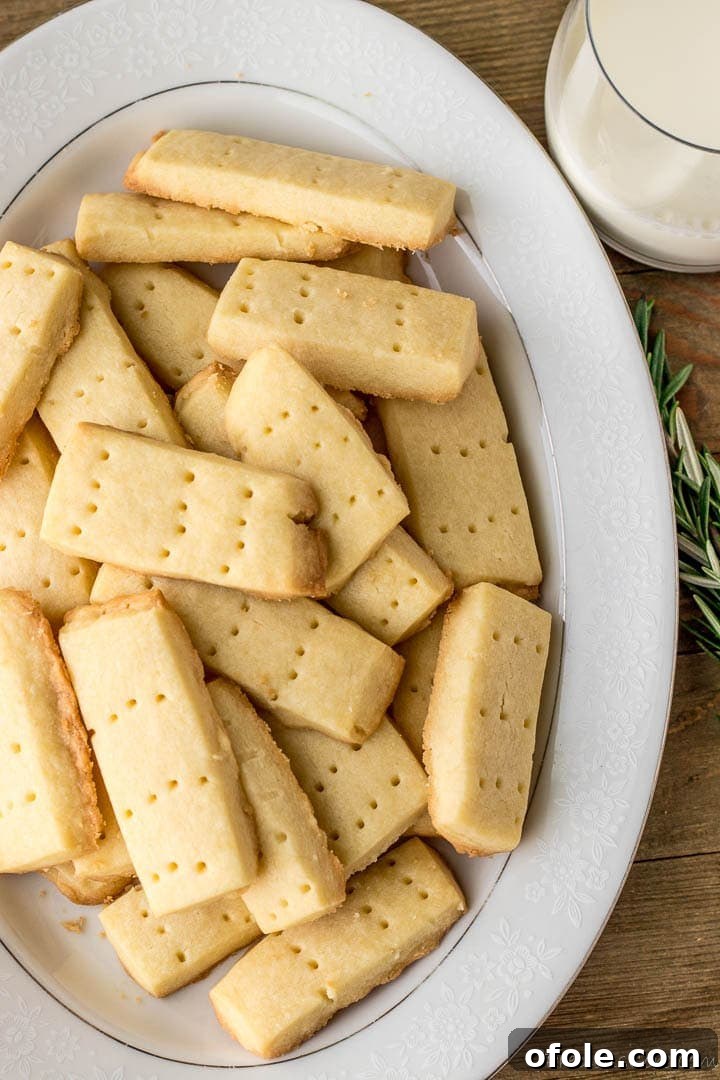
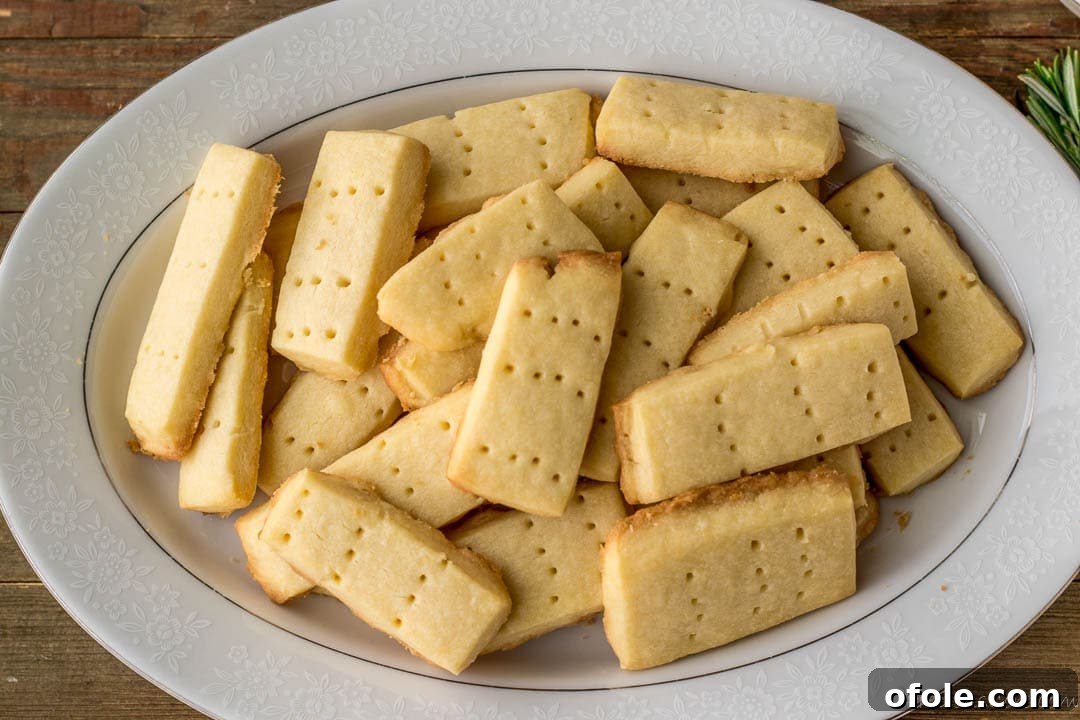
Welcome to your comprehensive guide on how to make shortbread cookies! Prepare to fall in love with these delightful Homemade Shortbread Cookies. Known for their exquisite melt-in-your-mouth texture and rich buttery flavor, these classic treats require surprisingly few ingredients. In fact, you’ll only need 3 main ingredients for this buttery cookie recipe, plus an optional pinch of salt to truly bring out their incredible flavor. Get ready to bake perfectly buttery and subtly milky cookies that will become a cherished recipe in your kitchen.
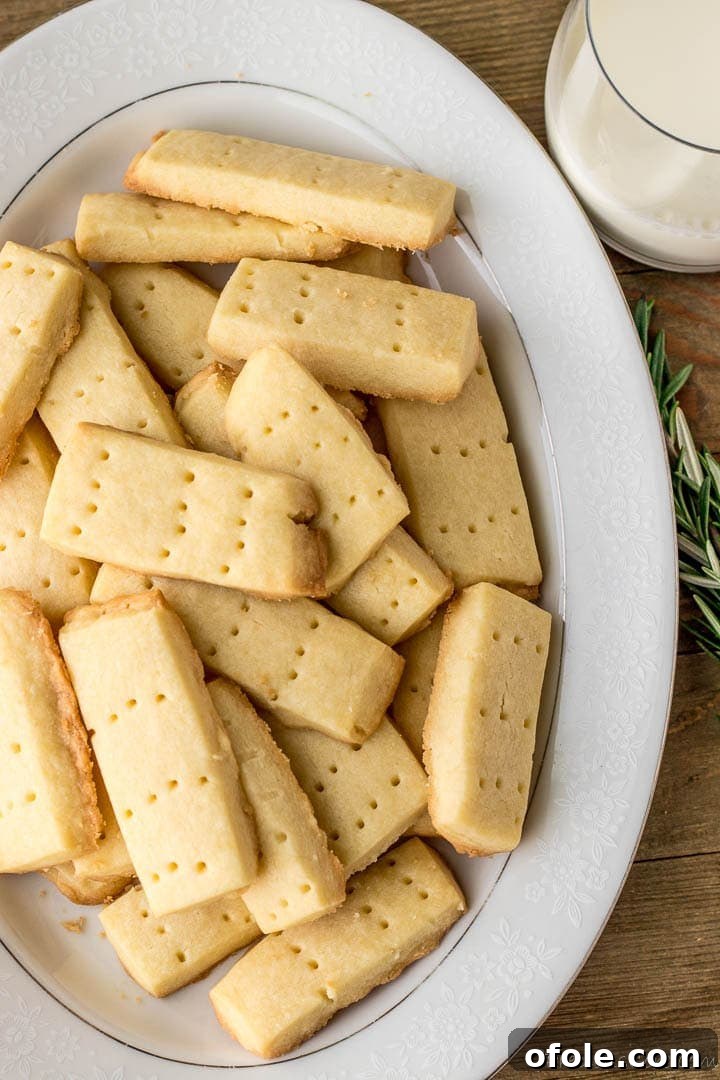
There’s something truly special about classic cookie recipes. Whether it’s the comforting familiarity or the timeless taste, I find immense joy in baking and savoring them. A plate of Danish Butter Cookies, a batch of bright Lemon Shortbread Cookies, or the ever-popular Chocolate Chip Cookies always brings a smile to my face. This shortbread recipe is no exception, promising pure bliss with every bite!
Table of Contents
- The Journey to Homemade Perfection
- Why This Shortbread Recipe Will Become Your Favorite
- Essential Ingredients for Homemade Shortbread Cookies
- Step-by-Step: How To Make Homemade Shortbread Cookies
- Creative Variations for Your Shortbread
- Expert Tips For Baking Perfect Shortbread
- Frequently Asked Questions
- Watch: How to Make Homemade Shortbread Cookies
- More Irresistible Cookie Recipes You’ll Love
- The Full Shortbread Cookies Recipe Card
The Journey to Homemade Perfection
My first encounter with truly exquisite classic shortbread cookies was unforgettable. It happened at a family friend’s house, and the memory of that perfect mouthfeel still lingers. These weren’t just any cookies; they boasted an ideal texture that was tender without being overly crumbly, yet undeniably rich and satisfying – a testament to a well-executed classic shortbread recipe. I wanted more, desperately, but the small platter quickly emptied.
Driven by this craving, I began my quest, searching stores for a shortbread that could rival that homemade delight. To my dismay, the prices were often exorbitant, a sum that seemed disproportionate for what I considered mere “biscuits.” While their taste was undoubtedly good and their richness apparent, constantly spending such amounts wasn’t sustainable for my budget or my daily cravings.
That’s when inspiration struck: I decided I would learn to make my own flavorful shortbread cookies. I was determined to recreate that beloved experience right in my own kitchen, allowing me to enjoy my favorite sweet treats whenever the mood struck. The joy of baking them myself would also mean I could control the quality and ingredients, ensuring every batch was just as perfect as the one I first tasted.
I’m incredibly pleased to have developed this foundational recipe for shortbread fingers. Now, whenever a craving for these sweet, buttery delights arises, I can simply refer back to this easy shortbread cookie recipe (and now, so can you!). But what exactly goes into making these sensational butter shortbread cookies? Let’s delve into the details and unlock the secrets to your next favorite homemade treat!
Why This Shortbread Recipe Will Become Your Favorite
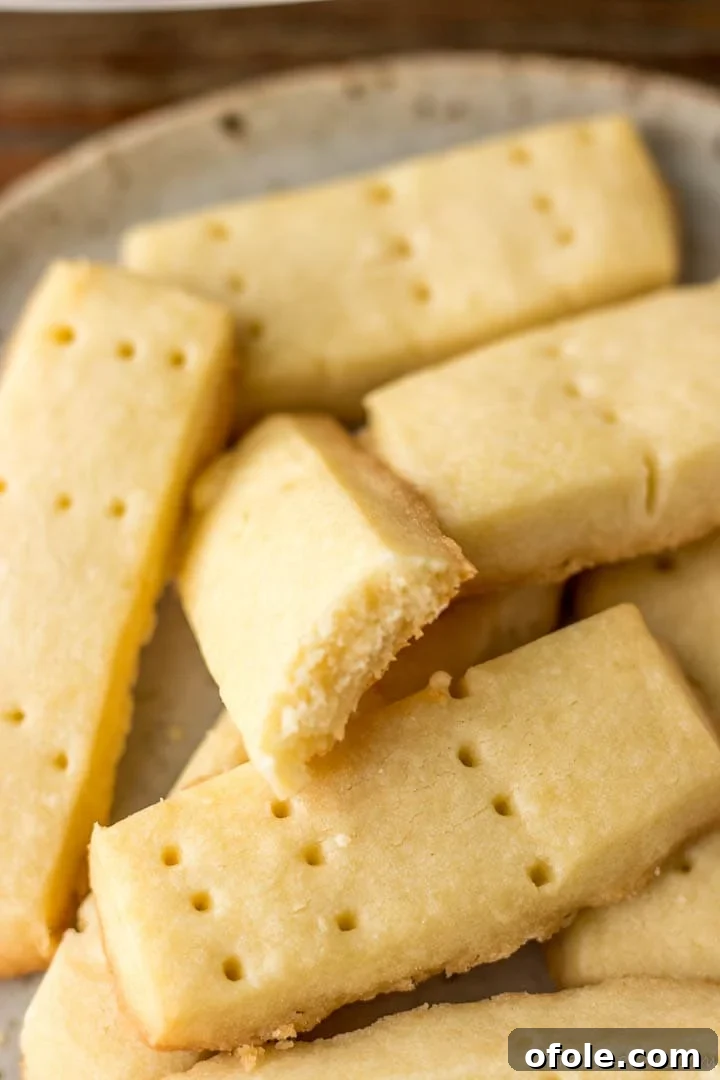
These shortbread cookies are nothing short of divine. Each bite delivers an incredibly rich, buttery, and subtly milky flavor that truly melts in your mouth. You might assume the milky taste comes from added milk, but surprisingly, no milk is needed in this recipe! The intense dairy notes are a direct result of the high-quality butter, which is the star ingredient.
What makes this particular shortbread recipe stand out is its perfect balance. It’s not overly sweet, leaning more towards the classic shortbread biscuit profile, making it a versatile treat that pairs wonderfully with tea or coffee. The minimal ingredient list and straightforward method make it incredibly accessible, even for novice bakers. If you appreciate the simplicity and elegance of easy shortbread cookies, you’ll also adore these refreshing Lemon Shortbread Cookies, offering a zesty twist on the classic.
Essential Ingredients for Homemade Shortbread Cookies
The beauty of homemade shortbread cookies lies in their simplicity. You truly only need three core ingredients to achieve that classic, tender texture and rich flavor. This minimalist approach is similar to traditional Scottish shortbread cookies, which also famously forgo leavening agents.
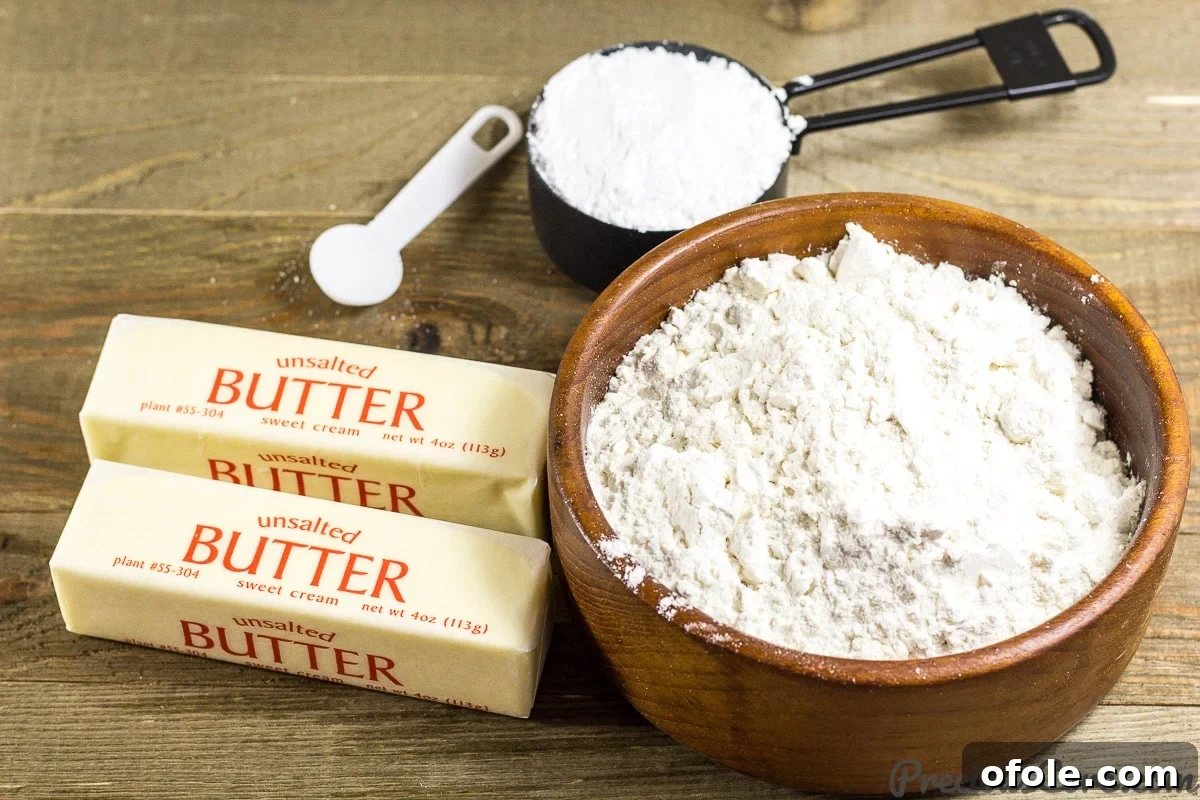
- Butter: The Foundation of Flavor. Quality butter is non-negotiable for authentic shortbread. You have the choice between salted or unsalted butter. If opting for salted butter, remember to omit any additional salt from the recipe. For an even richer flavor and superior texture, consider using European butter, which boasts a higher fat content. Always use unsalted butter if you are particular about controlling the salt content yourself. Ensure your butter is at room temperature for optimal creaming.
- Icing Sugar (Confectioner’s Sugar): For Delicate Sweetness. This recipe specifically calls for icing sugar (also known as confectioner’s sugar) rather than granulated sugar. The fine texture of icing sugar dissolves more easily into the butter, contributing to the shortbread’s characteristic melt-in-your-mouth tenderness and smooth consistency, without any grainy residue.
- Plain Flour (All-Purpose Flour): The Structural Base. Standard all-purpose flour works perfectly for this recipe. It provides the ideal structure without developing too much gluten, which is essential for that tender, crumbly shortbread texture. While some shortbread recipes use rice flour for an extra sandy texture, I find all-purpose flour to be the most reliable and accessible choice for consistent results in this particular preparation. Avoid self-rising flour as it contains leavening agents which are not desired here.
- A Pinch of Salt (Optional, if using unsalted butter): While not strictly one of the *three* main ingredients, a small pinch of salt enhances the flavor of the butter and balances the sweetness. If you use salted butter, definitely skip this.
For the complete list of ingredients with precise measurements, please refer to the detailed recipe card at the end of this article.
Step-by-Step: How To Make Homemade Shortbread Cookies
Crafting these simple shortbread cookies is an enjoyable process, and the dough can even be made by hand! However, for ease and speed, you can also use a stand mixer with a paddle attachment or a hand mixer. Just be mindful not to overmix the dough, as this can lead to a tough texture rather than the desired tender crumb.
Preparation is Key: Begin by lining one large or two medium baking trays with parchment paper. This prevents sticking and ensures easy removal of your delicate cookies. Set them aside.
1: Combine Butter and Sugar. In a large mixing bowl, place your room temperature butter and icing sugar. Ensure the butter is soft enough to yield to gentle pressure but not melted, as this is crucial for the creaming process.
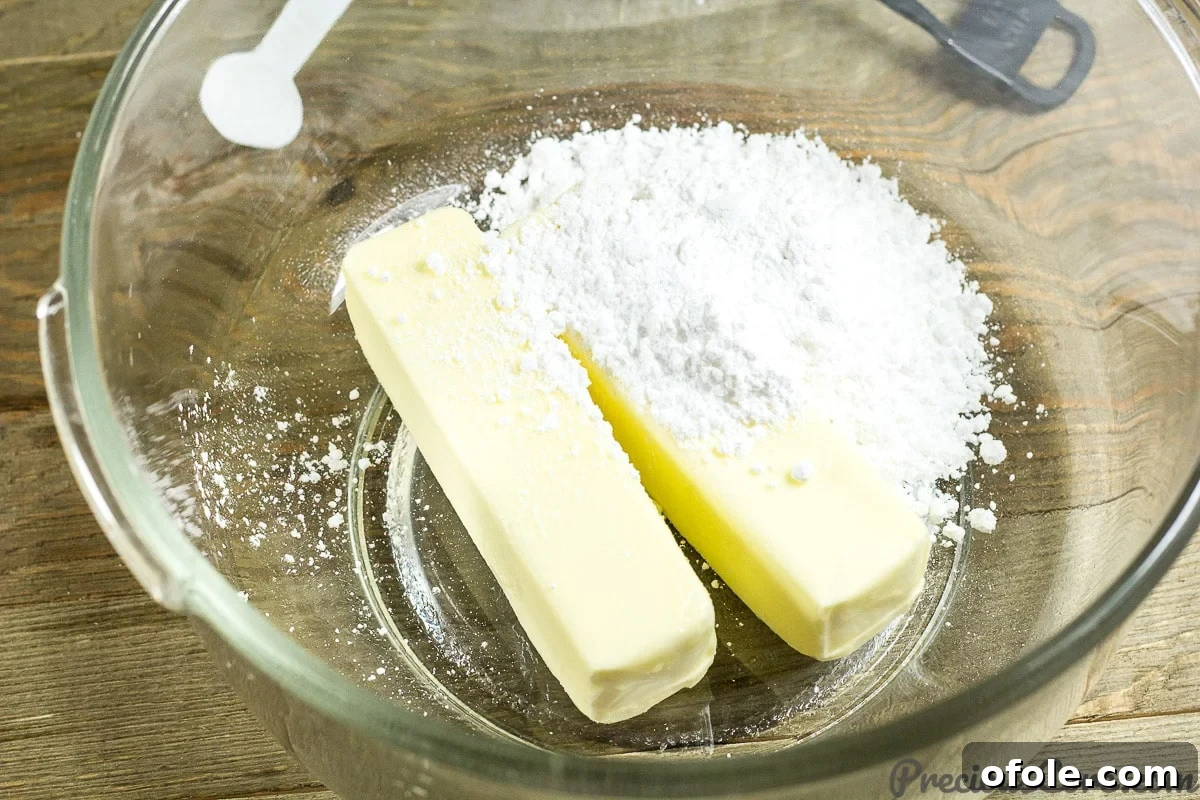
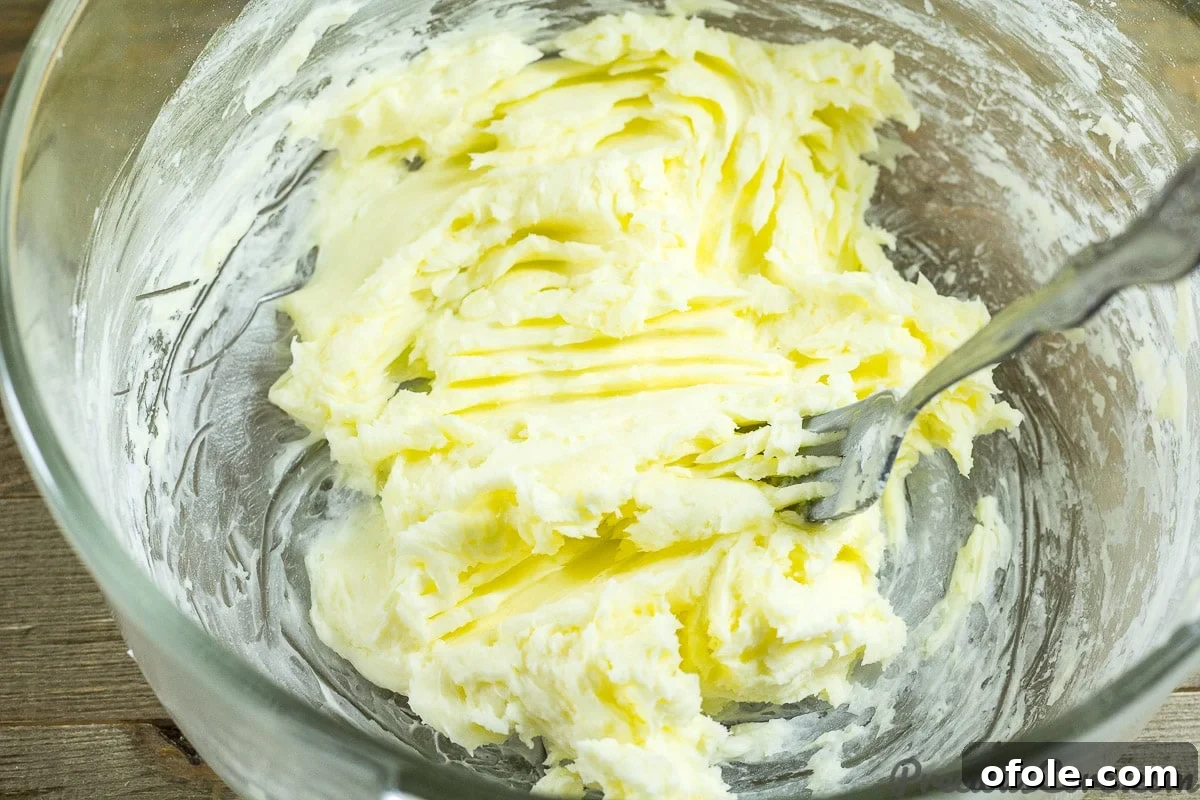
2: Cream Until Light and Fluffy. Using a wooden spoon, spatula, or your mixer (at medium speed), cream the butter and sugar together until they are well incorporated, light in color, and fluffy. This step incorporates air, contributing to the shortbread’s tender texture.
3: Introduce the Flour and Salt. Sieve your all-purpose flour directly into the creamed butter and sugar mixture. Sifting helps prevent lumps and ensures an even distribution. If using unsalted butter, add a pinch of salt now. If using an electric mixer, start on low speed to avoid a “flour cloud,” then gradually increase the speed until just combined.
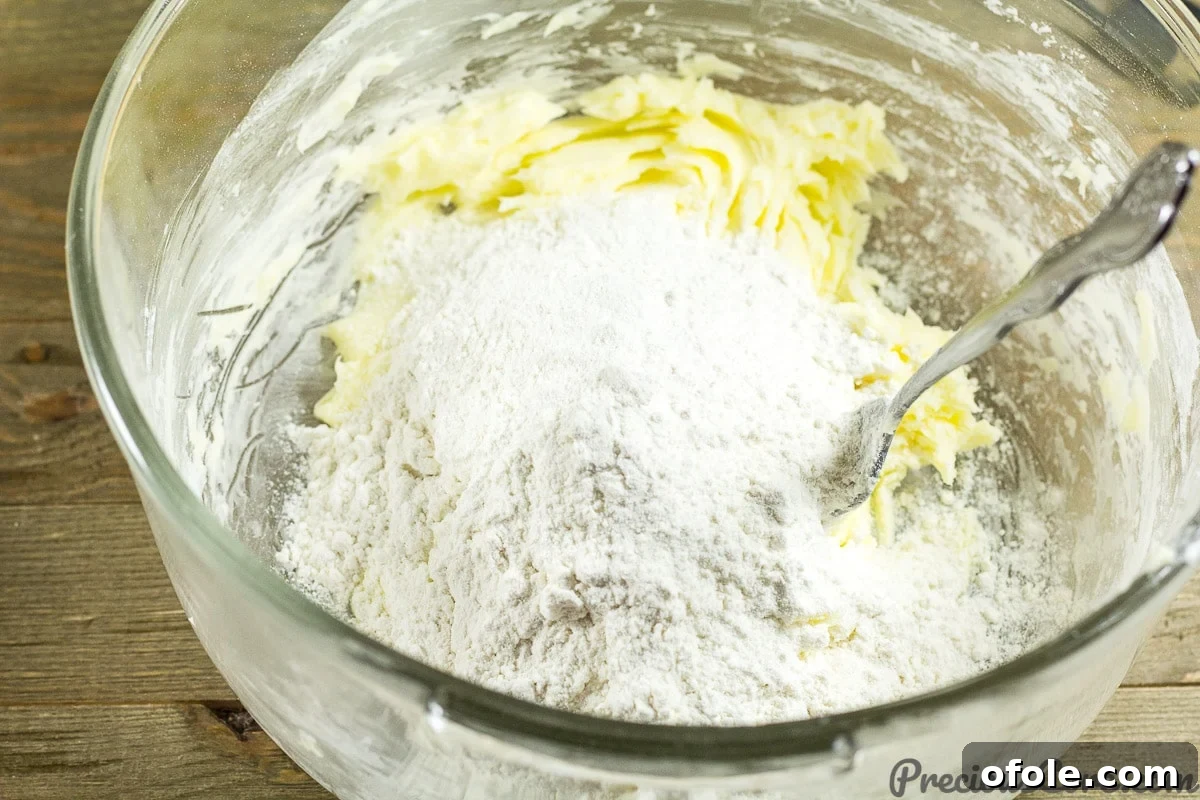
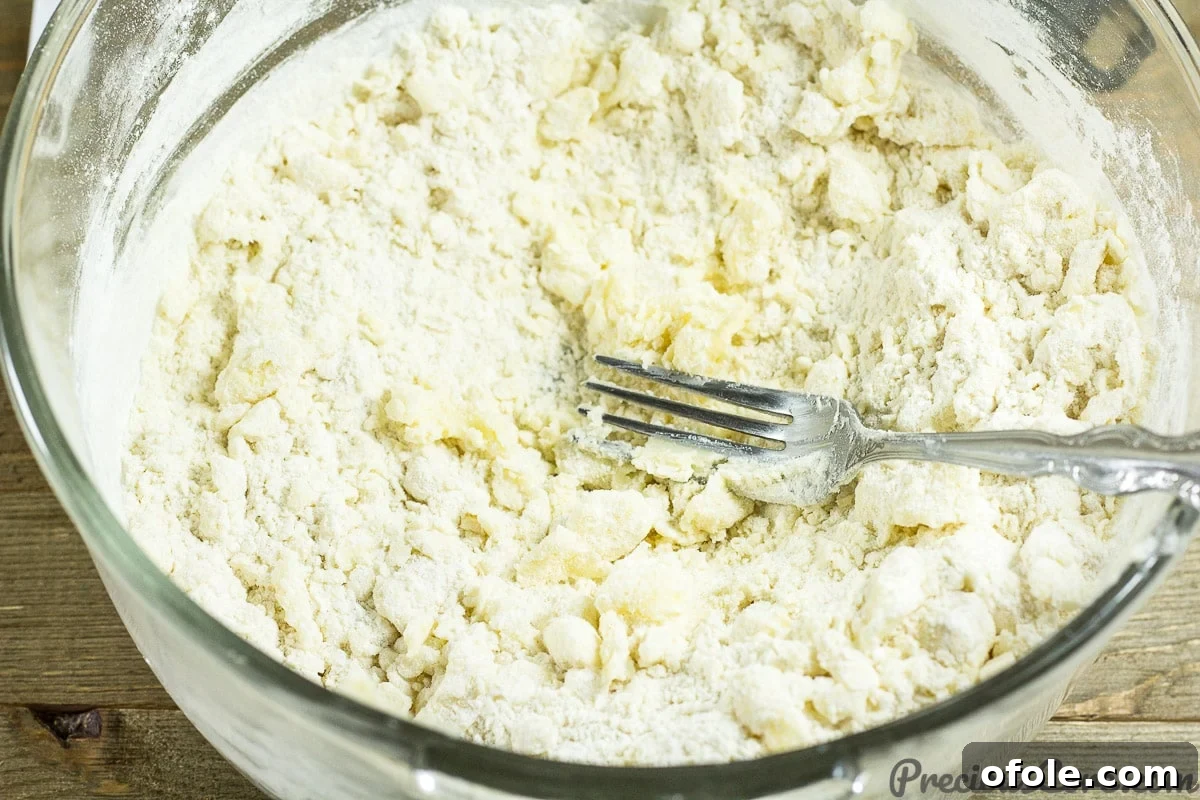
4: Mix to Form a Crumbly Dough. Continue mixing until the flour is mostly incorporated. At this stage, the mixture will appear quite crumbly. Don’t worry if it doesn’t immediately come together; shortbread dough is meant to be stiff. Use your hands to gently bring the mixture together into a cohesive dough. Avoid overmixing, as this can develop gluten and make your cookies tough.
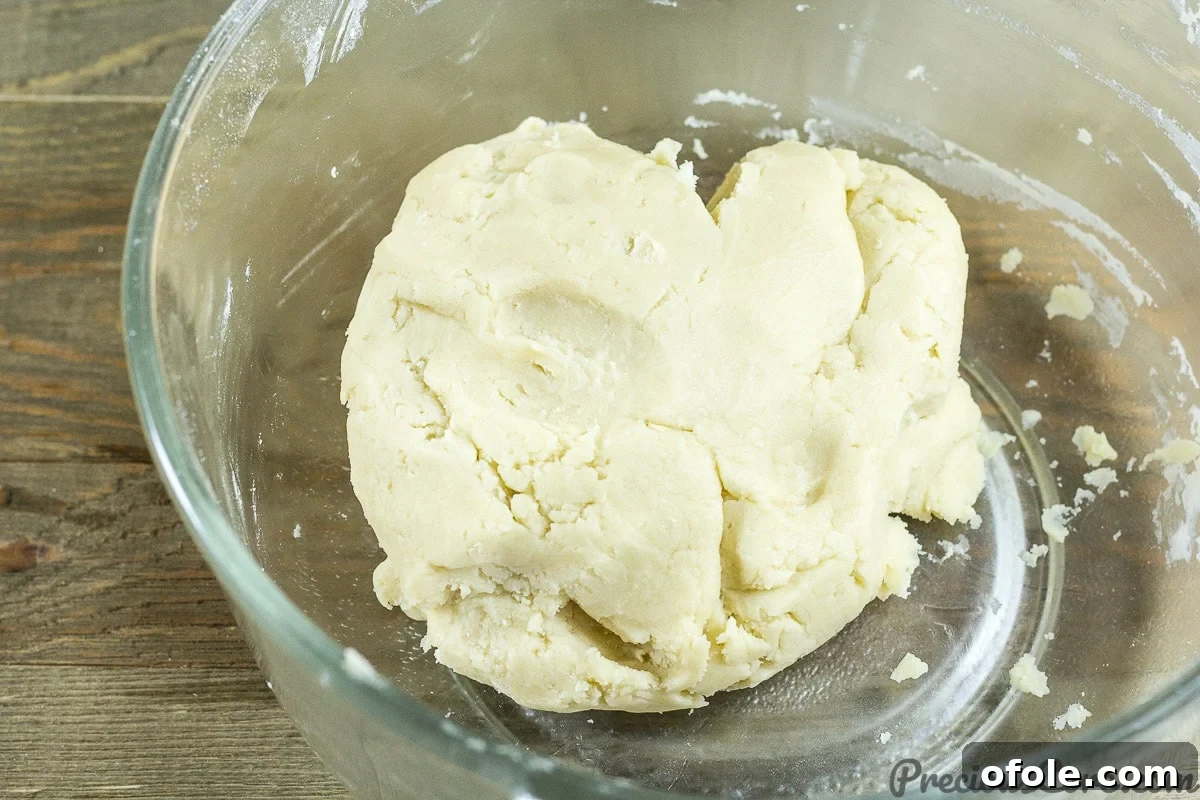
5: Form Into a Ball. Once mixed, gently gather the dough and mold it into a smooth ball. This prepares it for shaping.
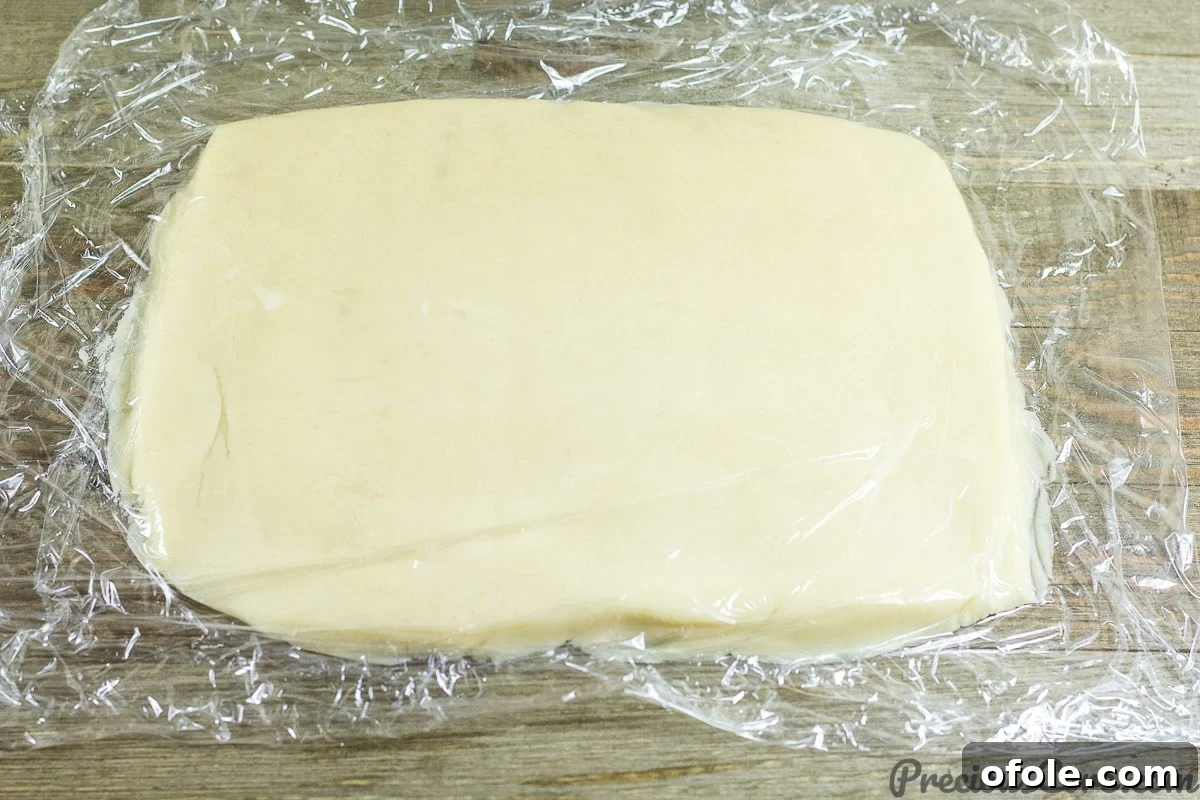
6: Initial Shaping and Chilling. Wrap the ball of shortbread dough tightly in plastic wrap. Gently press and form it into a rough rectangular shape, aiming for a thickness of about half an inch. This initial shaping makes it easier to roll out later.
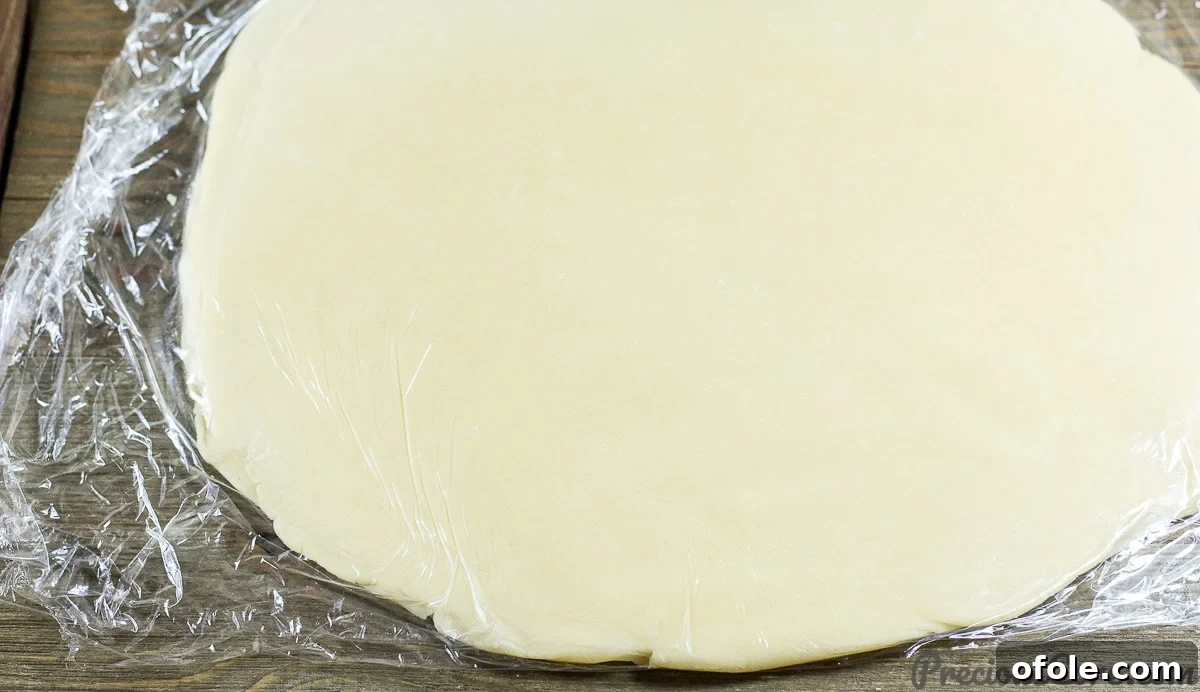
7: Chill the Dough Thoroughly. Place the wrapped dough in the refrigerator and chill for at least 30 minutes. This crucial step solidifies the butter, making the dough much easier to handle and preventing the cookies from spreading too much during baking, thus helping them maintain their perfect shape. After chilling, remove the dough and, while still wrapped in plastic, use a rolling pin to roll it out evenly to approximately a quarter-inch thick.
Tip: Keeping the plastic wrap on while rolling out the dough is a fantastic trick! It eliminates the need for a lightly floured surface, keeping your countertop clean and preventing extra flour from toughening the dough.
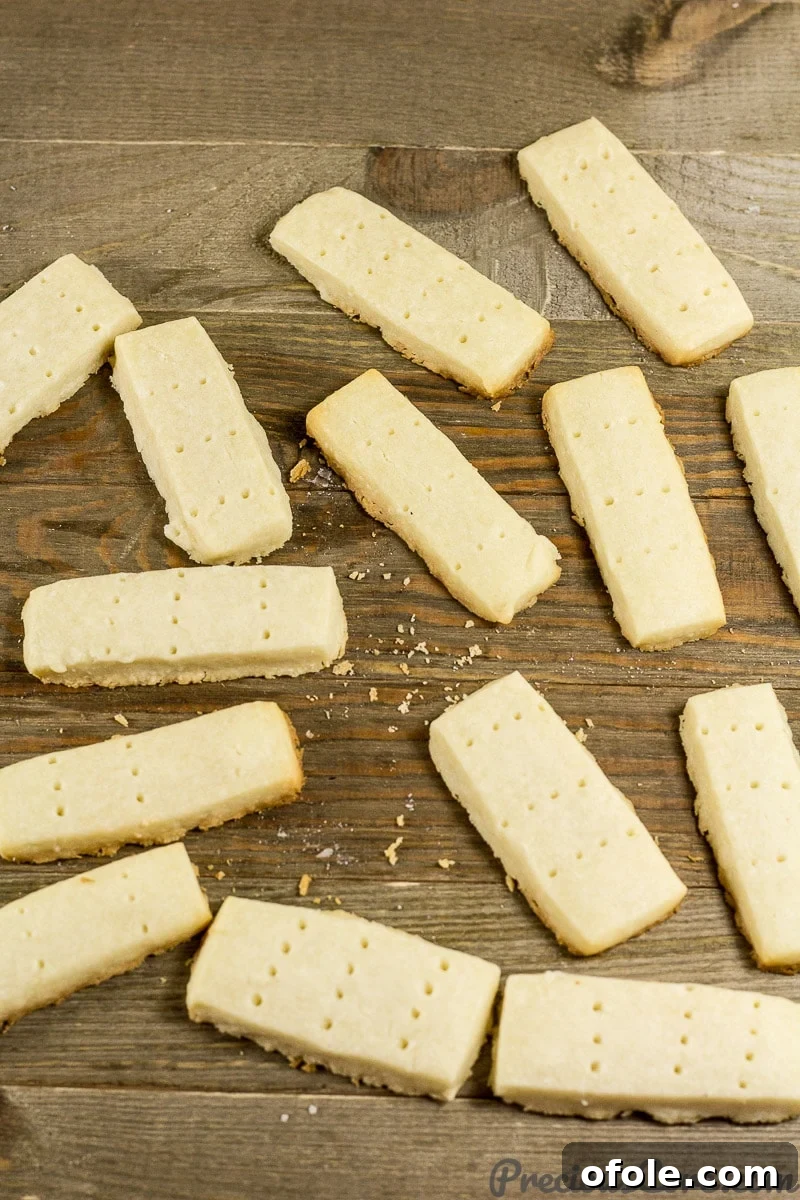
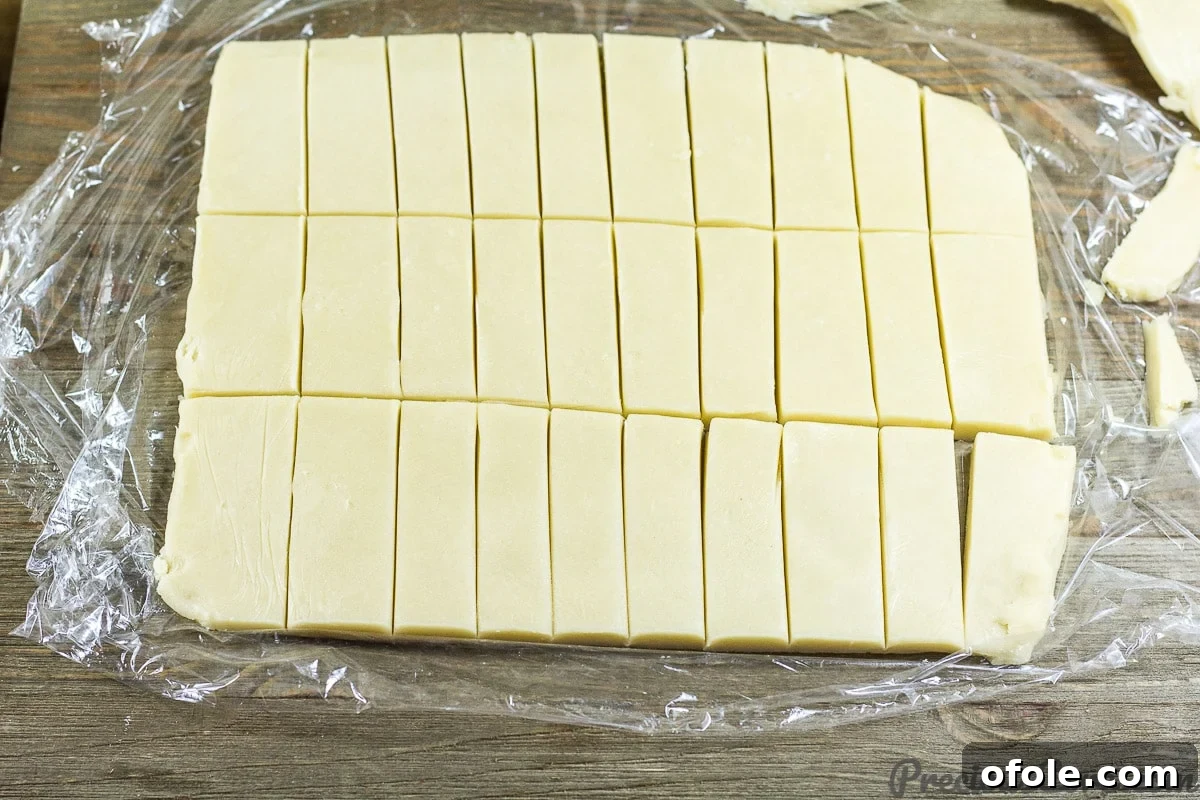
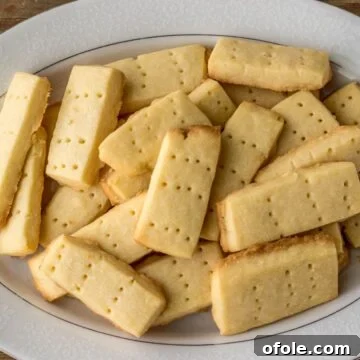
8: Cut and Shape Your Cookies. Carefully remove the plastic wrap from the rolled-out dough. Trim the edges to create a neat rectangle (or as close to a rectangle as you can get!). Then, using a sharp knife or a fluted pastry wheel, cut the dough into individual rectangles, typically 2-4 inches long, to form classic shortbread fingers. If you prefer, unleash your creativity with various cookie cutters to create stars, hearts, or other fun shapes.
Gather any trimmed edges or leftover dough, press them together to form a new ball, re-roll, and cut out more cookies. If at any point the dough starts to feel too soft or “melty” due to the warmth of your hands or the room, pop it back into the fridge for a few minutes to firm up before continuing. For optimal results, you can also place the cut cookies on the baking sheet into the fridge for about 10 minutes before baking if they feel particularly soft.
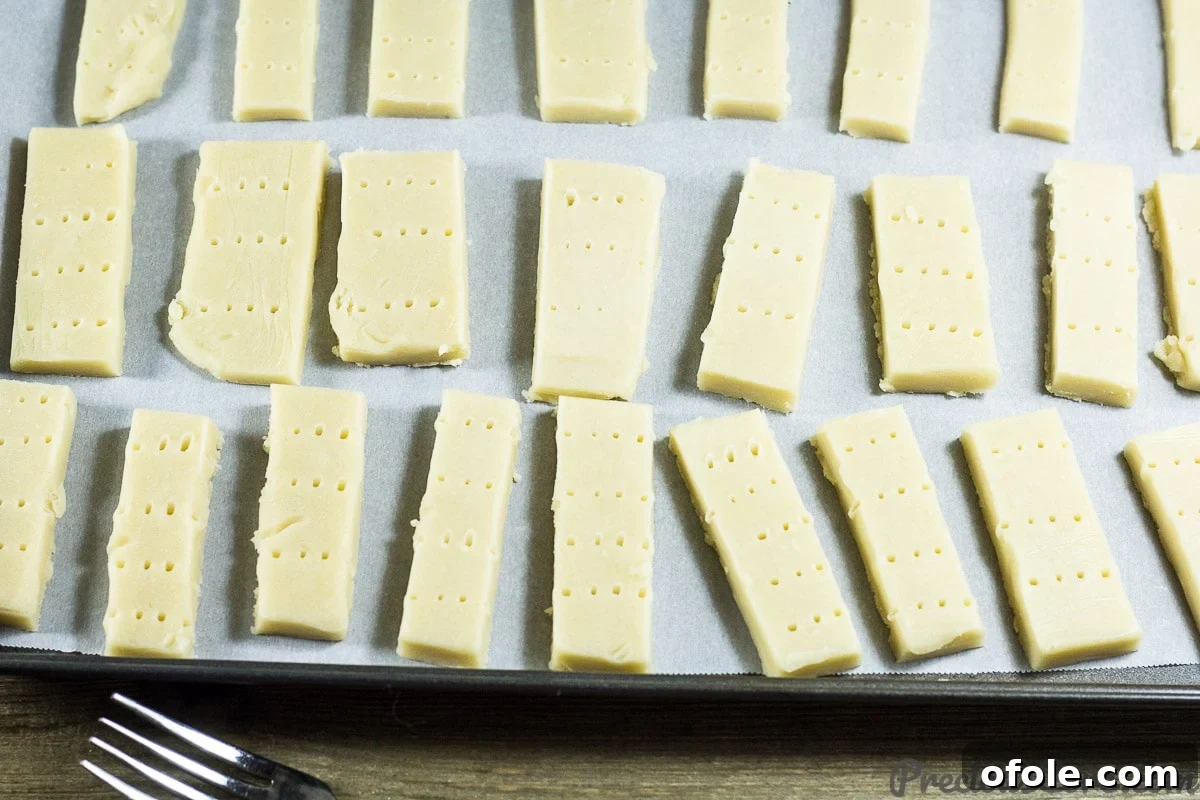
9: Prepare for Baking. Carefully arrange your cut cookies in a single layer on your prepared baking sheet, leaving a small space between each. Using the tines of a fork, gently prick each cookie a couple of times. This traditional step, known as “docking,” helps prevent the cookies from puffing up too much and creates those characteristic shortbread perforations.
10: Bake to Golden Perfection. Preheat your oven to 350 degrees Fahrenheit (175 degrees Celsius). Place the prepared baking sheet with the shortbread in the preheated oven and bake for approximately 10 to 15 minutes, or until the edges are just beginning to turn a light golden brown. The center of the cookies should still appear pale. Keep a close eye on them, as baking times can vary slightly depending on your oven.
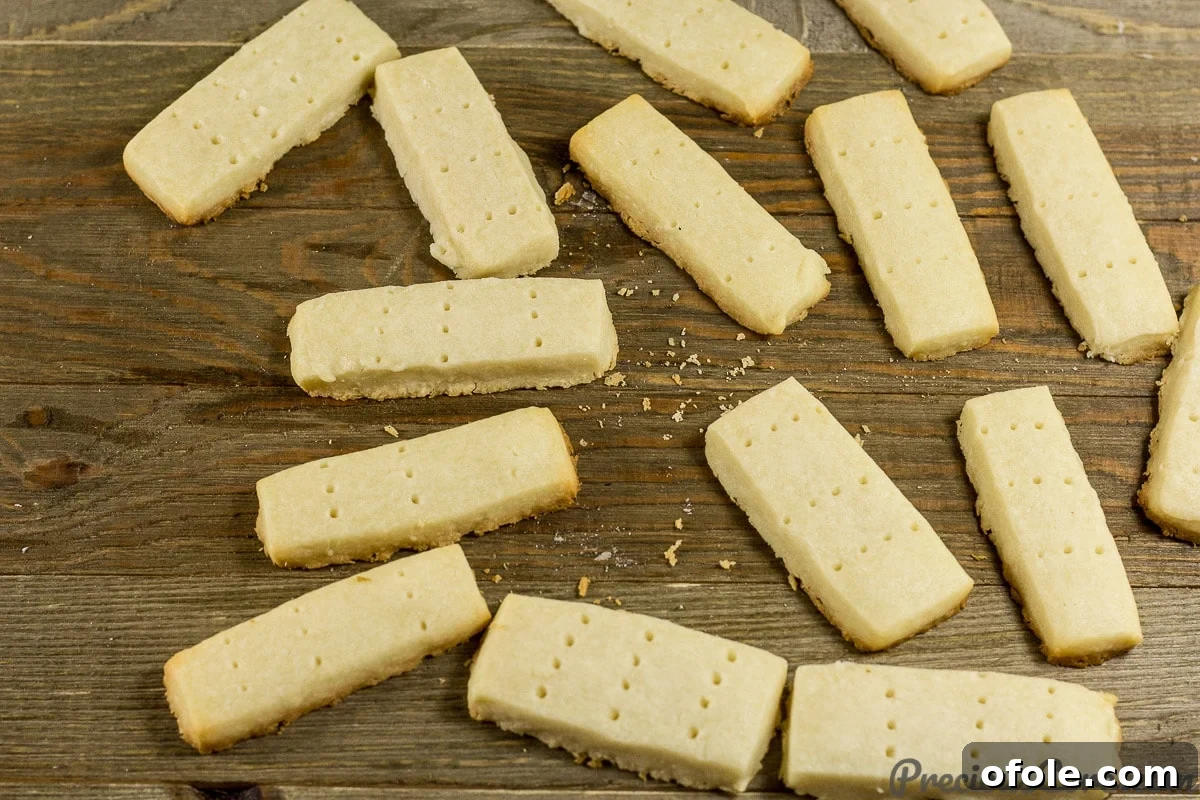
Once your shortbread cookies emerge from the oven, they will be slightly soft. This is perfectly normal! They will firm up considerably as they cool. Resist the urge to move them too quickly or forcefully from the baking pan while they are hot, as they are fragile and prone to breaking. Allow them to cool on the baking sheet for 5-10 minutes, then carefully transfer them to a wire rack to cool completely. This gentle handling ensures they retain their perfect shape and texture.
Creative Variations for Your Shortbread
While classic shortbread is delightful on its own, it also serves as an excellent canvas for culinary creativity. Here are some ideas to add your personal touch:
- Elegant Decorations: Transform your shortbread into festive treats by decorating them. A simple royal icing can be piped to create intricate designs, or for a quick and impressive finish, melt some chocolate chips and drizzle the melted chocolate over the cooled cookies.
- Textural Toppings: Before baking, sprinkle a small amount of raw (turbinado) sugar or coarse granulated sugar over the top of each cookie. This adds a lovely crunch and a touch of extra sweetness that glistens beautifully.
- Fruity Infusion with Jam: For a delightful surprise, create thumbprint-style shortbread cookies. Use a round cookie cutter, then gently press your thumb or the back of a small spoon into the center of each unbaked cookie to create an indentation. Fill this hollow with a small dollop of your favorite fruit jam (raspberry, apricot, or strawberry work wonderfully) before baking for a burst of fruity flavor.
- Edible Floral Accents: For a truly elegant touch, gently press small, edible flowers onto the dough before baking. To help them adhere, lightly brush the area with a tiny amount of egg white using a pastry brush.
- Fun with Sprinkles: Add a playful element by mixing colorful sprinkles directly into the dough before forming the cookies, or simply press them onto the top of the unbaked cookies. Ensure they are gently pressed to embed them slightly, preventing them from falling off during baking.
- Citrus Zest: Enhance the buttery flavor with a bright lift by adding 1-2 teaspoons of finely grated lemon or orange zest to your dough when you cream the butter and sugar.
- Nutty Crunch: Fold in about 1/4 to 1/2 cup of finely chopped toasted nuts (almonds, pecans, or walnuts) into the dough just before shaping for an added layer of flavor and texture.
Expert Tips For Baking Perfect Shortbread
Achieving the perfect shortbread is simple with these expert tips:
- Perfect for Any Occasion: These homemade shortbread cookies are wonderfully versatile and suitable for any time of year. They are especially cherished during the holiday season – think Christmas, New Year’s, or Valentine’s Day – and make excellent contributions to cookie exchanges. Moreover, a beautifully packaged batch of these shortbread cookies makes for thoughtful and delicious edible gifts!
- Creative Shaping Options: Beyond cutting them with knives or cookie cutters, there are many ways to shape your shortbread. You can form the dough into a log, chill it well, and then slice uniform rounds. Alternatively, for intricately designed cookies, a cookie press can create beautiful, consistent shapes with ease.
- Enhance the Flavor Profile: For a deeper, more complex flavor, consider adding a small amount of vanilla extract, almond extract, or even a touch of bourbon to your dough. Remember that a little goes a long way with extracts, so start with 1/2 to 1 teaspoon and adjust to your preference.
- DIY Icing Sugar: If you find yourself without icing sugar, don’t fret! You can easily make your own. Simply blend or process granulated sugar with a small amount of cornstarch until it reaches a fine, powdery consistency similar to confectioners’ sugar. A good ratio is 1 cup of granulated sugar to 1 to 2 teaspoons of cornstarch.
- Alternate Baking Surfaces: Instead of parchment paper, you can also bake these cookies on a high-quality silicone mat. This offers excellent non-stick properties and promotes even baking.
- Avoid Overworking the Dough: This is arguably the most crucial tip for shortbread. Overmixing or over-handling the dough develops the gluten in the flour, resulting in tough, chewy cookies instead of the desired tender, crumbly texture. Mix just until combined.
- Don’t Rush the Chill: Chilling the dough thoroughly (as mentioned in the steps) is vital. Cold butter helps the cookies hold their shape better, spreads less in the oven, and contributes to that signature shortbread snap and tenderness.
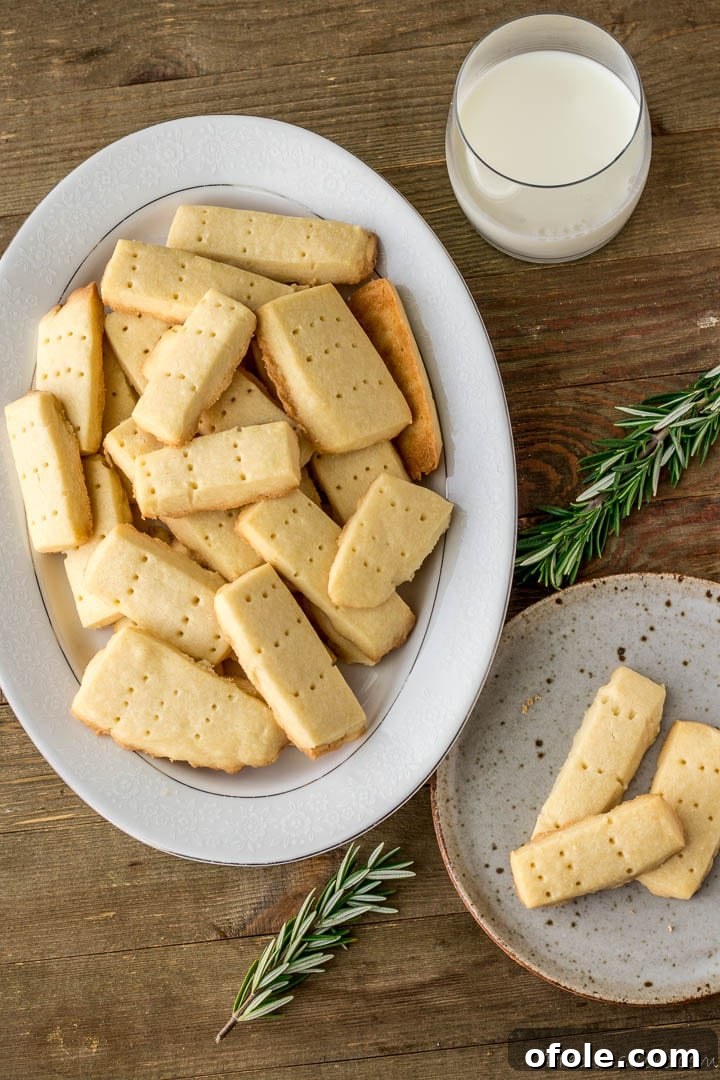
To ensure your delicious homemade shortbread cookies stay fresh and maintain their crisp texture, store them in an airtight container at room temperature for up to one week. They can also be frozen for longer storage. Now, check out the full printable recipe below!
Frequently Asked Questions About Shortbread Cookies
The primary secrets to exceptional shortbread lie in two key areas: proper dough handling and chilling. First, avoid overmixing the dough at all costs. Overworking develops gluten, which can make your cookies tough instead of tender. Mix just until the ingredients are combined. Second, ensure the dough is thoroughly chilled before rolling and baking. Cold butter helps the cookies maintain their shape and prevents excessive spreading, resulting in that perfectly crisp yet tender texture. The right butter-to-flour ratio, which this recipe perfectly balances, is also paramount.
While both are rich, buttery delights, butter cookies and shortbread cookies differ primarily in their ingredient ratios. Shortbread typically has a higher butter-to-flour ratio, often without eggs or leavening, resulting in a very tender, crumbly, melt-in-your-mouth texture. Butter cookies, on the other hand, usually contain a higher proportion of dry ingredients and often include eggs and sometimes a small amount of leavening. This gives them a slightly firmer, crisper texture compared to the delicate crumb of shortbread.
The single biggest mistake to avoid when making shortbread is overworking the dough. Excessive mixing develops the gluten in the flour, transforming your potential melt-in-your-mouth cookies into tough, dense, and unpleasantly chewy biscuits. The goal is a delicate, crumbly texture, which is achieved by mixing only until the ingredients are just combined and the dough comes together. Minimal handling is key to shortbread success.
While you *can* use margarine, it is highly recommended to use real butter for authentic shortbread. Butter contributes significantly to the unique flavor, richness, and melt-in-your-mouth texture that defines traditional shortbread. Margarine has a different fat and water content, and often a different melting point, which can alter the texture and flavor of the final cookie, making it less tender and less flavorful. For the best results, stick with high-quality butter.
To maintain their crispness and fresh flavor, store your homemade shortbread cookies in an airtight container at room temperature. They will typically stay fresh for up to one week. For longer storage, you can freeze them for up to 2-3 months. Ensure they are completely cooled before storing or freezing to prevent condensation, which can make them soggy.
Watch: How to Make Homemade Shortbread Cookies
Prefer to follow along visually? This video tutorial walks you through each step of making these delicious homemade shortbread cookies.
Subscribe to my channel for more delicious recipes!
Subscribe
More Irresistible Cookie Recipes You’ll Love
If you’re a fan of baking cookies, explore these other fantastic recipes that are sure to become family favorites:
- Coconut Chocolate Chip Cookies: A tropical twist on a classic favorite.
- Easy Coconut Macaroons: Chewy, sweet, and incredibly simple.
- Easiest Chocolate Chip Cookies: A foolproof recipe for the ultimate comfort cookie.
- Danish Butter Cookies: Elegantly crisp and buttery, perfect for any occasion.
- Lemon Shortbread Cookies: A refreshing, zesty take on traditional shortbread.
- Cinnamon Chocolate Chip Cookies: Warm spices meet chocolatey goodness.
If you try this recipe for Homemade Shortbread Cookies, please take a moment to leave a star rating and comment below. Your feedback means the world to me!
The Full Shortbread Cookies Recipe Card
20 minutes
10 minutes
30 minutes
36
cookies
Save Recipe
Saved Recipe
Pin Recipe
Rate
Print Recipe
Ingredients
-
1 cup unsalted butter (225g) — must be butter, not margarine, at room temperature -
2 cups plain flour (250g) — all-purpose flour -
1/2 cup icing sugar — confectioner’s sugar -
1/2 teaspoon salt — omit if using salted butter
Instructions
-
Preheat your oven to 350 Degrees Fahrenheit (175°C). Line a large baking tray or two medium ones with parchment paper and set aside for later.
-
In a spacious mixing bowl, combine the room temperature unsalted butter and icing sugar. Use a sturdy fork, wooden spoon, or a stand/hand mixer (with a paddle attachment) to cream them together until the mixture is visibly light, fluffy, and well combined. This can take a few minutes.
-
Sift half of your plain flour into the butter-sugar mixture, along with the salt (if using unsalted butter). Gently mix until just incorporated. The dough will start to look crumbly.
-
Add the remaining flour. Continue mixing, first with a utensil, then switch to your hands to bring the crumbly mixture together into a cohesive, firm ball of dough. Be careful not to overmix to maintain a tender texture.
-
Wrap the dough ball tightly in plastic wrap. Gently press it into a rectangular shape, aiming for a thickness of about half an inch.
-
Refrigerate the wrapped dough for at least 30 minutes. This chilling period is crucial for the butter to firm up, ensuring the cookies hold their shape beautifully during baking. While the dough chills, ensure your oven is preheated to 350°F (175°C). After chilling, remove the dough and, keeping it wrapped in plastic, use a rolling pin to roll it out to a uniform thickness of approximately 1/4 inch.
-
Unwrap the dough. Using a sharp knife or cookie cutters, cut the dough into your desired shapes (classic fingers, rounds, etc.). Re-roll any scraps and cut more cookies until all dough is used.
-
Arrange the cut cookies in a single layer on your prepared baking sheets, leaving a small space between each.
-
Using a fork, gently prick each cookie two or three times. This “docking” helps release steam and prevents excessive puffing.
-
Bake in the preheated oven for approximately 10-15 minutes, or until the edges are lightly golden brown and the centers are still pale. Do not overbake.
Notes
2. If you are working in a warm kitchen, the dough may become very soft due to the butter melting. If this happens, simply place the dough (or cut cookies on the baking sheet) back into the refrigerator for 10-15 minutes to firm up before continuing to work with it or baking. Ensuring the dough is firm before baking helps prevent spreading and ensures crisp, perfect cookies.
3. If you opt to use salted butter instead of unsalted, remember to completely omit the 1/2 teaspoon of salt from the recipe.
4. The nutritional information provided is an estimate per cookie, based on 36 servings.
Nutrition
Carbohydrates: 7g |
Protein: 1g |
Fat: 5g |
Saturated Fat: 3g |
Polyunsaturated Fat: 0.2g |
Monounsaturated Fat: 1g |
Trans Fat: 0.2g |
Cholesterol: 14mg |
Sodium: 33mg |
Potassium: 9mg |
Fiber: 0.2g |
Sugar: 2g |
Vitamin A: 158IU |
Calcium: 3mg |
Iron: 0.3mg
Additional Info
Dessert, Snack
Scottish, American
77
Tried this recipe?
Mention @preciouscore or tag #PreciousCore!
*This recipe has been thoughtfully updated with new pictures, clarified measurements, comprehensive nutritional information, and an abundance of helpful tips to ensure your baking success.
“The prayer of a person living right with God is something powerful to be reckoned with.” (James 5:16, MSG)