
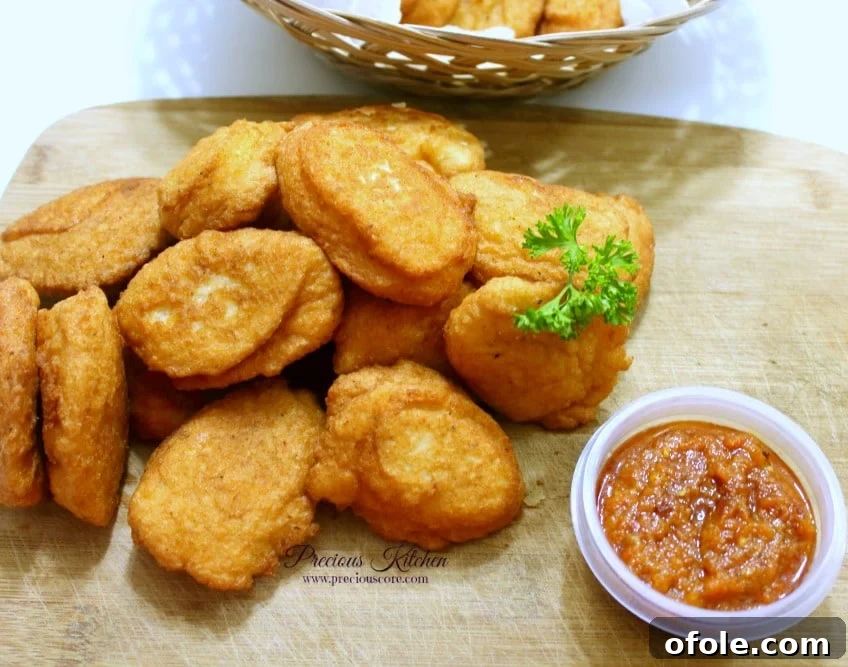
Accra Beans: A Culinary Journey into the Heart of African Comfort Food
My profound appreciation for Accra Beans, also known as Black-Eyed Pea Fritters, blossomed during a particularly memorable time in my life. Before then, this beloved snack was merely a familiar sight, but pregnancy introduced me to its irresistible charm. There’s a peculiar magic during pregnancy that can turn a casual liking into an intense craving, sometimes even a delightful addiction. That’s precisely how Accra Beans completely captivated me.
During that period, I held a part-time teaching position at a private university conveniently located near the bustling Great Soppo market in Buea, nestled in Cameroon’s picturesque South West region. Following my lectures, which often coincided with market days, I would make a beeline for the market. My destination was a specific vendor, a skilled lady who fried Accra Beans on the spot, filling the air with an intoxicating aroma. These savory fritters were the sole reason I would hurry from the taxi, often unable to wait until I reached home to indulge. Accra Beans transformed countless taxi rides into impromptu dining experiences; my patience would wane, and I’d eagerly tear open the plastic bag, savoring each bite right there and then. Even now, long after the pregnancy hormones have subsided, my love affair with Accra Beans continues undiminished.
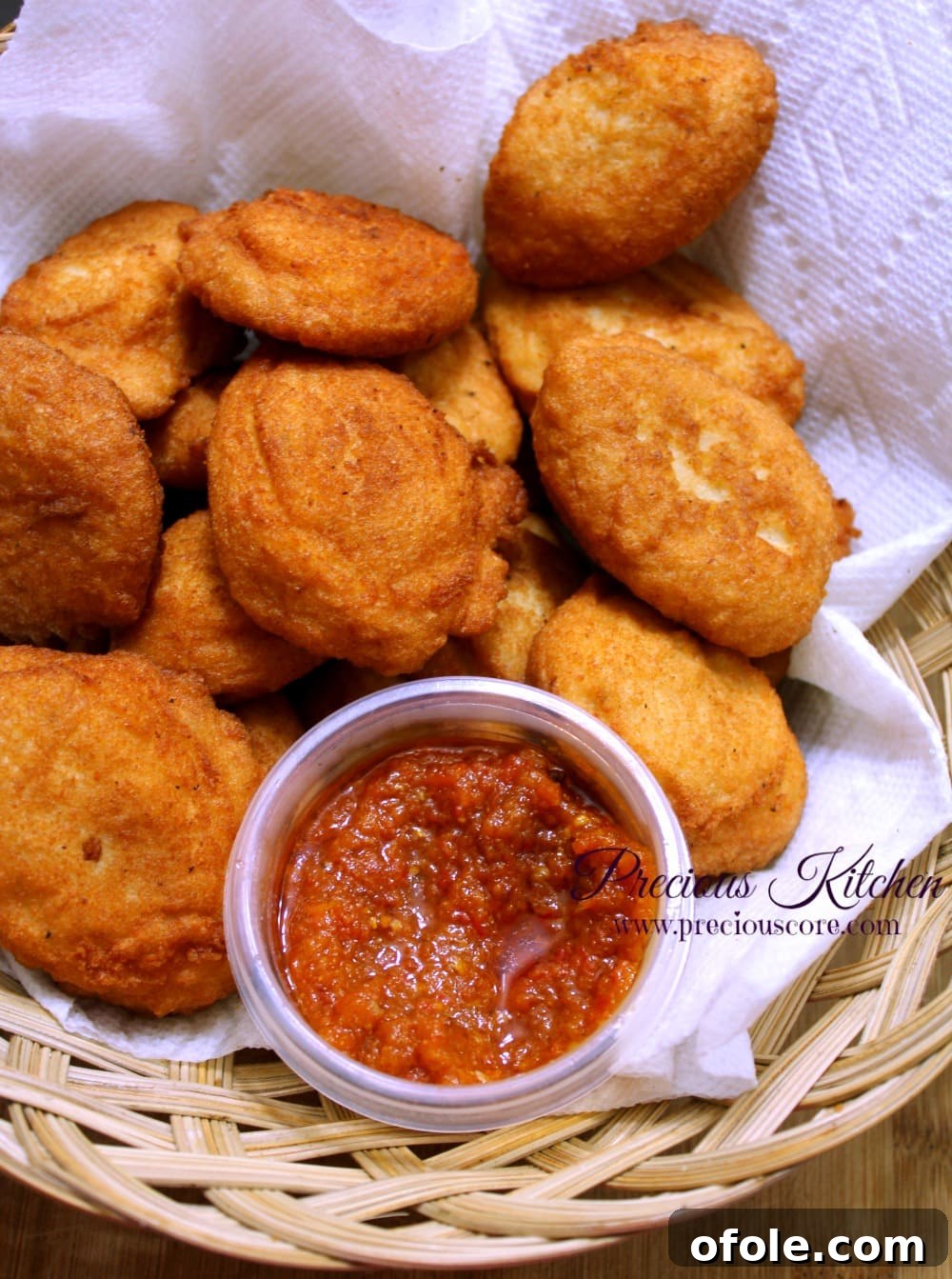 |
| Irresistibly golden and delicious! |
Discovering the Roots and Richness of Accra Beans
When you fall deeply in love with a particular dish, it’s only natural to desire to recreate it yourself. The convenience of street vendors isn’t always available, but the desire for delicious, homemade food always remains. The wonderful news is that you don’t need to be in Africa to craft these delightful fritters! The primary ingredient, black-eyed peas, is readily accessible in most grocery stores worldwide. Just check the beans aisle; you might be surprised to find this staple near you, often labeled as “cowpeas” or “lobya.”
Accra Beans hold a special place in the culinary landscape of Cameroon and West Africa. This popular street food is ubiquitous, sold by hawkers carrying large pans on their heads, offered in small food kiosks, and universally adored by locals and visitors alike. These crispy, flavorful fritters are a phenomenal way to transform simple black-eyed peas into an extraordinary culinary experience. The traditional preparation involves carefully peeling the beans, soaking them in water for several hours, grinding them into a smooth paste, and finally deep-frying them to golden perfection.
While fresh beans are preferred for their superior texture and flavor, some variations utilize powdered black-eyed peas mixed with water. My initial attempts at making this snack involved packets of powdered black-eyed peas, sometimes known as Koki Beans flour. While the powdered version yields a tasty result, the texture differs notably from fritters made with freshly ground beans. I wholeheartedly recommend fresh beans for an authentic and unparalleled experience. Though they require a little more time and effort, every single bite is a testament to their worth.
Nomenclature and Cultural Significance: Accra, Akara, and Beyond
In broader culinary terms, this delightful snack is often referred to as “Black-Eyed Pea Fritters.” However, if you’re a local enthusiast like me, you’ll affectionately call them Accra Beans in Cameroon, or Akara in Nigeria. Be sure to pronounce it with a wide, joyful mouth – it adds to the authenticity! While other countries are known to have similar bean fritters, Accra Beans and Akara stand out as iconic West African staples, cherished for their versatility and profound cultural significance.
These fritters are more than just a snack; they embody tradition, community, and the vibrant spirit of African street food culture. From bustling markets to quiet home kitchens, the aroma of frying Accra Beans evokes a sense of comfort and nostalgia. They are a testament to the ingenious ways simple ingredients can be transformed into something truly special, reflecting the rich culinary heritage of the region.
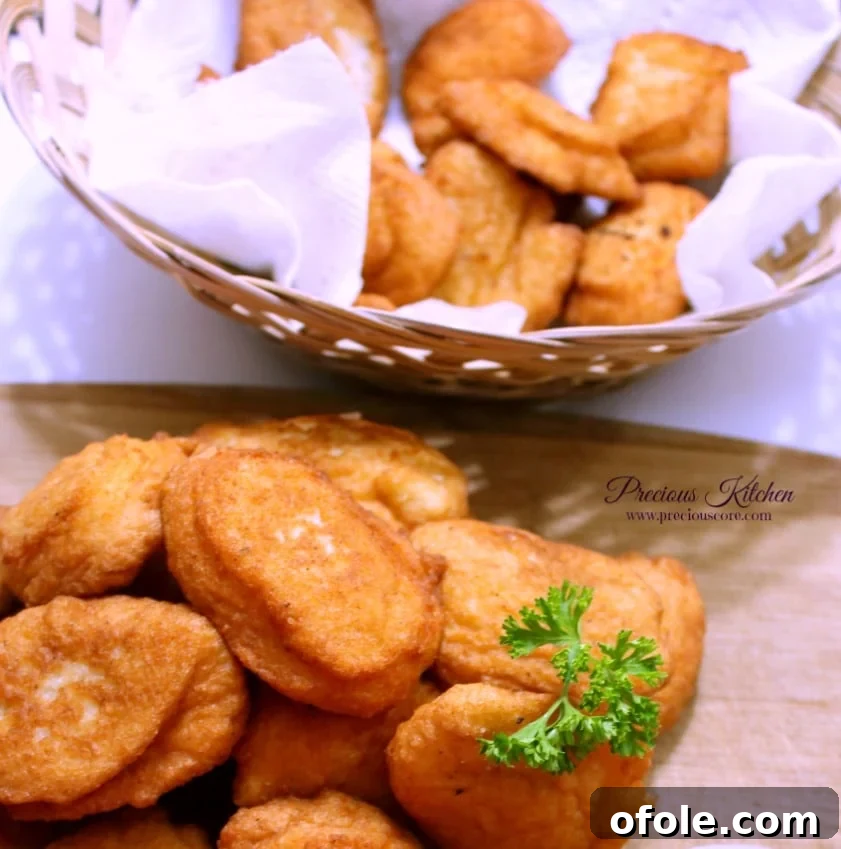 |
| Pure delight in every bite! |
Serving Suggestions: Versatile and Delicious
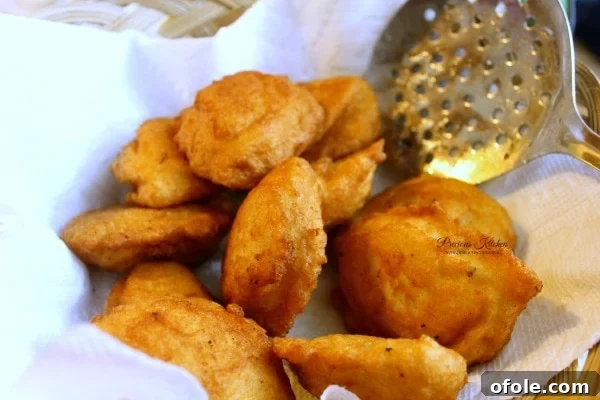
When freshly made, these fritters boast a delightful crunch on the outside, giving way to a soft, fluffy interior. Their versatility knows no bounds; they can be enjoyed as a hearty appetizer, a satisfying breakfast dish, or a wholesome snack. For breakfast, Accra Beans are traditionally served alongside Pap (a creamy porridge made from corn) or Custard, creating a comforting and filling meal. Many Cameroonians also enjoy these fritters as a sandwich filling, tucked into bread, a combination they often praise for its simple yet profound deliciousness.
Personally, my favorite way to enjoy them is as a standalone snack, often paired with my signature homemade pepper sauce. The spicy kick of the sauce perfectly complements the savory, slightly sweet flavor of the fritters, creating an explosion of taste that is truly unforgettable.

Crafting Perfect Accra Beans: A Step-by-Step Guide
Making Accra Beans from scratch is a rewarding experience. The process, while requiring a bit of patience, is straightforward and yields incredibly satisfying results. For this classic recipe, you will primarily need fresh black-eyed peas (often referred to as Koki beans), salt, vegetable oil for frying, and a touch of onion for flavor.
The Preparation: Peeling and Soaking the Beans
The first crucial step is to peel the skin off the black-eyed peas. This is best done the night before you plan to cook. Begin by soaking the beans in water for about five minutes. Next, transfer them to a blender and pulse them for approximately two minutes. The pulsing action will gently loosen the skins without grinding the beans themselves. Pour the pulsed beans into a large bowl and add sufficient water; the skins, being lighter, will float to the surface. Carefully drain these floating skins using a colander. Repeat this process of adding water and draining the skins until most, if not all, of them are removed. A few stray skins are perfectly fine and won’t affect the final product. If any beans remain whole with their skins, a slight rub between your hands can help remove them. Once peeled, let the beans soak in clean water overnight, or for a minimum of six hours, to ensure they are fully hydrated and ready for grinding.
Grinding the Beans: Achieving the Perfect Paste
The next morning, drain the soaked beans thoroughly. Transfer them to a blender along with your chopped onion. The key here is to blend with very little water to achieve a truly thick, smooth paste. If your blender has a smaller compartment, I highly recommend using it as it tends to be more effective for achieving this desired consistency. It might take a bit of patience, blending in small batches, but the effort is crucial for the texture of your fritters. The goal is a uniform, lump-free paste. Traditionally, beans for fritters are ground without water, but a modern blender typically requires a small amount to achieve a smooth consistency. If you have a food processor, it is an excellent tool for this step, as it can grind the beans effectively with minimal to no water.
Once blended, pour your thick bean paste into a bowl. I often reminisce about traditional methods, where a mortar and pestle would be used, much like the Mami Accras (Accra Bean vendors) do. However, a sturdy wooden spoon and a regular kitchen bowl will work just as well for the subsequent steps.
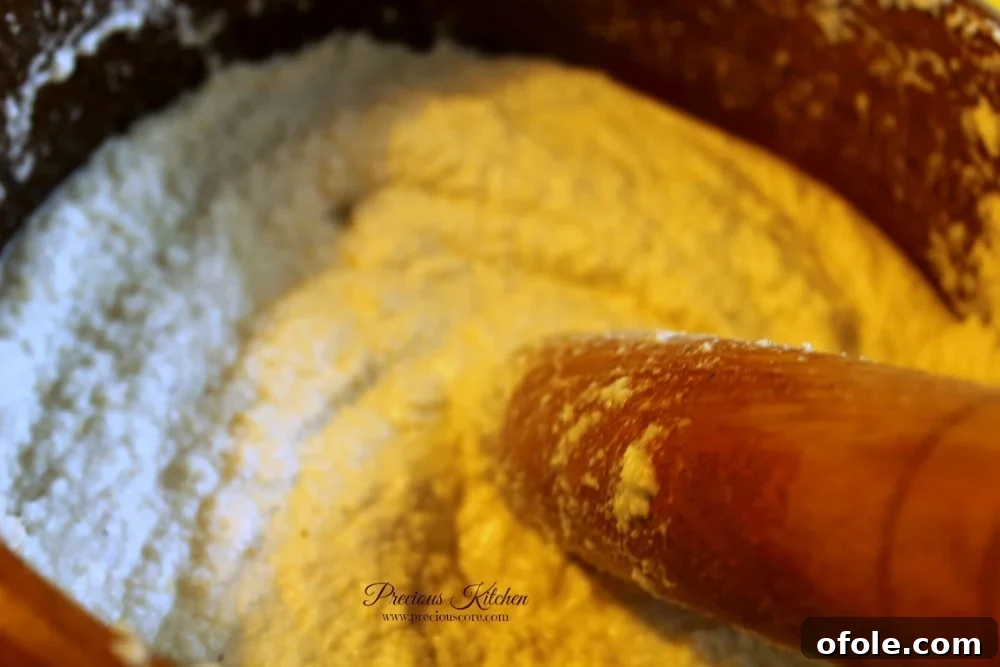
Aerating the Mixture: The Secret to Fluffy Fritters
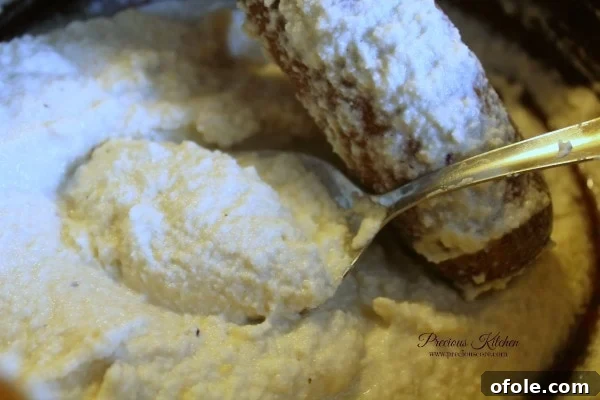
Now, add a generous teaspoon of salt to your bean paste. This is a critical step for flavor. Begin to stir the mixture vigorously in a circular motion. This continuous stirring helps to trap air within the paste, making it light and fluffy. This aeration process is what prevents your Accra Beans from being dense and heavy; instead, they will be wonderfully airy and soft on the inside. Halfway through your stirring, place your vegetable oil in a deep pot or pan and set it to heat over medium-high heat. Continue stirring the bean mixture until it feels visibly lighter and slightly increased in volume. The mixture should taste slightly saltier than you might expect for a regular meal, as the saltiness will mellow out during the frying process. If you add “just enough” salt, the final fritters might turn out bland.
Frying to Perfection: Golden and Crispy
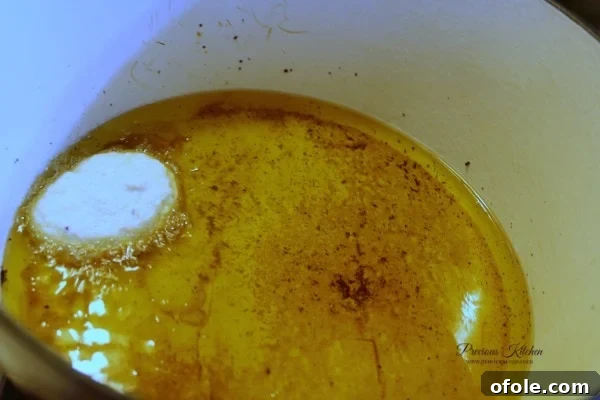
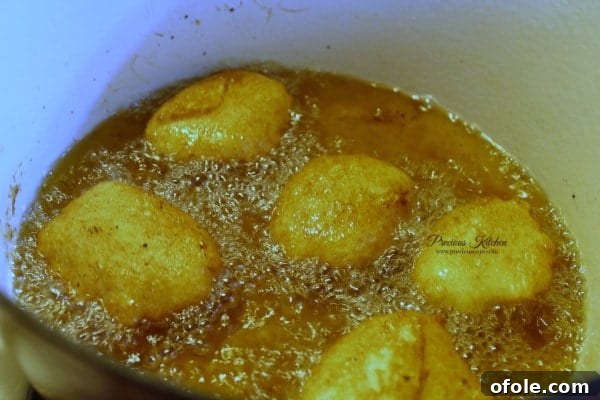
Once your oil is hot, it’s time to start frying. I always begin with a single scoop of the bean dough, placing it gently into the hot oil. This test fritter helps me gauge if the oil temperature is just right. If it fries well, turning a beautiful golden brown color within a minute or two, then the oil is ready. If it browns too quickly, the oil is too hot; if it takes too long and soaks up oil, it’s not hot enough. Adjust the heat accordingly. Once satisfied, flip the test fritter to cook on the other side.
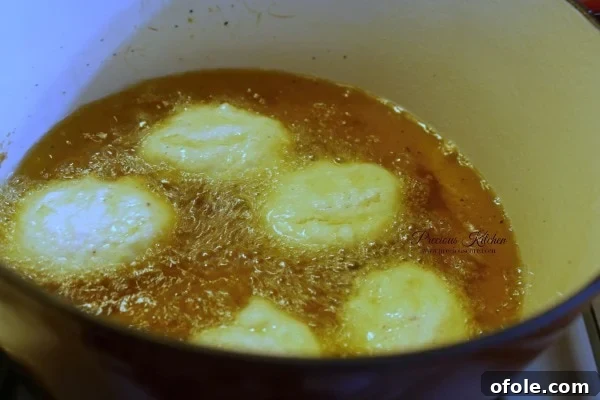
After a successful test, proceed with the rest of the batter. Using a flat-headed spoon, scoop spoonfuls of the dough and carefully place them into the hot oil. Be mindful not to overcrowd your pot, as this can lower the oil temperature and lead to soggy fritters. Fry them in batches, allowing enough space for each fritter to cook evenly and turn golden brown on all sides.
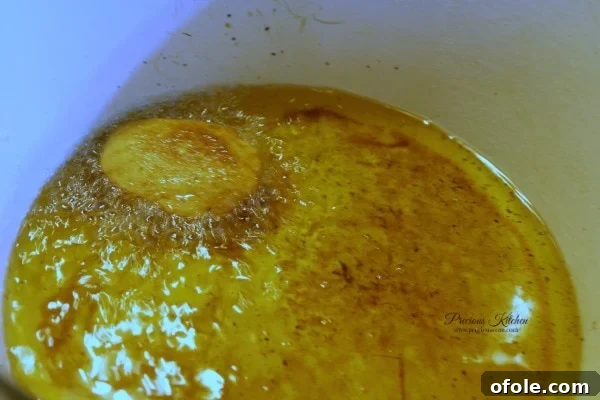
Allow them to fry on each side for approximately two minutes, or until they achieve a rich golden-brown hue and a crispy exterior. You’ll notice them swell slightly as they cook, a testament to the air incorporated during the stirring process.
Once perfectly golden and crispy, remove the Accra Beans from the oil and place them on a plate lined with paper towels to absorb any excess oil. At this point, the aroma alone is enough to tempt you. Grab one, take a moment, and savor that first divine bite—it’s pure culinary bliss.
And remember, for an authentic and truly unforgettable experience, don’t forget to pair your freshly fried Accra Beans with a generous serving of that phenomenal pepper sauce. The combination is simply irresistible. Enjoy this taste of Africa right in your own home!
Below you’ll find the printable recipe for your convenience.
- 2 cups black-eyed peas (also known as Koki beans)
- Half a medium-sized onion, chopped
- 1 teaspoon salt, or to taste
- 2 cups vegetable oil, for deep frying
Soak the black-eyed peas in 4 cups of water for 5 minutes.
Transfer the soaked beans to a blender and pulse for 2 minutes. This action is crucial for loosening the skins without grinding the beans.
Pour the pulsed beans into a large bowl and add about 8 cups of fresh water. The skins will naturally float to the surface.
Carefully pour the water and floating skins into a colander, separating them from the heavier beans. Repeat this process until nearly all the skins are removed. A few remaining skins are acceptable. If some beans are still whole with skins, gently rub them with your hands to loosen and remove the skin.
Once peeled, soak the clean beans in four cups of fresh water overnight or for approximately 6 hours.Step 2: Grinding the Bean Paste
The next morning, drain the soaked beans thoroughly. Combine the drained beans and the chopped onion in a blender.
Blend with a VERY minimal amount of water until a smooth, thick paste is formed. To achieve the best consistency, you can start by crushing the beans without water, then gradually add a tiny bit of water and blend again. If your blender has a small compartment, utilizing it can be more effective for creating a fine paste. This step requires patience; blend in small batches to ensure optimal results. If you possess a food processor, it is ideally suited for this task, allowing you to grind the beans without adding any water, which is the traditional method.Step 3: Aerating the Mixture and Preparing to Fry
Pour the ground bean paste into a large bowl. Begin stirring vigorously in a circular motion. This process is essential for incorporating air into the mixture, which will make the fritters light and fluffy rather than dense. Continue stirring until the paste appears lighter and slightly airy.
Midway through your stirring, place a deep pot or pan on the stove and add the vegetable oil, setting it to heat over medium-high heat.
Now, add the salt to the bean mixture and continue stirring. The mixture should taste slightly saltier than usual, as the saltiness will mellow during frying. Insufficient salt may result in bland fritters.Step 4: Frying the Accra Beans
Once the oil is hot and the bean mixture is aerated, begin frying on medium heat. Using a spoon, scoop a portion of the bean dough and carefully drop it into the hot oil.
Start with one test fritter to ensure the oil temperature is correct (it should turn golden brown without burning quickly or soaking too much oil).
Fry the fritters in batches, being careful not to overcrowd the pot. Allow each side to fry for about two minutes, or until they achieve a beautiful golden-brown color and a crispy exterior.
Once fried, remove the Accra Beans and place them on a plate lined with paper towels to absorb any excess oil.
Serve immediately with your favorite dipping sauce, especially a spicy pepper sauce!
Prep time: Cook time: Total time: Yield: Approximately 20 fritters
Important Notes for Best Results
- You do not need to add seasoning cubes (like Maggi or Knorr) to Accra Beans. Their natural flavor, enhanced by onion and salt, is perfectly sufficient and authentic.
- For those who enjoy a bit of heat, you can add some fresh chili pepper to the beans before grinding. This is entirely optional and can be adjusted to your personal taste.
- For the crispiest results, ensure your oil is at the correct temperature (medium-high) and avoid overcrowding the pan.
- Accra Beans are best enjoyed fresh, but leftovers can be gently reheated in an oven or air fryer for a few minutes to restore some crispness.
The Joy of Sharing and Savoring
Accra Beans are more than just food; they are an invitation to experience a piece of West African culinary heritage. Whether you’re making them for a family breakfast, a casual snack, or to share with friends, the process and the end result are deeply satisfying. The simple act of peeling, grinding, and frying these humble black-eyed peas transforms them into a truly magical treat. Embrace the journey, savor the aromas, and delight in the incredible flavors of these traditional African fritters. We encourage you to try this recipe, experiment with your favorite sauces, and share the joy of Accra Beans with everyone around you!