
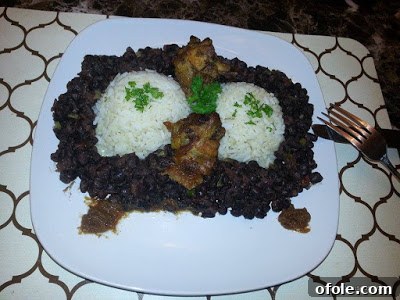
| Hearty Rice and Beans, Cameroonian Style |
There are dishes that transcend mere sustenance, becoming etched into the fabric of our memories and cultures. For many, especially those who’ve experienced the unique camaraderie of boarding school, the combination of rice and beans holds a special place. It’s more than just a meal; it’s a nostalgic symphony of flavors and textures, a culinary embrace that feels inherently right, as if these two humble ingredients were always destined to be together. This timeless pairing, particularly the rich and savory Cameroonian rendition, offers comfort, nourishment, and a taste of home.
My own journey with rice and beans is deeply rooted in personal history. I vividly recall the sheer delight my younger brother experienced whenever this beloved dish graced the boarding school menu. The announcement alone was enough to spark a small, spontaneous victory dance – a testament to the profound joy a well-prepared plate of rice and beans could bring amidst the routine of school life. This isn’t just a sentiment unique to my brother; I’ve observed a similar adoration in my “adopted” daughter. Whenever the daily culinary choice falls to her, without fail, she proposes rice and beans, an indication of its enduring appeal as a family favorite and a true comfort food.
The beauty of such a foundational dish lies in its versatility and the potential to elevate it. I often find myself contemplating how a simple, yet profoundly satisfying, meal like rice and beans could be presented in a more refined setting. What if it were to grace the menu of a five-star restaurant? This imaginative exercise sparked the inspiration behind the elegant presentation you’ll see later in this article, demonstrating that even the most traditional dishes can be transformed with a touch of culinary artistry.
While many methods exist for preparing beans, from simple boiling to intricate casseroles, there’s one approach that, for me, consistently yields the most exquisite results: the method of stir-frying the beans in a vibrant medley of oil, aromatic spices, and often, fresh tomatoes. This technique, a cornerstone of West African cooking, especially in Cameroon, creates a depth of flavor that is unparalleled, transforming plain boiled beans into a rich, savory stew that perfectly complements fluffy rice. It’s this particular method that truly takes the crown in my culinary repertoire, and I am excited to share it with you.
So, without further ado, let’s embark on a delicious journey into the kitchen to recreate this authentic and cherished Cameroonian delight. Prepare to master the art of crafting flavorful stewed beans that will undoubtedly become a staple in your home.
Mastering the Art of Cameroonian Stewed Beans
This recipe for stewed beans, a quintessential component of the famous rice and beans dish, is designed to guide you through creating a rich, deeply flavored stew that perfectly balances tradition with simplicity. While the total time accounts for the boiling of dried beans, much of this is passive cooking time, allowing you to prepare other elements or simply relax while the beans tenderize.
Stewed Beans Recipe
Prep time: 2 hours (includes soaking if preferred, otherwise about 15 mins active prep)
Cook time: 30 minutes (after beans are boiled)
Total time: 2 hours, 30 minutes (mostly passive boiling time)
Serves: 4 generous portions
Essential Ingredients for Flavorful Stewed Beans:
- Two cups of dried beans: Opt for black beans or small red beans for an authentic taste and creamy texture. Other varieties like kidney beans or cowpeas also work wonderfully, each lending its unique character to the stew. Soaking them overnight (or for at least 4 hours) is highly recommended to reduce cooking time and improve digestibility.
- 3 ripe tomatoes: Fresh, juicy tomatoes are key to the stew’s vibrant color and tangy depth. Choose firm, red tomatoes for the best flavor.
- 1 medium-sized onion: The aromatic foundation of many West African stews. A white or yellow onion will provide a sweet, pungent base when sautéed.
- 2 stems of green onions (scallions): These add a fresh, pungent lift and a touch of color towards the end of the cooking process.
- Half teaspoon each of ground garlic and ginger: This dynamic duo forms the aromatic heart of the stew, providing warmth, depth, and a subtle spice. Freshly minced is always best, but good quality ground spices are a convenient alternative.
- 2 seasoning cubes (e.g., Maggi, Knorr): These umami-rich cubes are a staple in African cooking, enhancing the overall savoriness of the dish. Adjust quantity to your preference.
- Half cup of oil (or more, as desired): Vegetable oil, sunflower oil, or canola oil are suitable. The oil is crucial for sautéing the aromatics and developing the rich base of the stew.
- Salt to taste: Essential for seasoning and balancing all the flavors. Remember to taste and adjust throughout the cooking process.
Method: Step-by-Step Guide to Perfection
- Prepare the Beans: Begin by boiling your dried beans. If you’ve soaked them overnight, this process will be much quicker. Rinse the soaked beans thoroughly and place them in a large pot with plenty of fresh water. Bring to a boil, then reduce heat and simmer for approximately one hour thirty minutes to two hours, or until they are perfectly tender but not mushy. The exact time will depend on the type and age of your beans. Towards the end of the cooking time, when the beans are almost done, stir in a generous pinch of salt. This allows the salt to penetrate the beans, seasoning them from within. Let them sit in their cooking liquid for a few minutes, then drain thoroughly and set aside. The goal here is tender beans ready to absorb the rich flavors of the stew.
- Prepare Your Aromatics: While the beans are cooking, finely chop your onions and tomatoes. Slice the green onions and set all aside. Having your ingredients prepped in advance ensures a smooth cooking process.
- Build the Flavor Base: In a large pot or deep skillet, warm the half cup of oil over medium heat. Once shimmering, add the chopped onions and sauté gently. Stir frequently until the onions become translucent and fragrant, taking care not to burn them. This step creates the aromatic foundation for your stew.
- Develop the Tomato Paste: Add the chopped tomatoes to the sautéed onions. Increase the heat slightly and allow the tomatoes to fry down. This process, often referred to as “frying the tomatoes,” is crucial for concentrating their flavor and deepening the color of your stew. Stir occasionally to prevent sticking, and continue cooking until the tomatoes are well shrunk, their liquid has evaporated, and they begin to stick to the bottom of the pot, forming a thick, rich paste. This indicates maximum flavor development.
- Infuse with Spices: Once the tomato base is rich and ready, add the sliced green onions and stir for about a minute. Then, incorporate the ground garlic, ginger, and the crumbled seasoning cubes. Stir well, allowing the spices to bloom in the hot oil for another minute, releasing their full aroma and flavor into the stew base.
- Combine and Simmer: Finally, add the drained, boiled beans to the aromatic tomato-and-spice base. Mix everything thoroughly, ensuring the beans are fully coated with the rich sauce. Reduce the heat to low, cover the pot, and allow the stew to simmer for a few minutes. This crucial step allows all the flavors to meld beautifully and for the beans to absorb the deliciousness of the sauce. Taste the stew and adjust the seasonings as needed. You might want to add a touch more salt or another seasoning cube if desired. If the stew appears too thick, a splash of water or a bit of the reserved bean cooking liquid can be added to achieve your preferred consistency.
Serve this delectable stewed beans with freshly boiled rice. While boiling rice might seem elementary to some, achieving perfectly fluffy, separate grains requires attention. Rinse your rice thoroughly, use the correct water-to-rice ratio (typically 1.5 to 2 cups of water per cup of rice, depending on the rice type), and resist the urge to lift the lid while it steams. For a more robust meal, consider brown rice; for a lighter touch, basmati or jasmine rice works wonderfully.
Presentation Matters: From Traditional Comfort to Gourmet Flair
The way food is presented can significantly enhance the dining experience. While the taste remains paramount, a thoughtful presentation can elevate a simple meal to something truly special. Here are two distinct ways to serve your delicious Cameroonian rice and beans:
The Traditional, Hearty Approach (Ma Dorothy’s Style):
For those who cherish the comforting, unpretentious spirit of home cooking, the traditional serving style is perfect. This often involves a generous scoop of fluffy rice alongside a heaping portion of the rich, savory stewed beans, allowing the flavors to mix freely on the plate. It’s a style that speaks of abundance, community, and the simple joy of a satisfying meal shared with loved ones. Imagine it served just like you’d find it in a beloved local eatery, like Ma Dorothy’s restaurant – straightforward, wholesome, and utterly delicious.
The Five-Star Experience: Elevating Your Home Dining:
If you’re aiming to impress or simply wish to bring a touch of gourmet elegance into your home, consider this elevated presentation. This approach transforms the humble rice and beans into a visually stunning and culinarily complex dish, perfect for special occasions or when you simply want to treat yourself.
This refined presentation features slices of perfectly fried chicken breasts, offering a lean protein complement and an additional layer of texture and flavor. The chicken can be simply seasoned and pan-fried until golden, or marinated in a blend of herbs and spices for an extra kick. Accompanying this is a drizzle of homemade peppered sauce – a vibrant, spicy condiment often made with Scotch bonnet peppers, bell peppers, onions, and various spices, cooked down to a fiery perfection. This sauce adds a delightful heat and a beautiful splash of color. Finally, the dish is artfully garnished with fresh parsley, not just for visual appeal, but also to introduce a hint of fresh, herbaceous aroma that brightens the entire plate. Other thoughtful garnishes could include a slice of ripe avocado, some crisp fried plantains, or a simple side salad to add freshness.
The Nutritional Powerhouse: Why Rice and Beans?
Beyond its incredible taste and versatility, the rice and beans combination is a nutritional powerhouse. Beans are an excellent source of plant-based protein, dietary fiber, complex carbohydrates, and essential vitamins and minerals like iron, folate, and magnesium. They contribute to heart health, aid in digestion, and provide sustained energy release. Rice, particularly brown rice, adds further fiber and serves as a primary energy source. Together, they form a complete protein, making this an incredibly wholesome and balanced meal that is both satisfying and beneficial for your well-being. It’s a testament to how simple ingredients can come together to create something truly nourishing.
Whether you choose the comforting traditional style or opt for a sophisticated gourmet presentation, one thing is certain: this Cameroonian stewed beans and rice dish is a culinary experience not to be missed. It’s a versatile meal that can be adapted to various tastes and preferences, making it a perfect addition to any kitchen. Enjoy your meal, and as always, know that I “luff” sharing these delicious moments with you!