
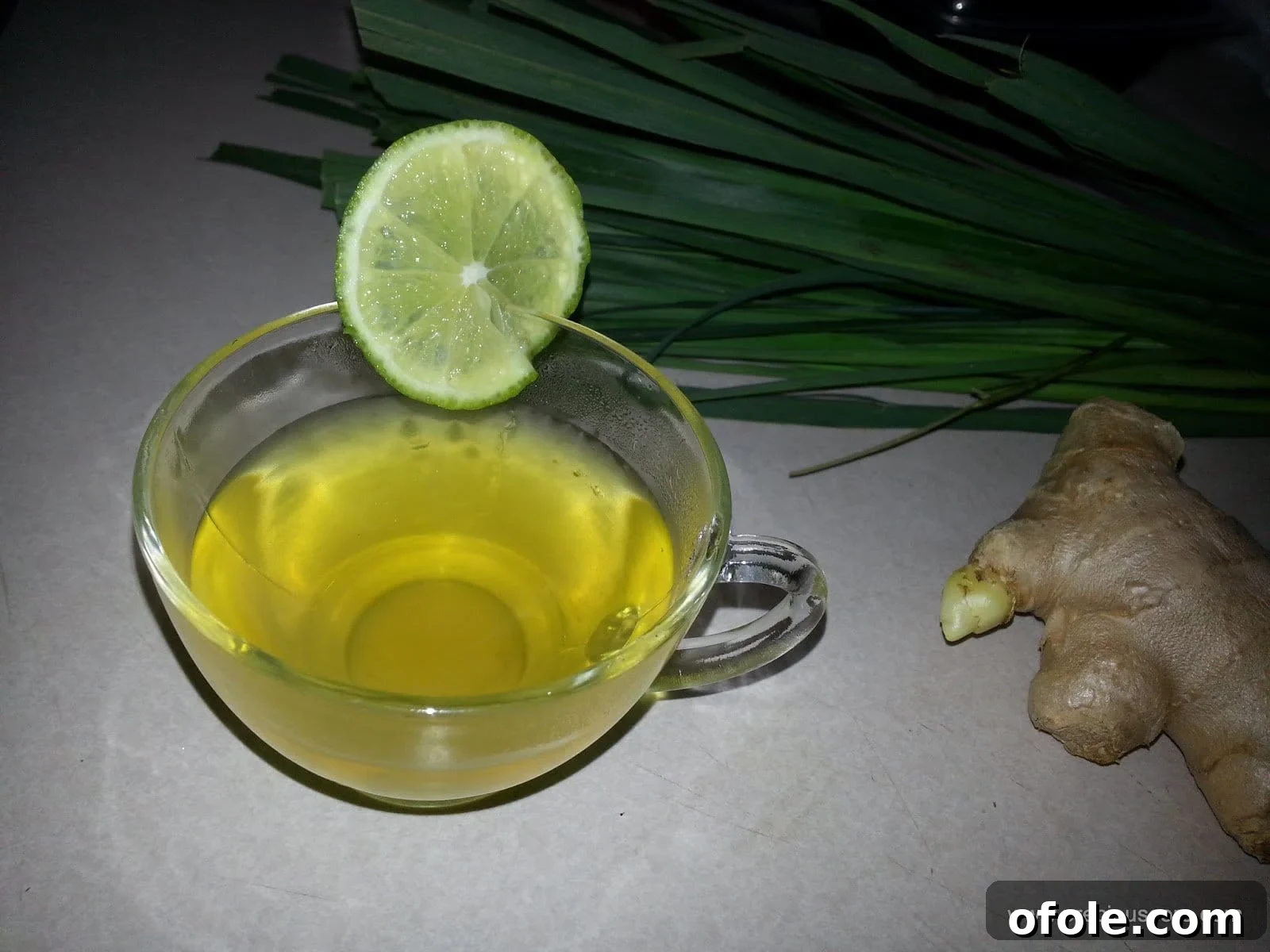
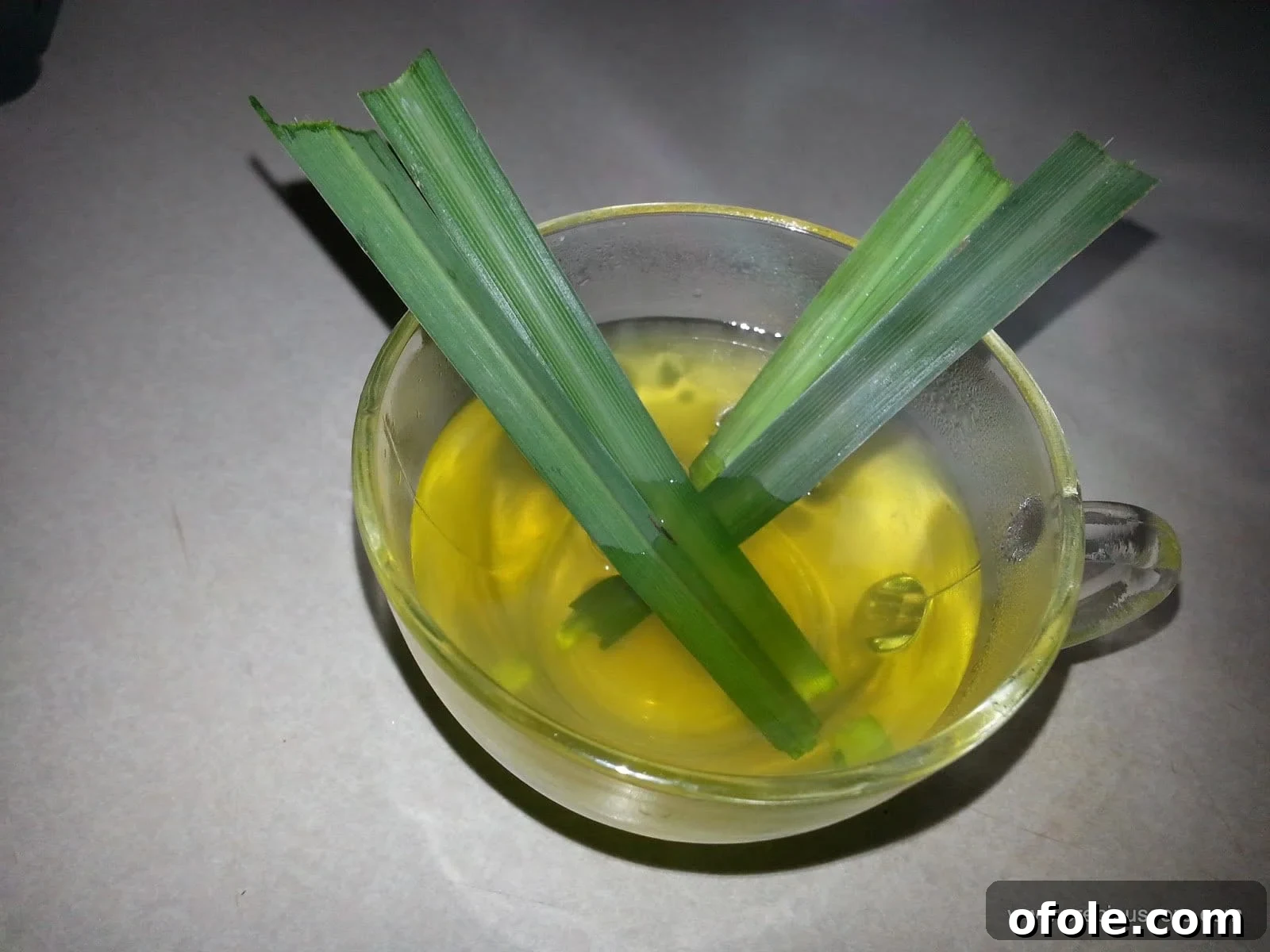
Embrace Nature’s Refreshment: The Enduring Charm and Health Benefits of Lemongrass Tea (Fever Grass)
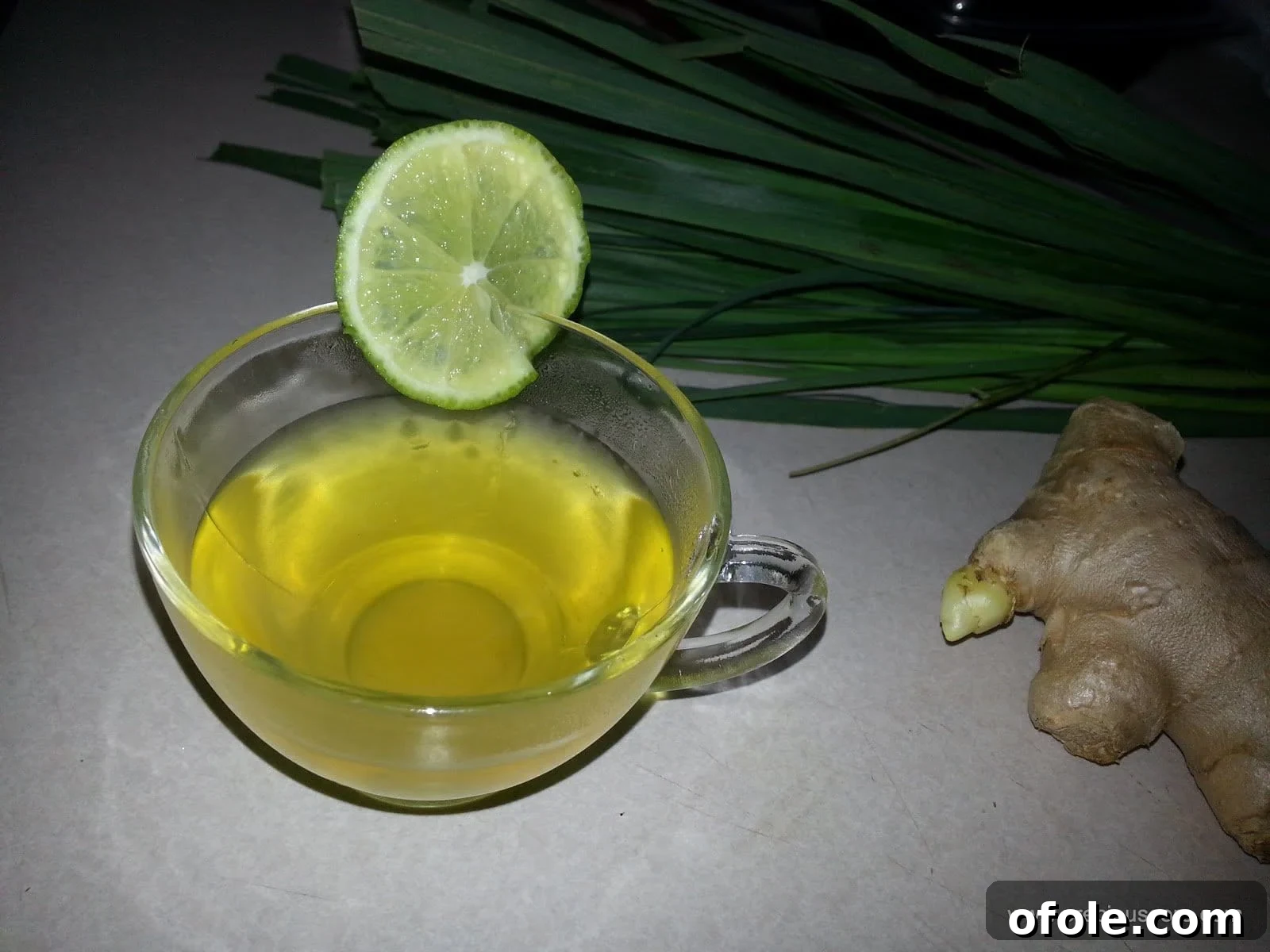
Growing up in Cameroon, there was a comforting presence in our home: a humble yet potent natural tea, affectionately known as “Fever Grass.” This wasn’t merely a beverage; it was a staple, often served during times when luxuries like milk or Ovaltine were beyond our reach. It was a simple, accessible source of warmth and well-being. Today, my relationship with this remarkable herb has evolved. While it once filled a practical need, I now wholeheartedly embrace it for its exquisite flavor and the profound benefits it bestows upon the body. Globally recognized as Lemongrass, its popularity extends far beyond the borders of Cameroon, celebrated in kitchens and health regimens across diverse cultures.
Lemongrass, scientifically known as Cymbopogon citratus, is a tall, stalky plant with a distinctive lemony scent and flavor. Its vibrant green stalks are a powerhouse of essential oils and nutrients, making it a prized ingredient in both culinary arts and traditional medicine. Its refreshing aroma and citrusy notes make it an ideal base for countless beverages and dishes, offering a healthful alternative to processed drinks and a vibrant enhancement to meals.
If you appreciate the comforting ritual and healthful properties of herbal infusions, you might also enjoy exploring other delightful blends. Discover the invigorating kick of this Ginger Drink or the soothing embrace of Honey Lemon Tea, each offering their own unique blend of flavor and wellness benefits.
 |
|
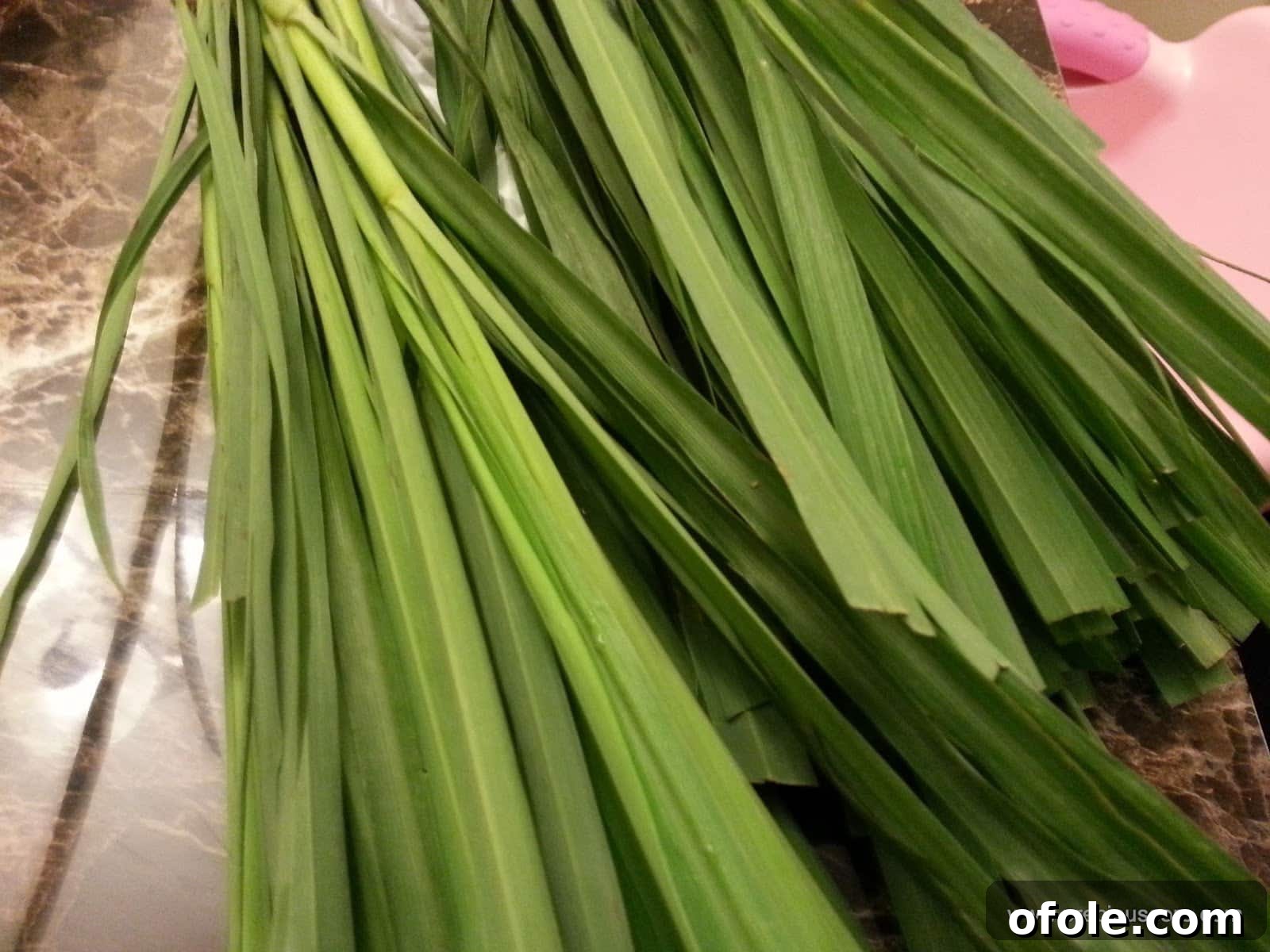
Fever Grass (Lemongrass) |
Unveiling the Potent Health Benefits of Lemongrass Tea
The allure of lemongrass tea extends far beyond its tantalizing aroma and taste. This natural brew is a treasure trove of health benefits, revered for centuries in traditional medicine systems. Incorporating it into your daily routine can offer a holistic approach to well-being, addressing various aspects of bodily health from the inside out. Let’s delve deeper into the remarkable properties that make this tea a true elixir.
Digestive Harmony and Gut Health
One of the most widely celebrated benefits of lemongrass tea is its profound positive impact on digestion. Drinking this tea aids in soothing an upset stomach, alleviating common issues such as bloating, gas, and indigestion. Its carminative properties help to relax the digestive tract muscles, promoting smoother bowel movements and reducing discomfort. For centuries, it has been a go-to remedy for easing stomach cramps and fostering a healthy digestive system, ensuring that your body efficiently processes nutrients and eliminates waste.
Aiding Restful Sleep and Stress Reduction
In our fast-paced world, a good night’s sleep often feels like a luxury. Lemongrass tea can be a natural ally in the quest for restful slumber. Its gentle, calming properties act as a mild sedative, helping to relax the mind and body. Sipping a warm cup before bedtime can significantly reduce anxiety and stress, paving the way for a deeper, more restorative sleep. This makes it an excellent, non-habit-forming alternative for those struggling with insomnia or general restlessness.
Natural Detoxification and Cleansing
Lemongrass is renowned for its natural diuretic effects, making it an excellent aid in the body’s detoxification processes. By promoting increased urine output, it helps to flush out toxins, excess sodium, and harmful substances from the kidneys and liver. This cleansing action supports the optimal functioning of these vital organs, contributing to overall health and vitality. Regular consumption can assist in purifying the blood and maintaining a healthy internal environment.
Rich in Antioxidants and Anti-inflammatory Compounds
This humble herb is packed with powerful antioxidants, including flavonoids, phenolic compounds, and vital trace minerals. These antioxidants combat free radicals in the body, which are unstable molecules that can cause cellular damage and contribute to aging and various chronic diseases. Furthermore, lemongrass possesses significant anti-inflammatory properties, attributed to compounds like citral and myrcene. These help in reducing inflammation throughout the body, offering relief from pain and swelling associated with conditions like arthritis, muscle aches, and headaches.
Immune System Support and Antimicrobial Action
A strong immune system is our best defense against illness. Lemongrass tea contributes to robust immunity through its vitamin content, particularly Vitamin C, and its inherent antimicrobial properties. It has been traditionally used to fight off common colds, coughs, and fevers due to its ability to inhibit the growth of certain bacteria and fungi. This makes it a valuable beverage for maintaining health during seasonal changes or when your body needs an extra boost.
Brewing Your Perfect Cup of Lemongrass Tea
One of the many charms of lemongrass tea lies in its incredible simplicity of preparation. This isn’t a complex recipe that requires precise measurements or intricate steps; rather, it’s an intuitive process that yields a deeply satisfying and healthful beverage. My personal practice involves stocking up on fresh lemongrass at the farmers’ market during summer. I then meticulously chop the stalks, portion them into convenient sandwich bags, and freeze them. This ensures I have a ready supply of this precious herb, even when fresh options are scarce – though I confess, my current freezer stash is dwindling, which is a minor tragedy for this non-guilty pleasure!
Simple Steps to an Aromatic Brew:
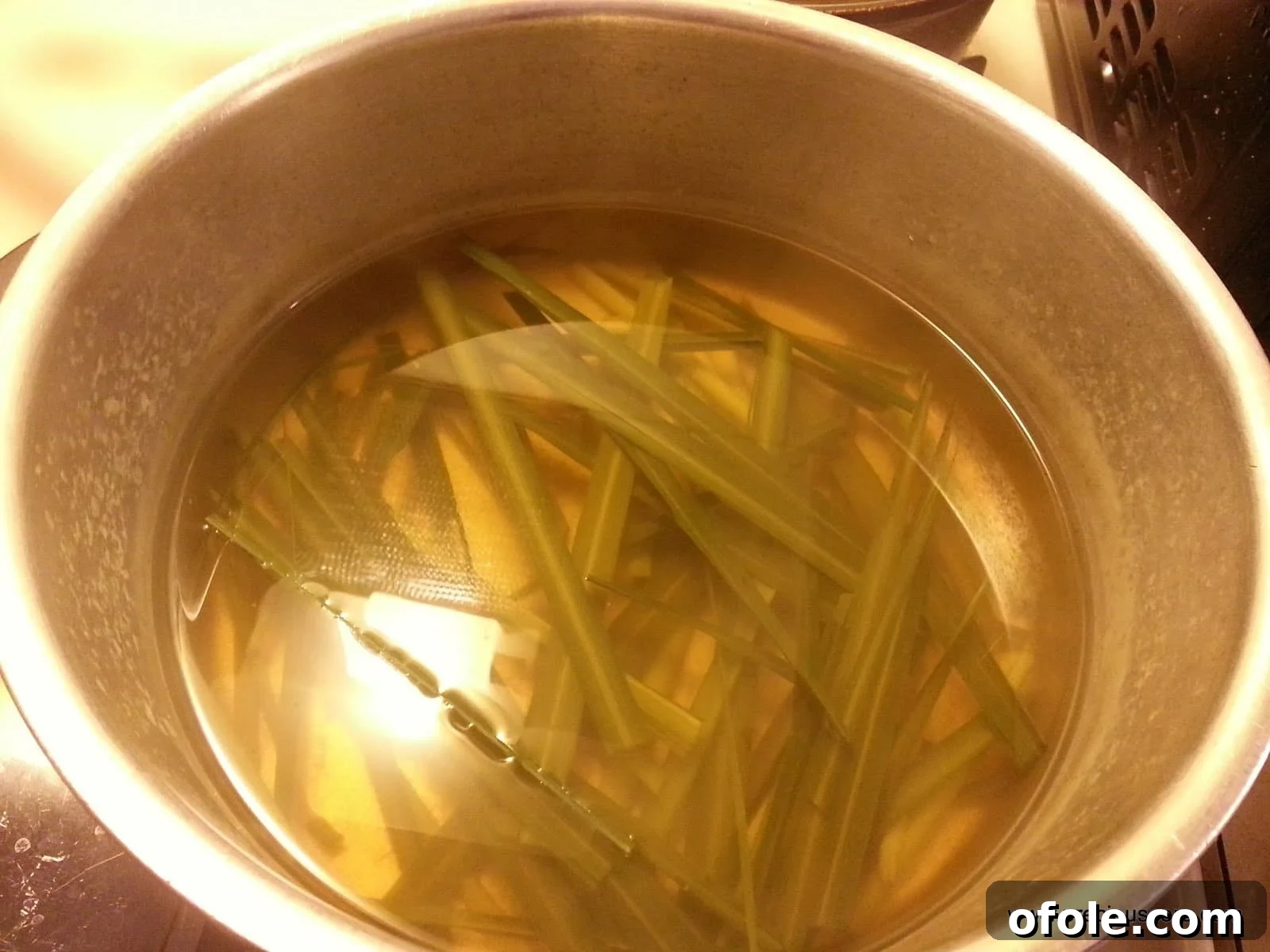
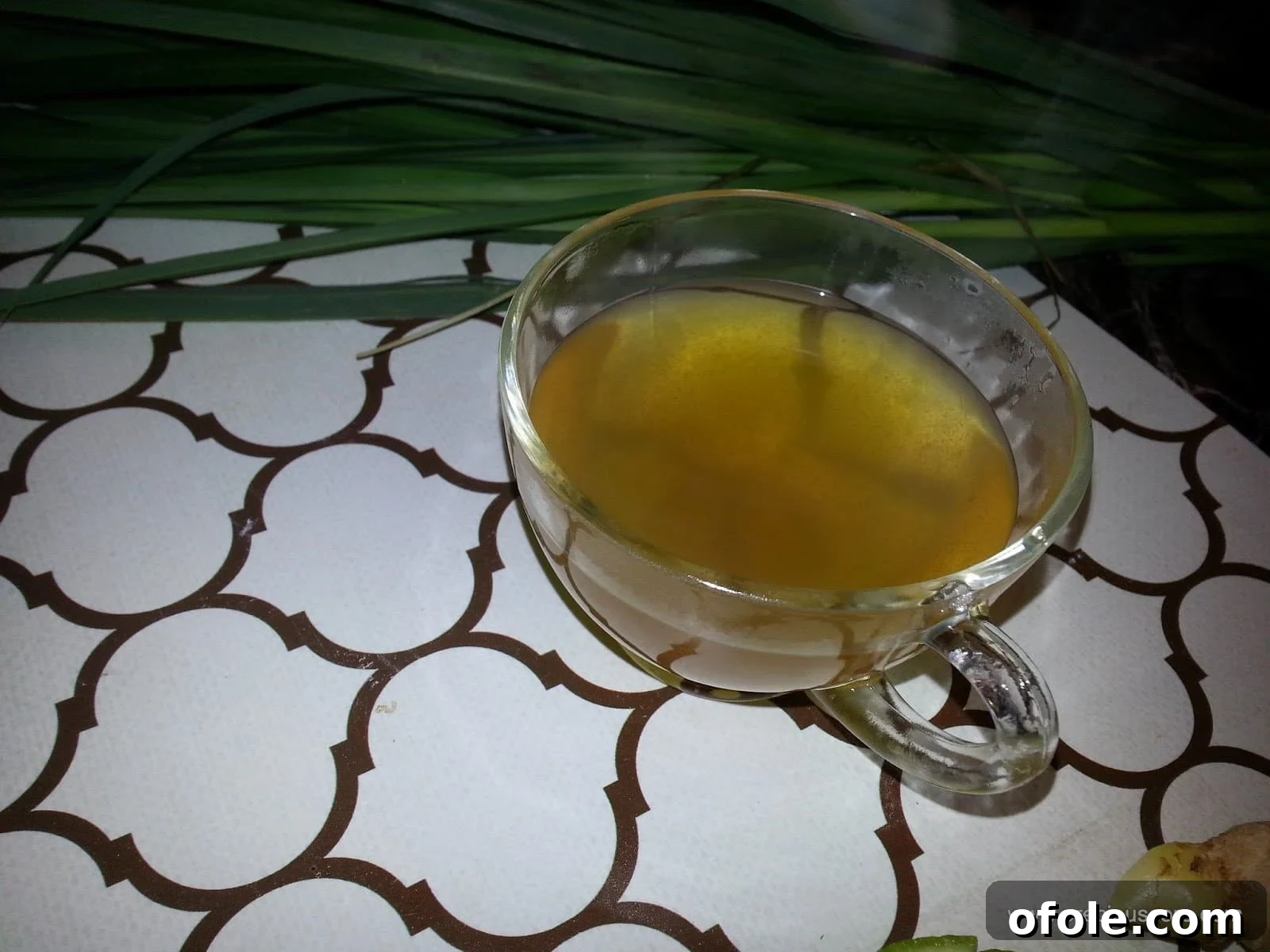
The essence of making lemongrass tea is straightforward: you simply need fresh or frozen lemongrass stalks and water. Begin by thoroughly washing the stalks. Trim off the very top leafy parts and the hard, rooty bottom. You can either gently bruise the stalks with the back of a knife or chop them into smaller, 1-2 inch pieces. Bruising helps to release more of the aromatic oils and flavor.
There are two primary methods for brewing:
- Boiling Method: Place the prepared lemongrass pieces into a pot or kettle. Add water (approximately 2-3 cups of water per 2-3 stalks, depending on desired strength). Bring the water to a boil, then reduce the heat and simmer for 5-10 minutes. This method extracts the most flavor and beneficial compounds.
- Infusion Method: For a slightly milder taste, some cultures prefer infusing the leaves. Bring water to a rolling boil separately. Place the lemongrass pieces in a teapot or mug, then pour the hot water over them. Let it steep for 10-15 minutes, or longer for a stronger brew.
Once brewed, strain the tea to remove the lemongrass pieces before serving.
Enhancing Your Lemongrass Tea Experience:
While I often prefer my lemongrass tea plain, enjoying its pure, invigorating essence, it’s incredibly versatile and can be customized to your taste. You can sweeten it with a spoonful of honey, a dash of maple syrup, or a touch of sugar to enhance its flavor profile. For an extra layer of complexity and additional health benefits, consider adding fresh ginger slices during the brewing process. A squeeze of fresh lemon juice not only brightens the taste but also adds a boost of Vitamin C. Experiment with other additions like a few mint leaves for a cooling effect or a pinch of turmeric for an earthy undertone and anti-inflammatory benefits.
Beyond the Teacup: Culinary and Aromatic Versatility of Lemongrass
The versatility of lemongrass extends far beyond its beloved role as a tea ingredient. This fragrant herb is a culinary superstar, particularly in Southeast Asian and African cuisines, where its unique citrusy-ginger flavor is indispensable. Many chefs and home cooks utilize it to elevate the taste of a wide array of dishes, transforming ordinary meals into extraordinary culinary experiences. Its potent aroma and flavor profile make it a sought-after ingredient that adds depth and brightness.
A Flavorful Addition to Savory Dishes
Some people expertly incorporate lemongrass to improve the flavor of hearty soups and rich stews. It’s a foundational element in iconic dishes like Thai Tom Yum soup and Vietnamese Pho, where it infuses broths with an unmistakable zest and aroma. Beyond soups, it shines in curries, particularly those with coconut milk bases, lending a fragrant and slightly tangy note that balances the richness. It can also be finely minced and added to stir-fries, marinades for chicken, fish, or beef, and even rice dishes, imparting a refreshing and exotic twist. The stalks can be bruised and added whole to simmering dishes, then removed before serving, or finely chopped and incorporated directly into the recipe for a more intense flavor. I am yet to fully explore this exciting side of the lovely plant, but the possibilities are certainly intriguing. For now, I’m sticking to my cherished tea, but the culinary world of lemongrass beckons.
From Essential Oils to Home Remedies
Beyond its culinary applications, lemongrass is also a key ingredient in aromatherapy. Its essential oil is prized for its uplifting and calming properties, often used to alleviate stress, anxiety, and even muscle pain when diffused or applied topically (diluted). It’s also a natural insect repellent and a common component in natural cleaning products due to its antimicrobial qualities. In traditional medicine, beyond tea, poultices of lemongrass leaves have been used for various topical applications. This wide range of uses underscores the plant’s incredible value and its integral role in promoting well-being in multiple forms.
Sourcing and Storing Your Lemongrass
Finding quality lemongrass is relatively easy. Fresh stalks are often available at Asian grocery stores, larger supermarkets, and seasonal farmers’ markets, especially in warmer months. When selecting lemongrass, look for firm, vibrant green stalks with a strong lemony scent. Avoid stalks that are dry, cracked, or discolored. If you have a green thumb, lemongrass is also surprisingly easy to grow in a pot or garden, providing a continuous fresh supply.
Proper storage is key to maintaining its freshness and potency. Fresh lemongrass stalks can be stored in the refrigerator for 2-3 weeks, wrapped in a damp paper towel and placed in a plastic bag. For longer storage, freezing is an excellent option. As I mentioned, I chop and package mine in sandwich bags, which keeps it fresh and ready for brewing whenever the craving strikes. This method preserves its flavor and aromatic qualities for several months, ensuring you always have your “Fever Grass” on hand.
Conclusion: A Timeless Elixir for Modern Living
From a cherished childhood memory born out of necessity to a beloved daily ritual embraced for its flavor and extensive health benefits, lemongrass tea, or Fever Grass, stands as a testament to nature’s profound generosity. Its refreshing taste, coupled with its remarkable properties as a digestive aid, sleep enhancer, detoxifier, and immune booster, makes it an invaluable addition to any wellness routine. Whether you enjoy it as a simple, plain brew, sweeten it with honey, or elevate it with ginger and lemon, each cup offers a moment of natural tranquility and vital nourishment.
Its versatility extends beyond the teacup, enriching countless culinary creations with its distinctive aroma and flavor. As we continue to seek natural and wholesome ways to nurture our bodies, lemongrass remains a timeless elixir, connecting us to age-old traditions while offering relevant benefits for modern living. I wholeheartedly encourage you to welcome this lovely plant into your life and discover the myriad ways it can uplift your health and spirits. Embrace the simple pleasure and powerful goodness of lemongrass tea.