
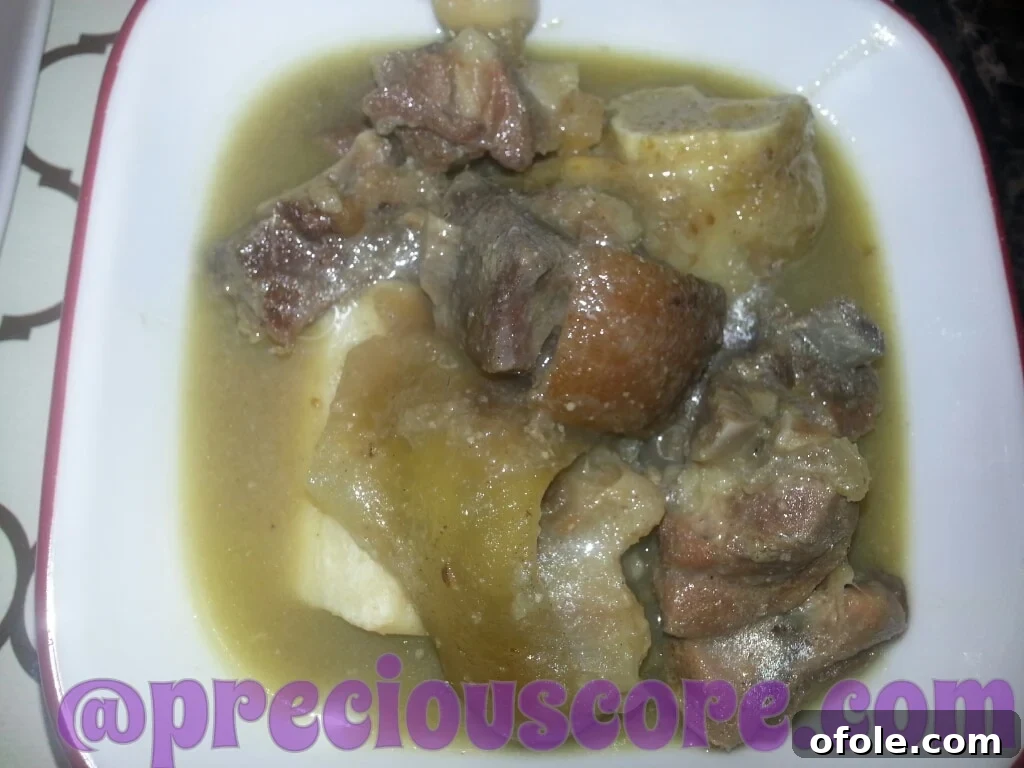
Experience the Comfort and Healing Power of Authentic Pepper Soup
Pepper Soup is far more than just a culinary dish; it’s a deeply cherished tradition, a source of profound comfort, and for many, a testament to nature’s healing bounty. This iconic, aromatic soup, celebrated across numerous African cultures, distinguishes itself through an extraordinary blend of herbs and spices that not only tantalize the palate but also leave a remarkable feeling of revitalization. It’s frequently described as a delicious form of natural medicine, underscoring the warmth, well-being, and therapeutic properties it imparts with every spoonful. The preparation of this soul-soothing delicacy is remarkably straightforward, typically involving the gentle simmering of your chosen protein infused with a meticulously selected blend of ground spices and seasonings.
Whether you find yourself battling a persistent cold, seeking solace on a chilly evening, or simply yearning for a dish brimming with bold, earthy flavors, Pepper Soup consistently delivers. Its inherent versatility and profound depth of taste establish it as a beloved staple, embodying the rich and vibrant culinary heritage from which it proudly originates.
The Healing Embrace: More Than Just a Meal
The widespread reputation of Pepper Soup as a dish possessing “healing properties” is deeply embedded in cultural narratives and is rooted in generations of traditional wisdom. The thoughtful selection of its core ingredients transcends mere culinary appeal; it taps into ancient knowledge of utilizing natural elements for overall wellness. Spices such as ginger, renowned for its potent anti-inflammatory and digestive benefits, and garlic, a formidable natural immune booster, form the foundational core of this intensely flavorful concoction. Onions contribute not only a subtle, fundamental sweetness but also essential vitamins and minerals. When these powerful natural remedies are slowly simmered together, they create a broth that is not merely incredibly tasty but also remarkably invigorating and restorative. Many individuals attest to its efficacy in clearing congested sinuses, soothing irritated sore throats, and providing a much-needed boost of energy during periods of illness or general fatigue. This belief stands as a powerful testament to how food can genuinely nourish both the physical body and the spiritual soul, transforming a simple meal into a profoundly therapeutic experience.
Demystifying the “Pepper” in Pepper Soup
Despite its evocative and perhaps intimidating name, “Pepper Soup,” the intensity of its heat is entirely adaptable and by no means a mandatory characteristic. The “pepper” referenced in its title often refers more broadly to the complex and multifaceted profile of various pungent and aromatic spices rather than solely the scorching heat derived from chili peppers. In fact, many authentic and traditional recipes draw a significant portion of their warming sensation and intricate flavor from ingredients such as white pepper, fresh ginger, and an array of other warming spices, rather than relying on a single dominant chili. This inherent flexibility allows for immense customization during preparation. It is entirely possible to create an exquisitely rich and flavorful Pepper Soup with minimal or even no chili pepper whatsoever, a particularly useful adaptation when catering to palates sensitive to spice, such as those of young children. The primary culinary objective is to achieve a harmonious and intricate balance of flavors, where any present heat elegantly complements, rather than overwhelmingly masks, the diverse and nuanced spice notes. This remarkable adaptability ensures that everyone, regardless of their spice tolerance, can fully enjoy the comforting essence and profound depth of Pepper Soup without shedding a single tear.
Njansa: The Signature Ingredient of Cameroonian Pepper Soup
Within the vibrant culinary landscape of Cameroon, a single ingredient holds paramount importance in the creation of Pepper Soup: Njansa, also widely recognized as Akpi seeds. This unassuming nut truly embodies the secret behind the distinctive, unparalleled flavor and the appealingly rich thickness for which Cameroonian Pepper Soup is celebrated globally. Njansa contributes a profoundly unique, subtly nutty, and intensely aromatic depth that is notoriously challenging to replicate with other ingredients. When meticulously ground into a fine paste and integrated into the simmering soup, it functions effectively as both a natural thickener and a powerful flavor enhancer, imparting an authentic taste profile that instantly transports one to the very heart of Central African gastronomy.
Sourcing Njansa and Creative Alternatives
For those residing outside of Cameroon, particularly in regions such as North America or Europe, Njansa can often be discovered in specialized African grocery stores. These invaluable establishments serve as veritable treasure troves for unique and essential ingredients that form the backbone of traditional African cuisines. Alternatively, if you are fortunate enough to have connections within the Cameroonian diaspora, a returning friend, aunt, or cousin from a recent trip might be able to procure some for you. However, should Njansa prove elusive, there is no need for concern. The intrinsic beauty of Pepper Soup lies in its remarkable adaptability. While Njansa undeniably bestows a signature touch, an equally delicious and profoundly aromatic pepper soup can still be masterfully achieved through the strategic utilization of a comprehensive blend of readily available spices. The temporary absence of Njansa should never serve as a deterrent from embarking on this incredibly flavorful and rewarding culinary journey.
Beyond Njansa: A Symphony of Spices and Aromatic Herbs
The true magic and irresistible allure of Pepper Soup are fundamentally rooted in its rich, complex, and harmonious spice blend. While Njansa holds a significant and revered position, a vast array of other spices contributes significantly to the soup’s distinctive character and captivating aroma. My personal “must-haves” for virtually any Pepper Soup preparation invariably include the aromatic trinity of fresh garlic, pungent ginger, and fragrant onions. These three ingredients form the essential foundational flavor base, providing warmth, a characteristic pungency, and a subtle yet crucial sweetness that grounds the entire dish.
Expanding Your Spice Palette: Essential Additions and Regional Nuances
Beyond this indispensable core trio, the culinary possibilities are virtually limitless, allowing for profound personalization and exciting regional variations. Common and highly recommended additions that I frequently incorporate, often rotating based on what is readily accessible in my kitchen pantry, include:
- White Pepper: This spice imparts a milder, more earthy heat compared to its black counterpart, effectively enhancing the overall warmth and subtle pungency of the soup without overwhelming it.
- Celery Sticks or Leaves: These contribute a crisp, fresh, and herbaceous note, along with a subtle bitterness that wonderfully brightens the entire soup profile.
- Bay Leaves: Bay leaves release a delicate, almost floral, and distinctively herbal aroma that deeply infuses into the broth throughout the simmering process, adding layers of complexity.
- Fennel Seeds: Offering a sweet, anised-like flavor, fennel seeds introduce an intriguing and unexpected layer of complexity to the overall spice blend.
- Uziza Seeds (Piper guineense): A highly popular West African spice, Uziza is celebrated for its pungent, slightly bitter, and distinctly peppery flavor, contributing significant warmth and a unique, captivating aroma.
- Ehuru (Calabash Nutmeg / Monodora myristica): This spice provides a musky, profoundly aromatic, and subtly bitter flavor, making it an absolutely crucial component in many traditional African soups and stews.
- Negro Pepper (Xylopia aethiopica): Also known as Grains of Selim, this spice offers a smoky, subtly bitter, and gently peppery taste profile, adding another dimension of flavor.
The true artistry lies in the spirit of experimentation. Do not hesitate to mix and match these spices, or even to embark on a journey of discovering your own unique and perfect blend that precisely caters to your individual taste preferences. The deeper you venture into the rich and diverse world of African spices, the more nuanced, authentic, and profoundly satisfying your homemade Pepper Soup will invariably become.
Choosing Your Protein: The Heart of Your Pepper Soup
Pepper Soup exhibits incredible versatility when it comes to the selection of protein, enabling you to meticulously tailor the dish to your specific preferences or to what is most readily available. The protein element forms the very heart and soul of your soup, diligently absorbing all the magnificent flavors from the aromatic broth and rich spices. In the context of this particular recipe, I opted for a robust and deeply satisfying combination of tender Goat Meat and succulent Cow Feet, both of which lend an unparalleled richness, body, and profound depth to the soup. However, the available choices are wonderfully boundless, allowing for extensive culinary exploration:
Popular Protein Options and Their Distinctive Characteristics:
- Goat Meat: A deeply traditional and highly favored choice, goat meat offers a distinctly rich flavor profile and a wonderfully tender texture when carefully cooked to perfection. It is ideal for crafting a truly hearty and substantial soup.
- Cow Feet/Tripe: These additions contribute an incredible gelatinous texture and a unique, deep, umami flavor that naturally thickens the broth, enhancing its mouthfeel. They typically require longer cooking times to achieve optimal tenderness.
- Fish (e.g., Catfish, Tilapia, Croaker): Representing a lighter and quicker-cooking option, fish rapidly infuses the soup with a delicate, oceanic flavor. This choice is perfect for a more expeditious preparation while still delivering robust taste.
- Chicken: A universally accessible and immensely popular choice, chicken offers a milder flavor that readily absorbs the complex spices, resulting in a comforting and widely appealing taste.
- Beef: Beef provides a hearty and robust base, similar in richness to goat meat but with its own distinct flavor profile. It is best prepared with cuts that inherently benefit from slow, prolonged simmering.
- Assorted Meats: For the more adventurous culinary enthusiast, combining various proteins such as goat, beef, tripe, and even snails creates a complex tapestry of textures and flavors, transforming each spoonful into an exciting and delightful discovery.
Irrespective of your protein choice, it is paramount to ensure that it is thoroughly cleaned and meticulously prepared before commencing the cooking process. The selection of protein significantly influences both the required cooking time and the overall character and flavor of your finished soup, so choose thoughtfully to align with your desired culinary vision.
The Ingredients You’ll Need
Here’s a detailed compilation of the ingredients utilized for this specific recipe, prominently featuring the distinctive golden-looking Njansa nuts, which are a hallmark of authentic Cameroonian Pepper Soup.
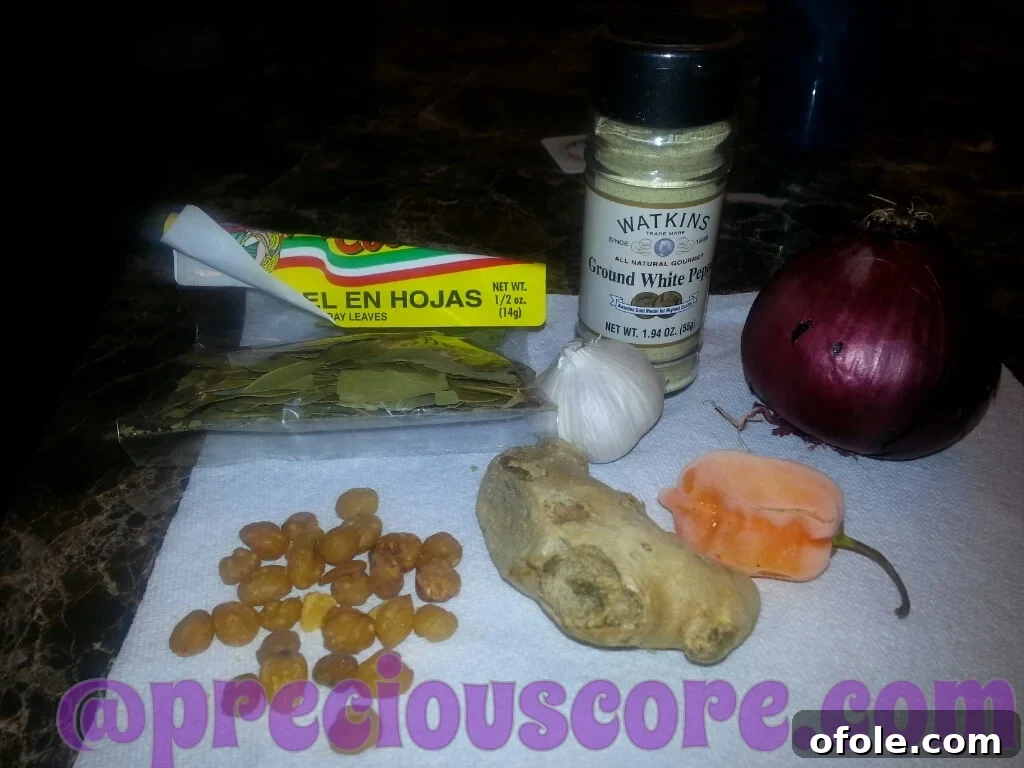
- 2 pounds of your carefully chosen protein (e.g., Goat Meat, Beef, Chicken, Fish, or a blend of Assorted Meats)
- 1/4 cup of Njansa (Akpi seeds), ideally finely blended or ground into a smooth paste
- 2 tablespoons of freshly blended garlic and ginger paste
- 1 large, fragrant bay leaf
- 1 habanero pepper (adjust quantity to your preferred level of heat, or omit entirely for a milder soup)
- 1 large red onion, either finely chopped or blended to a smooth consistency
- 2 seasoning cubes (such as Maggi or Knorr brands) or 2 teaspoons of high-quality bouillon powder
- Salt, precisely to taste
- Sufficient water for boiling and simmering
- Optional Enhancements: A pinch of Uziza seeds, Ehuru, Negro Pepper, white pepper, or fresh celery for an even richer flavor profile
Step 1: Meticulously Prepare Your Protein. Begin by thoroughly washing your selected protein under cold running water. For more fibrous or tougher cuts of meat, such as goat or cow feet, you may opt to briefly parboil them and then discard the initial water. This optional step helps to remove any impurities and can result in a cleaner broth. Once prepared, place the impeccably cleaned protein into a large, sturdy pot suitable for simmering.
Step 2: Initiate the Boiling Process. Pour enough fresh water into the pot to generously cover the protein. Bring the water to a vigorous rolling boil over medium-high heat. Allow the protein to cook at this temperature for approximately 30 minutes. This initial boiling phase serves to tenderize the protein slightly and encourages it to begin releasing its rich, natural flavors into the burgeoning broth.
Step 3: Infuse with Flavor – The Pivotal Moment! This stage is where the transformative magic of Pepper Soup truly unfolds. After the initial 30 minutes of boiling (this timing is critical for meat-based proteins), introduce the finely blended Njansa, the aromatic garlic and ginger paste, the fragrant bay leaf, the habanero pepper (either whole for a subtle infusion or sliced for more pronounced heat), and the finely chopped or blended onions. Concurrently, incorporate your seasoning cubes or bouillon powder, and carefully adjust with salt to taste.
Crucial Insight for Meat-Based Soups: It is absolutely essential NOT to introduce all the spices and seasoning right at the very beginning when cooking tougher cuts of meat. If these ingredients are added too early, the prolonged boiling duration can significantly diminish the delicate flavors and vibrant aromas of the spices, resulting in a less impactful and less flavorful soup. By adding them approximately halfway through the cooking process, you ensure that the protein is thoroughly seasoned as it continues to tenderize, and critically, the spices retain their full potency, thereby contributing to a profoundly flavorful and intoxicatingly aromatic broth. Stir all the ingredients meticulously to guarantee an even distribution of flavors.
Important Consideration for Fish-Based Soups: If your chosen protein is fish, the method for introducing spices must be adapted. Given that fish cooks considerably faster than meat, all your spices and seasonings should be added right from the outset, immediately after placing the fish into the pot. This ensures the fish absorbs the vibrant flavors effectively without succumbing to overcooking.
Step 4: Continue the Simmer. Reduce the heat to a gentle medium-low setting and allow the soup to continue simmering patiently until your chosen protein is exquisitely fork-tender, and all the rich flavors have thoroughly melded into a harmonious symphony. This phase could extend for an additional 30-60 minutes, or potentially even longer for particularly tough cuts of meat like cow feet. Throughout this process, regularly taste the broth and adjust the seasoning as necessary, adding more salt or a subtle pinch of extra pepper if desired.
Voila! Your Aromatic and Invigorating Pepper Soup is Now Ready to Savor! The irresistible aroma permeating your kitchen will serve as a delicious prelude to the culinary delight that awaits you.
Serving Suggestions: Completing Your Culinary Experience
Pepper Soup is remarkably versatile and can be relished in a multitude of ways, making it an ideal choice for a diverse range of occasions and preferences. Its rich, deeply satisfying flavor profile means it stands proudly as a delightful appetizer or as a light, yet profoundly warming, meal all on its own. The intricate depth of its spices and the tender texture of the protein components ensure it delivers a complete sensory experience, even without additional accompaniments.
Traditional Pairings and Contemporary Adaptations:
- As an Elegant Appetizer: Serve Pepper Soup in small, refined bowls, delicately garnished with a sprig of fresh cilantro or parsley. This presentation allows its complex flavors to awaken the palate, setting the stage for subsequent courses.
- With Earthy Root Vegetables: Traditionally, Pepper Soup is often served alongside generously boiled yams or tender plantains. The starchy, subtly sweet root vegetables provide a perfect counterpoint to the savory, spicy broth, culminating in a satisfying and exquisitely balanced main meal.
- Paired with Fluffy Rice: For a more universally appealing and comforting pairing, present your Pepper Soup with a side of freshly cooked, fluffy white rice. The rice adeptly absorbs the flavorful broth, transforming each spoonful into a truly comforting and wholesome bite.
- Accompanied by Crusty Bread: Do not underestimate the simple yet profound pleasure of dipping a piece of warm, crusty bread into the rich, aromatic broth. It’s a humble pairing that offers immense satisfaction.
- With “Swallows” like Eba or Fufu: In certain West African culinary traditions, Pepper Soup is magnificently enjoyed with staple “swallows” such as eba (made from garri) or fufu. This creates a truly authentic, hearty, and deeply filling culinary experience.
However you ultimately choose to savor it, Pepper Soup unfailingly promises a nourishing, memorable, and culturally enriching culinary journey. Each spoonful is a heartfelt celebration of vibrant flavor, cherished tradition, and the inherent comforting power of exceptional food.
Expert Tips for Crafting the Perfect Pepper Soup Every Time
- Fresh Versus Dried Spices: While dried spices offer convenience, the use of fresh ginger, garlic, and onions whenever feasible will unequivocally elevate the overall flavor profile of your soup to new heights of deliciousness.
- Mastering Heat Adjustment: Always make sure to taste your soup as you go! Begin with a conservative amount of habanero or any other chili pepper, and gradually add more until you attain your precise desired level of warmth and spice.
- Embrace the Slow Simmer: For tougher cuts of meat, patience is an invaluable virtue. A slow, gentle, and extended simmer allows the meat to become incredibly tender and ensures that the complex flavors fully develop and harmoniously meld.
- Experiment with Protein Variety: Feel completely free to mix and match different types of proteins. For instance, a thoughtful combination of goat meat and tripe can introduce an incredible depth of flavor and fascinating textural variety to your soup.
- Optimal Storage Solutions: Many connoisseurs agree that Pepper Soup often tastes even more exquisite on the second day! Store any leftover soup in an airtight container within the refrigerator for up to 3-4 days. For extended preservation, it also freezes exceptionally well.
We sincerely hope that this comprehensive guide inspires and empowers you to confidently create your very own delicious and restorative pot of Pepper Soup. Share the profound warmth and captivating flavors with your beloved family and cherished friends! If you found this detailed recipe and accompanying tips helpful, we kindly ask you to consider sharing it using the social media icons provided below. May God bless you, and happy cooking!