
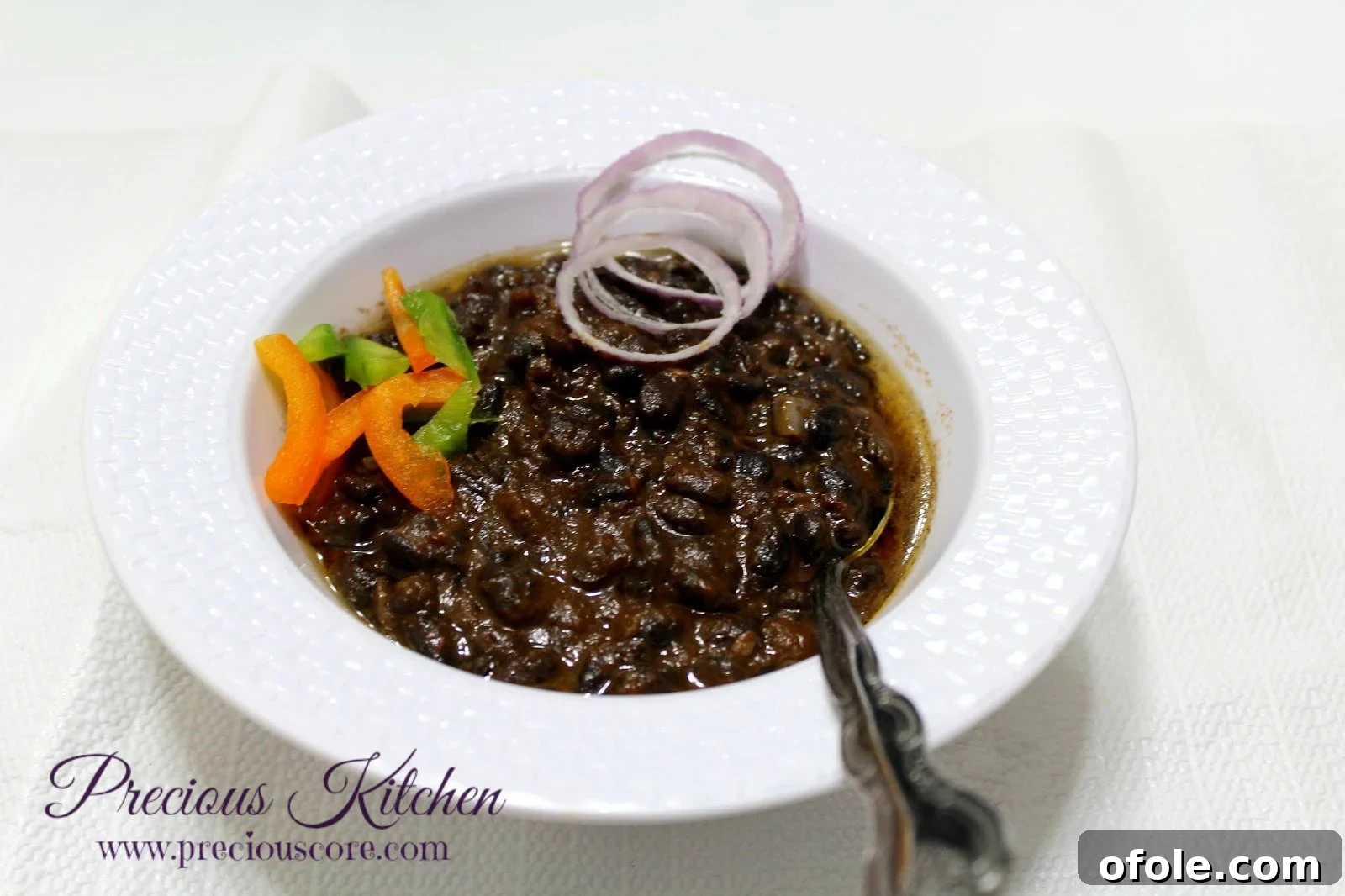
Hearty West African Bean Stew: A Flavorful Journey
There’s a reason why certain dishes become staples in our lives, deeply rooted in our memories and cultural heritage. For many, including myself, beans hold a special place. I vividly recall my boarding school days where beans graced our plates almost daily. Yet, far from fostering disdain, this constant presence only deepened my appreciation for this humble legume. Beans, in their incredible versatility, are simply too likable to grow tired of. And when prepared with the rich, aromatic spices and slow-simmered perfection you’re about to discover, they transcend the ordinary to become something truly phenomenal. This isn’t just any bean dish; it’s a taste of West African comfort, a vibrant tapestry of flavors stewed to melt-in-your-mouth tenderness.
Today, I’m thrilled to share with you an authentic recipe for West African Bean Stew, a dish cherished in many homes across Cameroon and Nigeria. This isn’t a quick fix, but a culinary journey that rewards patience with an explosion of exotic tomato-based flavors, brimming with the very essence of ethnic spices. It’s a meal that nourishes both body and soul, perfect for family dinners, gatherings, or simply a comforting solo meal on a chilly evening. The beauty of this bean stew lies not just in its incredible taste, but also in its remarkable adaptability, pairing exquisitely with a myriad of accompaniments. Let’s dive into the delicious world of “beanssibilities”!
The Endless “Beanssibilities”: What to Serve with Your Stew
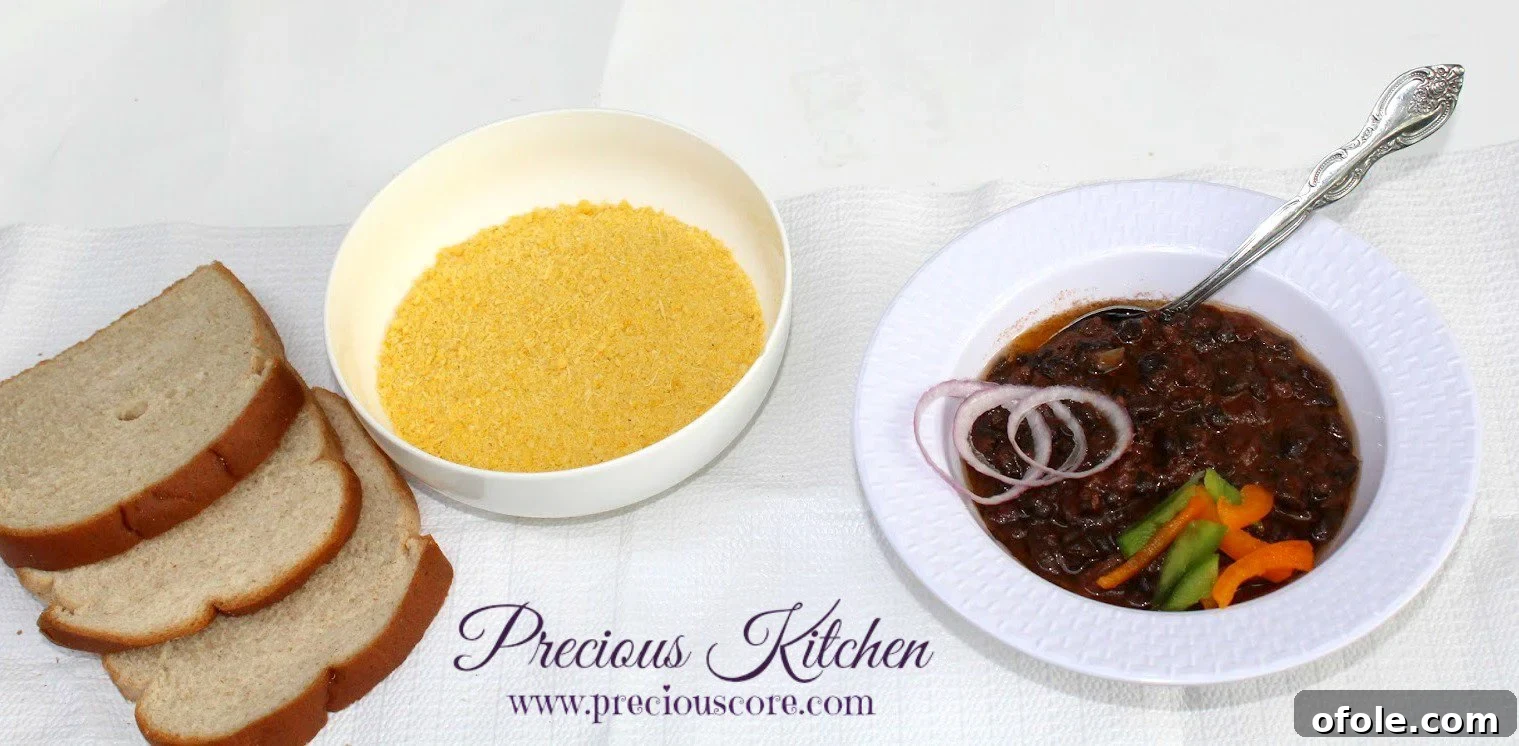
One of the most appealing aspects of this rich and savory bean stew is its incredible versatility. Once you master this recipe, you’ll find yourself reaching for it again and again, knowing it pairs beautifully with almost any carbohydrate you desire. The robust, spiced tomato sauce and tender beans create a harmonious base that complements a wide array of textures and tastes. Here are some of our favorite ways to enjoy this delightful West African classic:
- Boiled Rice: A timeless pairing. The fluffy, plain rice absorbs the rich sauce beautifully, creating a satisfying and balanced meal. Opt for long-grain white rice for a classic experience, or brown rice for added fiber and nuttiness.
- Boiled Plantains: Whether green (unripe) or ripe, boiled plantains offer a wonderful contrast. Unripe plantains provide a firmer texture and a savory, potato-like flavor, while ripe plantains add a subtle sweetness that cuts through the richness of the stew.
- Deep-Fried Ripe Plantains (Dodo): For a truly indulgent experience, “Dodo” is a must-try. The caramelized sweetness and slightly crisp exterior of fried ripe plantains provide an irresistible counterpoint to the savory stew, creating a symphony of flavors and textures in every bite.
- Boiled Yam/Cocoyam/Cassava: These starchy root vegetables are West African staples and excellent companions. Their dense, earthy flavors and substantial textures make them ideal for soaking up the hearty bean stew, transforming it into a wonderfully filling and nutritious meal.
- Bread: A simple yet incredibly satisfying choice. Fresh, crusty bread, baguette, or even soft rolls are perfect for scooping up every last drop of the rich, flavorful sauce. It’s a humble pleasure that never disappoints.
- Garri: For those familiar with West African cuisine, garri (fermented cassava flakes) offers a unique textural and flavor experience. Served as “Eba” (swallow) or simply sprinkled over the stew, it provides a distinctive tang and helps bind the flavors together.
- Fufu/Ugali/Eba: For an even more traditional West African meal, this stew pairs exceptionally well with various “swallows” made from cassava, yam, or cornmeal. The firm, neutral taste of these staples allows the complex flavors of the bean stew to shine.
- Grilled Fish or Chicken: While the stew is hearty enough on its own, adding a side of grilled fish or chicken can elevate the meal, providing an extra layer of protein and flavor without overpowering the stew.
Truly, the options are limitless, allowing you to tailor your meal to your mood and what you have on hand. No matter how you choose to enjoy it, this West African Bean Stew promises a deeply satisfying and authentically delicious experience.
Watch and Learn: The Secret to Perfect Bean Stew
To ensure you master this incredibly special, melt-in-the-mouth bean stew, I’ve prepared a comprehensive video tutorial. Sometimes, seeing each step performed makes all the difference, especially when dealing with the nuances of seasoning and texture. The video provides visual cues for every stage, from sautéing the aromatic base to achieving that perfect simmer. You’ll gain insights into the ideal consistency of the stew and how to ensure every ingredient contributes to the rich tapestry of flavors. This visual guide complements the written instructions below, making your cooking journey as smooth and enjoyable as possible.
Below, you will find the detailed written recipe to refer back to, and the full video tutorial is embedded just after the directions section. Together, they will equip you with all the knowledge you need to create this fantastic West African Bean Stew with confidence.
Authentic West African Bean Stew Recipe
Prep Time: 5 minutes
Cook Time: 30 minutes
Total Time: 35 minutes
Ingredients:
Crafting this flavorful bean stew requires a thoughtful selection of fresh and authentic ingredients. Each component plays a crucial role in building the rich, savory, and slightly tangy profile that makes this dish so irresistible. Here’s a breakdown of what you’ll need, along with insights into their contribution:
- 4 cups of boiled black beans (or beans of choice): Black beans are traditionally used for their creamy texture and ability to absorb flavors, but kidney beans, brown beans, or even cannellini beans can be substituted. Ensure they are pre-boiled and tender, as this significantly reduces cooking time and allows them to stew perfectly in the sauce.
- 1 medium-sized onion: The aromatic foundation of our stew. Onions provide a sweet and pungent base when sautéed, essential for building depth of flavor.
- 1 and a half crayfish seasoning cube (e.g., Maggi Crevette or similar): These seasoning cubes are a staple in West African cooking, delivering a concentrated burst of umami and a distinctive seafood flavor that enhances the overall richness without overwhelming it.
- 4 medium tomatoes (or 1 cup tomato paste/sauce): The heart of the stew’s sauce. Fresh tomatoes offer a bright, slightly acidic note, while tomato paste or sauce provides a deeper, more concentrated tomato flavor. Using fresh tomatoes requires frying until dehydrated to remove sourness.
- 2 tablespoons ground ginger and garlic paste: This dynamic duo is a powerhouse of flavor. Ginger adds a warm, spicy zing, while garlic provides a robust, pungent aroma, both contributing to the stew’s complex and inviting fragrance.
- A handful of smoked fish (optional): Highly recommended for an authentic touch. Smoked fish (like smoked mackerel or stockfish) imparts a profound depth of smoky, umami flavor that is characteristic of many West African stews. Ensure it’s deboned and flaked before adding.
- A quarter cup ground crayfish: Distinct from the seasoning cube, ground crayfish adds an earthy, savory, and slightly sweet seafood note, enriching the stew with another layer of traditional West African flavor.
- 1 cup vegetable oil: Essential for sautéing the aromatics and frying the tomato base, which is crucial for developing the stew’s vibrant color and depth. You can adjust the amount slightly based on your preference, but a generous amount helps fry the tomatoes properly.
- Salt to taste: The fundamental seasoning, vital for balancing and enhancing all the other flavors. Always taste and adjust as you go.
- 1 cup of water or chicken stock/broth: Used to achieve the desired consistency and to allow the flavors to meld beautifully. Chicken stock adds an extra layer of savory depth, while water works perfectly well to let the other ingredients shine.
- 1 habanero pepper, optional: For those who love a kick of heat! Habanero peppers provide a fiery warmth and fruity undertone. Adjust the quantity or omit entirely based on your spice preference.
Directions:
Follow these steps carefully to create a pot of West African Bean Stew that is rich, flavorful, and incredibly satisfying. The key to a great stew lies in layering flavors and allowing them to meld over a gentle simmer.
- Heat the Oil and Sauté Onions: Pour the vegetable oil into a sturdy pot or Dutch oven and heat it over medium heat. Once shimmering, add the diced onions. Sauté them gently for about 1-2 minutes, stirring occasionally, until they become translucent and fragrant, but not browned. This step releases their sweet aromas and forms the base of your flavor profile.
- Fry the Tomatoes: Add the blended fresh tomatoes (or tomato paste/sauce) to the pot with the sautéed onions. Stir well to combine. It is crucial to fry this mixture together for at least 8-10 minutes, or until the tomatoes have visibly dehydrated, the oil begins to separate, and the raw, sour taste of the tomatoes has cooked out. This process deepens the color and flavor of your stew, creating a rich, sweet tomato base.
- Introduce Aromatics and Umami: Stir in the ground ginger and garlic paste and the ground crayfish. Continue to stir and cook for another minute. This short frying period helps to “bloom” the spices, releasing their full fragrance and integrating their potent flavors into the tomato base. You’ll notice a delightful aroma filling your kitchen.
- Season and Simmer the Base: Crumble in the crayfish seasoning cube (Maggi Crevette). If using, add the flaked smoked fish at this point. Pour in the chicken broth or water. Stir everything together thoroughly, ensuring all ingredients are well combined. Bring the mixture to a gentle simmer, allowing the flavors to meld for about 3-5 minutes. This creates a deeply flavorful sauce before the beans are added.
- Add the Beans and Combine: Carefully pour your pre-boiled black beans into the pot. Give everything a good, gentle mix, ensuring the beans are thoroughly coated in the rich, aromatic sauce. Taste the stew and adjust the salt as needed. This is the moment to ensure the seasoning is perfectly balanced to your liking. If you’re using habanero pepper, you can add it whole for subtle heat, or finely chopped for a more intense spice.
- Final Simmer: Cover the pot and let the bean stew simmer gently for about 7-10 minutes. This allows the beans to absorb the exquisite flavors of the sauce and become even more tender. Stir occasionally to prevent sticking and to ensure even cooking. If the stew appears too thick, add a little more water or broth, a quarter cup at a time, until you reach your desired consistency. The stew should be rich and flavorful, not watery.
- Serve and Enjoy: Your hearty West African Bean Stew is now ready to be savored! The aromas alone are enough to tempt anyone. Turn off the heat and let it rest for a couple of minutes before serving.
This bean stew is a true testament to the simple yet profound flavors of West African cuisine. Enjoy every spoonful!
VIDEO TUTORIAL
For a step-by-step visual guide, watch the video below:
Chef’s Notes & Variations
Cooking is an art, and every artist brings their unique touch. This West African Bean Stew recipe is wonderfully adaptable, allowing you to customize it to your palate and dietary needs. Here are a few additional notes and suggestions to help you make this dish truly your own:
Adjusting the Heat:
I typically keep the spice level mild in my cooking because my children don’t tolerate much heat. However, the beauty of this stew is its flexibility. Feel absolutely free to add as little or as much habanero pepper, or any other hot pepper of your choice, as you like! For a controlled kick, you can:
- Add whole peppers: If you want a subtle warmth, add a whole habanero (pierced a few times) during the final simmer. Remove it before serving if you prefer less heat.
- Chop peppers: For a more intense heat that infuses the entire stew, finely chop the habanero and add it with the ginger and garlic paste, or during the last simmering stage.
- Serve with a side sauce: An excellent alternative is to prepare a separate pepper sauce. This allows each individual to customize their plate with their preferred level of spiciness. A delicious and simple pepper sauce recipe can often be found here or by searching for “West African pepper sauce.”
Nutritional Benefits of Beans:
Beyond its incredible taste, this bean stew is a nutritional powerhouse. Beans are a fantastic source of plant-based protein, dietary fiber, and essential minerals like iron, magnesium, and potassium. They are known for promoting digestive health, helping to regulate blood sugar levels, and contributing to heart health. This makes our West African Bean Stew not just a comforting meal but also a wholesome and healthy choice for the entire family. It’s an excellent option for those looking for nutritious, affordable, and delicious plant-forward meals.
Making Ahead and Storage:
This bean stew often tastes even better the next day as the flavors have more time to meld and deepen. It’s an ideal dish for meal prepping! Store any leftovers in an airtight container in the refrigerator for up to 3-4 days. It also freezes beautifully for up to 3 months. Thaw overnight in the refrigerator and reheat gently on the stovetop or in the microwave, adding a splash of water or broth if needed to restore its perfect consistency.
Exploring Other Varieties:
While black beans are a classic choice, don’t hesitate to experiment with other types of beans. Pinto beans, cannellini beans, or even a mix of legumes can offer different textures and subtle flavor variations, allowing you to discover your new favorite version of this versatile stew.
We hope this expanded guide empowers you to create a truly memorable West African Bean Stew in your own kitchen. This dish is a celebration of flavor, tradition, and the simple joy of good food shared with loved ones. Enjoy the process, and most importantly, enjoy the delicious results!