
Navigating the Perils of “God Said”: Discerning True Divine Guidance from Deceptive Voices
The morning light filtered into my university hostel room as I found myself immersed in a profound moment of prayer, a sweet conversation with the Divine. It was a cherished time, a spiritual sanctuary where I felt closest to Jesus. This serene communion, however, was abruptly interrupted by my roommate, a fellow believer, who approached me with an undeniable air of urgency. Her demeanor communicated a clear message: “Drop everything you’re doing; you need to hear this now.”
Despite clearly seeing me in prayer, her insistence was unwavering. “God says I should tell you something,” she declared. Opening my eyes and turning to face her, I braced myself for what she might impart. Her words, once delivered, struck me with an almost disorienting irony: “God says you are deviating from the truth!”
In that moment, I registered one of the most perplexing and contradictory statements I had ever encountered in my spiritual journey. Here I was, actively seeking a deeper connection with Christ, striving for truth and intimacy with my Creator, only to be informed by a peer that “God” had revealed my supposed deviation. The dissonance was profound. My initial reaction led me to consider that perhaps my roommate harbored unaddressed grievances or judgments against me, leading her to perceive my spiritual path as flawed and to deliver such a message, cloaked in divine authority.
Beyond personal feelings, I also perceived her statement as a subtle but insidious tactic, one designed to sow seeds of doubt and discouragement during a moment of spiritual high. It felt like an attempt to diminish my spiritual confidence and peace. Consequently, I made a firm decision, informing her that I would no longer entertain any messages she claimed “God told her to tell me.” This decisive boundary effectively concluded what could have become a recurring chain of problematic “what God said” declarations.
Sadly, this incident was far from isolated. Throughout my life, I have observed numerous instances where individuals preface their often disturbing or confusing pronouncements with the definitive, “God said.” Such claims, while seemingly carrying immense weight, frequently lead to confusion, distress, and even spiritual harm rather than clarity or edification. This common misuse of divine authority warrants careful examination and a deep dive into biblical principles of discernment.
The Dangerous Path of Misinterpreting “God Said”
As a young Christian, I was diligently taught about God’s communication with His children. I learned that God speaks to our innermost beings, and I was equipped with various methods for discerning His voice. A fundamental lesson embedded within this teaching was unequivocally clear: anything God communicates must always align perfectly with His infallible Word, the Holy Scriptures. God, by His very nature, is truth, and therefore, He never lies nor contradicts Himself.
Yet, the Christian landscape is unfortunately littered with cautionary tales where believers, acting on messages supposedly from God, inflict significant damage upon the lives of others. These messages, often shared with earnest conviction, paradoxically contradict the very character and commands of God revealed in the Bible.
When “Divine Guidance” Destroys Lives
- Consider the devastating scenario where “God” supposedly instructs a sister to tell a man that his current wife is not his divinely appointed partner. This manipulative “prophecy” often culminates in the man divorcing his “spiritually unfit” spouse to pursue a relationship with another woman within the church community. This act stands in direct opposition to the God who unequivocally states, “I hate divorce” (Malachi 2:16), and who commands husbands to love their wives unconditionally, just as Christ loved the church (Ephesians 5:25).
- Or what about instances where “God” demands a sister to sow an exorbitant sum of money as a “seed” for her healing? This directly contradicts the compassionate Jesus who walked the earth, healing multitudes freely, without requiring a financial transaction for His divine grace and power.
- Then there are the “prophecies” concerning specific outcomes, such as when “God” declares the baby in your womb will be a boy, only for a girl to be born. Does God make errors? Is God confused, or does He speak ambiguously? Such discrepancies undermine the very trustworthiness of divine revelation.
- Another concerning trend is when “God” allegedly requires a “sacrificial offering” of a substantial amount of money—a sum far beyond one’s means. This often leads to undue financial burden, guilt, and exploitation, all under the guise of piety.
These examples illuminate the profound problem with unqualified “God said” pronouncements. Fanatics, manipulators, and even well-intentioned but misguided individuals often hide behind this phrase to push their personal agendas, biases, or desires, claiming them as direct mandates from the Almighty. If a supposed word from God does not align harmoniously with the established, unchanging truth of Scripture, then it is unequivocally not from God. His character is consistent, and His Word is His ultimate self-revelation.
The Weapon of Control: “God Says…”
Beyond doctrinal contradictions, “God said” has become one of the most potent tools for control and manipulation within certain circles. Individuals wielding this phrase often approach others with an air of absolute authority, expecting immediate obedience and unquestioning submission. The implication is clear: to question the messenger is to question God Himself. This tactic subtly but powerfully undermines the recipient’s personal relationship with God and their capacity for individual discernment.
This is where believers must draw a firm line. I cannot, and I will not, allow myself to be manipulated by anyone who claims to possess a more direct, privileged, or superior connection to the heart of God than I do. Such claims contradict a core tenet of Christianity.
Your Direct Access to the Divine: A New Covenant Reality
A pivotal moment in human history, marking a radical shift in our relationship with God, occurred at the crucifixion of Jesus Christ. At that very instant, the massive veil in the temple, which had historically separated the holy of holies—God’s dwelling place—from the outer temple, was dramatically torn in two, from top to bottom. Before this, only the high priest could enter the inner sanctuary, and only once a year, serving as an intermediary between God and humanity. The tearing of the veil signified something profound: through Jesus’ sacrifice, direct access to God became available to all believers. We no longer need human intermediaries or priests to bring us “direct quotes” from God. Each believer now has the privilege of intimate fellowship with the Creator.
The New Testament affirms this radical access and our new identity in Christ:
“But you are not like that, for you are a chosen people. You are royal priests, a holy nation, God’s very own possession. As a result, you can show others the goodness of God, for he called you out of the darkness into his wonderful light.” 1 Peter 2:9 (NLT)
This scripture declares every child of God a “royal priest.” This means we each have the authority and the responsibility to approach God directly, to study His Word, and to discern His will for ourselves. We do not need to depend on another person’s claims of divine revelation to guide our lives, especially when those claims contradict Scripture or erode our spiritual peace.
Furthermore, Christianity is not fundamentally built upon a continuous stream of new, individualized direct quotes from God. Its bedrock is love, as perfectly exemplified by Christ, and its foundational guide is the Bible. The Scriptures contain all we need to know for salvation, spiritual growth, and righteous living. Therefore, an over-reliance on constant “God said you should…” or “God said you should not…” statements from others can become a dangerous distraction from the central tenets of faith and our personal responsibility to seek God through His written Word.
Cultivating True Discernment: How God Truly Speaks
Yes, God does speak to His children. Yes, the Holy Spirit absolutely guides and directs us. I myself have witnessed and experienced God’s direct guidance in my life, leading me through significant decisions and circumstances. God also uses people to minister to others, offering encouragement, wisdom, and even prophetic insight when genuinely aligned with His Spirit and Word. However, this profound truth must not be abused. We must exercise extreme caution and avoid the temptation to translate our personal desires, opinions, or even subconscious biases into a definitive “word from heaven.” To do so is not only presumptuous but also spiritually dangerous.
Biblical Principles for Authentic Discernment:
- The Primacy of Scripture: The Bible is our ultimate authority and the most reliable means through which God communicates His will. Any true word from God will never contradict, undermine, or add to His written Word. Therefore, regular, in-depth Bible study is non-negotiable for true discernment. When you hear a “God said” message, immediately test it against Scripture. Does it align with God’s character? Does it promote love, joy, peace, patience, kindness, goodness, faithfulness, gentleness, and self-control (Galatians 5:22-23)?
- The Internal Witness of the Holy Spirit: The Holy Spirit dwells within every believer and will confirm truth in our spirits. When God speaks, there is often a sense of peace, conviction, and alignment that resonates deep within. If a message causes fear, confusion, guilt, or contradicts the peace of God, it warrants extreme skepticism.
- God’s Character and Nature: God is consistent. He is not capricious, manipulative, or deceptive. He is love, truth, and light. Any message attributed to Him that suggests otherwise should be immediately dismissed. God’s purpose is always to build up, encourage, and guide us in righteousness, not to tear down, confuse, or exploit.
- The “Fruit Test”: Jesus taught, “By their fruit you will recognize them” (Matthew 7:16). This applies not only to people but also to messages. What kind of “fruit” does a “God said” message produce? Does it lead to greater faith, obedience, love for God and neighbor, and unity? Or does it cause division, fear, financial strain, broken relationships, or spiritual despair?
- Godly Counsel: While we have direct access to God, seeking wisdom from mature, biblically sound spiritual mentors and leaders can be invaluable. However, their counsel should always point you back to Scripture and encourage your personal relationship with God, not replace it. Be wary of those who always claim a “direct line” to God that bypasses established biblical truth.
Fostering Intimacy: Your Personal Walk with God
Ultimately, the most effective safeguard against spiritual manipulation and misdirection is a deep, personal, and intimate relationship with God Himself. This intimacy is cultivated through consistent, dedicated practices:
Devoted Bible Study: Do not rely solely on what others tell you about God’s Word. Dive into the Scriptures yourself. Study them diligently, prayerfully, and systematically. Understand contexts, cross-reference themes, and allow the Holy Spirit to illuminate the truth for you. The more you know God’s Word, the easier it will be to recognize a counterfeit message.
Consistent Prayer Life: Prayer is not merely a list of requests; it is a two-way conversation with your loving Father. Spend time everyday praying. Talk to God as you would a trusted friend—honestly, openly, and frequently. Share every joy, every struggle, every question, and every hope with Him. Thank Him, praise Him, and listen for His gentle whispers and leading in your spirit. Prayer builds a spiritual resilience that protects you from external pressures and deceptive voices.
When your spirit is attuned to the true voice of the Shepherd through His Word and prayer, you will instinctively recognize the voice of a stranger. True divine guidance brings peace, aligns with Scripture, glorifies God, and edifies your soul, always drawing you closer to Christ, not away from Him.
Some resources to help you deepen your knowledge of God:
- Proverbs 31 Ministries
- Pastor Rick Devotional
Let’s talk. What are your thoughts on hearing from God? Do you experience His guidance in your life? What has been your personal experience with discerning the voice of God, and how have you navigated situations involving “God said” messages?
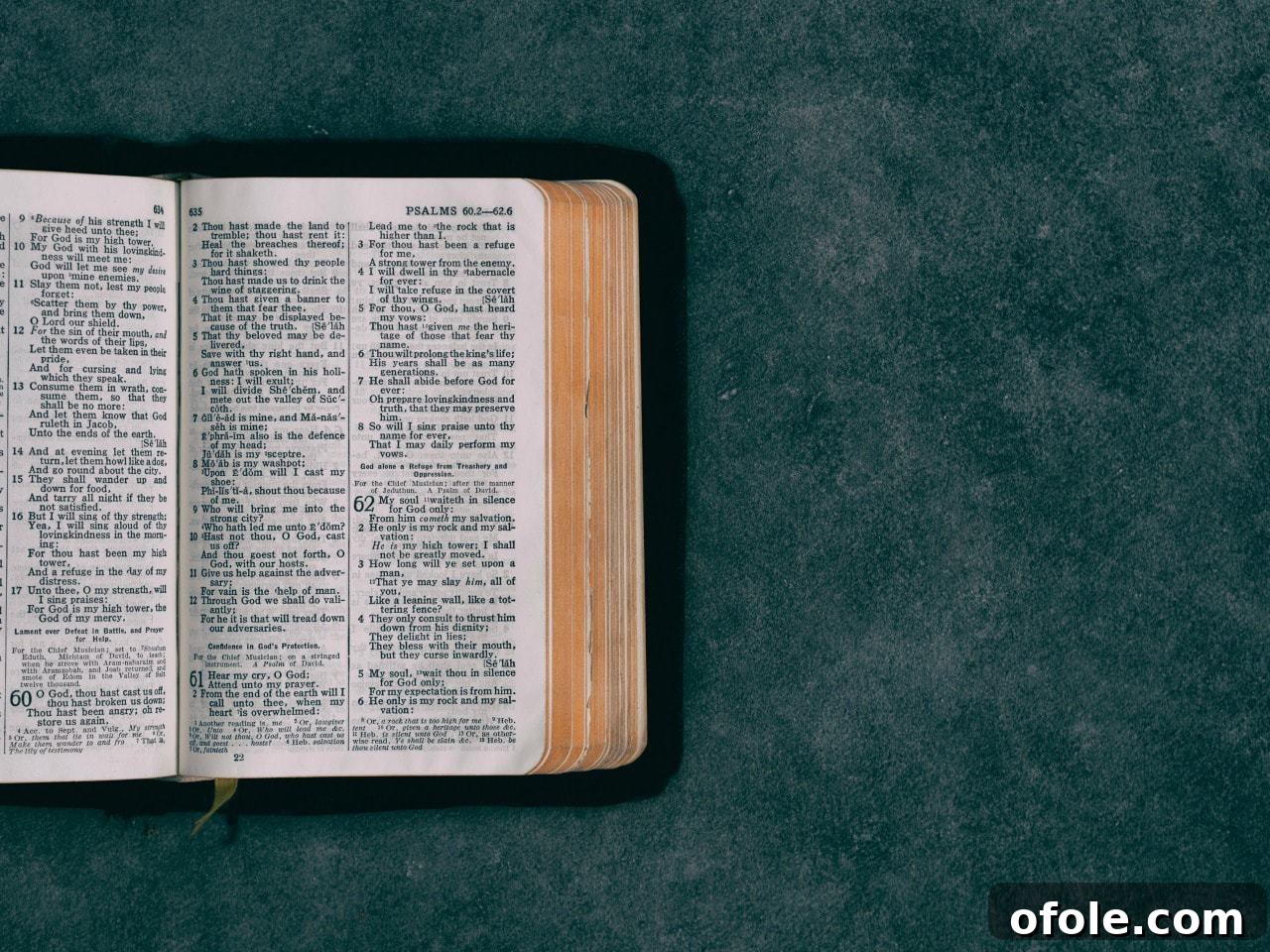
Photo by Aaron Burden on Unsplash.