
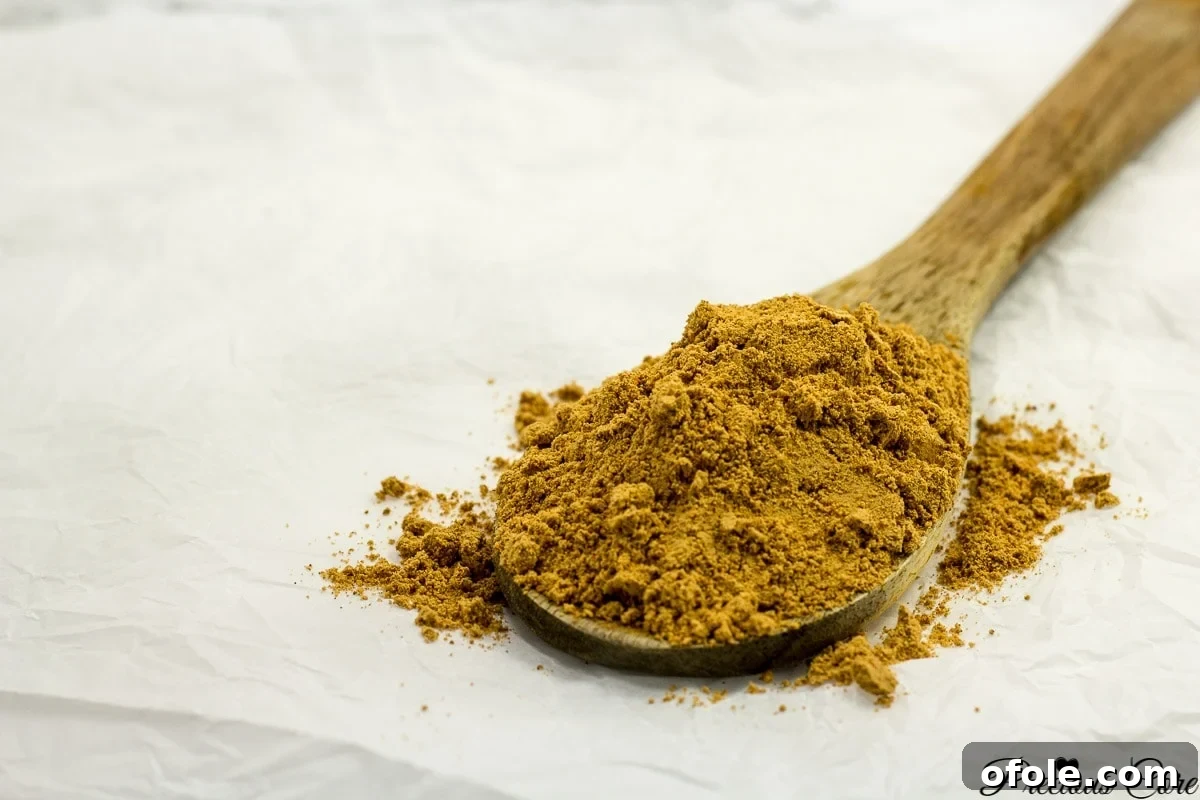
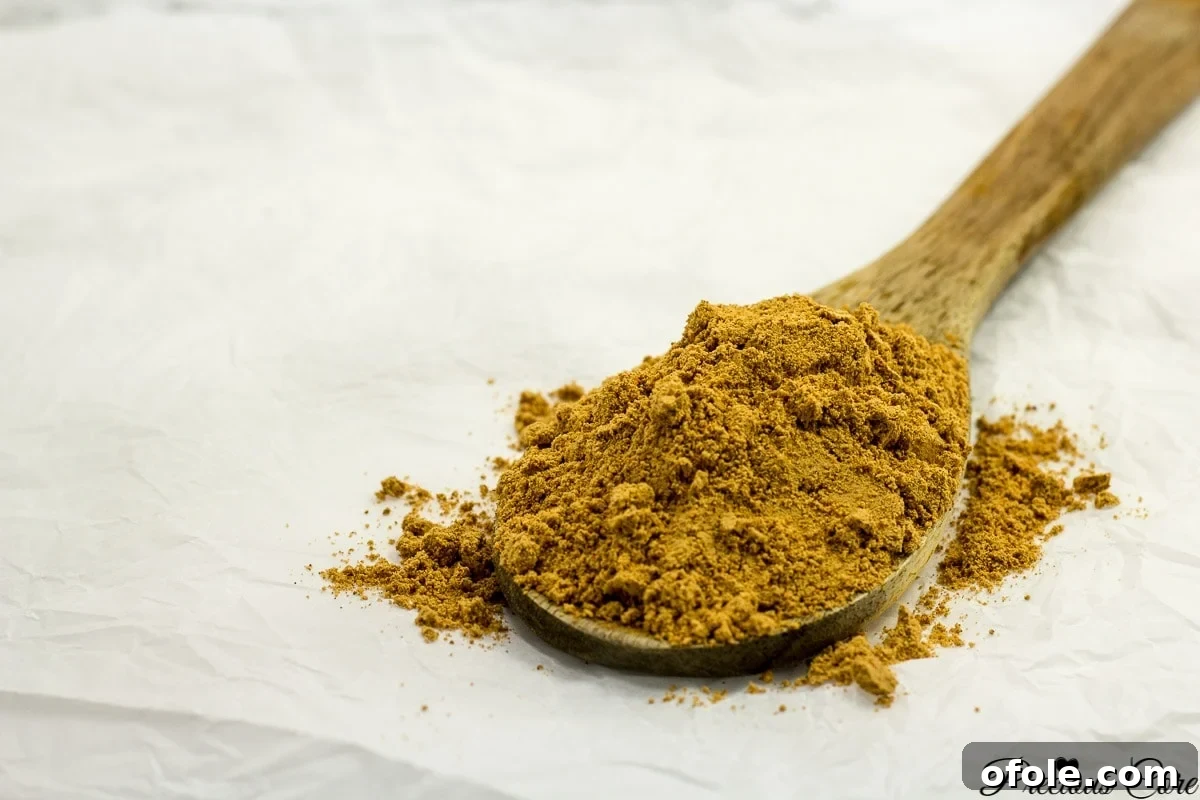
Unlock an explosion of authentic West African flavor in your kitchen with this incredible homemade suya spice recipe. Forget bland, store-bought seasonings; this vibrant blend is your secret weapon for creating mouth-watering dishes that will transport you straight to the bustling streets of Nigeria. Perfect for marinating succulent Beef Suya, infusing smoky goodness into Epic Chicken Wings, or crafting the delightful Cameroonian Soya Without Skewers, this spice mix is a culinary game-changer you absolutely need in your life.
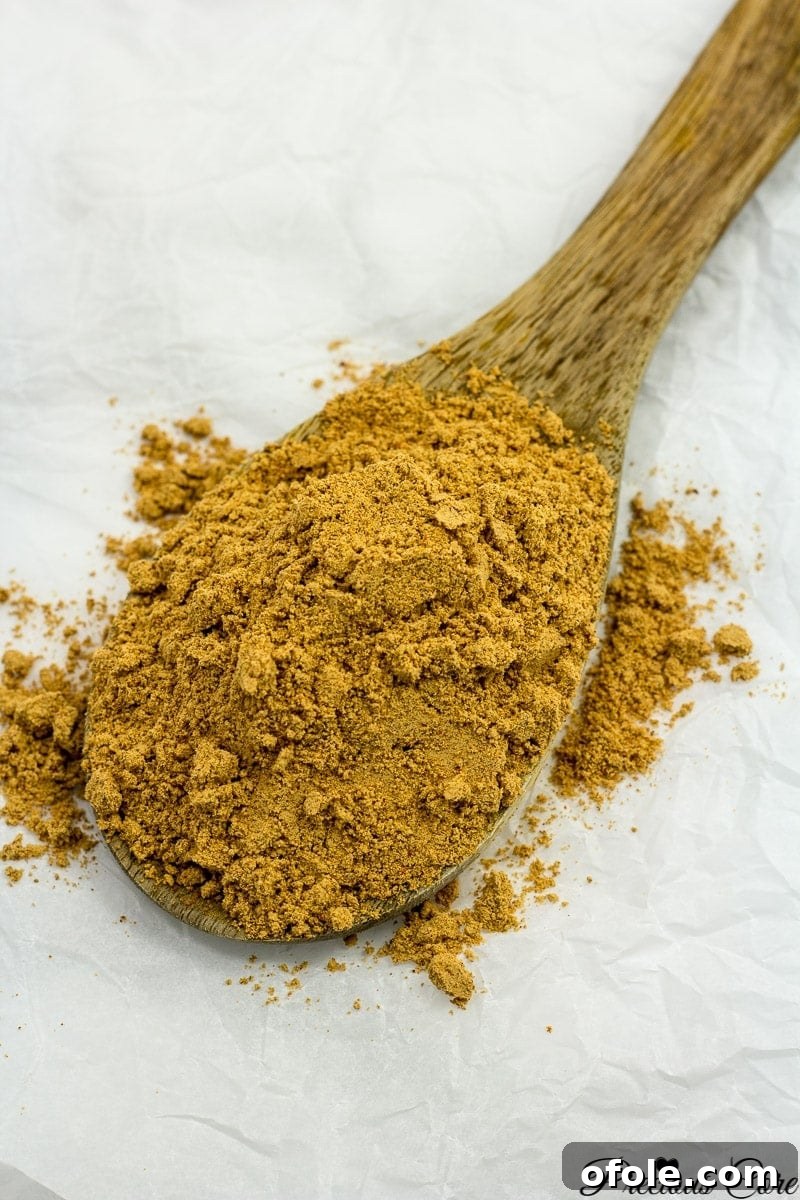
What Is Suya? A Culinary Journey Through West Africa’s Favorite Street Food
Suya, often known as soya in some regions, stands as the quintessential West African street food, renowned for its irresistible aroma and profound flavor. This delectable dish consists of tender pieces of meat, typically beef but also chicken or ram, generously coated in a rich, spicy peanut-based blend and then expertly grilled, often on skewers over an open flame. The result is a smoky, savory, and subtly sweet culinary masterpiece that captures the heart of West African cuisine.
Across West Africa, suya holds different names but maintains its universal appeal. In Nigeria, it is affectionately called “suya,” a term synonymous with late-night cravings and communal gatherings. Venture to Cameroon, and you’ll find it under the name “soya,” reflecting a similar culinary tradition. Ghana celebrates its version as “chinchinga,” a staple found in vibrant markets and roadside stalls. In French-speaking West African nations, it’s known as “les brochettes,” a direct translation for skewers, highlighting its presentation. Internationally, many compare it to “beef kebab” or “kabob” due to its skewered format and grilled preparation, though suya’s unique spice blend sets it distinctly apart.
More than just grilled meat, suya is a cultural experience. It’s often served wrapped in newspaper or foil, accompanied by sliced onions, tomatoes, and sometimes extra pepper, allowing diners to customize their experience. The smoky char from the grill, combined with the robust, earthy, and fiery notes of the spice mix, creates an addictively complex flavor profile. It’s truly one of life’s guilty pleasures – so incredibly tasty and wonderfully addicting that one skewer is rarely enough. The magic of suya lies not just in the perfectly grilled meat, but profoundly in its signature spice blend, which we’re about to demystify.
Bringing the Flavors of West African Street Food to Your Kitchen
For many, the authentic taste of suya is deeply intertwined with its street food origins. The skilled Hausa men, often referred to as “mai suya,” who masterfully prepare and sell suya on the streets, have certainly earned their fair share of my appreciation (and money!) over the years. Their expertise in grilling and spicing meat is legendary, and I’ve indulged in countless servings of their roadside delicacies throughout my life.
However, moving to the United States presented a delicious challenge: how to replicate that beloved street food experience at home? My cravings for authentic suya persisted, prompting me to embark on a culinary quest to bring those vibrant flavors into my own kitchen. I began experimenting with homemade soya, initially trying various marinating techniques with freshly ground spices. While these attempts yielded tasty results, they didn’t quite capture the distinct essence of the signature suya spice, often referred to as soya pepper, that the mai suya consistently use. You can even see some of my earlier attempts and methods in this video, which captures part of that learning curve.
In the initial stages, I faced my share of disappointments. The spice blends I created, while good, often lacked that unmistakable “suya-ish” quality – that perfect balance of nutty, spicy, and savory depth that defines the authentic flavor. But I am not one to easily give up, especially when it comes to perfecting a cherished recipe. My passion for recreating this culinary gem fueled a relentless process of testing, tweaking, and refining. Through countless iterations, adjusting ratios and experimenting with different spice combinations, I finally achieved it: the perfect homemade suya spice recipe. It was a moment of pure triumph and culinary joy! Now, you too can experience the satisfaction of creating this authentic West African delight right in your own home.
Essential Ingredients for Authentic Homemade Suya Spice
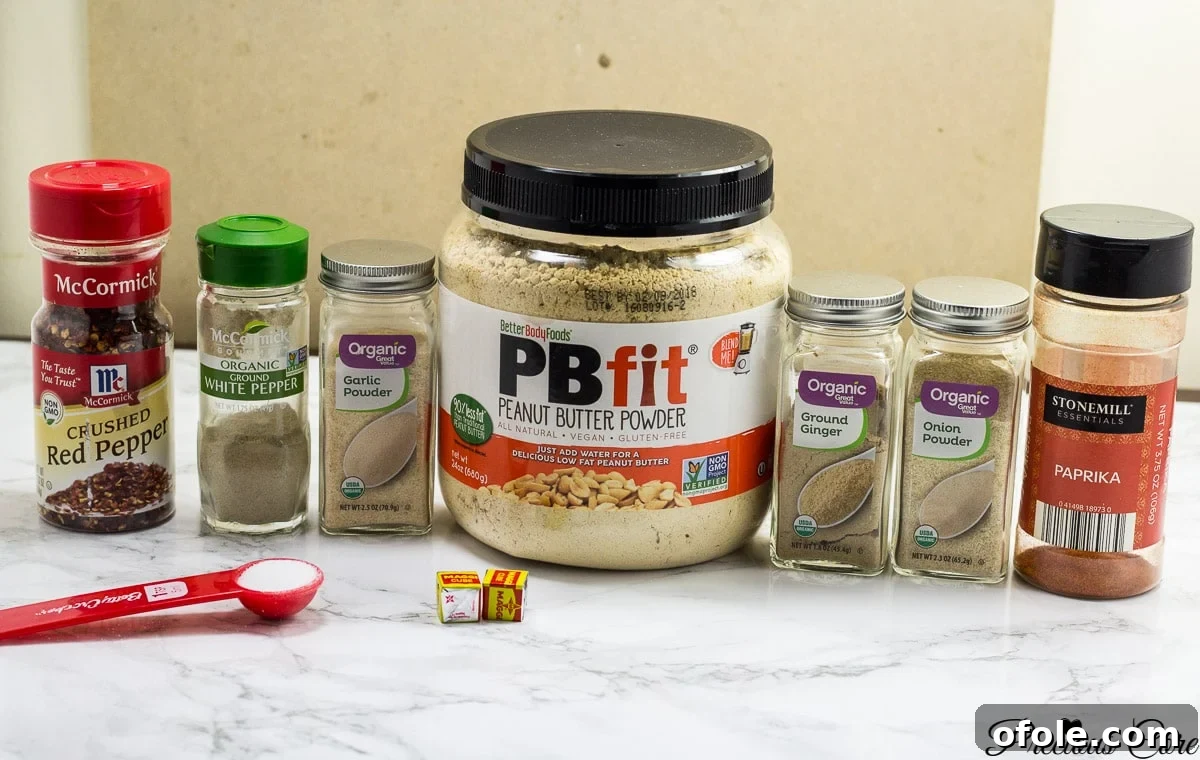
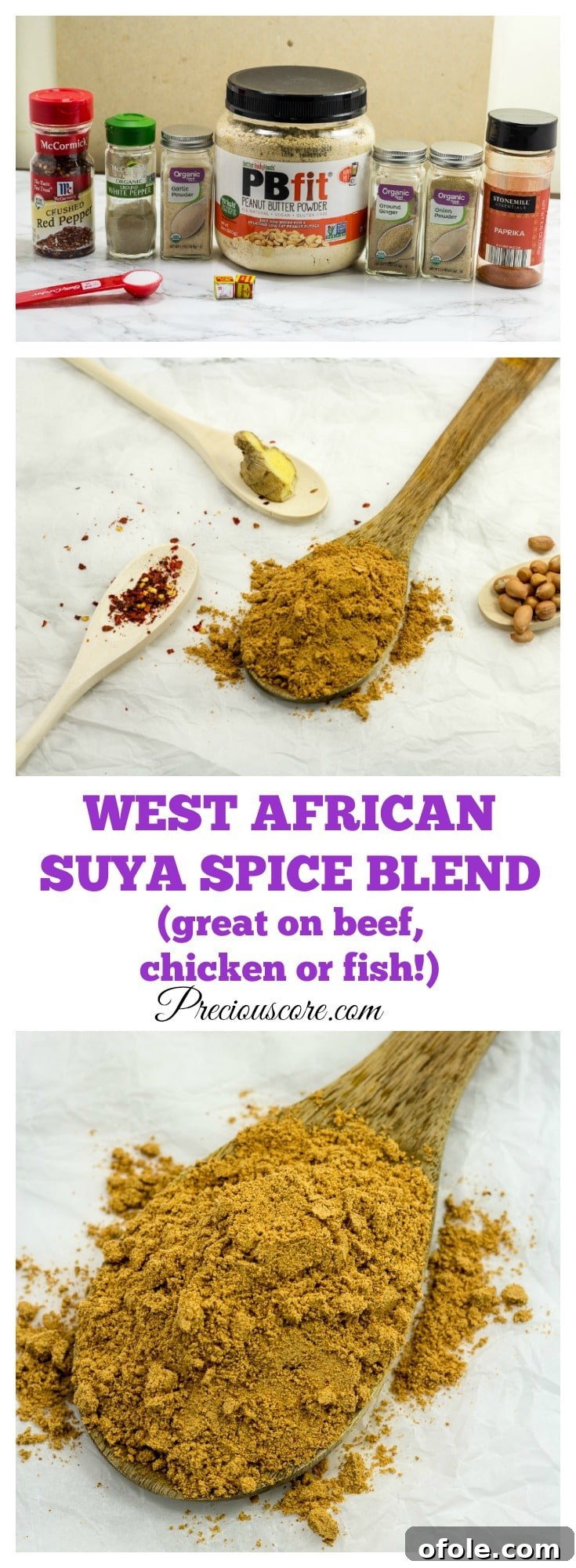
Crafting your own authentic suya spice blend requires a thoughtful combination of key ingredients, each playing a crucial role in developing its signature flavor and aroma. While the overall blend is complex, three main components form its foundational profile, providing the bulk, the warmth, and the characteristic heat.
- Roasted Peanut Powder: This is arguably the most critical ingredient, giving suya spice its distinctive nutty base and rich texture. In Central and West Africa, peanuts are commonly known as groundnuts. For the best flavor and consistency, it’s essential to use roasted peanuts. After roasting, these are ground into a fine powder. A crucial step often involves pressing out some of the excess oil from the ground peanuts using a clean cloth, which helps prevent the spice from becoming clumpy and ensures a dry, fluffy texture ideal for coating meat. This process also concentrates the peanut flavor, making it truly shine.
- Ginger Powder: Adding a wonderfully aromatic and pungent kick, ginger powder contributes a unique warmth and sharpness that cuts through the richness of the peanuts. It introduces a subtle zest that brightens the entire spice blend and is indispensable for that authentic suya taste. Freshly ground ginger powder will always offer the most vibrant flavor.
- Hot Pepper Powder: No suya spice would be complete without a significant level of heat. Cayenne pepper powder is a popular and effective choice here, delivering a clean, fiery punch. Depending on your preference for spiciness, you can adjust the quantity, or even experiment with other potent chili powders like bird’s eye chili powder for a more intense heat, or a milder paprika for just a hint of warmth.
Beyond these primary elements, a selection of other aromatic spices and seasonings come together to create the complex, layered flavor profile that makes suya spice so irresistible. These complementary ingredients add depth, savory notes, and a balanced finish:
- Salt: Essential for enhancing all the other flavors and seasoning the meat. Adjust to taste, keeping in mind that bouillon cubes also contribute saltiness.
- Maggi (or Bouillon Powder): This secret ingredient is widely used in West African cooking for its powerful umami boost. Whether in cube or powder form, it adds a savory, almost meaty depth that is absolutely crucial for achieving that authentic suya taste. It helps to round out the flavors and ties everything together beautifully.
- White or Black Pepper: Both white and black pepper contribute a subtle, earthy heat and aromatic complexity. White pepper tends to be a bit milder and more floral, while black pepper offers a sharper, more robust flavor. Either can be used, or a combination, depending on your desired nuance.
- Onion Powder: Providing a sweet, pungent, and savory aromatic base, onion powder adds significant depth to the spice blend, complementing the other savory elements.
- Garlic Powder: A classic pairing with onion, garlic powder delivers a potent, savory aroma and flavor that is fundamental to many savory dishes, including suya. It adds another layer of robust deliciousness.
- Paprika: Primarily included for its beautiful reddish color, paprika also offers a mild, sweet, or smoky flavor depending on the variety. Smoked paprika is a particularly excellent choice as it enhances the illusion of grilling over an open flame, imparting a wonderful smokiness to your homemade spice mix.
By carefully selecting and combining these ingredients, you can create a suya spice blend that rivals any street vendor’s, perfectly tailored to your palate and ready to transform your culinary creations.
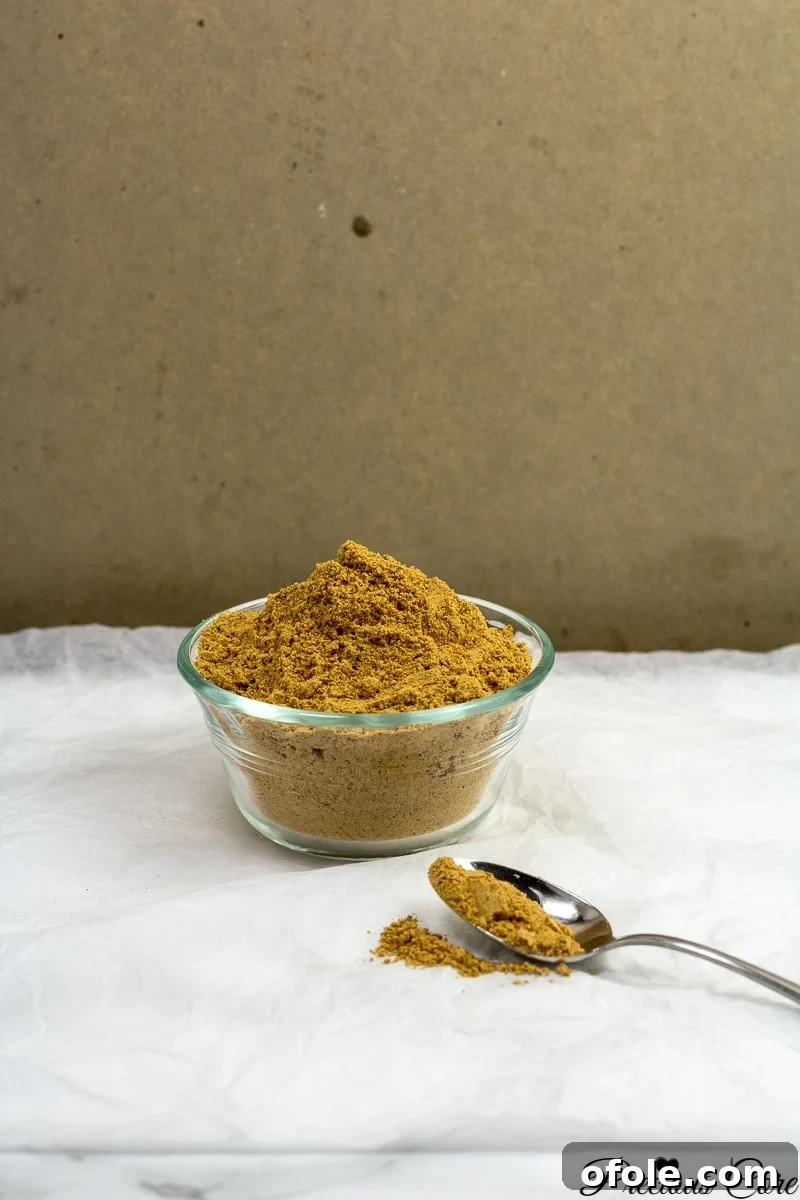
The Unbeatable Advantages of Homemade Suya Spice
Let me unequivocally state that this homemade suya spice is beyond comparison. The depth of flavor, the intoxicating aroma, and the sheer freshness you achieve by making it yourself are truly in a league of their own. When you use this blend to season your meat, you won’t need to add anything else; it is perfectly balanced and bursting with flavor on its own.
My own experience clearly illustrates this point. I once compared my homemade version side-by-side with a packaged suya spice bought from an African store. The difference was stark and immediately apparent. My homemade blend was vibrantly fresh, boasting a rich, complex aroma that hinted at the deliciousness to come. Every note, from the nutty peanuts to the fiery ginger and savory bouillon, was distinct and alive. In contrast, the store-bought version was disappointingly flat, lacking any significant aroma, and even carried a faint, unappetizing hint of staleness, almost moldy. The conclusion was undeniable: homemade suya spice triumphs over store-bought any day, delivering an unparalleled freshness and flavor profile that simply cannot be replicated by commercial alternatives.
One of the greatest benefits of preparing your own suya spice is the unparalleled control it offers. You can precisely tailor the blend to your personal preferences and dietary needs. For instance, if you prefer a milder flavor or are cooking for children, you can easily omit or reduce the hot pepper powder entirely. I currently keep two versions readily available at home: a fiery blend for my husband and myself, and a milder, heat-free version specifically crafted for my kids, ensuring everyone can enjoy the incredible taste of suya. This customization is simply not possible with pre-packaged spices.
Furthermore, the versatility of this homemade suya spice makes it an indispensable addition to your kitchen pantry. While traditionally used for beef suya, its incredible flavor profile makes it suitable for marinating a wide array of proteins. Imagine the rich taste it imparts to succulent chicken, whether grilled, baked, or fried. It also works wonders with fish, imparting a smoky, spicy crust that elevates any fillet. Beyond meats, don’t hesitate to experiment by sprinkling it on roasted vegetables, potatoes, or even incorporating it into your stews for an unexpected depth of West African flavor. It’s a must-have for any adventurous cook and a truly essential staple for your kitchen shelf!
Unlock Your Inner Spice Guru: Watch the Video Tutorial!
If you’re a visual learner, or just want to see the magic happen firsthand, I’ve prepared a comprehensive video tutorial demonstrating exactly how you can create your very own homemade suya spice right in your kitchen. This video will guide you through each step of the process, from selecting the ingredients to blending them perfectly, empowering you to become your own spice guru!
To ensure you never miss out on any of my delicious cooking videos and helpful tips, I highly encourage you to SUBSCRIBE to my YouTube channel and enable notifications. By choosing to receive updates, you’ll be instantly notified on your mobile phone every single time I upload a new video, ensuring you’re always among the first to discover exciting new recipes and culinary inspiration.
Watch how to make homemade suya spice:
Subscribe to my channel for more delicious recipes!
Subscribe
Explore More Delicious African Recipes
If you’ve enjoyed mastering the art of homemade suya spice, then you’re ready to dive deeper into the rich and diverse culinary landscape of Africa. Here are some more beloved African recipes that are sure to tantalize your taste buds and expand your cooking repertoire:
- Nigerian Beef Stew: A hearty and flavorful stew, perfect for serving with rice or yams.
- Vitumbua – East African Coconut Rice Pancakes: Sweet, fluffy, and a delightful treat for breakfast or dessert.
- African Chicken Stew: A versatile and comforting dish, rich in spices and tender chicken.
- African Okra Soup: A nutritious and satisfying soup, known for its unique texture and robust flavors.
- How To Make Puff Puff: Learn to make these popular, soft, and airy West African fried dough balls.
- Cameroonian Pepper Soup: A warming and aromatic soup, perfect for cold days or as a comforting meal.
If you make this recipe, please take a moment to leave a star rating below. Your feedback and rating not only help other aspiring home cooks discover and enjoy this recipe, but I genuinely love hearing about your culinary experiences! Thank you for your support and happy cooking!
Homemade Suya Spice
Ingredients
- 1/4 cup ginger powder
- 1/4 cup peanut powder (or ground roasted peanuts, with oil squeezed out)
- 2 small cubes Maggi (or equivalent seasoning cube/bouillon powder)
- 2 tablespoons red pepper flakes (adjust to desired heat level)
- 1 teaspoon salt
- 1 tablespoon garlic powder
- 1 tablespoon onion powder
- 1 teaspoon ground white pepper
- 1 tablespoon paprika (smoked paprika recommended for added depth, optional)
Instructions
- Combine all the measured ingredients into a small blender cup or a clean coffee grinder.
- Blend the mixture until it is very fine and well combined, ensuring there are no large clumps.
- For a smoother consistency, pass the finely blended spice through a fine-mesh sieve. Discard any remaining coarse particles or re-blend them if desired.
- Transfer the finished suya spice into an airtight container. Store it in a cool, dry place for everyday use, or freeze it for extended freshness.
- To use, generously rub this homemade soya spice onto skewered meat before grilling, or use it as a flavorful dry rub or marinade for chicken, fish, or other proteins.
Notes
Store your homemade suya spice in an airtight jar to maintain its potency and freshness. Remember to give the jar a good shake before each use to redistribute the spices evenly.
Nutrition
Additional Info
Tried this recipe?
Mention @preciouscore or tag #PreciousCore on Instagram!
I am absolutely thrilled that you’re interested in making one of my cherished recipes! Your culinary journey is important to me. If you decide to make this incredible homemade suya spice, I would love to see your creations and hear about your experience. Be sure to tag me in a photo on Instagram: @preciouscore, or share your thoughts and photos with me on my Facebook page: Facebook.com/preciouscore. Your feedback and shared experiences truly inspire me!