
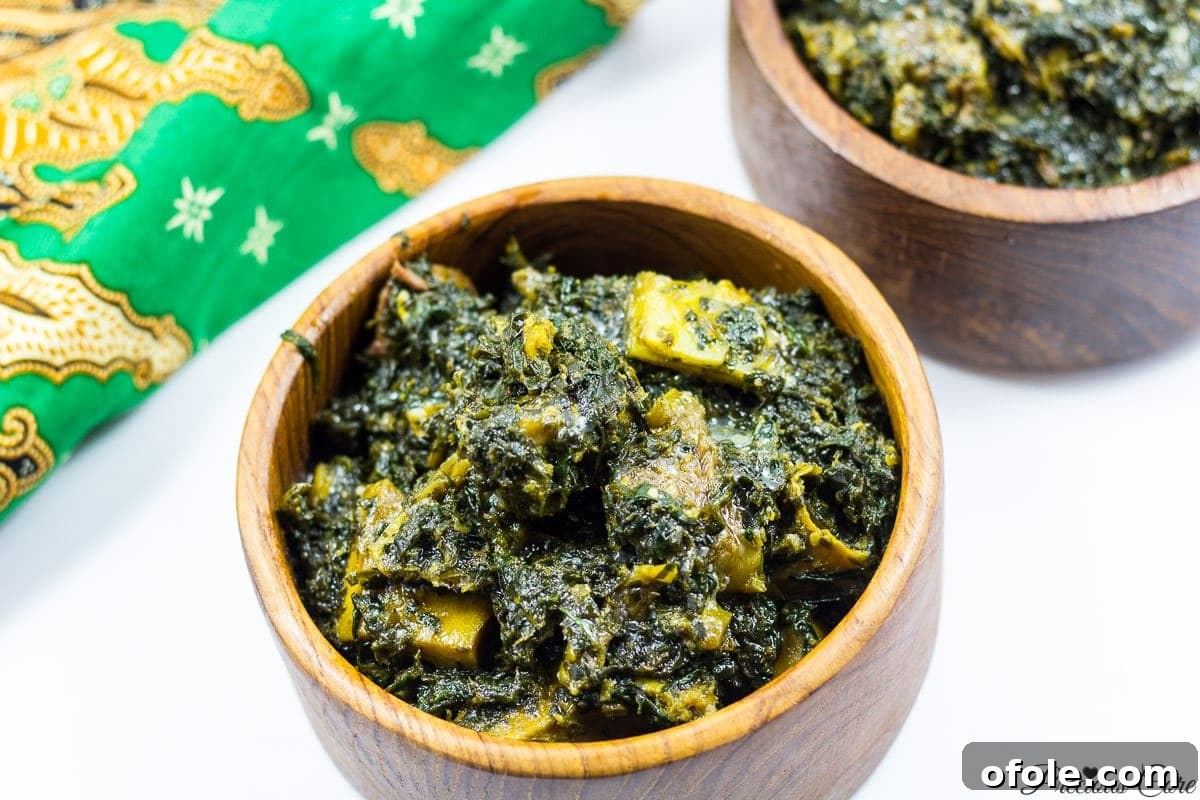
Authentic Cameroonian Eru Recipe: A Culinary Journey to West Africa
Before we delve into the rich, aromatic world of Eru, I must share a few candid moments from behind the scenes during the filming of this much-anticipated recipe video. As many home cooks know, the kitchen, much like life, often presents its own charming set of unpredictable adventures!
- A playful corner of my blouse decided to make an unscheduled cameo appearance right in the middle of the intro.
- My beloved wig, perhaps feeling the warmth of the kitchen lights, chose that precise moment to subtly reveal its venerable age.
- I began the cooking demonstration with both earrings perfectly in place, only to discover by the final take that one had mysteriously vanished.
So, should you spot me sporting a singular earring towards the latter half of the video, rest assured it’s not a daring new fashion statement. Its unfortunate counterpart embarked on an unexpected journey and, despite my best efforts, staunchly refused all attempts at reattachment. Such are the endearing quirks of creating culinary content!
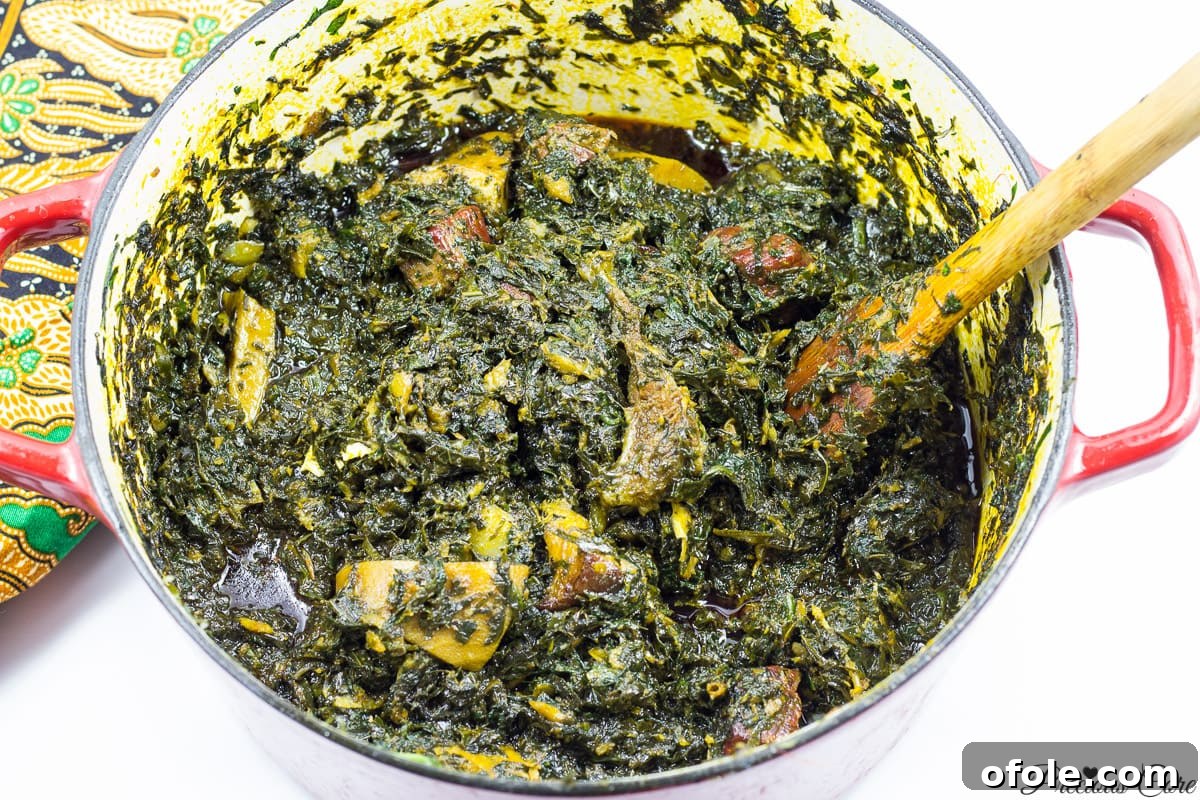
Experience the Heart of Cameroonian Cuisine: The Irresistible Eru
Now that our minor on-set escapades are playfully acknowledged, I can truly express my profound excitement about sharing one of my absolute favorite dishes to prepare and savor. Eru is more than just a meal; it’s a cherished culinary tradition, a testament to the vibrant flavors and communal spirit of West Africa. I’ve had the pleasure of preparing this delightful dish countless times – likely thousands, if I’m being honest! Its rich, savory goodness consistently captivates everyone in my immediate and extended family, making it an indispensable centerpiece at our gatherings and celebrations. This deeply flavorful, leafy green stew holds a truly special place in my culinary repertoire, and I am absolutely thrilled to unveil its magic and authentic preparation with you today.
What is Eru? Unveiling the Forest Plant, Gnetum Africanum
At the very heart of this beloved Cameroonian delicacy lies a fascinating ingredient: a resilient forest plant scientifically identified as Gnetum africanum. While its botanical name might sound formal, this versatile vine is widely recognized and cherished across various regions of Africa. In Nigeria, for instance, it is affectionately known as okazi or ukazi, names that resonate deeply within local culinary traditions. Journey a little further into some Central African countries, and you’ll find it referred to as koko. This hardy plant, often harvested from the wild, is highly valued not only for its distinctive texture and earthy flavor but also for its impressive nutritional profile. It forms the essential backbone of Eru, imparting a unique character that sets this dish apart, making it a truly unique African vegetable stew.
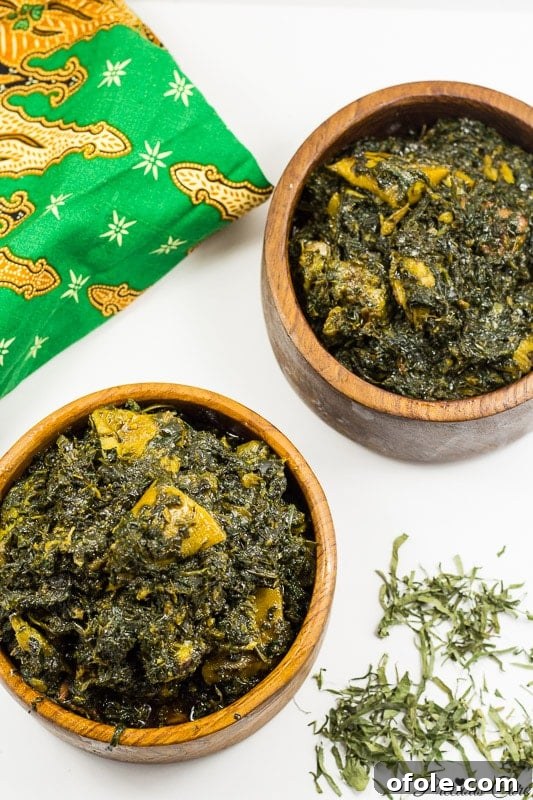
The Rich Origins and Cultural Tapestry of Eru
Eru’s preparation methods vary beautifully across its diverse geographical spread. While it can be simmered with groundnut (peanuts) or paired with other greens, the most popular and iconic rendition in Cameroon involves a harmonious blend of Eru (Gnetum africanum) and waterleaf (or spinach). This particular method is a culinary emblem of the country, reflecting centuries of gastronomic heritage. This hearty and profoundly satisfying meal proudly traces its roots to the Manyu people, an esteemed ethnic group residing in the South West region of Cameroon. Their ancestral culinary wisdom has gifted the world this remarkable dish, which has since captivated palates far beyond its original home.
It’s truly fascinating to observe the intricate cultural and culinary threads that connect communities across West and Central Africa. The Manyu people of Southern Cameroon share a striking cultural affinity and close geographical proximity with the vibrant communities found in Cross River and Akwa Ibom states of neighboring Nigeria. This deep connection is beautifully reflected in their shared culinary traditions. Consequently, the Eru dish bears a profound and striking resemblance to Nigeria’s celebrated Afang soup and the equally renowned Edika Ikong. Indeed, if you were to ask me, I would confidently declare that Eru represents a magnificent crossroads where the distinct yet complementary flavors and preparation styles of Afang and Edika Ikong elegantly converge. Each spoonful of Eru offers a flavorful narrative of shared history, regional connections, and remarkable culinary ingenuity, solidifying its status as a true masterpiece of African gastronomy.
Chef’s Tip for Enhanced Flavor: To infuse your Eru with an unparalleled depth of savory goodness, I highly recommend incorporating smoked meat prepared in the traditional African style. The smoky aroma and tender texture of this meat elevate the Eru to extraordinary new heights, transforming an already delicious meal into an unforgettable feast!
Eru: A Culinary Classification – Soup, Stew, or Vegetable Delight?
Classifying Eru into a single category can be a charming culinary puzzle. Is it a soup? A robust stew? Or simply a vibrant vegetable dish? The answer, in essence, is that it embodies elements of all these, yet remains uniquely Eru. It doesn’t quite fit the Western definition of a “soup,” often being much thicker and more substantial. However, like many soups, it is inherently savory and rich. Traditionally, Eru is almost invariably enjoyed with a starchy accompaniment, affectionately known as a “swallow” in many parts of Africa. The most common and beloved choices include garri (fermented cassava granules) or water fufu (a pliable dough similar to akpu). These essential starchy sides, both skillfully prepared from the versatile cassava root, are designed to be molded into small, manageable balls and used to scoop up generous portions of the luscious Eru. This method creates a deeply satisfying and wholesome dining experience, where the textures and flavors intermingle perfectly in every bite. The tactile nature of eating Eru with a swallow is an integral part of its cultural enjoyment, providing both sustenance and a connection to tradition.
The Distinctive and Irresistible Flavor Profile of Eru
Eru possesses a profoundly distinctive and wonderfully complex flavor profile that is truly challenging to describe with mere words. It’s a taste that resonates deeply with its African heritage, a harmonious symphony of earthy notes from the Gnetum africanum, the subtle yet refreshing nuances of waterleaf, the rich umami depth contributed by various meats and fish, and the characteristically nutty, reddish glow of palm oil. This intricate combination results in a distinctive taste that is simultaneously comforting, exotic, and utterly captivating. It’s a flavor that tells a story, a culinary narrative of tradition and natural bounty. To genuinely appreciate its unique charm and understand its widespread appeal, an authentic taste test is absolutely essential! Prepare to tantalize your palate and immerse yourself in an unforgettable West African culinary experience that leaves a lasting impression.
For those who have journeyed with me through my earlier culinary explorations, you might recall an especially memorable Eru recipe I shared during the foundational “shoot-recipe-with-phone” era. That particular rendition was boldly titled “The Best Eru Recipe Ever,” and it garnered considerable acclaim. If you haven’t yet had the chance to explore that earlier, equally delicious version, I wholeheartedly encourage you to check it out for additional inspiration and perhaps discover new facets of this incredible dish!
When I personally prepare Eru, I adhere to a simple but crucial philosophy: I love to cook the vegetables until they achieve an exquisite tenderness. This meticulous approach ensures that the Eru “marries” flawlessly with the accompanying fufu or garri, creating a supremely smooth and utterly delightful mouthfeel with every single bite. The texture becomes incredibly cohesive, enhancing the overall dining pleasure. Join me in the kitchen and watch the full preparation of this classic dish in the video below – and don’t forget to keep an eye out for that infamous, adventuring solo earring!
Eru: The Ultimate Cameroonian Vegetable Delight
5 out of 5 stars from 1 vote
This classic meal is a culinary pride of the Manyu people of Cameroon, offering a rich, savory, and satisfying vegetable stew that’s perfect with traditional African swallows.
Rate This Recipe
Print Recipe
Ingredients
- 8 cups dry eru/okazi (packed) or 5 cups of fresh (approx. 250g)
- 10 cups chopped waterleaf or spinach (or less if using fresh eru, approx. 280g)
- 1 1/2 cups crayfish (lightly blended for texture and flavor)
- 1 1/2 cups rich palm oil (325 ml), for vibrant color and authentic taste
- 1 teaspoon salt (or to your preferred taste)
- 2 pounds (about 1 kg) of a delicious variety of boiled meats with one cup of savory stock – I highly recommend a mix of beef, tender beef skin (locally known as canda), and beef tripes for a truly authentic and satisfying blend of textures and flavors.
- 1/2 pound fish (a combination of stock fish and smoked catfish works wonders)
- 4 small seasoning cubes (such as Maggi, to enhance the overall flavor profile)
- 2 scotch bonnet peppers – either blended for even heat distribution or kept whole for a milder, infused spice (optional, adjust according to your heat preference)
Instructions for Preparing Authentic Cameroonian Eru
- Step 1: Preparing the Eru/Okazi (if dry): If you are utilizing dried eru (okazi), it is crucial to first soak it thoroughly in warm water for a minimum of 30 minutes. This process helps to rehydrate and soften the leaves. For an even more tender texture and a brighter, more appealing green color, you may optionally incorporate 1/2 to 1 teaspoon of baking soda into the soaking water. After soaking, ensure you rinse the eru meticulously before proceeding to the next step.
- Step 2: Simmering the Meats: Into a large, sturdy pot, introduce your selection of boiled meats along with the reserved cup of flavorful meat stock. Bring this mixture to a gentle simmer over medium-high heat. Allow it to continue simmering for approximately 5-7 minutes, or until the meat stock has almost entirely reduced and evaporated. This step is key to concentrating the rich, meaty flavors within the pot.
- Step 3: Cooking the Waterleaf/Spinach: Now, add the finely chopped waterleaf or spinach to the pot containing the simmering meats. Let it cook for about 5 minutes. You will observe the greens wilting considerably and releasing their natural juices. Gently stir the waterleaf/spinach and allow it to cook for an additional 5 minutes or less. It’s important to avoid overcooking the spinach; it should retain its vibrant green hue and not turn brown, which indicates a loss of freshness and nutrients.
- Step 4: Combining Vegetables and Palm Oil: Once the waterleaf/spinach is tender, thoroughly rinse your soaked eru again to ensure it is clean and free of any residual baking soda. Add the rinsed eru to the pot, blending it well with the spinach and meats. Next, pour in the rich palm oil and stir everything together vigorously until both vegetables are beautifully incorporated and coated in the oil. Allow this flavorful combination to simmer together for another 5 minutes, stirring periodically to prevent any sticking and to ensure uniform cooking and flavor infusion.
- Step 5: Adding Seasonings, Crayfish, and Fish: This is where the flavors truly deepen. Incorporate the seasoning cubes (Maggi), the blended or whole scotch bonnet peppers (if using for a spicy kick), the lightly blended crayfish for its unique umami depth, and your chosen fish (stock fish and smoked catfish). Give the entire mixture a good, thorough stir to distribute all the ingredients evenly. Continue to cook for approximately 5 more minutes, allowing all the distinct flavors to meld into a cohesive, aromatic masterpiece.
- Step 6: Final Seasoning and Consistency Check: At this critical juncture, taste the Eru and make any necessary adjustments to the seasoning. The Eru should be wonderfully moist and rich, but never watery. If you find the stew to be a bit too dry for your liking, you can add a small amount of extra water or palm oil to achieve your desired moist consistency. Conversely, if it appears too soft or watery, simply let it simmer uncovered for a few extra minutes, allowing any excess moisture to evaporate.
- Step 7: Serving Your Authentic Eru: Once perfectly seasoned and textured, turn off the heat. Your exquisite Cameroonian Eru is now ready to be served warm! It traditionally pairs magnificently with a choice of starchy side dishes such as fufu, garri, or water fufu. This combination offers an authentic, wholesome, and incredibly satisfying West African culinary experience. Enjoy the rich heritage in every bite!
Additional Notes and Serving Suggestions
As we’ve explored, Eru is a unique dish that comfortably sits between a robust stew and a hearty vegetable medley. It’s designed to be consumed with traditional African “swallows”—dense, starchy accompaniments that are central to the West African dining experience. Beyond garri and water fufu (similar to akpu), you might also enjoy Eru with pounded yam, semolina, or even eba for a delightful variation. These staples, predominantly derived from cassava, provide the perfect neutral base to absorb and complement the Eru’s rich, complex flavors and textures.
For optimal results, pay close attention to the tenderness of your Gnetum africanum (okazi/eru). If you’re using fresh leaves, ensure they are very finely shredded. If opting for dried eru, thorough soaking, as detailed in the instructions, is paramount for achieving the desired soft consistency. The quality of your palm oil also plays a significant role in the overall taste and vibrant color of the dish; always opt for a good, unadulterated red palm oil for an authentic flavor profile. Don’t hesitate to adjust the quantity of pepper to suit your personal spice tolerance. This Eru recipe is not just food; it’s a celebration of Cameroonian culinary heritage!
Nutrition Information (Estimated per Serving)
Carbohydrates: 4g |
Protein: 50g |
Fat: 74g |
Saturated Fat: 35g |
Polyunsaturated Fat: 7g |
Monounsaturated Fat: 29g |
Trans Fat: 1g |
Cholesterol: 205mg |
Sodium: 1295mg |
Potassium: 1278mg |
Fiber: 2g |
Sugar: 1g |
Vitamin A: 8520IU |
Vitamin C: 30mg |
Calcium: 154mg |
Iron: 7mg
Additional Recipe Information
Tried this incredible Eru recipe?
We’d love to see your culinary creations! Share your delicious results on Instagram: mention @preciouscore or tag your posts with #PreciousCore! Join our community of food lovers and celebrate authentic African cuisine.