
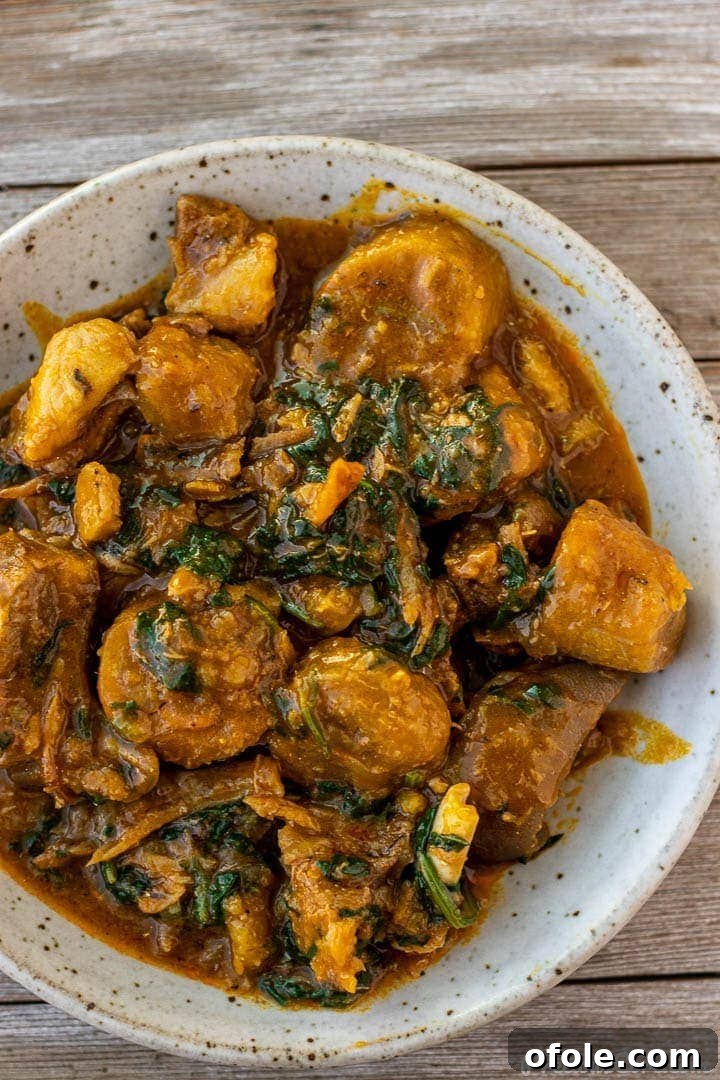
Embark on a culinary journey to the heart of West Africa with Cameroonian Sese Plantains, a profoundly flavorful and comforting one-pot meal that tantalizes the senses. Also known by its endearing names “Turning Plantains” or “Unripe Plantain Porridge,” this dish is a cornerstone of Cameroonian gastronomy, cherished for its simplicity and deeply satisfying taste. It masterfully blends the earthy sweetness of green plantains with the vibrant richness of red palm oil, the complex umami of dried fish and crayfish, and often, succulent goat meat, culminating in a hearty dinner perfect for any occasion.
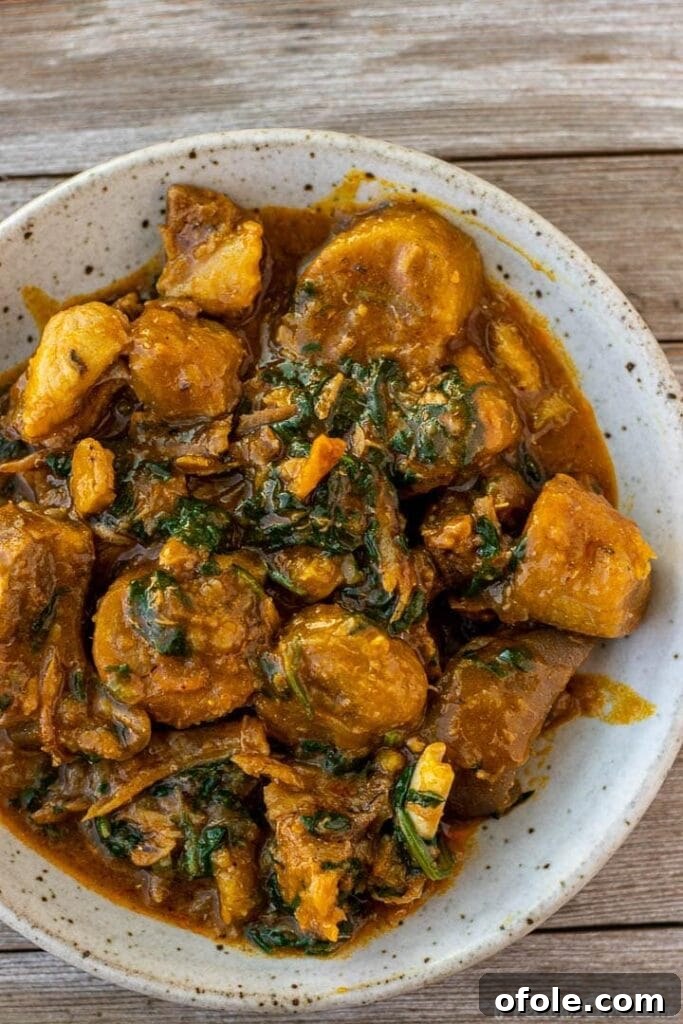
Cameroonian Sese Plantains: An Authentic West African One-Pot Delight
Today, we’re diving deep into the art of making Sese Plantains, a personal favorite and a true emblem of Cameroonian culinary heritage. The name “sese” itself is derived from the rhythmic motion of stirring the plantains as they gently simmer and cook, a testament to the interactive and mindful process of its creation. While perhaps not every child’s first pick, as was the case for me growing up, the magic my mother wove with an abundance of flavorful dried fish transformed Sese Planti into an irresistible masterpiece, ensuring its place as a cherished family meal.
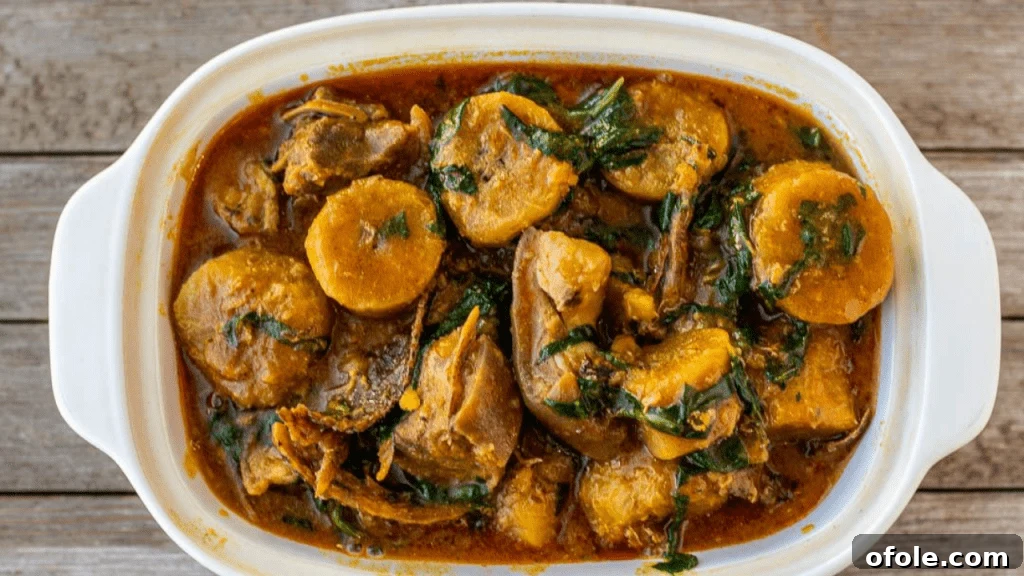
The Heart of Cameroonian Cuisine: What Makes Sese Plantains So Special?
Sese Plantains stands out in West African cuisine as a testament to the region’s ability to create deeply flavorful and nourishing meals from readily available ingredients. This dish is more than just food; it’s a reflection of community, tradition, and the resourceful spirit of Cameroonian cooking. Its unique blend of flavors — smoky, savory, and subtly sweet from the plantains — is what makes it truly exceptional. The robust profile of Sese Plantains offers a hearty experience that warms the soul, making it an ideal choice for a comforting family dinner or a gathering with friends.
Our rendition of the Sese Plantain recipe often features a delightful medley of dried fish and tender goat meat, though its versatility allows for delicious variations. The inclusion of dried fish, a staple easily found in well-stocked African stores, infuses the dish with an unparalleled depth of flavor and a distinct smokiness that cannot be replicated. While a visit to a local African shop might be necessary to gather some of the more authentic ingredients, the reward is an culinary adventure well worth the effort.
Essential Ingredients for Authentic Sese Plantains
Crafting the perfect Sese Plantains relies on a selection of key ingredients, each playing a vital role in building the dish’s signature flavor and texture:
- Green Plantains: The foundation of this dish. It is crucial to use unripe plantains, which are firm, green, and offer a starchy, savory counterpoint to the richer ingredients. Unlike ripe plantains, their firm texture holds up beautifully during the long simmering process, absorbing all the wonderful flavors.
- Red Palm Oil: A cornerstone of West African cooking, red palm oil is indispensable for Sese Plantains. It contributes a distinctive earthy flavor, a beautiful reddish-orange hue, and a richness that cannot be achieved with neutral oils. Sustainably sourced, it’s also recognized for its health benefits, including high levels of antioxidants. Its unique profile is central to the authenticity of the dish.
- Crayfish: These small, dried crustaceans are a powerhouse of flavor in West African cuisine. Ground crayfish imparts a profound umami, a subtle brininess, and a characteristic smokiness that elevates Sese Plantains. It’s an ingredient that truly defines the traditional taste of many regional dishes, including Eru.
- Dried Fish: Smoked or dried fish is a traditional ingredient across West Africa, valued for its intense flavor and preserving qualities. Several varieties can be used, but the key is to ensure the fish is deboned for a smoother eating experience. It provides a savory depth that complements the plantains beautifully.
- Goat Meat (Optional but Recommended): While delicious Sese Plantains can be made without meat, incorporating goat meat adds an extra layer of richness and makes the meal exceptionally hearty and special. Goat meat is lean and absorbs flavors wonderfully. If goat meat is unavailable, beef can serve as a suitable substitute.
- Leafy Greens: Traditionally, a West African leafy green known as bitterleaf is incorporated, lending a unique, slightly bitter edge that connoisseurs adore. For those without access to fresh bitterleaf, baby spinach is an excellent, readily available alternative. It wilts down beautifully and adds nutritional value without needing to be picked from stems. Kale is another viable substitute.
- Salt: A fundamental seasoning to balance and enhance all the flavors in the dish.
- Maggi Seasoning Cubes: These popular seasoning cubes are a staple in many West African kitchens, used to deepen savory flavors and provide a consistent taste profile.
- Ginger Root & Garlic: Freshly crushed or blended, these aromatics provide a pungent, warming base that brightens the entire dish.
- Habanero or Scotch Bonnet Pepper (Optional): For those who appreciate a kick of heat, a whole habanero or scotch bonnet pepper can be added to infuse a gentle spice without overpowering the other flavors.
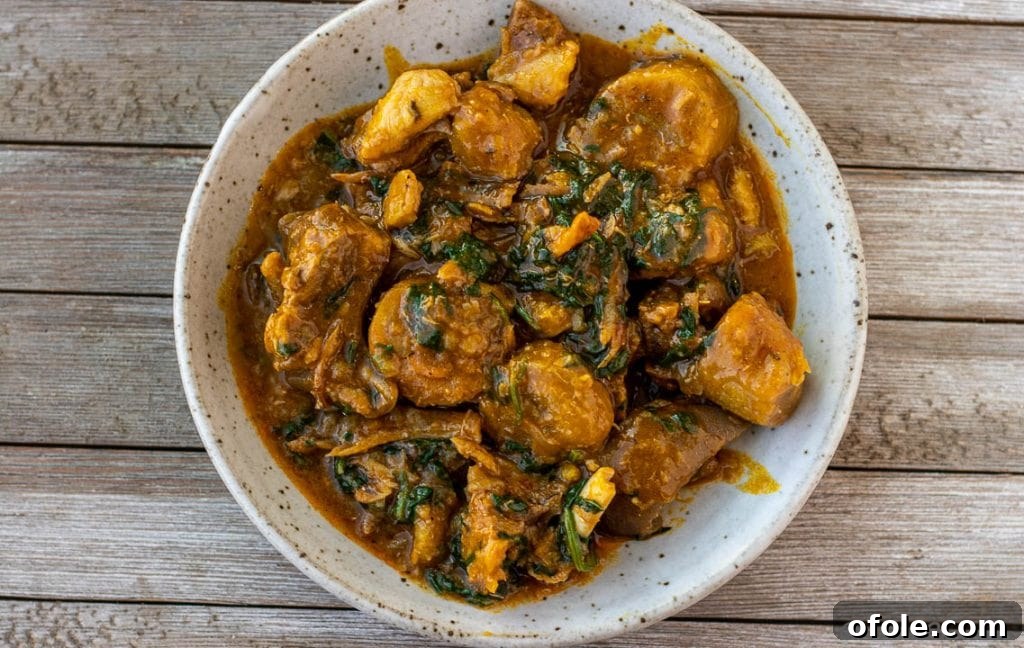
Where to Source Your Ingredients
Many of the unique ingredients for Sese Plantains, such as red palm oil, dried fish, and crayfish, are readily available at most African or international grocery stores. These specialty shops are invaluable resources for authentic components that elevate your culinary creations. If a local store isn’t an option, various online retailers specialize in African ingredients, making it easier than ever to bring the taste of Cameroon to your kitchen.
Mastering the Art of Sese Plantains: A Step-by-Step Guide
Preparing Sese Plantains is a labor of love that rewards with an incredibly rich and flavorful meal. Follow these steps for an authentic experience:
- Prepare the Meat: Begin by placing the goat meat (if using) in a large pot. Cover it with water, add a quarter cup of chopped onion, and half a teaspoon of salt. Bring to a boil, then reduce heat and simmer for approximately 20 minutes, or until the goat meat is tender yet still retains a slight bite.
- Peel the Plantains: This step requires a bit of technique. First, trim the ends of each green plantain. Then, make shallow scores lengthwise down the plantain skin, about an inch apart, being careful not to cut into the flesh. Gently lift the strips of skin away from the firm, green plantain flesh using your fingers.
- Slice and Add Plantains: Rinse the peeled plantains thoroughly. Cut them into thick, uniform coin-shaped pieces, approximately one inch in thickness. Add these plantain coins to the pot with the simmering goat meat.
- Assemble the Base: Pour enough water into the pot to fully cover the plantains. Stir in the red palm oil and the remaining diced onions. The oil will beautifully color the entire dish.
- Prepare the Crayfish: To maximize its flavor, the crayfish should be lightly crushed. This can be done using a mortar and pestle, a small blender, or even by placing it in a sealed Ziploc bag and gently pounding with a rolling pin until broken down.
- Combine and Simmer: Add the crushed crayfish to the pot. Using a sturdy wooden spoon, stir all the ingredients together until well combined. Cover the pot and bring the mixture to a vigorous boil.
- Add Aromatics and Seasoning: While the pot is coming to a boil, prepare your aromatics: blend or crush the ginger root and garlic into a fine paste. Once the pot is boiling, stir in the ginger-garlic paste, the remaining one teaspoon of salt, and crumble in the Maggi seasoning cubes. If you’re adding a habanero pepper, drop it in whole for a gentle heat infusion without making the dish overly spicy.
- Cook to Tenderness: Stir everything once more to ensure even distribution of flavors. Re-cover the pot and allow it to cook for about 30 minutes, or until the plantains are exceedingly soft and can be easily pierced and mashed with a fork. It’s crucial for the plantains to be very tender. If the water level drops too low during cooking, add a bit more to keep the dish saucy and prevent sticking.
- Final Seasoning Adjustment: Once the plantains are perfectly cooked, taste the Sese Plantains and adjust the salt or other seasonings as needed to achieve your desired flavor balance.
- Incorporate Greens: Roughly chop the baby spinach (or bitterleaf/kale) and add it to the pot. Stir well until the greens wilt and are thoroughly mixed into the plantain porridge. Turn off the heat immediately.
- Rest and Serve: Allow the pot to rest, covered, for at least 5 minutes. This brief resting period allows the flavors to meld and deepen. Serve your hot Sese Plantains with a side of fresh avocado for a refreshing contrast. Enjoy this incredibly delicious and culturally rich meal!
Tips for the Perfect Sese Plantains
- Plantain Tenderness is Key: The most crucial tip for Sese Plantains is to ensure the plantains cook until they are incredibly soft and almost mushy. If the plantains remain hard or undercooked, the texture will be unappealing, and the flavors won’t fully integrate. Don’t rush this step!
- Authentic Leafy Greens: While baby spinach and kale are excellent substitutes, if you can find fresh bitterleaf (a traditional West African leafy green), it will impart a distinct, slightly bitter, and wonderfully authentic flavor to your Sese Plantains. Its unique profile is highly valued in traditional recipes.
- Flavor Depth with Dried Fish: Don’t skimp on the dried fish! It contributes a significant amount of umami and smokiness. Explore different varieties available at African stores to find your preferred flavor profile. Remember to remove all bones thoroughly.
- Red Palm Oil Matters: Use good quality red palm oil. Its flavor and color are integral to the dish. Avoid substituting with other oils if you want an authentic taste.
- Adjust Spice to Taste: The habanero pepper is optional. If you prefer a milder dish, omit it or use a less potent pepper. For a spicier kick, you can lightly prick the pepper before adding it.
Watch How To Make Sese Plantains
For a visual guide, watch the video below to see the entire process of making Sese Plantains. It’s a fantastic way to grasp the techniques and ensure your dish turns out perfectly!
Discover More Beloved Cameroonian Recipes
If you’ve enjoyed the flavors of Sese Plantains, explore more culinary delights from Cameroon:
- Poulet DG
- Jollof Rice
- Kwacoco Bible
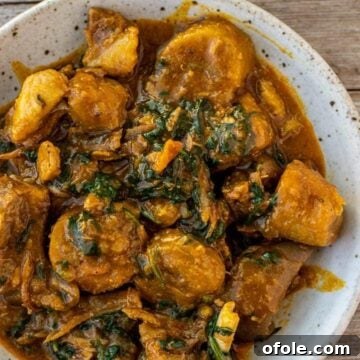
Cameroonian Sese Plantains
Cameroonian Sese Plantains is a heartwarming one-pot dish featuring unripe plantains, rich red palm oil, savory crayfish, and other delicious ingredients. It’s incredibly hearty, offering a delightful smokiness and profound flavor from its unique blend of spices. Green plantains are a fantastic source of nutrients, and this meal beautifully reflects Cameroon’s vibrant cultural heritage.
Prep time: 20 mins | Cook time: 1 hr | Total time: 1 hr 20 mins | Servings: 8 servings
Ingredients
- 1 pound goat meat, cut into 2-inch slices (can substitute with beef, or more dried/smoked fish)
- 2 medium onions, chopped
- 1 1/2 teaspoons salt
- 6 green (unripe) plantains
- 2 cups dried fish, bones removed
- 1/2 cup crayfish
- 1 cup red palm oil
- 2-3 inches ginger root, peeled
- 6-8 cloves garlic, peeled
- 4 Maggi seasoning cubes (4g cubes)
- 1 habanero or scotch bonnet pepper (optional)
- 4 cups baby spinach (can substitute with kale)
Instructions
- Place goat meat in a pot. Pour in water to completely cover the meat. Add 1/4 cup of the chopped onion and 1/2 teaspoon salt. Cover, bring to a boil, and cook until the goat meat is tender but still has a bite, about 20 minutes.
- To peel plantains: cut the ends, then score the plantains from top to bottom, being careful not to cut the flesh. Give a 1-inch gap and score again. Repeat two more times. Use your fingers to easily lift the skin off the flesh.
- Rinse peeled plantains, then cut into approximately 1-inch thick coins.
- Add the plantains to the goat meat. Add water to completely cover the plantains, then add the palm oil and the remaining diced onions.
- Crush the crayfish to break it down. Use a blender, small mortar, or a Ziploc bag (press out air, seal, and hit with a rolling pin).
- Add the crushed crayfish to the plantains. Mix everything with a wooden spoon to combine. Cover and bring to a boil.
- While boiling, blend or crush garlic and ginger into a paste.
- Once boiling, add the blended garlic and ginger, the remaining 1 teaspoon of salt, and crumble in the Maggi seasoning cubes. If using, add the whole habanero pepper for mild flavor infusion.
- Stir to combine. Cover and cook for about 30 minutes until plantains are very soft and break easily when pierced. Add more water if needed to keep it saucy.
- Taste and adjust seasoning if necessary.
- Roughly chop the spinach and add to the pot. Mix well until the vegetables shrink and combine with the dish. Turn off the heat.
- Let the pot rest, covered, for 5 minutes. Serve hot, ideally with some avocado on the side.
Notes
- It is crucial to cook the plantains until they are very soft. Undercooked plantains can be hard and make the meal unappealing.
- Traditionally, bitterleaf, a leafy green common in West Africa, is used for its distinct, delicious bitterness. If fresh bitterleaf is unavailable, spinach or kale are excellent substitutes.
Nutrition Information (per serving)
Calories: 756 kcal | Carbohydrates: 47g | Protein: 52g | Fat: 41g | Saturated Fat: 18g | Polyunsaturated Fat: 3g | Monounsaturated Fat: 15g | Trans Fat: 1g | Cholesterol: 151mg | Sodium: 5143mg | Potassium: 1856mg | Fiber: 3g | Sugar: 25g | Vitamin A: 3022 IU | Vitamin C: 36mg | Calcium: 146mg | Iron: 4mg
Additional Info
Course: Dinner | Cuisine: Cameroonian | Calories: 756
We hope this detailed recipe inspires you to create your own authentic Cameroonian Sese Plantains. This dish is not just a meal; it’s an experience, a journey into the rich and diverse culinary landscape of West Africa. Enjoy every flavorful bite!