
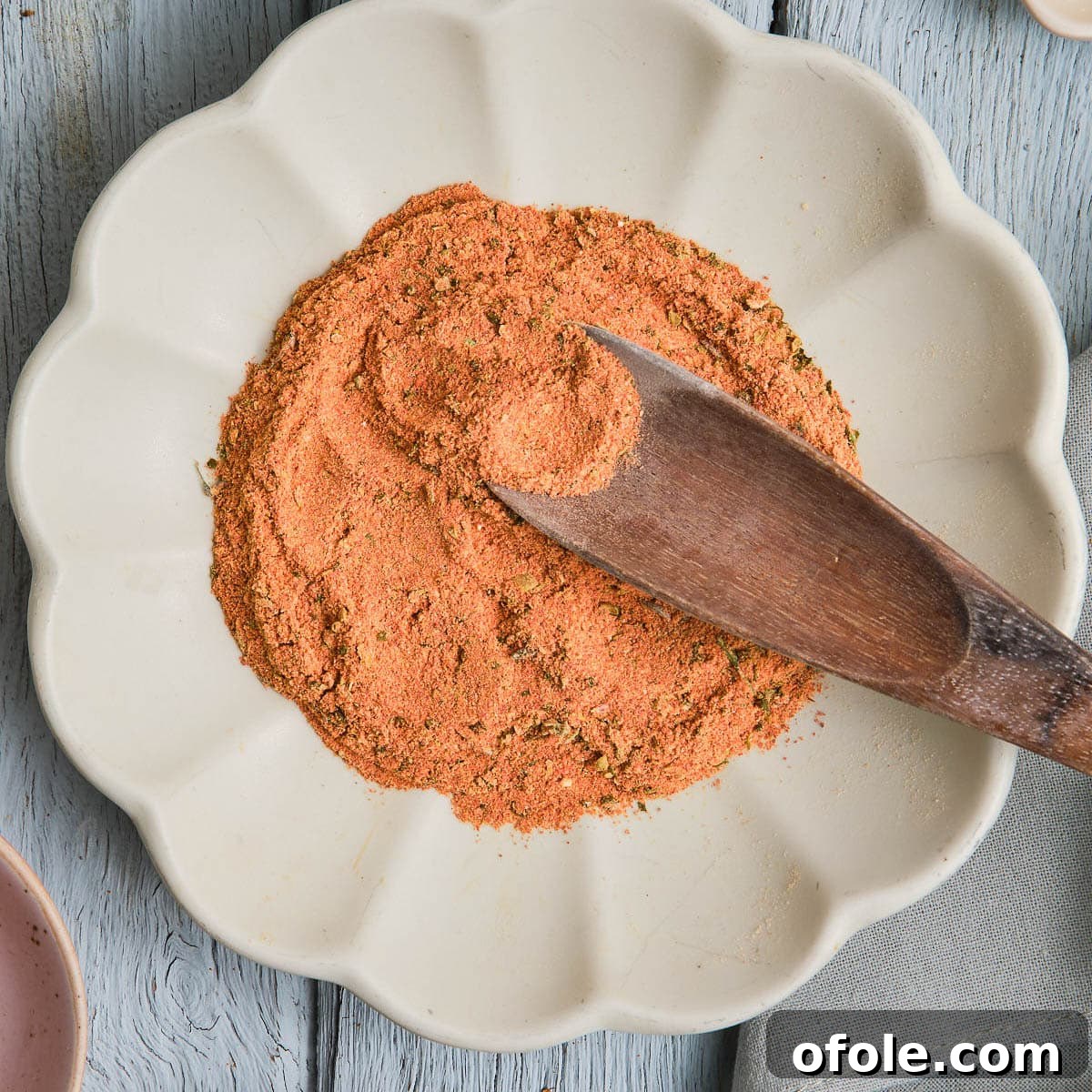
Unlock a world of vibrant flavor with your very own homemade Cajun Seasoning Substitute. Never again be caught short when a recipe calls for that iconic kick, only to discover your spice rack is empty! This incredible blend comes together in under 5 minutes, using common pantry staples, and offers a versatility that will transform your everyday cooking. From seasoning succulent chicken and flaky fish to robust beef, tender pork, and even garden-fresh vegetables, this spice mix is your secret weapon in the kitchen. Imagine infusing your pasta dishes, hearty sauces, and countless other creations with an authentic taste of Louisiana – all from a blend you crafted yourself.
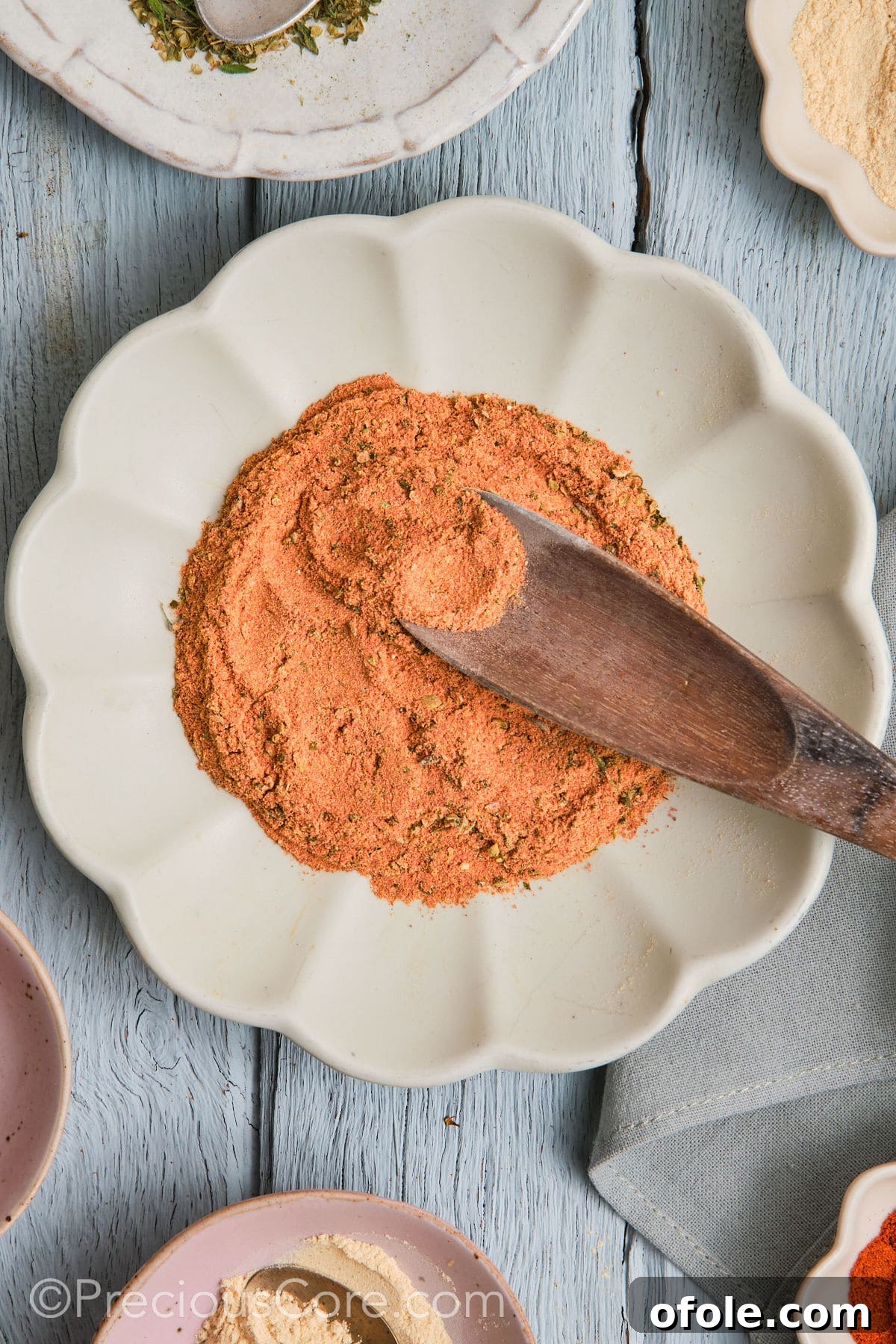
This dynamic spice blend is a symphony of unique and bold flavors! It delivers a delightful spicy warmth, courtesy of a thoughtful combination of individual spices and the aromatic Italian seasoning. By taking control and mixing your own Cajun spice blend, you gain the power to craft an array of dishes with personalized flavor profiles. Want to dial up the heat for an intensely spicy meal? Add a generous amount of cayenne. Prefer just a subtle whisper of Cajun influence? A pinch will do the trick. The beauty of homemade lies in its adaptability, allowing you to fine-tune every dish to your exact preference.
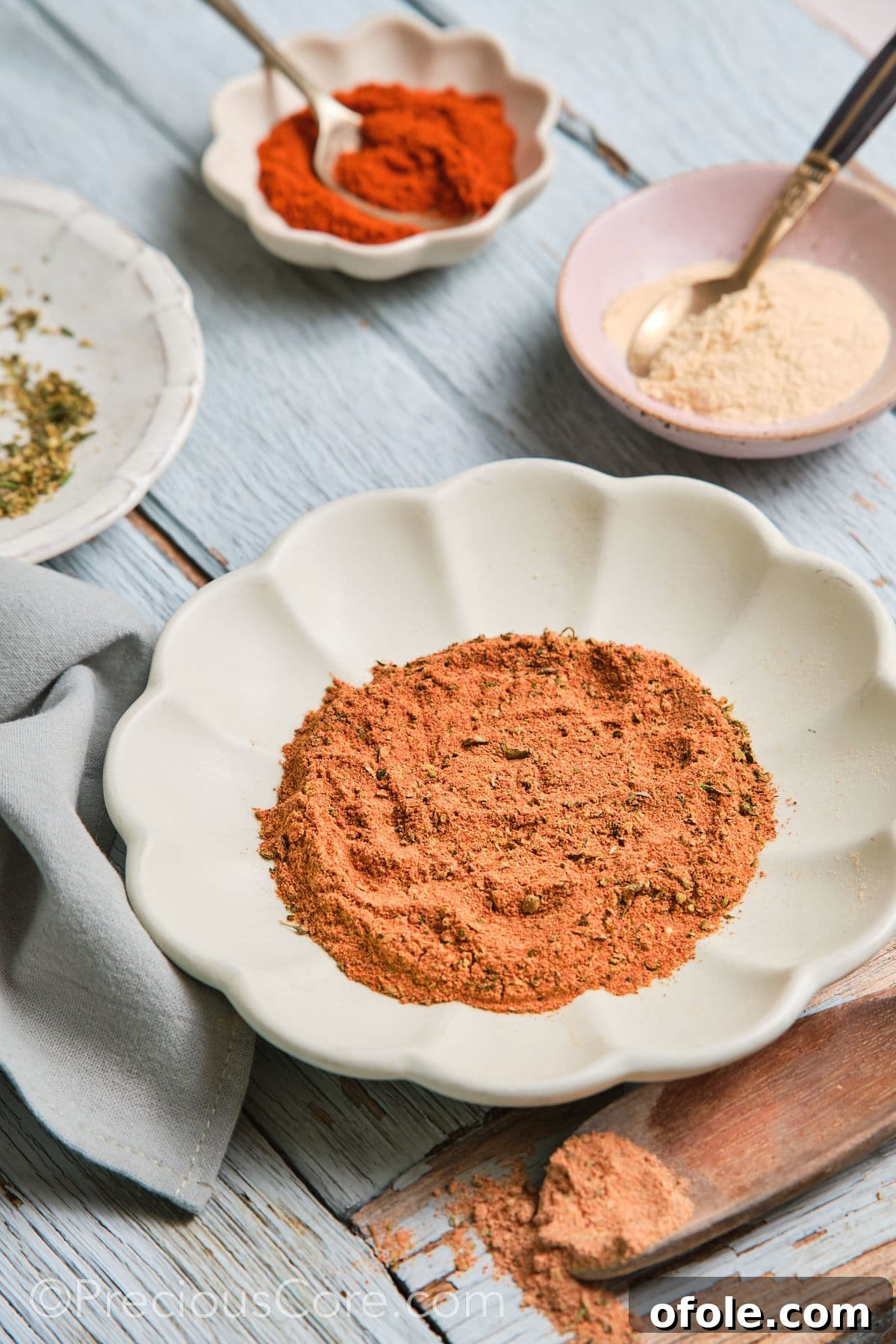
Why Embrace Homemade Cajun Seasoning?
There’s a unique satisfaction and numerous benefits that come with crafting your own spice blends. For me, discovering this homemade Cajun seasoning substitute was a culinary revelation. I no longer find myself scrambling to the grocery store for specific Cajun blends, which not only saves precious time but also cuts down on my grocery bill. Store-bought seasonings, while convenient, can often contain anti-caking agents, excessive sodium, or preservatives that you might prefer to avoid. When you make it yourself, you control every single ingredient, ensuring freshness and quality.
The ability to customize the flavor profile is perhaps the greatest advantage. Craving extra garlic? Go for it. Prefer a deeper smoky note? Opt for smoked paprika. This recipe provides a fantastic base, but it’s truly your canvas to personalize. It’s an excellent addition to your spice rack, guaranteeing that bold, authentic taste is always within reach. If you enjoy the process of creating your own flavorful mixtures, I encourage you to also explore my Green Seasoning Recipe, Jamaican Jerk Seasoning, or my Best Seasoning for French Fries for more inspiring kitchen adventures. Building your own spice collection is a simple yet impactful way to elevate your cooking.
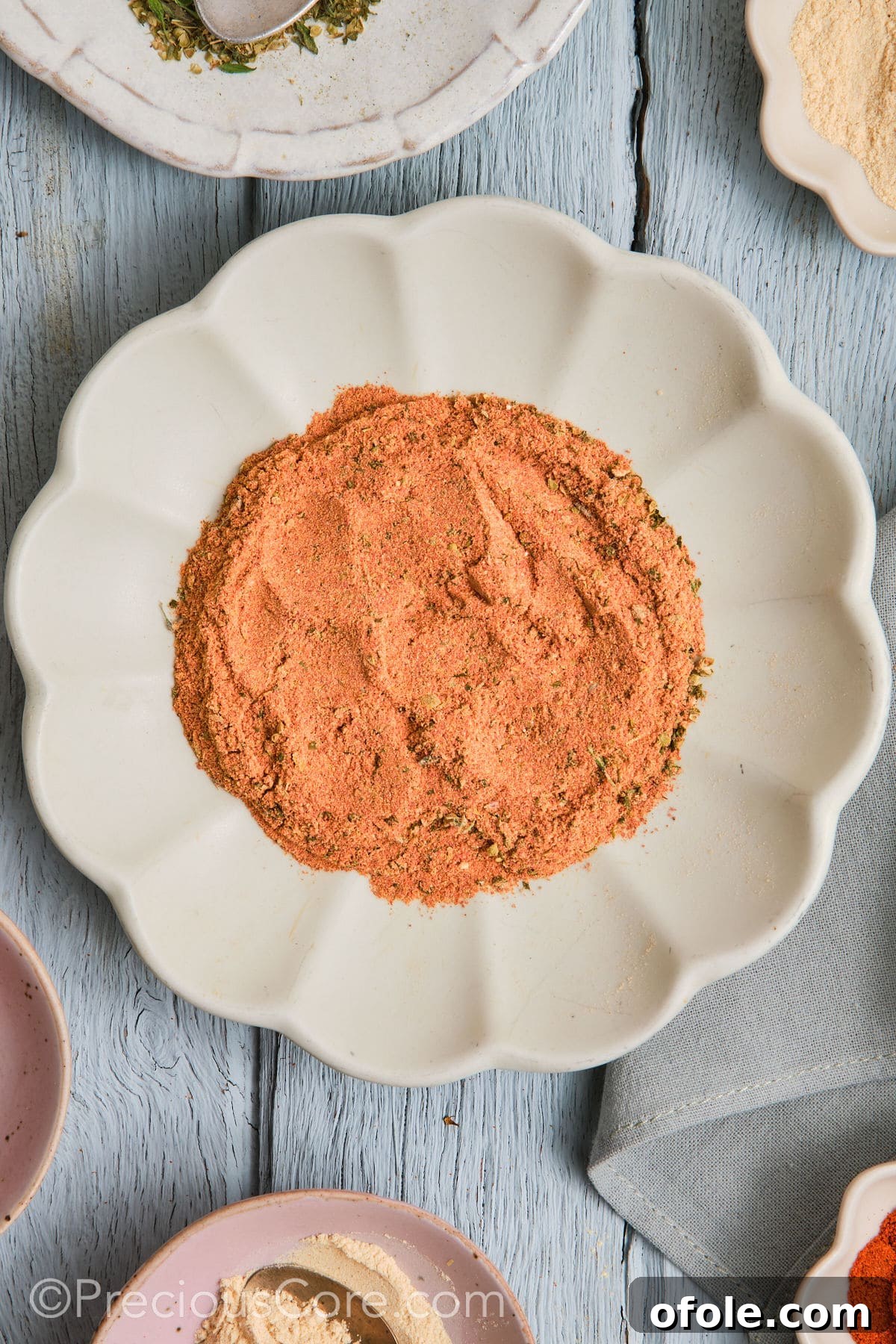
Cajun Seasoning Substitute: Unpacking the Flavor and History
Many home cooks often wonder, “What exactly constitutes Cajun seasoning blends? And how do they differ from Creole seasoning?” You’re certainly not alone if the distinctions between Creole, Cajun, and general Louisiana seasonings seem a bit blurry. In essence, both Creole and Cajun seasoning blends are distinct styles of Louisiana seasonings, sharing many similarities while possessing unique characteristics rooted in their respective culinary histories.
Both Creole and Cajun cuisines boast deep historical roots in the vibrant culture of Louisiana. During the 1700s, a diverse population comprised of individuals with African, French, and Spanish heritage came to be known as Creole people. This term served to differentiate them from newly arrived settlers in the region. Creole cuisine, often associated with New Orleans and more urban settings, became known for its sophistication, blending Louisiana-native ingredients with imported foods from Africa and Europe. It was also profoundly influenced by the Native American communities in the region, resulting in rich, complex dishes that often feature tomatoes and a wider array of herbs.
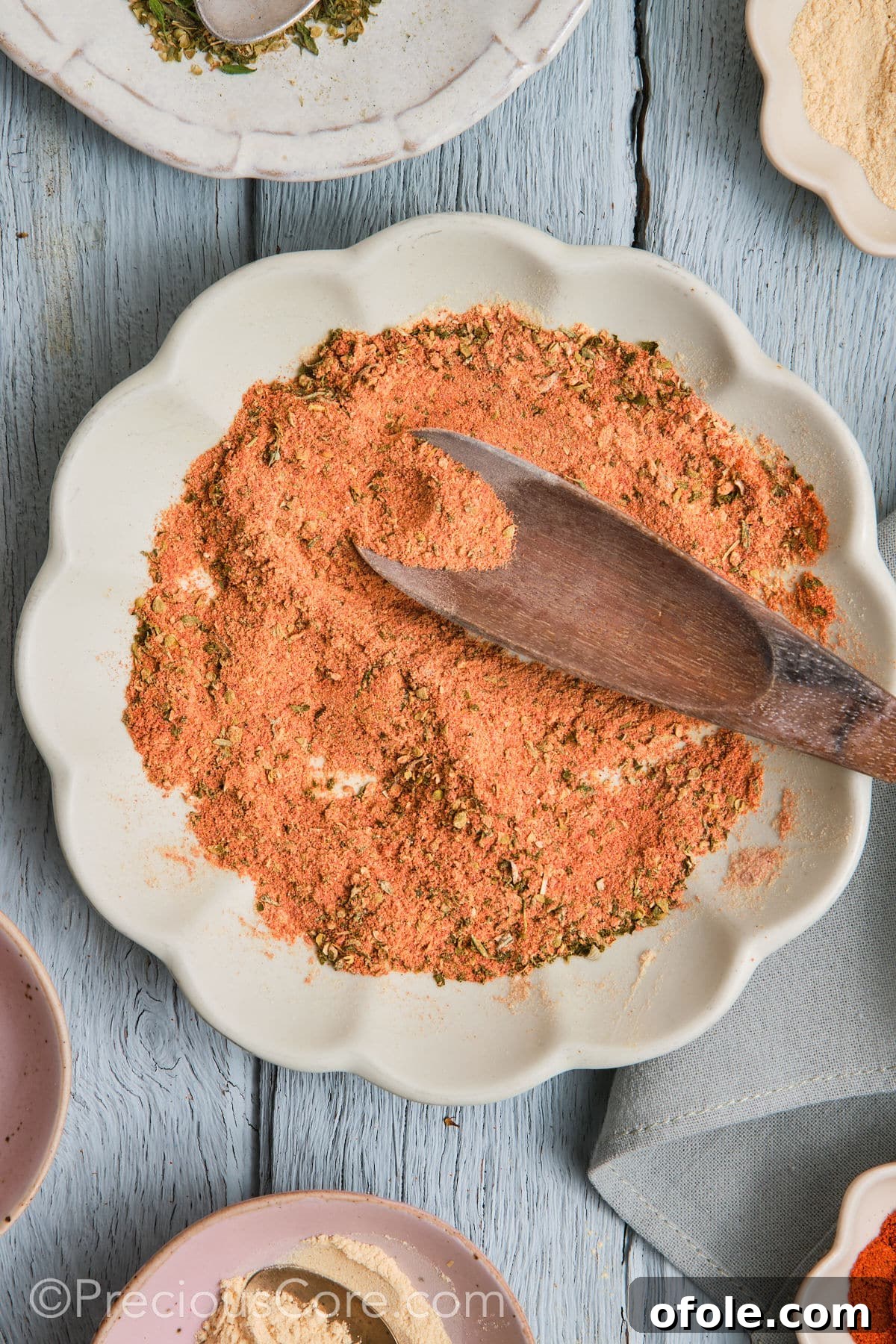
Meanwhile, the Cajun people, descendants of French Canadians (Acadians) who migrated to the area around the same time, forged a distinct culinary identity. They settled in the more rural, swampy regions of Southwest Louisiana and were renowned for their resourceful and inventive use of readily available and affordable staples like rice, local game, and abundant seafood. This led to the creation of the hearty, rustic Cajun dishes we cherish today. Cajun cooking often emphasizes a “holy trinity” of onion, celery, and bell pepper, and typically shies away from tomatoes in favor of darker roux-based sauces.
While these two celebrated cuisines share many commonalities, their popular spice blends, though similar, also reflect their unique origins. The primary distinction lies in their typical flavor profiles: traditional Cajun seasoning blends often lean into a bolder, spicier, and more peppery flavor, using a variety of robust spices to create a powerful kick. Creole spices, while sharing many of the same components, tend to emphasize a richer, more herbaceous, and earthy character. They might include ingredients like bay leaf and often a wider spectrum of herbs to create a slightly milder, more aromatic blend. However, it’s worth noting that many commercial blends often blur these lines, and the terms are sometimes used interchangeably.
You might recognize popular store-bought Cajun seasonings like “Slap Ya Mama,” a brand famously crafted in Ville Platte, Louisiana. If you appreciate the robust flavor of such commercial blends, you’ll be delighted by how closely this homemade Cajun seasoning substitute can replicate – or even surpass – it. I genuinely believe that once you experience the freshness and customizable potential of making your own Cajun seasoning, you’ll find it hard to go back to pre-packaged versions. So, let’s dive into how effortlessly you can create this essential spice mix!
Essential Ingredients for Your Bold Cajun Spice Blend
The beauty of this homemade Cajun seasoning recipe lies in its simplicity and the use of common pantry spices. Chances are, you already have every single ingredient you need right in your spice drawer. Open it up, and let’s gather these flavor powerhouses!
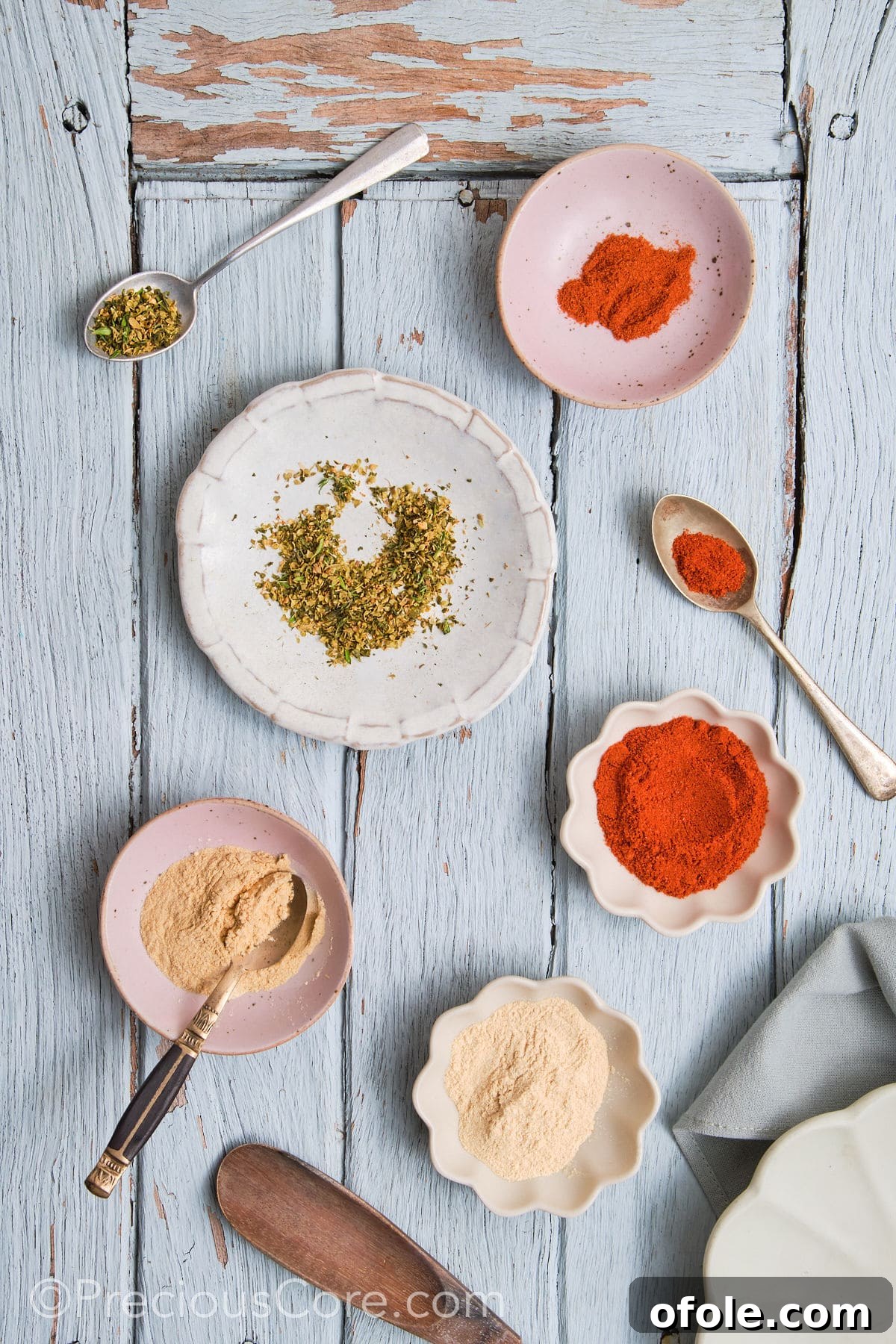
Here are some notes on the key ingredients and their roles in creating this vibrant blend:
- Paprika: This cornerstone spice brings a gentle warmth, a subtle sweetness, and a beautiful reddish hue to the blend. Depending on your preference, you can use sweet paprika, smoked paprika (for an extra layer of complexity), or even hot paprika if you want to dial up the heat from the get-go.
- Italian Seasoning: A brilliant shortcut, this ingredient offers a convenient blend of several aromatic herbs, typically including oregano, basil, thyme, and rosemary. This saves you from having to measure out individual herbs, making the preparation even quicker.
- Garlic Powder: A non-negotiable for any savory blend, garlic powder infuses the seasoning with its distinctive pungency and a rich umami depth, forming a foundational flavor note.
- Onion Powder: Pairing perfectly with garlic, onion powder contributes a sweet, savory aromatic base. It complements the herbs beautifully and rounds out the overall flavor profile.
- Cayenne Pepper: This is where the characteristic spicy kick of Cajun seasoning truly shines! Cayenne pepper is responsible for the heat, and its quantity can be adjusted to match your preferred spice level. Do not skip this if you’re looking for an authentic Cajun experience.
For the precise quantities needed, please refer to the recipe card located further down the page.
Tailor Your Taste: Exciting Recipe Variations for Your Spice Blend
One of the most exciting aspects of making your own seasoning is the freedom to customize it. This Cajun Seasoning Substitute recipe provides an excellent foundation, but there are countless ways to adjust the main spices and create unique blends that cater to your specific preferences or culinary needs. Here are some ideas to inspire your creativity:
- Adjust the Spice Level: If you’re a heat enthusiast, feel free to increase the amount of cayenne pepper. For an even more fiery blend, consider using hot paprika or Spanish paprika alongside (or instead of) regular sweet paprika. If you prefer a milder flavor, simply reduce the amount of cayenne pepper or omit it entirely for a savory, herb-forward blend.
- Enhanced Pepper Flavor: For an extra layer of pungent warmth, incorporate some freshly ground black pepper. White pepper can also be added for a subtle, earthy undertone that’s often found in classic Cajun and Creole recipes. Using a spice grinder for fresh peppercorns will yield the most aromatic results.
- Old Bay Inspired Twist: While distinct from Cajun, Old Bay seasoning shares some common flavor notes. To create a blend reminiscent of Old Bay, add a teaspoon of celery salt and a pinch of ground bay leaves to this recipe. This variation is particularly fantastic for seafood boils and fried fish.
- Turn it into Adobo Seasoning: For a delicious Adobo-style seasoning, reduce the cayenne pepper significantly or remove it entirely. Focus on the sweeter and more savory elements by adding a teaspoon of ground cumin and a half teaspoon of turmeric. Instead of Italian seasoning, use a teaspoon of dried oregano. The onion and garlic powder remain essential for this flavorful transformation.
- Boost the Herbaceous Notes: If you love a more aromatic, herb-forward profile, consider adding a bit more dried thyme, oregano, or even a touch of dried rosemary to the blend.
Smart Substitutions for Your Spice Cabinet
Life happens, and sometimes you might find yourself missing a key ingredient. Don’t let that stop you from making this fantastic Cajun seasoning! Here are some reliable substitutions to keep your kitchen adventures on track:
- Italian Seasoning Substitute: If you don’t have a pre-made Italian seasoning blend, you can easily create a similar aromatic profile using individual dried herbs. Combine equal parts of dried basil, dried oregano, dried thyme, and dried parsley. A pinch of dried rosemary can also be a lovely addition.
- Cayenne Substitute: For the heat component, if cayenne pepper is unavailable, you have a few alternatives. Red pepper flakes (chili flakes) can be crushed further to release their capsaicin and used in a similar quantity. Alternatively, 1-2 teaspoons of a standard chili powder can also provide some warmth, though it will impart a slightly different flavor profile due to other ingredients often found in chili powder blends (like cumin and paprika). Adjust to taste, as the heat level can vary significantly between substitutes.
- Garlic or Onion Powder: If you only have granulated garlic or onion instead of the finer powder, it’s a perfectly acceptable substitute. The main difference will be in the texture, as granules are coarser. However, the flavor will remain essentially the same. Simply use the same quantities specified in the recipe.
Crafting Your Cajun Seasoning: Simple Steps to Flavor Perfection
Making this Cajun seasoning substitute is astonishingly simple and quick. You’ll be amazed at how easily you can create such a powerful flavor bomb with just a few steps.
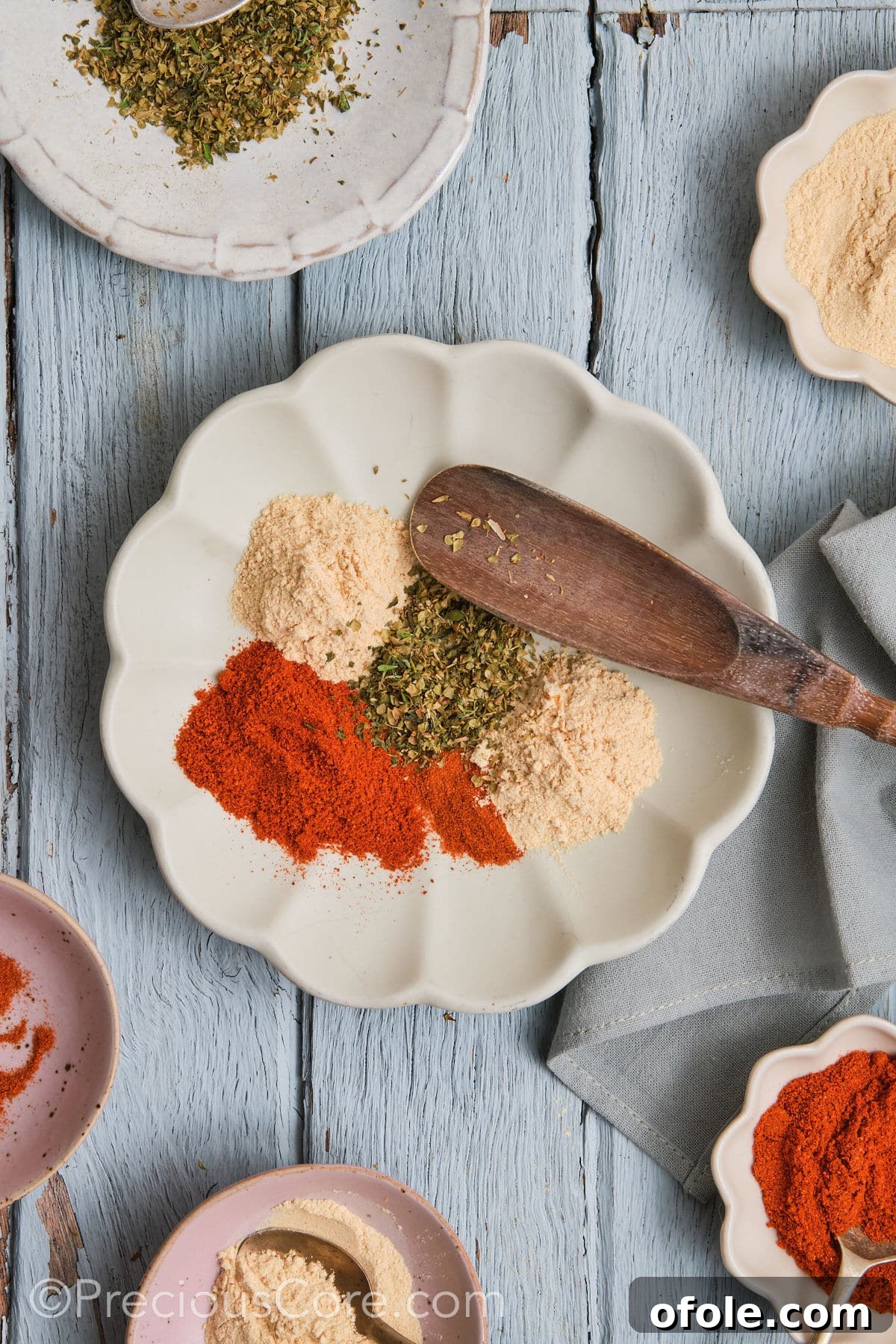
Step 1: Combine All Ingredients. Gather all your measured spices – paprika, Italian seasoning, garlic powder, onion powder, and cayenne pepper. Add them to a small mixing bowl.
Step 2: Stir to Combine. Using a spoon or a small whisk, stir all the ingredients thoroughly until they are uniformly blended. Ensure there are no clumps and the color is consistent throughout.
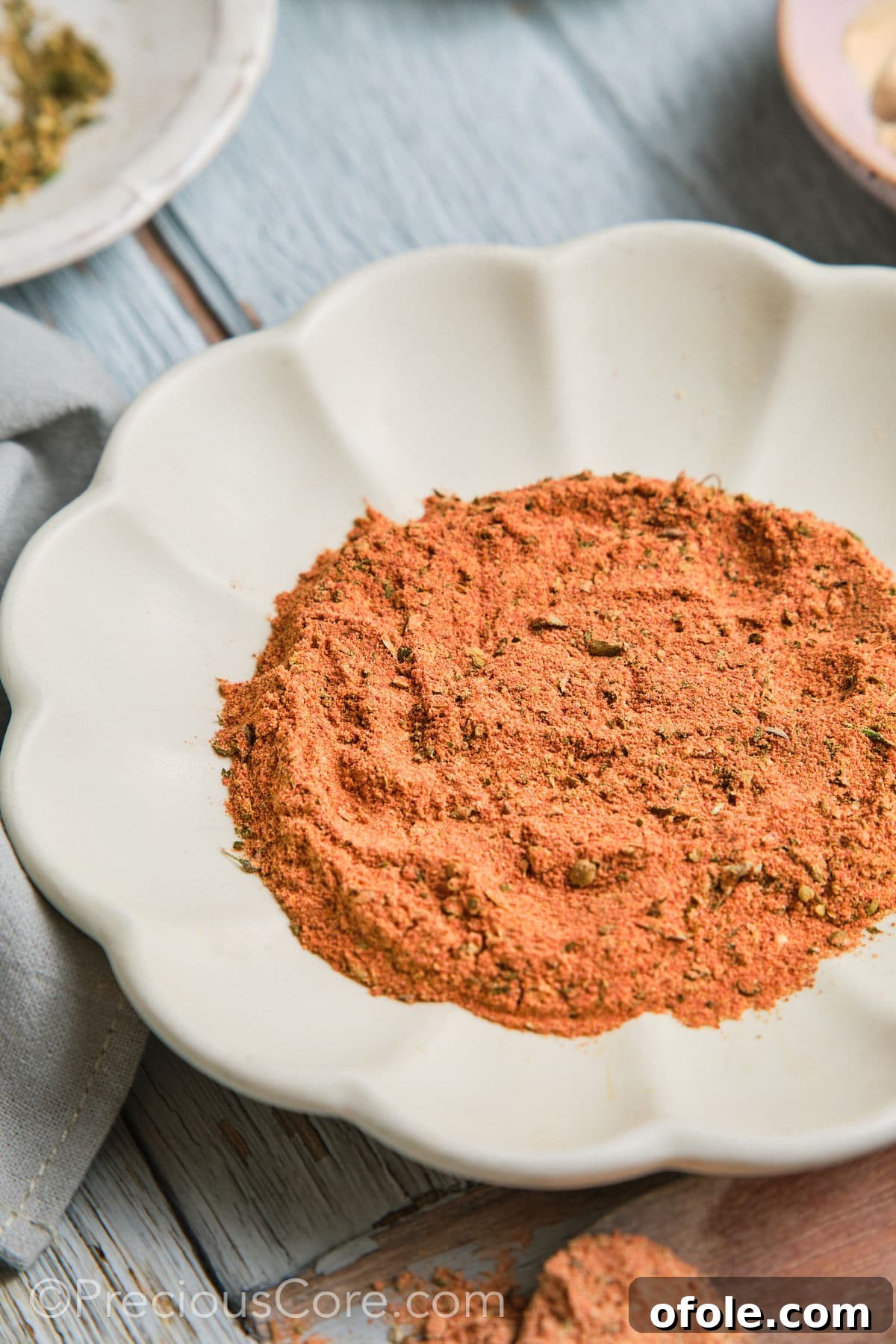
That’s it! Your fresh, homemade Cajun seasoning is ready to use in your favorite dishes. Any extra blend can be stored for future culinary endeavors.
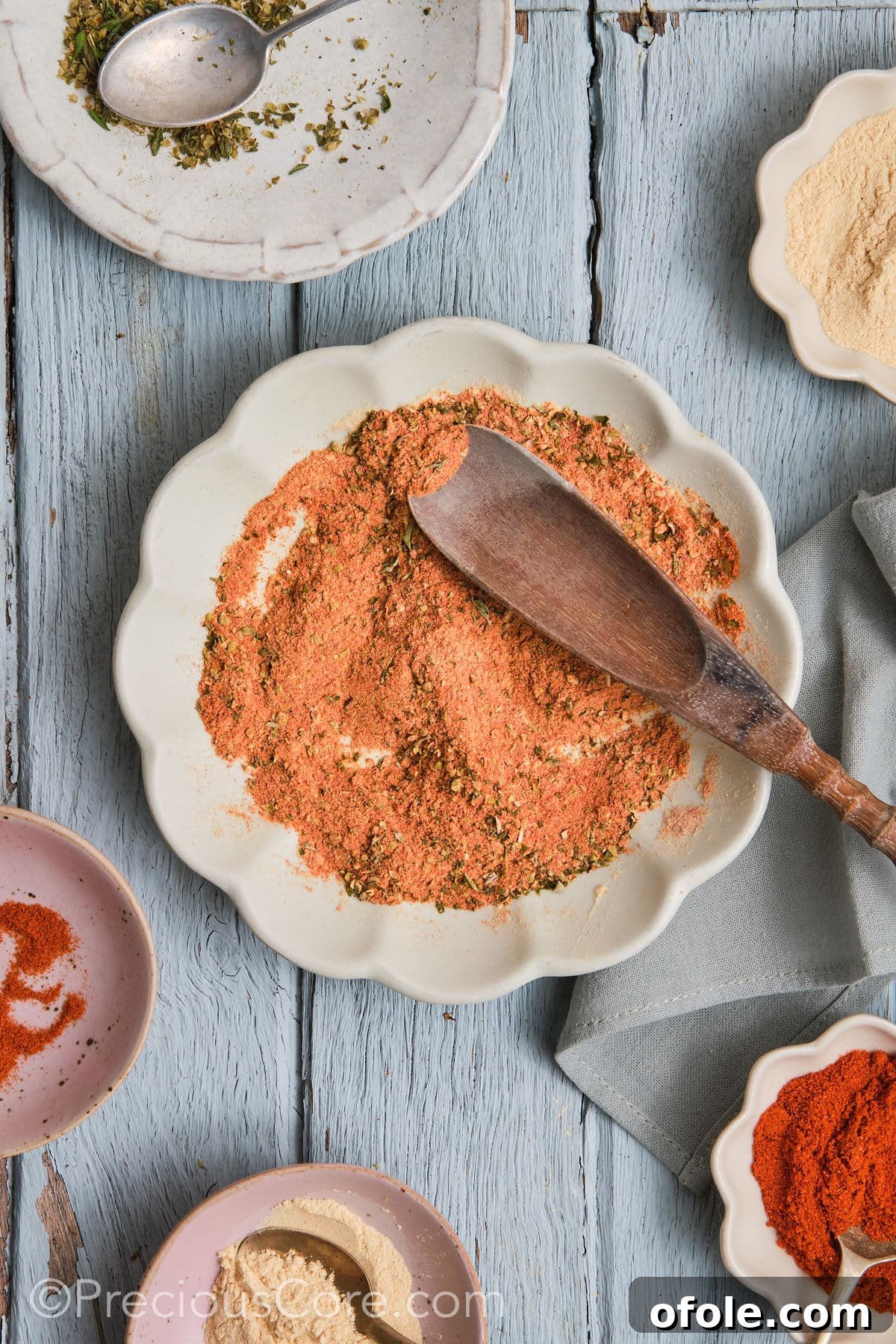
Expert Tips for Maximizing Flavor and Shelf Life
To ensure your homemade Cajun seasoning substitute remains potent and fresh, and to get the most out of every pinch, consider these helpful tips:
- Optimal Storage: Always store your seasoning blend in an airtight container. A small glass jar, such as a mason jar or a repurposed spice jar, works perfectly. Keep it in a cool, dry place away from direct sunlight and heat, such as your pantry or a cabinet. Proper storage will help maintain the spices’ flavor and aroma for a longer period.
- Create a Dynamic Marinade: Elevate your proteins by transforming this seasoning into a flavorful marinade. Simply mix a tablespoon or two of the blend with a few tablespoons of olive oil. For an extra bright flavor, add a splash of fresh lemon or lime juice. Coat your chicken, fish, beef, or pork with this seasoned oil and allow it to rest in the refrigerator for at least 30 minutes (or longer for deeper flavor absorption) before cooking.
- Batch Prep for Convenience: This recipe is incredibly easy to double or even triple! If you find yourself using Cajun seasoning frequently, consider making a larger batch to ensure you always have a supply on hand. Just scale up the ingredient quantities proportionally.
- Maintain Freshness: After each use, make it a habit to tightly secure the lid of your storage container. Exposure to air is one of the quickest ways for spices to lose their potency and flavor. A tightly sealed lid will lock in the freshness and vibrant aroma.
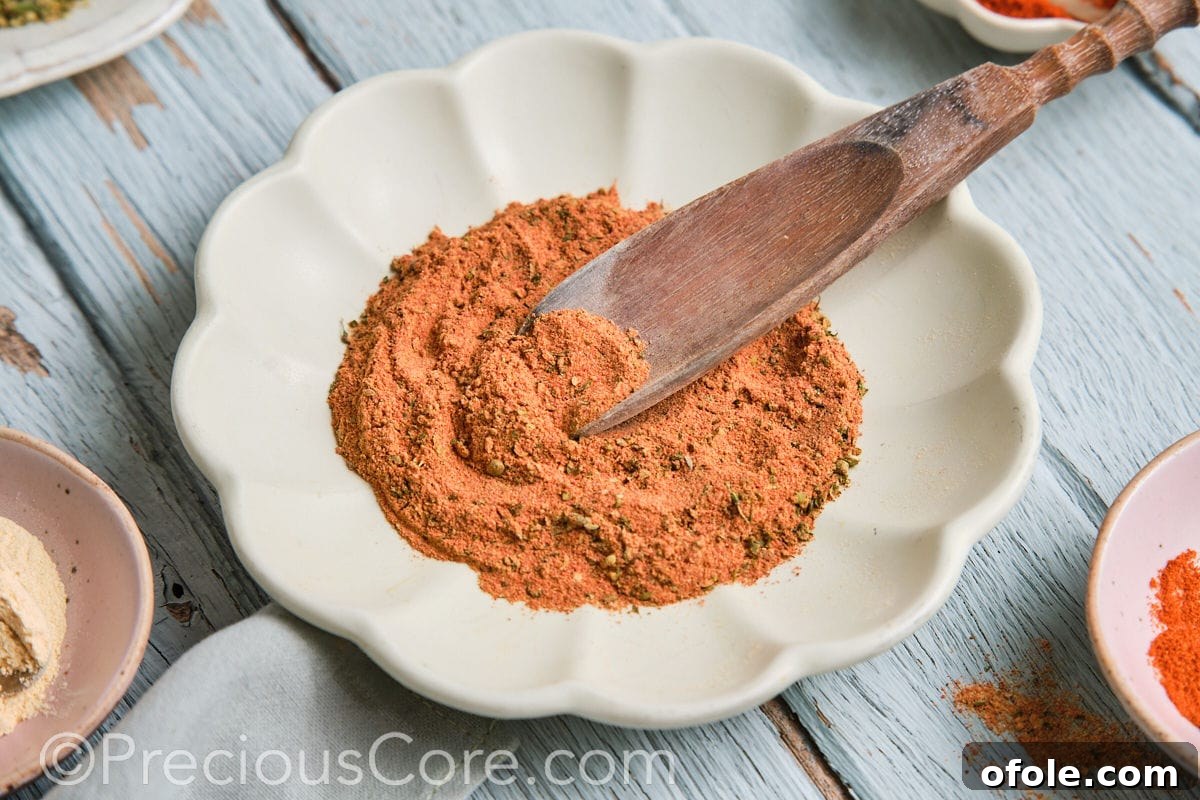
Versatile Culinary Applications: What to Season with This Cajun Seasoning Substitute:
The possibilities are truly endless when it comes to using this versatile homemade blend. Its robust, spicy-savory profile enhances nearly any dish, making it a staple for your kitchen. Here are just a few ideas to get you started:
- Cajun Chicken: Perfect for grilling, baking, or pan-searing.
- Roasted Vegetables: Sweet potatoes, regular potatoes, corn on the cob, bell peppers, zucchini, broccoli – toss them with a little olive oil and this seasoning before roasting for an incredible side dish.
- Seafood Boils or Stews: An absolute must for infusing shrimp, crab, crawfish, and various fish into classic Louisiana-style boils and gumbos.
- Burgers and Steaks: Rub this seasoning generously onto your beef patties or steaks before cooking for a deeply flavorful crust.
- Shrimp or Fish: Ideal for pan-fried, grilled, or baked shrimp and fish, adding a zesty, spicy kick.
- Pasta and Rice Dishes: Stir into creamy Cajun pasta sauces, jambalaya, red beans and rice, or even plain white rice for an instant flavor boost.
- Tofu and Plant-Based Meals: A fantastic way to add vibrant flavor to firm tofu, tempeh, or any vegetable-based dish.
- Pork: Season pork chops, tenderloin, or slow-cooked pulled pork for a mouthwatering result.
- Eggs: Sprinkle over scrambled eggs or omelets for a spicy breakfast twist.
- Fries and Snacks: Toss with french fries, sweet potato fries, popcorn, or even roasted nuts for an addictive snack.
Delicious Recipes to Explore with Your Homemade Blend
Now that you have your incredible homemade Cajun seasoning, it’s time to put it to good use! This blend will shine in many dishes, but here are some specific recipes that perfectly showcase its vibrant flavors:
Baked Cajun Salmon
Cajun Pasta With Salmon
Seafood Gumbo
Mango Shrimp Salad
If you make this recipe, please consider leaving a star rating below. Your feedback helps others discover and enjoy the recipe, and I truly love hearing from you! Thank you!
Cajun Seasoning Substitute
Pin Recipe
Rate
Print Recipe
Ingredients
- 1 Tablespoon paprika
- 1 Tablespoon Italian seasoning
- 1 Tablespoon garlic powder
- 1 Tablespoon onion powder
- 1 teaspoon cayenne pepper
Instructions
-
Add all ingredients to a small mixing bowl and stir to combine.
-
Store in an airtight mason jar or spice jar.
Notes
- You could also add ground black pepper and white pepper for extra depth.
- Instead of Italian seasoning, use individual dried herbs like dried basil, oregano, dried thyme, and parsley in equal parts.
Nutrition
Carbohydrates: 5g |
Protein: 1g |
Fat: 0.4g |
Saturated Fat: 0.1g |
Polyunsaturated Fat: 0.2g |
Monounsaturated Fat: 0.1g |
Sodium: 4mg |
Potassium: 107mg |
Fiber: 2g |
Sugar: 0.4g |
Vitamin A: 1091IU |
Vitamin C: 1mg |
Calcium: 33mg |
Iron: 1mg