
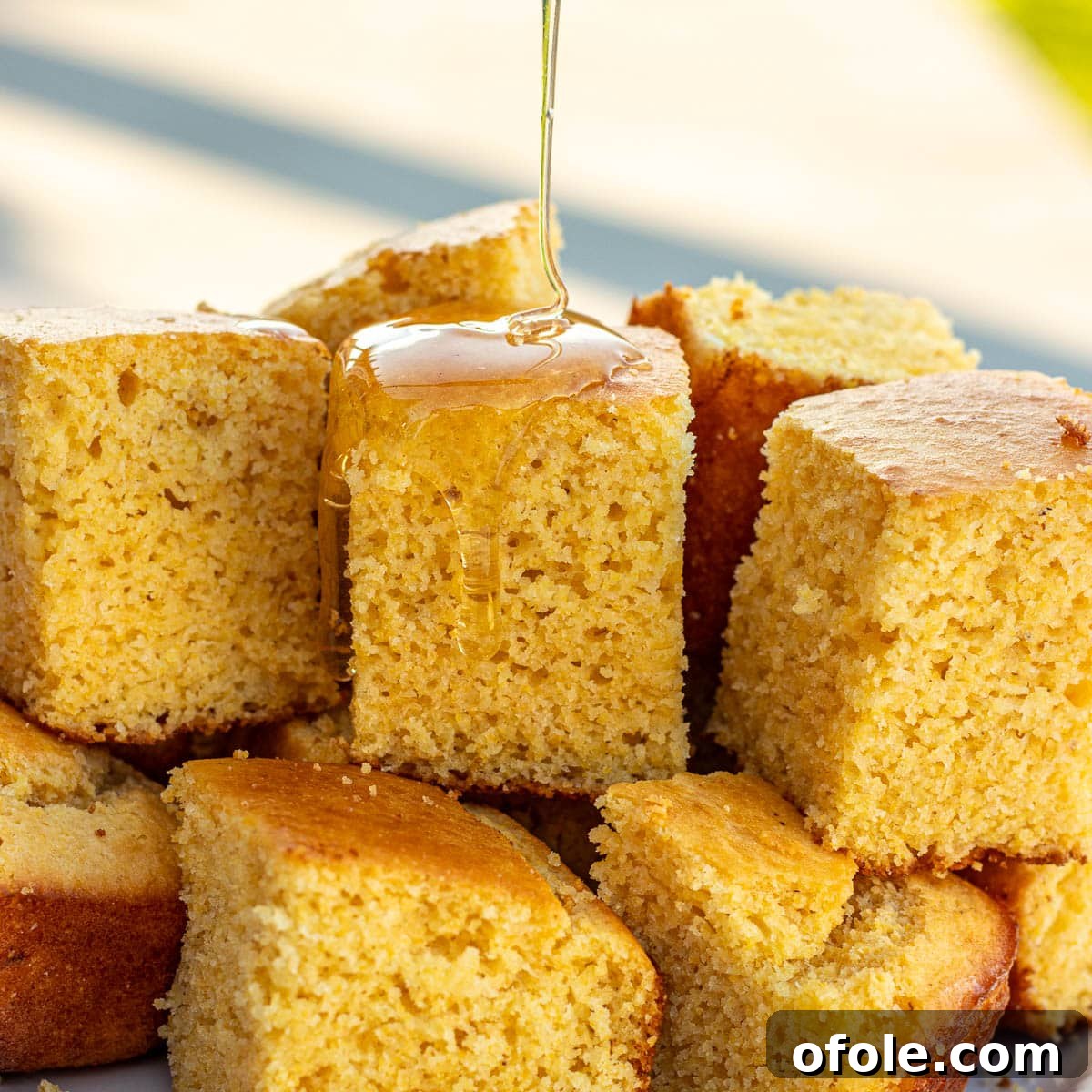
Welcome to your new favorite recipe for **Cornbread Without Buttermilk**! This incredibly easy, one-bowl recipe yields a delightfully moist, wonderfully buttery cornbread with those coveted crispy edges. It’s a true delight, whether savored on its own, lightly spread with butter, or generously drizzled with golden honey. Forget the fuss and embrace the simplicity of homemade goodness.
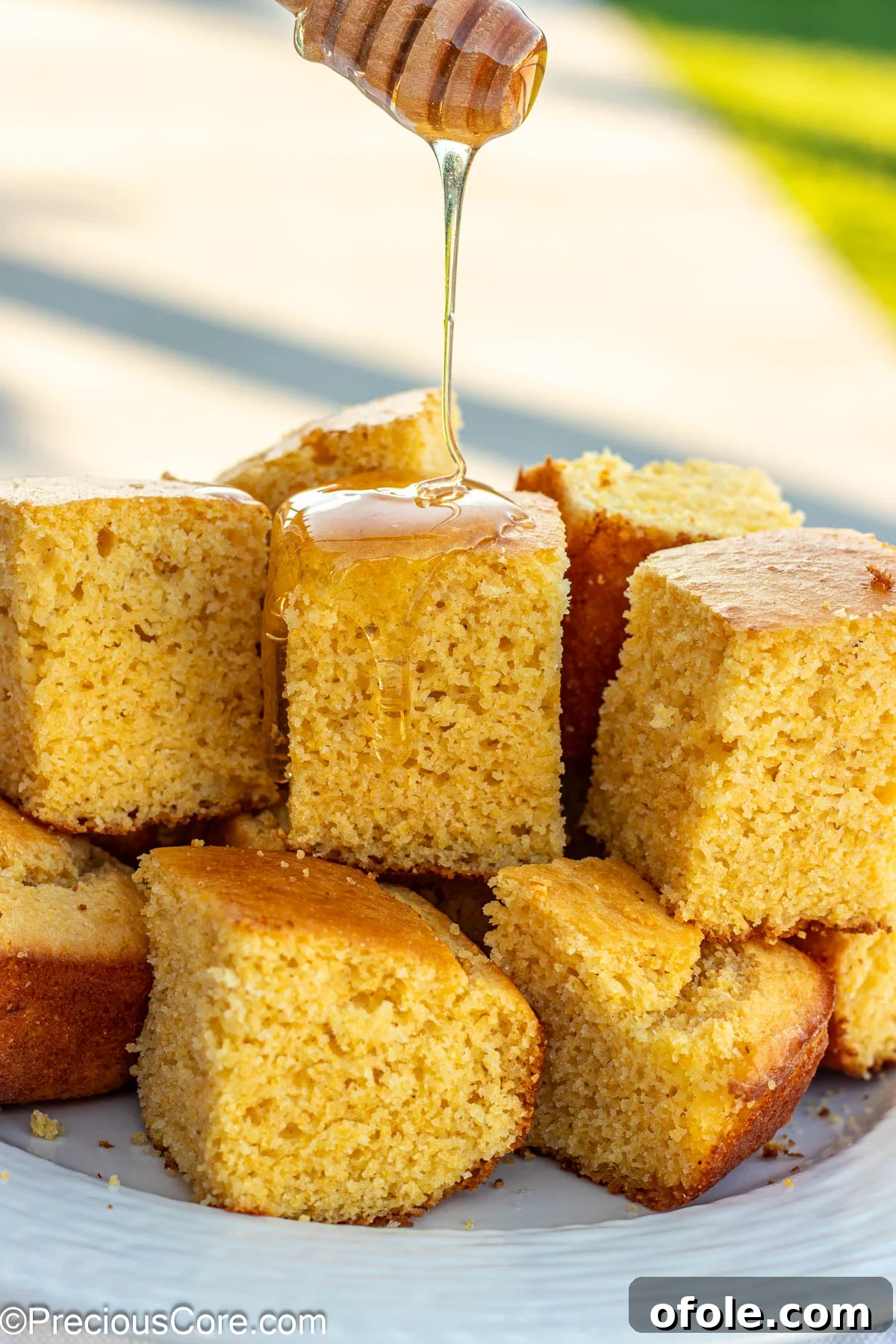
Are you tired of dry, flavorless cornbread mixes from the store? This scratch-made cornbread recipe is the authentic answer you’ve been searching for. It proves that you don’t need buttermilk to achieve a truly exceptional texture and rich flavor. With just 8 simple ingredients and about 30 minutes of your time, you can transform your kitchen into a beacon of comforting aromas and produce a cornbread that will impress everyone who tries it.
If you’re a connoisseur of delicious homemade baked goods, you’ll also adore our 3 Ingredient Biscuits, the incredibly tender Zucchini Muffins With Applesauce, a classic Perfect Plain Cake, and our indulgent Vanilla Pound Cake. Each recipe is designed for ease and maximum flavor.
My love affair with corn runs deep – it’s right up there with my passion for plantains and coconut. That’s why Koki Corn, a savory steamed corn pudding, never lasts long in my home. The sweet, earthy taste of corn in any form is simply irresistible to me. I often harbor grand plans of baking a large batch of cornbread to freeze for future enjoyment, only to find my intentions thwarted. The moment that warm, fragrant cornbread emerges from the oven, its siren call is too strong to resist, and it’s usually devoured long before it ever sees the inside of a freezer!
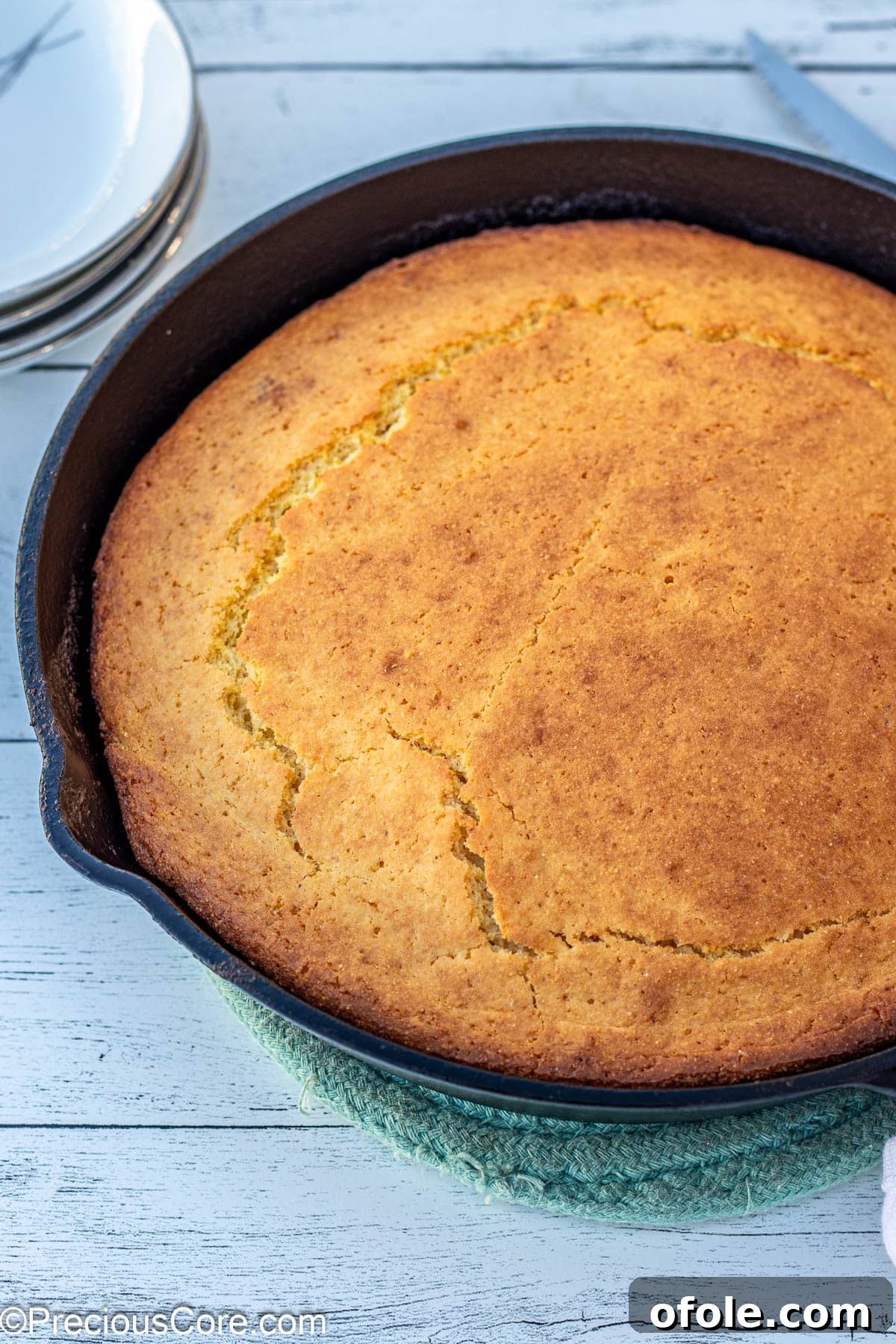
Table of Contents
- The Magic of Cornbread Without Buttermilk
- Why This Easy Cornbread Recipe Stands Out
- Choosing the Right Fat For Your Cornbread
- Essential Ingredients For Perfect Cornbread
- Step-by-Step Guide: How To Make Moist Cornbread Without Buttermilk
- Tips for the Best Cornbread Texture and Flavor
- Creative Cornbread Variations To Try
- Cornbread Recipe FAQs: Your Questions Answered
- What Pairs Perfectly With Cornbread?
- More Thanksgiving and Holiday Recipes
- More Delightful Homemade Bread Recipes
- Cornbread Without Buttermilk Recipe Card
The Magic of Cornbread Without Buttermilk
The question often arises: can you truly make delicious cornbread without buttermilk? The answer, I assure you, is a resounding YES! This recipe is a testament to that fact, offering a brilliant solution for those moments when buttermilk isn’t readily available in your fridge or at your local store. You absolutely do not need to compromise on moisture or flavor.
The secret lies in a clever combination of readily accessible ingredients: rich whole milk, reliable baking powder, and luscious melted butter. While buttermilk typically provides a tangy flavor and helps activate baking soda for a tender crumb, our recipe artfully uses baking powder as the primary leavening agent and whole milk to supply the necessary moisture and richness. The result is a profoundly flavorful, perfectly textured homemade cornbread that is so good, you won’t even notice the absence of buttermilk.
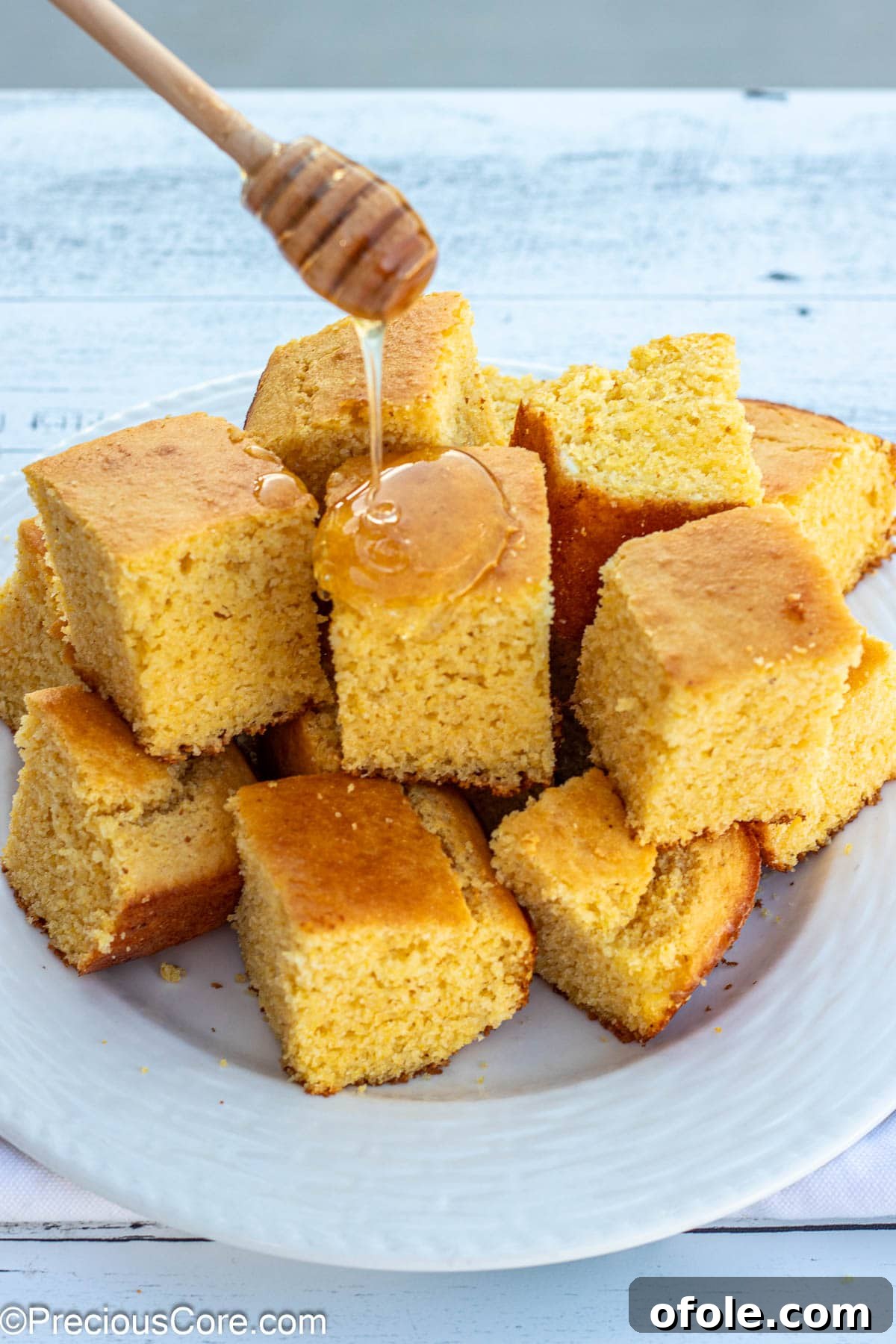
You’ll fall in love with this easy cornbread recipe not only for its simplicity – requiring just one bowl for the batter – but also for its perfectly balanced sweetness. It’s not overly sweet, making it the ideal canvas for a generous drizzle of good quality honey or a pour of rich maple syrup. Don’t be shy with the toppings; they truly elevate the experience of this comforting baked good!
Why This Easy Cornbread Recipe Stands Out
In a world saturated with complex baking instructions, this easy cornbread recipe shines through with its straightforward approach. It’s designed for simplicity and speed, making homemade cornbread accessible to everyone, regardless of their baking experience. This isn’t just a recipe; it’s a promise of deliciousness with minimal effort.
- One-Bowl Convenience: Say goodbye to multiple dirty dishes. All the magic happens in a single mixing bowl, simplifying both the preparation and cleanup. This feature alone makes it a weeknight favorite or a last-minute addition to any meal.
- No Buttermilk Needed: This is the hero of our recipe! You won’t need to make a special trip to the store or whip up a homemade substitute. Common pantry staples are all you require, ensuring you can bake whenever the craving strikes.
- Perfect Texture Every Time: Expect a cornbread that is consistently moist and tender on the inside, with a beautiful golden-brown crust that’s delightfully crispy. The balance of ingredients ensures it’s never dry or crumbly.
- Balanced Sweetness: Many cornbread recipes err on the side of being too sweet or not sweet enough. Ours strikes the perfect chord, offering just a hint of sweetness that complements the natural corn flavor. This makes it versatile enough for both savory pairings and sweet enhancements like honey or jam.
- Quick to Prepare: From start to finish, you’re looking at about 30 minutes of total time. This includes a speedy 10-minute prep, making it an ideal choice for busy schedules when you still want a wholesome, homemade side dish or snack.
- Versatile Baking Options: Whether you prefer the rustic charm of a cast iron skillet or the clean lines of an 8×8 inch baking dish, this recipe adapts beautifully to both, delivering equally fantastic results.
This easy homemade cornbread truly embodies the spirit of comfort food, proving that simple ingredients, when combined thoughtfully, can create extraordinary results. It’s the kind of recipe you’ll want to keep in your regular rotation.
Choosing the Right Fat For Your Cornbread
The type of fat used in cornbread plays a pivotal role in determining its final flavor, moisture, and texture. Through extensive testing, I’ve experimented with various fats to discover the ideal choice for achieving that perfectly buttery and moist consistency. Here’s a breakdown of my findings:
- Cornbread with Oil: While oil can provide moisture, my trials with vegetable or canola oil resulted in cornbread that was, frankly, less than satisfactory. It lacked the depth of flavor and the rich, comforting essence that is characteristic of truly great cornbread. The texture was also often more crumbly and less cohesive. Oil is a neutral fat, and while it’s great for some baking, for cornbread, it leaves a noticeable void in the flavor profile.
- Cornbread with Melted Butter: My initial attempt with melted butter was a slight misstep, perhaps due to an excessive amount, leading to a greasy texture and an unappealing off-taste. However, after adjusting the quantity and ensuring the correct ratio, melted butter emerged as a clear winner! It infuses the cornbread with an incredible buttery flavor and contributes significantly to its moistness. For an even richer, nuttier flavor, consider browning the butter before adding it to the batter. This simple step adds another layer of complexity that is absolutely divine. Melted butter also helps create those coveted crispy edges when baked in a hot pan.
- Cornbread with Softened Butter: Using softened butter (at room temperature) is another excellent method, particularly if you enjoy a more cake-like texture. In this approach, the softened butter is typically creamed together with the sugar first, incorporating air and creating a lighter crumb. As the cornbread bakes, the butter melts further, distributing its rich flavor throughout the loaf. This method results in a tender, buttery cornbread, though it might yield slightly less crispy edges compared to using melted butter in a preheated skillet.
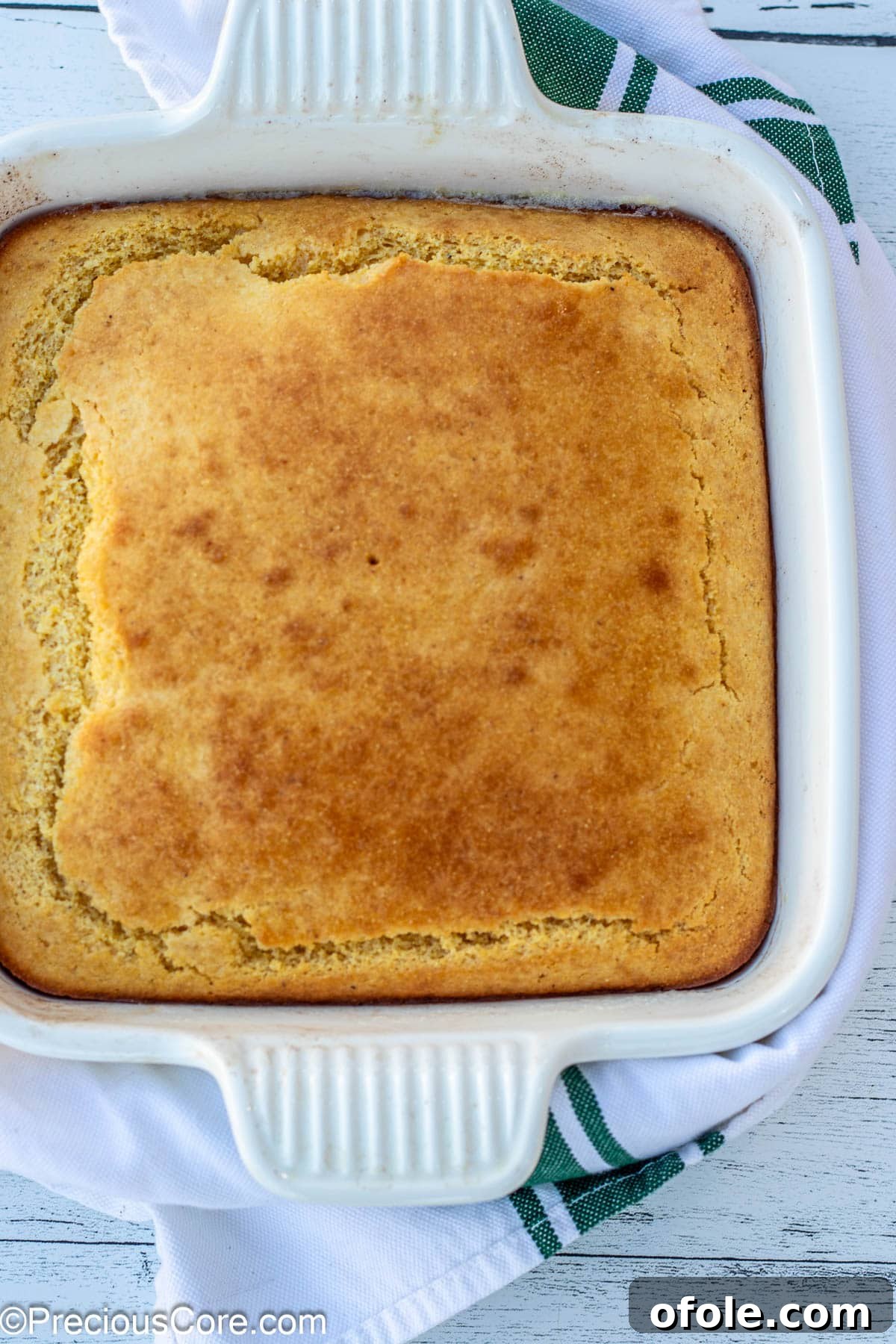
For this specific cornbread without buttermilk recipe, I’ve optimized the use of melted butter to deliver a balance of rich flavor, moist interior, and wonderfully crisp edges, especially when baked in a cast iron skillet. The recipe has been meticulously updated to ensure the perfect ratio of ingredients, consistently yielding the most tender and flavorful cornbread every single time.
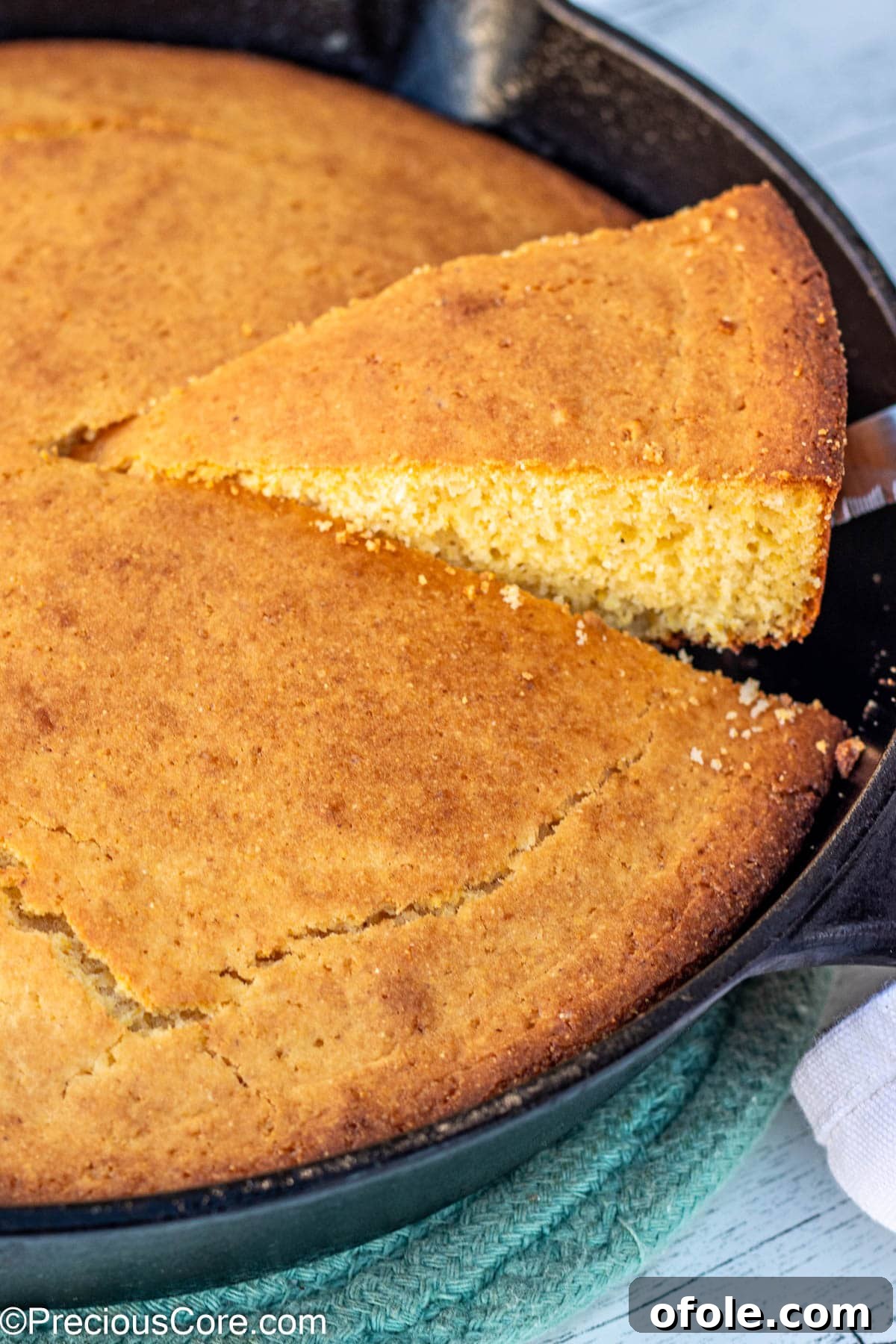
This versatile cornbread can be baked beautifully in a 10-inch cast iron skillet for those extra crispy edges, or in an 8 by 8-inch baking dish for a more uniform texture. Both options provide fantastic results, allowing you to choose based on your preference and what equipment you have available.
Essential Ingredients For Perfect Cornbread
Creating this delicious cornbread without buttermilk requires just a handful of straightforward ingredients, many of which you likely already have in your pantry. Each component plays a vital role in achieving that perfect moist, buttery, and flavorful result. Here’s what you’ll need, along with tips for selecting the best:
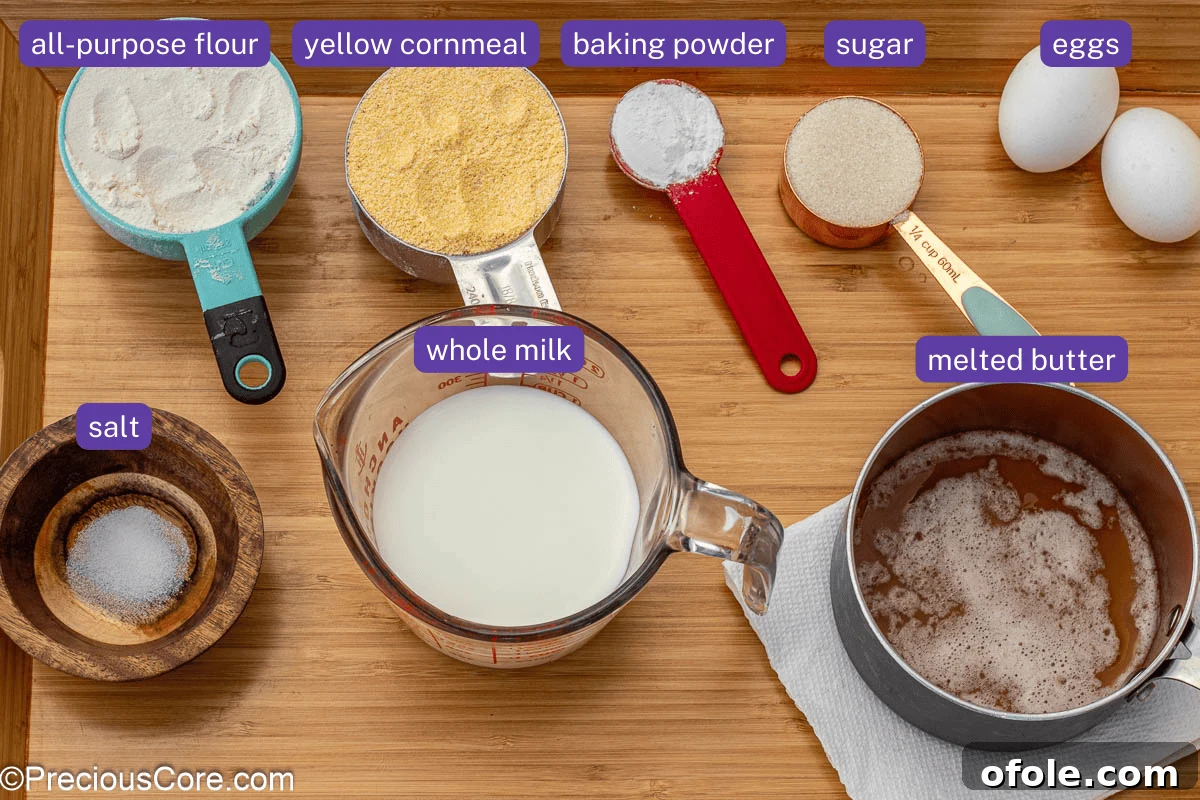
- Cornmeal: For this recipe, I highly recommend using a fine or medium-ground yellow cornmeal. The fine grind contributes to a tender crumb, while the yellow hue provides that classic, inviting golden color we all associate with delicious cornbread. Avoid coarse cornmeal if you prefer a less gritty texture.
- All-Purpose Flour: Regular all-purpose flour is your go-to here. It works in conjunction with the cornmeal to give the cornbread structure and a tender crumb without making it too dense. Ensure your flour is fresh for the best results.
- Granulated Sugar: A modest amount of granulated or cane sugar is used to balance the savory corn flavor and add a touch of sweetness. This recipe is designed to be not too sweet, allowing you to customize with toppings like honey or syrup if desired.
- Baking Powder: Since we’re not using buttermilk (which traditionally reacts with baking soda), baking powder is our essential leavening agent. It creates the necessary rise, resulting in a lighter, airier, and less dense cornbread. Always check the expiry date on your baking powder to ensure it’s active.
- Salt: A pinch of salt is crucial. It doesn’t just make the cornbread taste “salty”; it enhances all the other flavors, making the corn taste cornier and balancing the sweetness from the sugar.
- Whole Milk: Whole milk is key to achieving rich moisture and a tender texture. The fat content in whole milk contributes significantly to the cornbread’s overall richness. While evaporated milk could be an alternative for added richness, please avoid low-fat or skim milk, as they simply don’t provide the same level of moisture and flavor, potentially leading to a drier result.
- Large Eggs: Eggs serve multiple purposes in our cornbread: they add richness, provide essential moisture, and act as a binder to hold the cornbread together, preventing it from crumbling apart. Use large eggs at room temperature for better incorporation into the batter.
- Melted Butter: This is where much of the delicious flavor and added moisture comes from. Using melted butter ensures it disperses evenly throughout the batter. For an extra layer of nutty depth and complexity, I highly recommend browning your butter before adding it to the wet ingredients. Simply melt it in a saucepan over medium heat, stirring occasionally, until it turns amber and smells nutty. Let it cool slightly before incorporating.
For the precise measurements of each ingredient, please refer to the detailed recipe card located at the bottom of this page.
Step-by-Step Guide: How To Make Moist Cornbread Without Buttermilk
Making this easy homemade cornbread is a straightforward process that yields incredible results every time. Follow these simple steps for a moist, buttery, and perfectly golden cornbread:
- 1. Prepare Your Baking Dish & Oven: Before you begin, preheat your oven to 425°F (218°C). This high initial heat helps create a beautifully crisp crust. Generously grease your chosen baking vessel – a 10-inch cast iron skillet or an 8×8 inch square baking dish – with butter or oil. Ensuring the pan is well-greased is crucial for easy release and those desirable crispy edges.
- 2. Whisk Together the Dry Ingredients: In a large mixing bowl (remember, just one bowl!), combine the yellow cornmeal, all-purpose flour, granulated sugar, baking powder, and salt. Use a whisk to thoroughly blend these ingredients until they are evenly distributed. This ensures that the leavening agent is spread throughout, providing a consistent rise.
- 3. Combine Wet Ingredients with Dry: Create a shallow well in the center of your dry ingredient mixture. Into this well, pour the whole milk, crack in the two large eggs, and add the melted butter (browned, if you chose that option!). Gently whisk everything together, starting from the center and gradually incorporating the dry ingredients from the sides. Mix until just combined. It’s perfectly normal, and even desirable, to have a few small lumps in the batter. Be careful not to overmix, as this can develop the gluten in the flour too much, leading to a tougher cornbread.
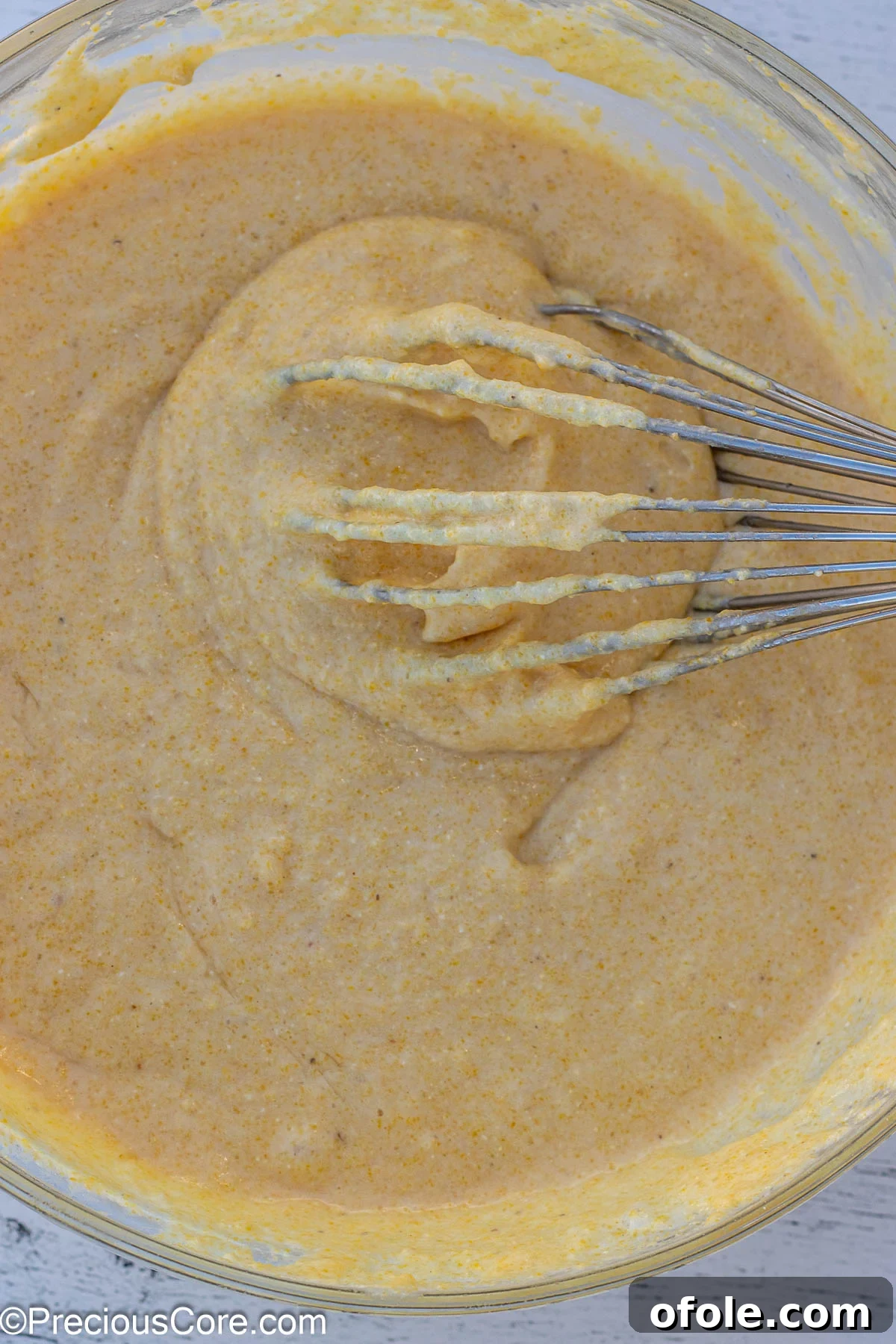
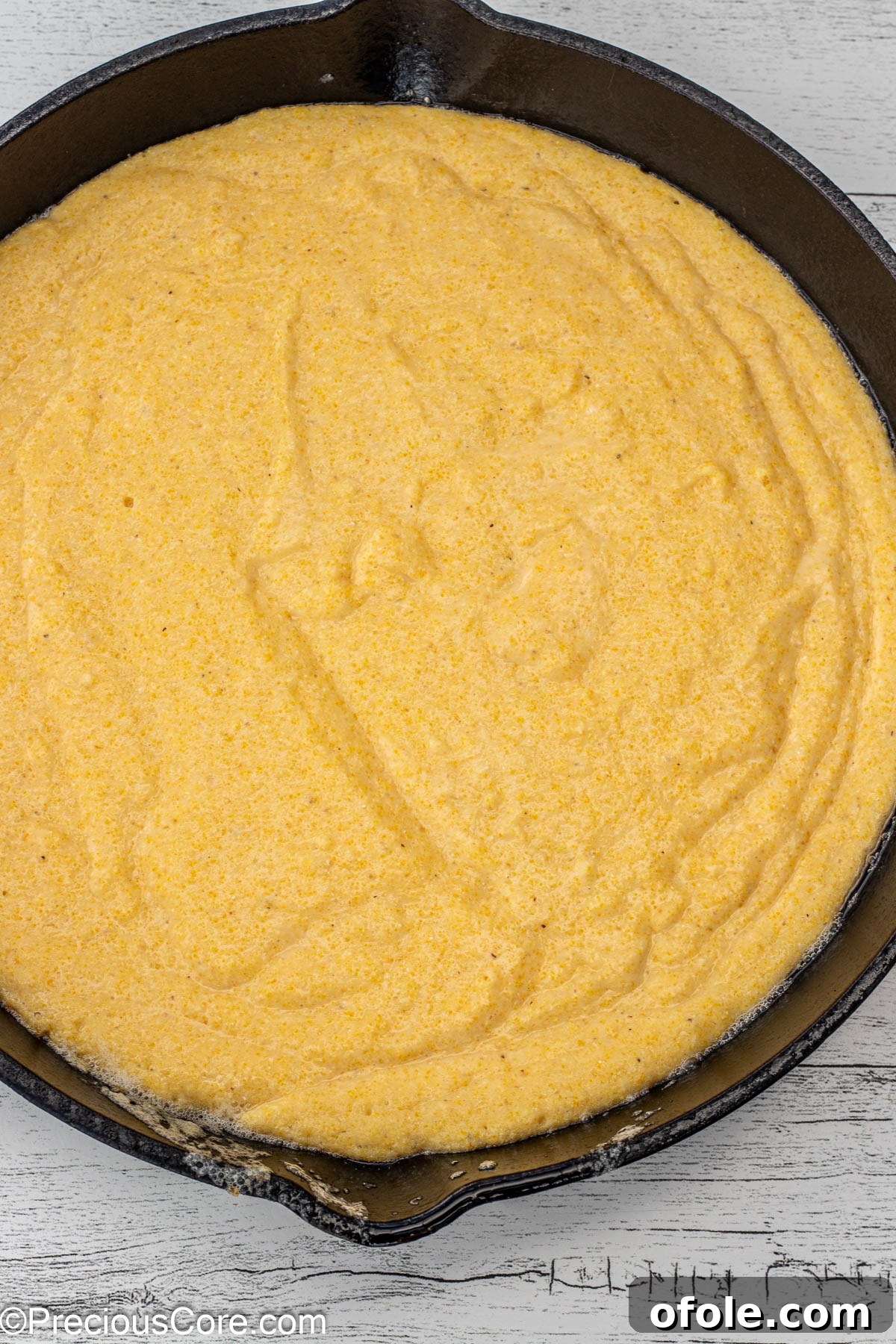
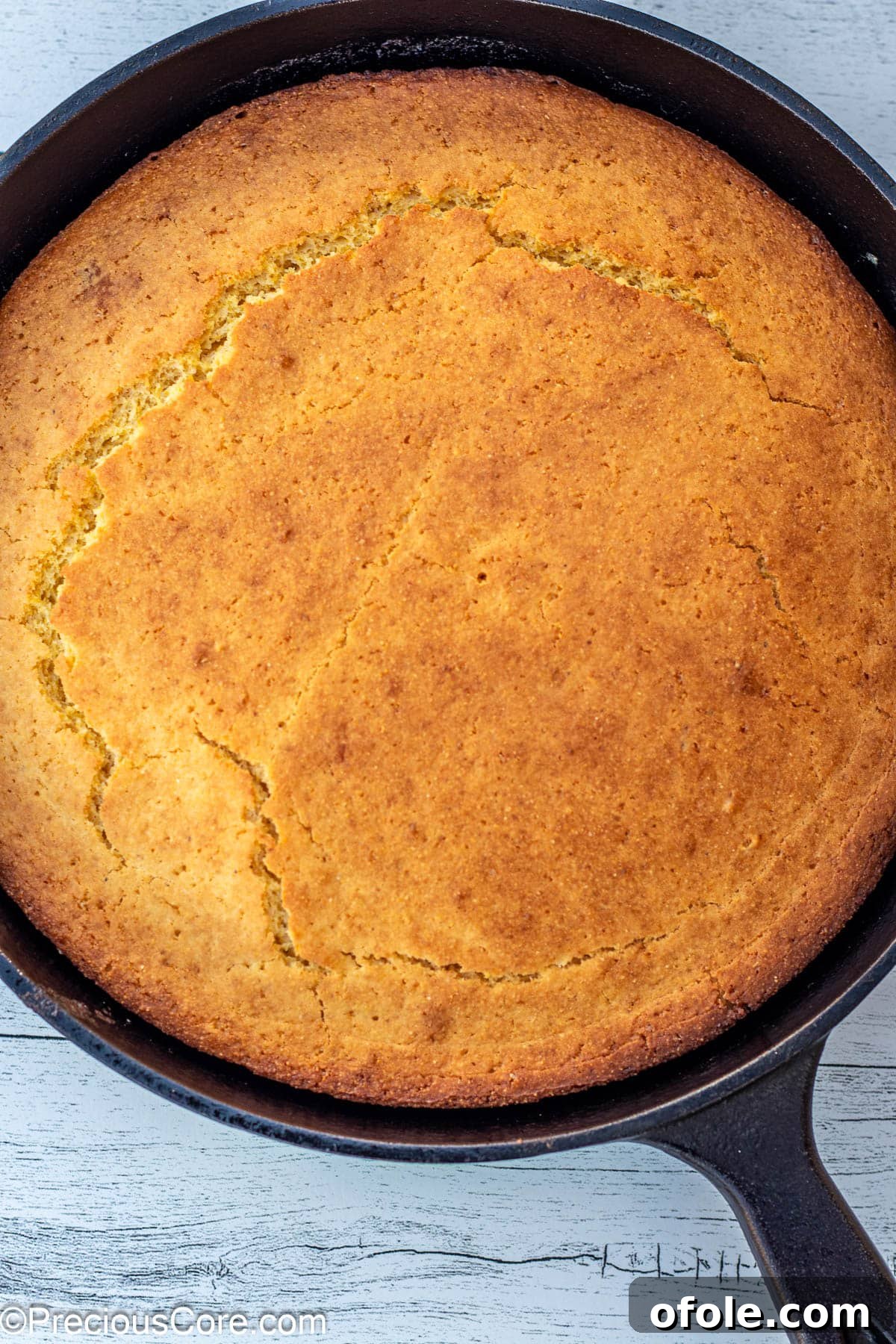
- 4. Pour the Batter and Bake: Carefully pour the prepared cornbread batter into your greased baking dish or cast iron skillet. Use a spatula to gently spread the top evenly. Transfer the dish to your preheated oven and bake for approximately 20 minutes. Start checking for doneness around the 18-minute mark. The cornbread is ready when a wooden skewer or toothpick inserted into the very center comes out clean or with a few moist crumbs attached.
Tips for the Best Cornbread Texture and Flavor
Achieving truly outstanding cornbread is about more than just following steps; it’s about understanding a few key techniques and considerations:
- Do Not Overbake: This is perhaps the most crucial tip! Cornbread can quickly turn dry and crumbly if left in the oven for too long. Begin checking for doneness a few minutes before the suggested bake time. As soon as a toothpick comes out clean, pull it from the oven immediately. A moist interior is the hallmark of delicious cornbread.
- Enhance Moisture with Post-Bake Butter: For an extra layer of flavor and unparalleled moisture, this is a game-changer. As soon as your cornbread emerges from the oven, while it’s still piping hot, take 1-2 tablespoons of salted butter and spread it generously over the top. The residual heat will melt the butter, allowing it to seep into the warm cake, creating an even more tender, moist, and flavorful result.
- Consider Browning the Butter: As mentioned in the “Fats” section, browning your butter before adding it to the wet ingredients can introduce a rich, nutty depth that takes your cornbread to the next level. It’s a small extra step with a big flavor payoff.
- Don’t Overmix the Batter: Once you combine the wet and dry ingredients, mix just until they are incorporated. Overmixing develops the gluten in the flour, which can lead to a tough, chewy texture rather than a tender one. A few lumps are perfectly fine!
- Preheat Your Pan: For truly crispy edges, especially if using a cast iron skillet, place your greased skillet in the oven while it preheats. Pour the batter into the hot pan. The instant sizzle helps create that desirable crust.
- Serve Warm: While cornbread is still enjoyable cooled, it truly shines when served warm. The butter is soft, the texture is at its peak, and the flavors are most vibrant.
Creative Cornbread Variations To Try
While this classic cornbread without buttermilk recipe is perfect as is, it also serves as a fantastic base for creative additions. Don’t hesitate to experiment and customize your cornbread to suit your palate or occasion. Here are some delicious variations you could try:
- Blueberry Cornbread: A delightful sweet and savory combination! Gently fold 1 cup of fresh or frozen blueberries (no need to thaw) into the batter just before pouring it into the pan. My kids are absolutely obsessed with this fruity version. The blueberries burst with sweet juice, creating pockets of flavor throughout.
- Jalapeno Cheddar Cornbread: For those who love a bit of a kick and savory goodness, this variation is a must-try. Mix in ½ cup of finely diced fresh or pickled jalapeños (remove seeds for less heat) and 1 cup of shredded sharp cheddar cheese into the batter. It’s a fantastic pairing for chili or BBQ. My Hispanic friends swear by this flavorful version!
- Mashed Sweet Potato Cornbread: Introduce an earthy sweetness and extra moisture by adding 1 cup of cooled, mashed sweet potatoes to the wet ingredients. This creates a wonderfully tender cornbread with a subtle autumnal flavor, perfect for fall gatherings.
- Corny Cornbread (Double Corn): Amp up the corn flavor and texture by folding in 1 cup of fresh or frozen corn kernels (thawed and drained) or even ½ cup of creamed corn into the batter. This “double corn” approach adds delightful bursts of sweetness and a satisfying chewiness.
- Bacon & Chive Cornbread: For a savory twist, crumble ½ cup of cooked, crispy bacon bits and finely chop ¼ cup of fresh chives. Fold these into the batter. The smoky bacon and fresh oniony chives make an excellent complement to the corn flavor.
- Herb & Garlic Cornbread: Elevate your cornbread with aromatic herbs. Add 1 teaspoon of dried herbs like rosemary or thyme, and 1-2 cloves of minced garlic to the wet ingredients. This is a perfect accompaniment to roasts or stews.
And if you’re looking for more comforting baked goods, don’t forget to check out these other favorites: Cinnamon Rolls With Cream Cheese Frosting and My Favorite Ambrosia Salad.
Cornbread Recipe FAQs: Your Questions Answered
Here are some frequently asked questions about making cornbread, especially when skipping the buttermilk, to ensure your baking experience is smooth and successful:
While this recipe specifically avoids the need for buttermilk by using a combination of whole milk and baking powder, if another recipe calls for buttermilk, you can easily create a substitute. Simply add one tablespoon of lemon juice or white vinegar to a liquid measuring cup. Then, add enough regular milk (preferably whole milk) to reach the one-cup mark. Stir lightly and let it sit for 5-10 minutes. The milk will curdle slightly, mimicking the acidity of buttermilk. Scale this ratio as needed for your recipe. However, with *this* particular cornbread recipe, you won’t need any special substitutes; regular milk and baking powder are perfectly sufficient for excellent results!
Both buttermilk and regular milk can work wonderfully in cornbread, and the “better” choice often depends on the overall recipe and desired outcome. Buttermilk provides a distinctive tang and helps create a very tender crumb, especially when paired with baking soda. Regular milk, as used in this recipe, offers a milder, sweeter flavor and a rich moisture, relying on baking powder for leavening. This recipe proves that you can achieve a perfectly moist and flavorful cornbread using regular milk, making it a fantastic alternative when buttermilk isn’t available.
Technically, you *can* use water in place of milk, but it’s generally not recommended. Milk contributes significant richness, flavor, and moisture due to its fat and protein content. Substituting water will inevitably lead to a drier, less flavorful cornbread with a diminished texture. If you don’t have whole milk, better alternatives include evaporated milk, half-and-half, or even a combination of water and a tablespoon of butter to try and compensate for the lost richness. But for the best results, stick to whole milk or the buttermilk substitute method if your recipe specifically requires that tangy flavor.
To keep your cornbread fresh, store it tightly wrapped in plastic wrap or in an airtight container at room temperature for 1-2 days. For longer storage, you can refrigerate it for up to 5 days. If you’re planning to keep it even longer, cornbread freezes beautifully! Wrap individual slices or the whole loaf tightly in plastic wrap, then again in aluminum foil, and store in the freezer for up to a month. Thaw at room temperature or gently reheat in the oven.
Absolutely! This recipe works perfectly for cornbread muffins. Simply divide the batter among greased muffin tins, filling each cup about two-thirds full. Bake at 425°F (218°C) for approximately 15-20 minutes, or until a toothpick inserted into the center of a muffin comes out clean. Keep an eye on them, as muffins often bake faster than a whole loaf.
What Pairs Perfectly With Cornbread?
This delicious homemade cornbread is incredibly versatile and can be enjoyed in countless ways. While it’s utterly satisfying on its own, it truly shines when paired with other comforting dishes:
Beef Stew Without Wine
Ginger Drink
Honey Lemon Tea
Lentil Stew
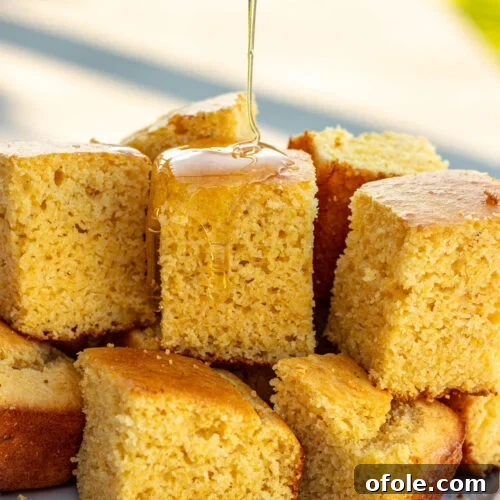
Beyond these specific recipes, cornbread is an indispensable companion to a variety of meals. It’s fantastic with hearty bowls of chili, thick vegetable soups, slow-cooked pulled pork or BBQ ribs, and classic fried chicken. For breakfast, a slice of warm cornbread with a dollop of jam or a fried egg is simply divine. But our absolute favorite way to indulge in this golden delight is when it’s still warm, generously smeared with extra butter, and finished with a cascade of sweet, golden honey. Pure bliss!
More Thanksgiving and Holiday Recipes
If you love this recipe for Cornbread Without Buttermilk, be sure to save these other fantastic recipes to complete your Thanksgiving table or any festive holiday feast:
Oven Baked Turkey Wings
Rosemary Garlic Mashed Potatoes
Fried Carrots
Herb Roasted Chicken
Sautéed Vegetables
Baked Turkey Drumsticks
More Delightful Homemade Bread Recipes
If you’ve enjoyed the simplicity and deliciousness of this cornbread without buttermilk, you’ll love exploring more of our easy homemade bread recipes. There’s nothing quite like the smell and taste of freshly baked bread from your own kitchen!
Easy Homemade French Bread
Easy Sandwich Bread Recipe
Easy Dinner Rolls
Homemade Milk Bread
If you make this recipe, please consider leaving a star rating below. Your feedback helps others discover and enjoy this recipe, and I truly love hearing from you! Thank you for your support!
Cornbread Without Buttermilk
⭐⭐⭐⭐⭐ (5 from 7 votes)
10 mins
20 mins
30 mins
8 servings
Rate This Recipe
Print Recipe
Ingredients
- 1 cup yellow cornmeal
- 1 cup all-purpose flour
- ¼ cup granulated sugar
- 1 Tablespoon baking powder
- ½ teaspoon salt
- 1 cup whole milk
- 2 large eggs
- 4 Tablespoons butter, melted
Instructions
- Preheat oven to 425°F (218°C). Grease a 10-inch cast iron skillet or an 8 by 8 square baking dish with oil or butter.
- Whisk together the dry ingredients: In a large mixing bowl, whisk together the cornmeal, flour, sugar, baking powder, and salt until well combined.
- Add the wet ingredients: Make a well in the middle of the dry ingredients. To the well add the milk, eggs, and melted butter. Whisk the dry and wet ingredients together to combine. Don’t overmix; lumps are okay.
- Pour into pan and bake: Pour the batter into the greased pan and level the top using a spatula. Place in the preheated oven to bake for about 20 minutes until a toothpick inserted in the middle comes out clean. Start checking around 18 minutes. Be careful not to overbake so it doesn’t turn out dry.
- Add butter to top: As soon as the cornbread comes out of the oven, top with more butter (about 2 tablespoons) then let the butter melt and seep into the cornbread.
- Slice and share: Enjoy warm. Wrap and store leftovers in the fridge for up to 5 days or freeze for up to a month.
Notes
Cornbread muffins: If you would love to make cornbread muffins instead, pour the batter of this recipe into greased muffin tins, filling them 2/3 full. Then bake for about 15-20 minutes until a toothpick inserted in the middle comes out clean.
Storing leftover cornbread: Store leftover cornbread at room temperature for 1-2 days or store tightly wrapped in the refrigerator for up to 5 days or in the freezer for up to a month.
Nutrition
| Carbohydrates: 35g
| Protein: 6g
| Fat: 9g
| Saturated Fat: 5g
| Polyunsaturated Fat: 1g
| Monounsaturated Fat: 3g
| Trans Fat: 0.2g
| Cholesterol: 60mg
| Sodium: 378mg
| Potassium: 144mg
| Fiber: 2g
| Sugar: 8g
| Vitamin A: 284IU
| Calcium: 137mg
| Iron: 2mg
Additional Info
Breakfast, Side Dish
American, Southern
242
Tried this recipe?
Mention @preciouscore or tag #PreciousCore!