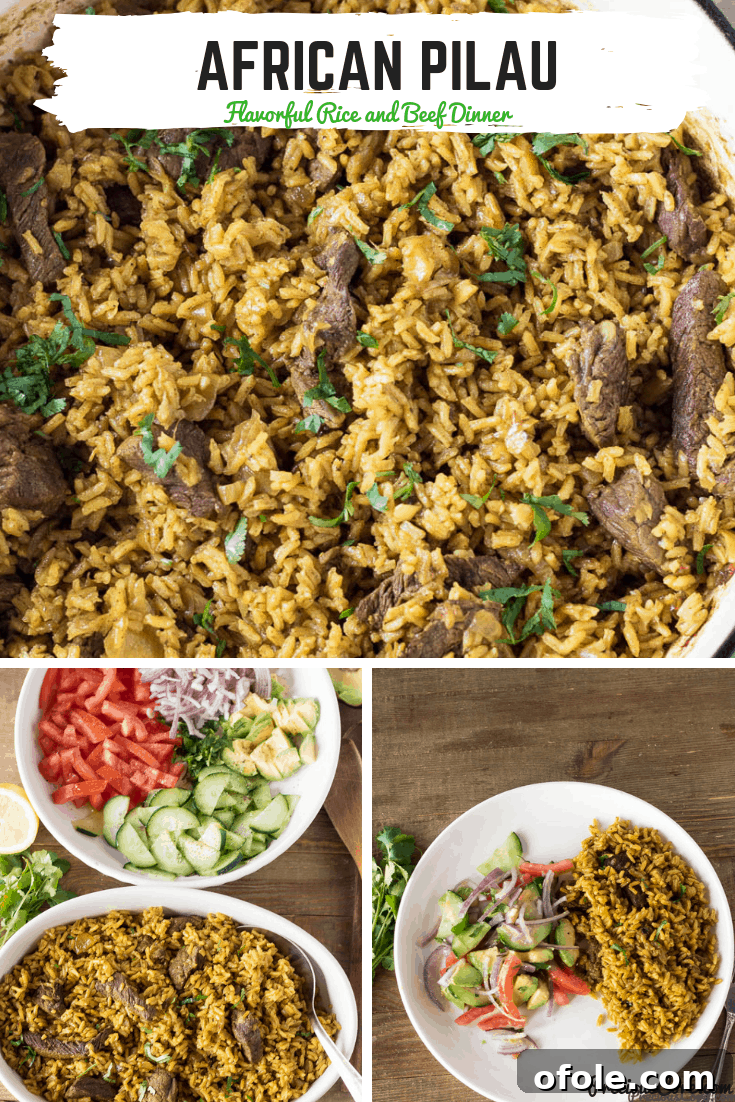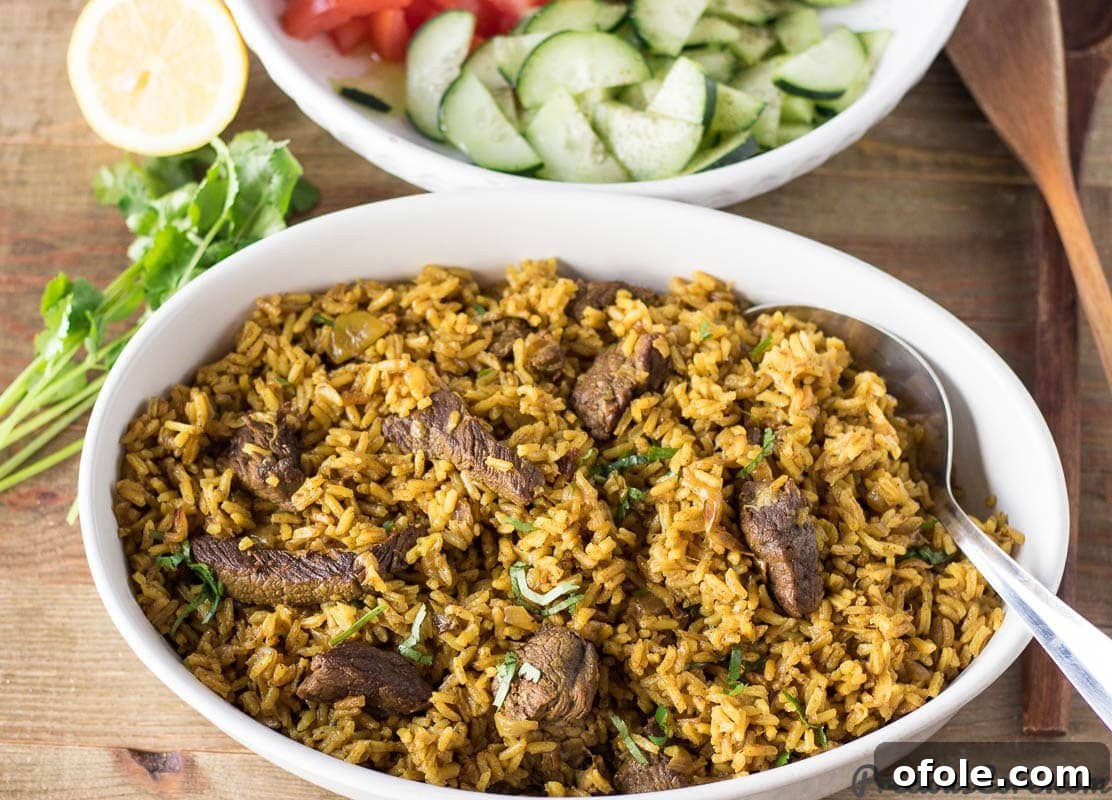
Authentic East African Pilau Recipe: A Fragrant One-Pot Rice Masterpiece
Step into the heart of East African culinary tradition with Pilau, an exquisite one-pot rice dish that captivates with its intoxicating aroma and rich, complex flavors. Far more than just a meal, Pilau is a celebration in a pot, a staple at gatherings and a testament to the region’s vibrant spice trade history. This aromatic rice, cooked in a deeply flavored broth infused with a symphony of spices, promises an unforgettable gastronomic experience. Often compared to West Africa’s Jollof Rice or its global cousin, Pilaf, Pilau holds a special place in the hearts and on the tables of Kenya, Tanzania, and beyond. Get ready to embark on a culinary journey as we unveil the secrets to crafting this beloved East African delight, whether you prefer it with tender beef, succulent chicken, or as a hearty vegan sensation. This guide will walk you through every step, ensuring you achieve a perfectly fluffy and flavorful Pilau every time.
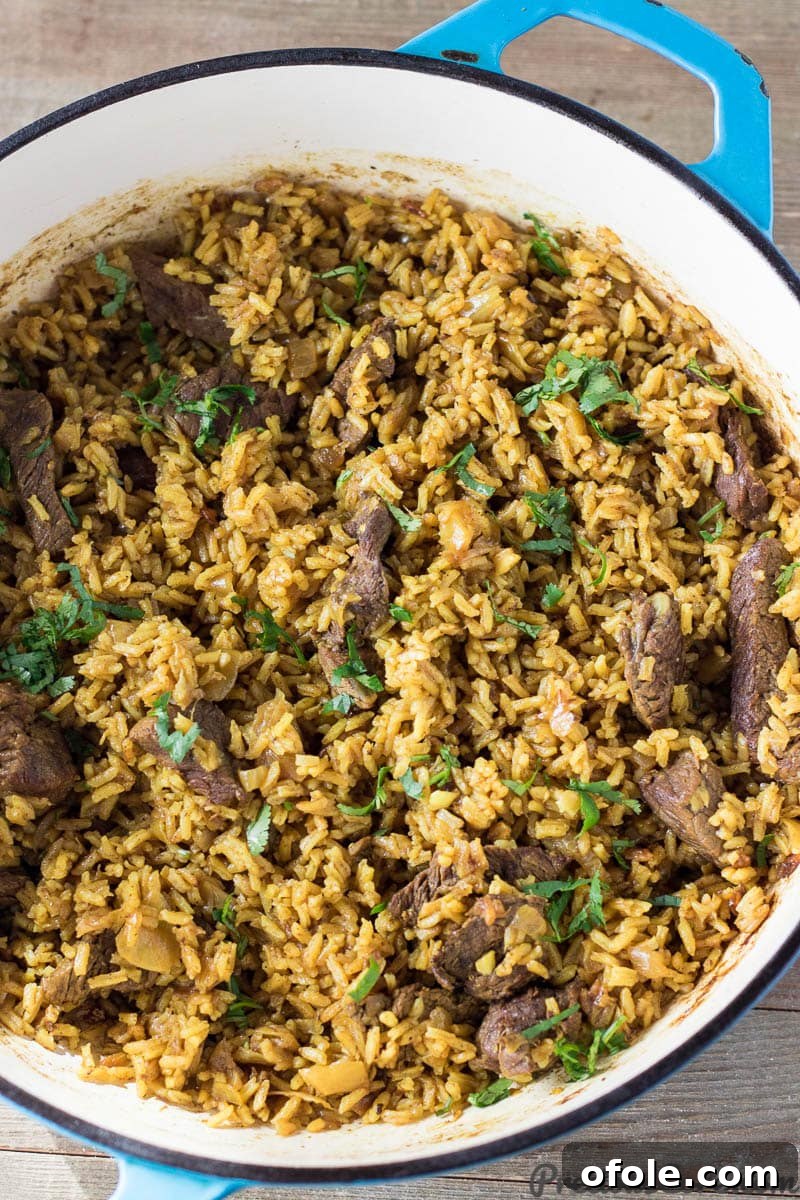
What is Pilau? An Overview of this East African Staple
Pilau, also widely known as Pilaf in many parts of the world, is a distinguished rice dish characterized by its cooking method where rice is first browned in oil or butter with spices and then simmered in a flavorful broth. This technique results in individual, fragrant grains rather than a sticky, clumpy mass. In East Africa, particularly in Kenya, Tanzania, and Uganda, Pilau transcends its simple definition, becoming a symbol of hospitality and festivity. It’s a dish that brings communities together, deeply embedded in the social fabric of celebrations, holidays, and family gatherings.
What sets East African Pilau apart is its unique blend of local spices, which often includes a robust mix of whole and ground spices like cardamom, cinnamon, cloves, cumin, coriander, and black pepper, combined with aromatic fresh ginger and garlic. Unlike some simpler pilafs, the East African version often features deeply caramelized onions, which contribute a crucial depth of color and a subtly sweet, savory base to the broth. While traditionally made with beef or goat, its versatility allows for delicious chicken or purely vegetable-based variations, ensuring everyone can enjoy its captivating taste. The rich, earthy flavors and beautiful brown hue are hallmarks of an authentic East African Pilau.
The Rich History and Cultural Significance of Pilau
The origins of Pilau can be traced back to ancient Persia and India, where similar rice dishes were developed centuries ago. Through extensive trade routes and cultural exchange along the Indian Ocean coast, particularly with Arab, Indian, and Persian merchants, the concept of spiced rice made its way to East Africa. The Swahili coast, with its vibrant port cities like Mombasa and Zanzibar, became a melting pot of culinary traditions. This fusion of foreign spices and local ingredients, combined with traditional cooking techniques, led to the birth of what we now cherish as East African Pilau. It’s a dish that tells a story of global connections and local adaptation, a true representation of the region’s diverse heritage.
Today, Pilau is more than just food; it’s a cultural cornerstone. In Kenya, for instance, no major celebration – be it a wedding, Eid al-Adha, Christmas, or even a significant family get-together – feels truly complete without a steaming pot of Pilau. Its presence on the table signifies warmth, generosity, and the joyous spirit of sharing. The preparation itself is often a communal affair, with family members contributing to the intricate process of chopping onions, crushing fresh spices, and the careful, rhythmic stirring of the pot. This collective effort not only creates a delicious meal but also fosters cherished memories and strengthens family bonds. Pilau is the ultimate comfort food that communicates a rich narrative of heritage and community with every fragrant spoonful, deeply connecting people through taste and tradition.
Crafting the Perfect Pilau: Key Ingredients and Their Roles
The magic of Pilau lies in its carefully selected ingredients, each playing a vital role in building its iconic flavor profile. While the recipe might seem complex due to the array of spices, each component works in harmony to create a balanced and deeply satisfying dish. Here’s a closer look at the stars of our authentic Pilau recipe:
- Long Grain Rice: The essential foundation of our dish. Basmati rice or any good quality long-grain white rice is highly preferred because its grains remain separate and fluffy when cooked, allowing them to absorb the rich broth without becoming mushy or sticky. Rinsing the rice thoroughly several times until the water runs clear is a crucial step to remove excess starch.
- Beef (or other protein): Traditionally, Pilau often features tender chunks of beef or goat, adding a savory depth and heartiness to the dish. The meat is usually browned initially and then simmered until fork-tender, infusing the broth with its rich, meaty flavors. Chicken, lamb, or even firm vegetables and legumes are excellent alternatives for those seeking different variations or a plant-based option.
- Onions: These are far more than just aromatics; they are fundamental flavor and color builders. Properly caramelizing the onions until they achieve a deep golden brown hue is a critical step, as it forms the sweet, umami-rich base that defines Pilau’s characteristic color and complex taste. This process takes patience but is indispensable for authentic flavor.
- Garlic and Ginger: The dynamic duo of East African and many global cuisines. Freshly crushed or minced garlic and ginger provide a pungent, warming, and highly aromatic foundation, awakening the palate and enhancing the overall spice blend. Always opt for fresh over powdered for the best results.
- Aromatic Spices: This is where Pilau truly shines, boasting a vibrant blend of flavors. A typical blend for East African Pilau includes:
- Cumin Powder: Adds an earthy, warm, and slightly pungent note.
- Coriander Powder: Contributes a citrusy, slightly sweet, and bright flavor that complements the earthier spices.
- Cardamom Powder: Provides a unique sweet, floral, and intensely aromatic quality that is distinctive to Pilau.
- Cinnamon Powder: Brings warmth, a subtle sweetness, and a comforting fragrance that beautifully balances the savory elements.
- Turmeric Powder: Though used sparingly in some Pilau recipes, it can add a hint of earthy flavor and a subtle golden-yellow hue, contributing to the dish’s overall warmth.
- Bay Leaf: Offers a mild, herbal undertone that slowly infuses the rice as it cooks, adding another layer of complexity.
- Black Pepper: Essential for a touch of gentle heat and sharpness, enhancing the overall spice profile.
- Optional Whole Spices: For an even more intense and authentic flavor, whole cloves and star anise can be added during the initial browning of the onions and beef. These whole spices release their oils and aromas slowly, deepening the dish’s character.
- Salt: Essential for seasoning, balancing all the flavors, and bringing them together harmoniously. Adjust to taste, remembering that the broth needs to be well-seasoned.
- Butter or Oil: Used for sautéing the aromatics and browning the meat, creating a rich and flavorful base from the very beginning of the cooking process. Ghee can also be used for an even richer taste.
Pilau: Versatile and Delicious Variations
While beef Pilau is perhaps the most iconic and widely recognized version, this flexible recipe allows for numerous delicious adaptations, catering to different preferences and dietary needs:
- Beef Pilau: The classic rendition. Small cubes of tender beef are cooked until soft and succulent, infusing the rice with a deep, savory meat flavor. This is a robust and hearty version, commonly served as the main course at celebratory meals. The slow cooking of the beef contributes significantly to the broth’s richness.
- Chicken Pilau: A lighter yet equally flavorful alternative. Chicken pieces, often bone-in for maximum flavor, are cooked with the spices until tender, creating a delicious chicken-infused rice. This version often cooks faster than beef Pilau and is a popular choice for weeknight meals.
- Goat Pilau: Highly popular in many East African homes, especially during special occasions, goat meat provides a distinct, gamey, and incredibly rich flavor profile that pairs wonderfully with the robust blend of Pilau spices. It’s known for its deep, earthy taste.
- Vegan Pilau: For those seeking a plant-based option, Pilau is incredibly adaptable without sacrificing flavor. Simply omit the meat and increase the quantity of hearty vegetables like carrots, potatoes, peas, bell peppers, green beans, or even spinach. The abundance of spices ensures that the dish remains incredibly flavorful, aromatic, and deeply satisfying. You can also add chickpeas, lentils, or firm tofu for extra protein and texture, making it a complete and wholesome plant-based meal. The key to a successful vegan pilau lies in building layers of flavor with well-caramelized onions and generously bloomed spices, letting the vegetables absorb all that goodness.
Serving Your East African Pilau: The Perfect Accompaniments
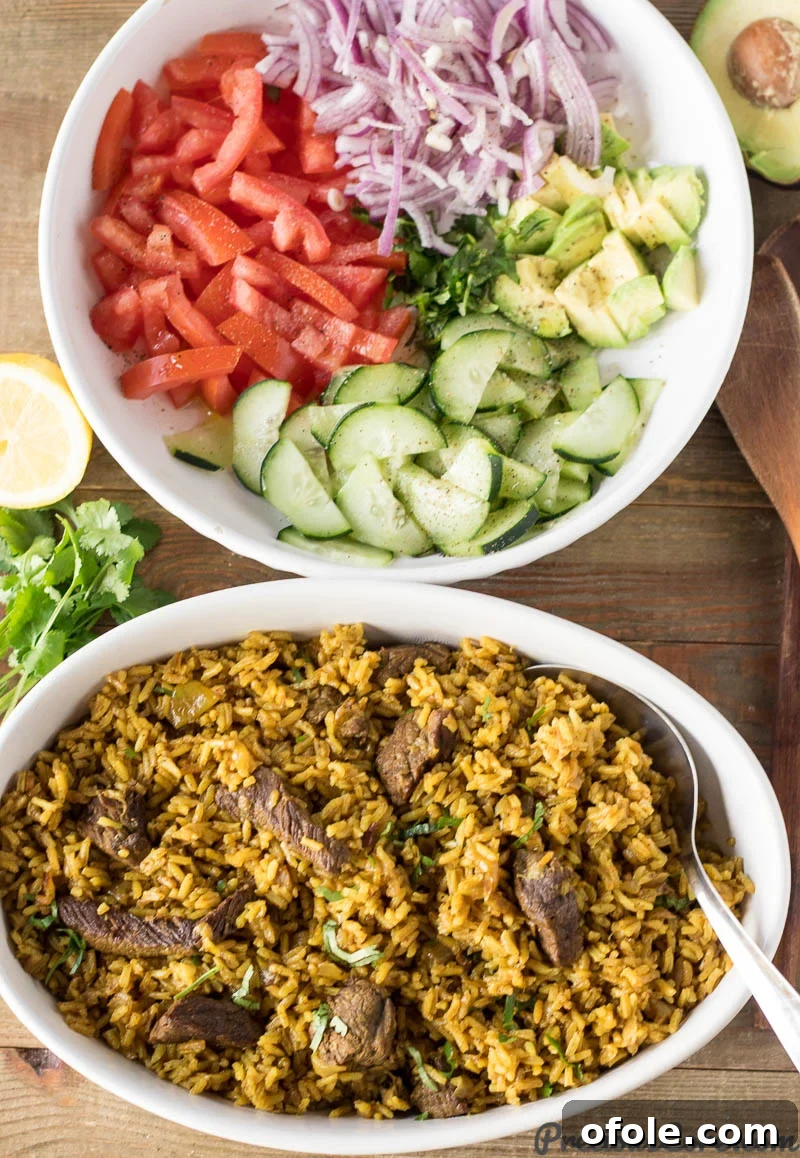
Pilau is a complete and satisfying meal on its own, given its hearty nature and rich flavors. However, it truly shines and becomes an even more exquisite culinary experience when paired with traditional East African side dishes. The most popular accompaniment, and arguably the most essential for a balanced meal, is Kachumbari.
- Kachumbari: This vibrant Kenyan tomato and onion salad is the perfect counterpoint to the rich, spiced Pilau. Made with finely diced ripe tomatoes, crisp red onions, fresh cilantro, and often finely chopped green chilies (optional for heat), all dressed with a generous squeeze of fresh lime or lemon juice, Kachumbari offers a refreshing, zesty, and slightly tangy crunch. Its bright acidity beautifully cuts through the richness of the rice, cleansing the palate and adding a burst of freshness with every bite.
- Plain Yogurt or Raita: A dollop of cool, creamy plain yogurt or a simple cucumber raita (yogurt with grated cucumber, a pinch of roasted cumin, and salt) can also provide a soothing contrast to the warmth of the spices, offering a delightful creamy texture.
- Fresh Avocado: Sliced or cubed avocado adds a creamy texture, healthy monounsaturated fats, and a mild flavor that complements the robust Pilau beautifully, making the meal even more wholesome and satisfying.
- Chapati or Naan: While not strictly necessary as Pilau is a rice dish, fresh flatbreads like soft chapati or fluffy naan are excellent for scooping up any delicious remnants of the Pilau and its accompanying sauces or salads, adding another textural dimension to the meal.
- Mango Chutney or Pickles: For those who enjoy an extra layer of sweet-tangy flavor, a side of mango chutney or a selection of Indian-style mixed vegetable pickles can add an exciting zest to your Pilau experience.
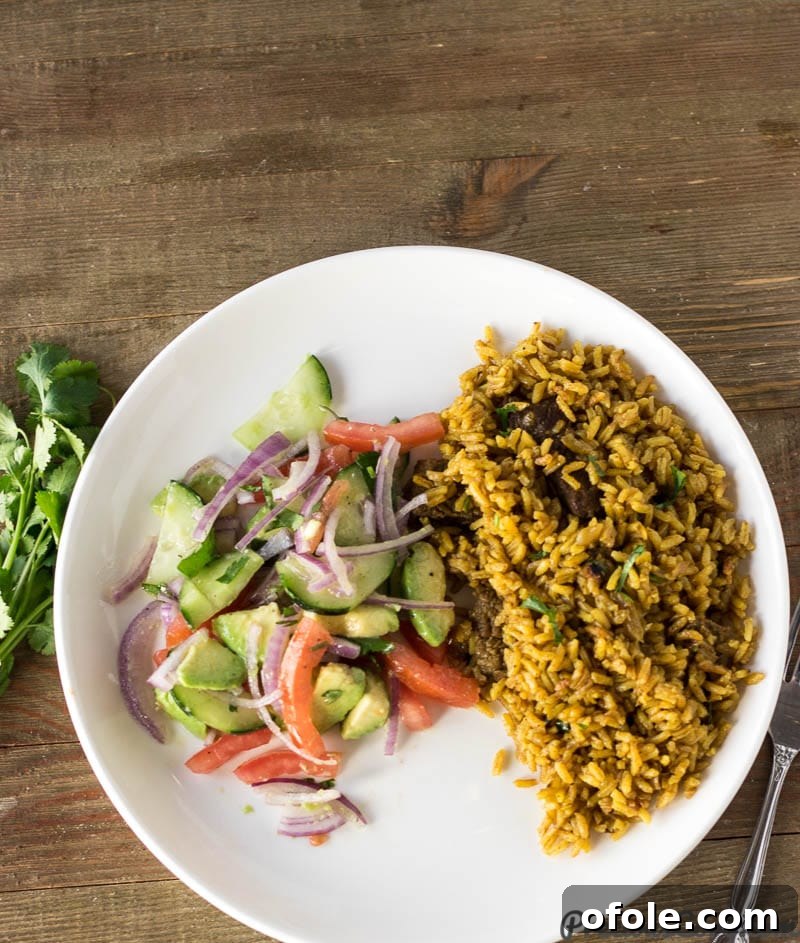
Recipe: Authentic East African Pilau (Beef)
Pilau
Embark on a culinary adventure with this authentic East African Pilau recipe. This fragrant one-pot rice meal, deeply spiced and cooked to perfection, is a popular Kenyan dish, a true highlight at any gathering. Its incredible aroma fills the kitchen, promising a delightful dining experience. Gather your spices and long-grain rice, and let’s create this East African delight together!
Rate This Recipe
Print Recipe
Ingredients
- 2 cups long grain rice (approximately 370g), thoroughly rinsed
- 1/2 pound beef (approximately 1/4 kg), chopped into 1-inch pieces (or your desired protein)
- 2 large onions, finely chopped
- 3 garlic cloves, peeled and freshly crushed
- Half an inch ginger root, peeled and freshly crushed
- 1 teaspoon turmeric powder
- 1/4 teaspoon cinnamon powder
- Half teaspoon coriander powder
- Half teaspoon cardamom powder
- Half teaspoon cumin powder
- 1 teaspoon salt (or to taste, adjust as needed)
- 1/4 teaspoon black pepper
- 1 bay leaf
- 4 tablespoons butter (or preferred cooking oil, such as vegetable or canola oil)
Instructions
-
In a large, heavy-bottomed pot or Dutch oven, melt the butter (or heat the oil) over medium-high heat. Add the finely chopped onions and cook, stirring frequently, until they turn a deep golden brown. This caramelization is absolutely crucial for Pilau’s characteristic dark color and rich, subtly sweet, and savory flavor. This step typically takes about 10-15 minutes; patience here will greatly enhance your final dish. Be careful not to burn them.
-
Once the onions are perfectly browned, add the freshly crushed garlic and ginger to the pot. Sauté for about 1 minute until they release their fragrant aroma, stirring continuously to prevent burning. This allows the potent aromatics to bloom.
-
Stir in all the powdered spices (turmeric, cinnamon, coriander, cardamom, cumin, black pepper) and continue to cook for another minute, stirring constantly, until their aroma becomes pronounced. Then, add the beef pieces. Stir well to coat the beef thoroughly with the spices and onions. Cook the beef until it is browned on all sides, releasing its natural juices. Let the beef simmer in its own juices until it is almost tender. If the liquid evaporates too quickly and the beef starts to stick, add about half a cup of water and continue to simmer until the beef is nearly cooked through (it will finish cooking with the rice).
-
Pour 3 cups of water into the pot with the beef and spices. Add the thoroughly rinsed long grain rice, the measured salt, and the bay leaf. Stir gently once or twice to combine all the ingredients evenly. Bring the entire mixture to a vigorous rolling boil over high heat.
-
Once the pot reaches a full boil, immediately reduce the heat to the lowest possible setting. Cover the pot tightly with a lid to trap the steam and moisture, and let it simmer undisturbed. Allow the rice to absorb all the water and cook until it is tender and fluffy. This process usually takes about 15-20 minutes. It is vital to resist the urge to lift the lid during this cooking period, as doing so releases essential steam and can result in unevenly cooked rice.
-
After the designated cooking time (15-20 minutes), turn off the heat but keep the pot covered. Let the Pilau rest for an additional 5-10 minutes. This crucial resting period allows the steam to redistribute evenly throughout the rice, resulting in perfectly fluffy, separate, and tender grains. Finally, gently fluff the rice with a fork before serving warm.
Notes & Tips for Success
- Additional Spices: For a more complex and traditional flavor, consider adding a quarter to half a teaspoon of whole cloves and/or star anise along with the other powdered spices in step 3. These can be lightly crushed in a mortar and pestle to release their full aroma before adding.
- Rice to Water Ratio: The ideal water-to-rice ratio can subtly vary depending on the specific type and brand of rice you use. For standard long-grain white rice, 3 cups of water for 2 cups of rice generally yields excellent results. If you are using basmati, you might find that slightly less water (around 2.5 cups) is perfect. Always refer to the rice packaging for specific guidelines. The key to fluffy rice is to maintain a very low heat once covered, allowing for slow, even absorption of the liquid.
- Choosing the Right Rice: Long grain rice, especially aromatic varieties like Basmati, is highly recommended for Pilau. Its non-sticky nature ensures that each grain remains distinct and fluffy, rather than clumping together, which is characteristic of authentic Pilau. Avoid short-grain or sushi rice.
- Caramelizing Onions: This step cannot be rushed. Properly browned onions are absolutely fundamental to Pilau’s signature dark color and its unique sweet, savory undertone. Dedicate ample time to this stage; patience here pays off immensely in the final flavor profile.
- Toasting Spices: Briefly toasting the powdered spices (after the garlic and ginger are fragrant) before adding the liquid enhances their aroma and deepens their flavor profile. This step awakens their essential oils.
- Do Not Stir While Simmering: Once the lid is on and the heat is reduced to low, resist the temptation to stir the rice. Stirring can break the delicate rice grains and release excess starch, leading to a gummy or mushy texture. Let it cook undisturbed to ensure light, separate grains.
Nutrition Facts (per serving)
Based on approximately 4 servings of Beef Pilau. Nutritional values are estimates and may vary based on specific ingredients and preparation methods:
- Calories: 568 kcal
- Carbohydrates: 80g
- Protein: 18g
- Fat: 19g
- Saturated Fat: 10g
- Polyunsaturated Fat: 1g
- Monounsaturated Fat: 6g
- Trans Fat: 1g
- Cholesterol: 69mg
- Sodium: 725mg
- Potassium: 402mg
- Fiber: 2g
- Sugar: 2g
- Vitamin A: 361 IU
- Vitamin C: 5mg
- Calcium: 59mg
- Iron: 2mg
Additional Info
Frequently Asked Questions About Pilau
- What kind of rice is best for Pilau?
- Long grain rice is absolutely essential for Pilau to ensure separate, fluffy grains that absorb the flavors beautifully. Basmati rice is an excellent choice due to its aromatic qualities and its inherent ability to cook up light and distinct. Avoid short-grain or sticky rice varieties.
- Can I make Pilau ahead of time?
- Yes, Pilau can be conveniently made a day in advance and gently reheated. Store it in an airtight container in the refrigerator for up to 3-4 days. To reheat, you can use the stovetop with a splash of water or broth, or the microwave. Many people find that the flavors in Pilau actually deepen and meld even better overnight, making it taste even more delicious the next day.
- How do I achieve the perfect dark color without burning the onions?
- Patience is truly key for this step. Cook the chopped onions over medium heat, stirring frequently and consistently. It takes a good 10-15 minutes for them to caramelize evenly and turn that beautiful, deep golden brown without burning. Do not rush this process, as it is vital for Pilau’s authentic look and its signature sweet, savory taste.
- Is Pilau inherently spicy (hot)?
- Traditional East African Pilau is aromatic and intensely flavorful due to its rich blend of spices, but it is not inherently “spicy” in terms of heat, unless you specifically add extra chilies. The spices contribute a warming depth and complexity rather than a fiery hotness. You can always adjust the amount of black pepper or incorporate fresh green chilies (like serrano or bird’s eye chilies) to your preference if you desire more heat.
- Can I freeze leftover Pilau?
- Yes, Pilau freezes remarkably well, making it excellent for meal prep. Allow the cooked Pilau to cool completely to room temperature. Then, transfer it to freezer-safe airtight containers or heavy-duty freezer bags. It can be frozen for up to 3 months. To serve, thaw overnight in the refrigerator and reheat gently on the stovetop or in the microwave until thoroughly warm.
- What if my Pilau turns out mushy?
- Mushy Pilau usually indicates too much liquid or lifting the lid too often during cooking. Ensure you measure your rice and water accurately and stick to the recommended ratio (e.g., 1.5 cups water per 1 cup rice). Also, avoid disturbing the rice once it’s simmering with the lid on, as this releases crucial steam necessary for fluffy grains.
Conclusion: Embrace the Flavor of East Africa
Pilau is more than just a rice dish; it’s an experience, a journey through the aromatic landscapes of East Africa, brought right into your kitchen. Its fragrant blend of spices, tender meat (or vibrant vegetables), and perfectly cooked, separate rice grains make it a culinary delight that satisfies both the stomach and the soul. Whether you’re celebrating a special occasion, hosting friends, or simply craving a comforting and exotic meal, this authentic East African Pilau recipe offers a profound taste of tradition, warmth, and hospitality.
We heartily encourage you to try your hand at preparing this magnificent dish. Don’t be intimidated by the list of spices; each one contributes to an incredible symphony of flavors. Share your Pilau creations with us and join the global community of food lovers who appreciate the rich and diverse tapestry of African cuisine. Happy cooking, and prepare to be transported to the heart of East Africa with every delicious bite!
Tried this recipe?
Mention @preciouscore or tag #PreciousCore on Instagram!