
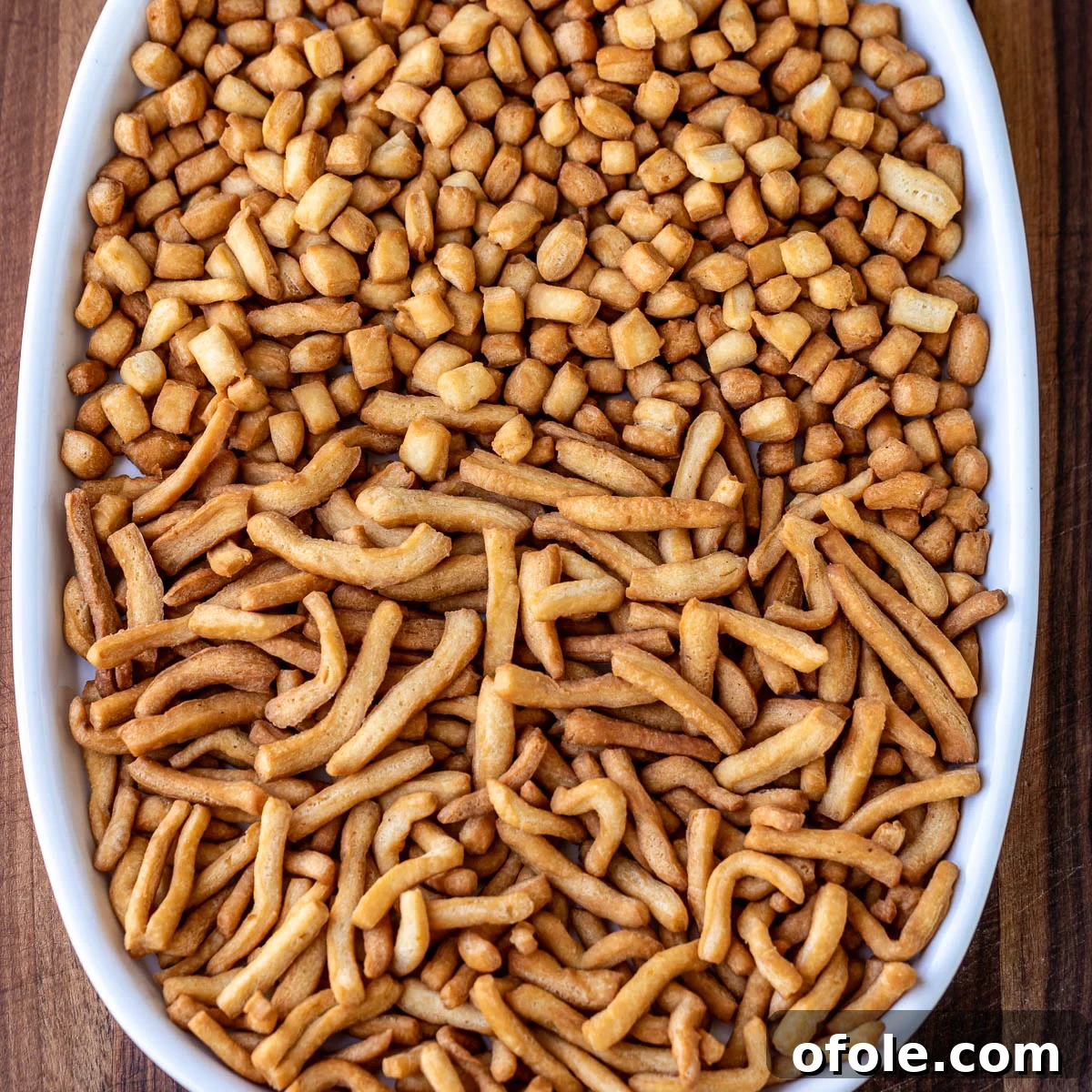
Learn how to make Chin Chin that is exceptionally flavorful, perfectly crunchy, with just the right amount of sweetness, and made with easy-to-find ingredients. This delightful West African snack is so addictive, you’ll find it hard to stop at just one piece!
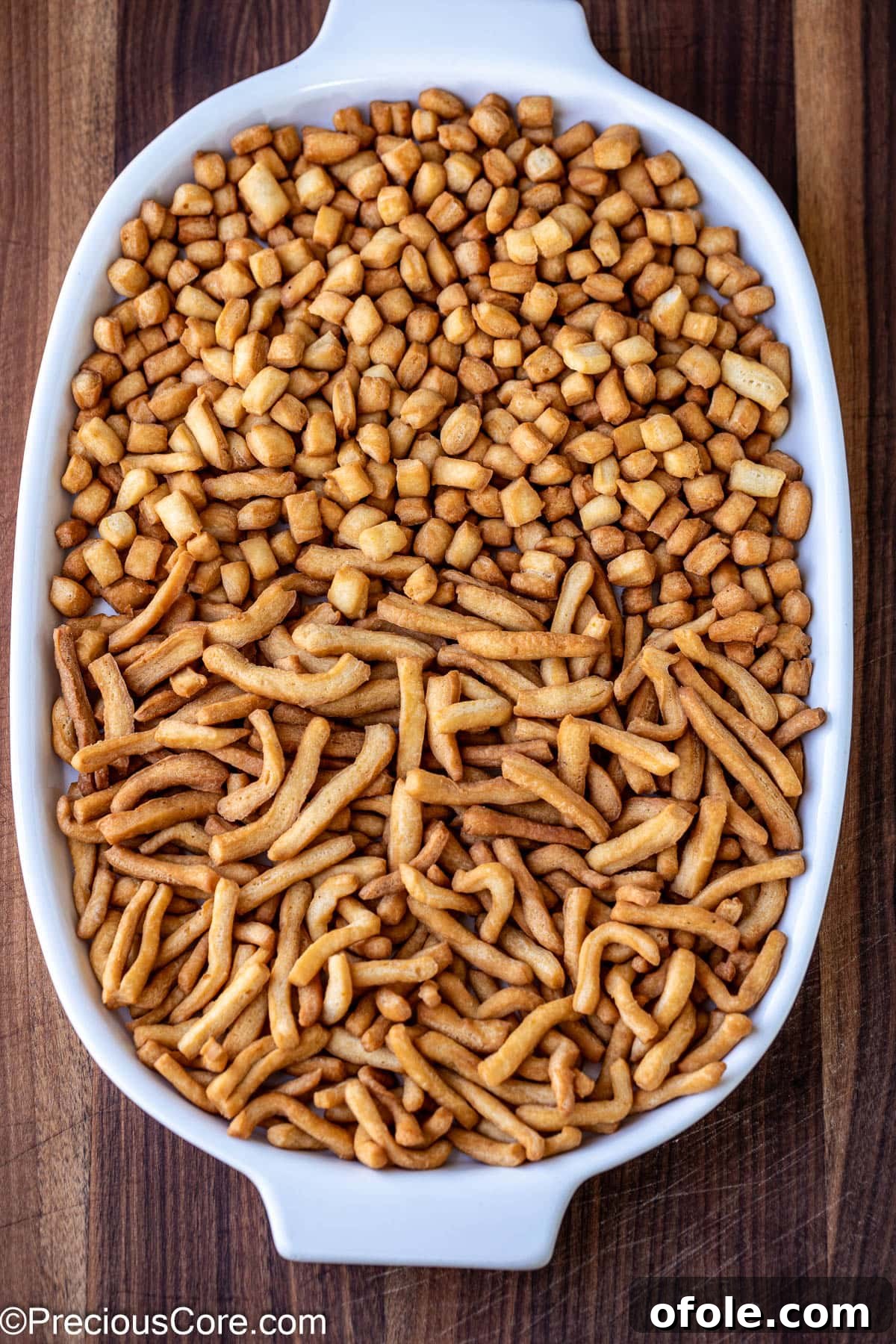
Growing up in the vibrant culture of Cameroon, Chin Chin was an absolute staple, especially during festive seasons like Christmas. The aroma of freshly fried Chin Chin always filled our homes, signaling the start of holiday cheer. This deep-fried snack, reminiscent of sweet cookies with its irresistible crunch, holds a special place in my heart and in the hearts of many across West and Central Africa.
After countless batches and years of perfecting my technique, I am thrilled to share with you a comprehensive, step-by-step guide on how to make this iconic African delicacy. Here, you will find everything you need to know to create Chin Chin that rivals any bakery, ensuring a consistently delicious result every time.
Chin Chin is undoubtedly one of my absolute favorite African treats, standing proudly alongside other beloved snacks such as Puff Puff and Mandazi. Prepare to embark on a culinary journey that will bring the flavors of Africa right into your kitchen!
Table of Contents
- Why You’ll Love This Homemade Chin Chin Recipe
- What is Chin Chin? A Cultural Overview
- The Irresistible Taste and Texture of Chin Chin
- Chin Chin Recipe: Step-By-Step Preparation Guide
- Exciting Chin Chin Flavor Variations
- Watch How To Make Chin Chin (Video Tutorial)
- Frequently Asked Questions About Chin Chin
- Expert Tips for Perfect Chin Chin
- More Delicious African Snack Recipes To Try
- The Ultimate Chin Chin Recipe Card
Why You’ll Love This Homemade Chin Chin Recipe
Whether you grew up savoring its unique taste or are new to the world of African cuisine, there are countless reasons why this Chin Chin recipe will become a cherished favorite in your kitchen:
- Unforgettable Rich Flavor: These delectable bites are so incredibly good, packed with a delightful balance of sweetness and aromatic spices. Each piece offers a burst of flavor that will leave you craving more, making self-control a genuine challenge!
- The Perfect Anytime Snack: Chin Chin serves as an excellent companion for any moment of the day. Enjoy it with a comforting cup of hot tea for an invigorating afternoon break, or pair it with a chilled, refreshing drink for a cool treat. It’s ideal for movie nights, picnics, or simply as a satisfying nibble when hunger strikes.
- A Thoughtful and Delicious Gift: Pack freshly made Chin Chin into an elegant mason jar, tie a lovely bow around it, and you’ve got yourself the perfect edible gift! It’s a heartfelt present that shows you care, and its homemade charm is sure to impress friends, family, and neighbors alike during holidays or special occasions.
- Simple, Accessible Ingredients: You won’t need to hunt for exotic ingredients. This recipe relies on common pantry staples, making it easy and convenient for anyone to whip up a batch whenever the craving hits.
- Endless Customization: While the classic recipe is fantastic, Chin Chin is wonderfully versatile. You can easily adjust the sweetness, experiment with different flavorings, or even create savory versions to suit your palate.
What is Chin Chin? A Cultural Overview
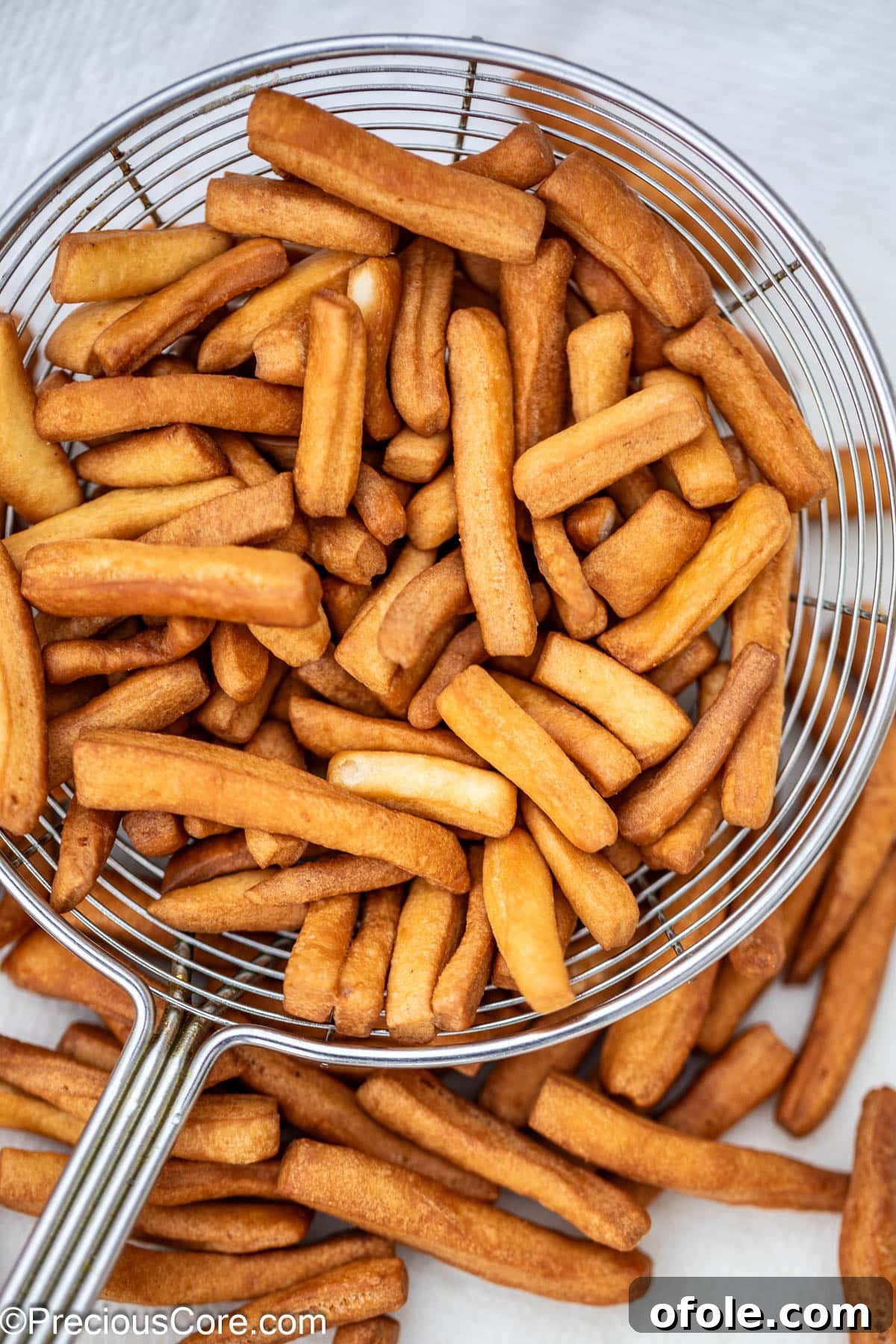
Chin Chin is a widely beloved snack celebrated across various Central and West African countries, including Nigeria, Ghana, and Cameroon. In French-speaking regions, it is often referred to as “Les Croquettes,” a term that aptly describes its crispy texture.
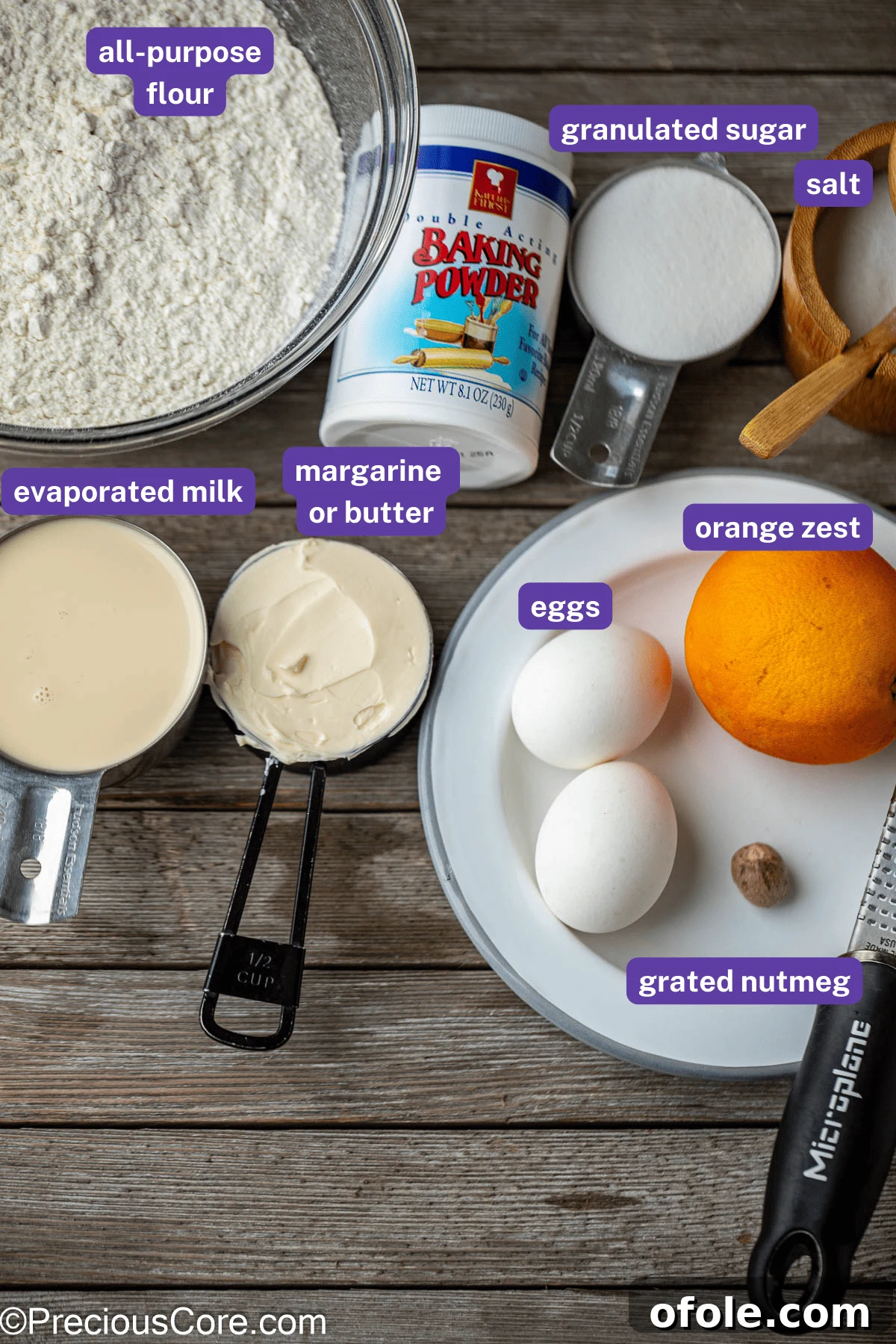
At its core, Chin Chin is a deep-fried dough snack made from a relatively simple yet harmonious blend of ingredients. These typically include flour, butter (or margarine), sugar, eggs, milk, a leavening agent like baking powder, salt, and distinct flavorings such as nutmeg or vanilla extract. Each component plays a crucial role in creating the snack’s signature taste and texture.
When combined and prepared correctly, these ingredients work in perfect synergy to produce Chin Chin that is not only perfectly crisp but also delightfully easy to chew – a hallmark of a truly well-made batch. The process involves mixing the ingredients to form a pliable dough, which is then skillfully rolled out, cut into a variety of aesthetically pleasing shapes, and finally deep-fried until golden brown. As the hot Chin Chin cools, it gradually transforms, developing that characteristic crunch and irresistible deliciousness that makes it a favorite across generations.
For the complete list of ingredients with precise measurements, please refer to the detailed recipe card at the bottom of this article.
The Irresistible Taste and Texture of Chin Chin
Imagine the comforting sweetness of a rich cake, but with the satisfying crispness of a perfectly baked cookie – that’s precisely what Chin Chin delivers. The flavor profile can vary subtly, depending on the unique seasonings and extracts incorporated into the dough. This adaptability makes Chin Chin a wonderfully versatile snack, allowing for personal touches and regional variations.
My personal secret for an insanely delicious Chin Chin involves adding freshly grated nutmeg, which imparts a warm, aromatic spice, coupled with the bright, citrusy notes of orange zest. This combination elevates the flavor, making each bite an exquisite experience. Many who have tried this particular variation have shared their immense success and love for it!
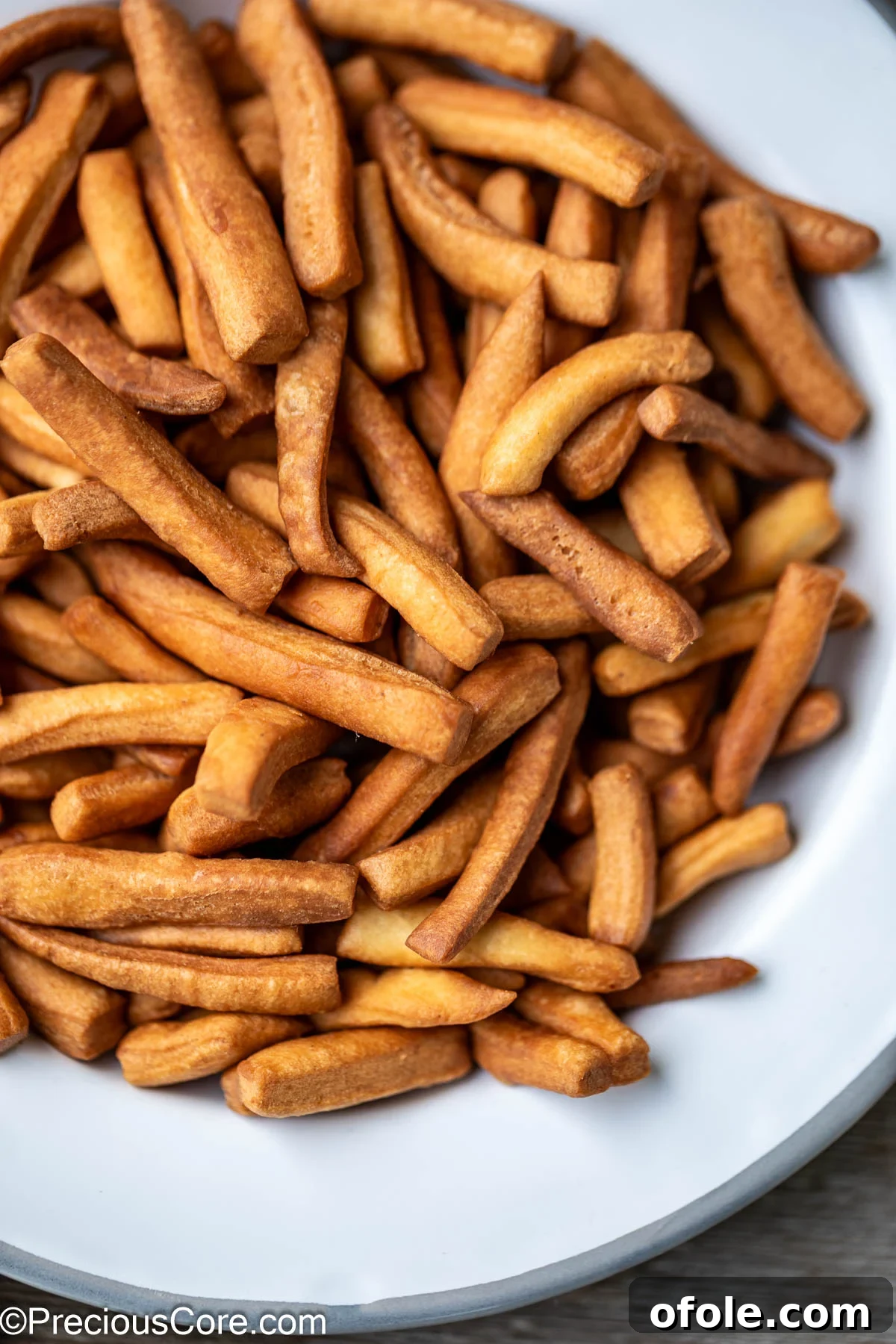
This recipe consistently yields the best Chin Chin, making it perfect for the joyous Christmas season and all your special gatherings. Whether you choose to shape the dough into charming small squares, neat dough balls, or elegant strips as I’ve demonstrated here, the result will be a crunchy, flavorful snack that everyone will adore.
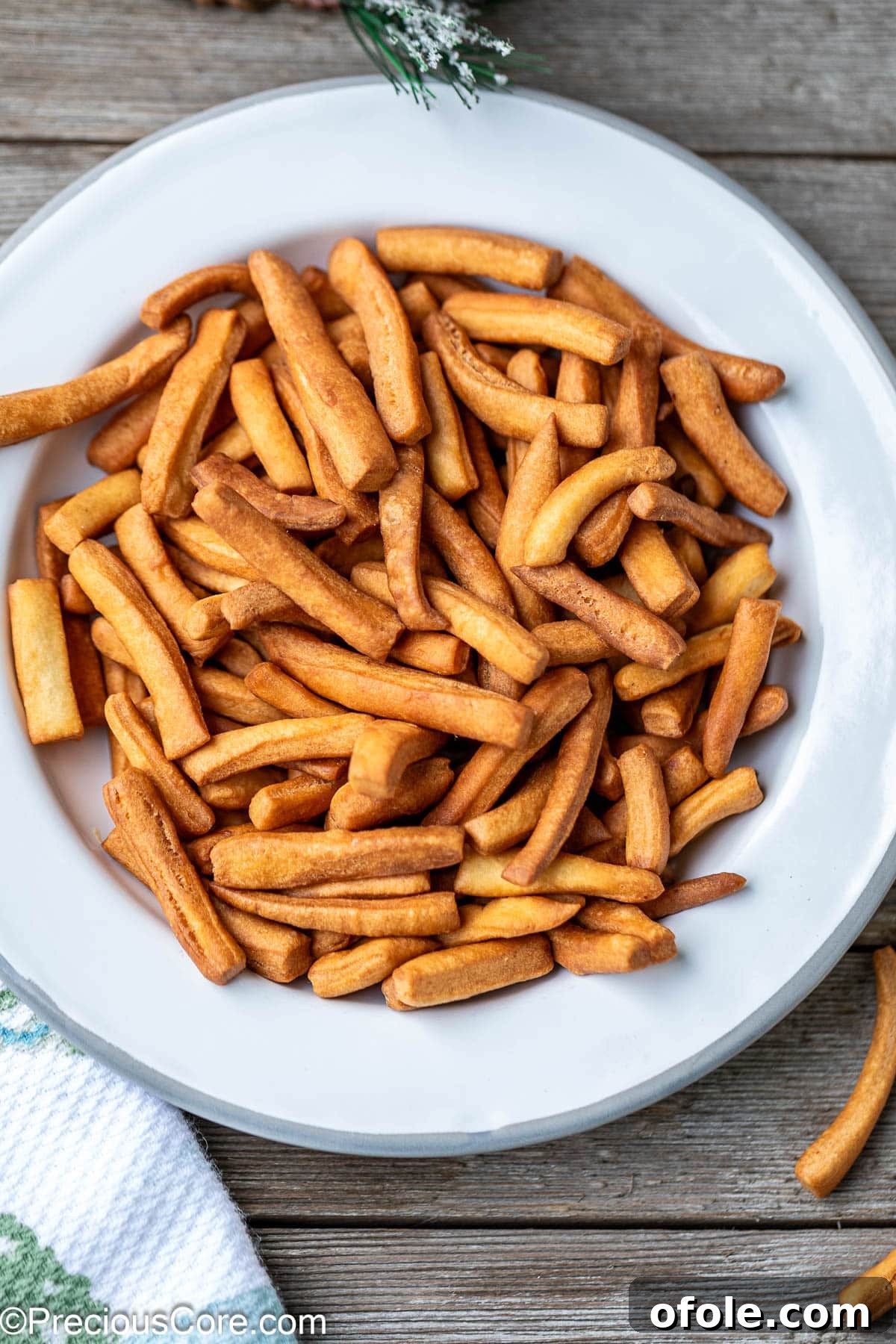
Please note: The use of a macro camera lens for some images might make the Chin Chin appear larger than its actual size. Rest assured, the recommended cutting sizes will result in perfectly portioned, bite-sized pieces.
Chin Chin Recipe: Step-By-Step Preparation Guide
Crafting delicious Chin Chin is a straightforward process that can be broken down into these four easy-to-follow steps:
- Prepare the Dough: In a spacious mixing bowl or the bowl of your stand mixer, combine all the dry ingredients first. Then, gradually add the wet ingredients and mix thoroughly until a cohesive and pliable dough forms. Knead the dough until it is smooth and elastic.
- Roll and Cut the Dough: Divide your prepared dough into manageable portions. On a lightly floured surface, roll out each portion thinly, aiming for an even 1/8 inch thickness. This is crucial for achieving the perfect crunch. Once rolled, use a sharp knife, a pizza cutter, or even a pasta machine to precisely cut the dough into your desired shapes – be it classic squares or elegant thin strips. Arrange the cut dough pieces on a baking sheet lined with parchment paper, ensuring they don’t stick together.
- Deep Fry in Hot Oil: Heat your neutral oil in a heavy-bottomed pot (a cast iron pot works wonderfully for even heat distribution) to the ideal frying temperature. It’s important that the oil is hot enough to cook the Chin Chin through, but not so scorching that it browns too rapidly on the outside while remaining undercooked inside.
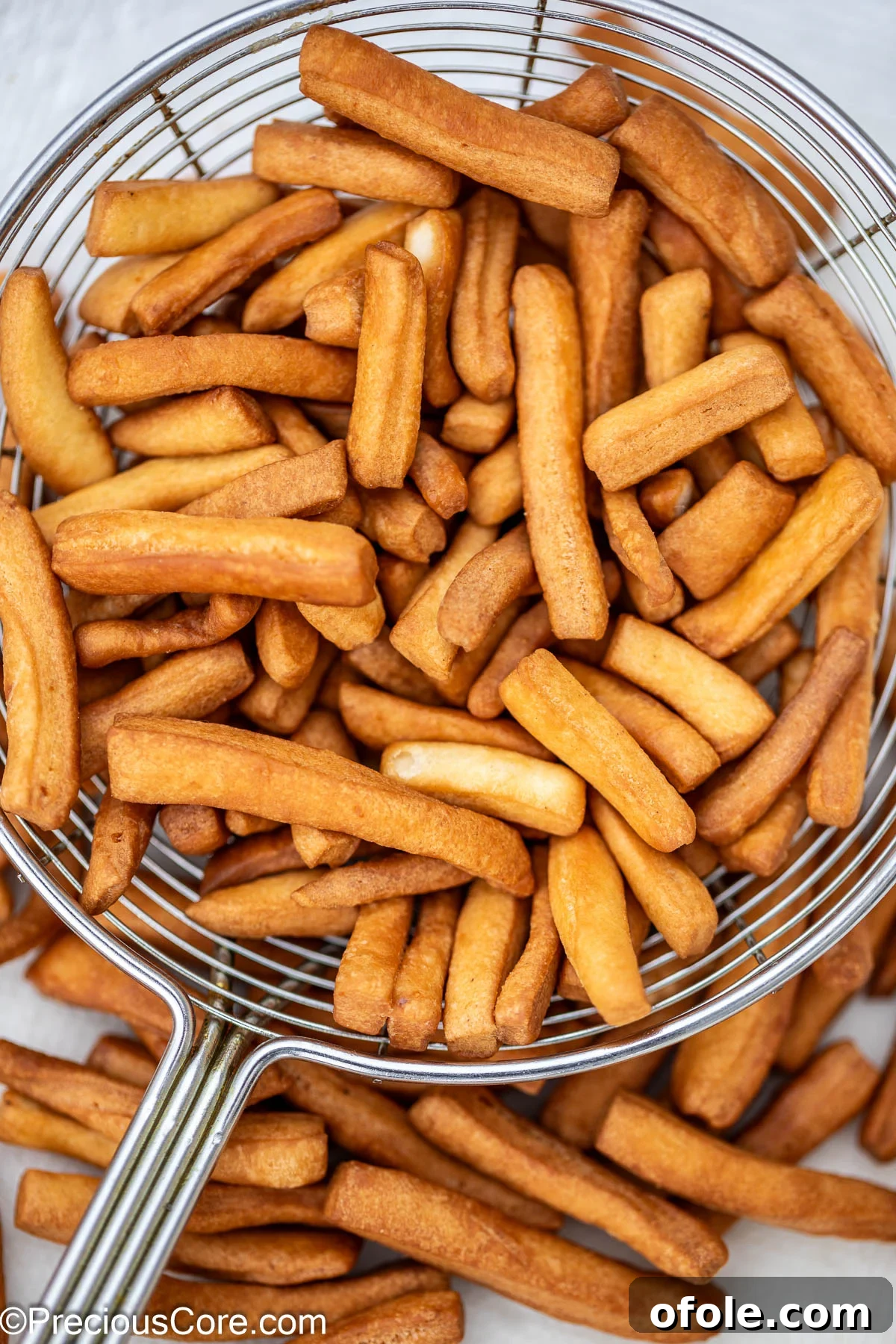
- Fry Until Golden Brown: Carefully place small batches of the cut Chin Chin into the hot oil. Avoid overcrowding the pan, as this can lower the oil temperature and lead to greasy, soft Chin Chin. Fry, stirring occasionally to ensure even cooking and browning, until each piece achieves a beautiful golden-brown hue. Once fried to perfection, remove the Chin Chin with a slotted spoon and transfer it to a plate lined with paper towels to absorb any excess oil.
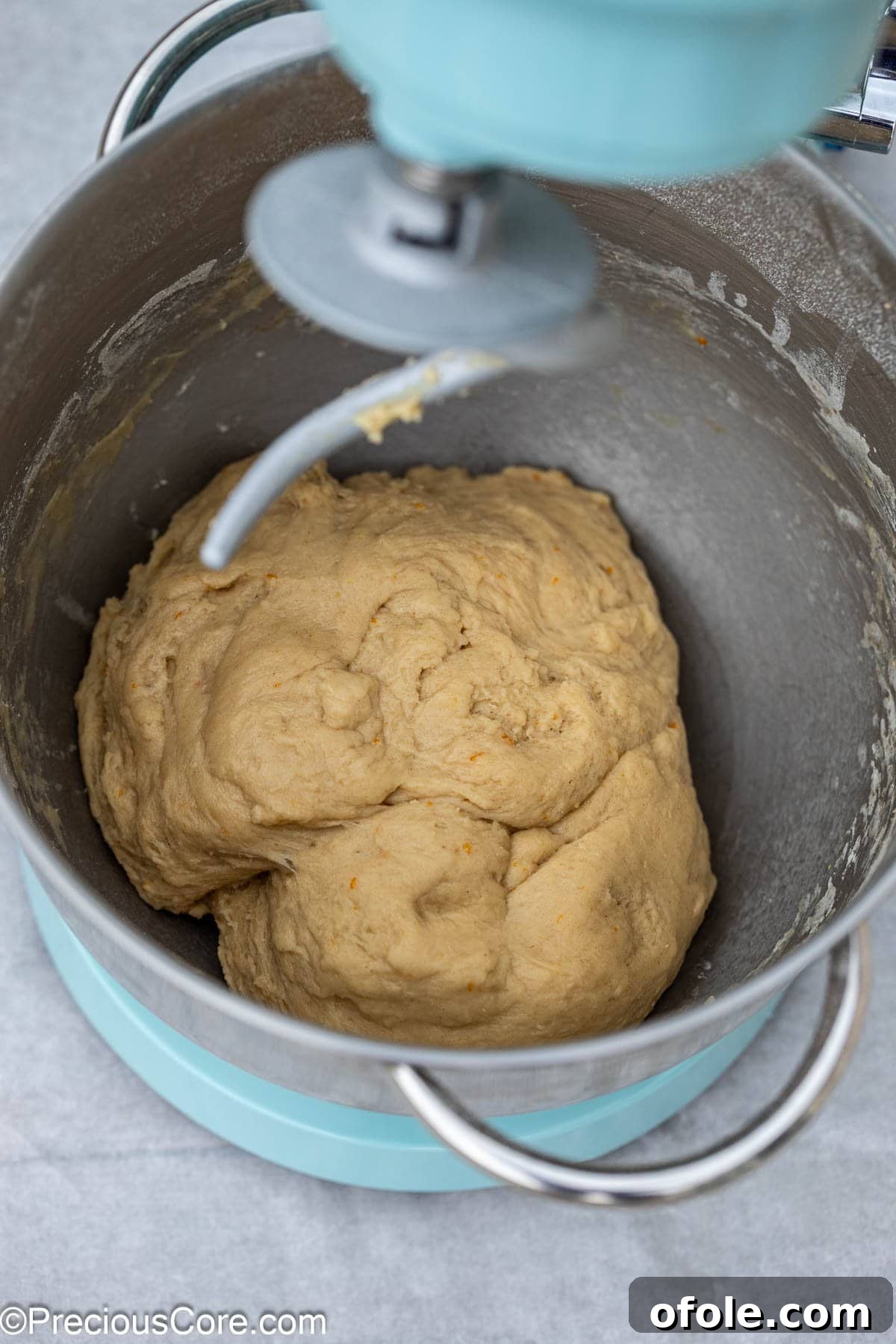
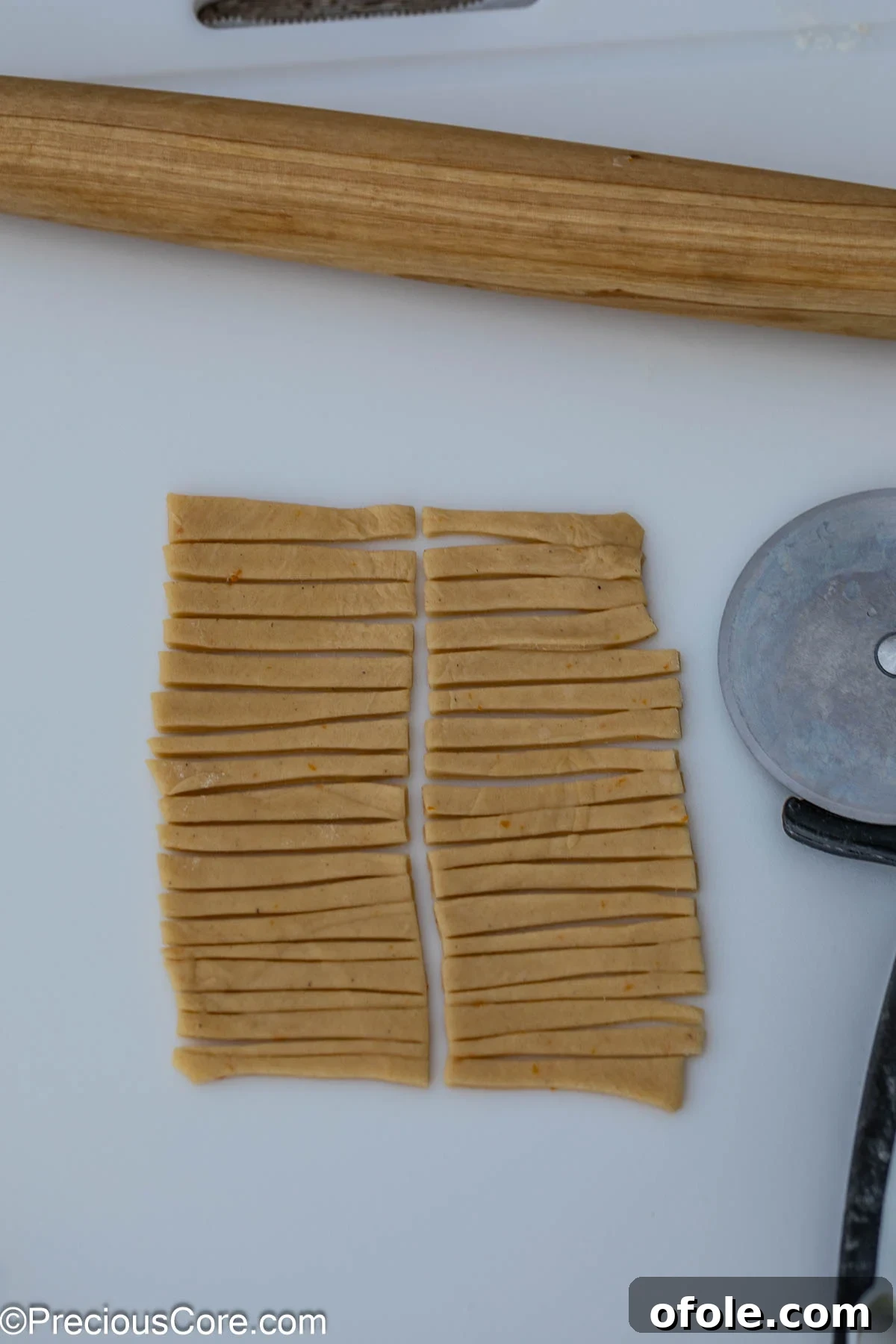
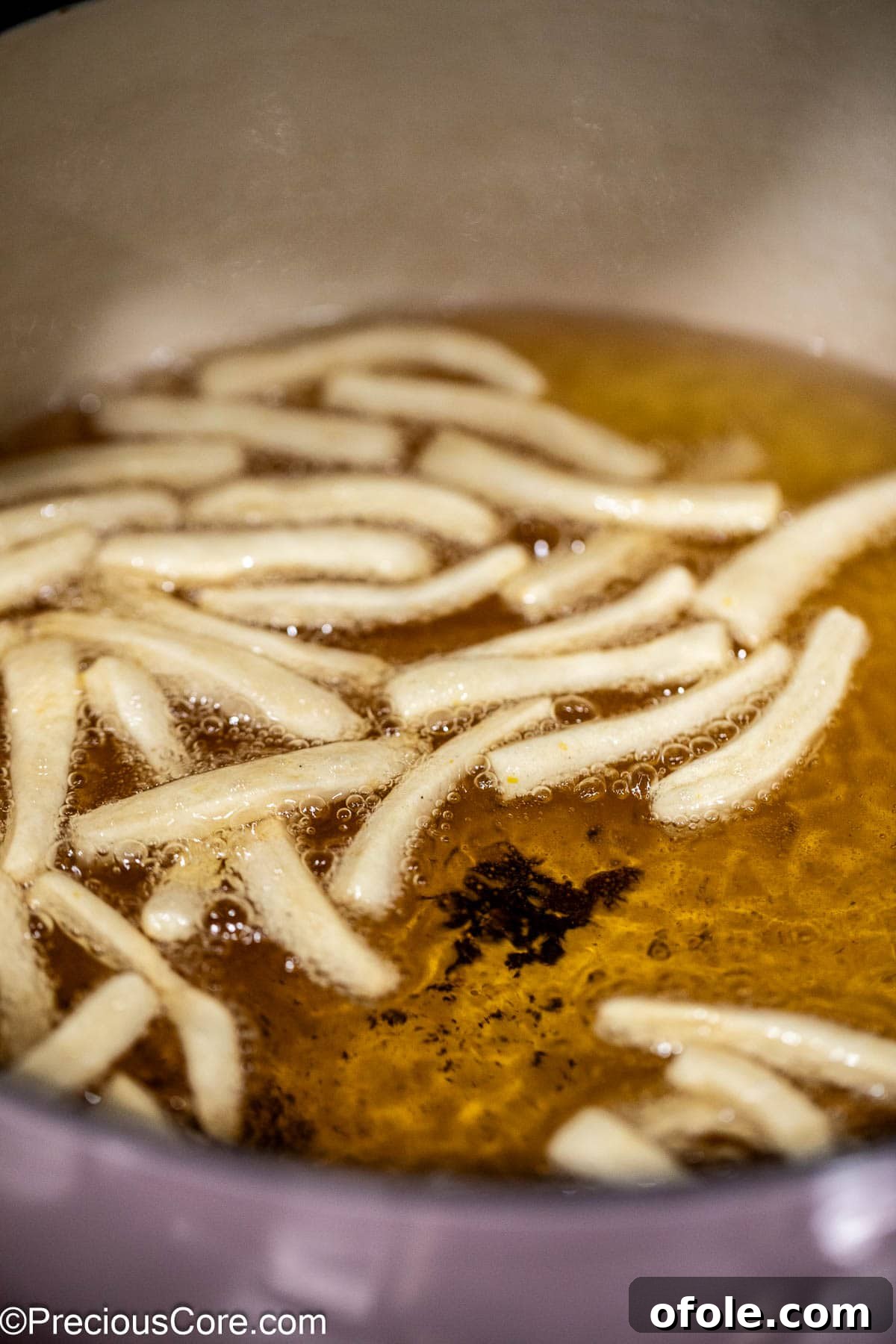
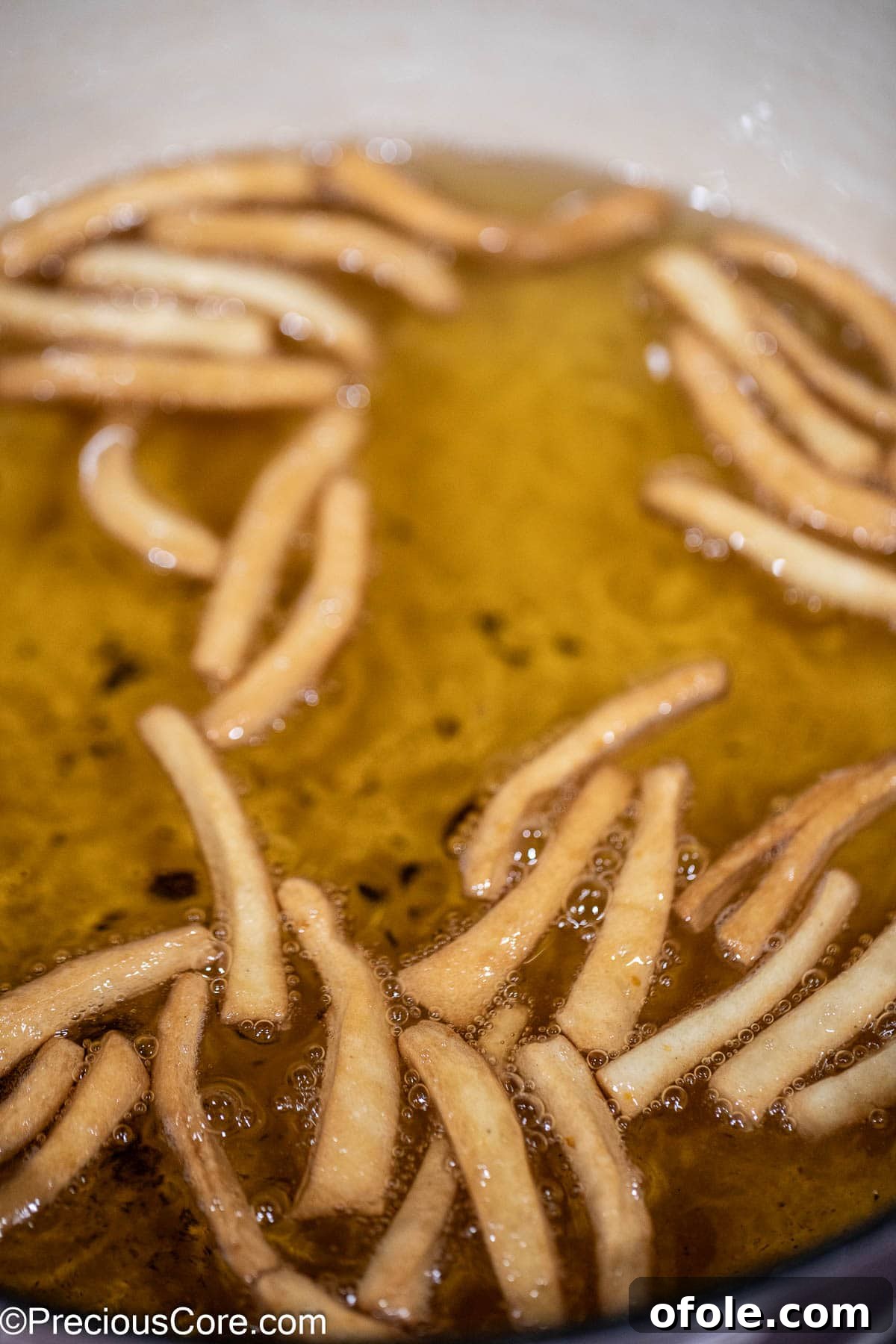
A Golden Rule for Crunch: Always allow your Chin Chin to cool down completely before you taste it for crunchiness. When still hot, Chin Chin will be softer and not have developed its full crispy texture. Patience is key for that perfect snap!
Exciting Chin Chin Flavor Variations
While the classic Chin Chin is undeniably delicious, don’t hesitate to get creative and experiment with these delightful variations to suit your taste:
- Cinnamon Chin Chin: For a warm, comforting twist, simply incorporate 1-2 teaspoons of ground cinnamon powder into your dry dough ingredients. This adds a sweet, spicy aroma that’s particularly lovely during colder months or for festive occasions.
- Coconut Chin Chin: Infuse your Chin Chin with a tropical essence! Replace the evaporated milk with an equal amount of full-fat coconut milk for a richer, creamier texture and distinct coconut flavor. For an extra boost, add a teaspoon of pure coconut extract to the dough mixture.
- Savory Chin Chin: Who says Chin Chin always has to be sweet? For a delightful savory snack, omit the granulated sugar entirely. Instead, add a generous teaspoon each of garlic powder and onion powder, along with a pinch of chili powder or cayenne pepper for a subtle kick. This version is fantastic on its own or served with a dipping sauce.
- Lemon Zest Chin Chin: If you love bright, tangy flavors, swap the orange zest for lemon zest. The refreshing citrus notes of lemon will add a zesty twist that beautifully complements the sweetness of the Chin Chin.
- Cardamom Chin Chin: For an exotic, aromatic flavor, consider adding half a teaspoon of ground cardamom to your dry ingredients. Cardamom offers a unique, slightly floral and citrusy note that is incredibly captivating.
Watch How To Make Chin Chin (Video Tutorial)
For more amazing recipes and cooking tips, make sure to subscribe to my channel!
Subscribe Now
Frequently Asked Questions About Chin Chin
Oil foaming is a common issue, but easily preventable. The primary cause of excessive foaming is overcrowding the frying pan. Always ensure you are frying only a small quantity of Chin Chin at once, allowing ample space for movement. Also, make sure your oil is heated to the correct temperature. If the oil isn’t hot enough, the Chin Chin will sit in the oil longer, releasing more moisture and causing foaming. Avoid the temptation to dump a large quantity of Chin Chin into the pan simultaneously. Through years of making Chin Chin, I’ve found that frying in manageable batches is key to preventing foaming and achieving perfectly crisp results.
The secret to Chin Chin that is both soft (easy to chew) and perfectly crunchy lies in the precise ratio of ingredients and proper frying technique. An overly hard Chin Chin usually means too much flour or not enough liquid/fat, while a soft, chewy one might be undercooked. It is absolutely essential to follow the recipe as written, paying close attention to measurements. Do not eyeball the ingredients; exact proportions ensure the ideal texture where the Chin Chin is crisp when cooled but doesn’t feel like a jawbreaker. Also, ensure the dough is rolled thin enough and fried until thoroughly golden brown.
Yes, you can certainly bake Chin Chin as a healthier alternative to deep frying. To ensure a pleasant texture that doesn’t become too hard or dry in the oven, I highly recommend increasing the amount of margarine or softened butter in the dough recipe. This added fat content will help keep the baked Chin Chin tender on the inside while still achieving a nice crispness. Bake until golden brown and firm, flipping halfway through for even cooking.
Once your Chin Chin has cooled completely to room temperature, store it in an airtight container. A cookie jar, plastic container with a tight lid, or even a heavy-duty resealable bag works perfectly. Stored properly, Chin Chin can remain fresh and crunchy for up to a month, making it an excellent make-ahead snack for entertaining or simply enjoying over time.
For frying Chin Chin, a neutral-flavored oil with a high smoke point is ideal. Canola oil, vegetable oil, sunflower oil, or corn oil are all excellent choices. These oils won’t impart any unwanted flavors to your Chin Chin and can withstand the heat required for deep frying without breaking down too quickly.
Expert Tips for Perfect Chin Chin
Achieving consistently perfect Chin Chin is easier with these valuable insights from my years of experience:
- Dough Consistency is Key: The ideal Chin Chin dough should be firm yet pliable. When gently pressed with a finger, it should spring back slightly. A sticky or overly soft dough will be difficult to roll and cut, while a too-stiff dough will result in hard Chin Chin. Adjust with a tiny bit more flour if too sticky, or a splash of milk if too dry.
- Thinness Matters for Crunch: For truly crunchy Chin Chin, ensure you roll the dough out to an even 1/8 inch (or about 3mm) thickness. If the Chin Chin remains soft after frying and cooling, it’s likely that it wasn’t fried long enough, or the dough was cut too thick. Thinner pieces crisp up beautifully.
- Even Browning: To promote uniform browning and ensure every piece is cooked to perfection, gently stir the Chin Chin as it fries in the oil. This prevents some pieces from burning while others remain undercooked.
- Enhance Flavor with Milk Powder: For an exceptionally rich and milky flavor profile, consider adding 1-2 tablespoons of whole powdered milk (full-cream milk powder) to your dry ingredients. This enhances the depth of flavor significantly.
- Effortless Shaping Alternative: If rolling and cutting shapes feels daunting, don’t worry! You can easily use your hands to form small, peanut-sized balls from the dough and deep fry them. This is a quicker method and results in delicious, irregularly shaped Chin Chin.
- Butter vs. Margarine: For the richest, most luxurious flavor, opt for good-quality softened salted butter instead of margarine. Butter provides a depth of flavor that margarine cannot quite replicate. Brands like Kerrygold are excellent choices for their rich, creamy taste.
- Make Ahead Option: Planning is easy with Chin Chin! You can prepare the dough in advance, wrap it tightly in plastic wrap, and refrigerate it overnight. When you’re ready to fry, simply bring the dough to room temperature for about 30 minutes before proceeding with rolling, cutting, and frying. This flexibility makes Chin Chin great for entertaining.
- Oil Temperature Control: Maintaining the correct oil temperature is vital. Use a kitchen thermometer if possible, aiming for around 325-350°F (160-175°C). If the oil is too hot, the Chin Chin will brown quickly but remain raw inside. If it’s too cool, the Chin Chin will absorb too much oil and become greasy.
More Delicious African Snack Recipes To Try
How To Make Puff Puff
Mandazi – East African Doughnuts
Vitumbua – East African Coconut Rice Pancakes
Cameroon Doughnuts Recipe
This recipe was originally published on April 21st, 2017. It was subsequently updated on December 13, 2019, with additional pictures and refined instructions. This current version has been meticulously tweaked to yield an even better dough consistency, with portions rewritten for enhanced clarity, and the entire post refreshed with brand new photos and expert tips to ensure your utmost success.
If you try this delightful Chin Chin recipe, please remember to leave a star rating below. Your feedback and rating not only help others discover this amazing recipe but also mean the world to me! Thank you for your support and happy cooking!
How To Make Chin Chin
Rate This Recipe
Print Recipe
Ingredients
- 5 cups all-purpose flour
- ½ cup granulated sugar
- 1 teaspoon baking powder
- 1 teaspoon salt
- ½ teaspoon ground nutmeg
- 1 teaspoon orange zest from one orange
- 1 cup evaporated milk (unsweetened)
- ½ cup margarine or softened salted butter, at room temperature
- 2 large eggs (room temperature)
- Neutral oil for frying (I used canola oil. Vegetable oil is also suitable)
Instructions
-
In a large mixing bowl or the bowl of a stand mixer fitted with a dough hook, whisk together the all-purpose flour, granulated sugar, baking powder, salt, freshly grated nutmeg, and orange zest until well combined. In a separate bowl, whisk together the evaporated milk, softened margarine (or butter), and eggs. Gradually add the wet ingredients to the dry ingredients, mixing on low speed or kneading by hand until a smooth, firm, and elastic dough forms. Avoid over-kneading.
-
Divide the dough into smaller, workable portions (about the size of a golf ball). On a lightly floured surface, roll out each portion thinly to an even thickness of approximately 1/8 inch (3mm). Using a sharp knife, a pizza cutter, or a pasta machine, cut the rolled dough into your desired shapes – small squares, thin strips, or even diamonds. Place the cut dough pieces onto a baking sheet or tray lined with parchment paper, ensuring they do not overlap to prevent sticking.
-
Pour neutral oil into a heavy-bottomed pot, such as a cast iron pot, filling it to about 3-4 inches deep. Heat the oil over medium-high heat until it reaches around 325-350°F (160-175°C). Test the oil with a small piece of dough; it should sizzle and float to the surface immediately. Once hot, reduce the heat to medium. Carefully add small batches of Chin Chin to the hot oil, being careful not to overcrowd the pan. Overcrowding can lower the oil temperature, leading to greasy Chin Chin or causing the oil to foam excessively.
-
Fry each batch, stirring occasionally with a slotted spoon to ensure even browning, until the Chin Chin turns a beautiful golden brown color and is crisp. This typically takes 3-5 minutes per batch, depending on thickness and oil temperature. Once cooked, remove the Chin Chin from the oil using a slotted spoon and transfer it to a plate lined with paper towels to drain any excess oil. Allow the Chin Chin to cool completely at room temperature; it will crisp up further as it cools. Store cooled Chin Chin in an airtight container for up to a month. Enjoy this delightful snack with juice, milk, coffee, or your favorite beverage!
Video Tutorial
Recipe Notes
1. It is crucial not to overcrowd the pan when frying Chin Chin. This can cause the oil temperature to drop significantly, leading to soggy, oil-soaked Chin Chin and may even cause the oil to foam up and overflow. Always fry in small, manageable batches for the best results.
2. If evaporated milk is not readily available, you can substitute it with an equal amount of whole milk or even half-and-half for a slightly richer texture.
3. This recipe has undergone several refinements over the years to ensure optimal results. The dough formulation has been improved for better texture, instructions have been clarified, and the entire presentation updated with fresh visuals to enhance your cooking experience.
4. For a slight variation in texture, you can experiment with the thickness of your rolled dough. Thicker Chin Chin will be a bit chewier, while thinner pieces will be exceptionally crispy. Adjust to your preference!
Nutrition Information (Approximate Per Serving)
Additional Information