
From Barren Branches to Budding Hope: How New Life Springs from Dead Situations
Do not remember the former things,
Nor consider the things of old.
Behold, I will do a new thing,
Now it shall spring forth;
Shall you not know it?
I will even make a road in the wilderness
And rivers in the desert.Isaiah 43:18-19
Life has an uncanny way of throwing us into periods that feel utterly stagnant, barren, or even completely dead. Whether it’s a career path that has lost its vitality, a relationship that seems beyond repair, or personal dreams that have withered, we often find ourselves facing circumstances that appear to have no hope of revival. Yet, just as the ancient prophet Isaiah declared a profound promise of newness, sometimes the most unexpected transformations begin in the most desolate places. This profound truth was brought home to me through an extraordinary, personal experience right in my own backyard.
The Unlikely Gardener: A Lesson in Resurrection
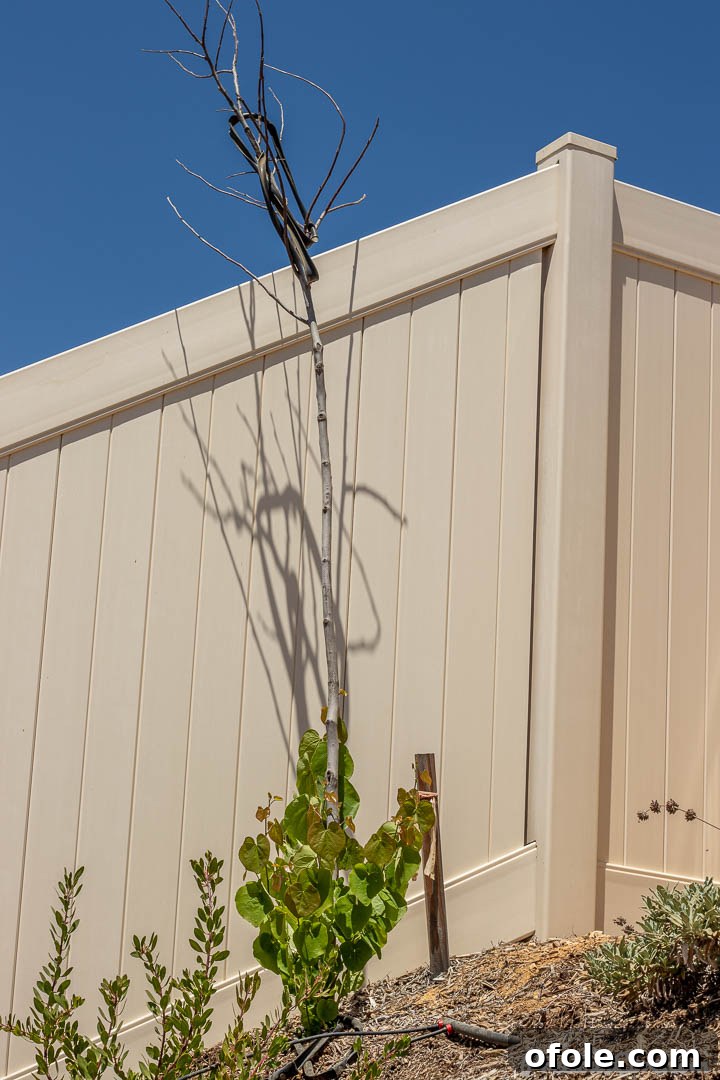
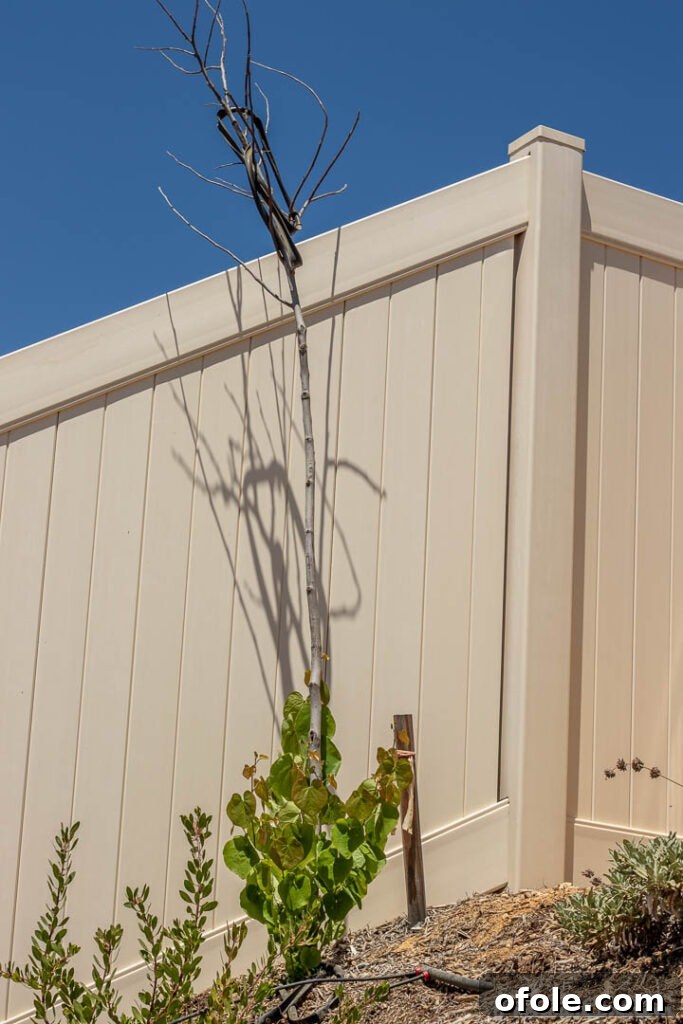
Some months ago, I witnessed a scene unfold in my backyard that initially left me questioning my husband’s sanity. Our garden had recently undergone some landscaping work, and in the process, a small tree had been uprooted. It lay there, exposed to the elements, its delicate root system severed from the nourishing earth. Day after day, I watched as its once vibrant leaves shriveled, turning brittle and brown. The trunk, once supple, hardened into a dry, lifeless husk. By all appearances, it was a dead tree, destined for the compost pile or the curb.
Naturally, I assumed we would dispose of it. Its presence seemed to mock the very idea of growth and life in our burgeoning garden. However, my husband, with a quiet determination I’ve come to recognize and admire, had an entirely different vision. He saw not an end, but a potential beginning.
One sunny afternoon, I observed him meticulously digging a new hole in the ground. He didn’t just dig; he enriched the soil, adding generous amounts of compost, a rich blend of organic matter designed to breathe life into barren earth. Then, with a gentle yet firm resolve, he took that very tree—that undeniably dead tree—and carefully placed it into the manured ground. It looked stark, a skeletal structure against the backdrop of flourishing greenery. To complete his unconventional gardening project, he also connected an intricate irrigation system, programming it to deliver precise amounts of water to the tree automatically at predetermined intervals.
As I watched this unusual display of hope and labor, a hundred questions buzzed in my mind. Why invest so much effort into something so clearly beyond revival? Was he simply unwilling to let go, or did he see something I couldn’t? Despite my curiosity, a quiet instinct urged me to hold my tongue. Perhaps, I thought, there was a deeper wisdom at play that my pragmatic mind couldn’t yet grasp.
Weeks of Waiting: The Test of Patience and Perseverance
The days turned into weeks, and the weeks into a quiet month. Each morning, I would glance at the transplanted tree, half-expecting a miracle, yet always met with the same unchanging reality. It remained precisely as it had been the day it was replanted: dry, stark, and utterly devoid of any visible sign of life. The automated irrigation system diligently performed its task, delivering water, but the tree offered no reciprocal sign of awakening. My initial skepticism slowly solidified, threatening to overshadow any lingering hope. It seemed to be a testament to the futility of trying to force life where it had clearly departed.
Friends and neighbors, observing the seemingly fruitless endeavor, would offer kind, albeit sometimes bewildered, glances. It was a silent conversation about the fine line between persistence and stubbornness. Yet, my husband remained steadfast, his belief unwavering, his actions a silent sermon on the power of continued care and patience.
A Glimmer of Green: The Miracle Unfolds
Then, one day, as I casually surveyed the garden, something caught my eye. It was subtle, almost imperceptible at first, a faint speck of verdant green amidst the barren brown. I leaned closer, my heart quickening with a surge of disbelief and wonder. There, emerging from a seemingly dead branch, was a tiny, vibrant sprout. It was undeniably alive, a tender shoot pushing its way through the old, dry bark. And it wasn’t just a single sprout; as I looked closer, I noticed more, tiny buds swelling with promise, ready to unfurl into lush, green leaves.
I was not merely amazed; I was deeply moved. The sight of that tenacious new life erupting from what had been unequivocally dead was a profound moment of revelation. It wasn’t just a plant growing; it was a powerful, living metaphor unfolding before my very eyes. The seemingly impossible had happened, not through magic, but through consistent nourishment, unwavering care, and immense patience.
Profound Lessons from a “Dead” Tree: Embracing Renewal
This experience served as a potent reminder of an invaluable truth: new life can, and often does, grow out of seemingly dead situations. This isn’t just about horticulture; it’s a universal principle applicable to every facet of our existence. No matter how bleak, how stagnant, or how utterly hopeless a situation may appear, it possesses the potential for revival. The key lies in providing the right nourishment, offering tender loving care, and exercising unwavering patience.
What does “nourishment,” “tender loving care,” and “patience” look like in the context of human experience? For the tree, it was compost and water. For us, these elements translate into deliberate actions, a shift in perspective, and a commitment to enduring the waiting period.
- Nourishment might mean acquiring new knowledge, seeking wise counsel, engaging in self-care, or feeding our minds with positive influences.
- Tender Loving Care involves consistent effort, forgiveness (of ourselves and others), intentional communication, and fostering environments that promote growth.
- Patience is the steadfast belief that transformation takes time, resisting the urge to give up when immediate results aren’t visible, and trusting in the process of renewal.
Reviving Every Aspect of Life: A Blueprint for Resurrection
The principle of new life emerging from dead places is not confined to our backyards; it’s a powerful blueprint for resurrection across all domains of our lives.
Relationships and Marriage
A marriage or a significant relationship can sometimes feel like a dry, withered tree. Communication breaks down, passion wanes, and unresolved conflicts create emotional distance. Yet, just as the tree received nourishment, a struggling relationship can be revived through intentional effort. This involves consistent, empathetic communication, actively listening, extending forgiveness, spending quality time together, and rekindling shared dreams. It requires both partners to commit to nurturing the connection, even when it feels challenging, trusting that with tender care and patience, new intimacy and joy can blossom from the ashes of past hurts.
Career and Ambition
Have you ever felt your career path become a dead-end street, your ambitions wilting under the weight of monotony or unfulfilled potential? Many professionals experience periods of stagnation, where their work feels lifeless and uninspiring. However, this “dead” phase can be a powerful catalyst for reinvention. Nourishment here might involve learning new skills, seeking mentorship, networking with new people, or even taking a calculated risk to pivot into a new field. Tender loving care means nurturing your professional growth, celebrating small victories, and not being afraid to redefine success. Patience is crucial as you build new foundations and wait for opportunities to align, knowing that a vibrant, fulfilling career can emerge from apparent professional dormancy.
Personal Growth and Habits
Perhaps it’s a personal habit you’ve struggled to change, or a long-held dream that has faded into oblivion. Our personal lives can also experience periods of dryness, where we feel stuck, uninspired, or unable to break free from negative patterns. This is where the lesson of the dead tree becomes deeply personal. Nourishment could mean committing to self-reflection, setting clear goals, seeking therapy or coaching, or engaging in practices that uplift your spirit. Tender loving care involves self-compassion, celebrating small improvements, and consistently showing up for yourself. Patience is essential, as ingrained habits and beliefs take time and consistent effort to transform, but the potential for a renewed, more vibrant you is always present.
Spiritual Journey
For many, faith is a vital aspect of life, yet even our spiritual journeys can feel barren at times. Doubts may creep in, prayer can feel dry, and a sense of disconnection from the divine can take root. The principle of new life is profoundly spiritual. Nourishment comes from delving into sacred texts, engaging in consistent prayer, finding supportive community, and seeking spiritual guidance. Tender loving care means approaching our faith with an open heart, practicing forgiveness, and allowing ourselves to be vulnerable. Patience is key, as spiritual growth is often a gradual process, full of seasons of plenty and seasons of famine. Trusting that God is at work even when we can’t perceive it allows new dimensions of faith and connection to emerge.
The Divine Architect of Renewal: Trusting God’s Transformative Power
Beyond our human efforts, there is a profound spiritual dimension to this concept of renewal. The God described in scripture is not merely a creator but a relentless restorer, a divine architect of new beginnings. The prophet Ezekiel’s vision of the valley of dry bones (Ezekiel 37:1-14) powerfully illustrates this. God asks Ezekiel, “Son of man, can these bones live?” To the human eye, the answer is a resounding “No.” They were “very dry,” utterly without life. Yet, through God’s command, bones came together, tendons and flesh appeared, and breath entered them, transforming a valley of death into a vast army of living beings. This vivid account reminds us that what seems utterly impossible to us is entirely within the realm of God’s power.
When we face situations that appear dead, it’s an invitation to trust in God’s capacity to do “a new thing.” His timing is perfect, even when it tests our patience. His methods are often unexpected, defying human logic, much like planting a dead tree. By reading and applying God’s word, which serves as our spiritual nourishment, and by exercising unwavering patience while trusting in His divine timing, we open ourselves to the newness of life that God alone can bring forth from any circumstance. He is the God who brings dried bones back to life, who carves roads in the wilderness and rivers in the desert. His promise is not just a hope; it is a profound reality.
Embracing the Promise of New Beginnings
So, where do you need new life today? Is it in your daily routines that have become monotonous? Is it in your approach to parenting, where challenges seem overwhelming? Is it in how you spend your precious time, feeling unproductive or unfulfilled? Perhaps it’s in a long-dormant creative pursuit, a fractured family relationship, or even a deep-seated belief about yourself that limits your potential.
I, for one, recognize the need for new life in numerous areas of my own existence. And I am continually encouraged by the profound lesson of that dead tree. No matter how hopeless a situation may seem, I have the power to choose to see it differently. I can choose to perceive it not as a dead end, but as a fertile ground—an opportunity for something entirely new to spring forth. It requires faith, it requires consistent effort, and it demands patience, but the potential for renewal is always there, waiting to be nurtured.
Let us approach our “dead” situations not with despair, but with the conviction that with intentional nourishment, tender loving care, and unwavering trust in God’s transformative power, new life will inevitably grow. Just as the prophet declared, God is always doing a new thing, even in the most unlikely places.
This is what God says,
the God who builds a road right through the ocean,
who carves a path through pounding waves,
The God who summons horses and chariots and armies—
they lie down and then can’t get up;
they’re snuffed out like so many candles:
“Forget about what’s happened;
don’t keep going over old history.
Be alert, be present. I’m about to do something brand-new.
It’s bursting out! Don’t you see it?
There it is! I’m making a road through the desert,
rivers in the badlands.
Wild animals will say ‘Thank you!’
—the coyotes and the buzzards—
Because I provided water in the desert,
rivers through the sun-baked earth,
Drinking water for the people I chose,
the people I made especially for myself,
a people custom-made to praise me.Isaiah 43:16-21, MSG