
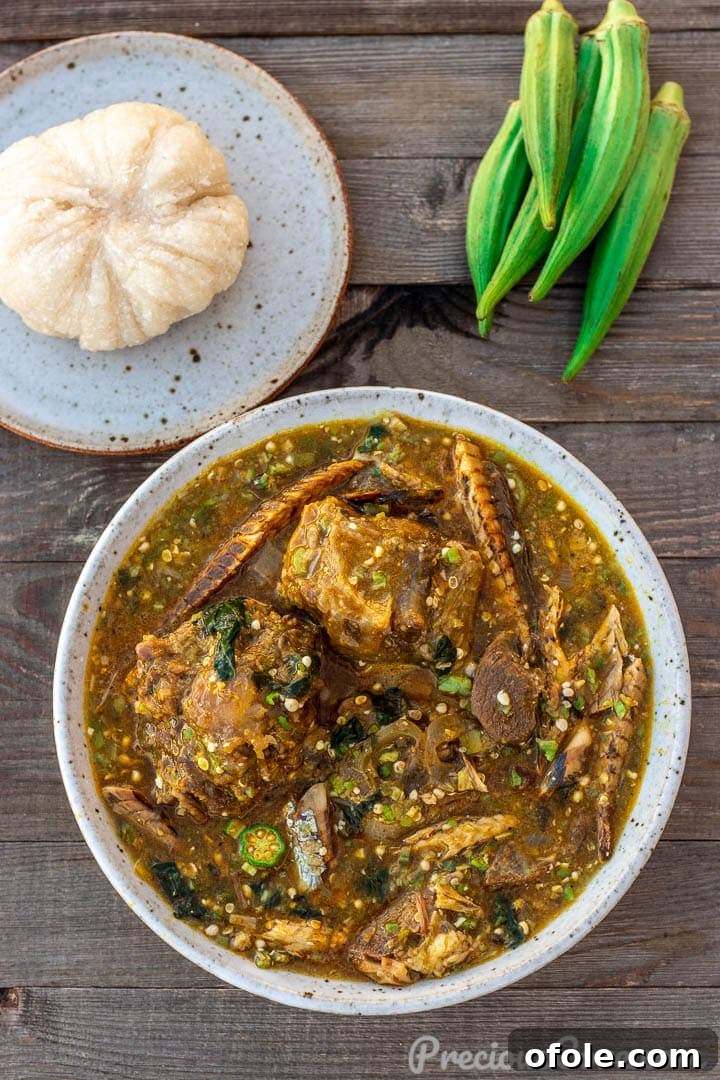
Authentic African Okra Soup: A Wholesome & Flavorful Culinary Journey
Embark on a delightful culinary adventure with this authentic African Okra Soup, a dish that stands as a true staple across West and Central African countries. Renowned for its hearty nature, vibrant flavors, and exceptional nutritional value, this soup is a nourishing meal that promises to tantalize your taste buds. It pairs exquisitely with traditional African swallow foods such as fufu of any kind or garri, offering a truly immersive experience into the heart of African cuisine.
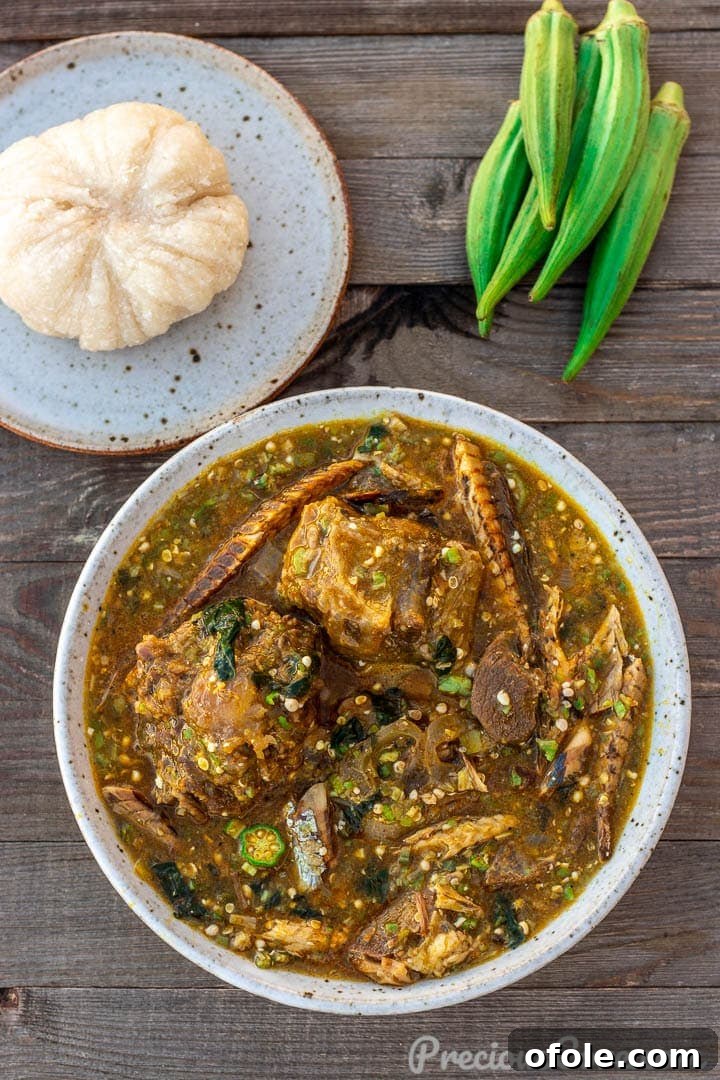
The Rich Heritage of Okra Soup in African Cuisine
Okra soup, often served with a mound of fufu, is more than just a meal; it’s a cultural cornerstone enjoyed by millions across diverse African nations. Its presence stretches from the bustling markets of Nigeria to the serene villages of Cameroon, and many places in between. In several French-speaking African countries, this beloved dish is affectionately known as “gumbo,” a term that highlights its historical and culinary connections.
The culinary parallels between African Okra Soup and the famous American Gumbo are striking and rooted in a shared history. Historians suggest that American Gumbo likely originated from the culinary traditions brought by enslaved people from West Africa. Both dishes share a foundational ingredient in okra – a vegetable integral to their unique textures and flavors – though modern American Gumbo sometimes features other thickeners, occasionally omitting okra. Beyond okra, another significant similarity lies in the diverse array of proteins used. African Okra Soup often incorporates a rich medley of beef, goat meat, various types of fish (smoked, dried, or fresh), and other game meats, each contributing its distinct character to the soup’s depth. American Gumbo, likewise, boasts a medley of sausage, chicken, shrimp, and other seafood, showcasing a parallel versatility in protein choices.
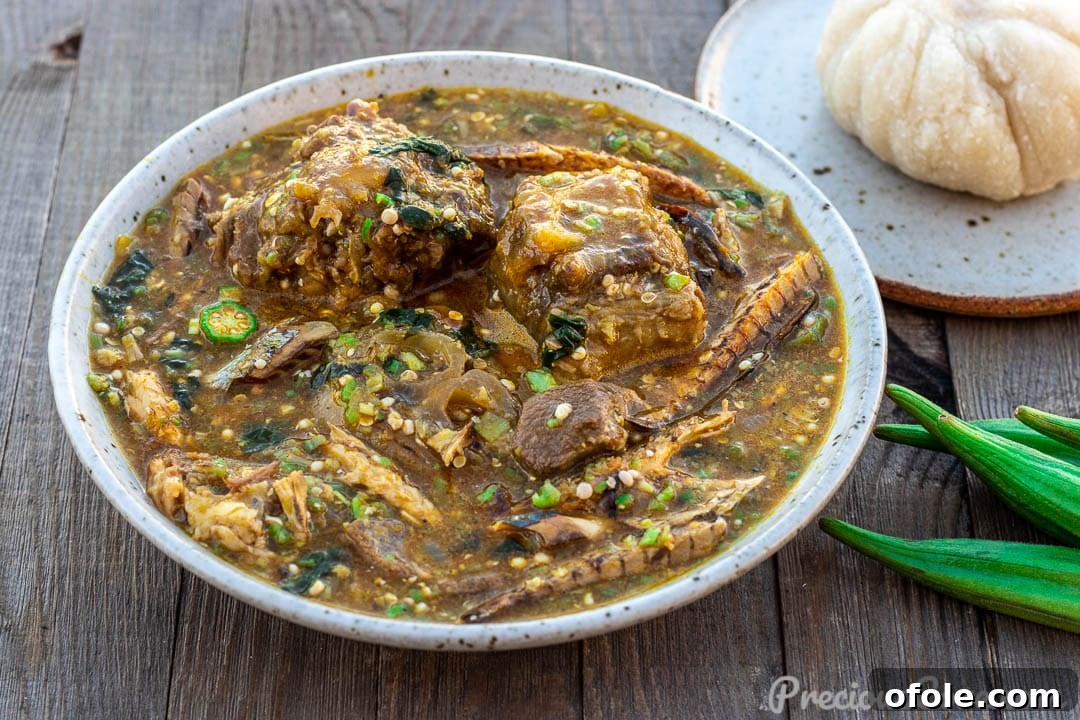
This culinary heritage underscores the profound impact of African traditions on global gastronomy. Today, we celebrate this legacy by focusing on a vibrant African Okra Soup, prepared with the freshest ingredients and infused with generations of flavor. Growing up in Cameroon, a country at the crossroads of West and Central Africa, this particular dish was a cherished part of my upbringing. It was a frequent feature on our family table, consistently paired with comforting swallows like garri, corn fufu, or cassava fufu.
While I sometimes enjoy variations such as okra soup with egusi or even a simple, plain version, the recipe we’re exploring today is a true indulgence. It’s brimming with a generous assortment of proteins, subtly colored and flavored by a touch of red palm oil, and elevated by the rich umami depth of ground crayfish. This combination creates a truly authentic and incredibly satisfying meal, a real treat for any occasion.
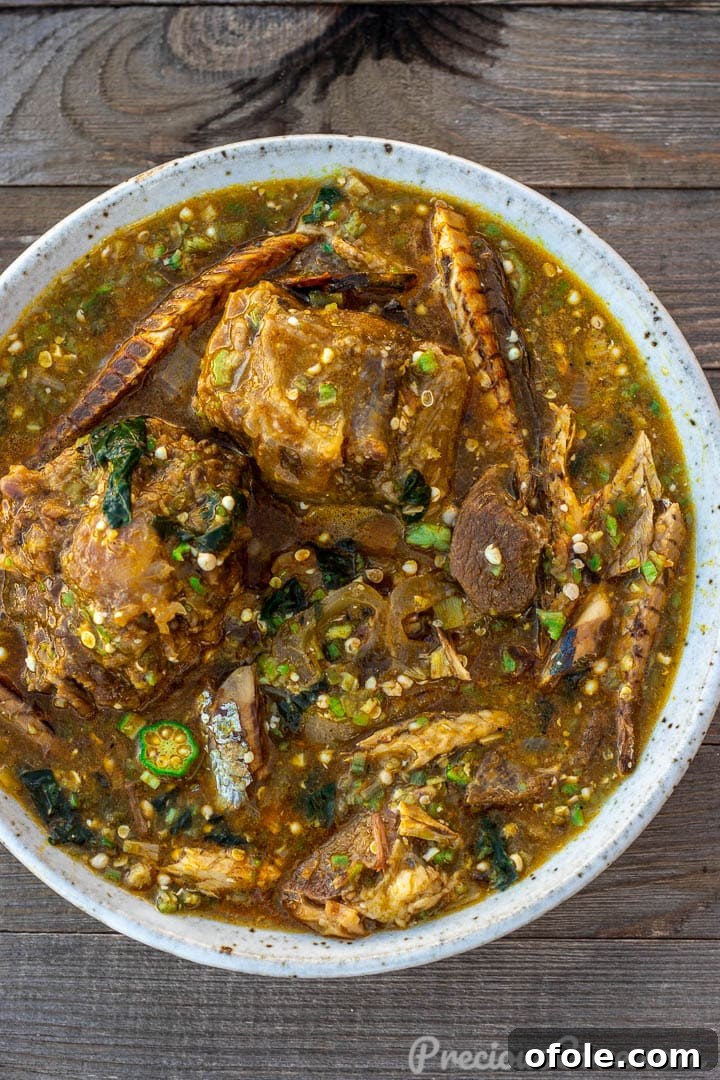
West African Okra Soup: An Exploration of Flavors
When you savor a bowl of this Okra Soup, you are tasting the very essence of West African culinary tradition. It’s important to note that while core ingredients and techniques remain consistent, every family and region often has its unique twist on this beloved dish. This regional diversity is what makes West African cooking so fascinating and rich.
Often pronounced “okro” soup in many parts of West Africa, this dish boasts numerous delightful variations. In recent years, a sumptuous seafood version has gained widespread popularity, incorporating prawns, crab, and other ocean delicacies to create an even richer flavor profile. For those new to the vibrant world of West African cooking, some ingredients like the distinctive red palm oil and savory ground crayfish might seem unfamiliar. However, these ingredients are readily available. A quick online search on platforms like Amazon will allow you to easily source these essential components, bringing the authentic taste of Africa right into your kitchen.
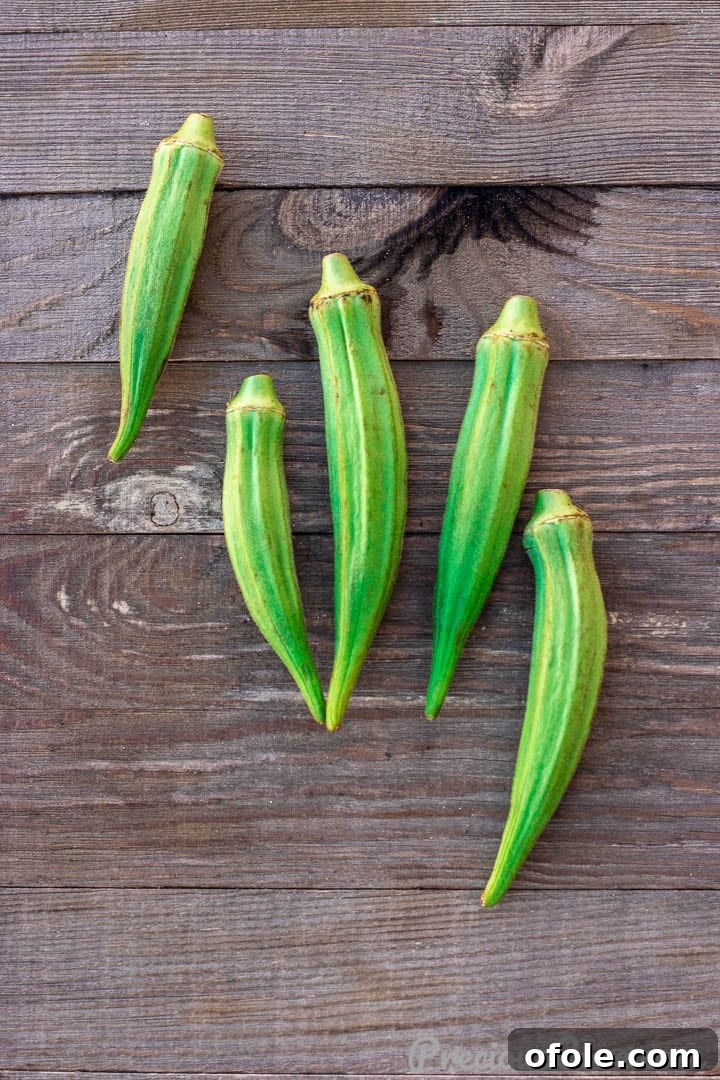
Unveiling the Stars: Key Ingredients for Perfect Okra Soup
The magic of African Okra Soup lies in the synergy of its carefully selected ingredients, each playing a vital role in creating its distinctive flavor and texture.
The Versatile Okra: A Nutritional Powerhouse
Okra, also known as lady’s finger, is the undisputed star of this soup. Its unique mucilaginous quality gives the soup its characteristic “draw” or slightly slimy texture, which is highly prized in African cuisine. Beyond its texture, okra is a nutritional powerhouse, rich in fiber, vitamins C and K, and antioxidants. Proper preparation of okra is key; whether finely chopped, coarsely blended, or a mix of both, it contributes to the soup’s body and flavor.
A Symphony of Proteins: The Heart of the Soup
African Okra Soup is celebrated for its rich protein content. The choice of meat varies widely and contributes significantly to the soup’s depth and savoriness. Common choices include:
- Beef: Cuts like oxtail, cow leg (foot cow), or beef tripe provide a robust flavor and tender texture after slow cooking.
- Goat Meat: A traditional favorite, offering a distinctive, rich taste.
- Smoked or Dried Fish: These add a deep, smoky, and salty umami flavor that is irreplaceable. Varieties like stockfish are also popular.
- Other Meats: Smoked turkey, smoked chicken, or even fresh fish with firm flesh can be used.
The combination of different meats and fish creates a complex flavor profile that evolves with every spoonful.
Red Palm Oil: Color, Flavor, and Cultural Significance
Red palm oil is not just an ingredient; it’s a cultural icon in West African cooking. Its vibrant reddish-orange hue gives the soup its characteristic color, while its rich, earthy flavor is fundamental to the soup’s authentic taste. It’s also a source of healthy fats and antioxidants, contributing to the meal’s nutritional value.
Crayfish: The Umami Secret
Ground crayfish, a type of dried shrimp, is a cornerstone of West African flavor. It’s a natural umami booster, providing an intense savory depth that elevates the entire dish. A little goes a long way in transforming the soup from good to extraordinary.
Fresh Leafy Greens: A Boost of Freshness
Adding fresh leafy greens not only enhances the nutritional content but also introduces a lovely contrast in texture and a touch of freshness. Popular choices include spinach, kale, or local African greens like fluted pumpkin leaves (known as “ugu” or “okongobong”). These greens wilt beautifully into the hot soup, complementing the other robust flavors.
Aromatic Enhancers: Building the Flavor Base
Simple yet powerful, ingredients like chopped onions and habanero peppers form the aromatic foundation. Onions are sautéed to create a sweet, savory base, while habanero peppers provide an optional kick of heat, allowing you to customize the spice level to your preference.
Mastering the Art of African Okra Soup: Step-by-Step Guide
Creating a truly authentic African Okra Soup is a rewarding experience. Follow these steps carefully to achieve a deeply flavorful and satisfying meal:
1. Boil the Meats: Thoroughly rinse your chosen meats (oxtail, goat meat, cow leg, etc.). Place them in a pot, add just enough water to cover, along with salt, chopped onions for flavor, and seasoning cubes (like Maggi). Cover and cook on high heat until the meats are exceptionally tender. For tougher cuts, consider boiling them first before adding quicker-cooking meats, or use a pressure cooker or Instant Pot to significantly reduce cooking time and ensure perfect tenderness.
2. Build the Flavor Base: Place a separate pot on high heat and pour in the red palm oil. Allow it to heat for 2-3 minutes until shimmering, then reduce the heat to medium-high. Add the chopped onions and sauté for about 1 minute, stirring occasionally, until fragrant and slightly softened. Immediately add the coarsely ground crayfish and stir for only a few seconds to release its intense aroma. Be careful not to let the crayfish burn; it releases its flavor quickly.
3. Combine and Simmer: Transfer the tender, cooked meats and their rich stock to the pot with the palm oil base. Bring the mixture to a gentle simmer, ensuring the meats are mostly submerged. If needed, spoon some liquid over any exposed pieces.
4. Add Smoked Fish and Peppers: Carefully add the deboned smoked or dried fish to the pot. Taste the soup and adjust the salt if necessary, then add the seasoning cubes. Remember that seasoning cubes are quite salty, so use them judiciously based on the saltiness of your meat stock. Allow everything to simmer together on medium heat for a few minutes, allowing the flavors to meld beautifully. Introduce whole habanero peppers to the pot at this stage. Adding them whole allows them to soften and infuse a mild heat, giving diners the option to press some pepper into their individual servings for an extra spicy kick. If you prefer the entire soup to be spicy, you can blend one habanero pepper with a little water and add it directly to the pot during this step.
5. Prepare and Add Okra: While the soup simmers, prepare your fresh okra. To achieve the perfect texture – broken down but still slightly chunky – place about a cup of chopped okra into a blender or food processor. Pulse in short 2-second bursts until you reach the desired consistency. Avoid over-processing into a smooth paste. Repeat this with the remaining okra. Adding a mix of finely chopped and slightly processed okra can enhance the overall texture. Gently stir the prepared okra into the simmering soup, ensuring even distribution. Cook for just 2-3 minutes; okra cooks quickly and retains its vibrant color and texture best when not overcooked. Taste again and adjust any seasonings as needed.
6. Incorporate Leafy Greens: Finally, add your chopped spinach or other chosen leafy greens (like kale or fluted pumpkin leaves). Stir them in gently and let them simmer for just 1 minute until wilted and tender-crisp. Overcooking the greens can diminish their flavor and nutritional value.
7. Serve Hot: Remove from heat and serve your delicious African Okra Soup immediately with your favorite fufu or garri. Enjoy the rich flavors and wholesome goodness!
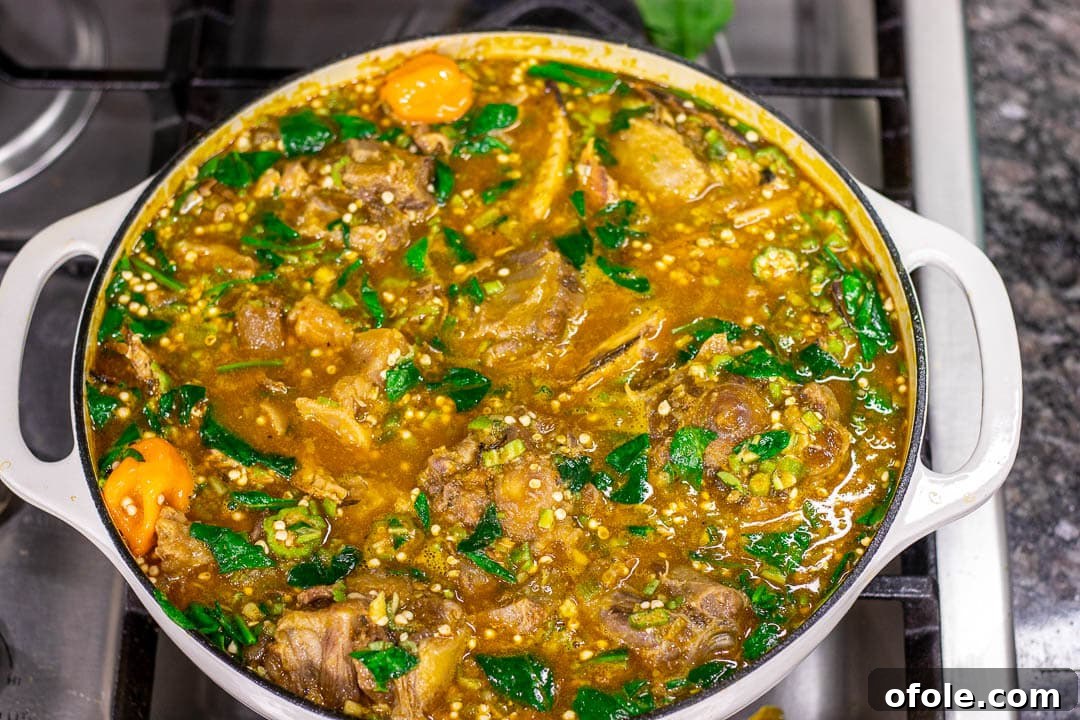
Pro Tip for Perfect Okra Texture: To achieve the ideal texture for your okra soup, cut the okra into chunks and then process it in a food processor. Use short pulses to break it down into small pieces that are still slightly chunky. It’s crucial not to over-process the okra into a smooth paste, as this will result in a less desirable texture. For an even more complex mouthfeel, consider using a mix of finely chopped okra and slightly processed or blended okra.
Elevate Your Okra Soup: Creative Variations & Customizations
One of the beauties of African Okra Soup is its adaptability. Feel free to experiment with these variations to tailor the soup to your preference or explore new flavors:
- Add Locust Beans (Iru or Dawadawa): Many Nigerian okra soup recipes traditionally call for fermented locust beans. These small, dark beans, often sold dried, add a distinct earthy, pungent, and highly authentic flavor that deepens the soup’s complexity. A small quantity can make a significant difference.
- Hot Pepper Power: If you crave a spicier kick, don’t hesitate to incorporate more heat. You can add blended scotch bonnet pepper, more habanero pepper, or a pinch of cayenne pepper to the soup during the simmering process. Adjust to your desired level of fiery delight.
- Ogbono Okra Soup Fusion: For a thicker, nuttier, and even more “drawy” soup, combine ground ogbono (wild mango seeds) with hot water to form a paste, then add it to the pot before introducing the okra. This creates a popular and incredibly satisfying dish known as Ogbono Soup With Okra.
- Red Bell Pepper for Color and Sweetness: For a slightly sweeter flavor profile and a beautiful reddish hue, roughly blend or process some of your okra with one red bell pepper. This not only enhances the visual appeal but also adds a subtle, pleasant sweetness.
- Seafood Okra Delight: Transform your soup into a seafood lover’s dream by adding fresh shrimp, crab, or other firm-fleshed fish alongside the traditional meats. Ensure seafood is added towards the end of cooking to prevent overcooking.
The Perfect Accompaniment: What To Serve With Okra Soup
African Okra Soup is traditionally served with a “swallow” food, typically a type of fufu. These starchy, dough-like staples are designed to be eaten with your hands, forming a small ball that is then dipped into the soup. The swallow helps to absorb the rich flavors of the soup, creating a truly harmonious dining experience. There are various kinds of fufu, each with its unique texture and taste:
- Garri: Made from cassava flakes, garri is prepared by stirring it into hot water until it forms a smooth, pliable dough. It’s a very common and versatile swallow.
- Cassava Fufu (Water Fufu): This fufu is made from fermented cassava, resulting in a slightly sour taste and a very smooth, soft texture.
- Corn Fufu: Prepared from finely milled corn flour, corn fufu has a distinct corn flavor and a firmer, slightly gritty texture that many enjoy.
- Yam Fufu: Made from pounded yam, this fufu is celebrated for its incredibly smooth, light, and elastic texture, offering a subtle sweetness.
- Plantain Fufu: A sweeter and denser option, plantain fufu is made from boiled and pounded green plantains, offering a unique flavor that complements savory soups.
Watch How To Make African Okra Soup
For a visual guide to perfecting this authentic dish, watch me show you step-by-step how to make African Okra Soup in the video below. If you would like to keep up with my cooking videos and discover more delicious African recipes, please subscribe to my YouTube channel and click on the notification bell so you never miss an update.
Explore More Hearty Soups and Stews
If you’ve enjoyed this rich African Okra Soup, you might be interested in exploring other flavorful and wholesome recipes from across Africa and beyond. These dishes offer comfort, nourishment, and a taste of diverse culinary traditions:
- African Chicken Peanut Stew
- Seafood Gumbo
- African Okra Soup
- Lentil Stew
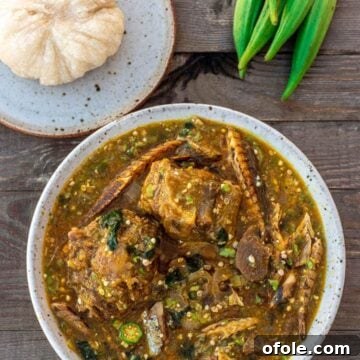
African Okra Soup
Pin Recipe
Rate
Print Recipe
Ingredients
- 3-4 pounds oxtail, goat meat, cow leg (foot cow), about 2 kg boiled with water, salt , onions (for flavor), and stock cubes (Maggi) until tender
- 4 oz smoked fish (deboned) About 1 1/2 cups
- 1/3 cup red palm oil
- 1/2 cup chopped onion
- 1/3 cup crayfish (coarsely ground) crayfish is a kind of dried shrimp common in Cameroon, Nigeria, in West Africa
- 4 cups beef stock from boiling the meats used in this recipe
- 2 seasoning cubes (Maggi) 4g per cube
- Salt to taste
- 2 habanero peppers (optional)
- 1 pound fresh okra (chopped into circles), half kg
- 5 oz fresh spinach (roughly chopped)
Instructions
-
Boil the Meats. Rinse the meats you choose to use thoroughly then put them in a pot. Add water to just over above the meat. Add salt and seasoning cubes (Maggi) as needed. Also add half a medium onion (chopped). Cover and let it cook on high heat until the meat is tender.
-
Note: start boiling tougher meats first before adding the other meats or boil all the meats at the same time then take out the ones that get tender first and leave the others to cook.
-
A pressure cooker or an instant pot makes boiling the meats easier.
-
Place a pot on high heat and pour in the palm oil. Let it heat up for 2 to 3 minutes then reduce the heat to medium high and add the onions and let them sauté for about 1 minute while stirring from time to time.
-
Add the crayfish to the pot and stir for only a few seconds to release its flavor. Do not allow the crayfish in oil for long or the crayfish will burn.
-
Add the cooked meats to the pot, followed by their stock. Bring to a simmer, spooning some of the liquid over the meats if they are not completely submerged.
-
Add the smoked fish to the pot. Taste for salt then add the 2 seasoning cubes. Note that seasoning cubes are salty so be the judge and use less if your stock was salty enough. Let everything simmer together on medium heat.
-
Add the habanero peppers whole to the pot. I do it this way to soften the peppers so those who want spicy soup can press some of the pepper into their soup to release its spiciness.
-
However, if you want the entire soup spicy feel free to blend one habanero pepper with water then add it to the soup.
-
While the pot simmers prepare the okra. Place about a cup of the okra into a blender or food processor and pulse about 2 seconds at a time to reveal a chopped consistency. (You can see how I do this in the video).
Repeat the process with all of the okra.
-
Add the okra to the pot. Gently stir to ensure it is evenly distributed. Let it cook for 2 minutes.
-
Add the spinach to the pot and stir in. Let everything cook for another 2-3 minutes. Turn off the heat and serve hot with your fufu of choice.
Notes
2. For fish, you could use smoked fish, dried fish, stock fish, fresh mackerel or any fish with firm flesh.
3. If using stock fish, you’ll have to cook it separately until done then add to the pot at the same time the recipe calls for fish to be added.
4. All smoked fish and dried fish must be properly deboned before adding to the pot.
5. To make spicy okra soup, blend one habanero pepper and add to the pot.